Handwriting practice Normal Grade 3 Tracing Numbers Worksheets
3 filtered results
-
From - To
Enhance your third grader’s handwriting skills with our engaging Handwriting Practice - Normal Grade 3 Tracing Numbers Worksheets! Designed to support young learners, these worksheets combine number tracing with essential handwriting techniques, ensuring your child develops confidence in their writing abilities. Each worksheet provides ample practice opportunities for students to trace and write numbers, improving fine motor skills and reinforcing number recognition. Ideal for classroom use or at-home learning, our interactive resources make mastering numbers fun and effective. Give your child the tools they need to succeed in math and writing with our easy-to-use tracing worksheets today!
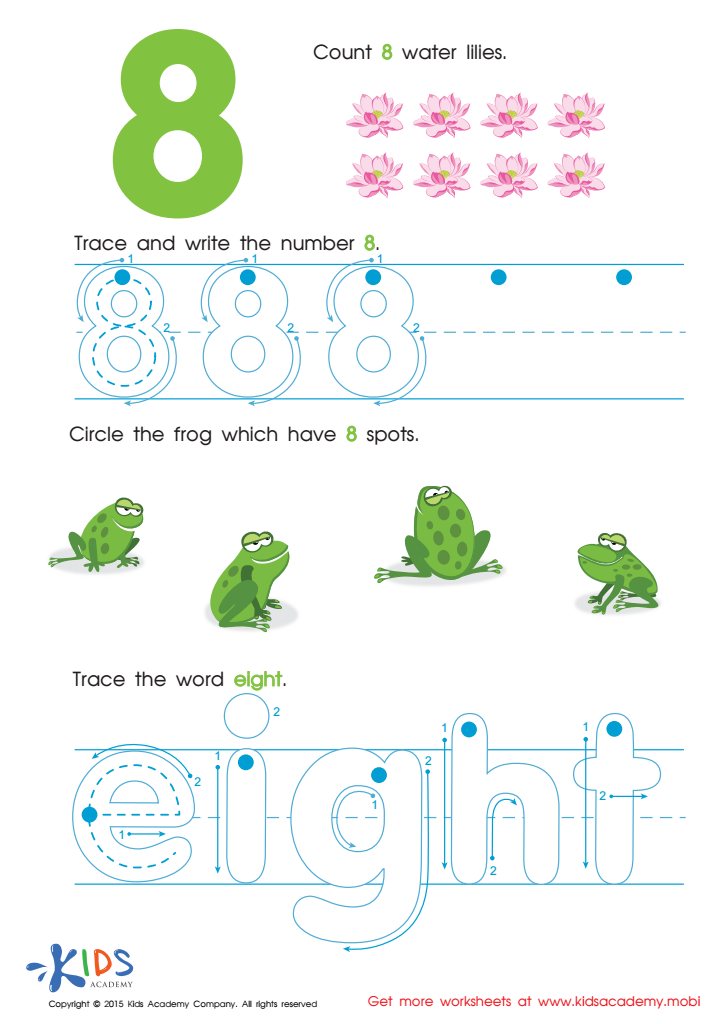
Learn Number 8 Easily Worksheet
 Assign to My Students
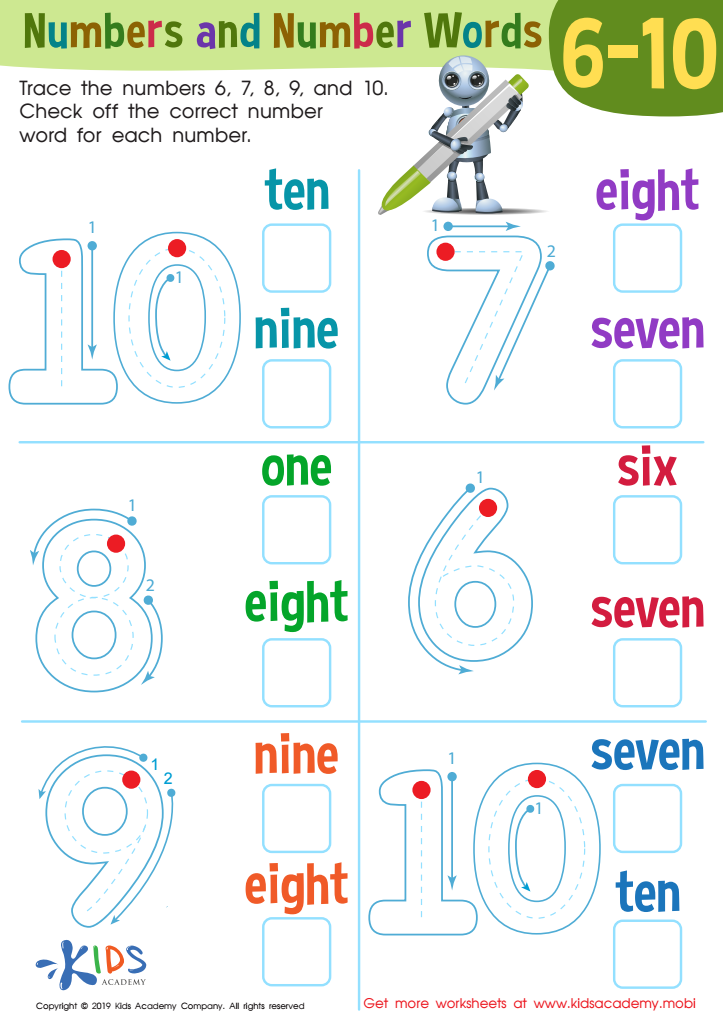
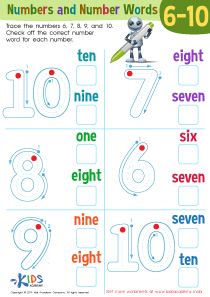
Numbers and Number Words 6–1 Worksheet
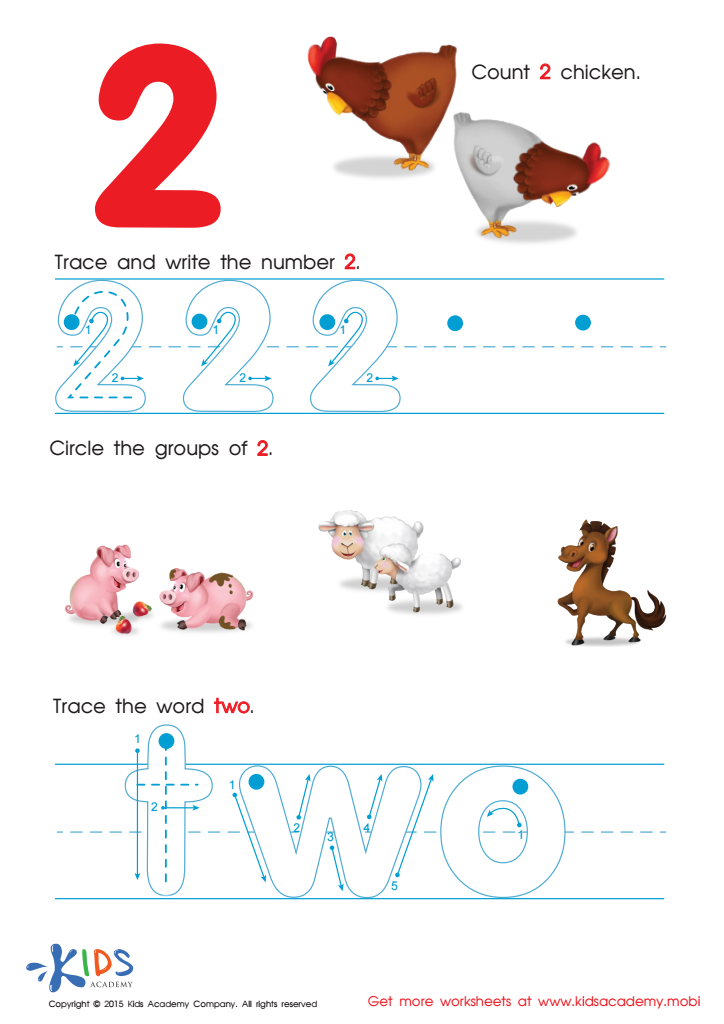
Learn to Write the Number 2 Worksheet




Handwriting practice, especially tracing numbers in Grade 3, is crucial for young learners' development. At this stage, students are refining their fine motor skills, which are essential not just for writing but for a variety of everyday tasks. Tracing numbers helps build the muscle memory needed to form digits accurately and neatly, promoting confidence in their mathematical skills.
Additionally, legible handwriting aids in communication. When children can write numbers clearly, it ensures their mathematical understanding can be effectively conveyed, whether in classwork, exams, or real-life situations like measuring or budgeting. Furthermore, handwriting experience fosters attention to detail, patience, and perseverance—qualities that benefit them in all areas of learning.
For teachers and parents, being invested in handwriting practice means supporting their child's overall academic success. It enhances their ability to express thoughts by ensuring that numerical work is not a barrier to understanding concepts. Good handwriting prepares children for standardized tests and future academic challenges. Therefore, prioritizing tracing numbers not only assists in math fluency but also contributes to building a strong foundation for communication skills, setting the stage for lifelong learning. Encouraging this practice at home or in the classroom can yield significant educational benefits as children progress.