Vocabulary enhancement Normal Grade 3 Reading Worksheets - Page 2
28 filtered results
-
From - To
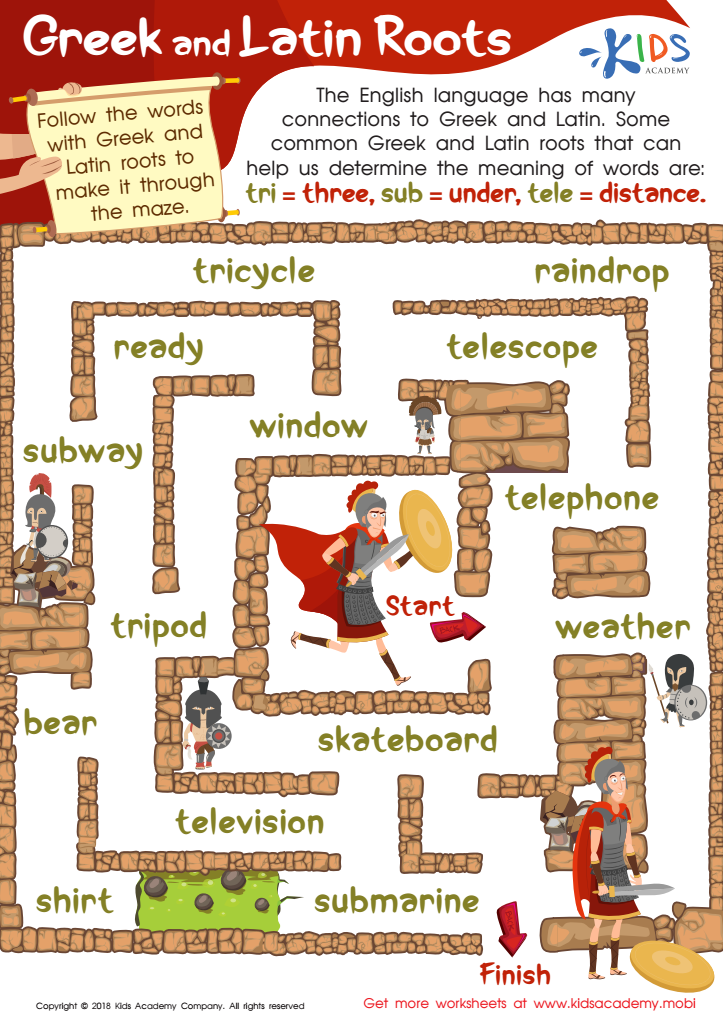
Greek and Latin Roots Worksheet
 Assign to My Students
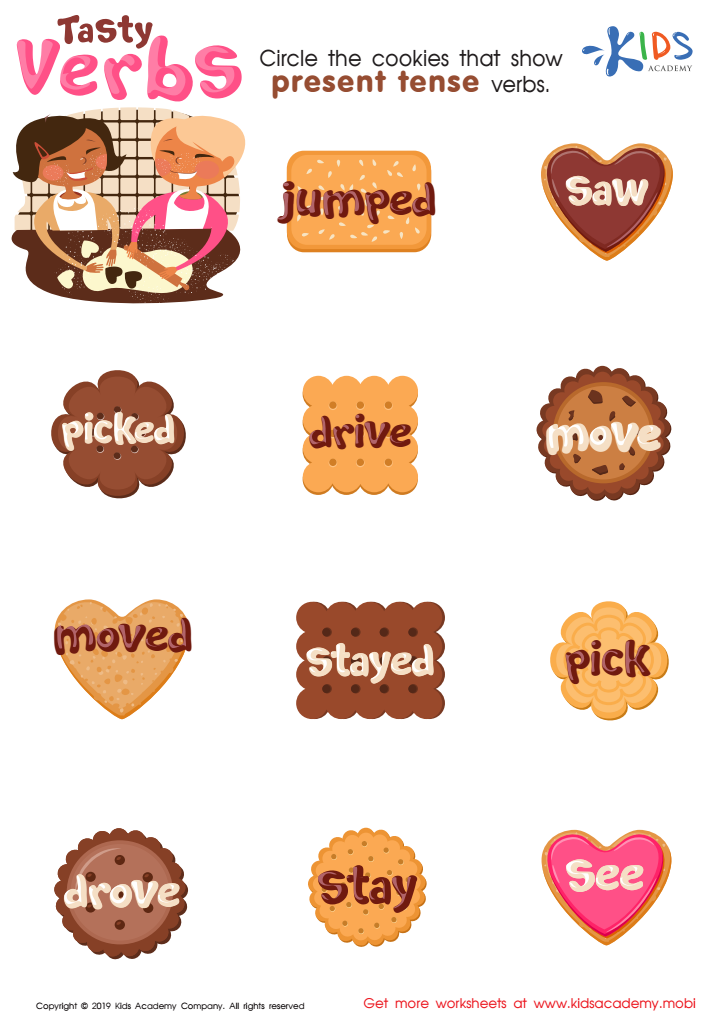
Tasty Verbs Worksheet
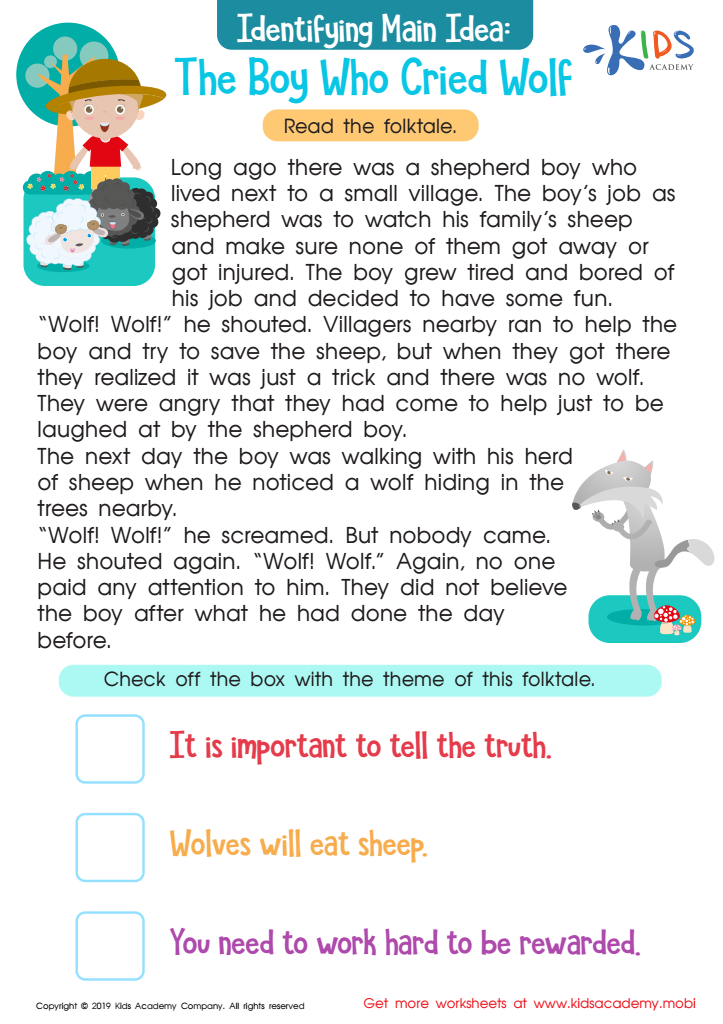
The Boy Who Cried Wolf Part 2 Worksheet
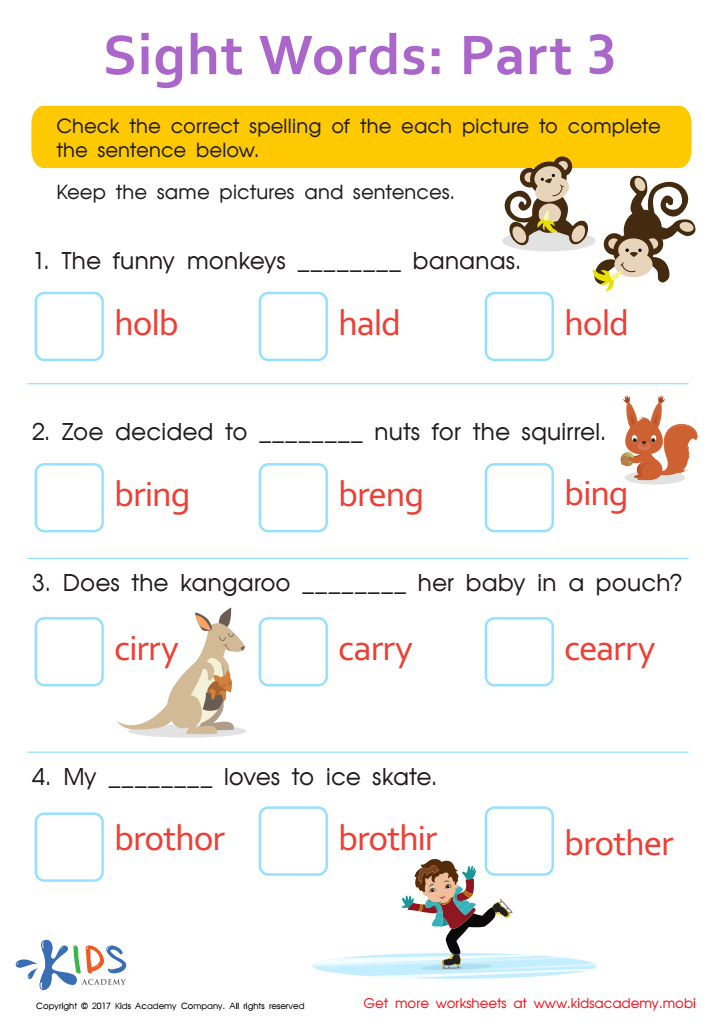
Hold, Bring, Carry, Brother Sight Words Worksheet








Vocabulary enhancement is crucial for third-grade students as it acts as the scaffolding for their literacy development and overall academic success. At this age, children are transitioning from learning to read to reading to learn, making a robust vocabulary essential for understanding content across subjects. When parents and teachers prioritize vocabulary development, they empower students to express their ideas more clearly and confidently.
A rich vocabulary enhances reading comprehension, enabling children to grasp more complex texts and concepts, which is vital as they progress to higher grade levels. Furthermore, vocabulary abilities have been closely linked to higher performance on standardized tests, impacting future educational opportunities. By concentrating on vocabulary, educators and parents can foster critical thinking and problem-solving skills, encouraging children to engage actively with their learning.
Moreover, vocabulary development is vital for effective social communication. Children with a broader vocabulary can participate in discussions, make friends, and express themselves better, supporting their social and emotional growth. By investing time in vocabulary enhancement activities—through reading, games, and discussions—parents and teachers not only help improve students’ literacy skills but also enhance their confidence and enthusiasm for lifelong learning. Supporting vocabulary development is an investment in children’s future success.