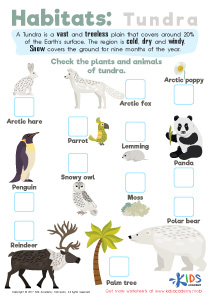
Problem-Solving Skills Normal Grade 3 Plants and Animals Worksheets
4 filtered results
-
From - To
Enhance your third grader's knowledge of plants and animals while developing essential problem-solving skills with our engaging worksheets. These beautifully designed educational activities align with science standards, offering a variety of exercises to challenge young minds. Students will enjoy exploring plant life cycles, animal habitats, food chains, and more through interactive puzzles and critical-thinking scenarios. Each worksheet encourages analytical thinking, making science both fun and educational. Perfect for classroom use or at-home learning, these resources help foster a deep understanding of the natural world while building the problem-solving skills needed for lifelong learning. Explore our collection today to inspire curiosity and scientific inquiry!
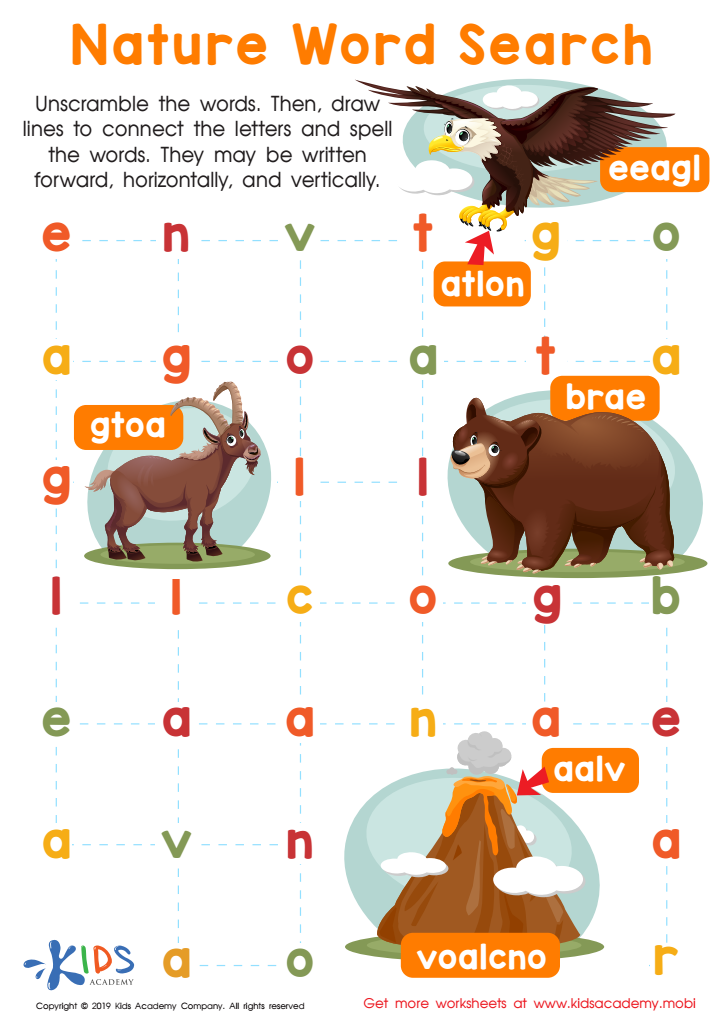
Nature Word Search Worksheet
 Assign to My Students
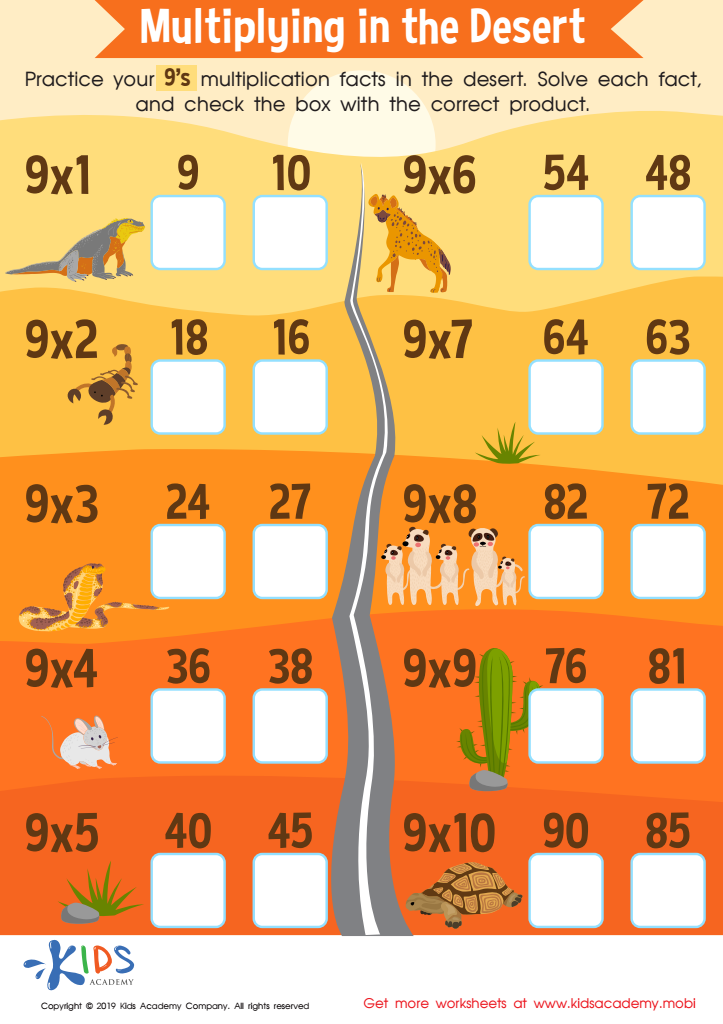
Multiplying in the Desert Worksheet
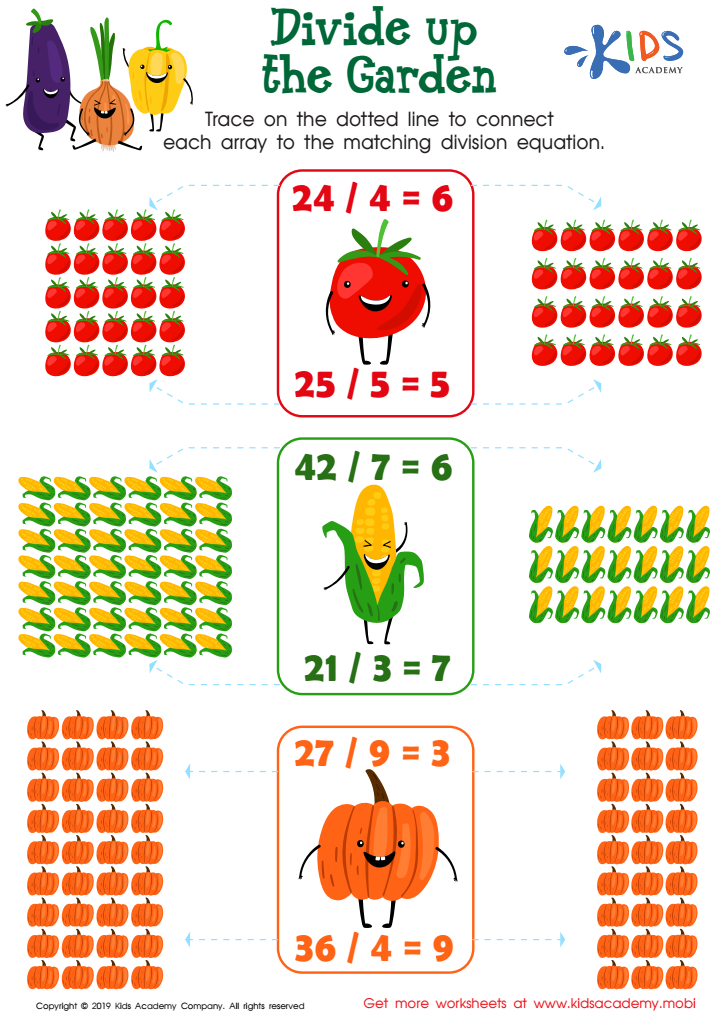
Divide up the Garden Worksheet
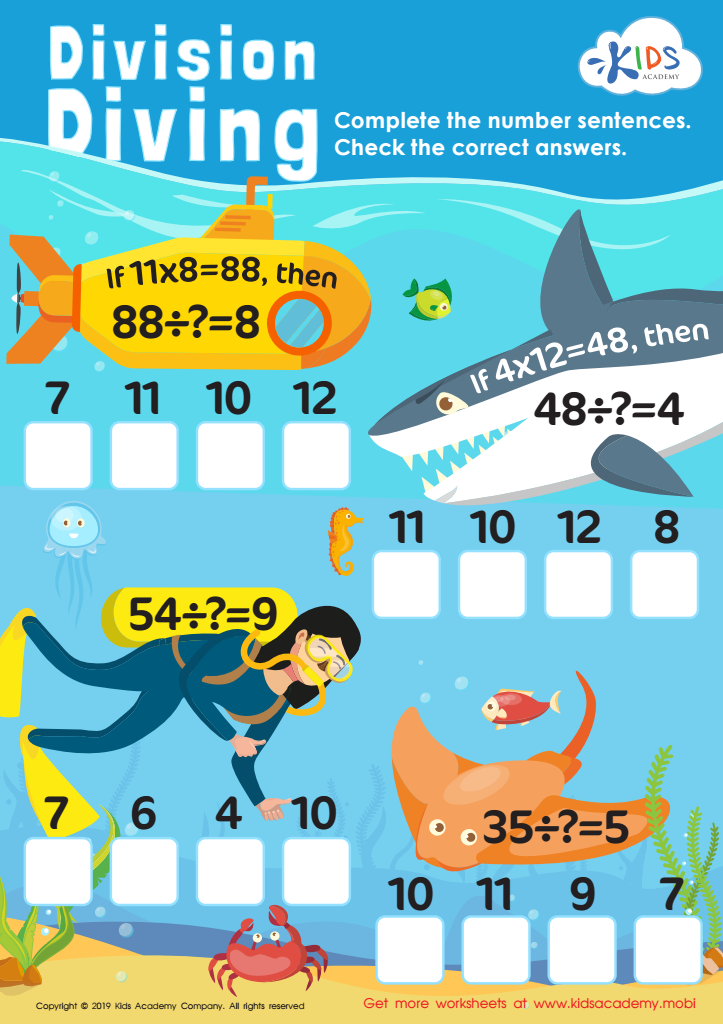
Division Diving Worksheet



Parents and teachers should care about problem-solving skills in Grade 3 related to plants and animals, because these skills lay a foundational understanding of the natural world and foster critical thinking. At this age, children are naturally curious, and engaging them with scientific concepts about flora and fauna helps spark an interest in biology and ecology, which are vital areas of learning.
Developing problem-solving skills through exploring plants and animals encourages analytical thinking. When children investigate how plants grow or how animals adapt to their environments, they learn to ask questions, gather data, and develop hypotheses. These activities improve their cognitive abilities, including reasoning, pattern recognition, and logical thinking.
Additionally, understanding plants and animals nurtures a sense of environmental stewardship. Children learn the importance of biodiversity, conservation, and sustainable practices from an early age. This awareness is crucial in cultivating responsible future citizens who care about and contribute positively to our planet.
Problem-solving tasks also promote teamwork and communication as students collaborate on projects like building a model ecosystem or observing plant life cycles. These experiences enhance social and emotional skills, including empathy, patience, and cooperation. In short, focusing on problem-solving skills centered around plants and animals equips third graders with essential intellectual, social, and emotional tools for their ongoing educational journey and personal development.