Phonics Skills Normal Writing Worksheets
10 filtered results
-
From - To
Enhance your child's reading and writing abilities with our Phonics Skills Normal Writing Worksheets. Designed for early learners, these engaging worksheets help develop essential phonics skills through fun and interactive activities. From identifying letter sounds to blending phonemes, our materials cater to various learning styles, making phonics accessible and enjoyable. Perfect for classroom use or at-home practice, these worksheets reinforce foundational literacy skills while keeping children motivated. With a variety of exercises that promote independent learning, parents and educators can ensure their young readers are on the path to success. Download and introduce the joy of phonics today!
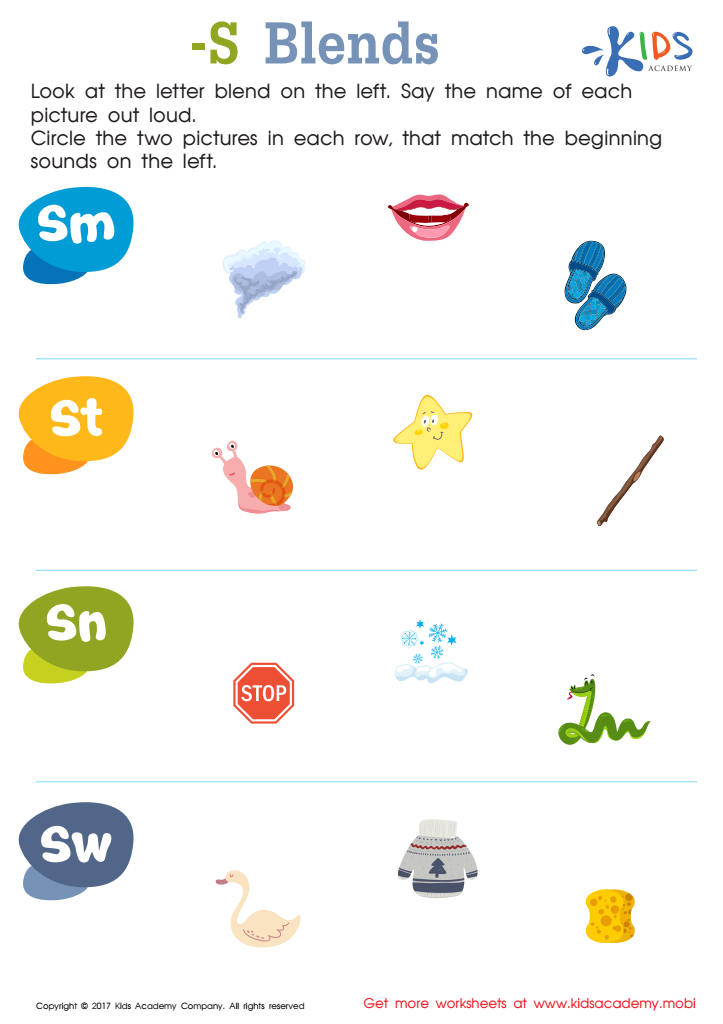
"s" Blends Spelling Printable
 Assign to My Students
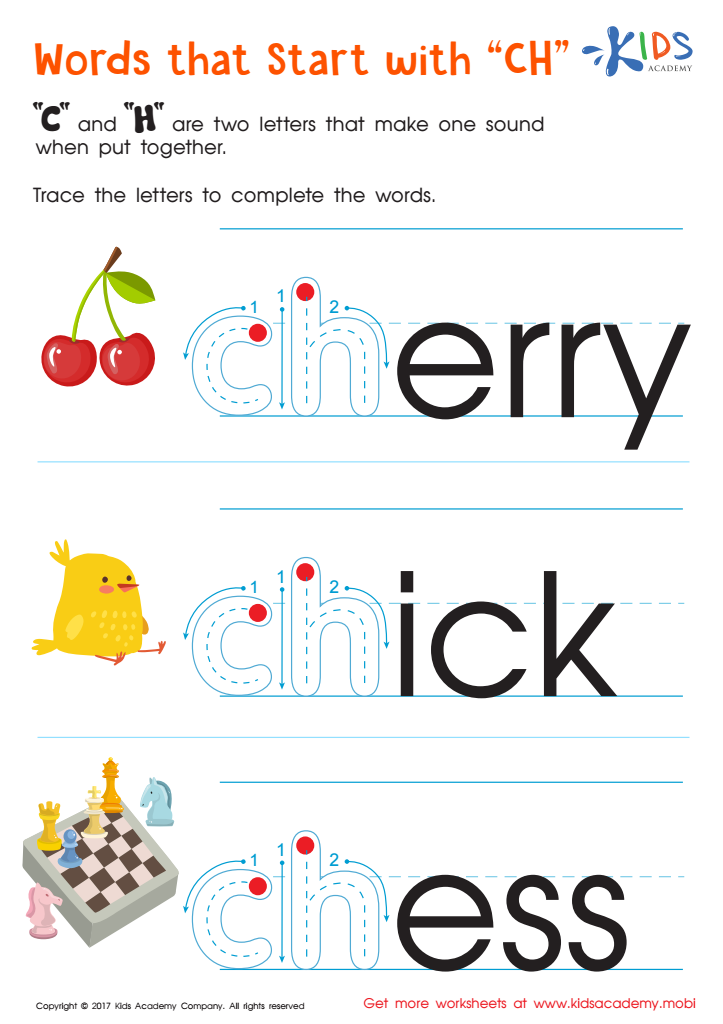
Words That Start with "ch" Spelling Worksheet
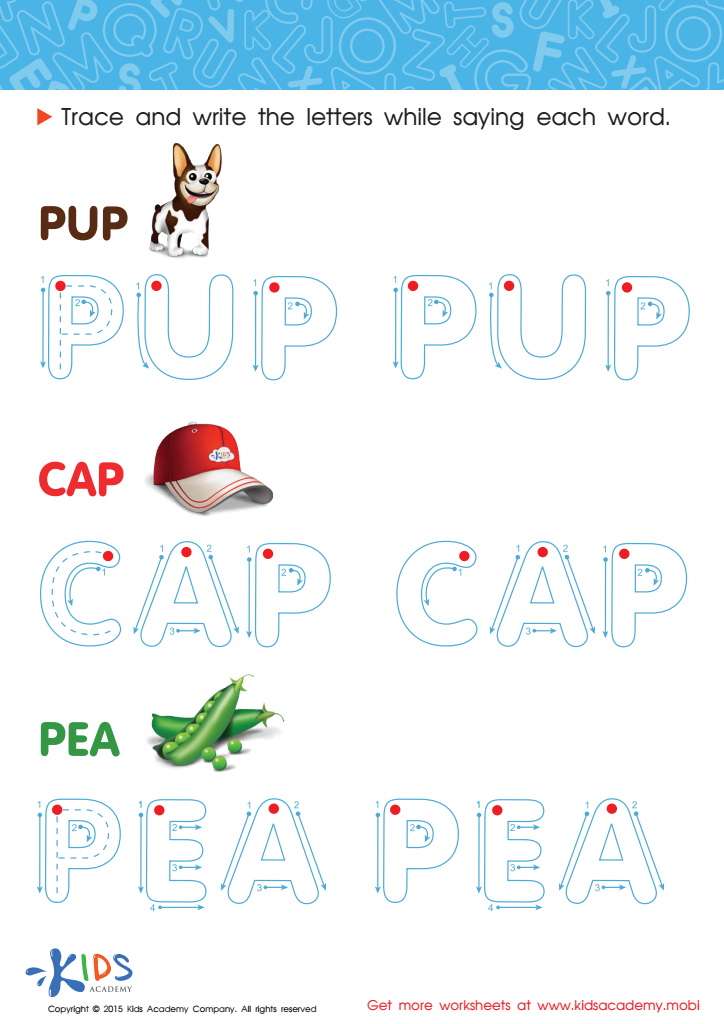
A Pup, a Cap and a Pea Spelling Worksheet
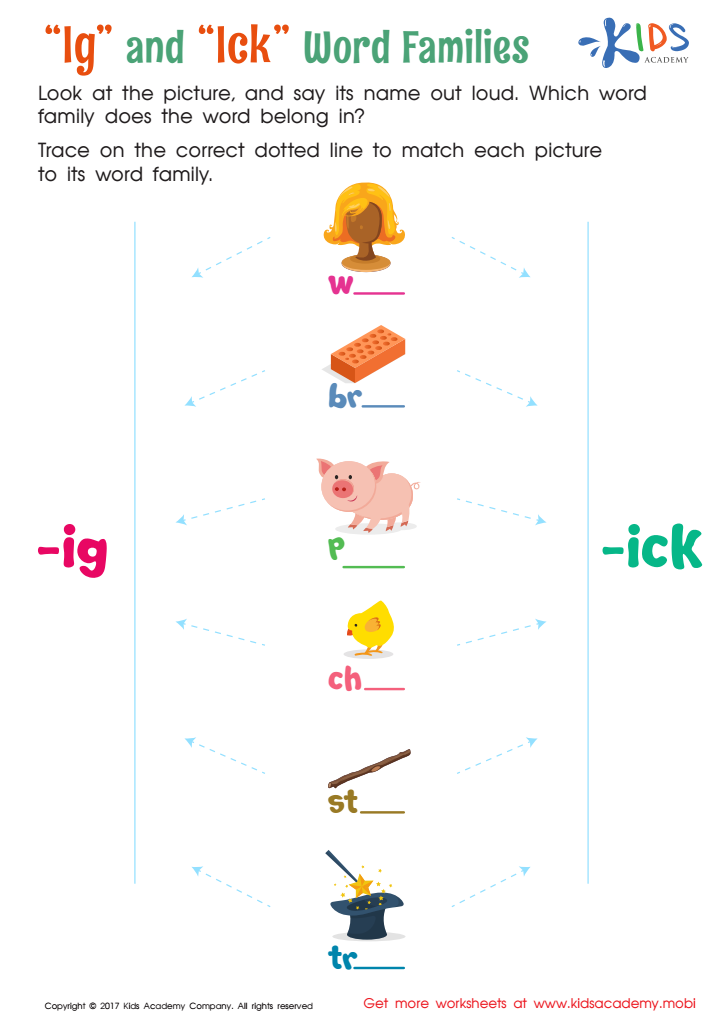
Words Families "ig" and "ick" Spelling Worksheet
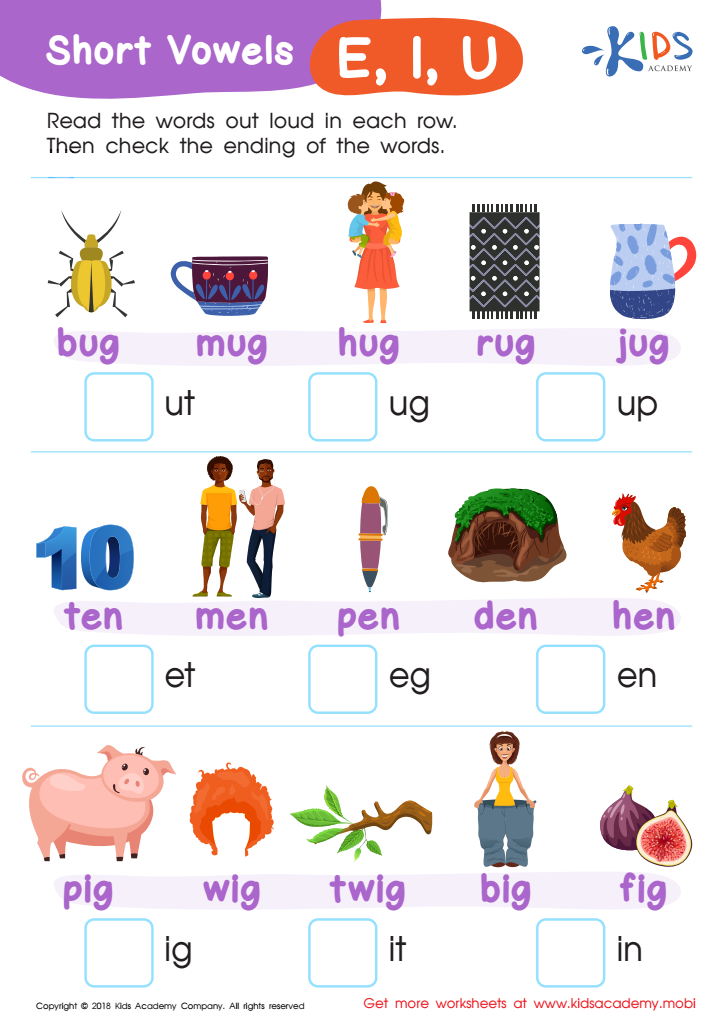
Short Vowels /e/, /i/, and /u/ Worksheet
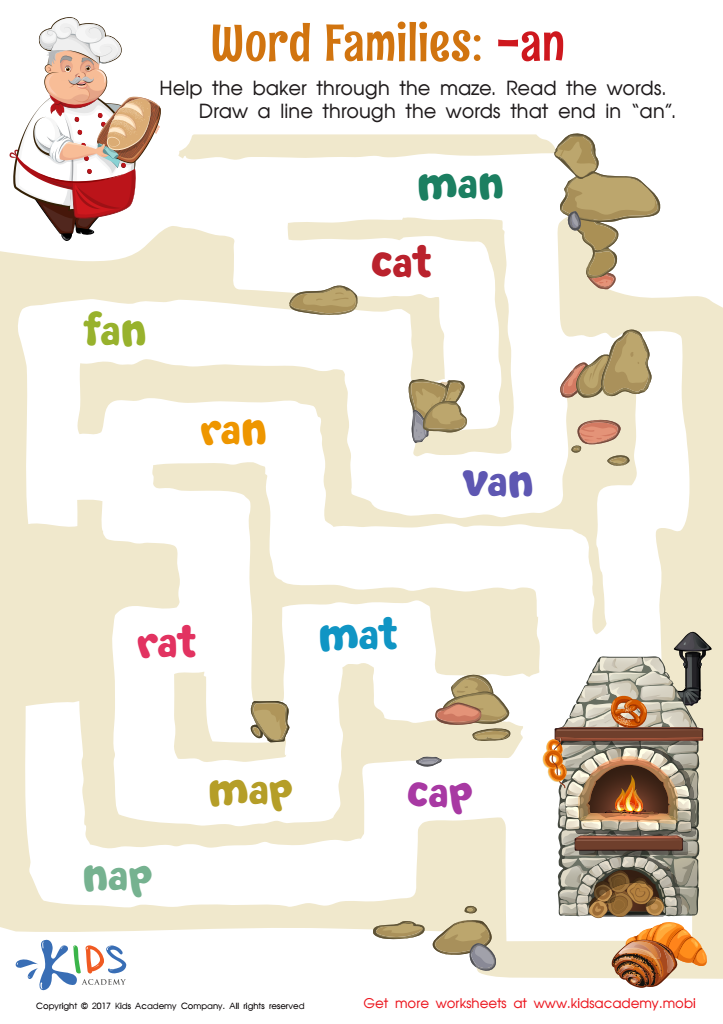
Words Families "an" Spelling Worksheet
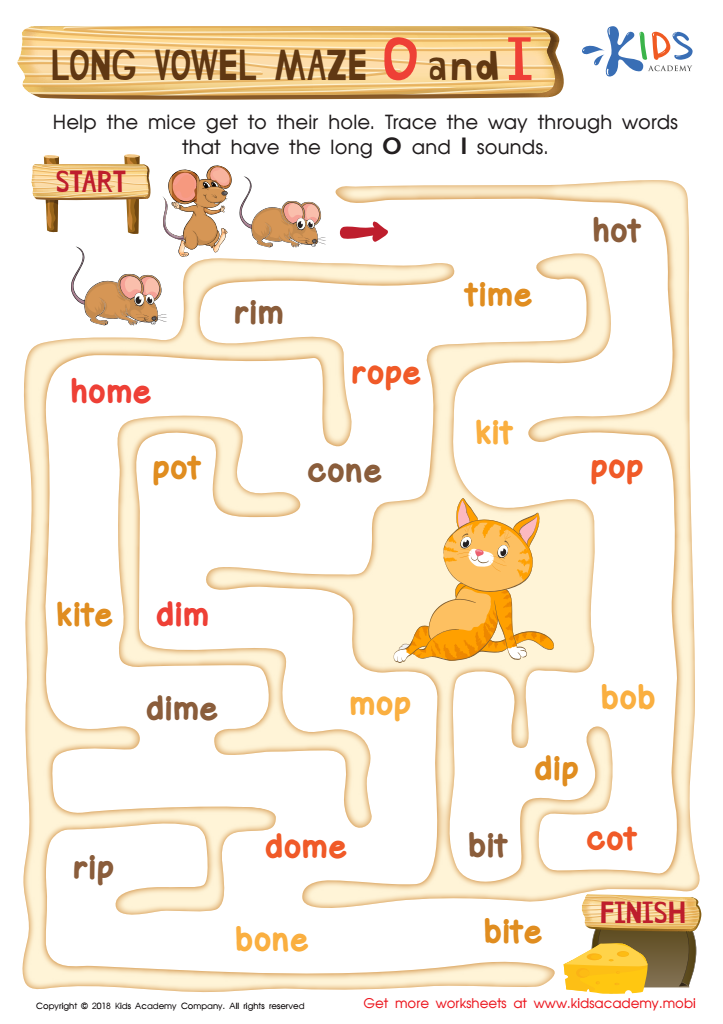
Long Vowel Maze /o/ and /i/ Worksheet
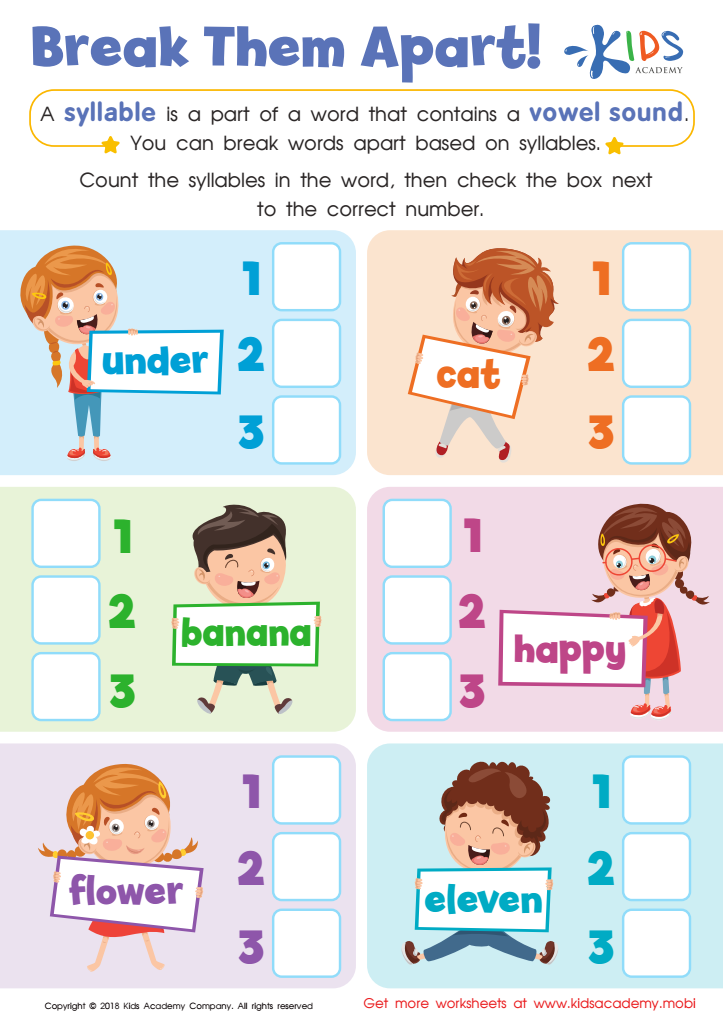
Reading: Break Them Apart Worksheet
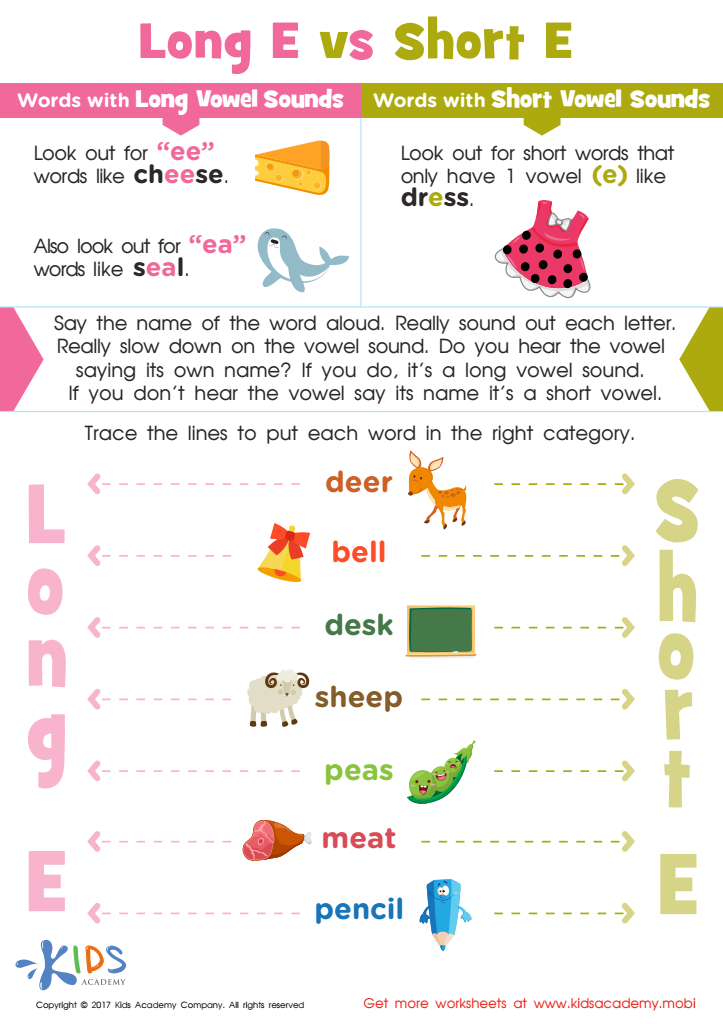
Long and Short Vowel E Spelling Worksheet
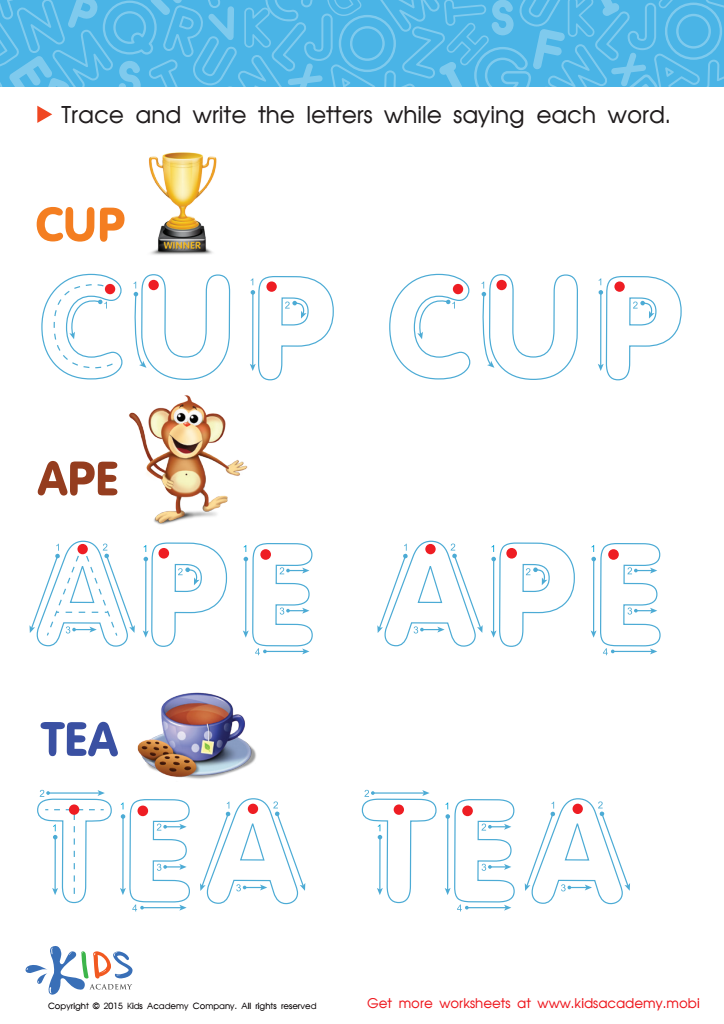
A Cup, an Ape and Tea Spelling Worksheet








Phonics skills are foundational for developing strong reading and writing abilities in young learners. For parents and teachers, cultivating these skills is essential because they directly correlate with a child’s ability to decode words and understand written language. Phonics teaches the relationship between sounds (phonemes) and letters (graphemes), enabling children to sound out words, which is crucial during early literacy development.
Understanding phonics skills also influences students' writing proficiency. When children grasp sound-letter associations, they become more confident in spelling and composing sentences. This process enhances their overall communication skills, facilitating their expression of ideas.
Moreover, developing phonics promotes a love for reading. Those who can decode words easily are more likely to engage with books, fostering a lifelong habit of reading that enriches vocabulary and knowledge. Parents and teachers play a vital role in this process, providing guidance, encouragement, and resources that support phonics learning, reinforcing the connection between skill progression and successful academic outcomes.
In sum, prioritizing phonics education benefits not only individual reading and writing competence but also future academic success and overall cognitive development for children. It lays a critical foundation for lifelong learning and effective communication.