Pronoun identification Normal Writing Worksheets
3 filtered results
-
From - To
Enhance your child’s writing skills with our engaging "Pronoun Identification Normal Writing Worksheets"! Designed for early learners, these worksheets provide a fun and interactive way to master pronouns. Students will identify and classify various pronouns in sentences, strengthening their understanding of language. Our materials promote critical thinking and improve grammatical skills, making learning both effective and enjoyable. Great for classroom use or home practice, these worksheets cater to children’s diverse learning styles. Help your young learner gain confidence in their writing abilities while exploring pronouns with these thoughtfully crafted resources. Start nurturing their skills today!
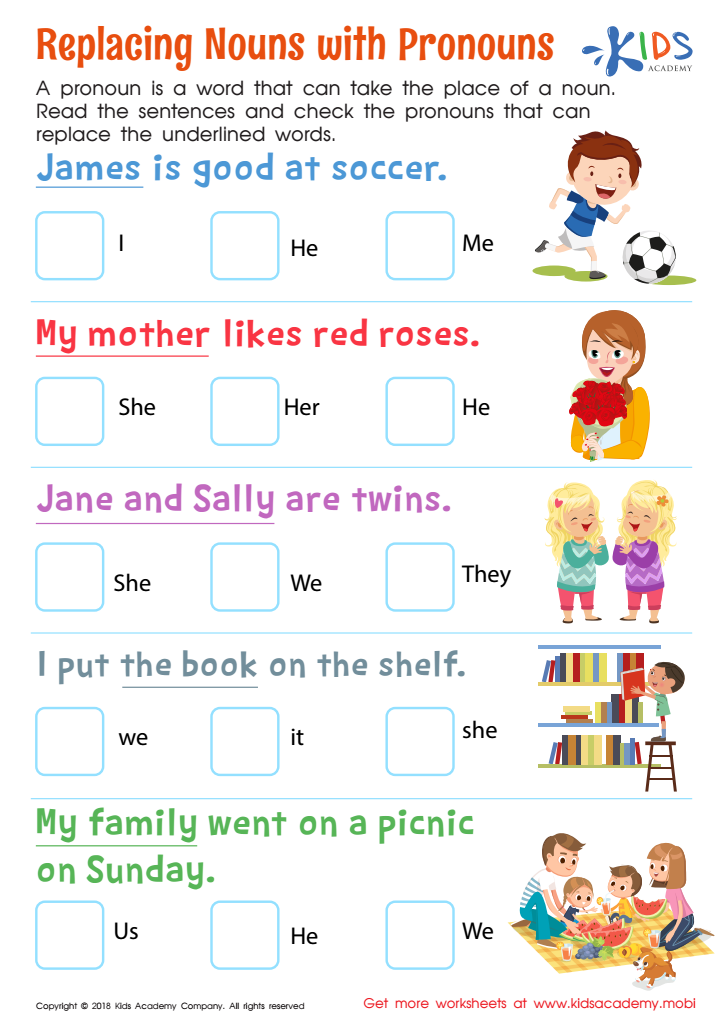
Replacing Nouns with Pronouns Worksheet
 Assign to My Students
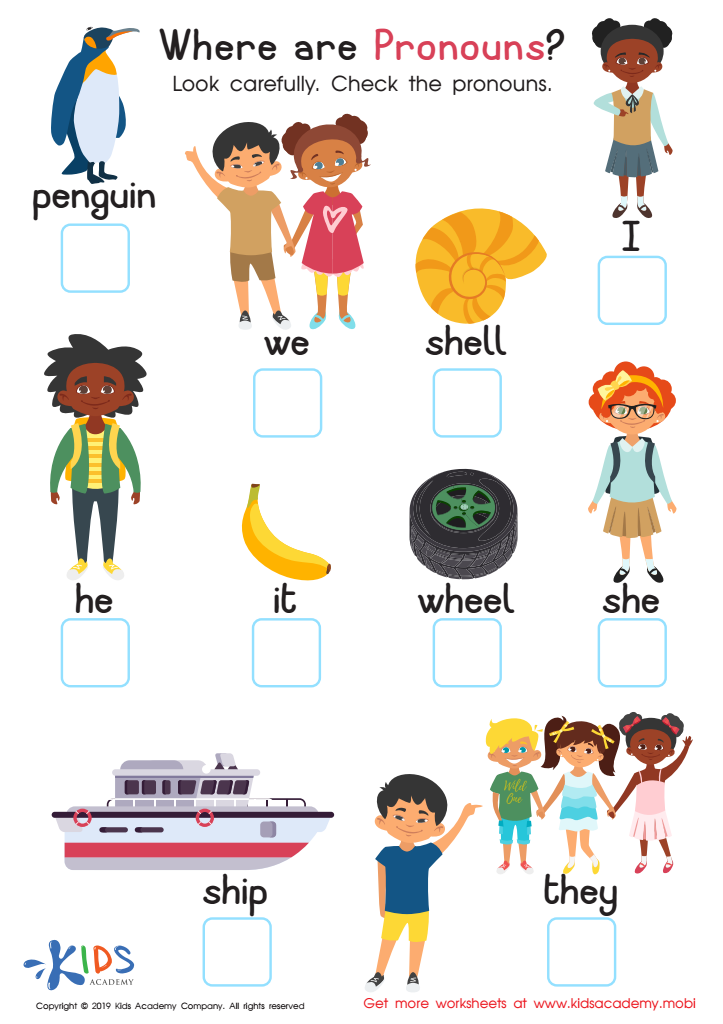
Where Are Pronouns? Worksheet
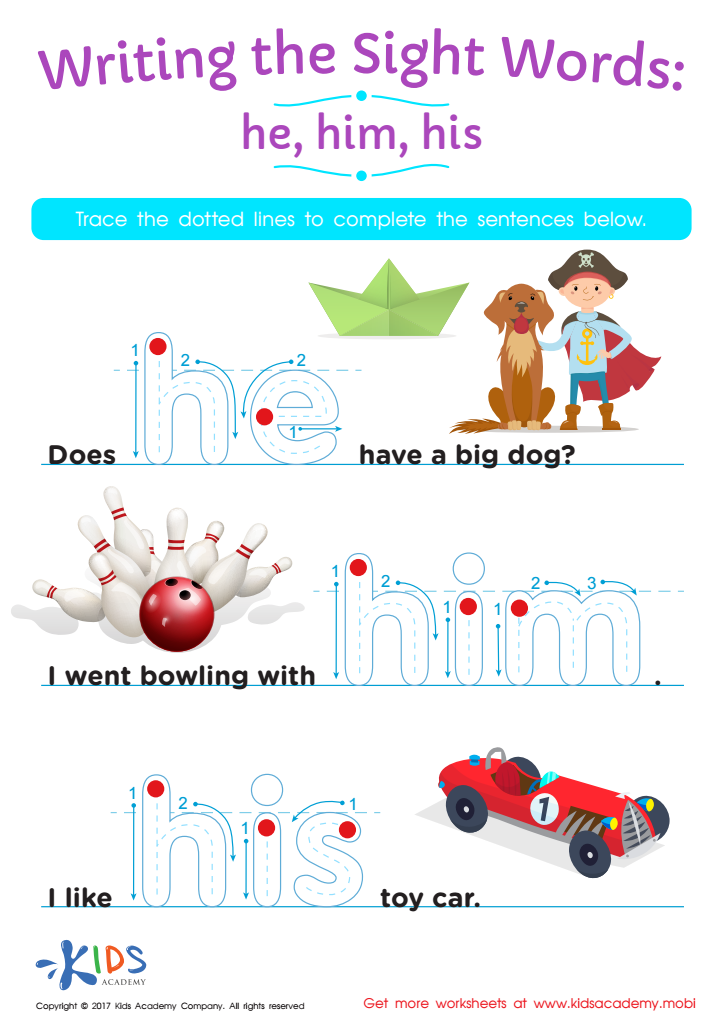
He, Him, His Printable Sight Words Worksheet



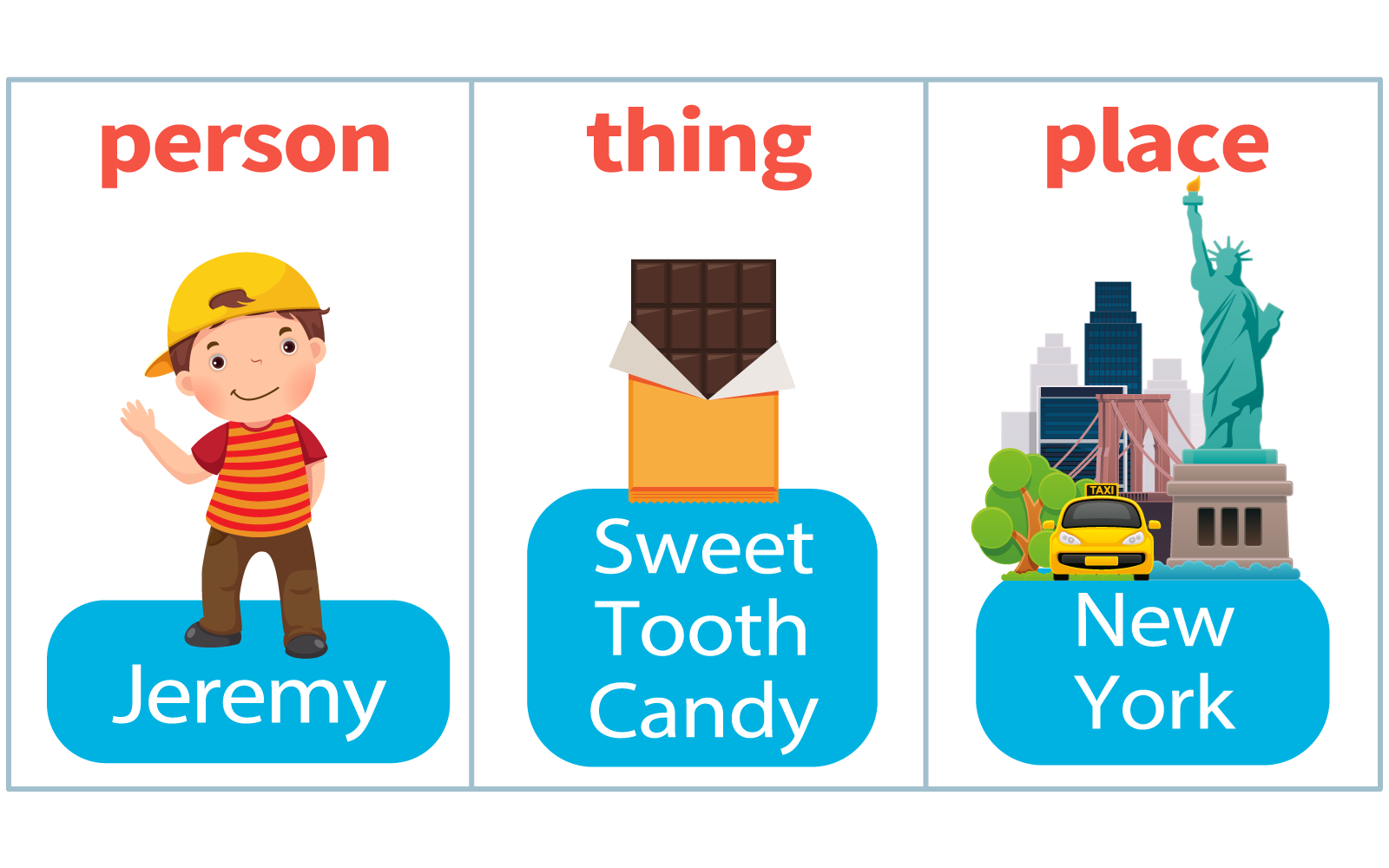



Pronoun identification is an essential skill that significantly impacts a child's language development, comprehension, and social interactions. For parents and teachers, understanding and supporting pronoun use fosters effective communication and enhances a child's reading and writing abilities. Pronouns, such as "he," "she," "they," and "it," serve to replace nouns and refer directly to people, places, or things, making sentences clearer and more concise.
Recognizing pronouns also supports a child's critical thinking skills. For instance, when children identify pronouns in sentences, they learn to connect ideas and understand the relationships between subjects and objects. This skill is foundational for reading comprehension, allowing them to grasp the narrative more fully.
Moreover, pronoun identification plays a role in social-emotional learning. Understanding inclusive pronoun usage cultivates respect and acceptance of others' identities, fostering a supportive and inclusive environment. This awareness helps children develop empathy and strong interpersonal skills, essential for their growth and development.
In essence, promoting pronoun identification helps build a child's linguistic abilities, improves their academic performance, and shapes their social interactions, making it a vital focus for both parents and teachers in early education settings.