Matching worksheets activities for Ages 3-4 - Page 4
75 filtered results
-
From - To
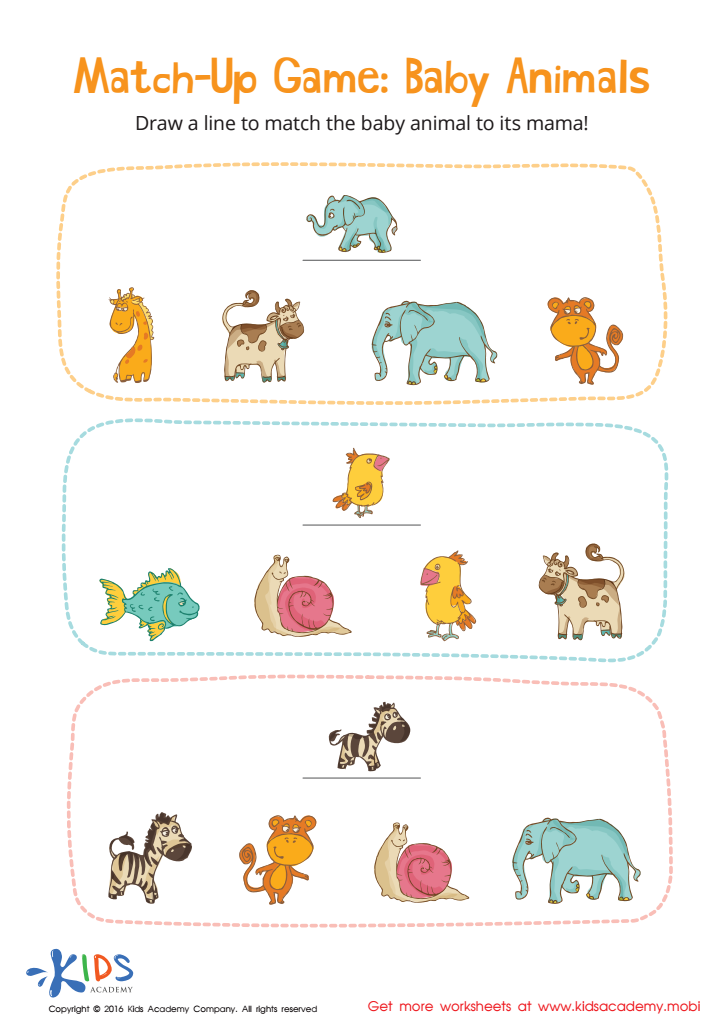
Baby Animals Match-Up Worksheet
 Assign to My Students
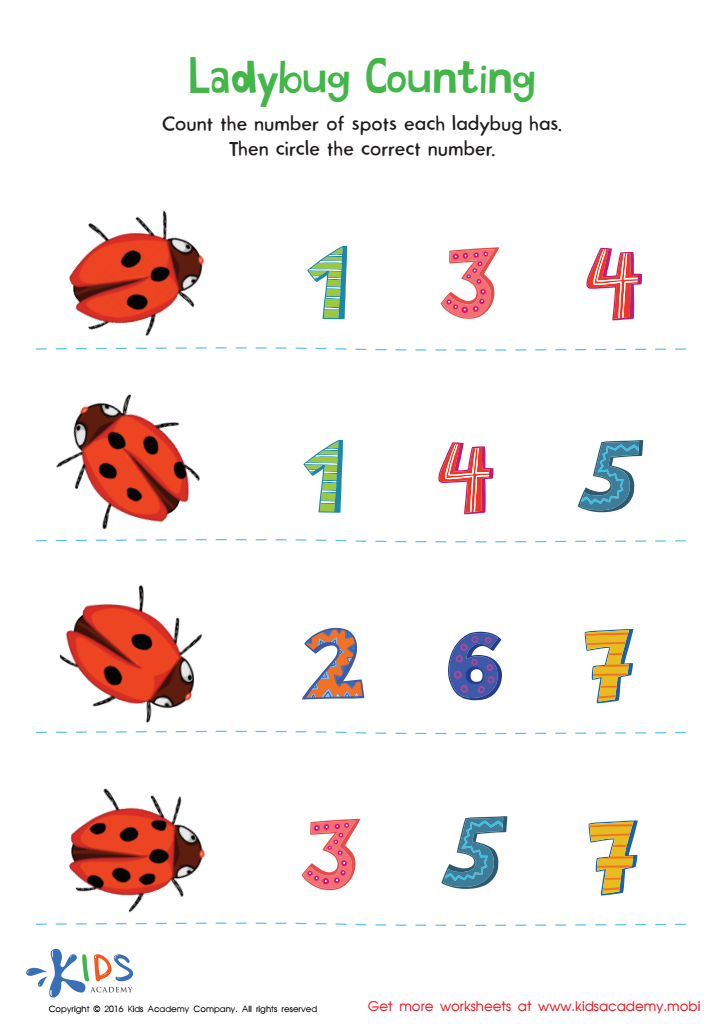
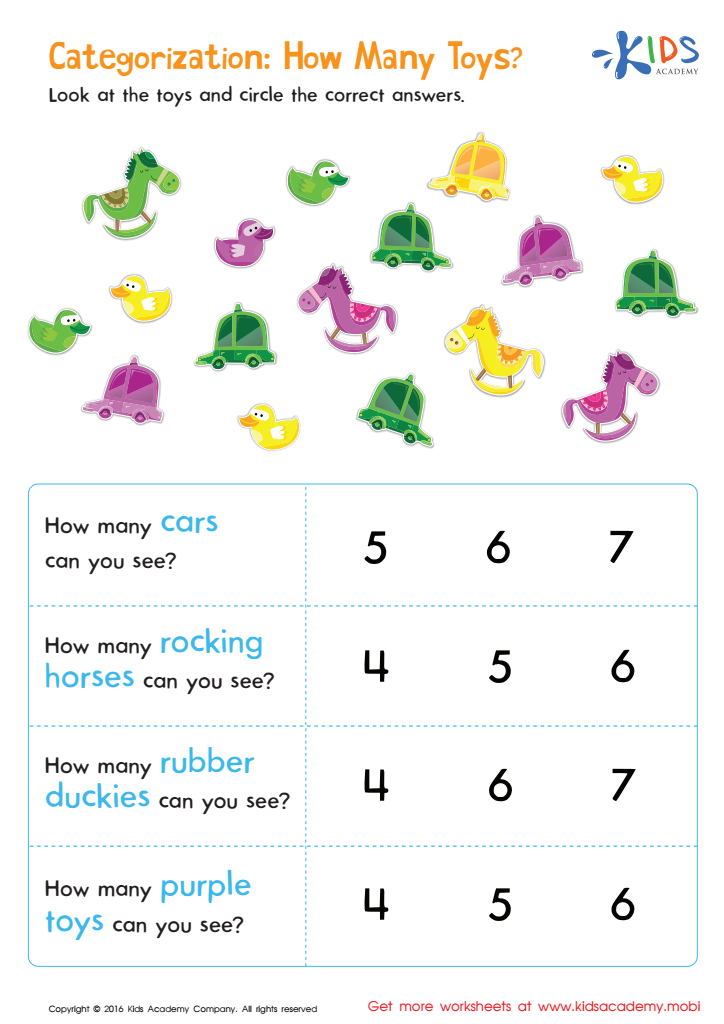
Classifying Toys by Type and Color Sorting Worksheet







Matching worksheets activities are an exceptionally useful tool in both educational and therapeutic settings, offering a wide range of benefits to participants of all ages. These activities, carefully designed to pair or match related items, concepts, or pictures, serve as a fundamental building block for cognitive development, language acquisition, and memory enhancement.
Firstly, matching worksheets activities are instrumental in reinforcing recognition skills. By engaging in these activities, learners practice identifying similarities and differences among items, which is a critical skill in early childhood development. This skill not only applies to academic learning but also aids in everyday decision-making and problem-solving processes.
Moreover, these activities are highly beneficial for vocabulary building and language development. Through matching words to pictures or concepts, learners can expand their vocabulary and improve their understanding of language structure, which is essential for reading comprehension and effective communication. The visual aspect of these worksheets also supports learners who are visual learners, making language learning more accessible and engaging.
Memory enhancement is another significant benefit of matching worksheets activities. The repetitive nature of matching exercises helps reinforce memory retention by encouraging learners to recall information, thus strengthening neural connections related to memory. This aspect is particularly helpful not just for young learners but also for individuals seeking to maintain or improve cognitive functions.
Matching worksheets activities are versatile and can be tailored to suit a wide range of subjects, from language arts and mathematics to science and social studies, making them an invaluable resource across the curriculum. They promote critical thinking as learners must apply logic and reasoning to determine correct matches, further enriching their learning experience.
Furthermore, these activities offer an interactive and enjoyable way to learn, which can significantly enhance motivation and engagement in the classroom or therapy sessions. Learners are more likely to retain information when they are actively engaged and find the learning process enjoyable.
In conclusion, matching worksheets activities are a crucial educational tool that offers a multitude of benefits, including enhancing recognition skills, facilitating language development, improving memory, and fostering critical thinking. Their adaptability across various subjects and positive impact on learning make them an essential component of effective teaching and learning strategies.








