Mazes worksheets activities for Ages 3-4
28 filtered results
-
From - To
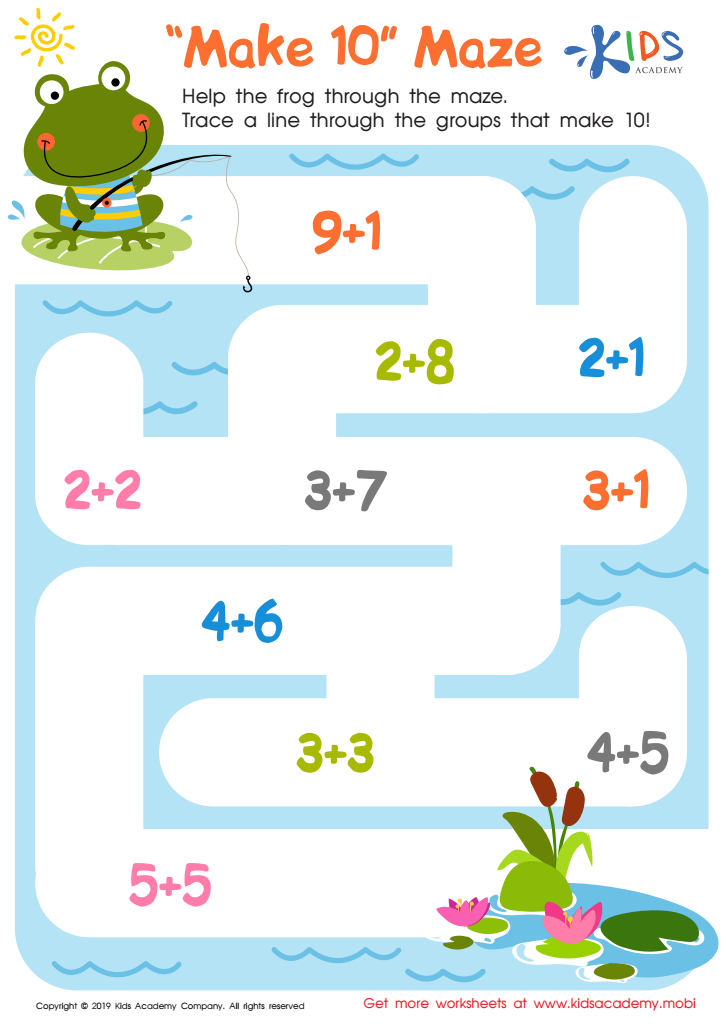
Make 10 Maze Worksheet
 Assign to My Students
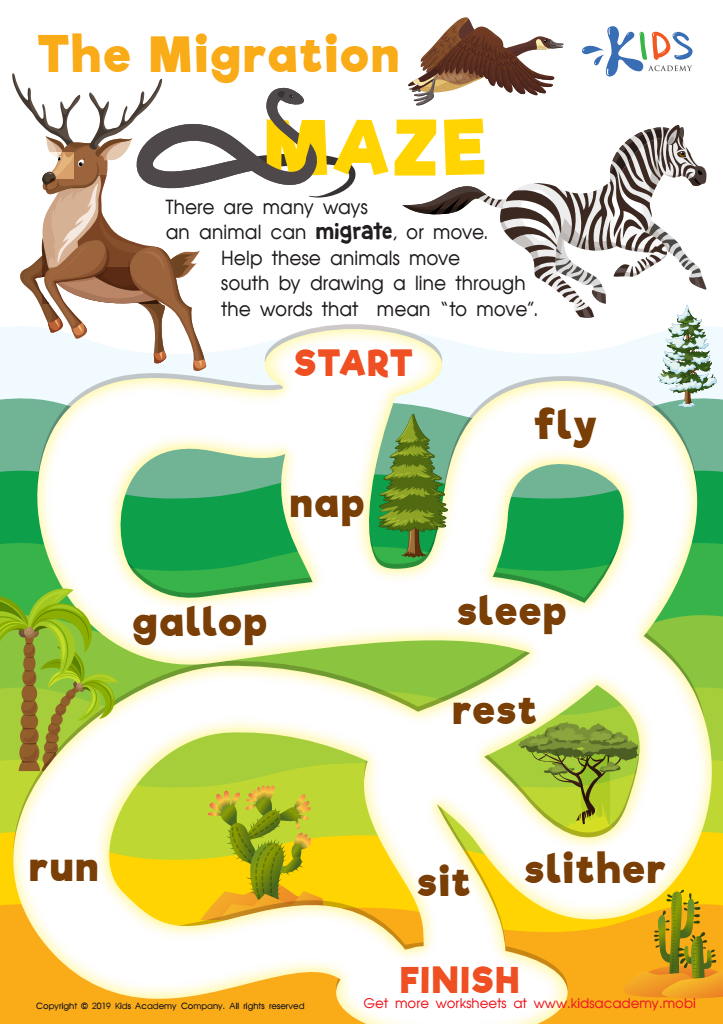
The Migration Maze Worksheet
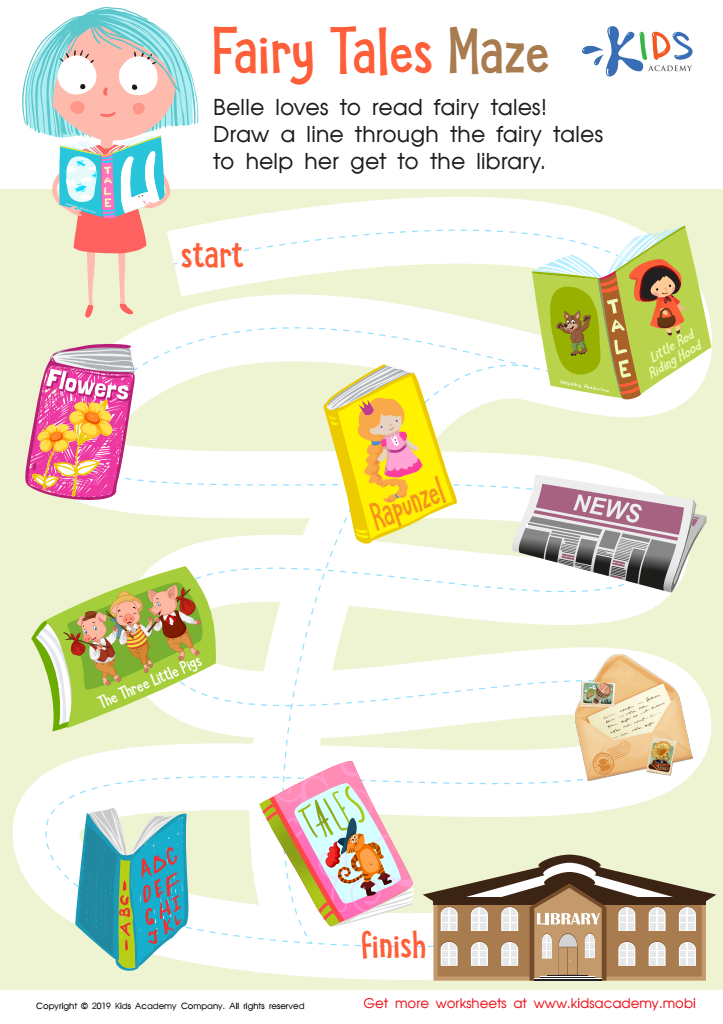
Fairy Tales Maze Worksheet
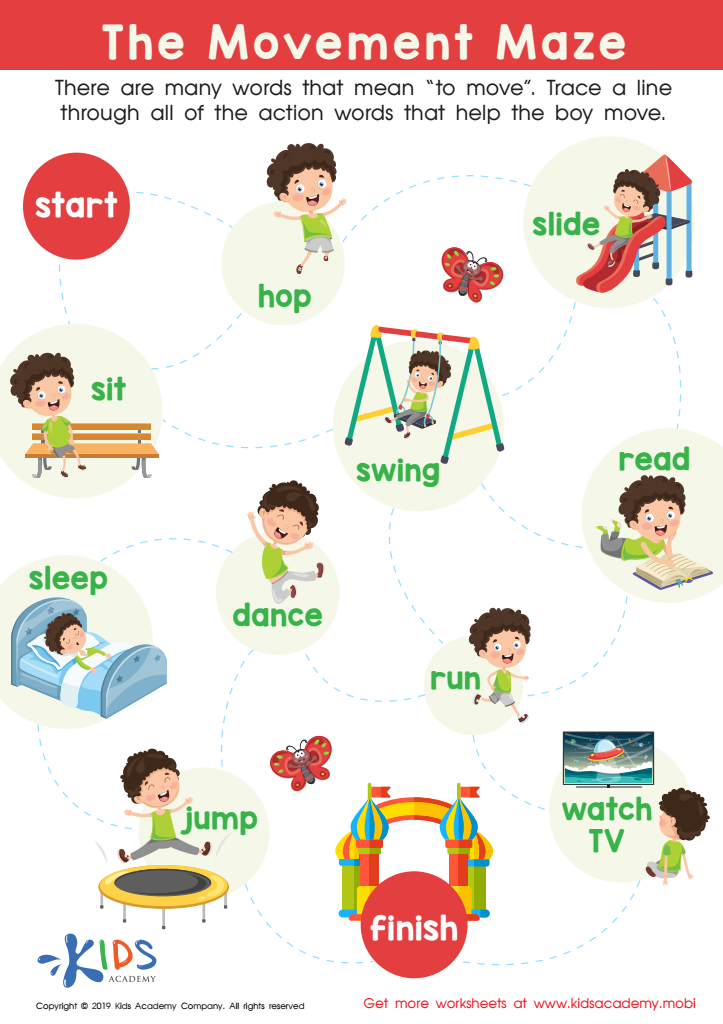
The Movement Maze Worksheet
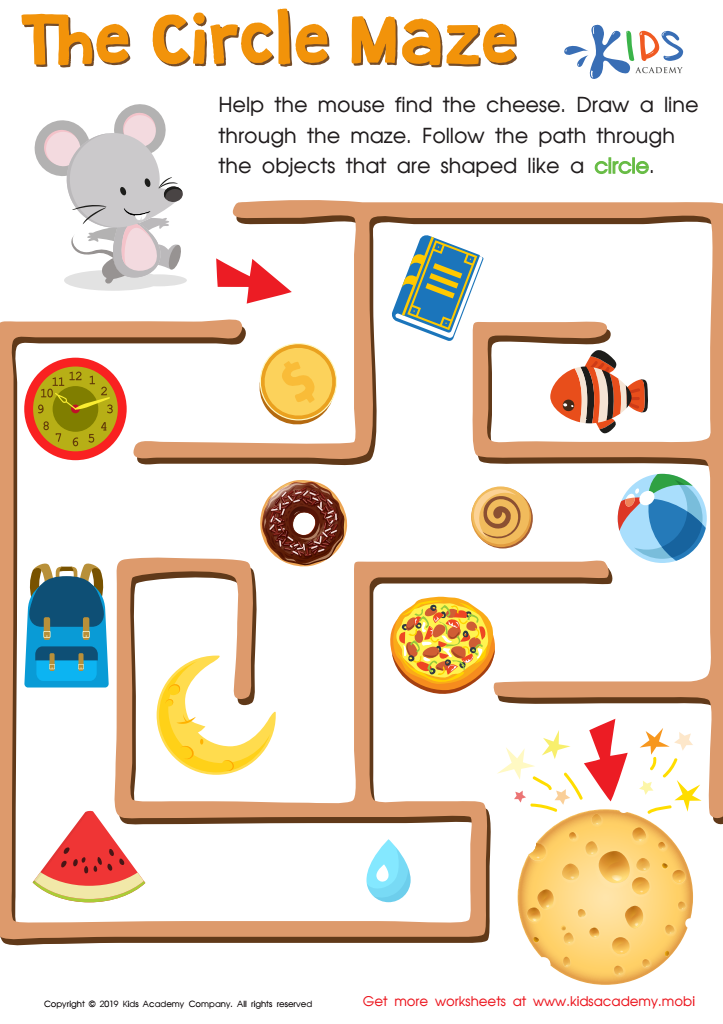
The Circle Maze Worksheet
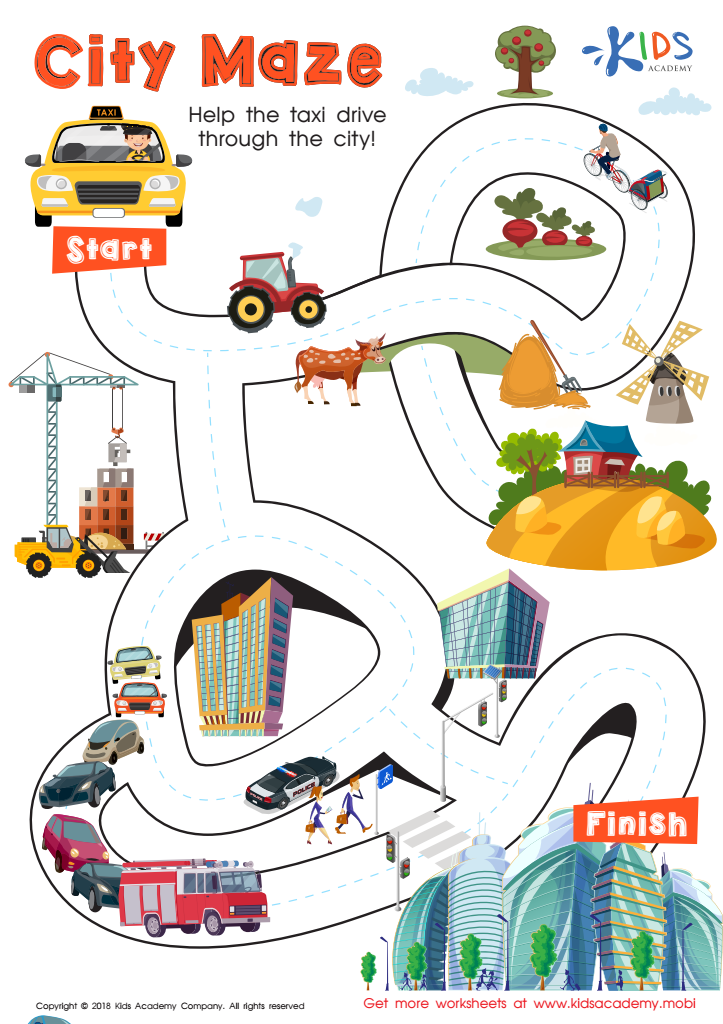
City Maze Worksheet
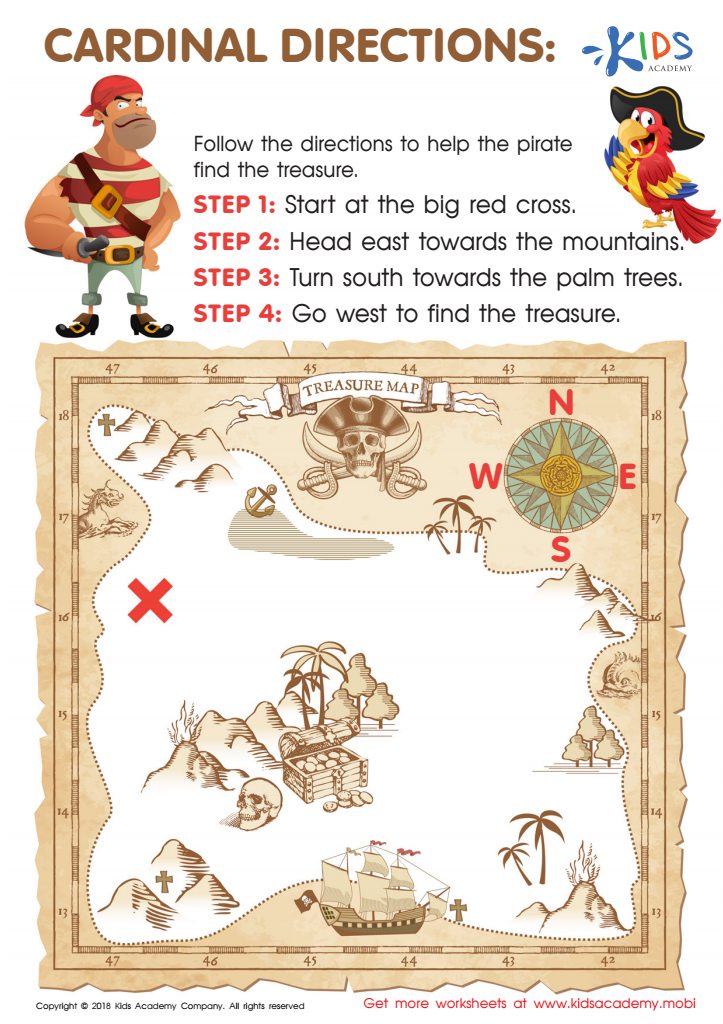
Cardinal Directions Treasure Map Maze Worksheet
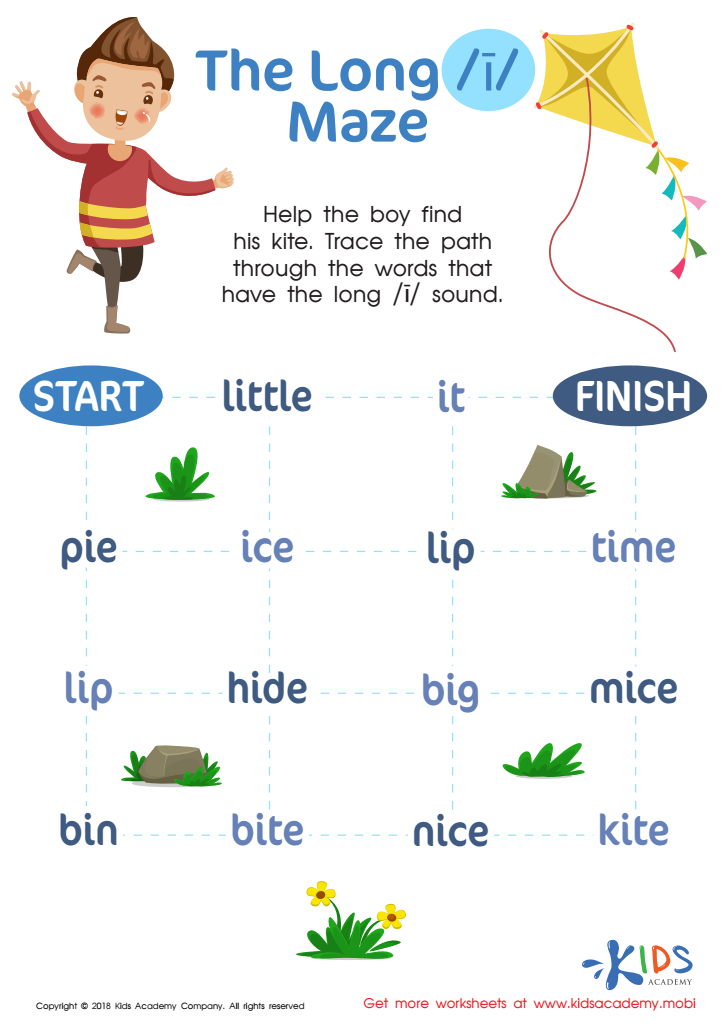
The Long I Maze Reading Worksheet
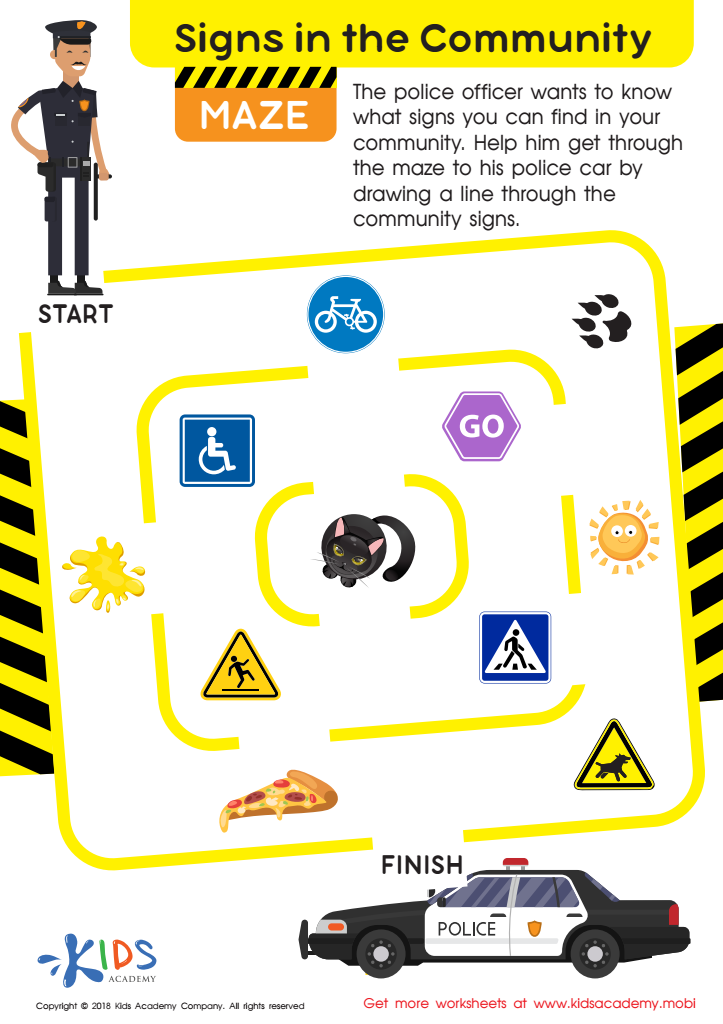
Signs in the Community: Maze Worksheet
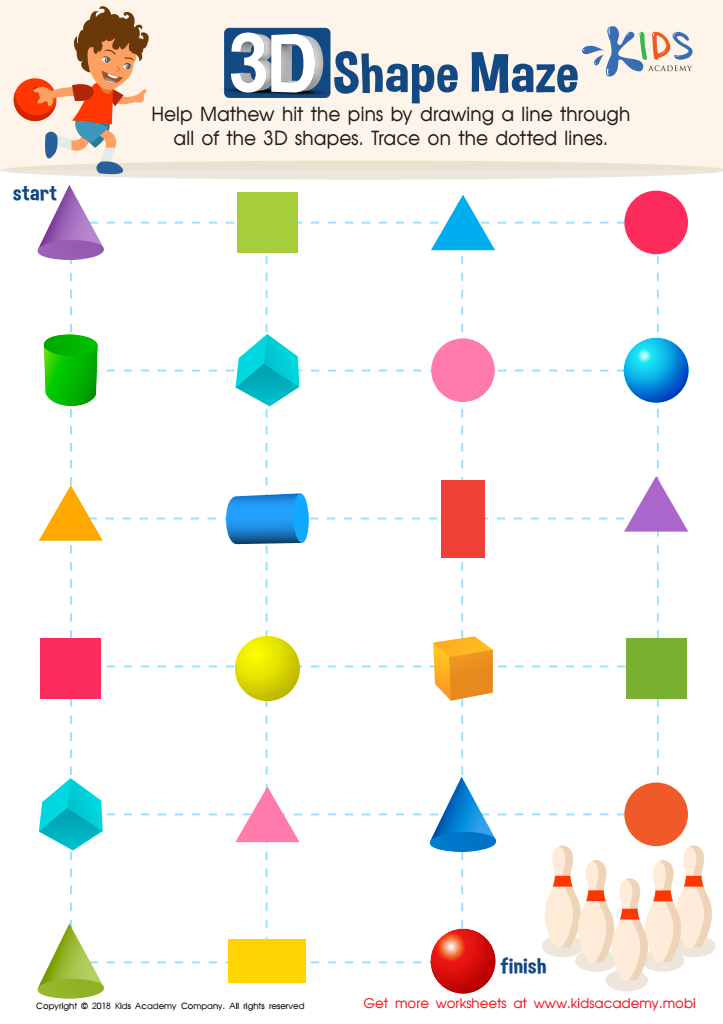
Shapes Maze Geometry Worksheet
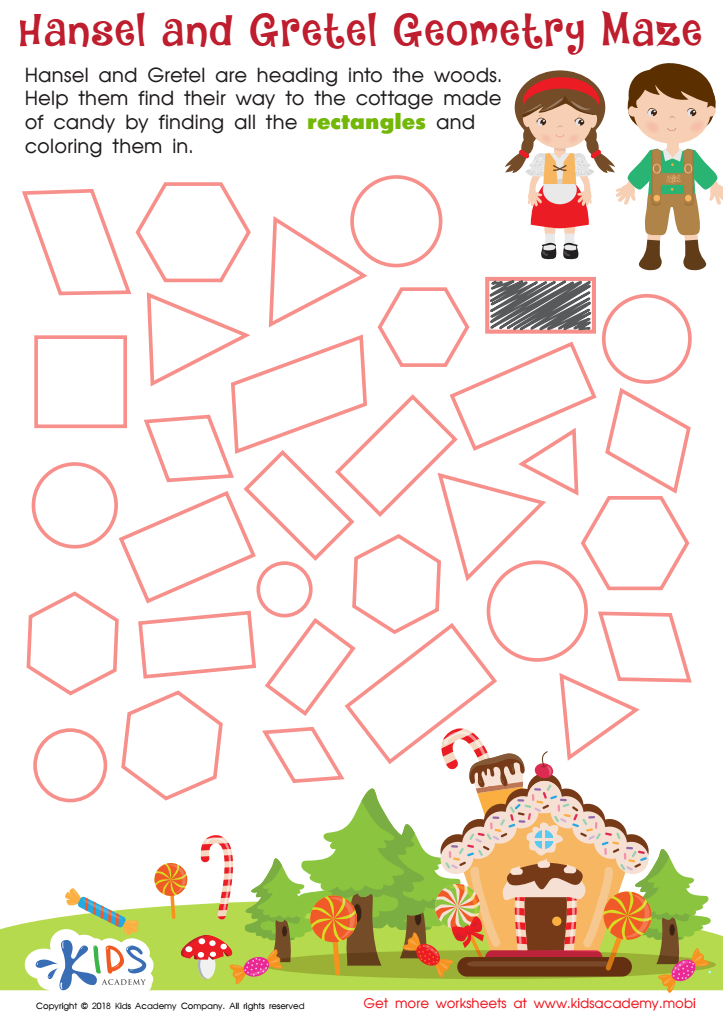
Hansel and Gretel Geometry Maze Worksheet
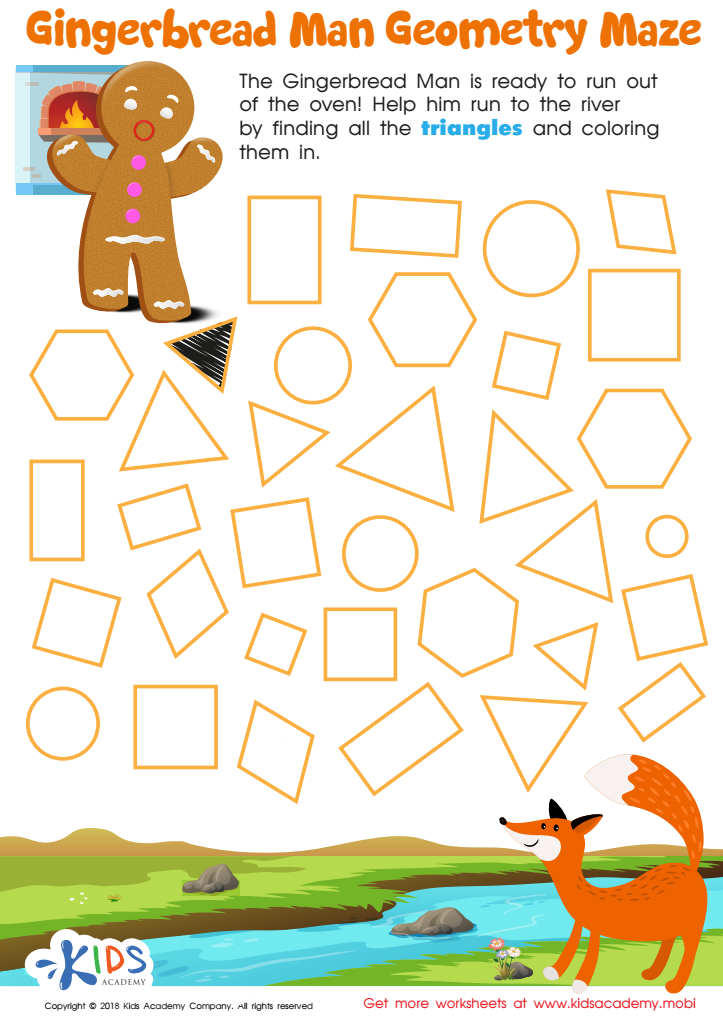
Gingerbread Man Geometry Maze Worksheet
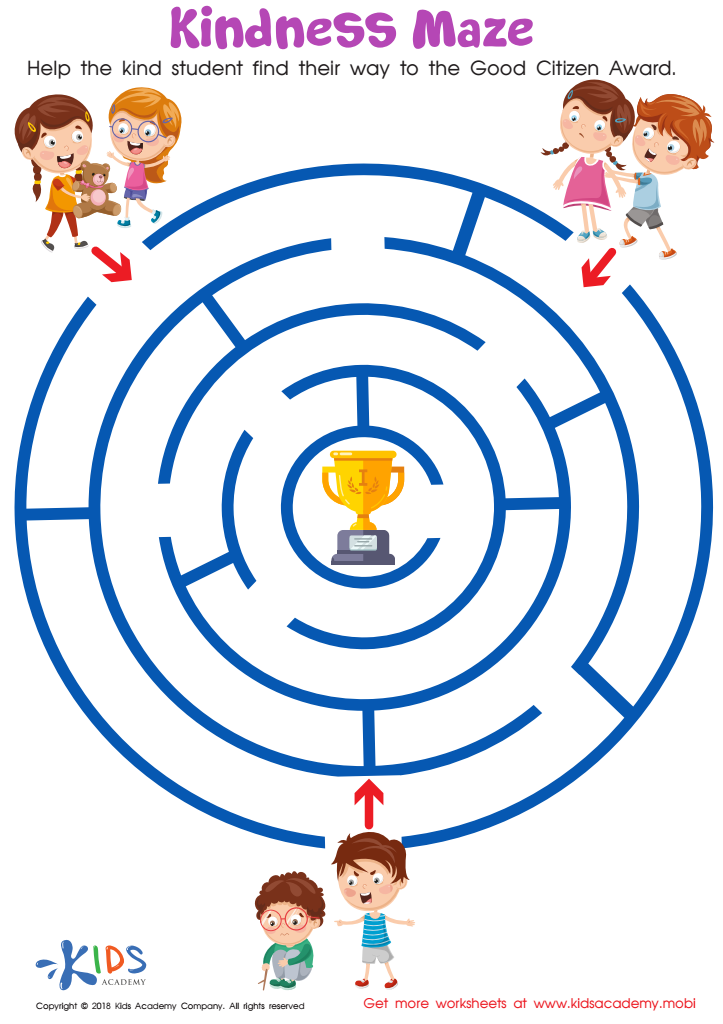
Kindness Maze Worksheet
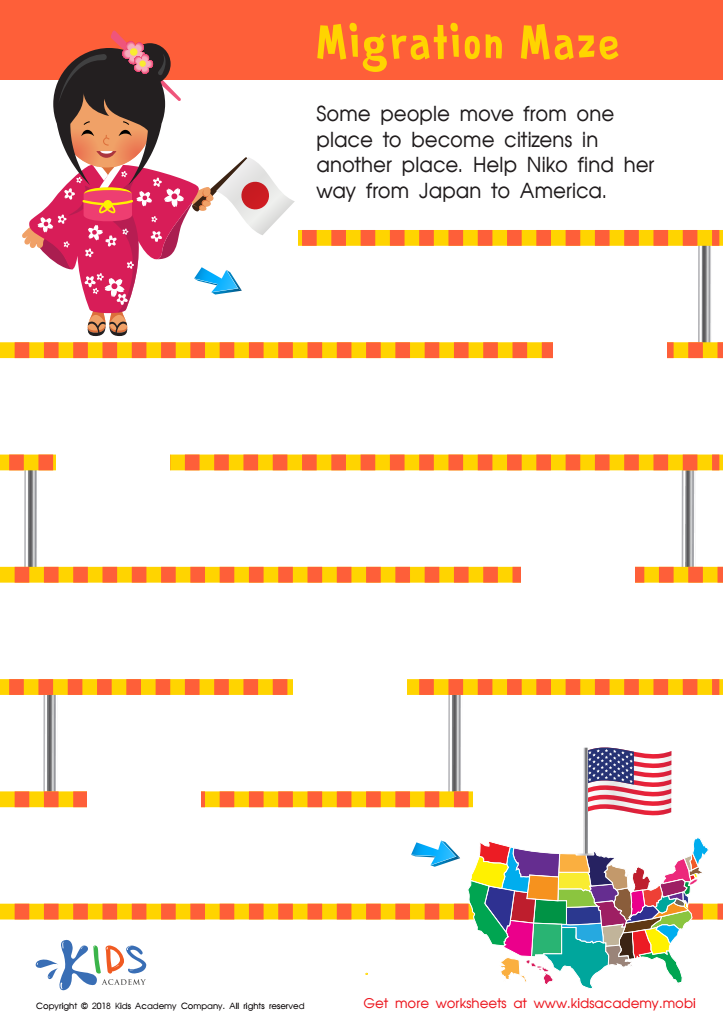
Migration Maze Worksheet
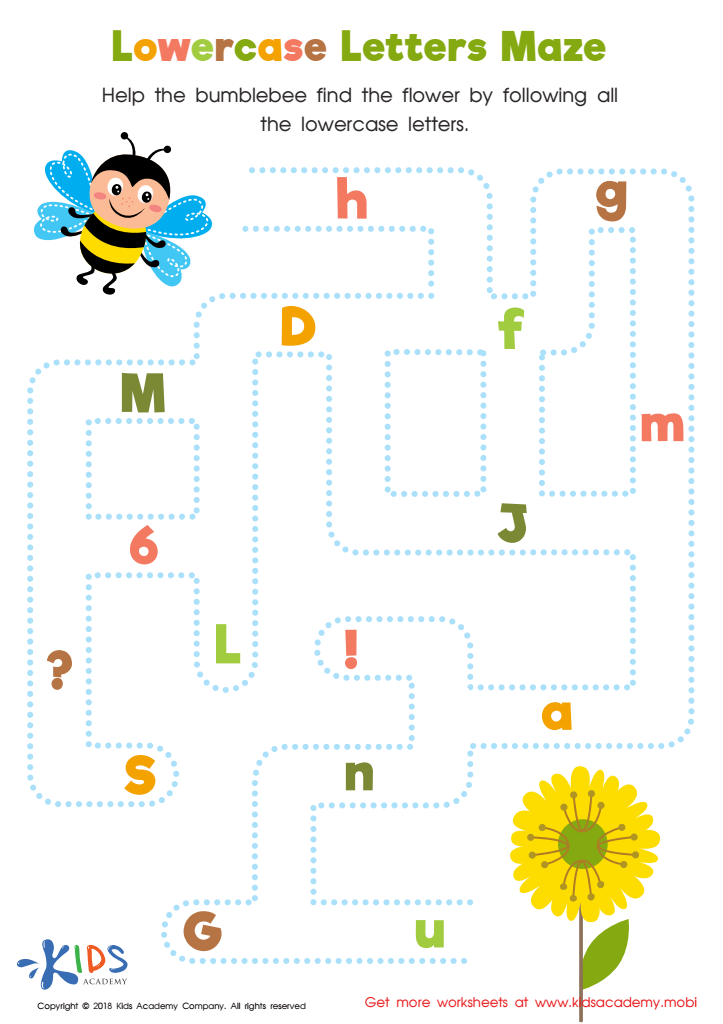
Lowercase Letters Maze Worksheet
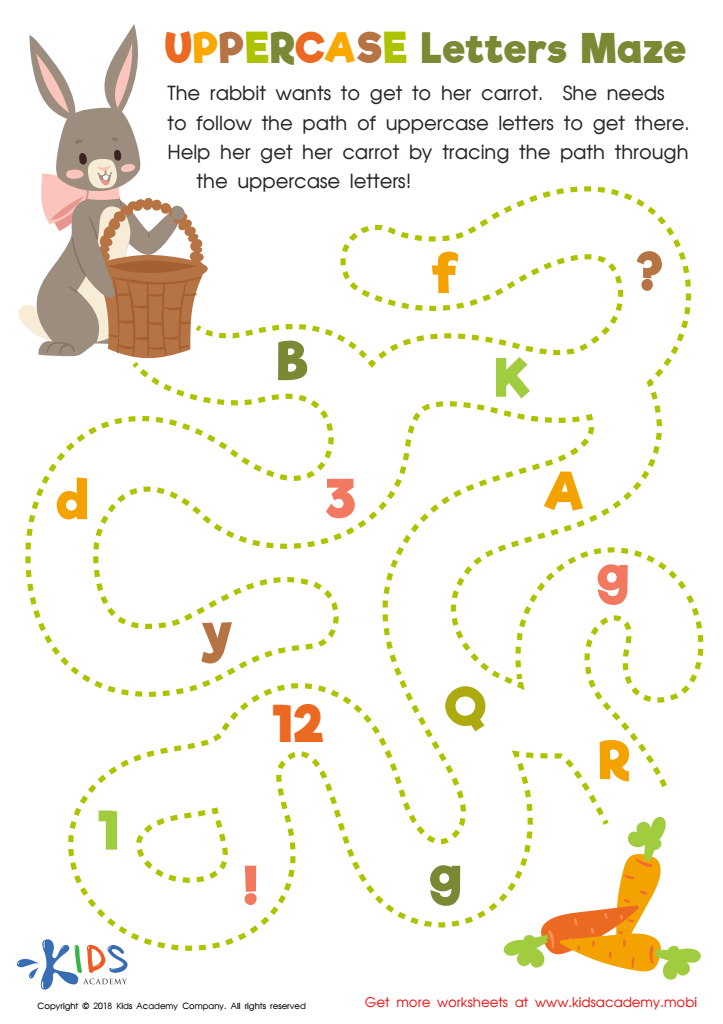
Uppercase Letters Maze Worksheet
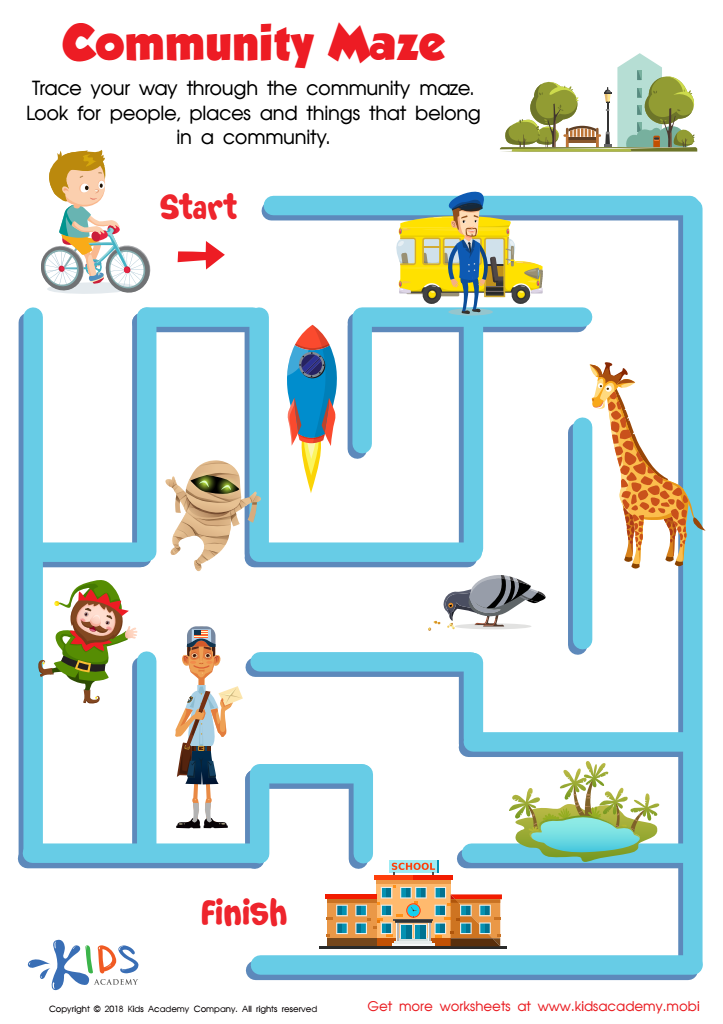
Community Maze Worksheet
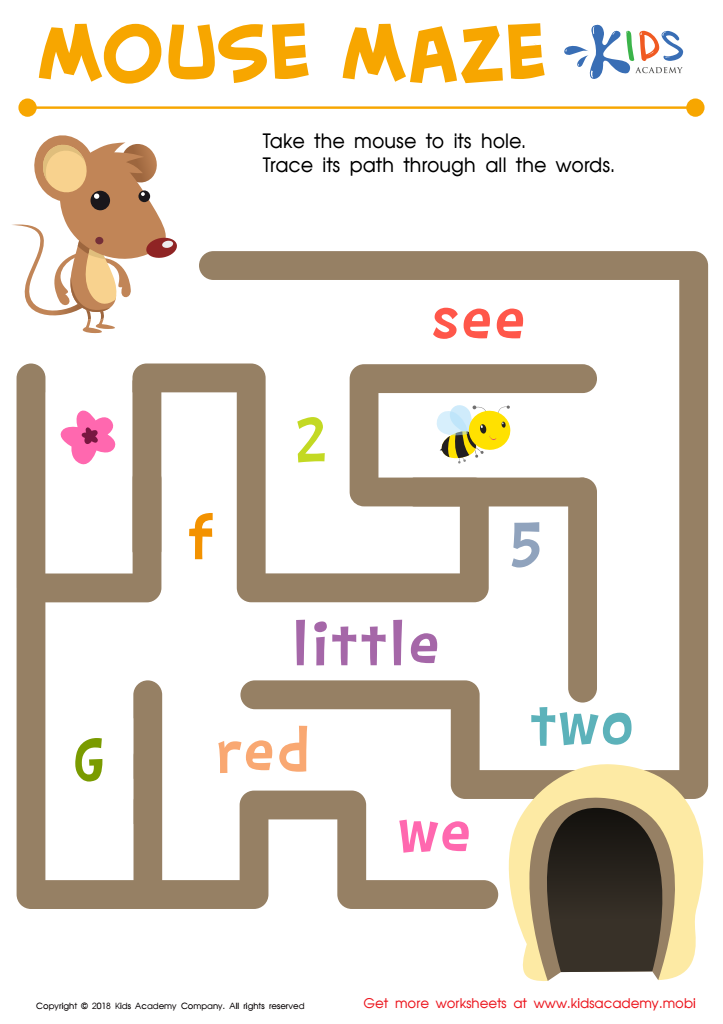
Find Words Mouse Maze Worksheet
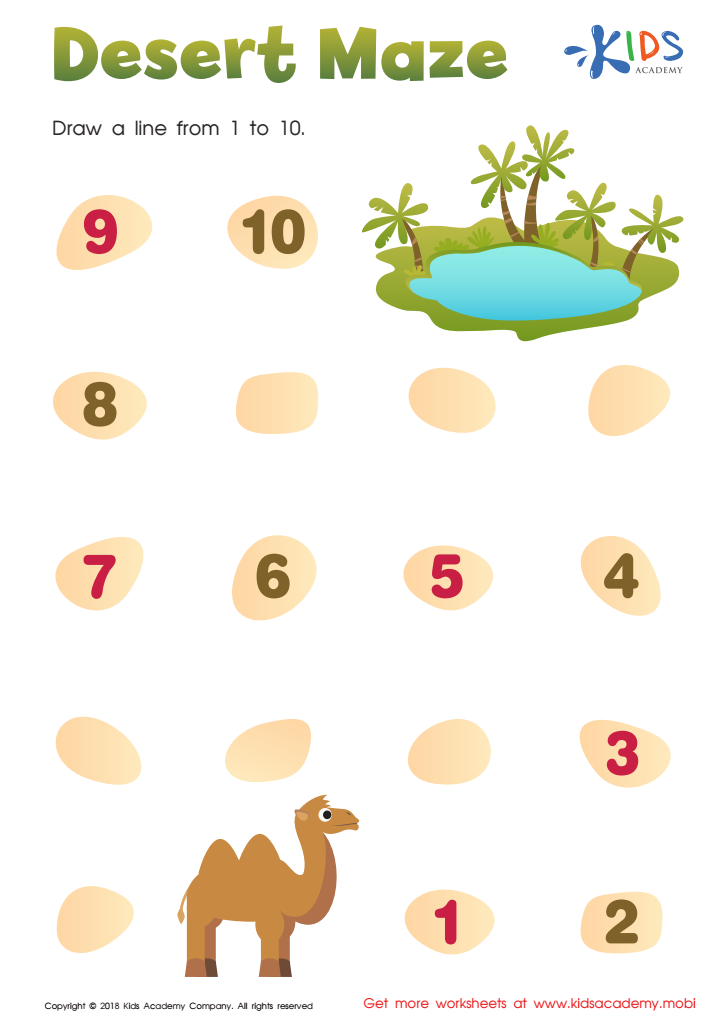
Desert Maze Worksheet
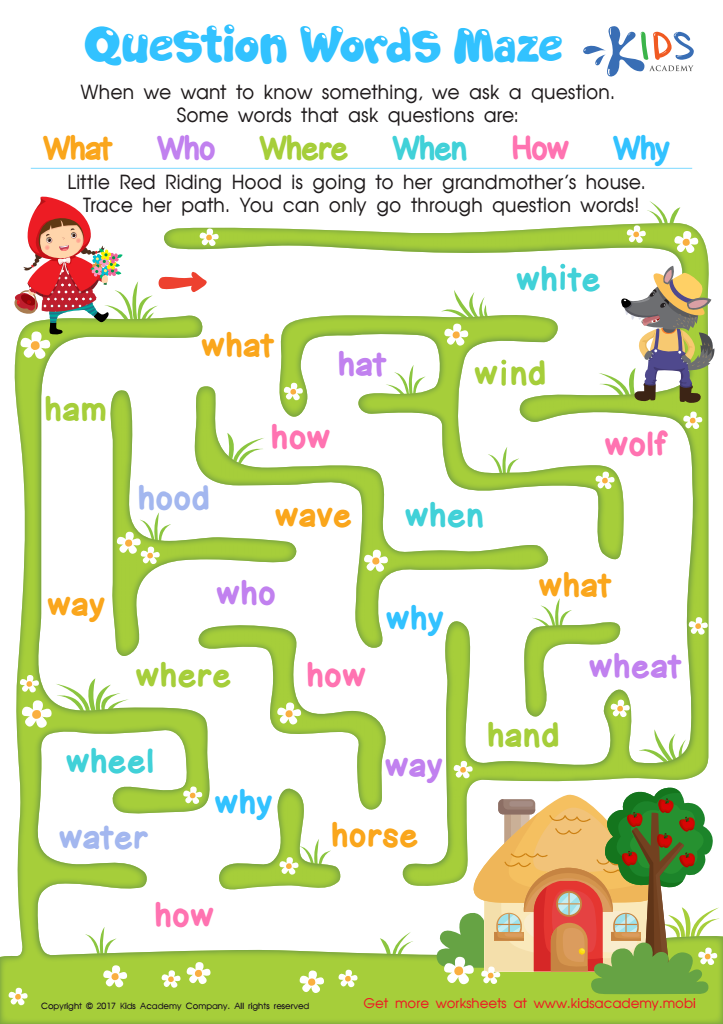
Question Words Maze Worksheet
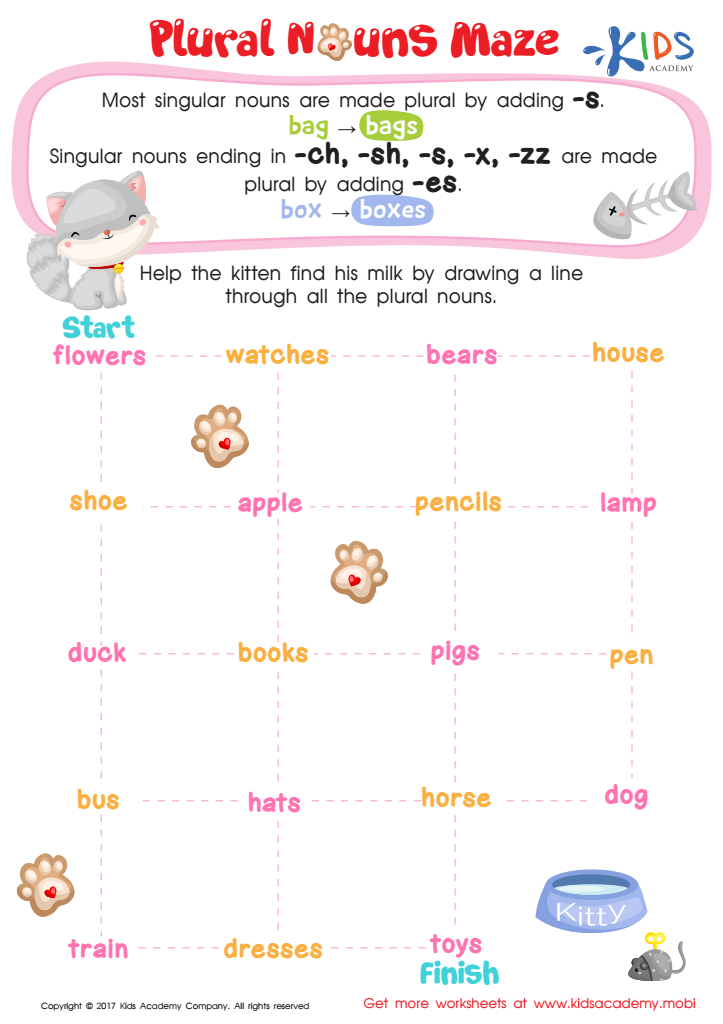
Plural Nouns Maze Worksheet
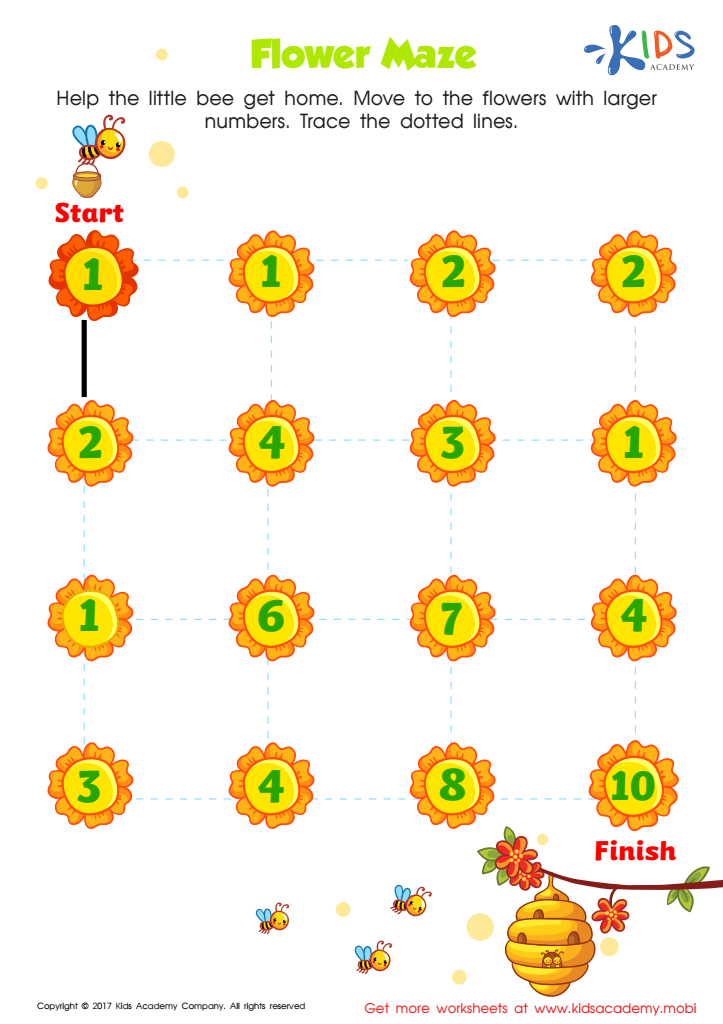
Number Maze For Kindergarten Printable
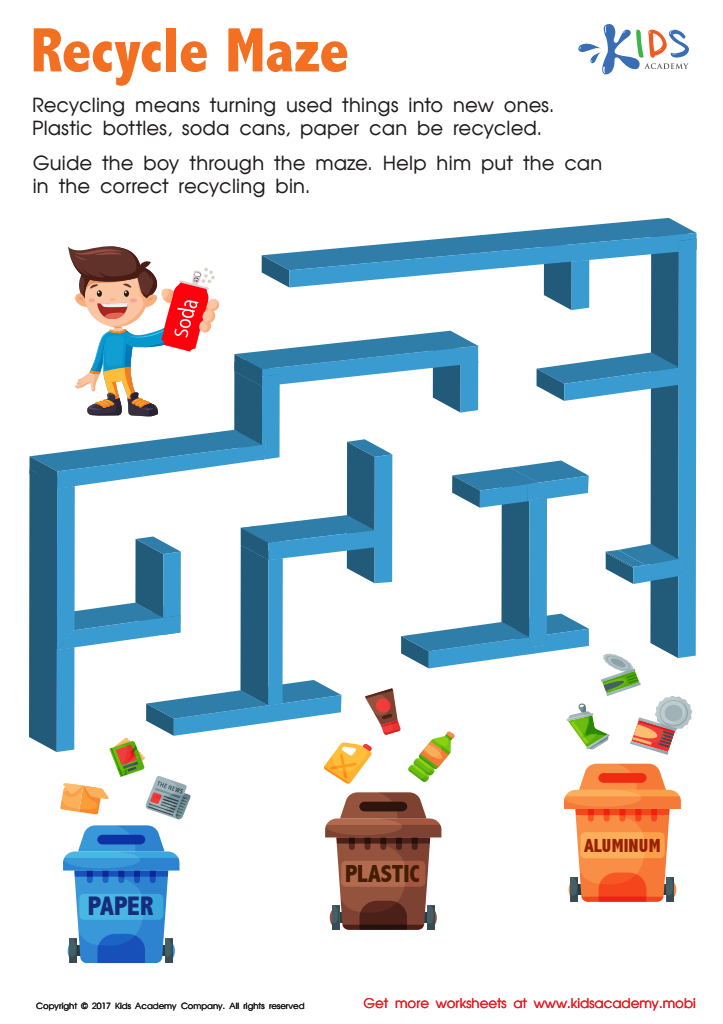
Recycle Maze Worksheet
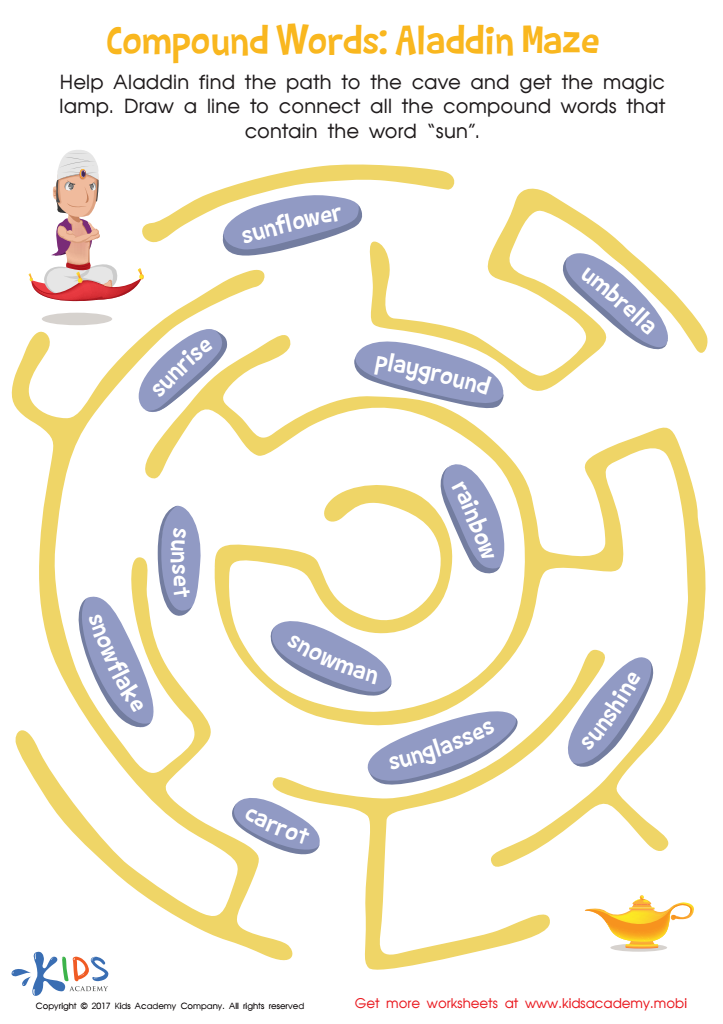
Compound Aladdin Maze Word Structure Worksheet








Mazes worksheets activities are not just entertaining puzzles that captivate both children and adults alike; they are also a powerful educational tool that offers a multitude of cognitive benefits. These intricate networks of paths designed to challenge the solver provide more than just amusement - they are a means of developing critical thinking, problem-solving skills, and much more.
One of the primary advantages of engaging in mazes worksheets activities is the enhancement of spatial awareness and navigation skills. As participants maneuver through the twists and turns of a maze, they must visualize their route and anticipate upcoming challenges, which in turn, strengthens their ability to understand and interact with the physical space around them. This skill is fundamental in many aspects of everyday life, from navigating a crowded room to understanding maps and diagrams.
Moreover, mazes worksheets activities foster patience and perseverance. The process of trial and error, of making mistakes and learning from them, instills a sense of resilience and determination. Children, especially, learn that persistence in the face of difficulty can lead to success, an invaluable lesson that translates well beyond the confines of the activity itself.
Additionally, these activities enhance problem-solving skills. Solvers must employ strategic thinking, making decisions at each turn and junction, which hones their ability to analyze situations, weigh options, and make sound judgments. This aspect of mazes worksheets activities makes them an excellent exercise in critical thinking, a key competency in academic achievement and professional success.
Furthermore, mazes can be a solitary activity that promotes focus and concentration or a collaborative endeavor that encourages teamwork and communication. Either way, they contribute to the development of social and emotional skills, such as sharing strategies, celebrating victories, or commiserating over shared challenges.
In summary, mazes worksheets activities are a multifaceted educational tool. They are not only a source of fun but also a means of developing a wide range of cognitive, emotional, and social skills. By incorporating these activities into educational settings or home learning environments, educators and parents can provide children with a challenging yet enjoyable way to grow and learn.








