Mazes worksheets activities for Ages 3-8
74 filtered results
-
From - To
Discover our engaging mazes worksheets activities designed specifically for children aged 3-8! These fun and interactive worksheets help young learners develop essential cognitive skills such as problem-solving, concentration, and fine motor skills. Our colorful mazes are tailored to various difficulty levels, ensuring every child can enjoy a rewarding challenge. As they navigate through twists and turns, children will enhance their spatial awareness and critical thinking abilities. Perfect for classroom use or at-home learning, these mazes are a delightful way for kids to stay entertained while learning. Start fostering creativity and skill development today with our exciting maze activities!
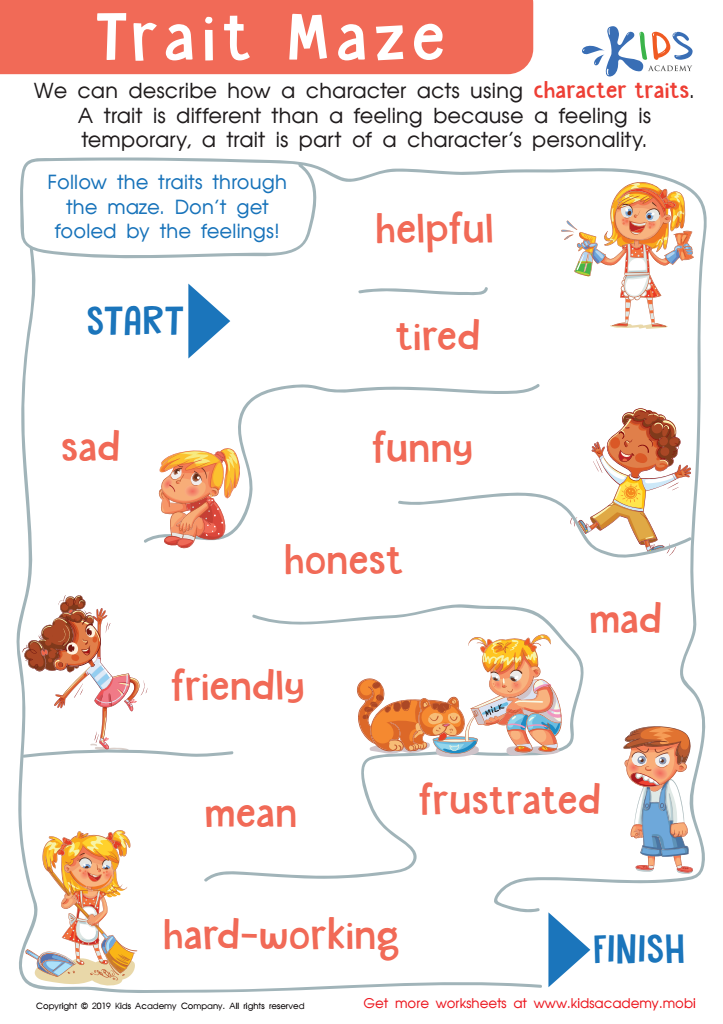
Trait Maze Worksheet
 Assign to My Students
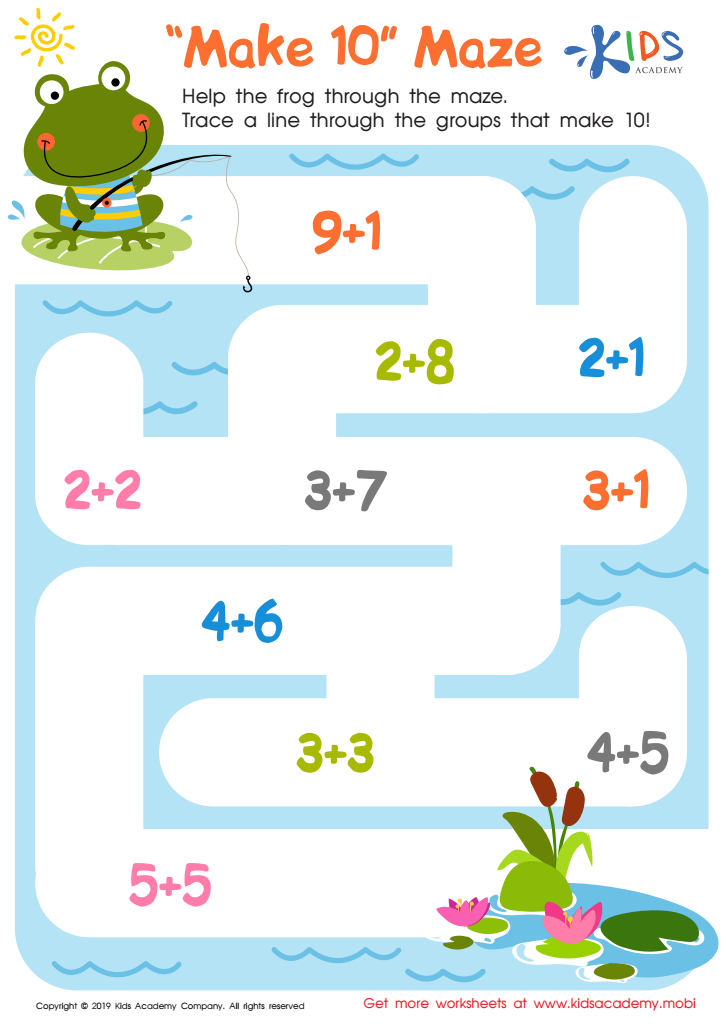
Make 10 Maze Worksheet
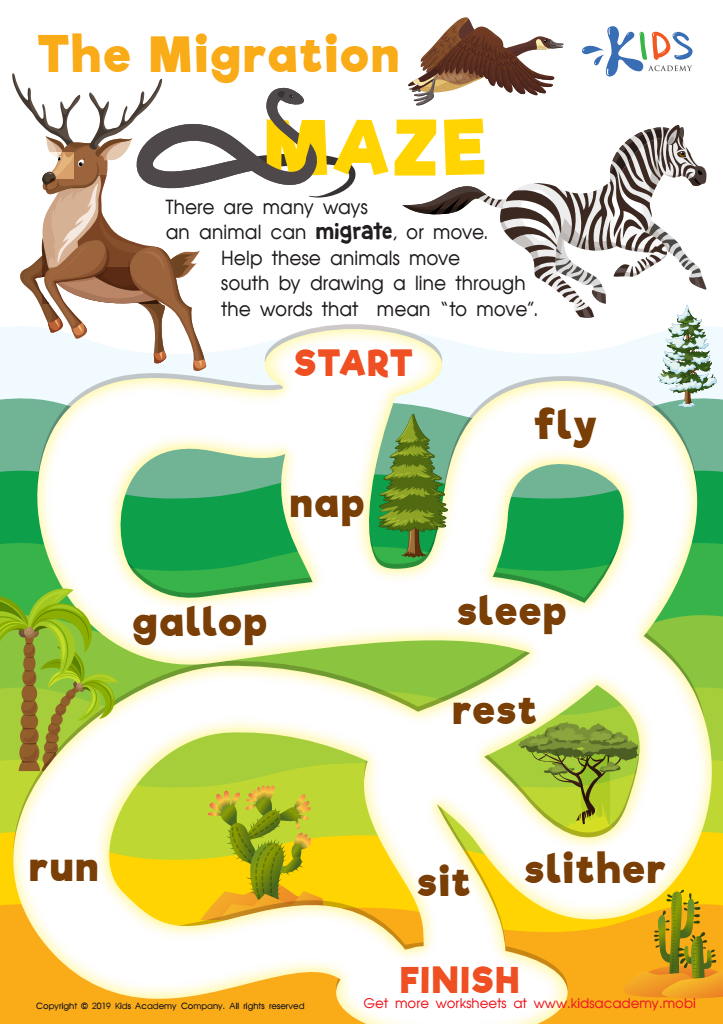
The Migration Maze Worksheet
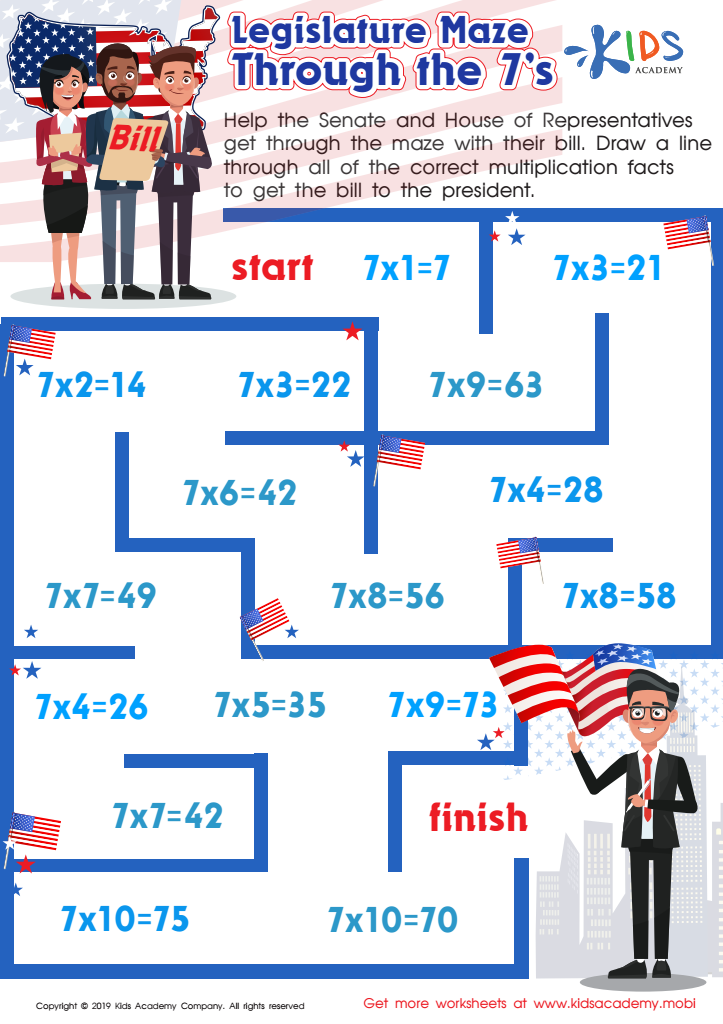
Legislature Maze Through the 7’s Worksheet
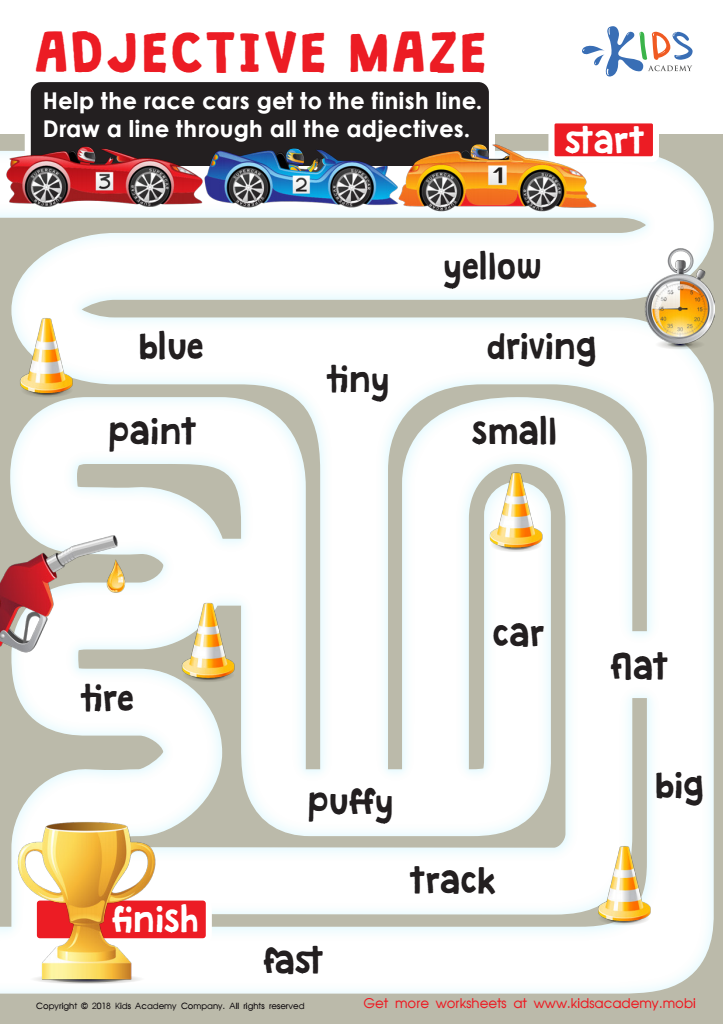
Adjective Maze Worksheet
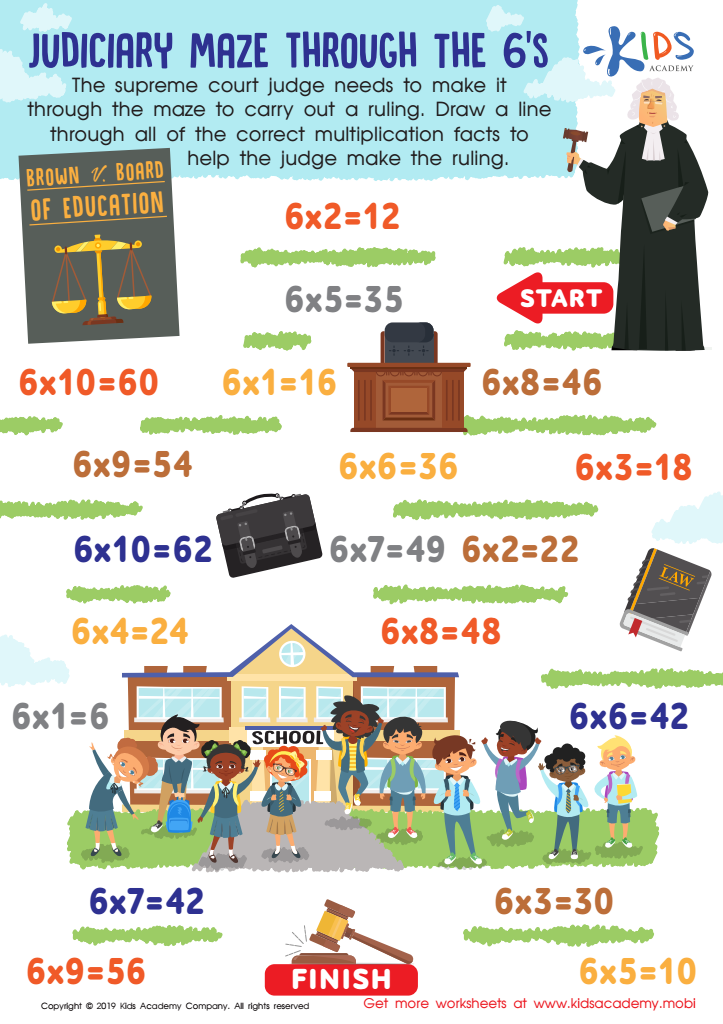
Judiciary Maze Through The 6’s Worksheet
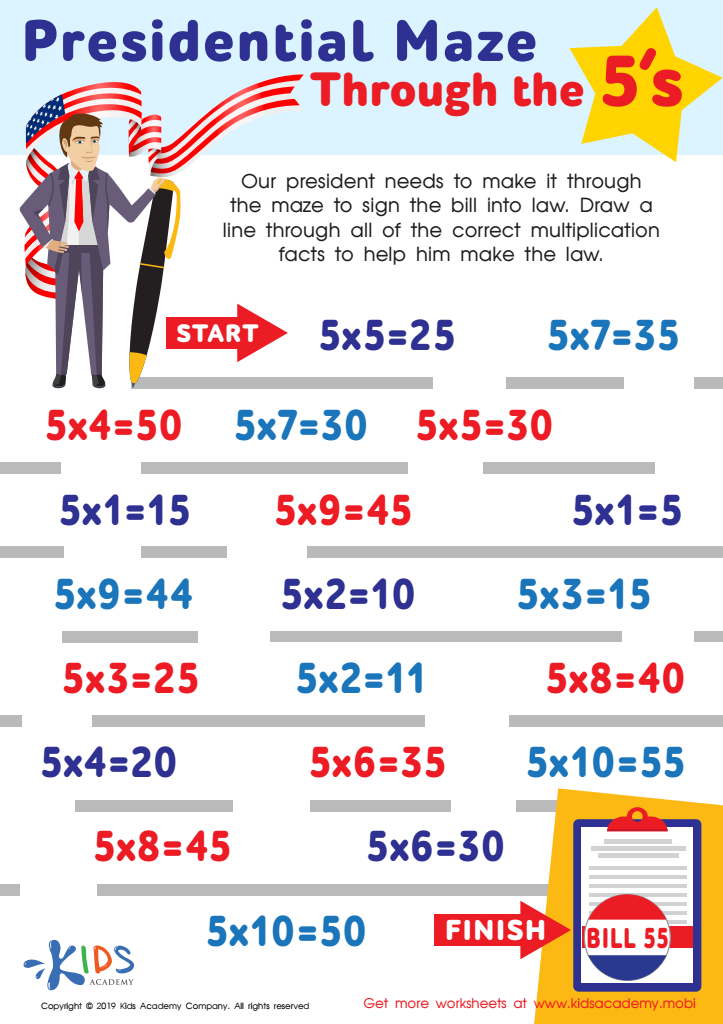
Presidential Maze Through the 5’s Worksheet
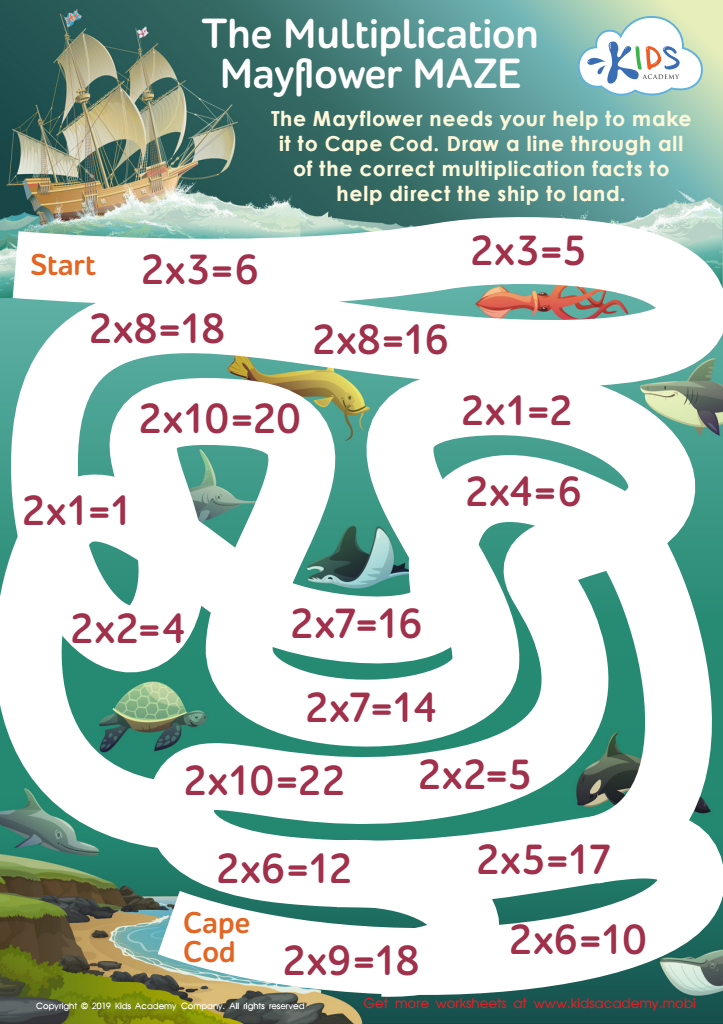
The Multiplication Mayflower Maze Worksheet
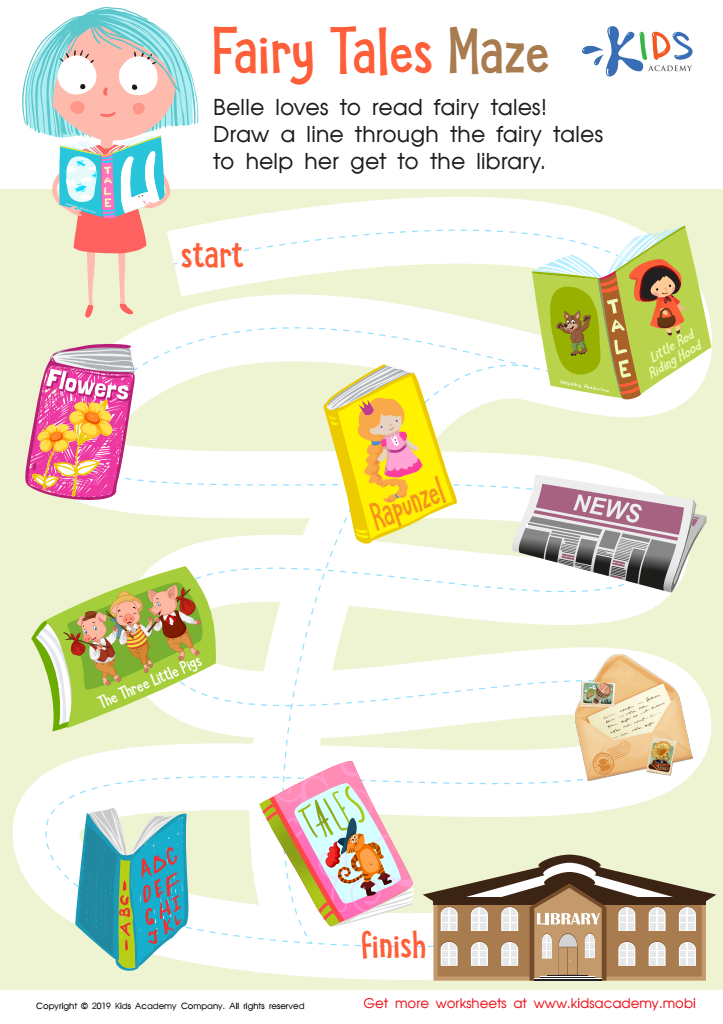
Fairy Tales Maze Worksheet
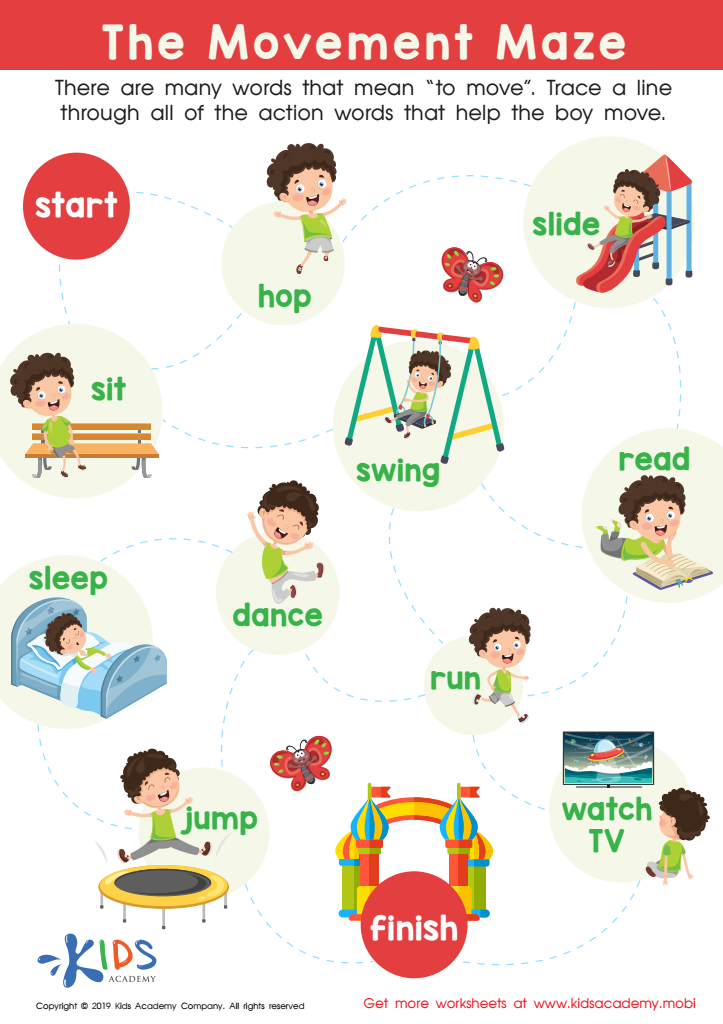
The Movement Maze Worksheet
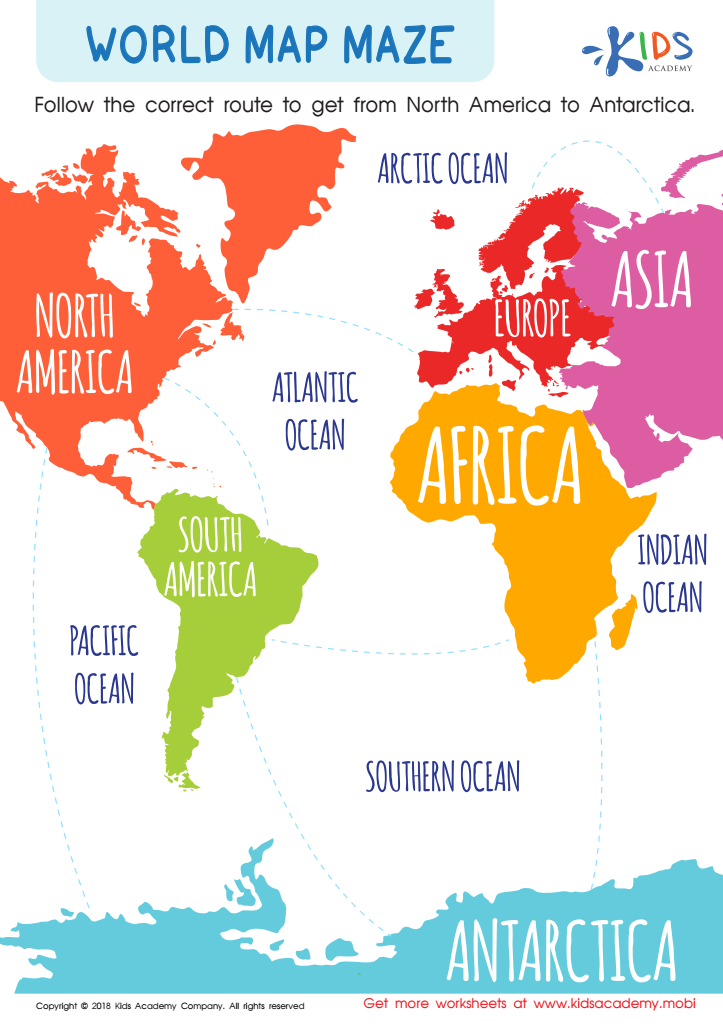
World Map Maze Worksheet
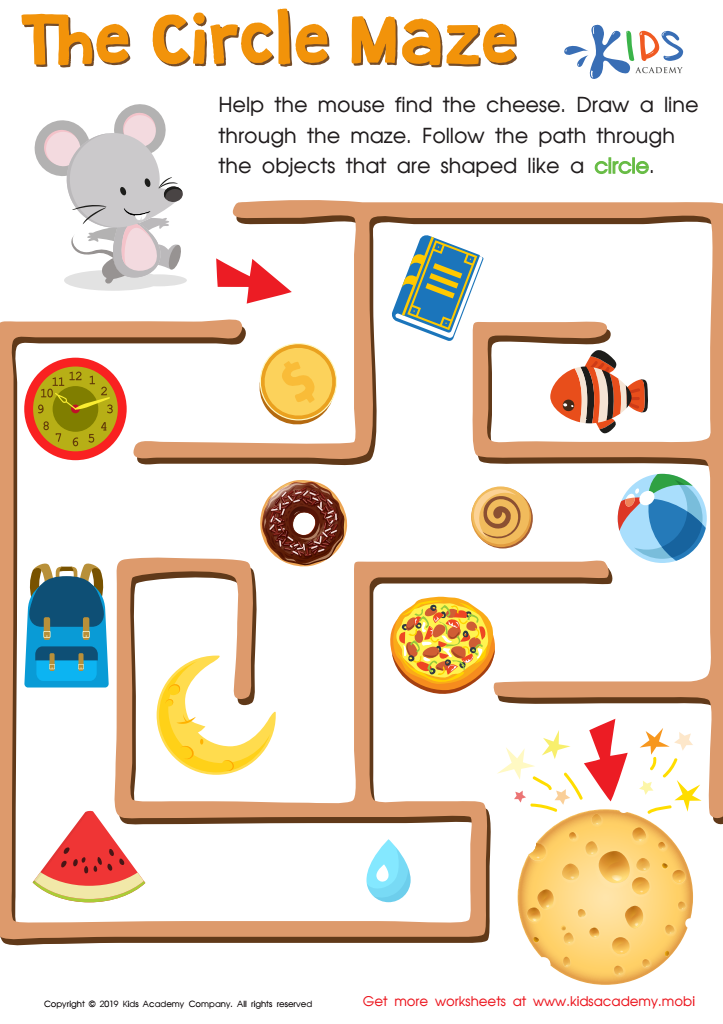
The Circle Maze Worksheet
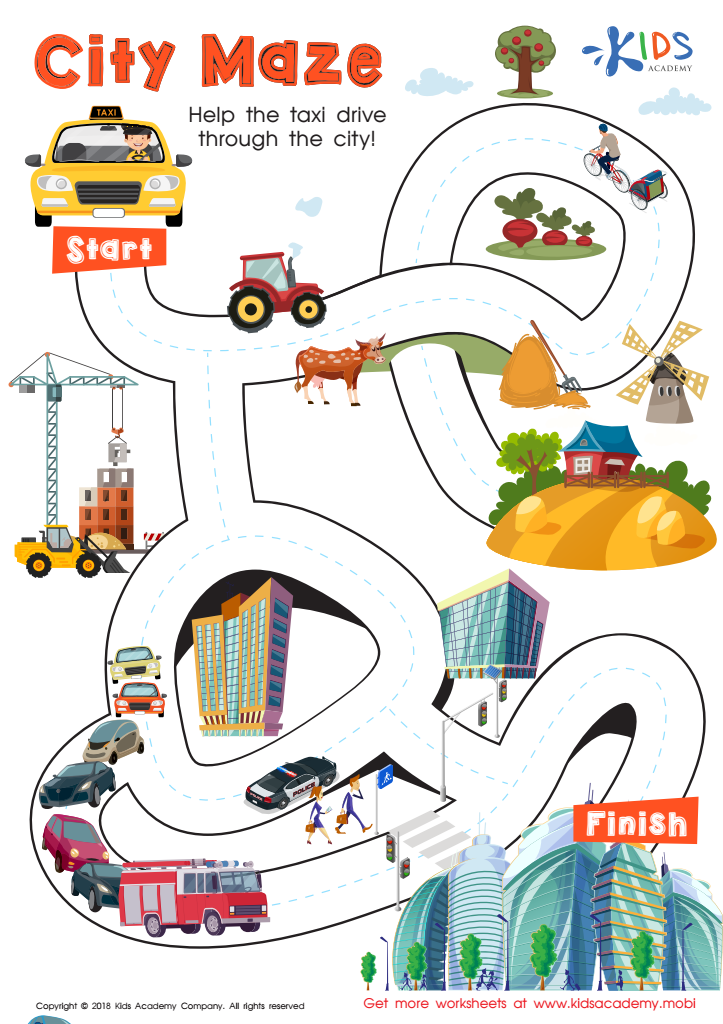
City Maze Worksheet
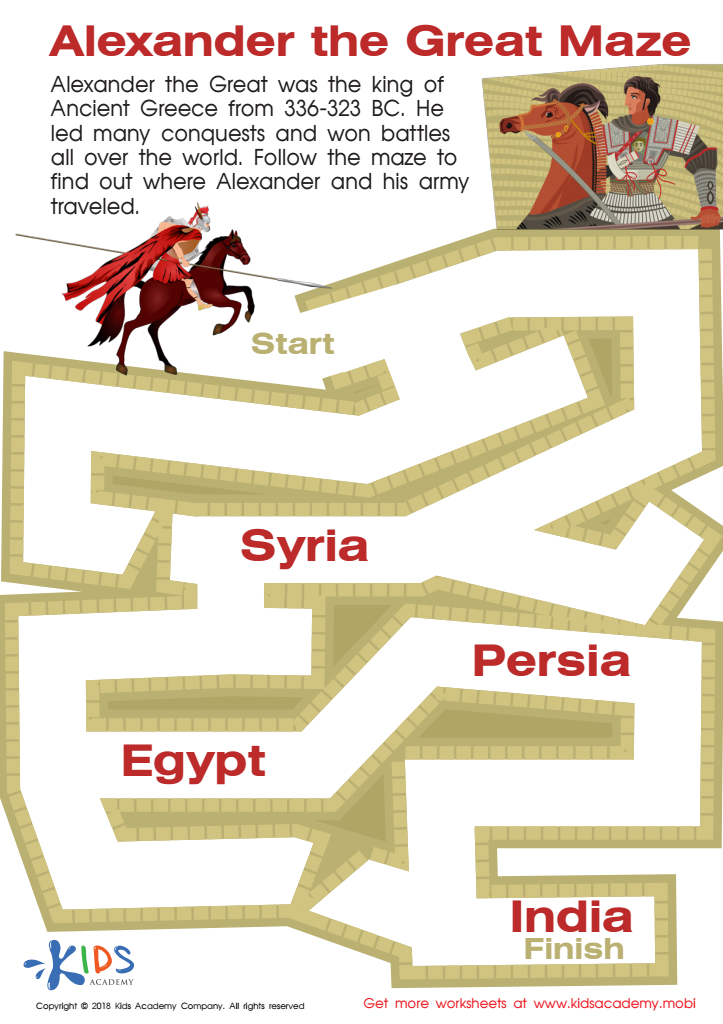
Alexander the Great Maze Worksheet
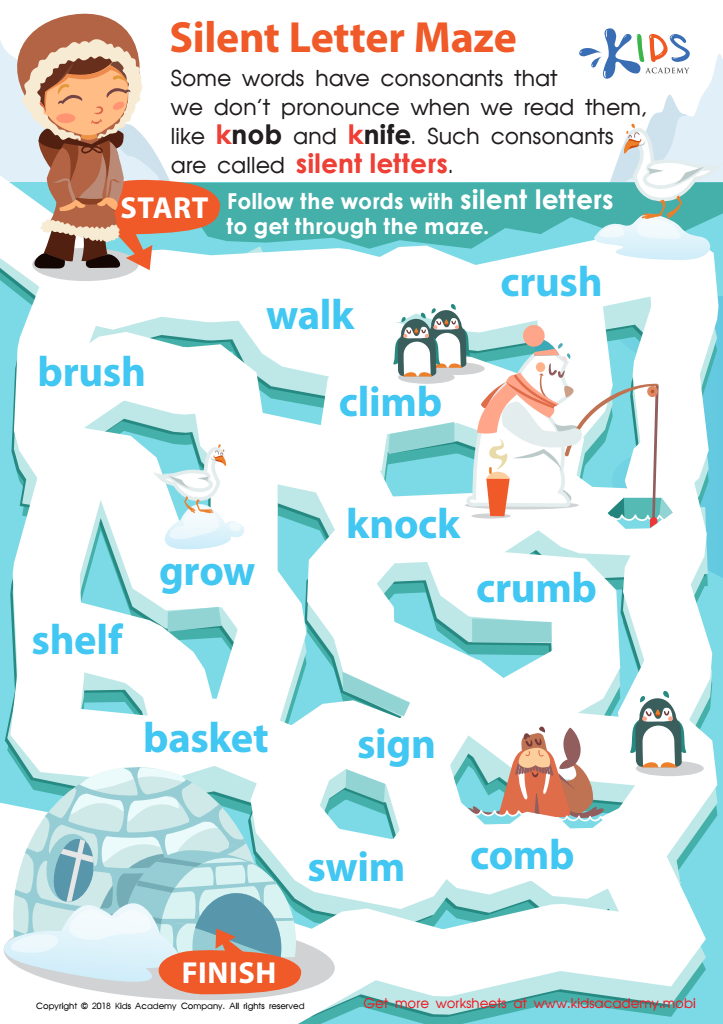
Silent Letter Maze Worksheet
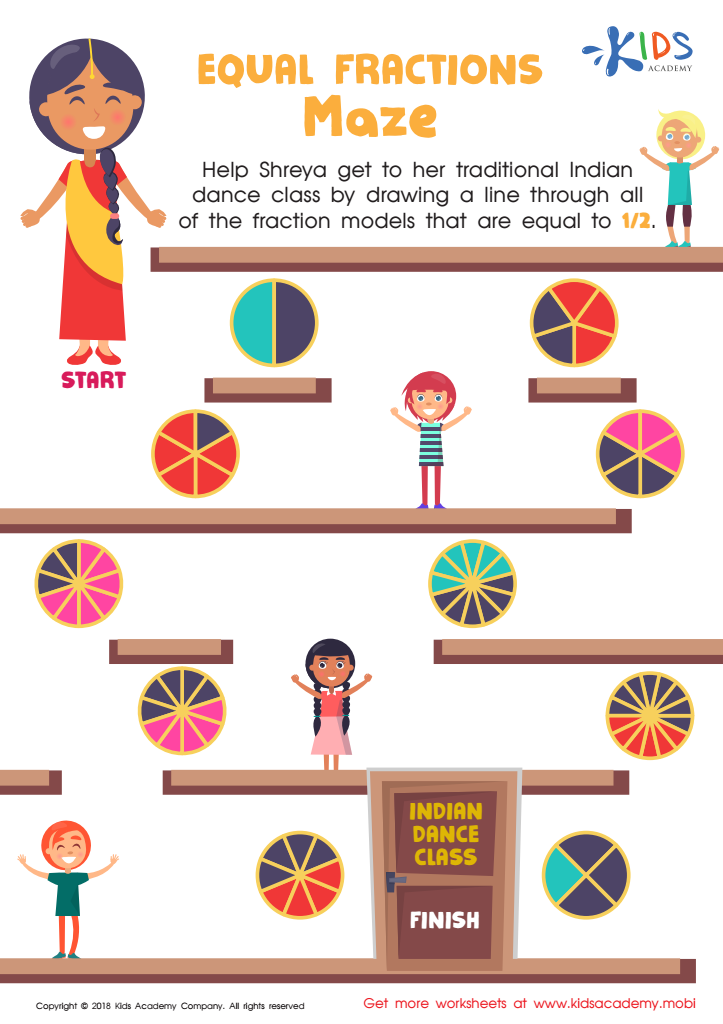
Equal Fractions Maze Worksheet
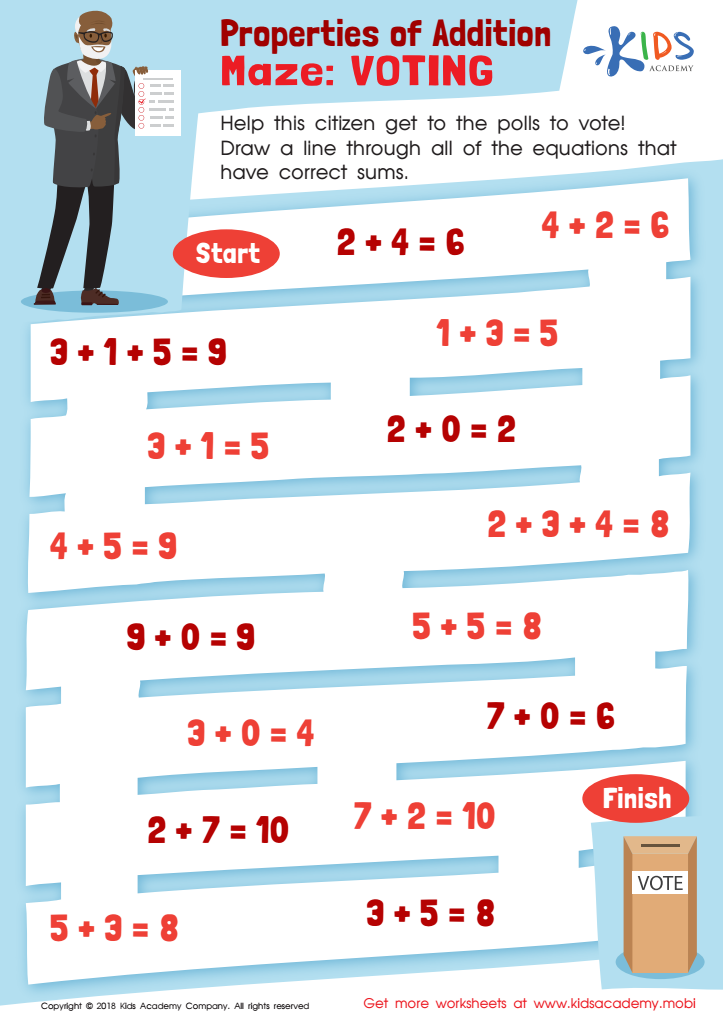
Properties of Addition Maze: Voting Worksheet
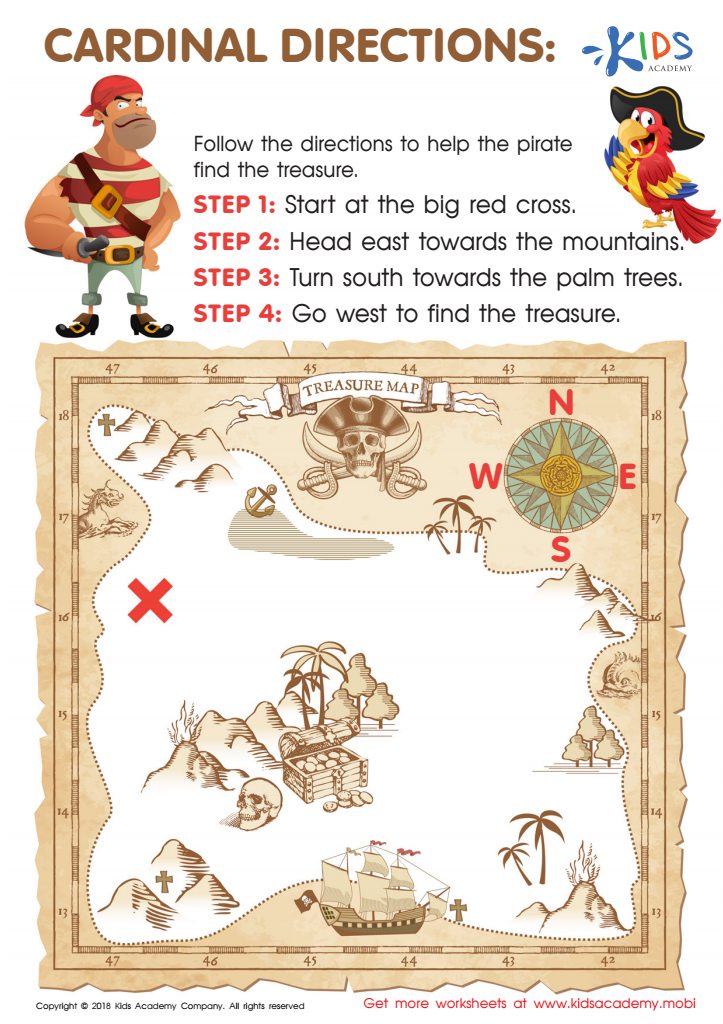
Cardinal Directions Treasure Map Maze Worksheet
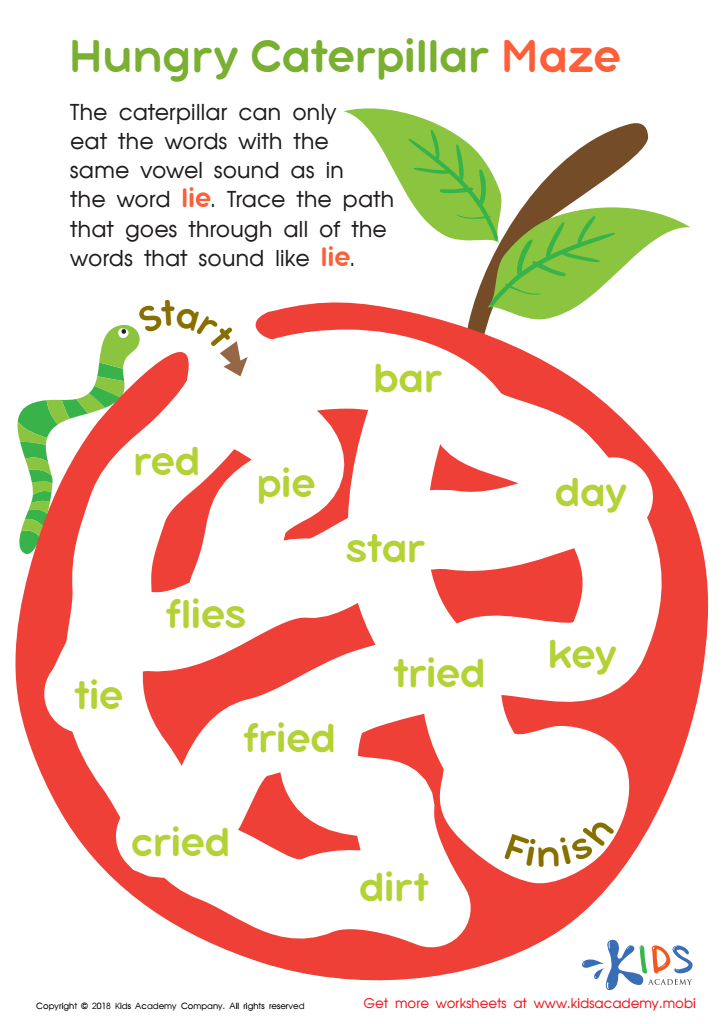
Hungry Caterpillar Maze Worksheet
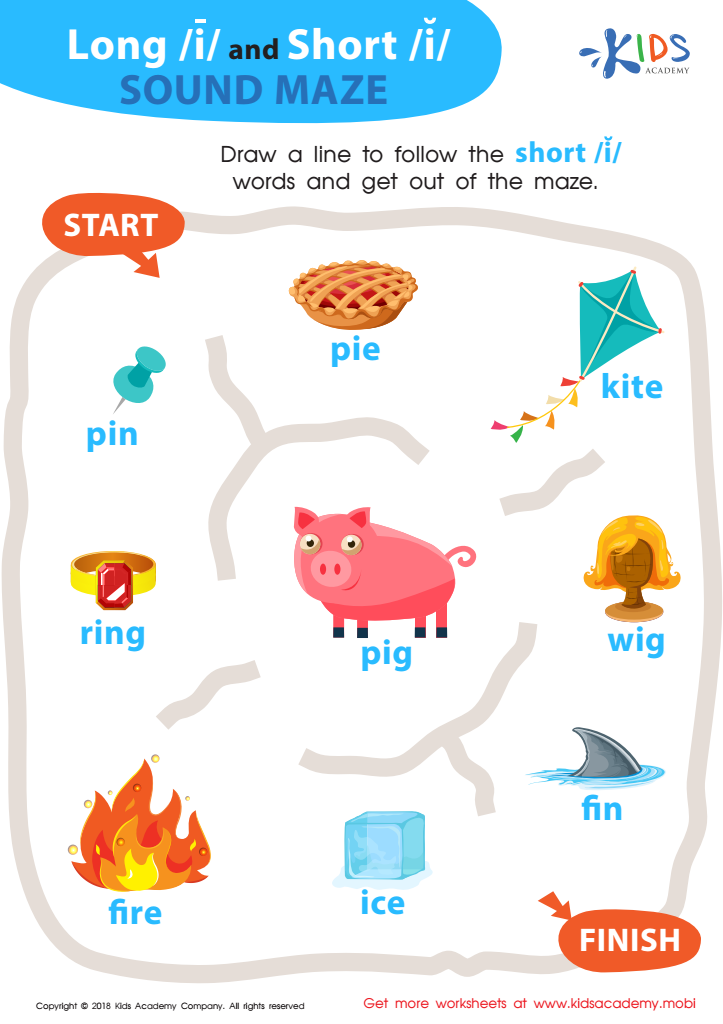
Reading: Long I and Short I Sound Maze Worksheet
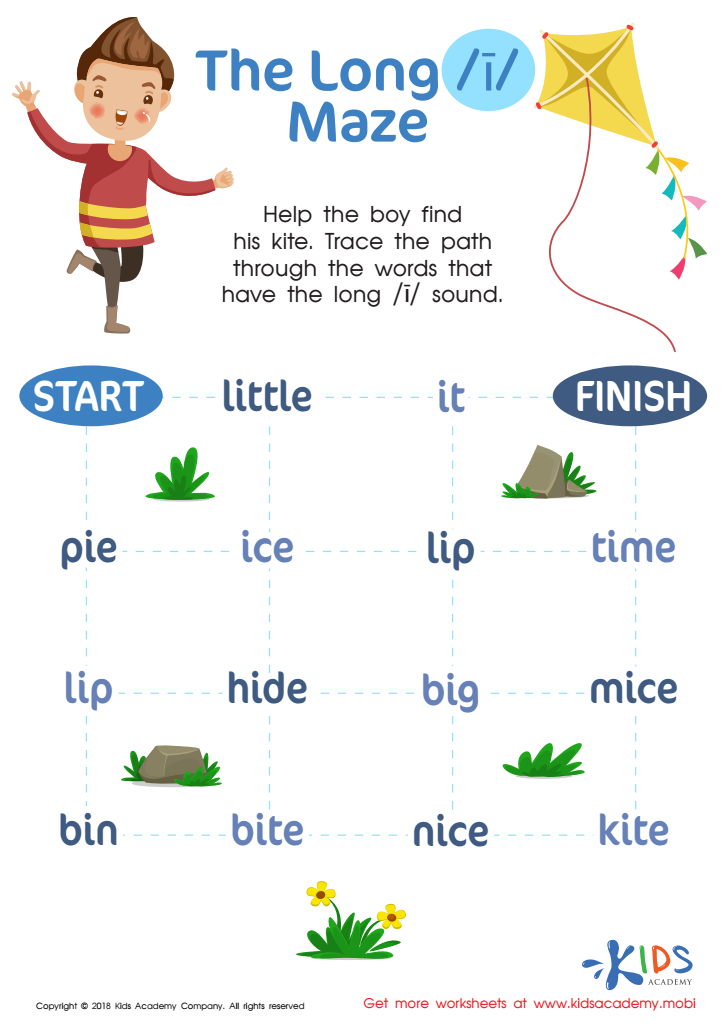
The Long I Maze Reading Worksheet
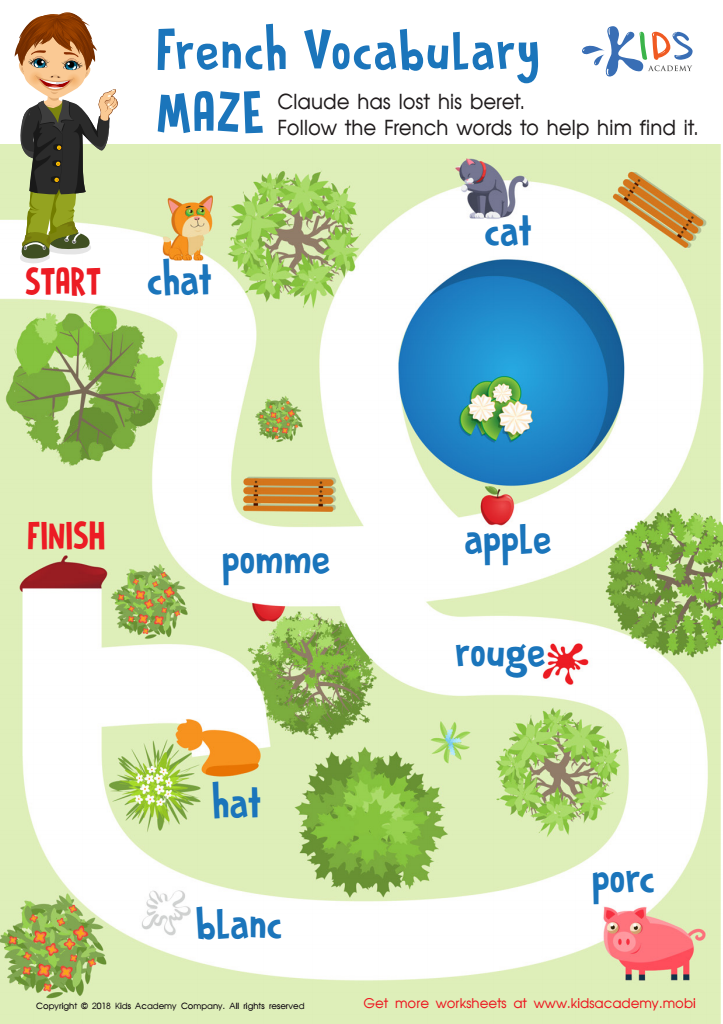
French Vocabulary Maze Worksheet
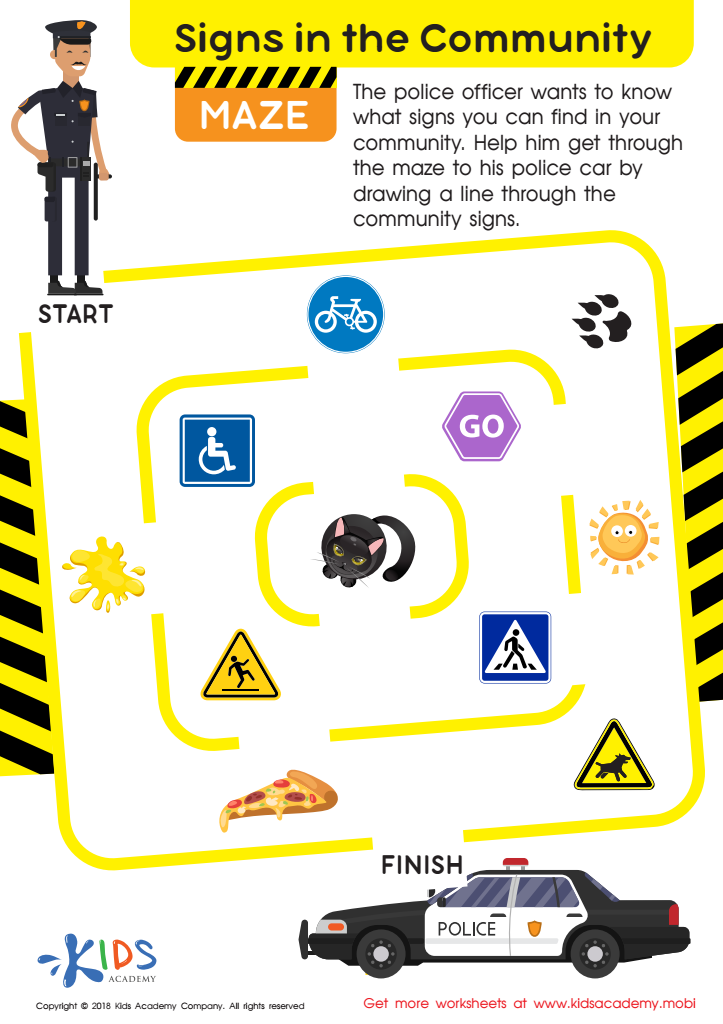
Signs in the Community: Maze Worksheet
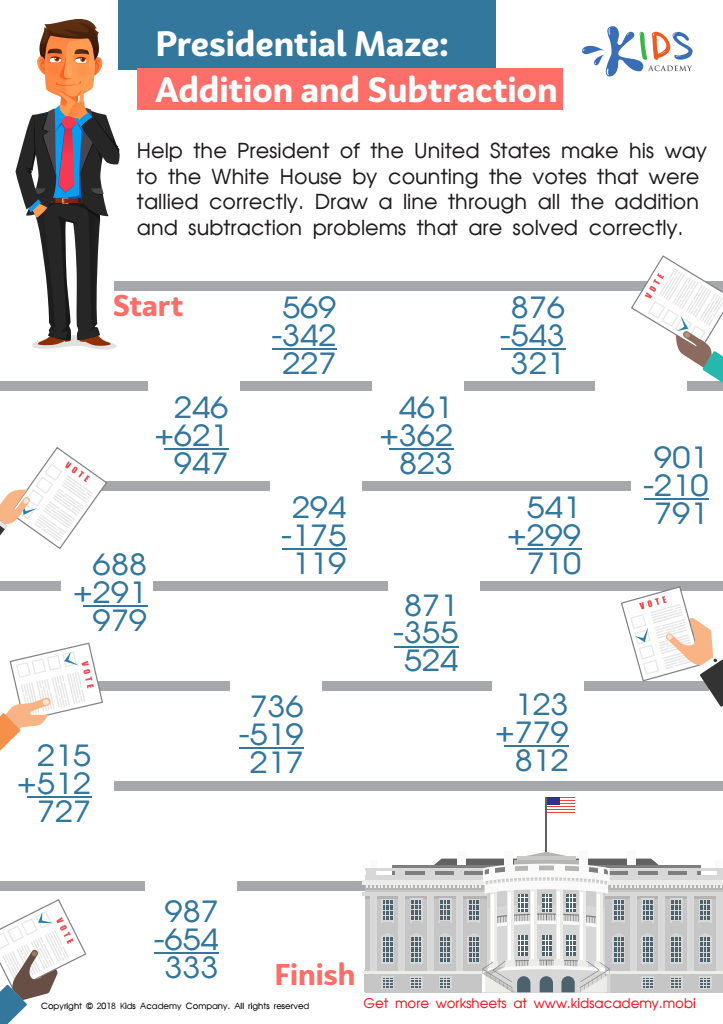
Presidential Maze: Addition and Subtraction Worksheet







Mazes are an engaging and valuable activity for children aged 3-8, fostering a range of essential developmental skills. Firstly, they promote critical thinking and problem-solving abilities as children navigate through paths and make decisions about their direction. This cognitive challenge encourages them to analyze their options and foresee consequences.
Additionally, maze activities enhance fine motor skills. As children grasp crayons, markers, or pencils to trace or create mazes, they improve their hand-eye coordination and dexterity, which are foundational for writing and other tasks.
Socially, mazes provide a platform for collaboration. When working in groups, children learn to communicate, share ideas, and encourage one another, nurturing their interpersonal skills.
Furthermore, mazes can be theme-based, integrating topics like animals, letters, or shapes, thereby reinforcing classroom lessons in a fun and interactive way. This holistic approach not only makes learning enjoyable but also helps reinforce knowledge retention.
Overall, maze activities offer a multifaceted avenue for children’s growth, appealing to various learning styles and keeping them engaged. By recognizing their value, parents and teachers can incorporate mazes into learning environments, enhancing both cognitive and social development in young learners.








