Addition & Subtraction Worksheets for Ages 3-8
419 filtered results
-
From - To
Discover a variety of engaging Addition and Subtraction Worksheets designed specifically for children aged 3-8! Our worksheets provide a fun and interactive way to help your little ones master essential math skills. Featuring colorful illustrations and age-appropriate exercises, they encourage young learners to practice basic calculations while developing crucial problem-solving abilities. From simple addition and subtraction problems to more advanced challenges, each worksheet is crafted to support learning at every stage. Ideal for classroom use or home practice, our printable resources will inspire confidence in young mathematicians. Give your child the tools they need to succeed in math with our delightful worksheets!
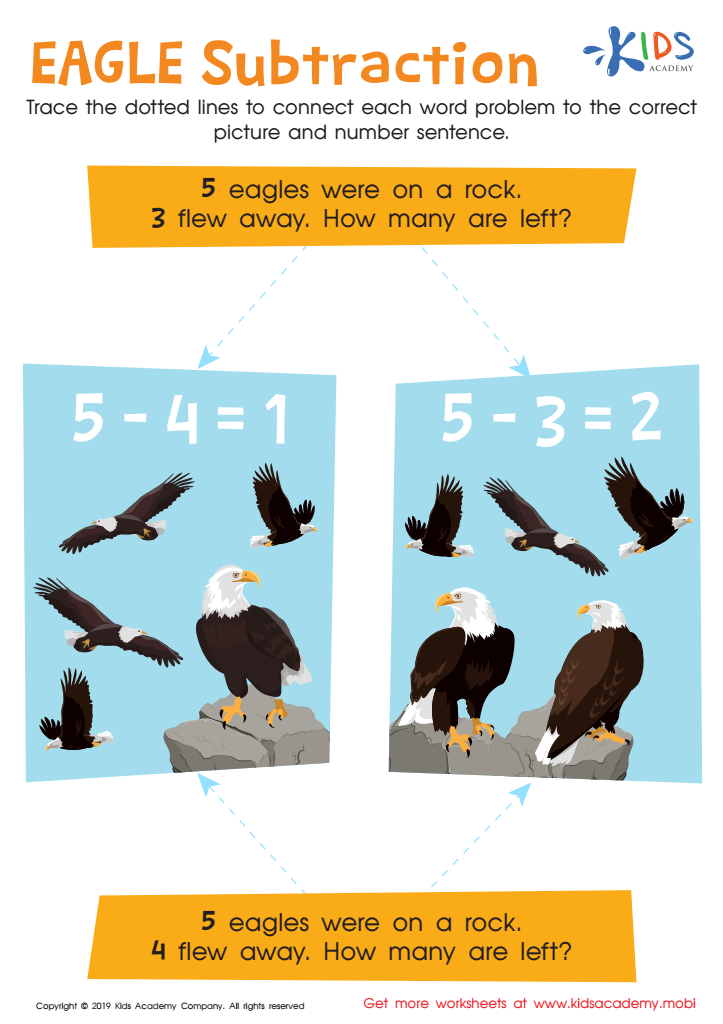
Eagle Subtraction Worksheet
 Assign to My Students
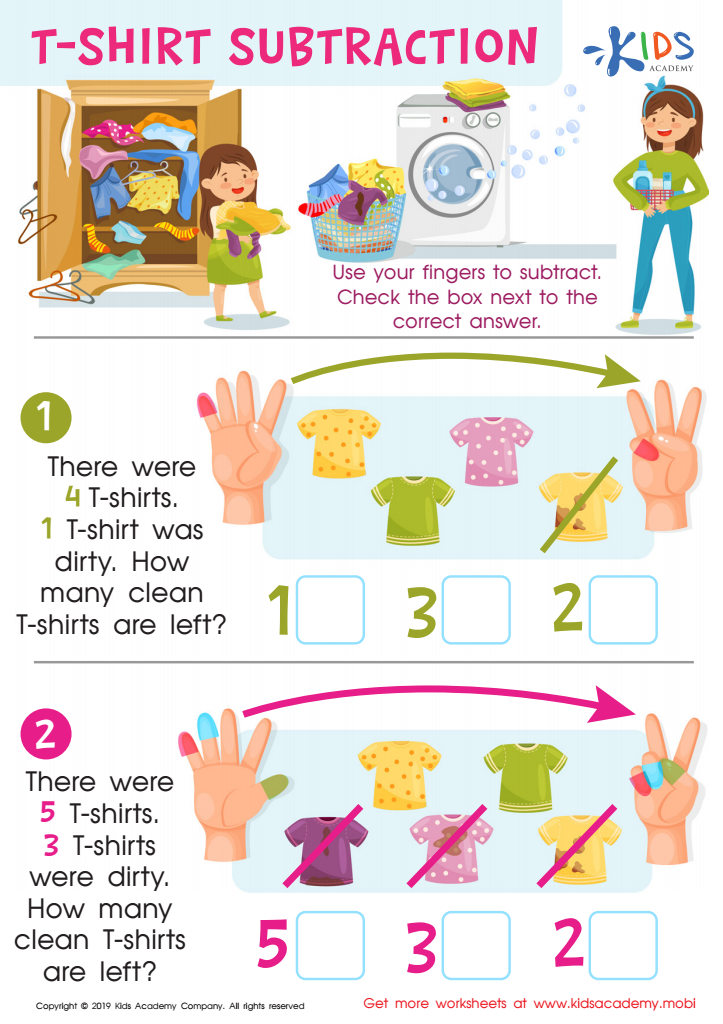
T-shirt Subtraction Worksheet
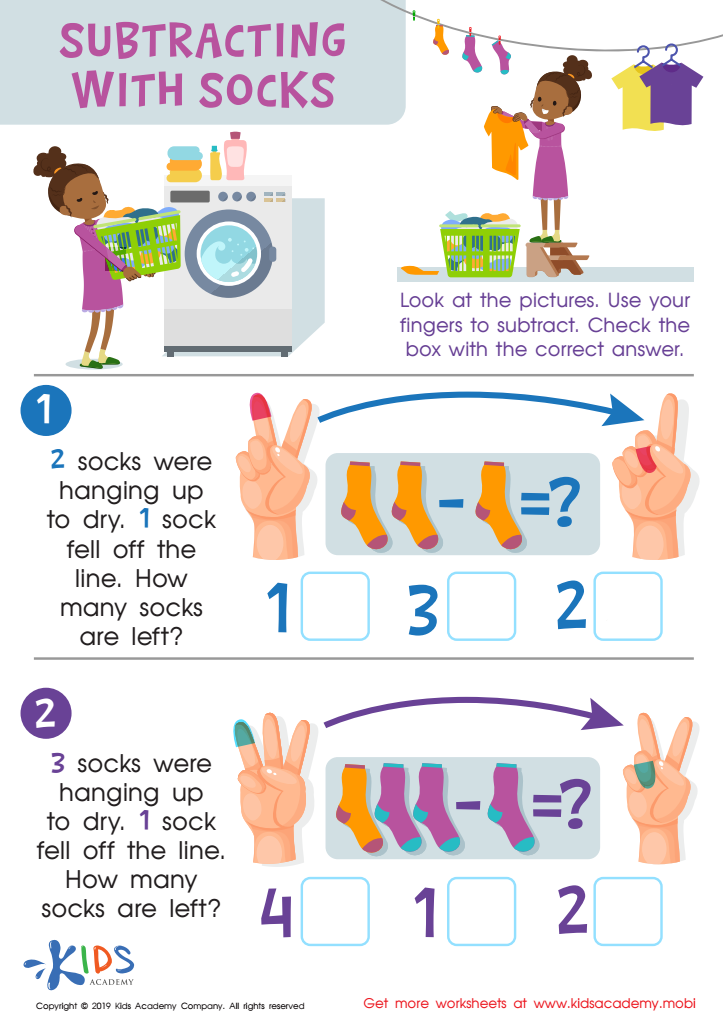
Subtracting Socks Worksheet
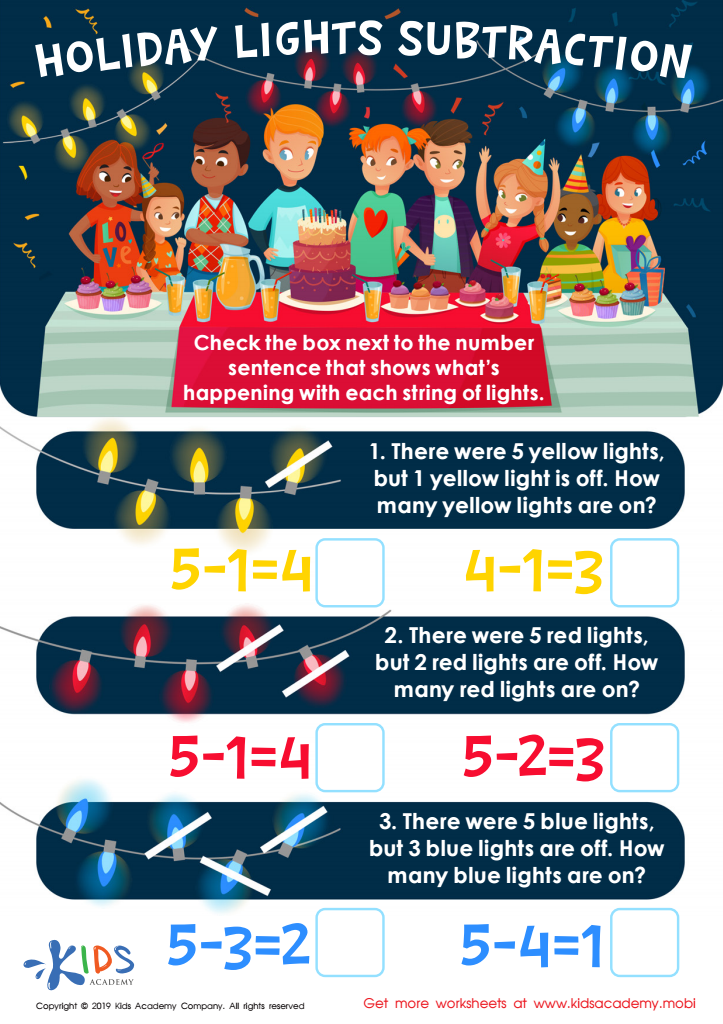
Holiday Lights Subtraction Worksheet
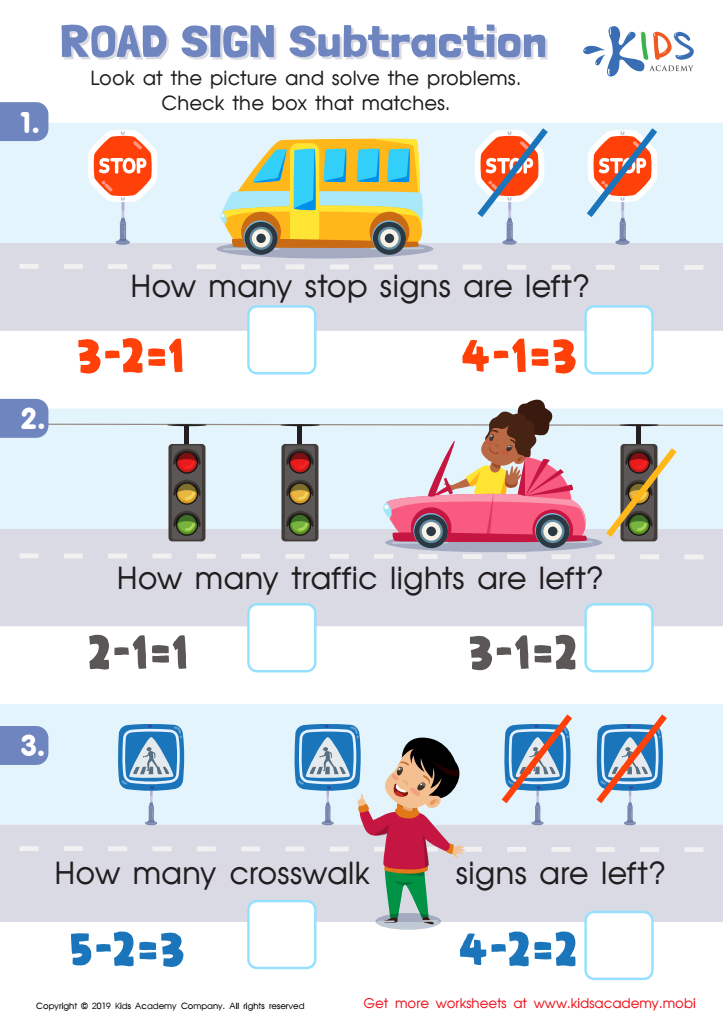
Road Sign Subtraction Worksheet
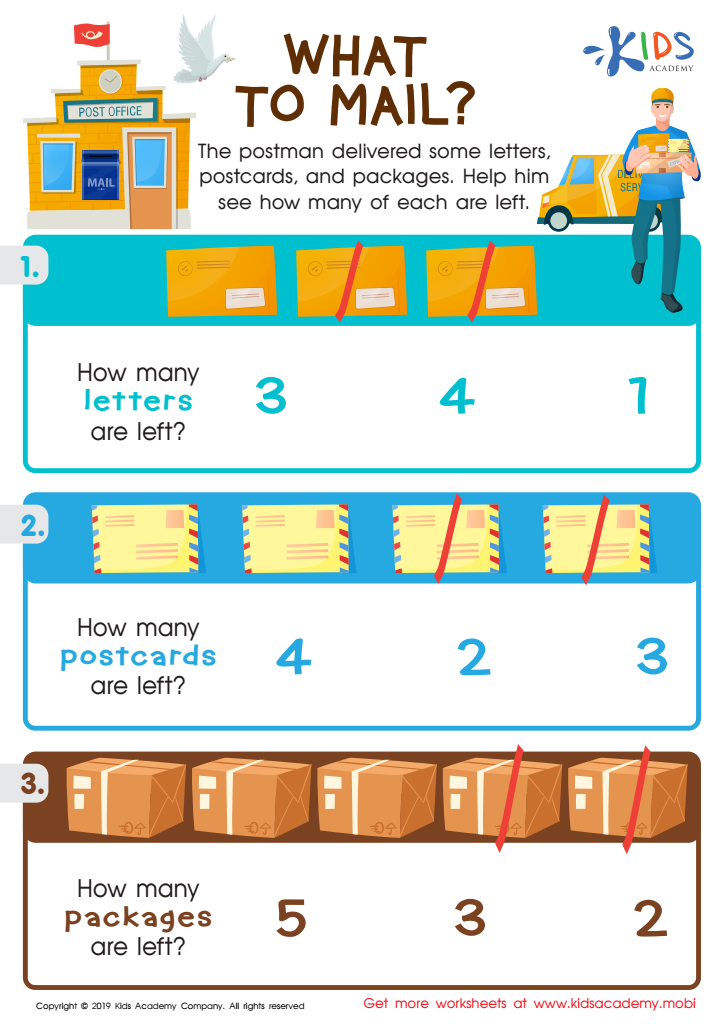
What to Mail? Worksheet
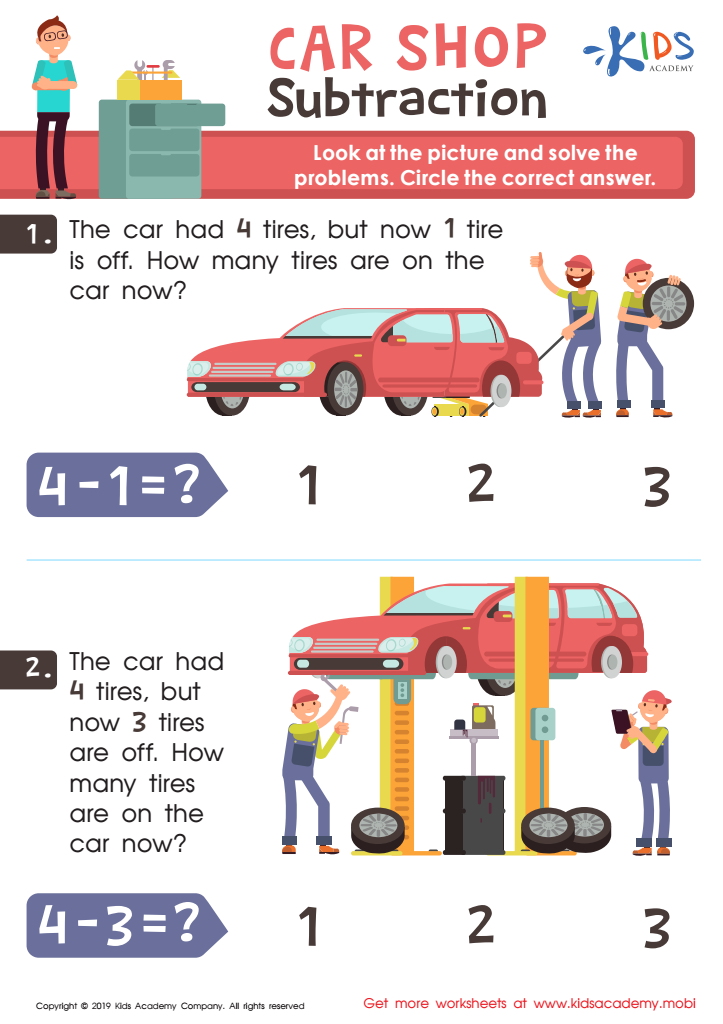
Car Shop Subtraction Worksheet
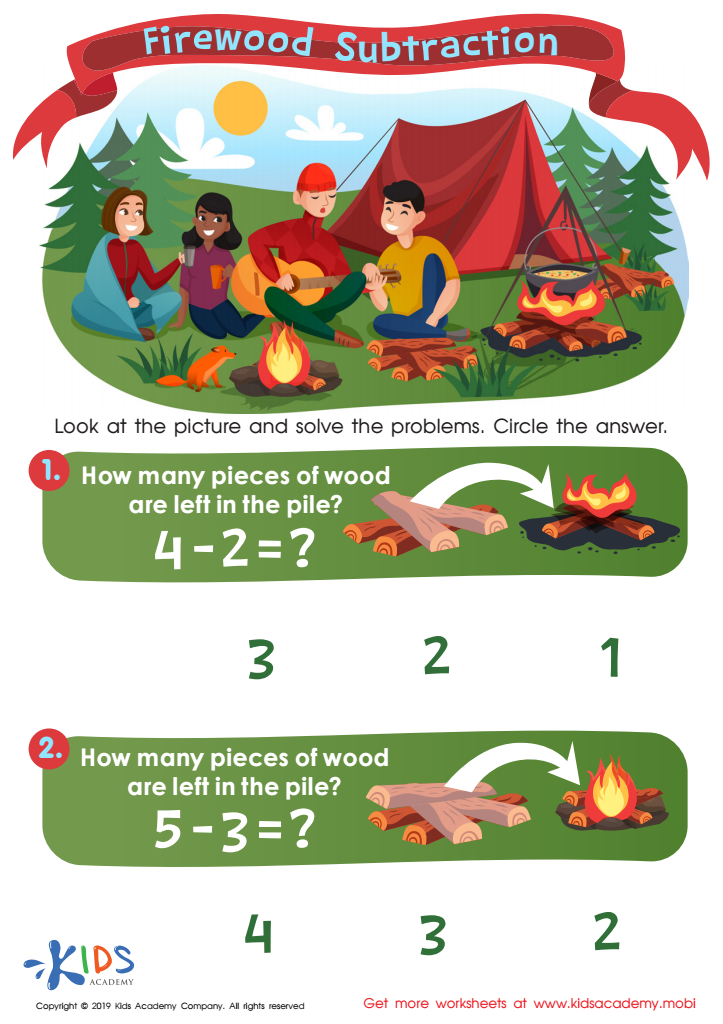
Firewood Subtraction Worksheet
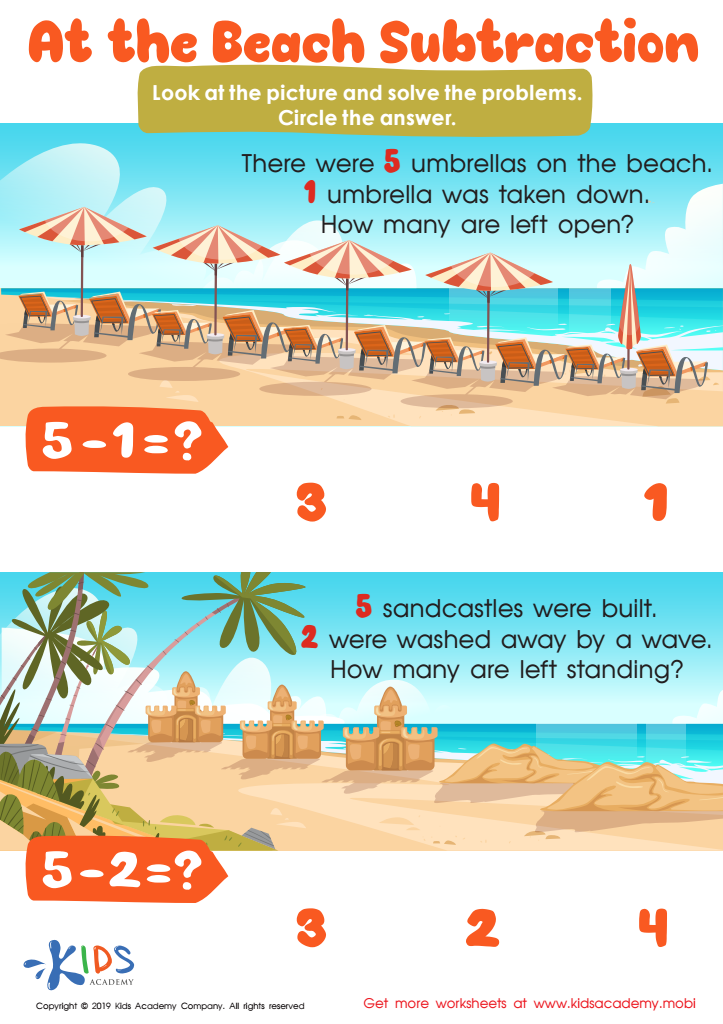
At the Beach Subtraction Worksheet
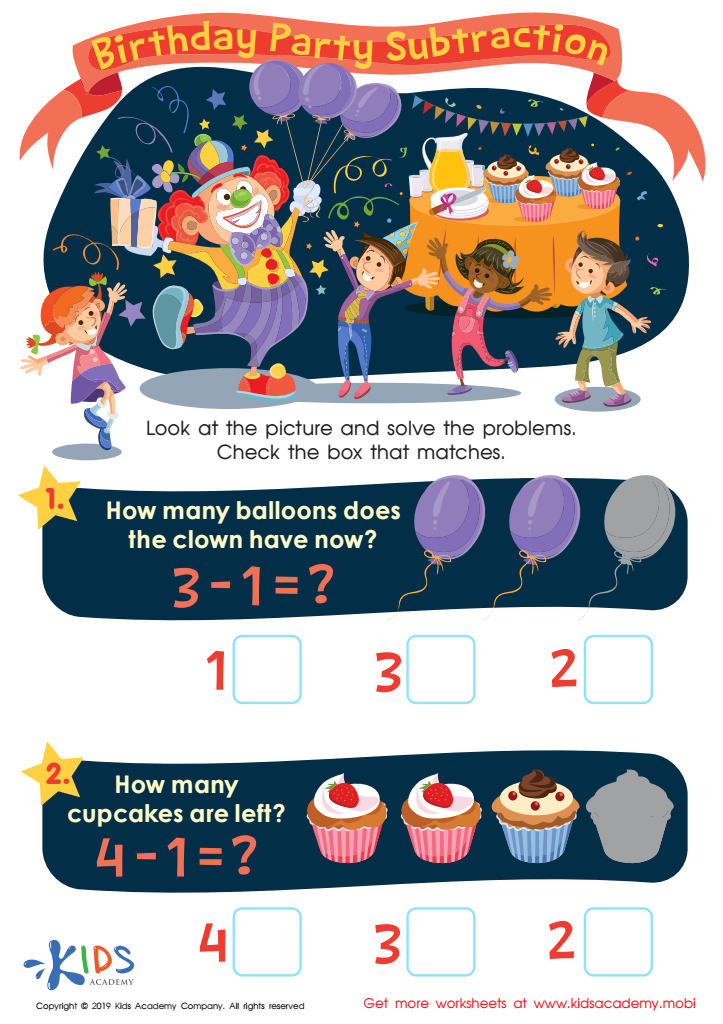
Birthday Party Subtraction Worksheet
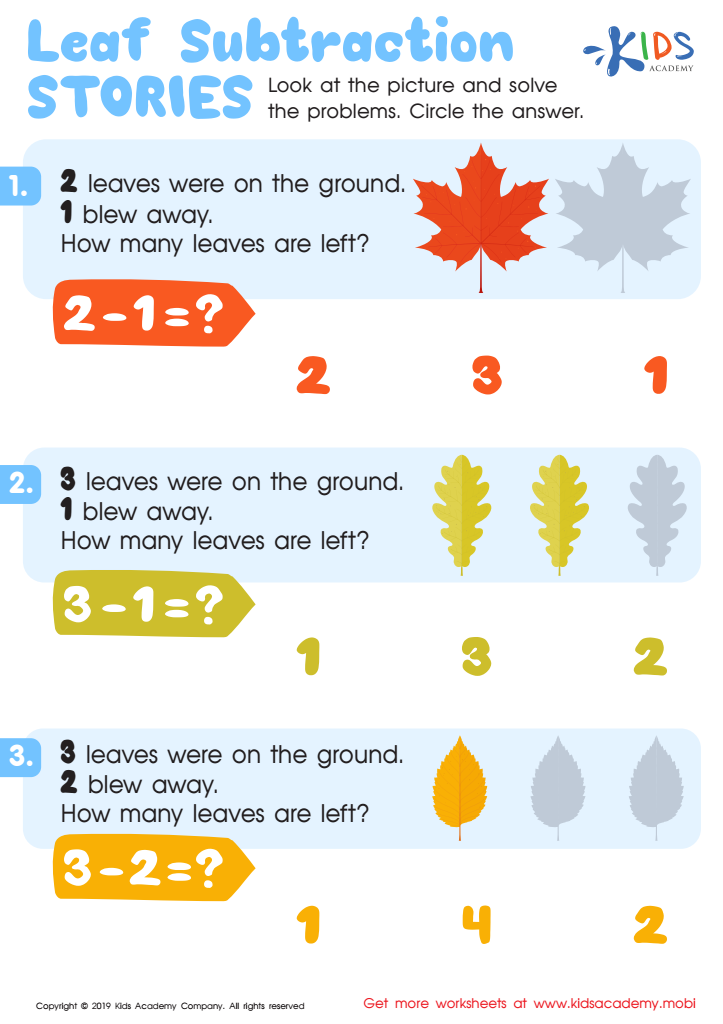
Leaf Subtraction Stories Worksheet
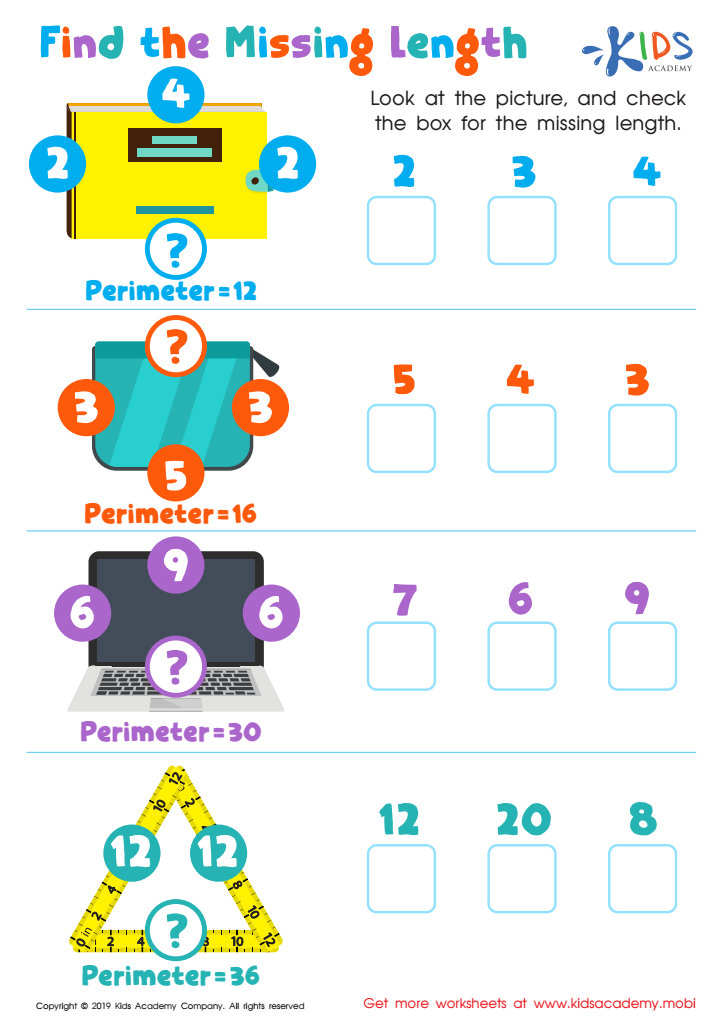
Find the Missing Length Worksheet
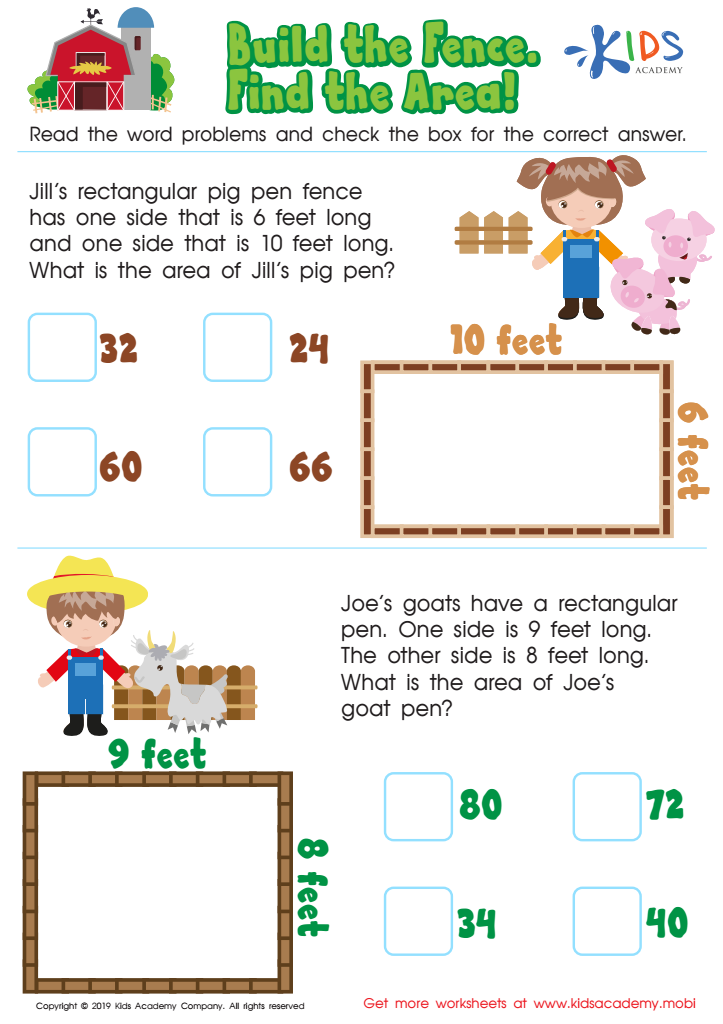
Build the Fence, Find the Area Worksheet
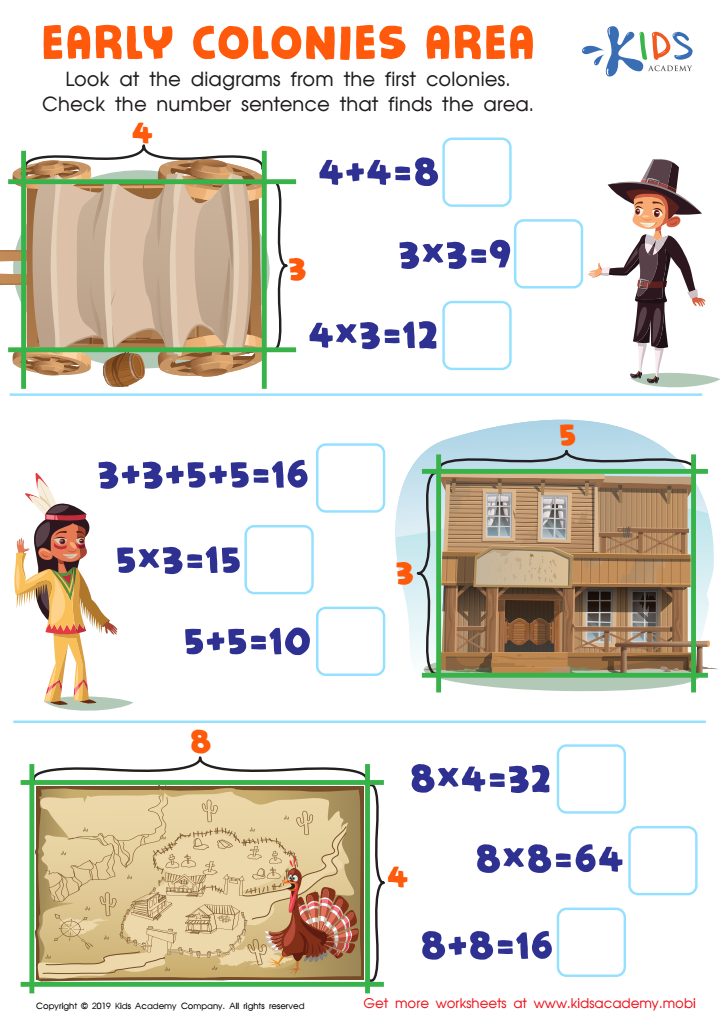
Early Colonies Area Worksheet
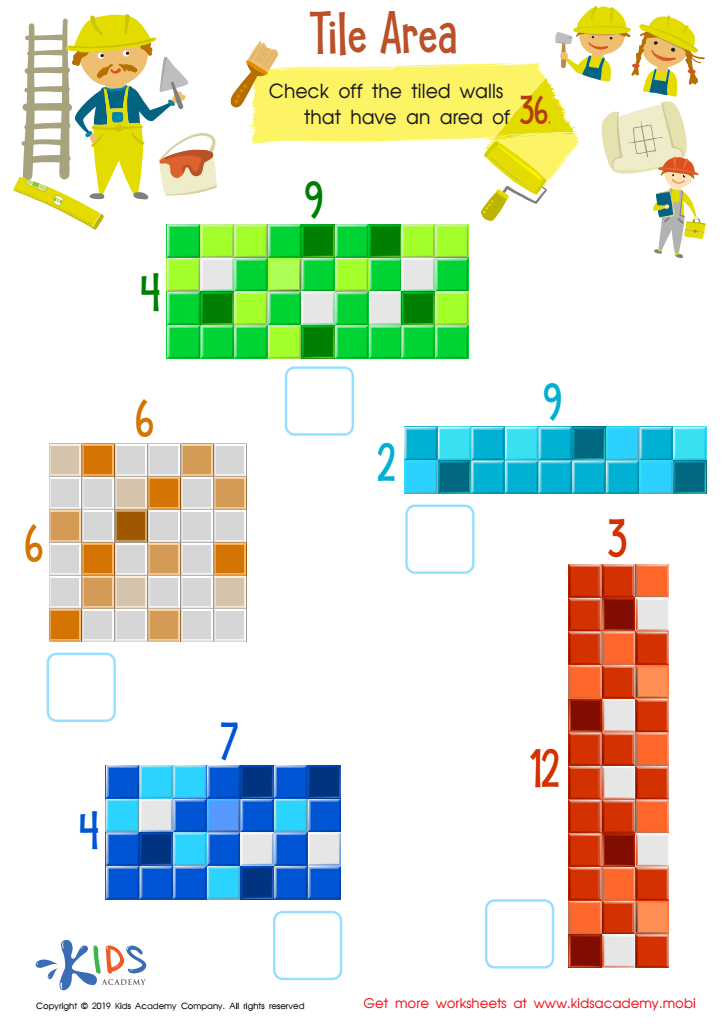
Tile Area Worksheet
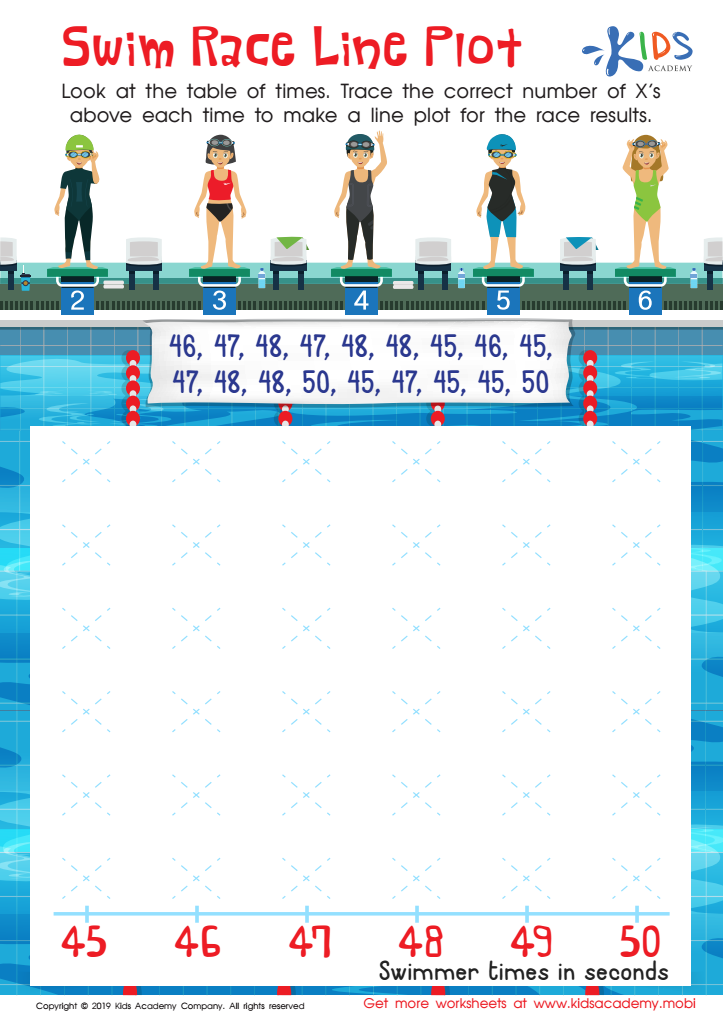
Swim Race Line Plot Worksheet
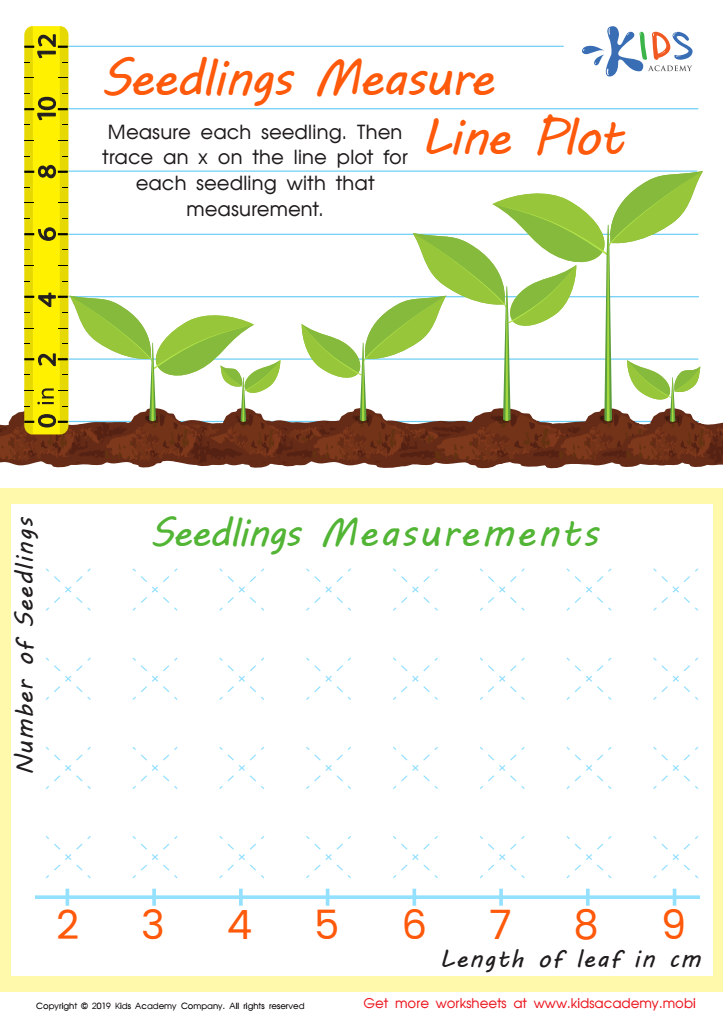
Seedling Measure Line Plot Worksheet
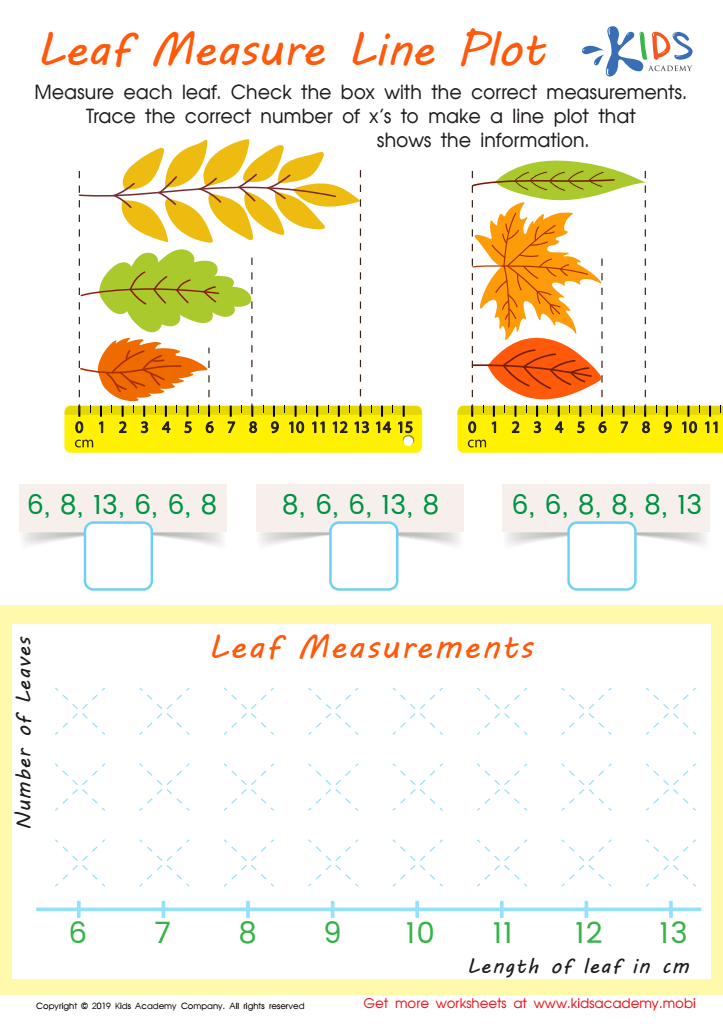
Leaf Measure Line Plot Worksheet
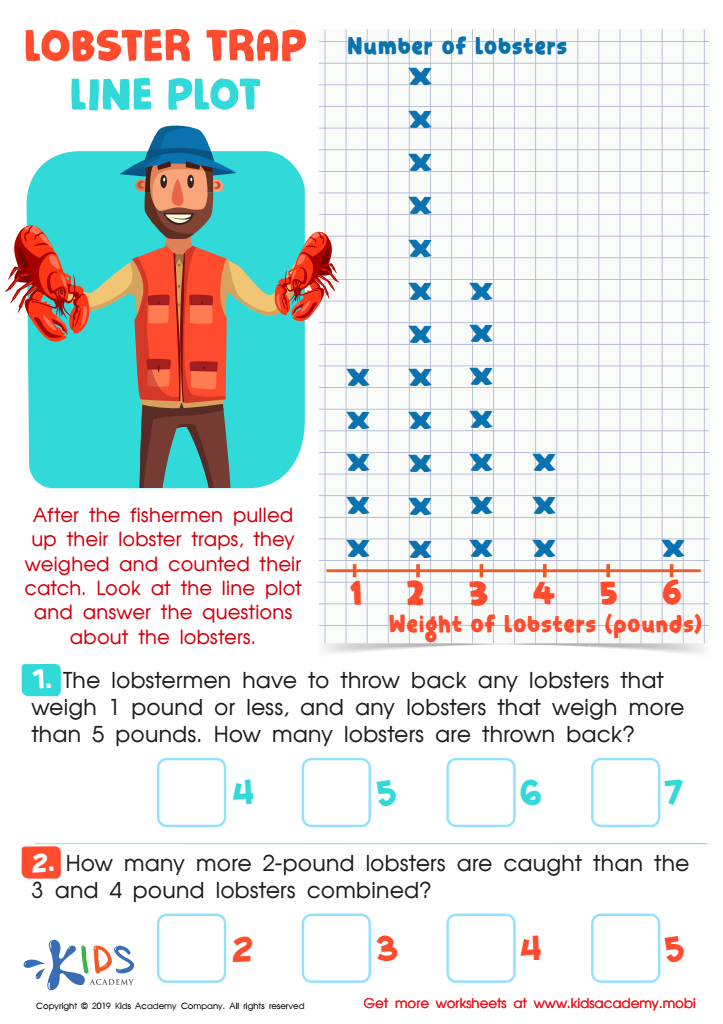
Lobster Trap Line Plot Worksheet
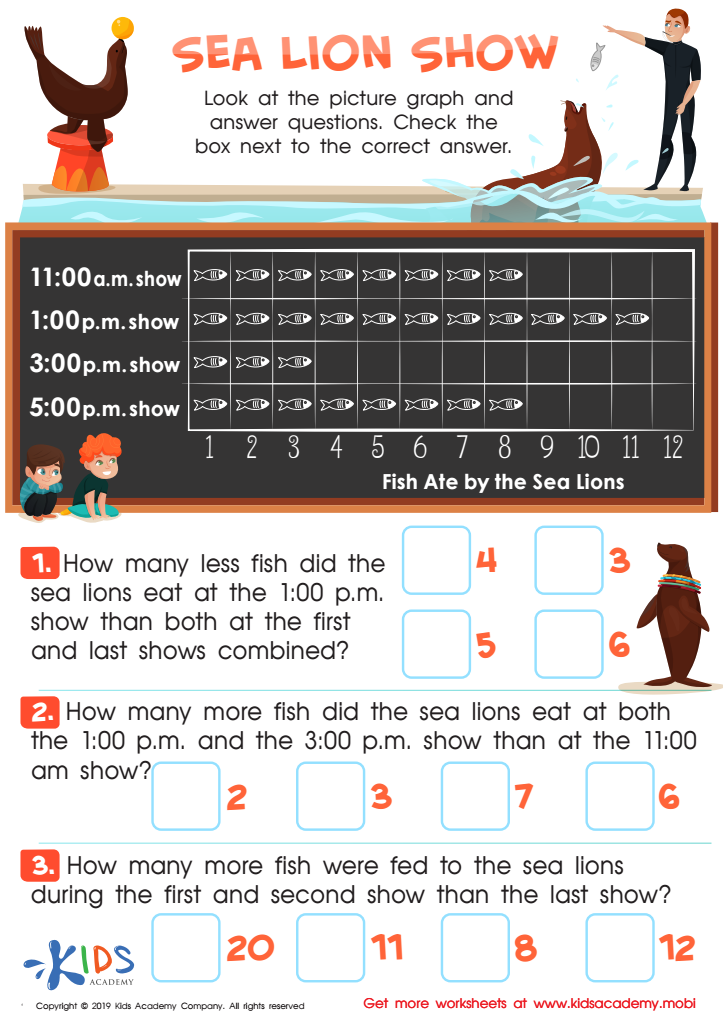
Sea Lion Show Worksheet
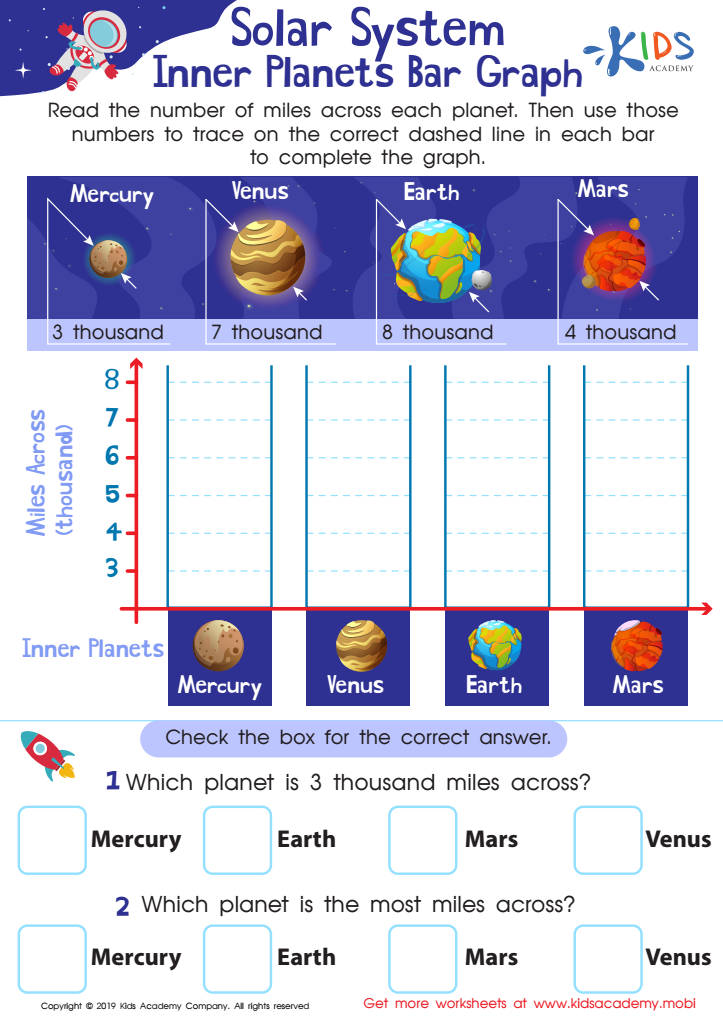
Planets Bar Graph Worksheet
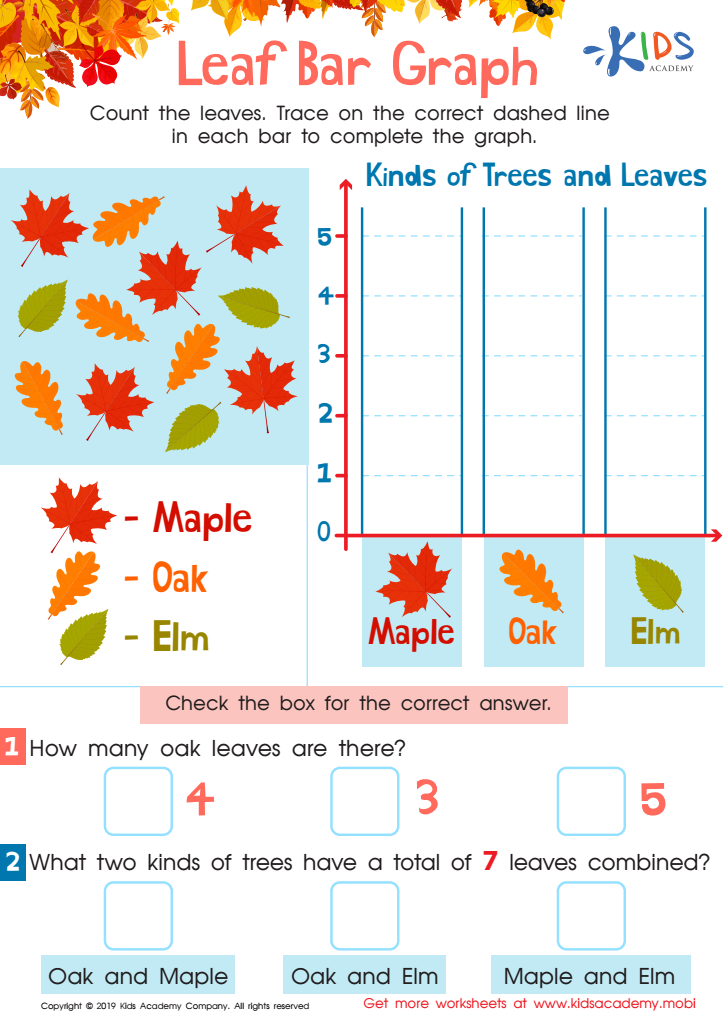
Leaf Bar Graph Worksheet
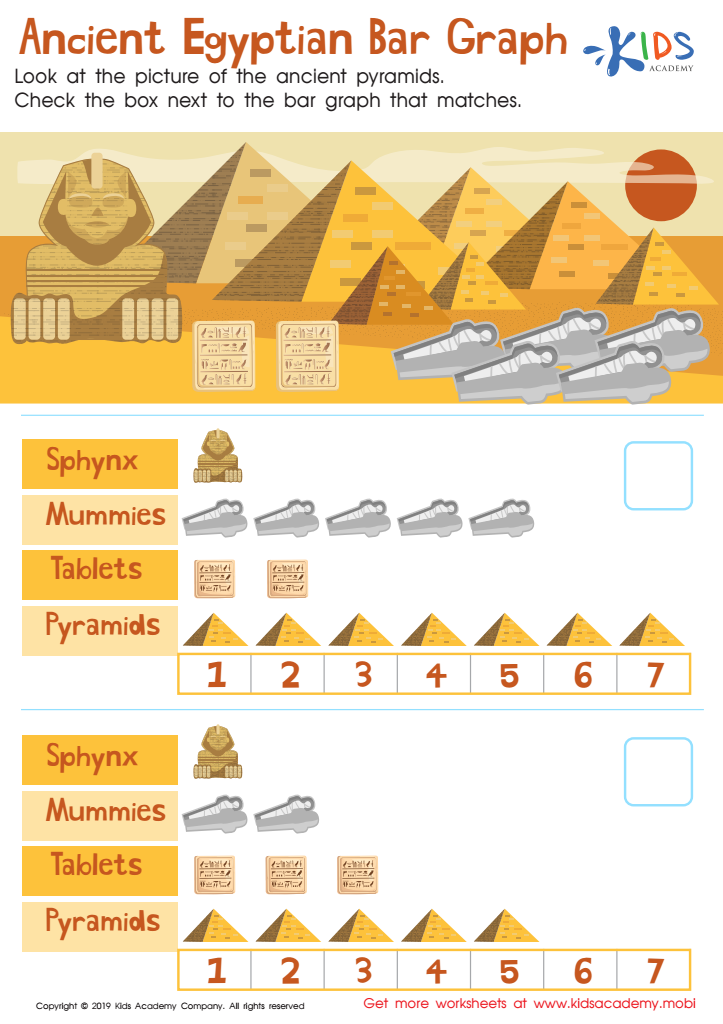
Egyptian Bar Graph Worksheet
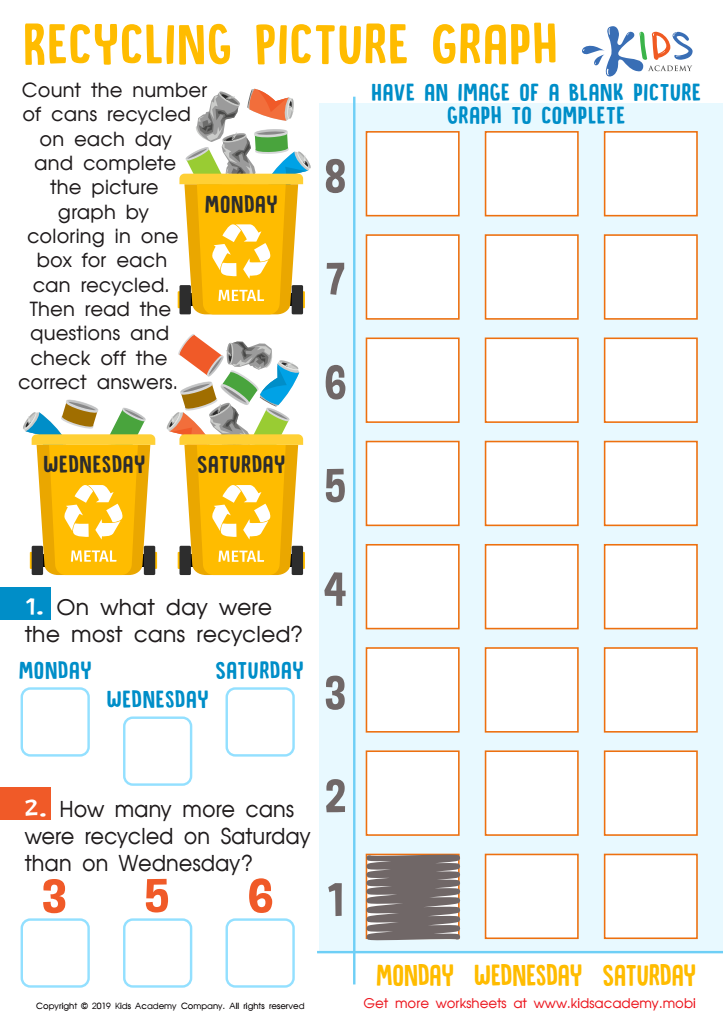
Recycling Picture Graph Worksheet








Parents and teachers should prioritize teaching addition and subtraction to children aged 3-8 because these foundational skills are crucial for a child's overall academic success and cognitive development. Early mastery of these concepts lays the groundwork for future learning in mathematics and other subjects.
Understanding addition and subtraction helps children develop critical thinking and problem-solving skills. By engaging with these operations, they learn to recognize patterns, make connections, and approach challenges with a logical mindset. Enhancing numerical literacy at an early age also fosters confidence, making children more willing to tackle complex math concepts as they progress through school.
Additionally, early exposure to these mathematical concepts enhances daily life skills, such as budgeting, telling time, and understanding measurements. Incorporating fun, interactive activities like games, storybooks, and hands-on experiences can make learning these skills enjoyable, keeping children engaged and motivated.
Moreover, strong early math skills can positively influence academic performance in other disciplines, informing everything from reading comprehension to scientific reasoning. However, fostering a positive attitude towards math can prevent math anxiety in later years. Therefore, both parents and teachers must collaboratively encourage and facilitate learning experiences that focus on addition and subtraction during these formative years.








