Physical Science Worksheets for Ages 3-8
3 filtered results
-
From - To
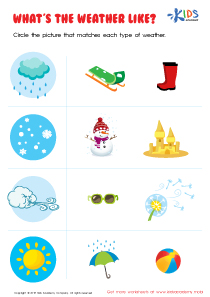
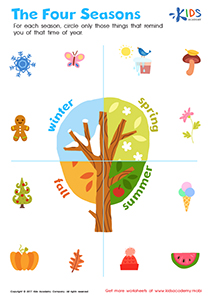
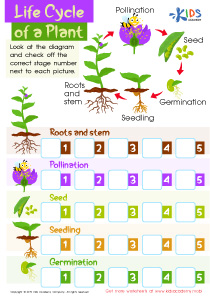
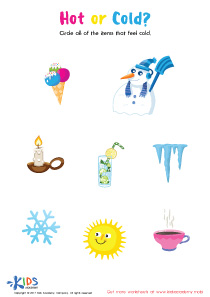
Explore our engaging Physical Science Worksheets designed specifically for children ages 3-8! These fun, interactive resources encourage young learners to discover the wonders of the physical world around them. With a variety of activities, including sorting, matching, and hands-on experiments, children will develop critical thinking skills while learning about key concepts like matter, energy, and motion. Our worksheets are designed to foster curiosity and scientific exploration, making learning enjoyable and effective. Perfect for teachers, parents, or homeschoolers, these worksheets are an excellent way to introduce young minds to the fundamentals of physical science. Start your child’s scientific journey today!
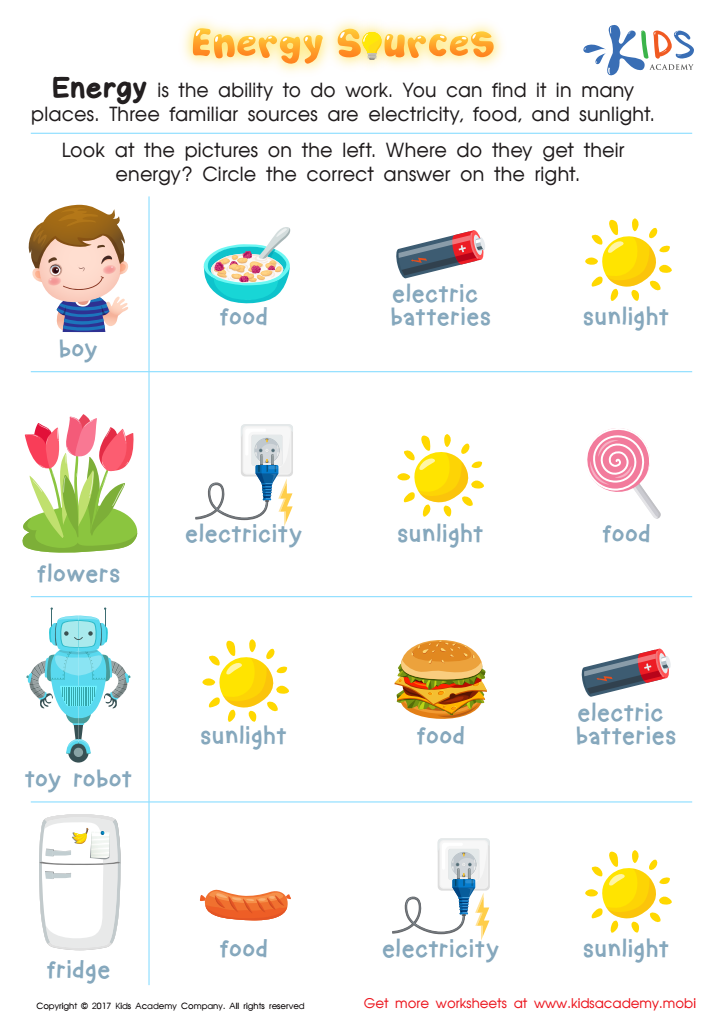
Energy Sources Printable
 Assign to My Students
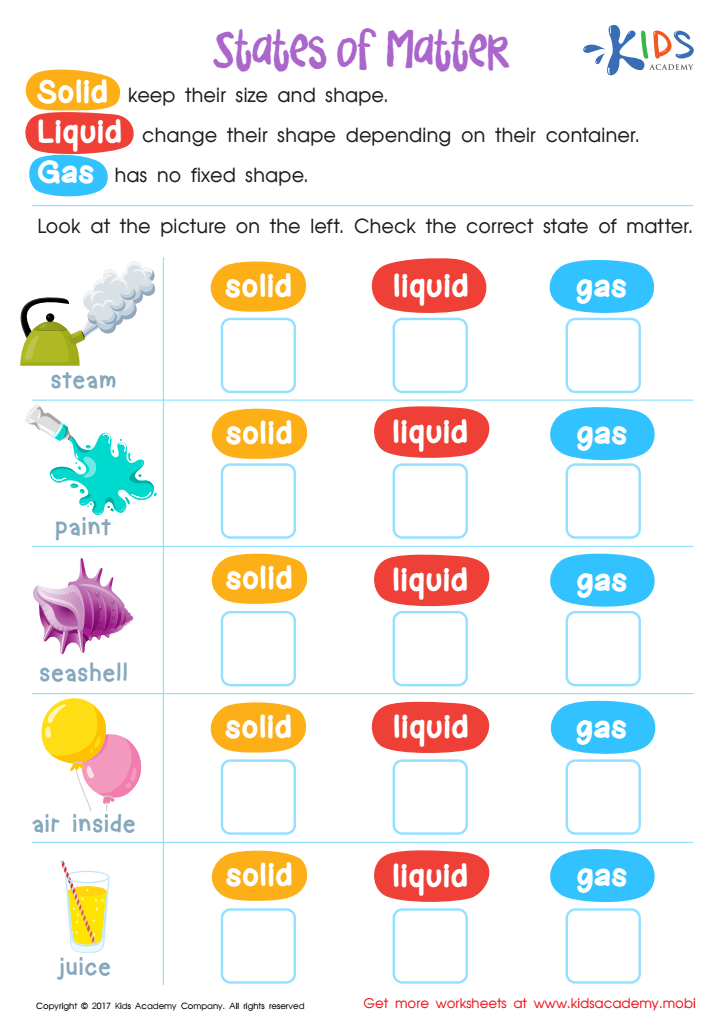
Physical Science: States of Matter Worksheet
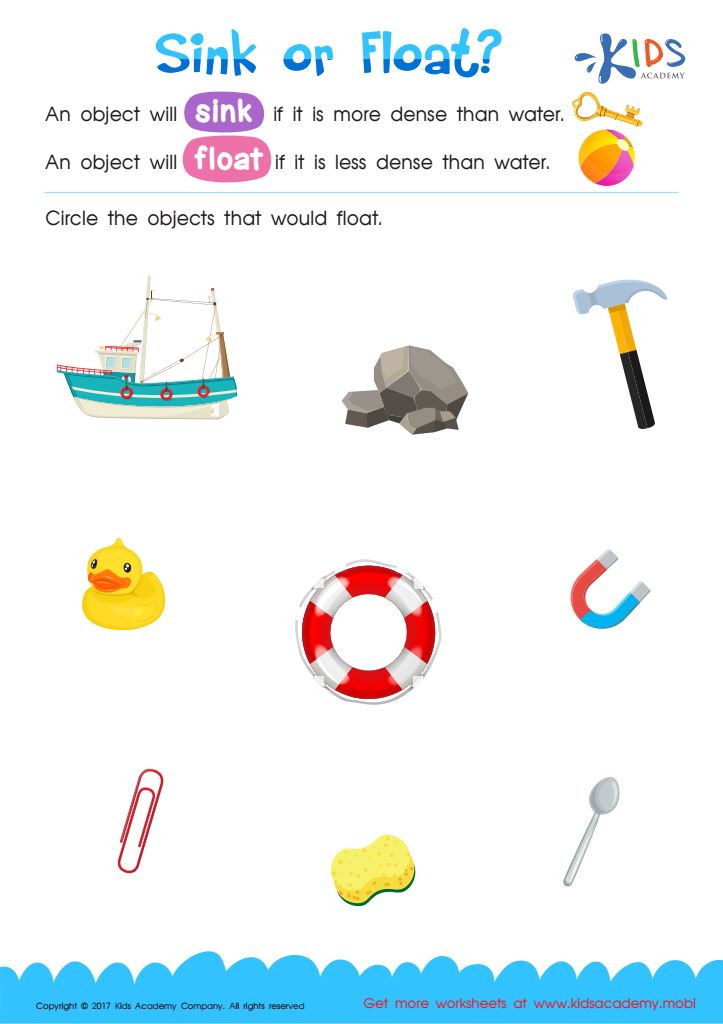
Sink or Float Printable



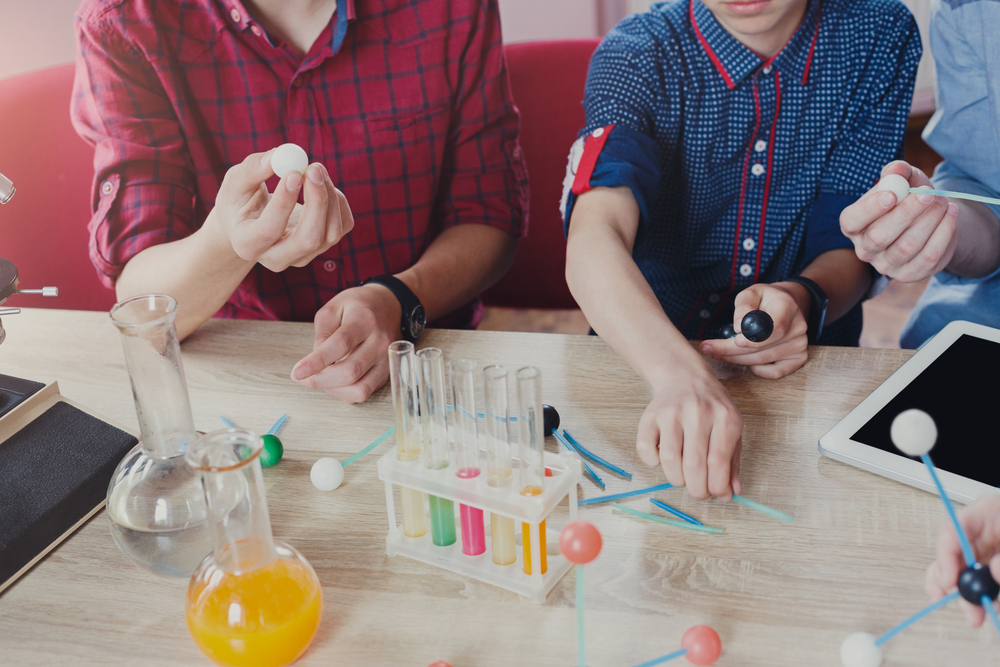



Parents and teachers should care about Physical Science for children aged 3-8 because it lays the foundation for critical thinking and curiosity about the world. At this age, children are naturally inquisitive, constantly asking questions like “Why?” and “How?” Introducing them to basic concepts of physical science helps nurture this curiosity and promotes a love for learning.
Understanding physical science fosters essential skills such as observation, experimentation, and problem-solving. Simple activities, like exploring gravity with balls or mixing water and sand, encourage hands-on learning and boost engagement. These experiences help young learners connect abstract concepts to the real world, facilitating a deeper understanding.
Moreover, early exposure to physical science can help demystify complex ideas later in life. By embedding scientific thinking into daily life, parents and teachers encourage children to be innovators and critical thinkers who can tackle future challenges.
Finally, fostering a solid grounding in physical science can spark interest in STEM fields, cultivating future scientists, engineers, and informed citizens. Ensuring children are engaged in these early experiences supportive of physical science principles is crucial for holistic development, promoting not only academic growth but also a lifelong excitement for discovery and exploration.