Alphabet worksheets activities for Ages 3-8
28 filtered results
-
From - To
Discover a world of learning with our engaging Alphabet worksheets, specially designed for children aged 3 to 8! These activities encourage foundational literacy skills through interactive and fun exercises that captivate young minds. Our worksheets include tracing letters, identifying beginning sounds, and recognizing uppercase and lowercase letters. Perfect for preschoolers and early elementary students, these resources aim to enhance both recognition and writing abilities, fostering a love for reading from an early age. Each worksheet is crafted to boost confidence and promote independent learning. Explore our collection today and support your child’s alphabet mastery in a playful and enriching way!
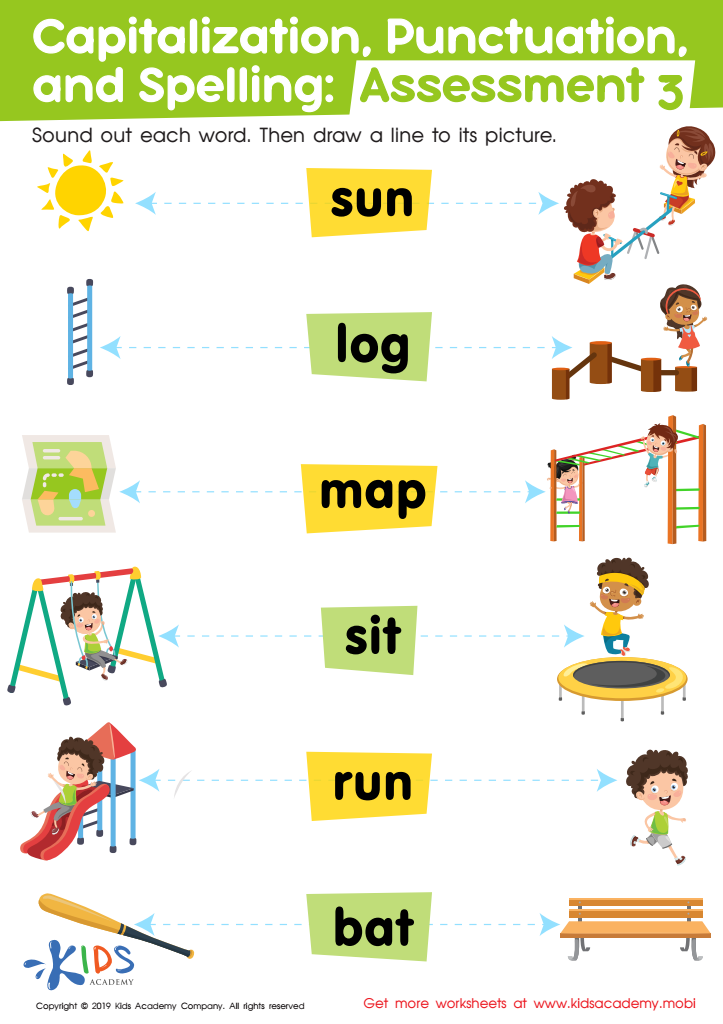
Capitalization. Punctuation. Spelling. Assessment 3 Worksheet
 Assign to My Students
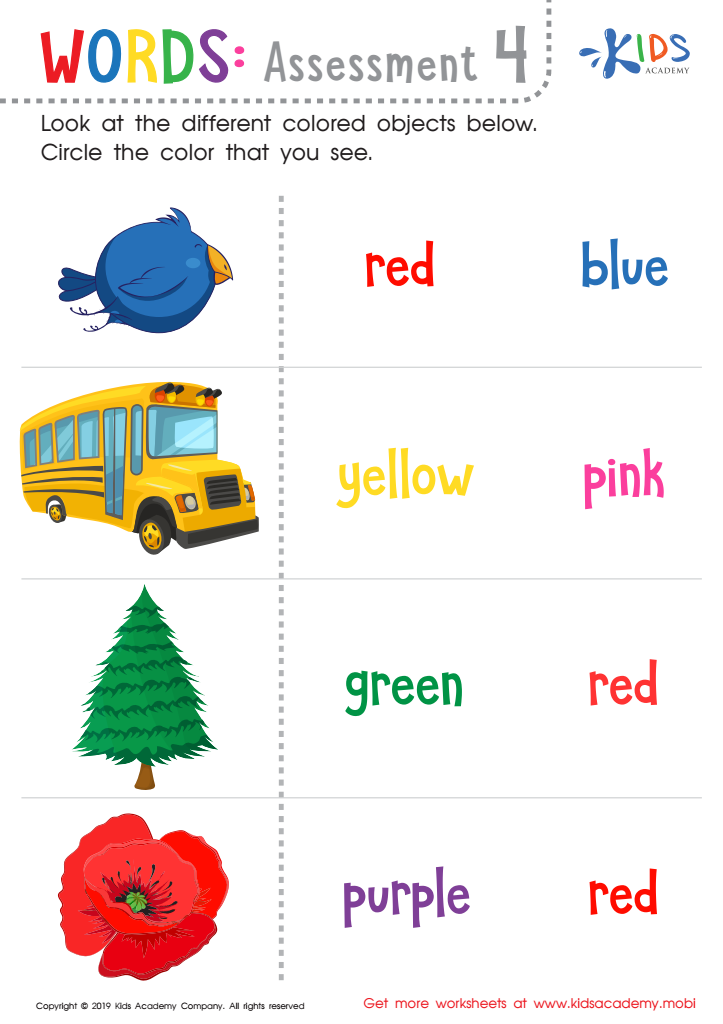
Words: Assessment 4 Worksheet
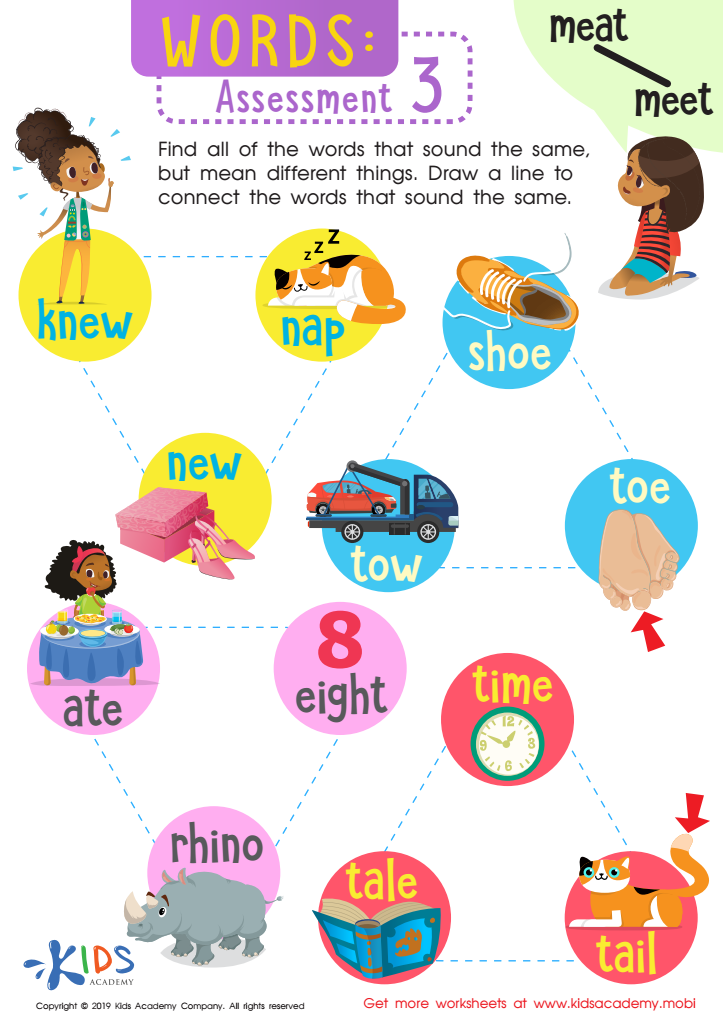
Words: Asessment 3 Worksheet
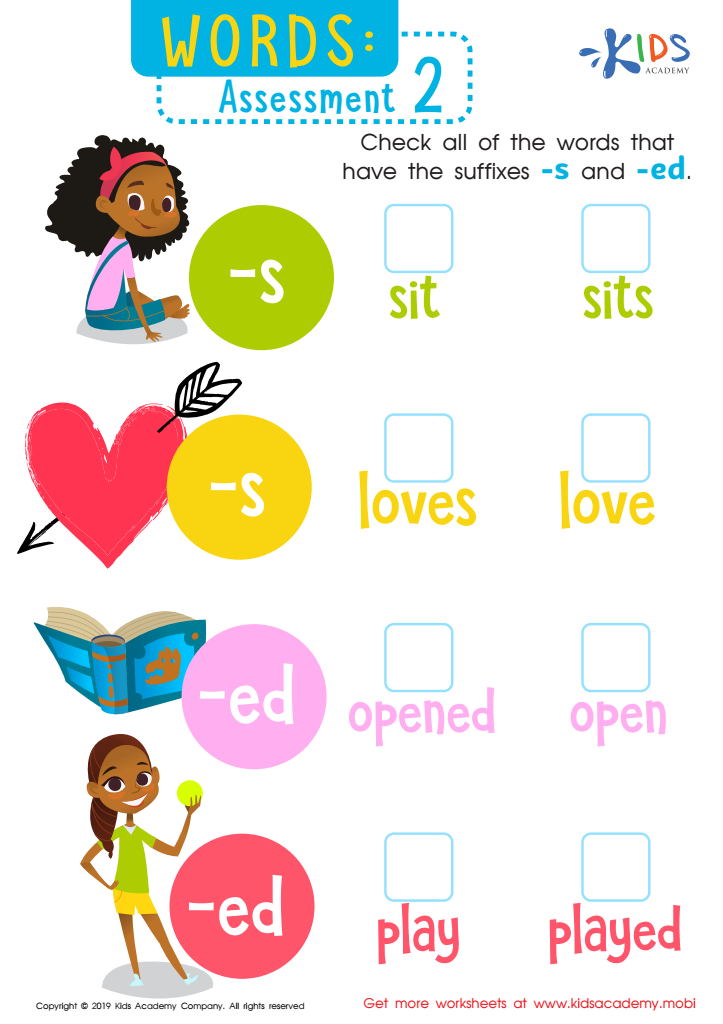
Words: Assessment 2 Worksheet
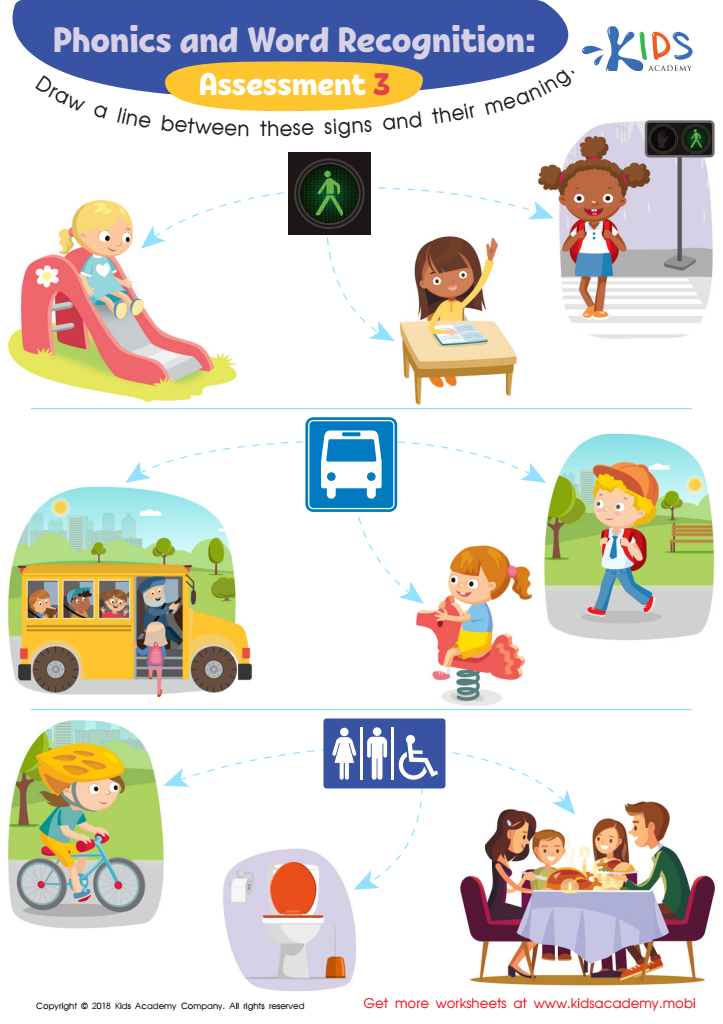
Phonological Awareness: Assessment 3 ELA Worksheet
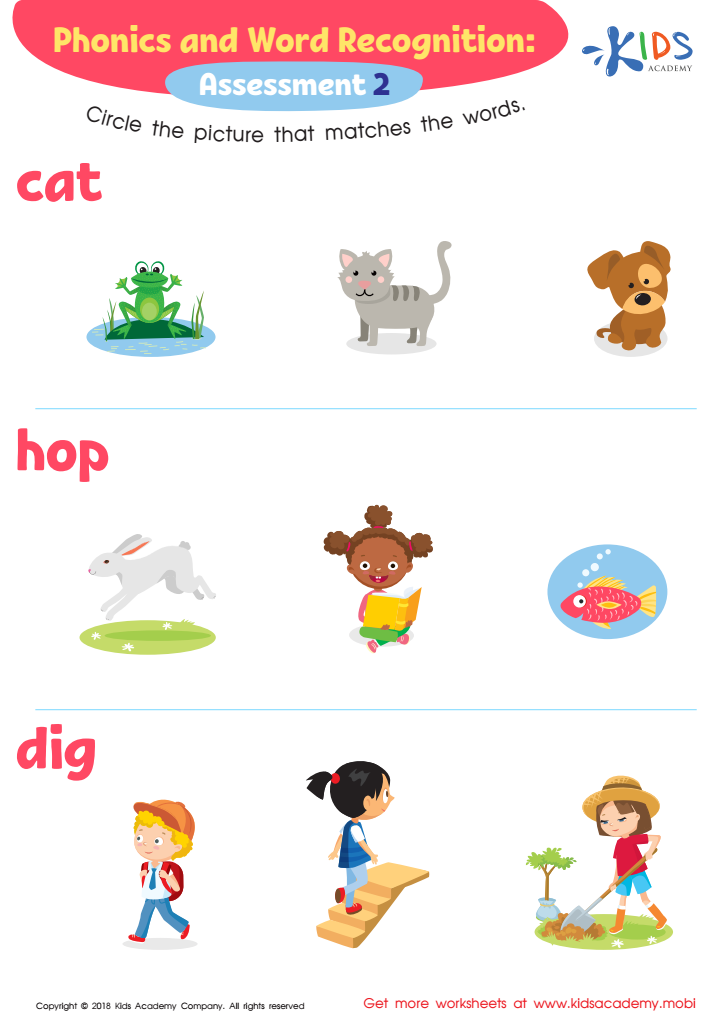
Phonological Awareness: Assessment 2 ELA Worksheet
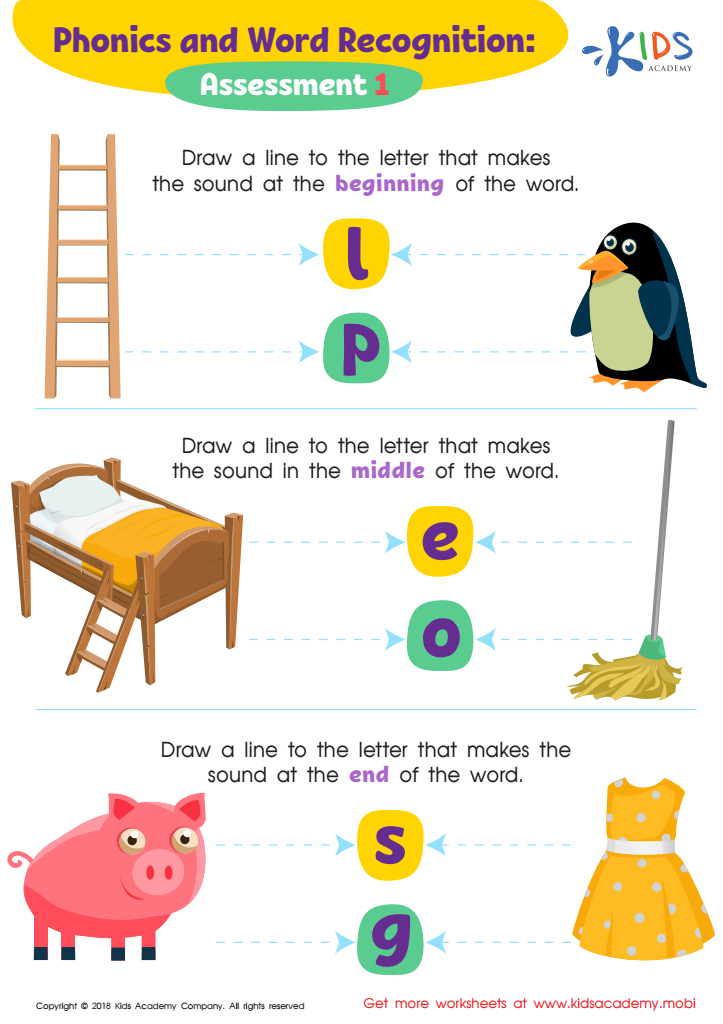
Phonics and Word Recognition: Assessment 1 ELA Worksheet
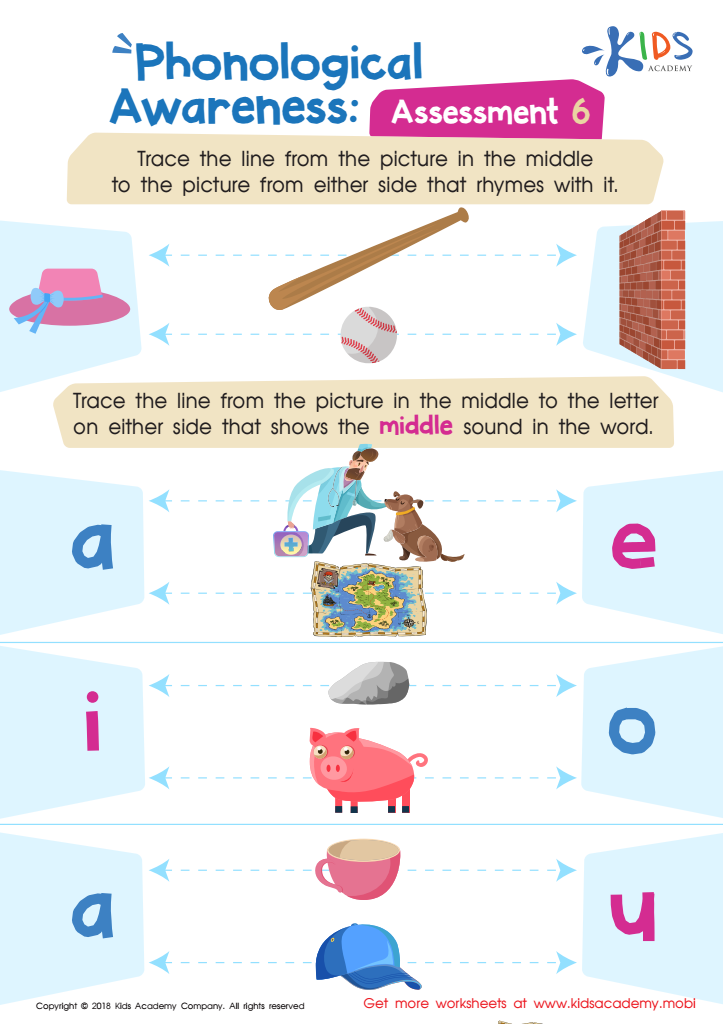
Phonological Awareness: Assessment 6 Worksheet
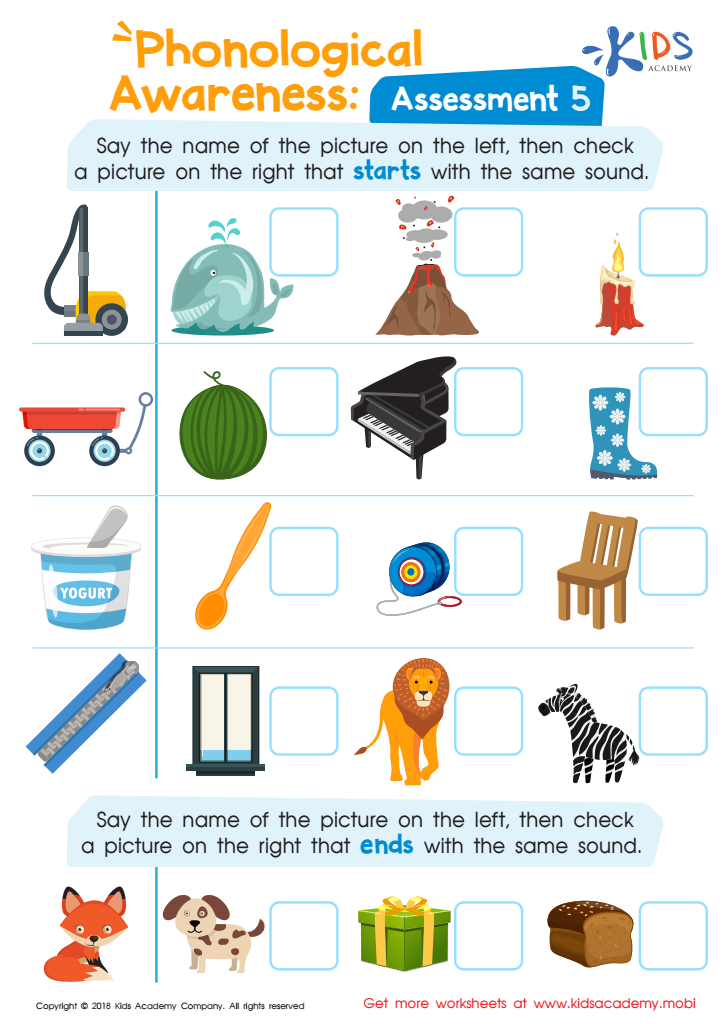
Phonological Awareness: Assessment 5 Worksheet
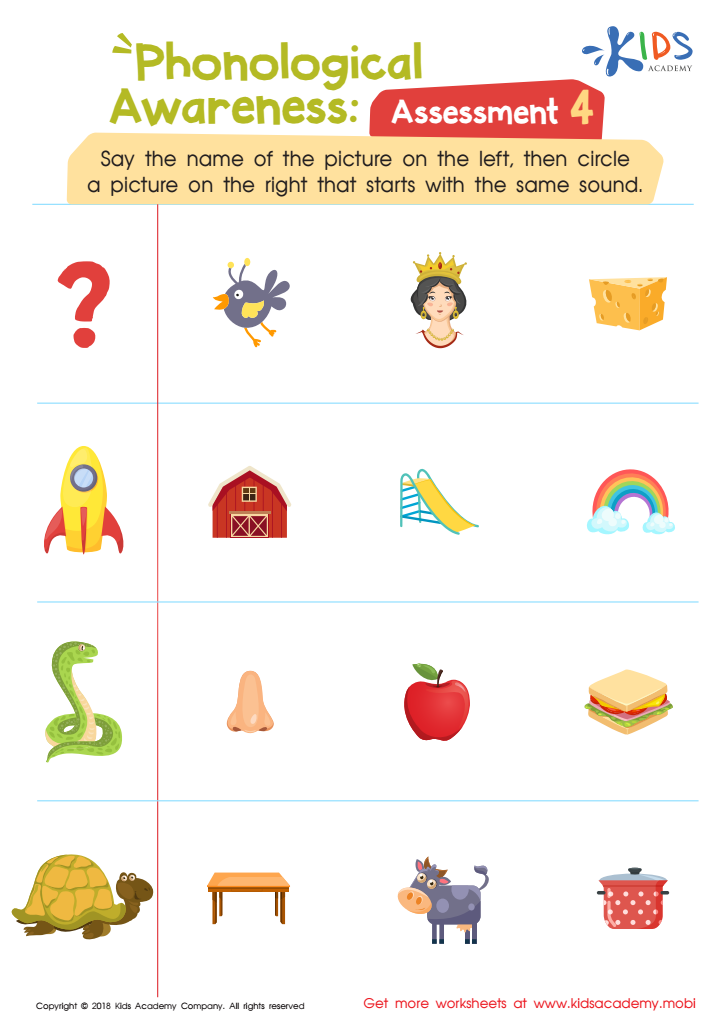
Phonological Awareness: Assessment 4 Worksheet
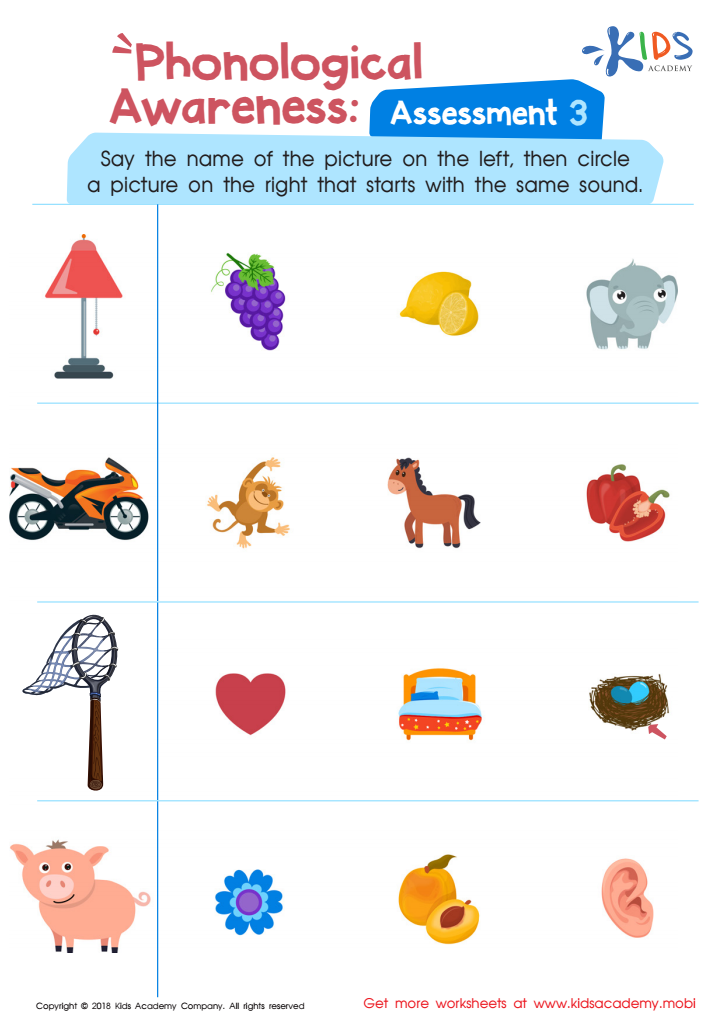
Phonological Awareness: Assessment 3 Worksheet
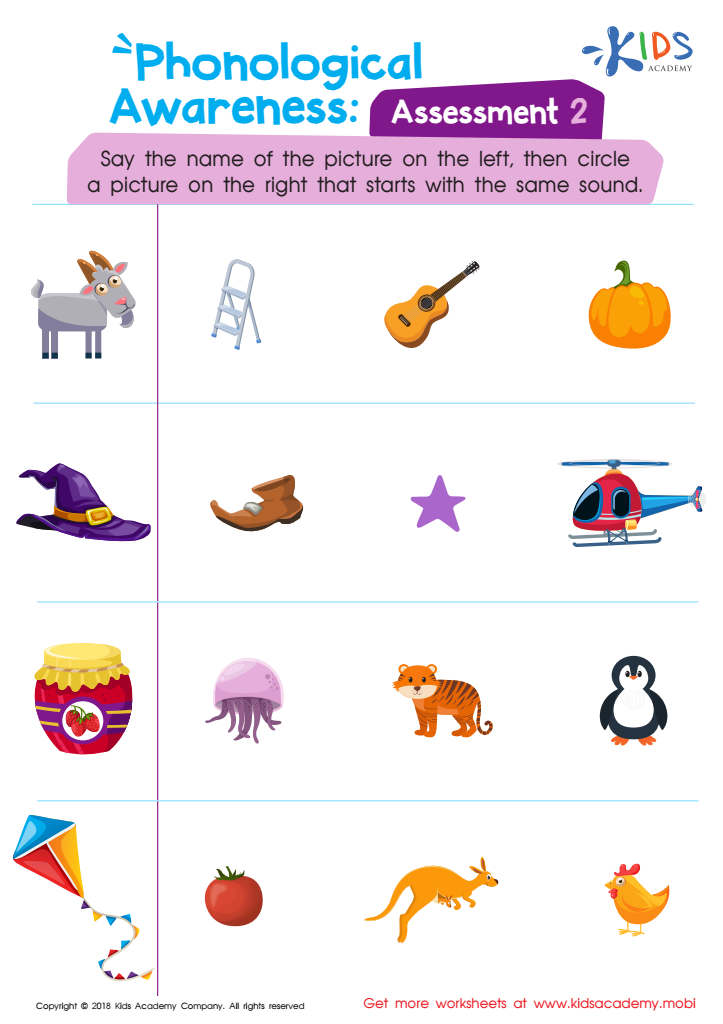
Phonological Awareness: Assessment 2 Worksheet
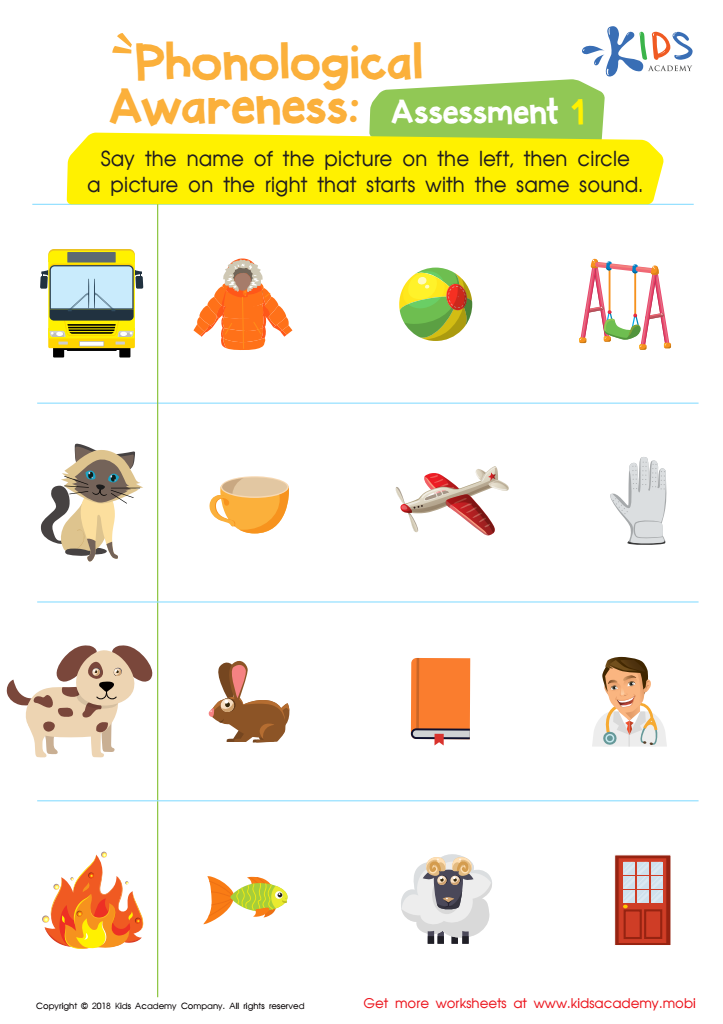
Phonological Awareness: Assessment 1 Worksheet
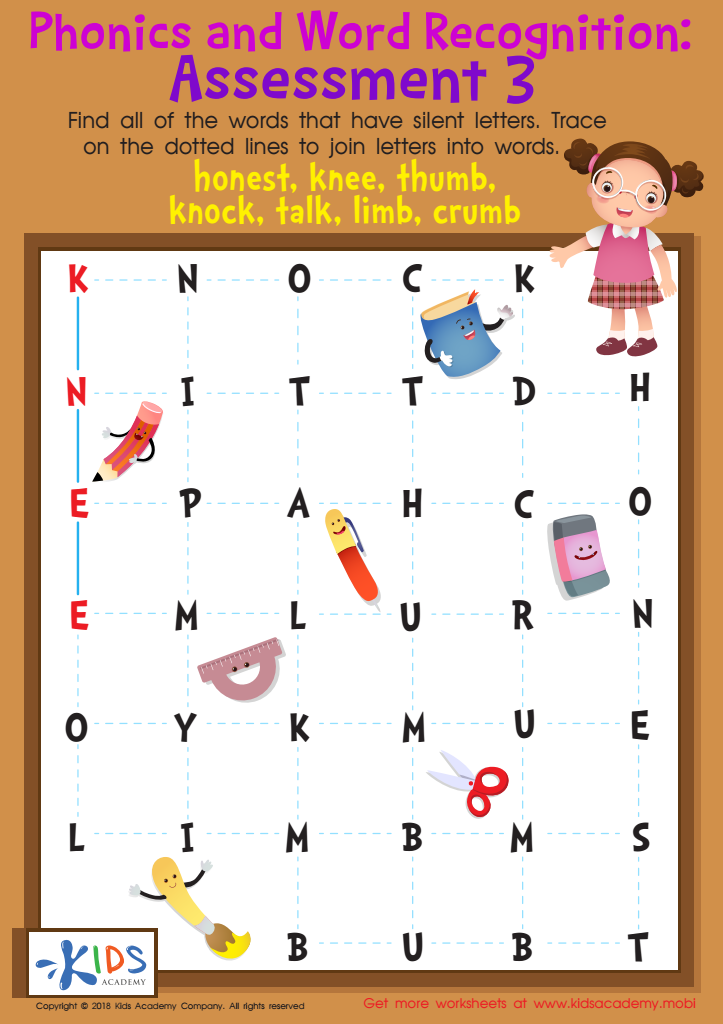
Phonics and Word Recognition: Assessment 3 Worksheet
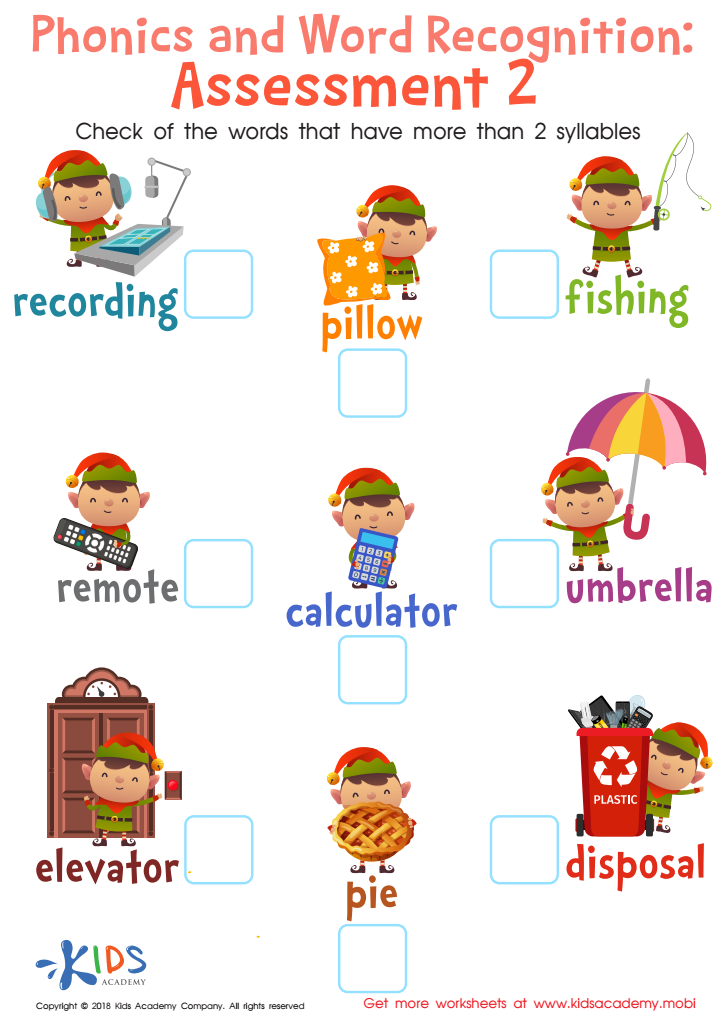
Phonics and Word Recognition: Assessment 2 Worksheet
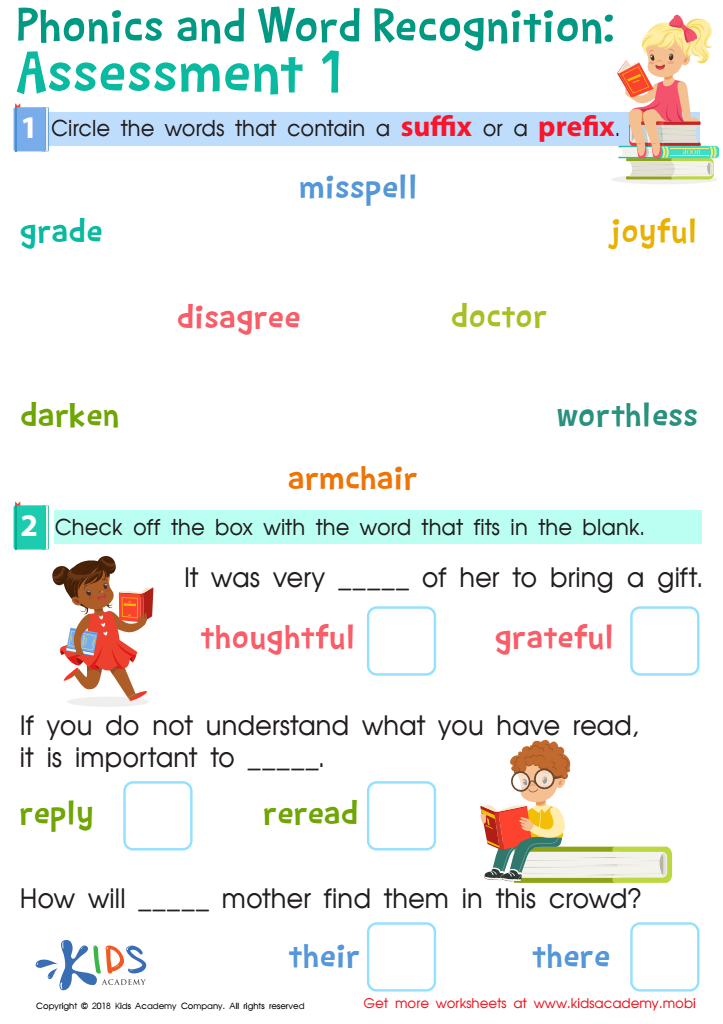
Phonics and Word Recognition: Assessment 1 Worksheet
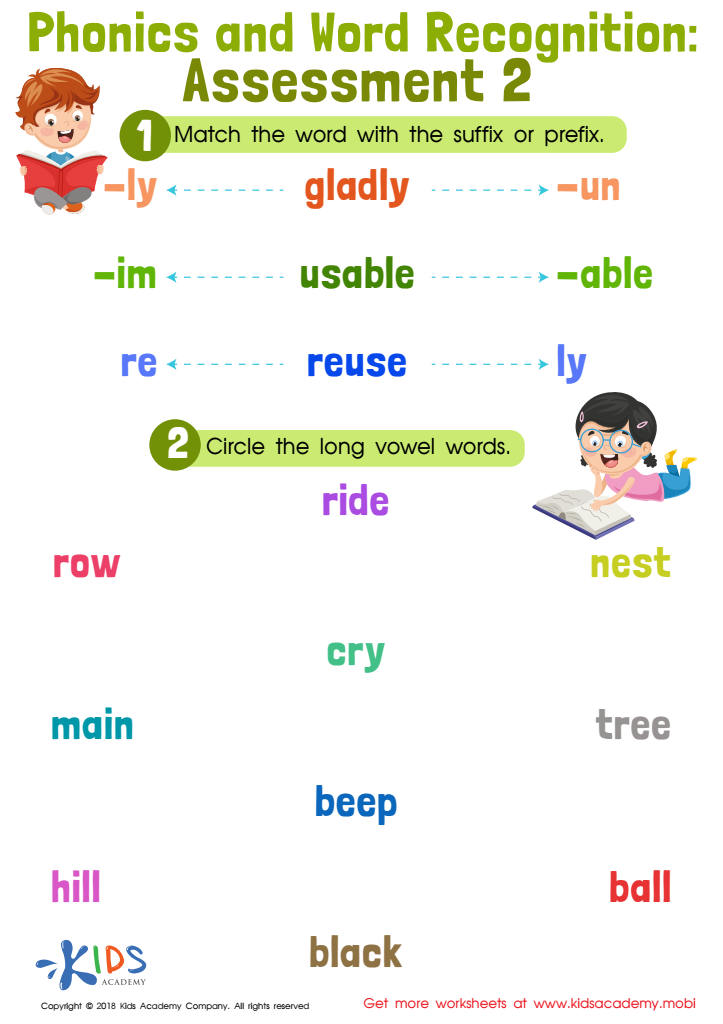
Phonics and Word Recognition: Assessment 2
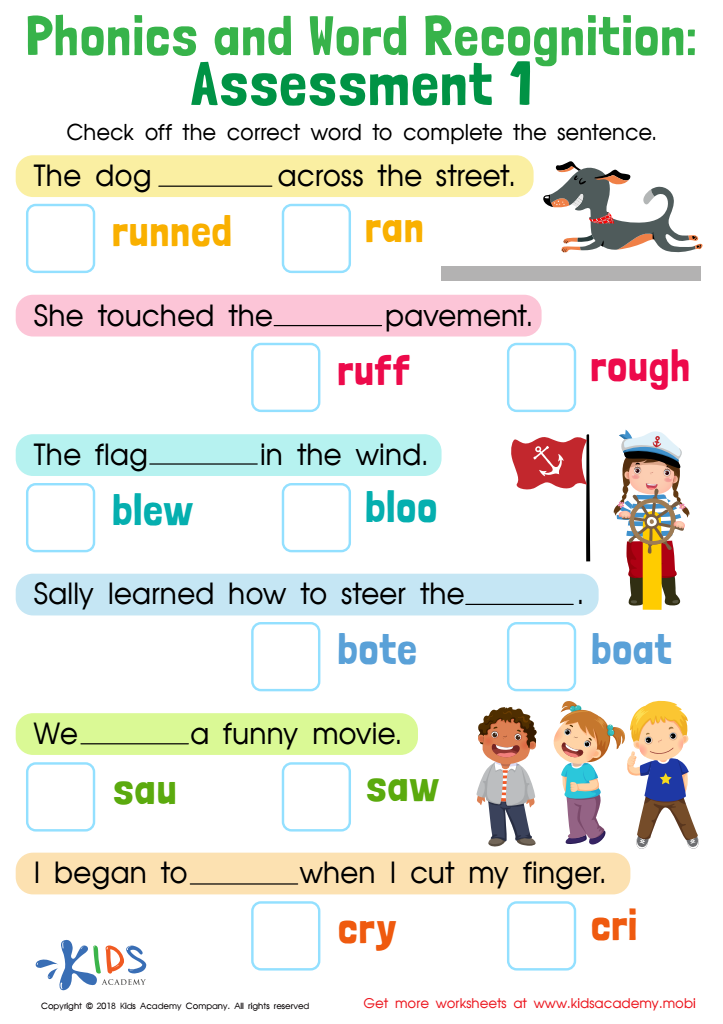
Phonics and Word Recognition: Assessment 1 Worksheet
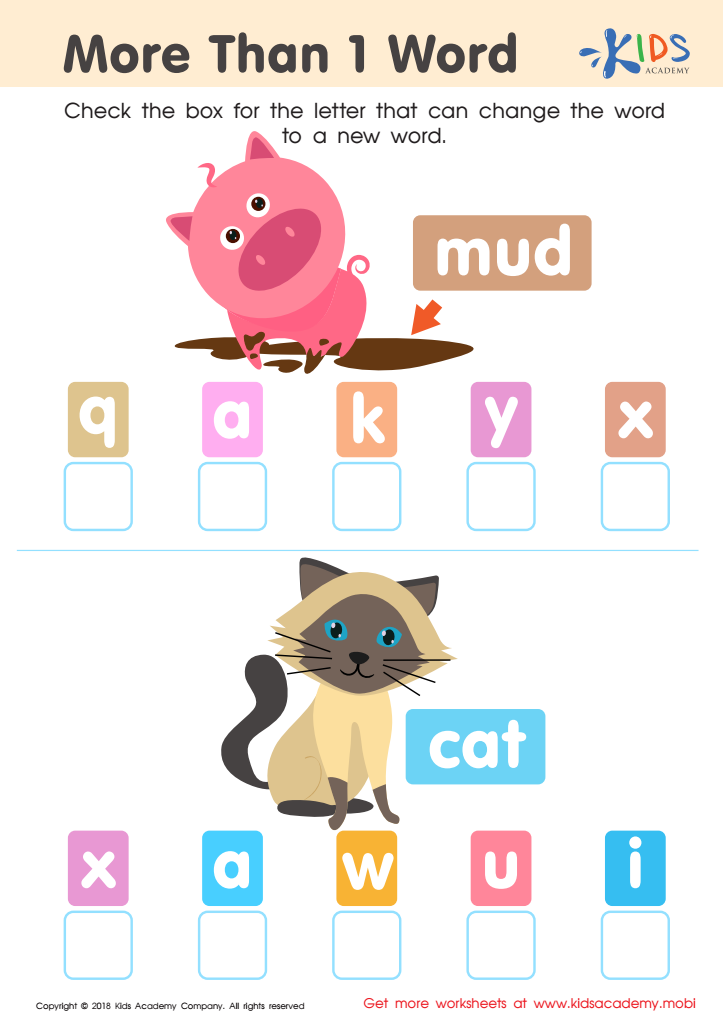
More than 1 word Worksheet
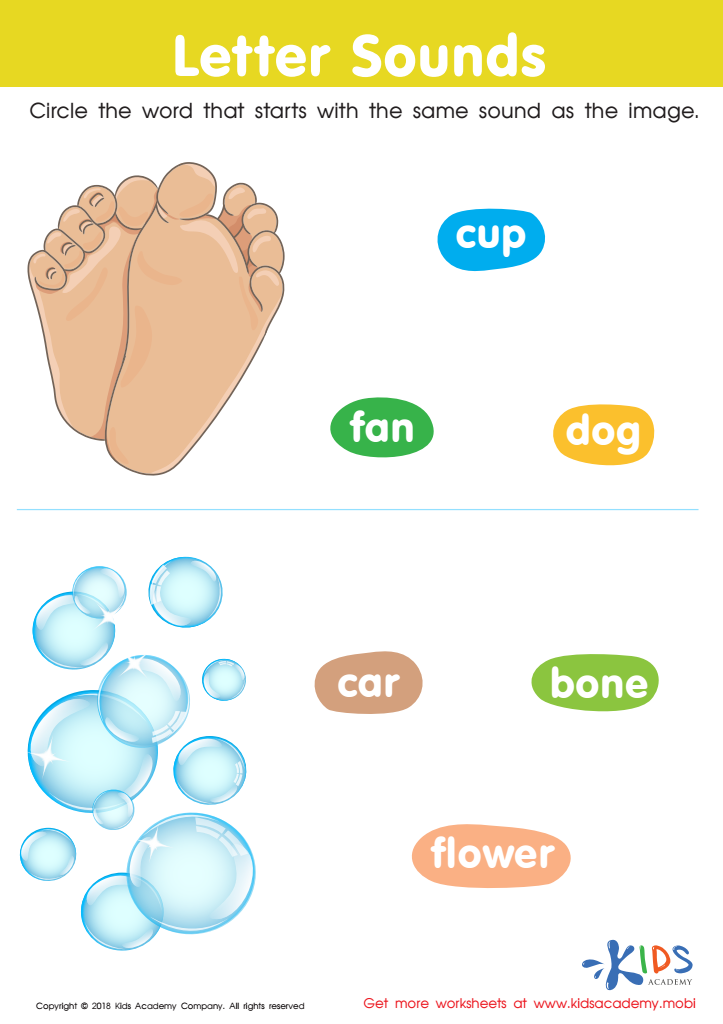
letter sounds Worksheet
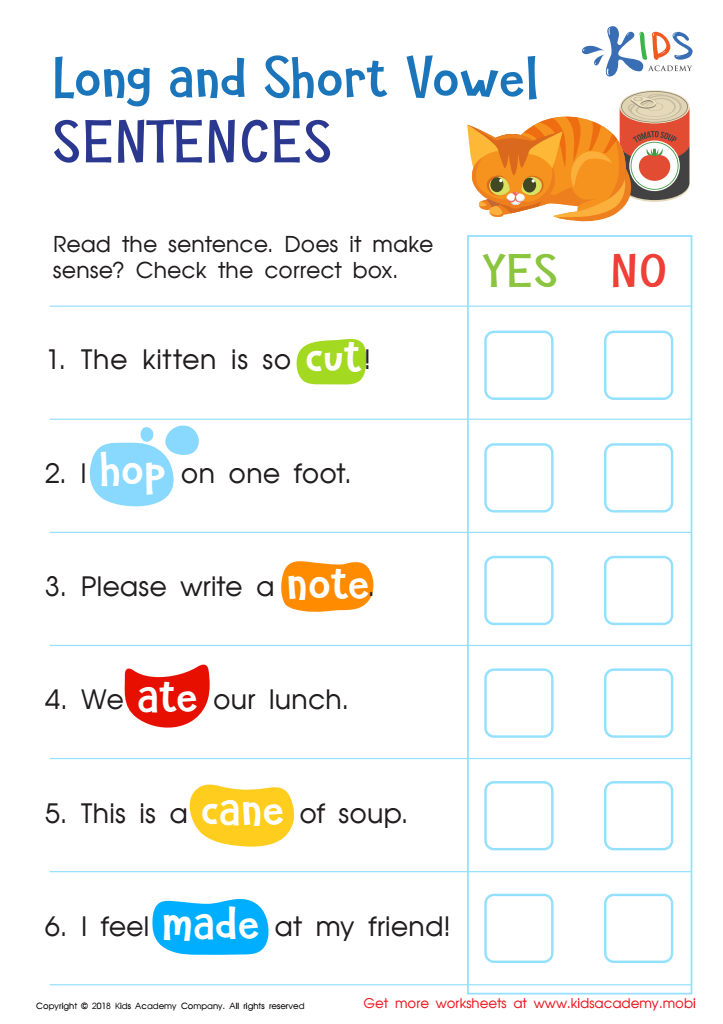
Long and Short Vowel Sentences: Assessment Worksheet
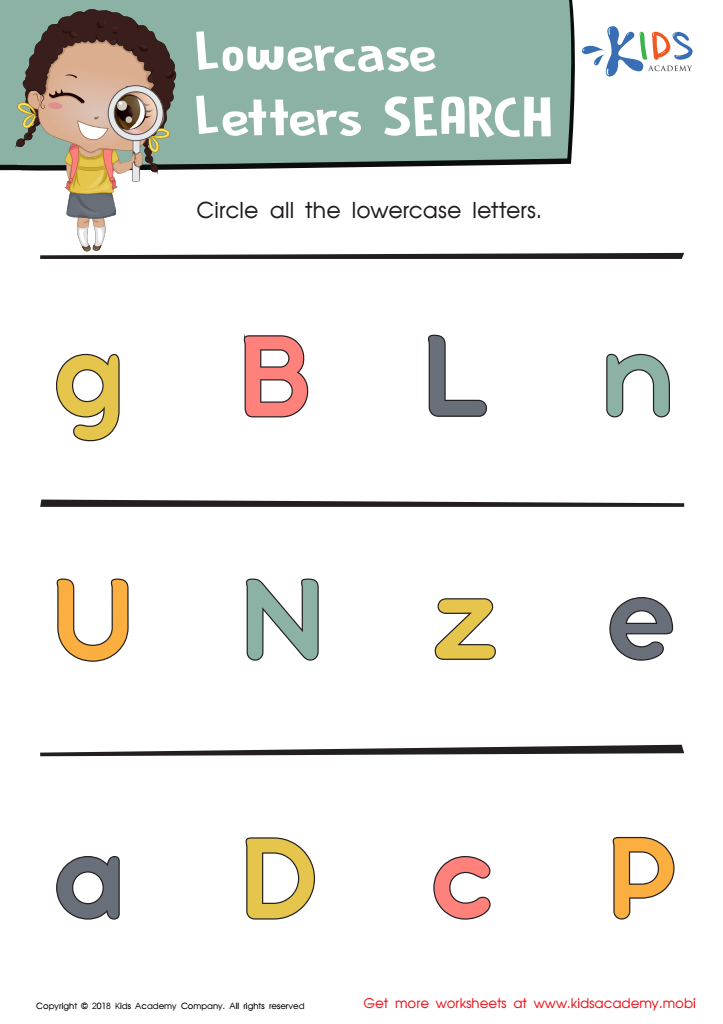
Lowercase Letters Search: Assessment Worksheet
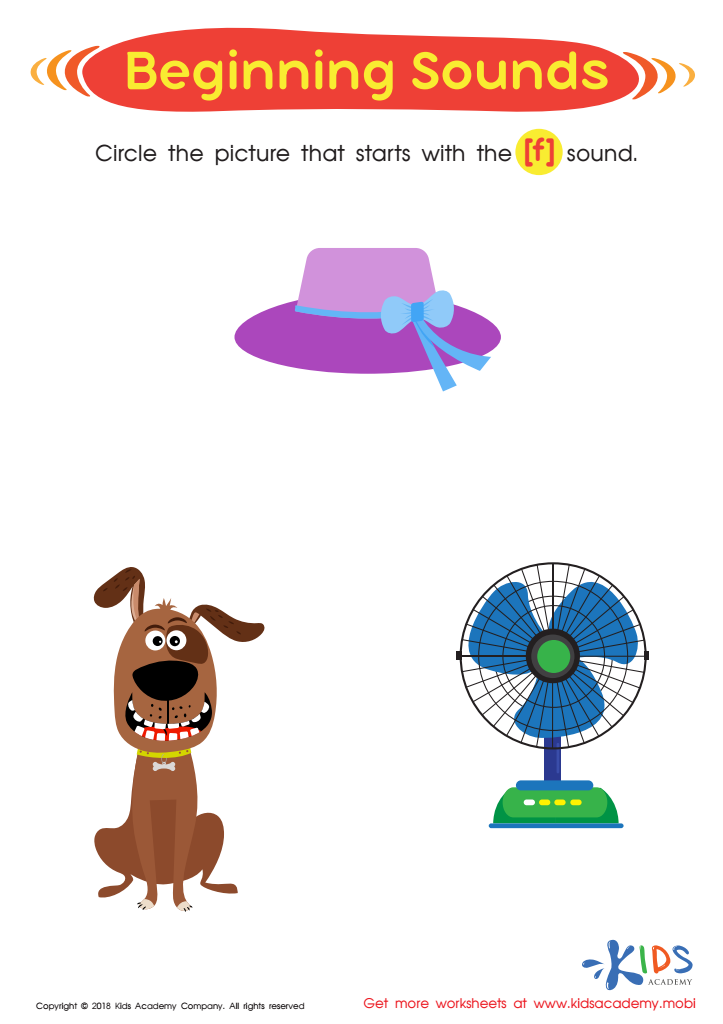
Beginning Sounds Assessment Printable
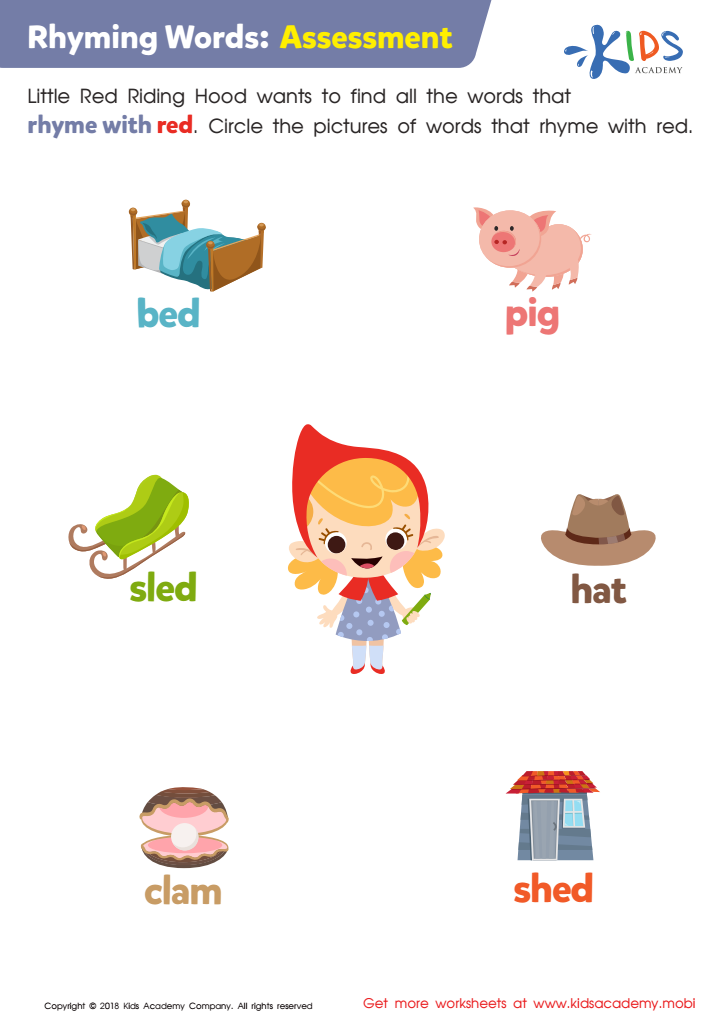
Rhyming Words: Assessment Worksheet


.jpg)





Alphabet activities for children aged 3-8 are crucial for several reasons. Firstly, they build foundational literacy skills, which are essential for academic success. Recognizing letters and understanding their sounds are key components of reading, and engaging in enjoyable alphabet activities helps learners develop these skills naturally.
Moreover, these activities can foster a love for learning. When children interact with letters through songs, games, and art projects, they associate education with fun, encouraging a lifelong enthusiasm for literacy. Engaging multiple senses—like seeing, hearing, and touching—makes learning more effective and memorable.
Additionally, alphabet activities facilitate cognitive and social development. They often encourage teamwork, communication, and problem-solving when children work together in groups or pairs. Moreover, they promote fine motor skills, as many activities involve writing, tracing, or crafting letters.
By prioritizing alphabet activities, parents and teachers create a rich learning environment that prepares children for future language studies, enhances their communication abilities, and contributes to their overall academic confidence. Given that early literacy is linked to future academic success, investing time and resources in these activities is vital for nurturing well-rounded, literate individuals.








