Mazes worksheets activities for Ages 3-8 - Page 2
74 filtered results
-
From - To
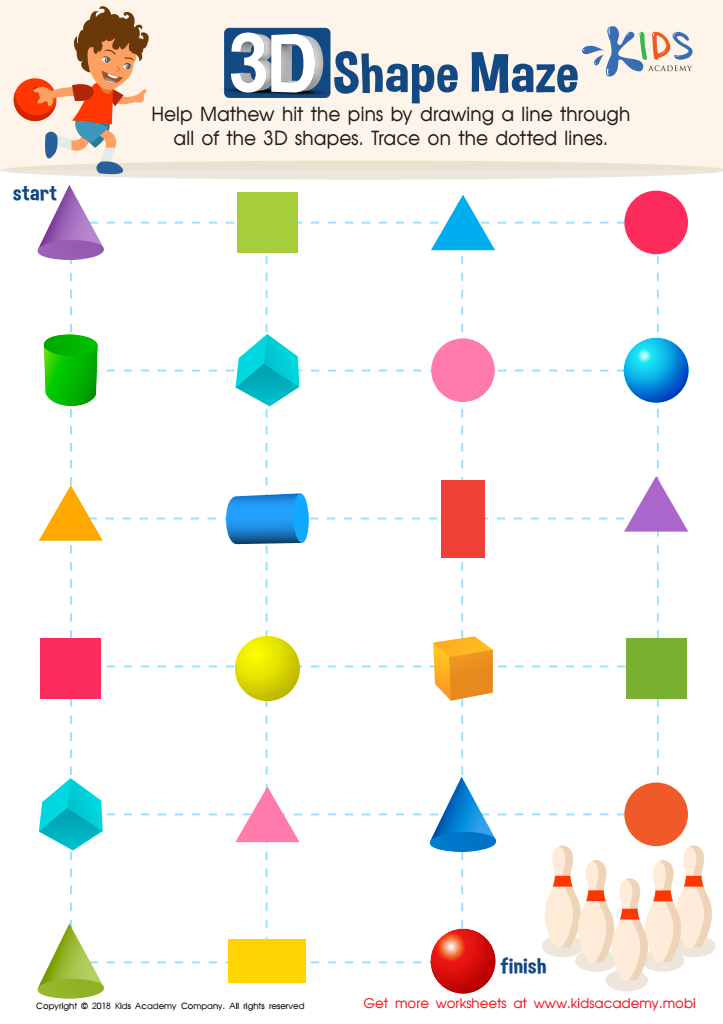
Shapes Maze Geometry Worksheet
 Assign to My Students
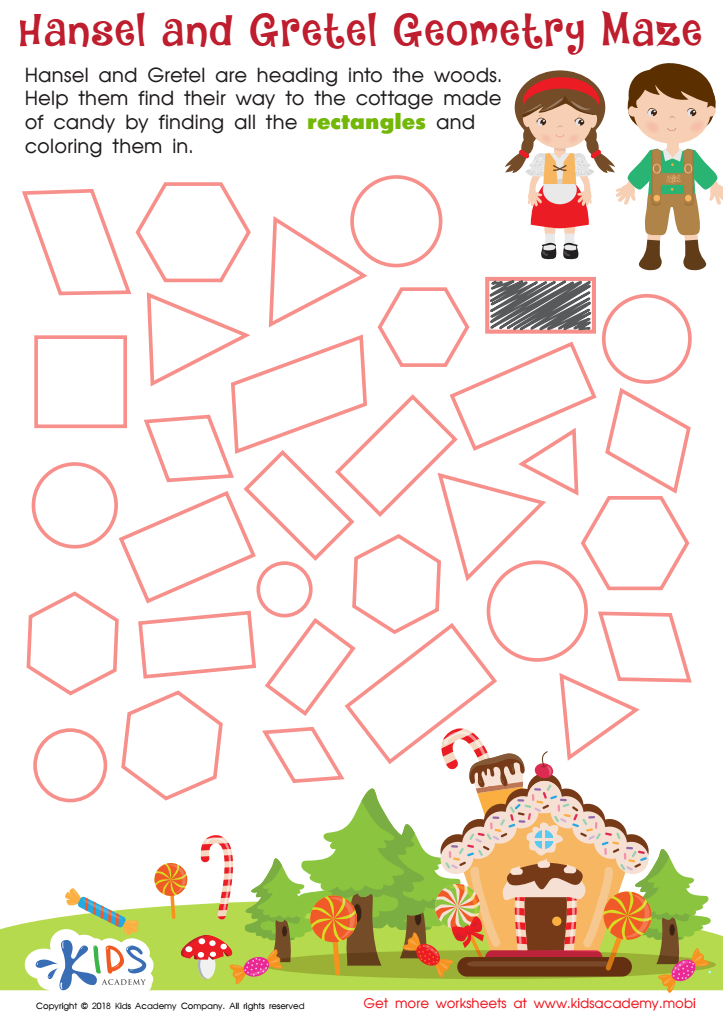
Hansel and Gretel Geometry Maze Worksheet
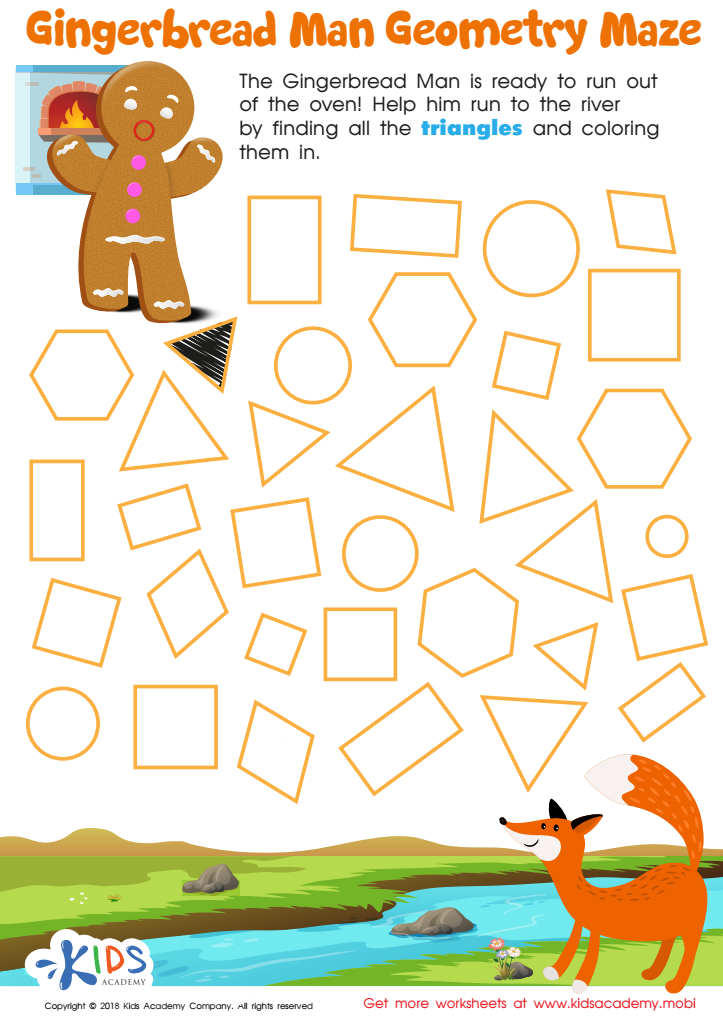
Gingerbread Man Geometry Maze Worksheet
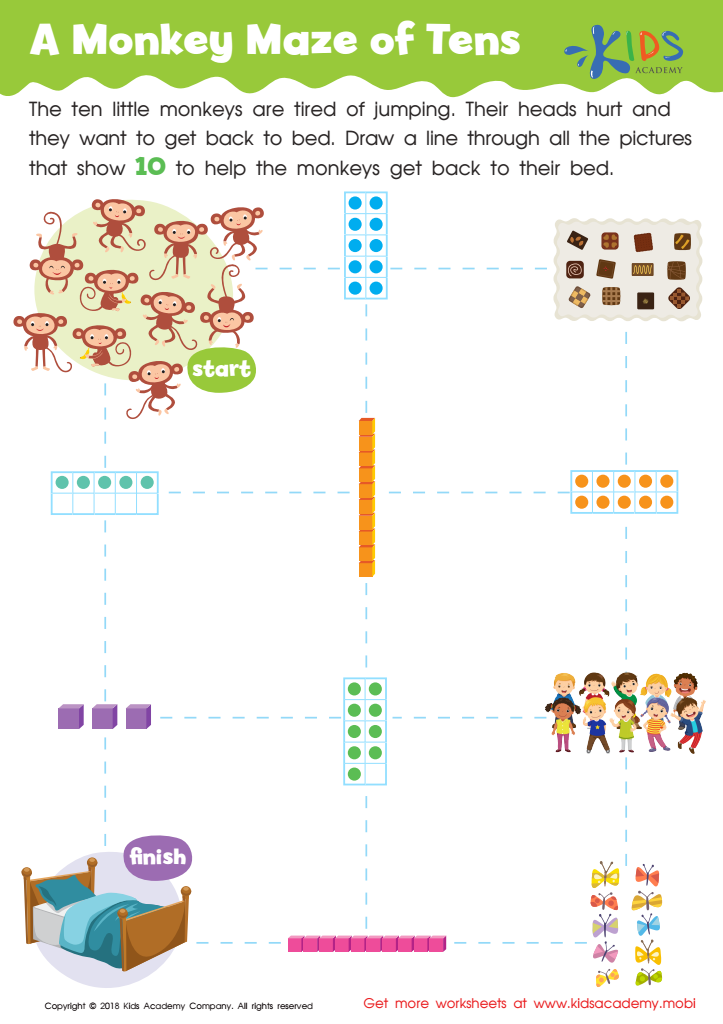
A Monkey Maze of Tens Worksheet
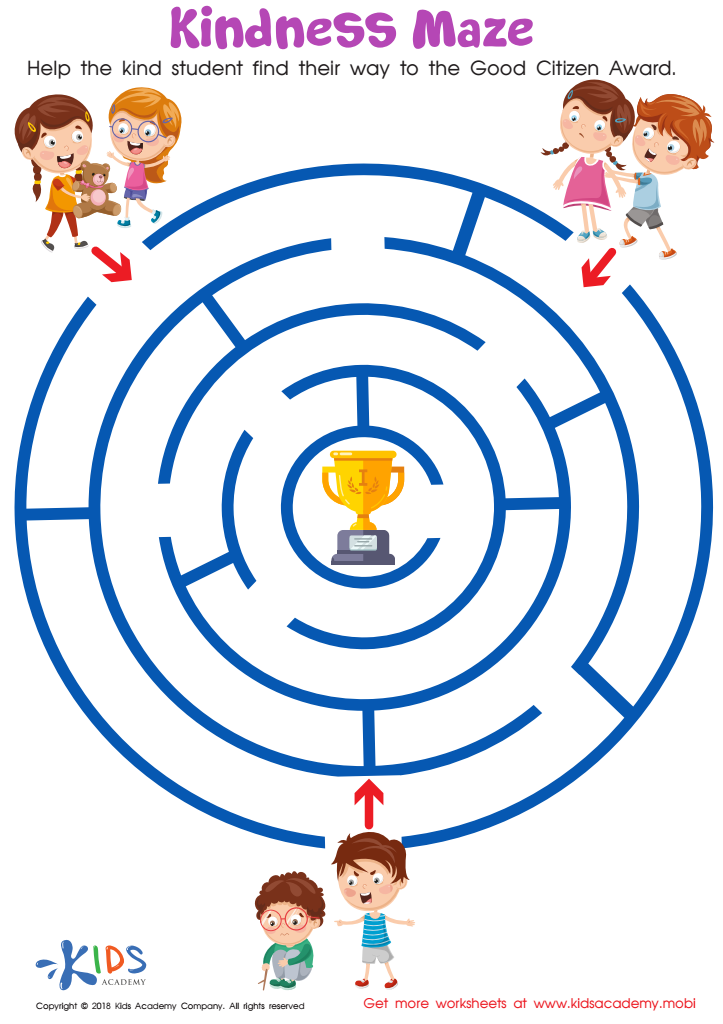
Kindness Maze Worksheet
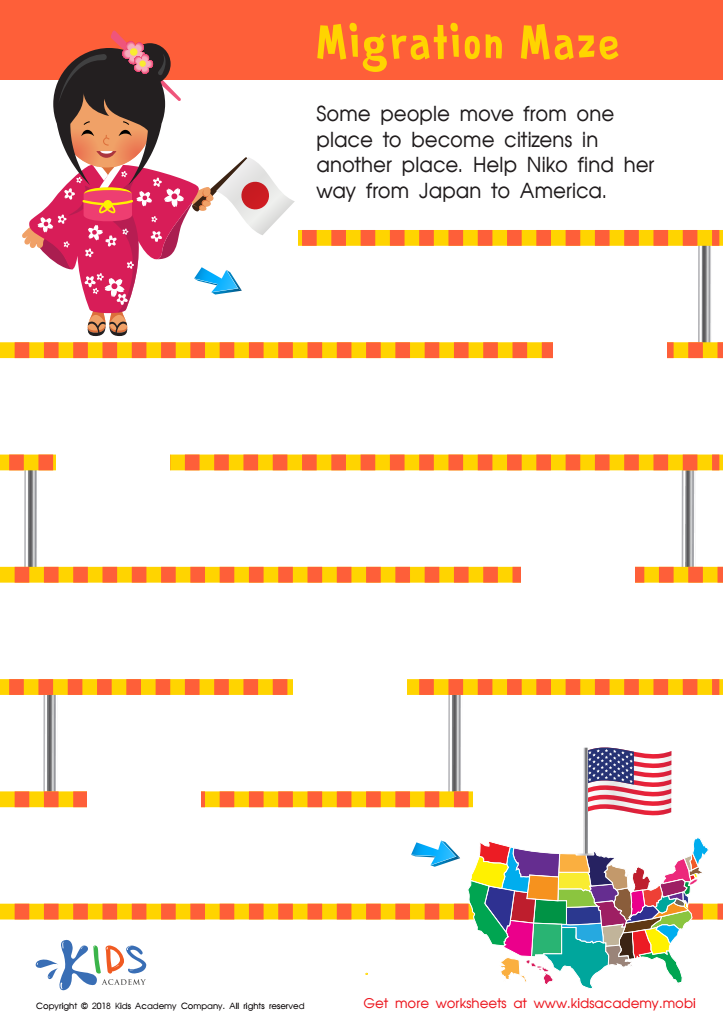
Migration Maze Worksheet
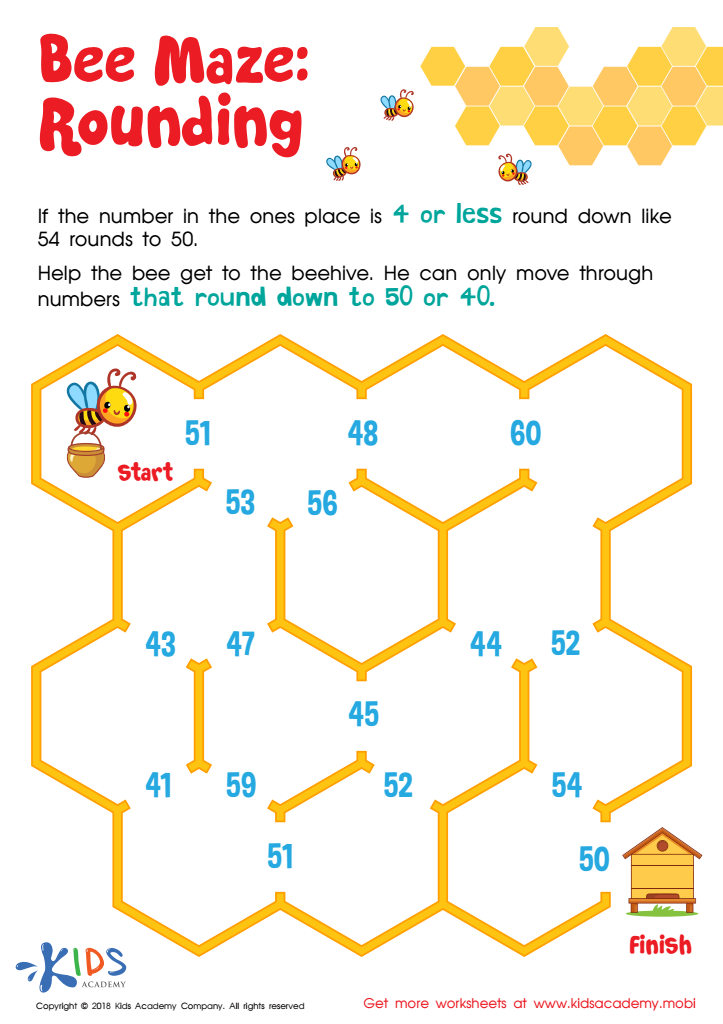
Rounding Down Printable Worksheet
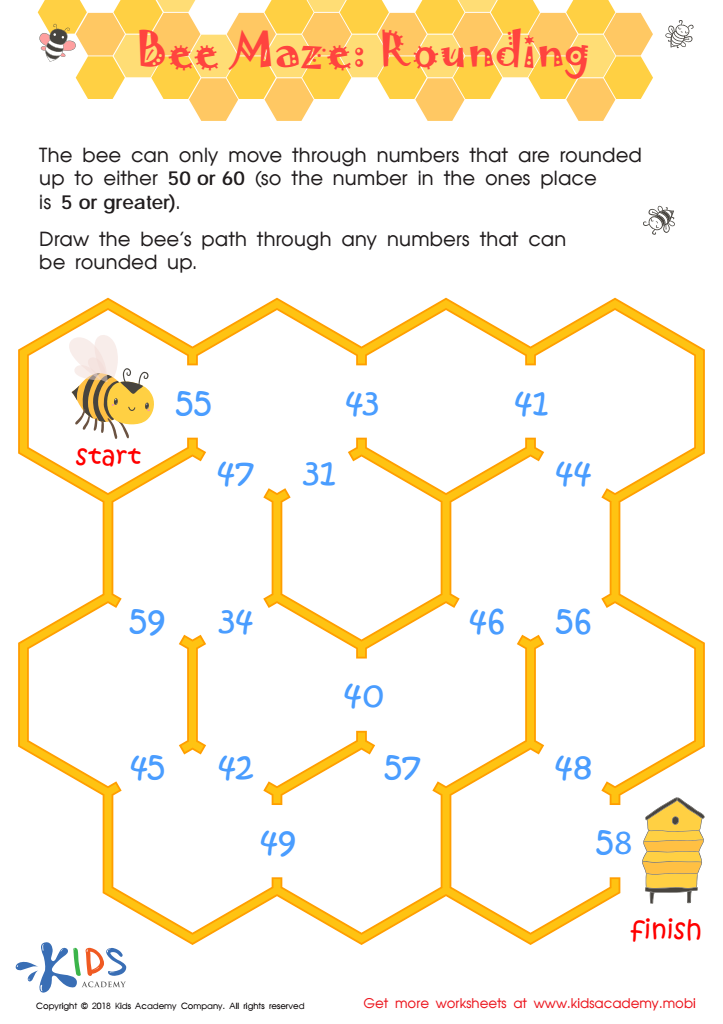
Bee Maze Rounding Worksheet
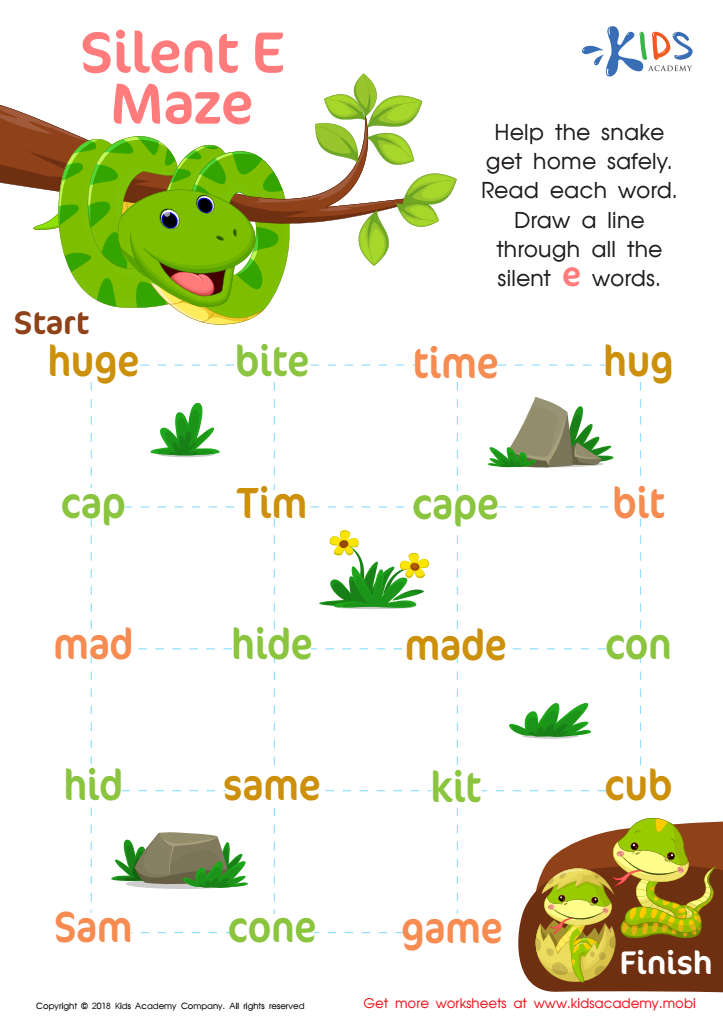
Silent E Maze Worksheet
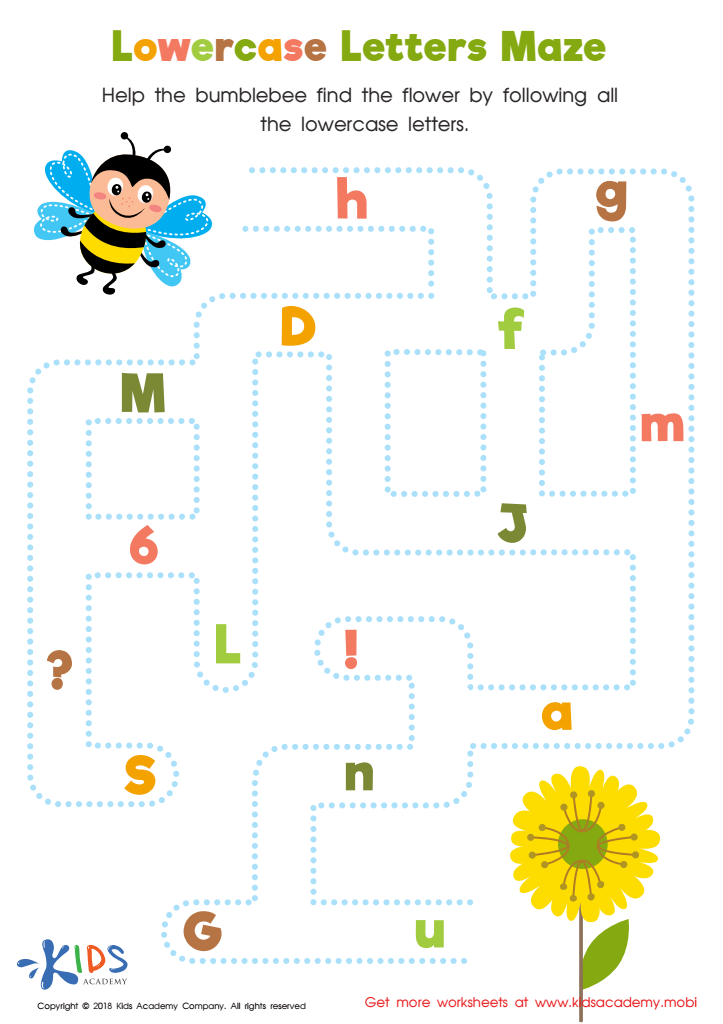
Lowercase Letters Maze Worksheet
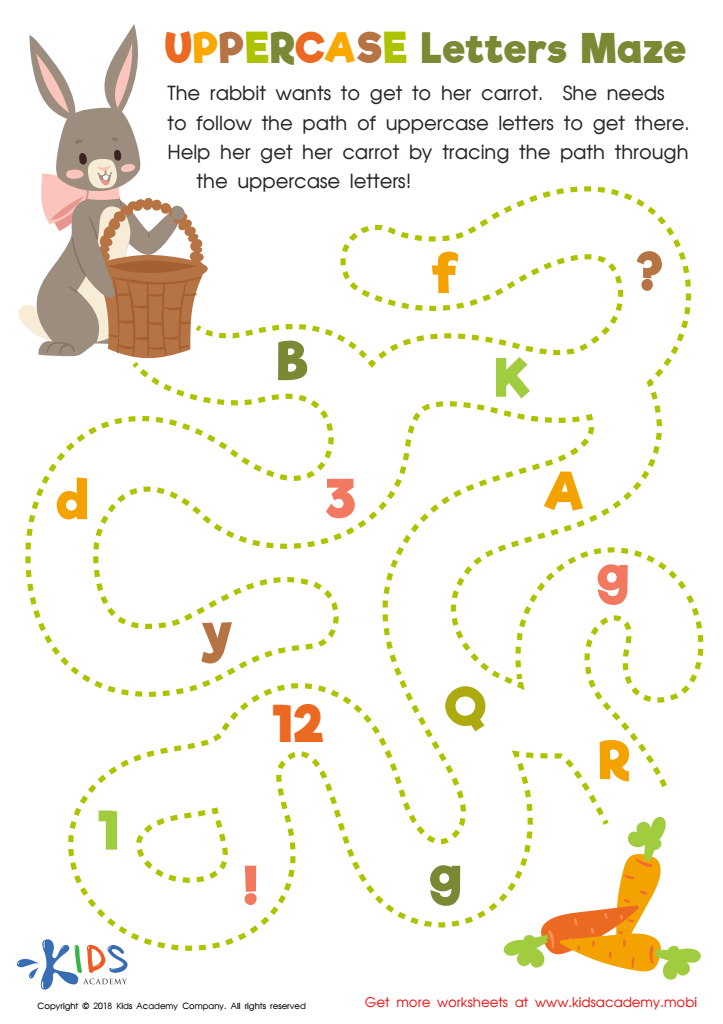
Uppercase Letters Maze Worksheet
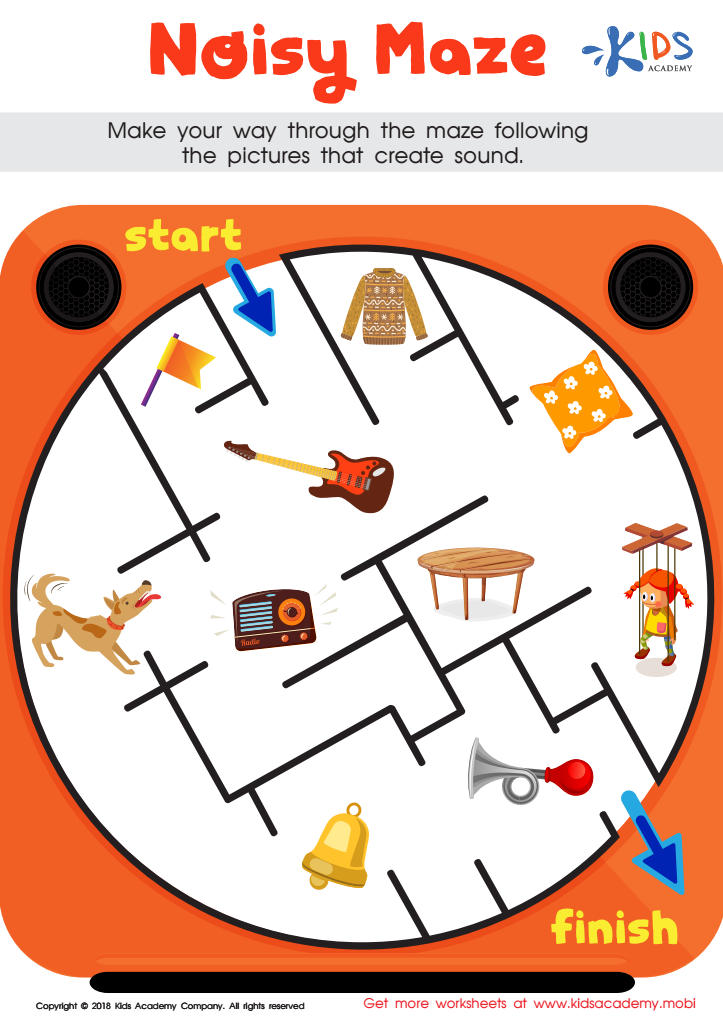
Noisy Maze Worksheet
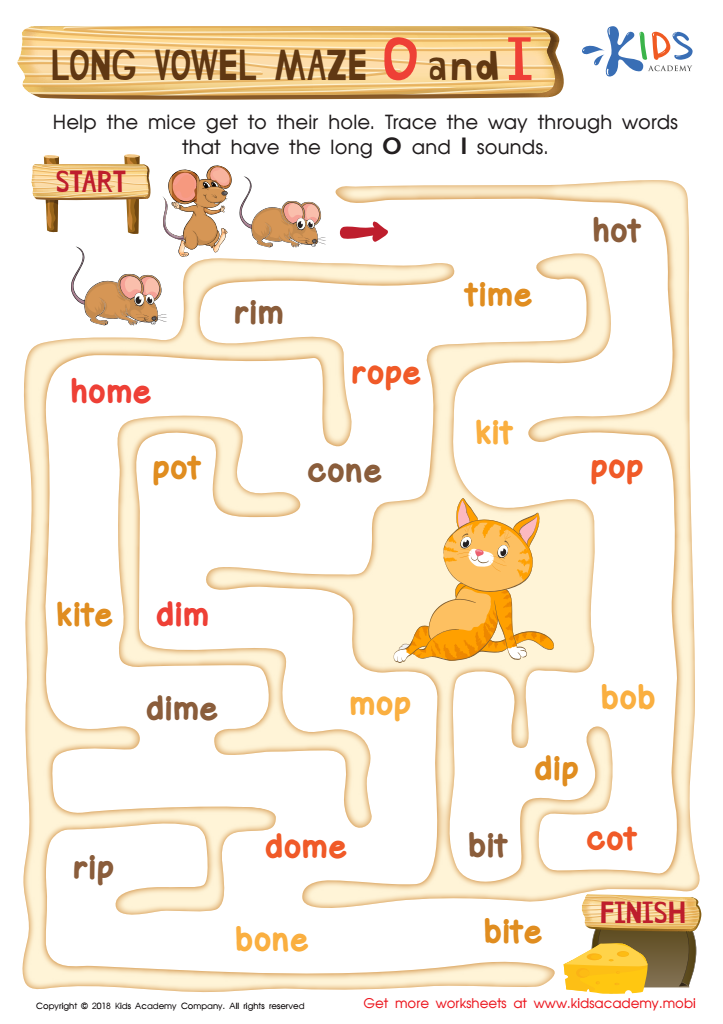
Long Vowel Maze /o/ and /i/ Worksheet
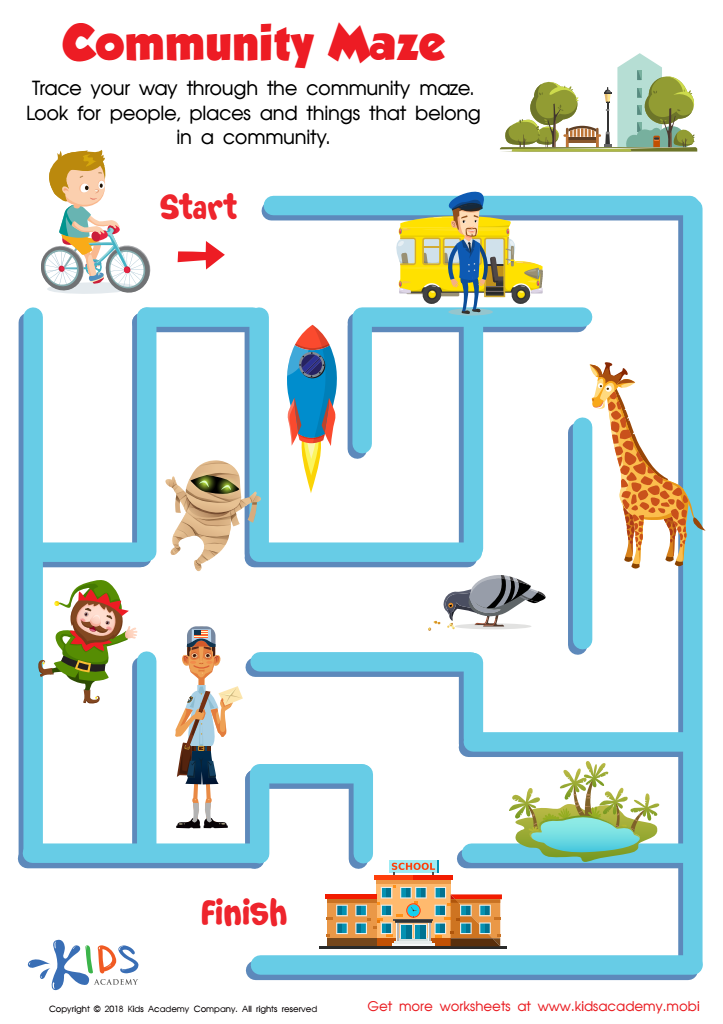
Community Maze Worksheet
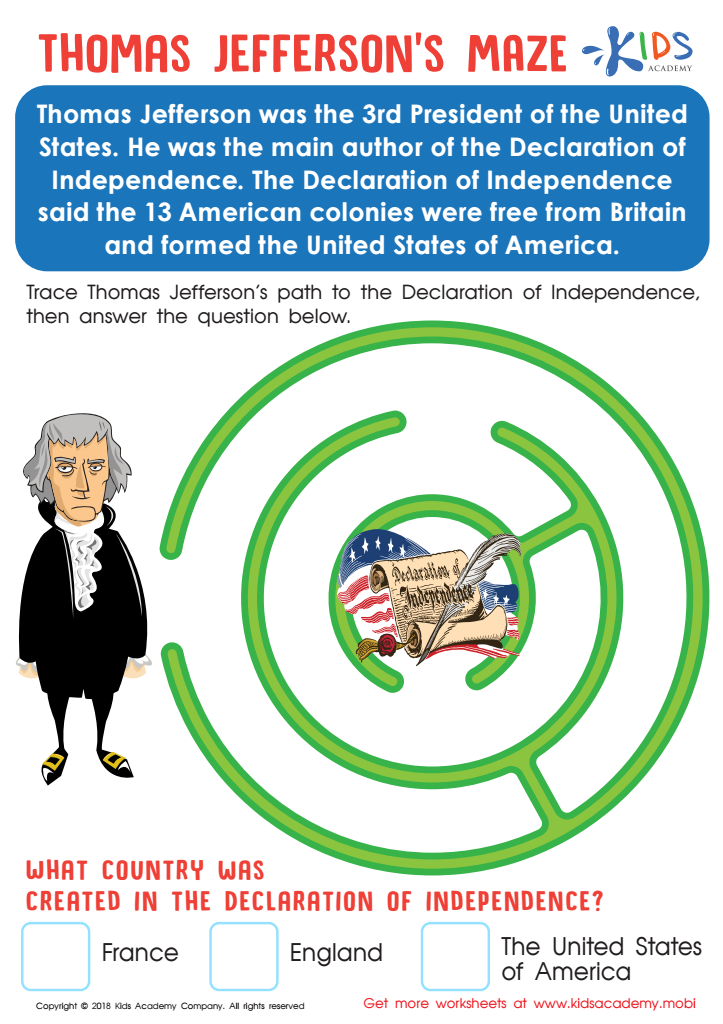
Thomas Jefferson's Maze Worksheet
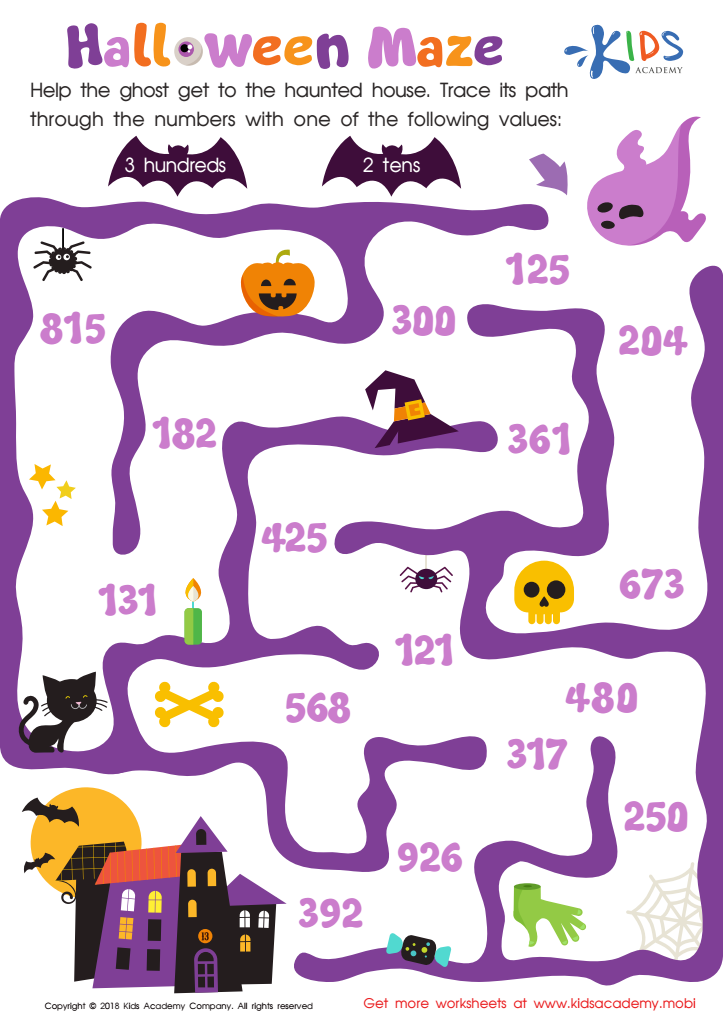
Place Value: Halloween Maze Worksheet
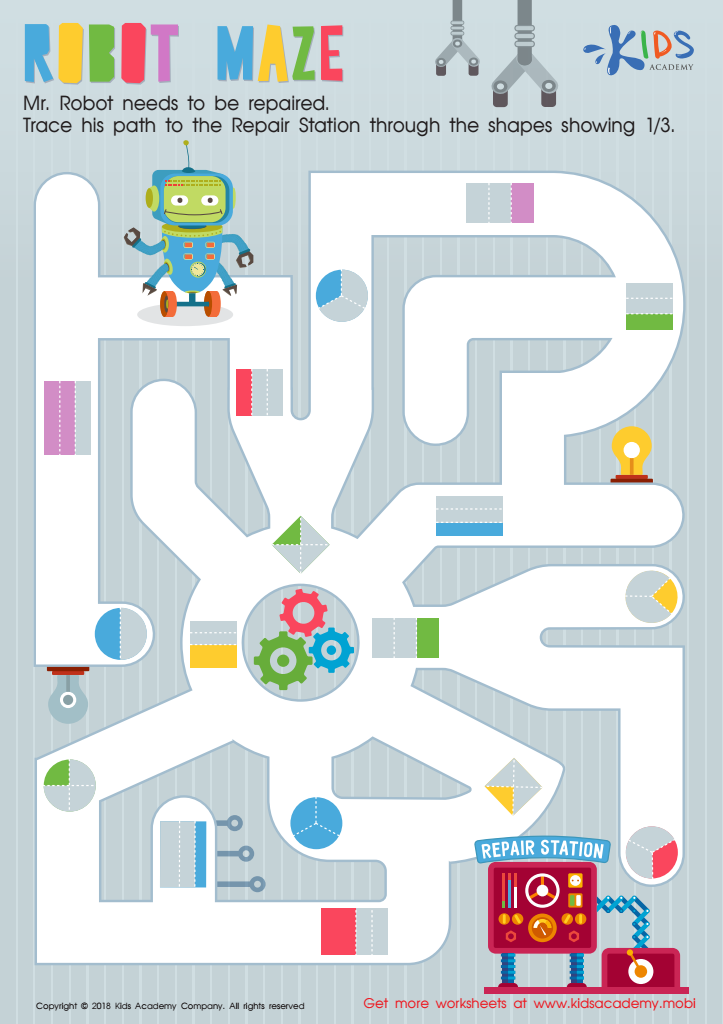
Robot Maze Worksheet
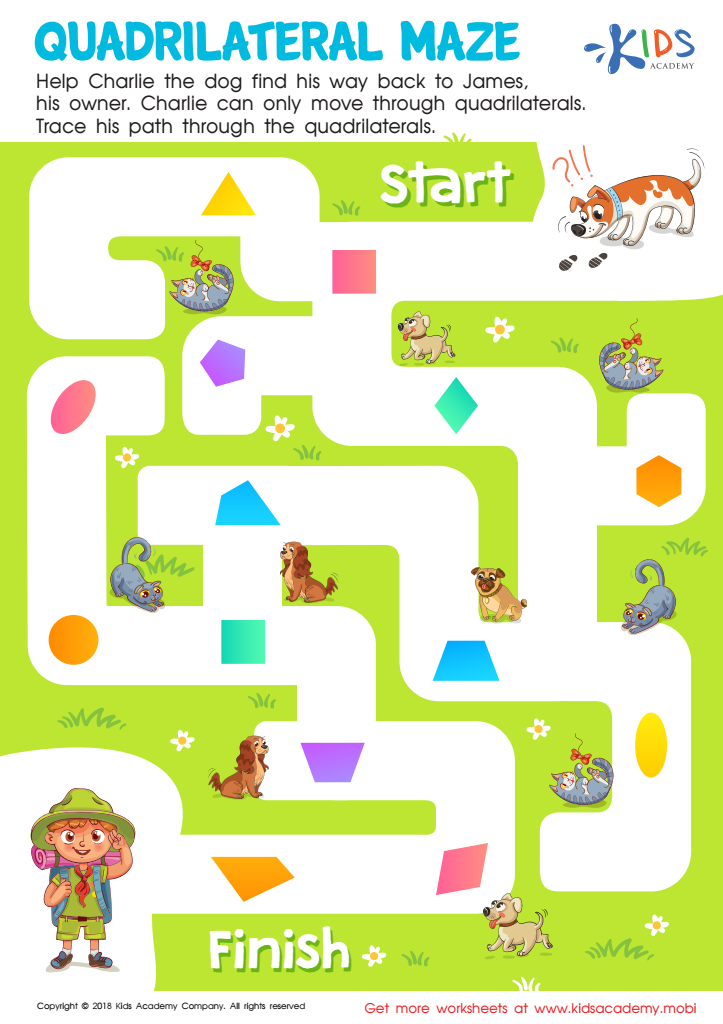
Quadrilateral Maze Worksheet
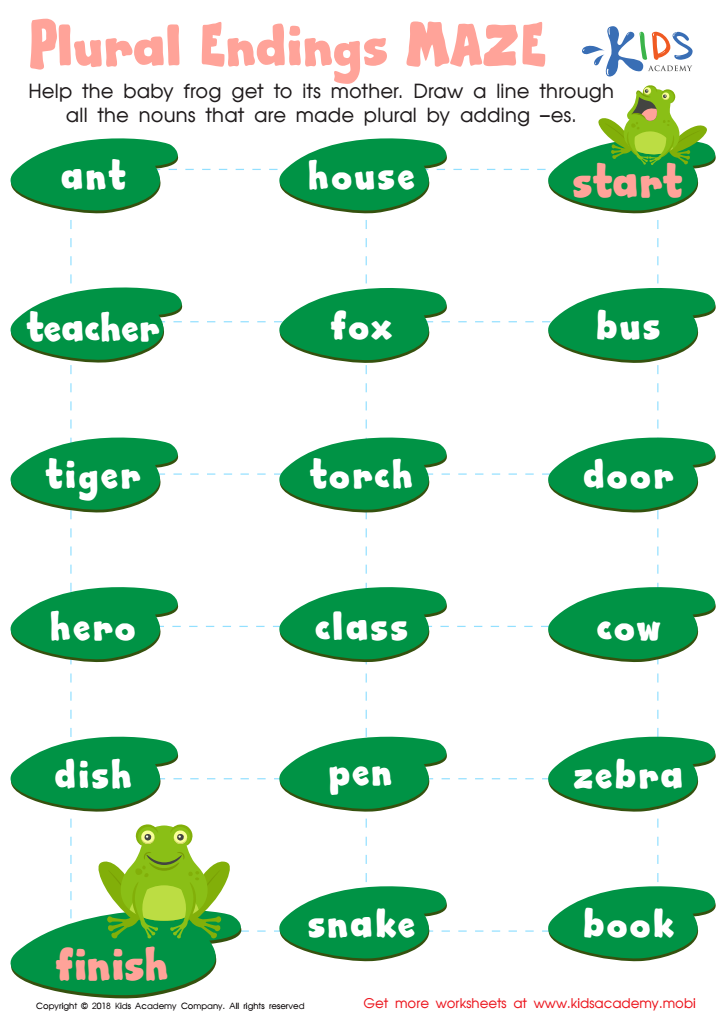
Plural Endings Maze Worksheet
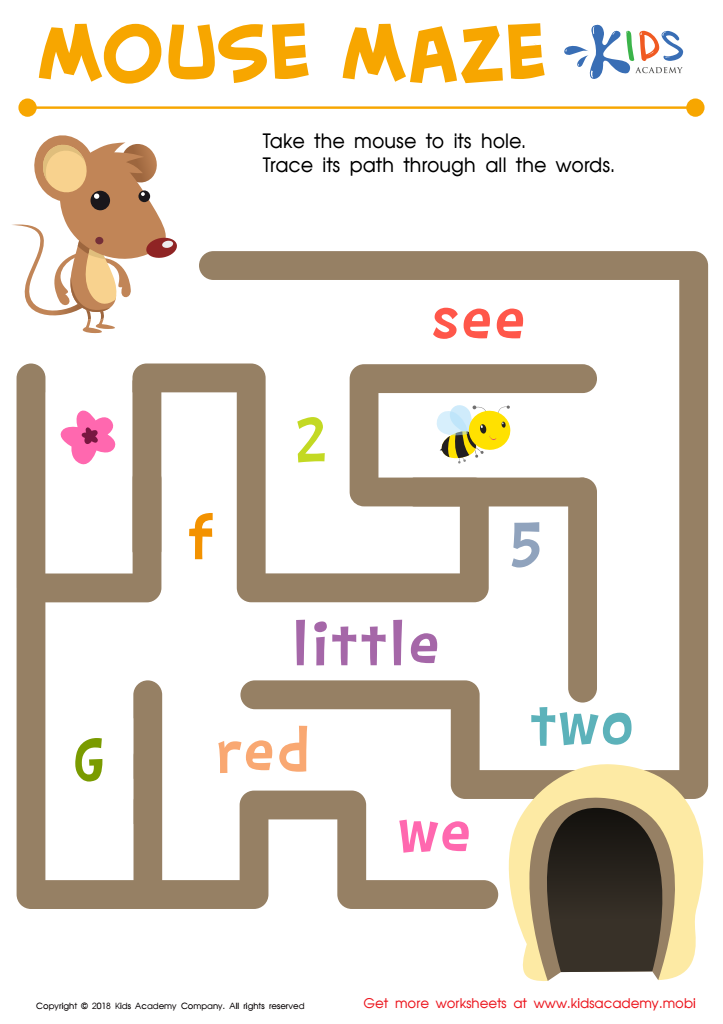
Find Words Mouse Maze Worksheet
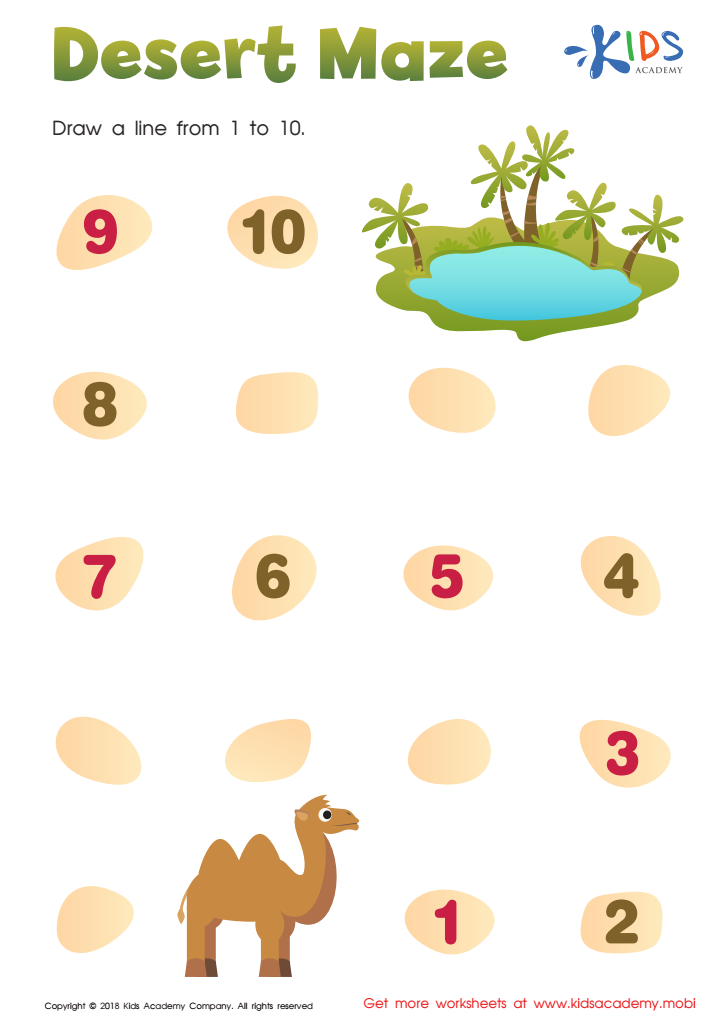
Desert Maze Worksheet
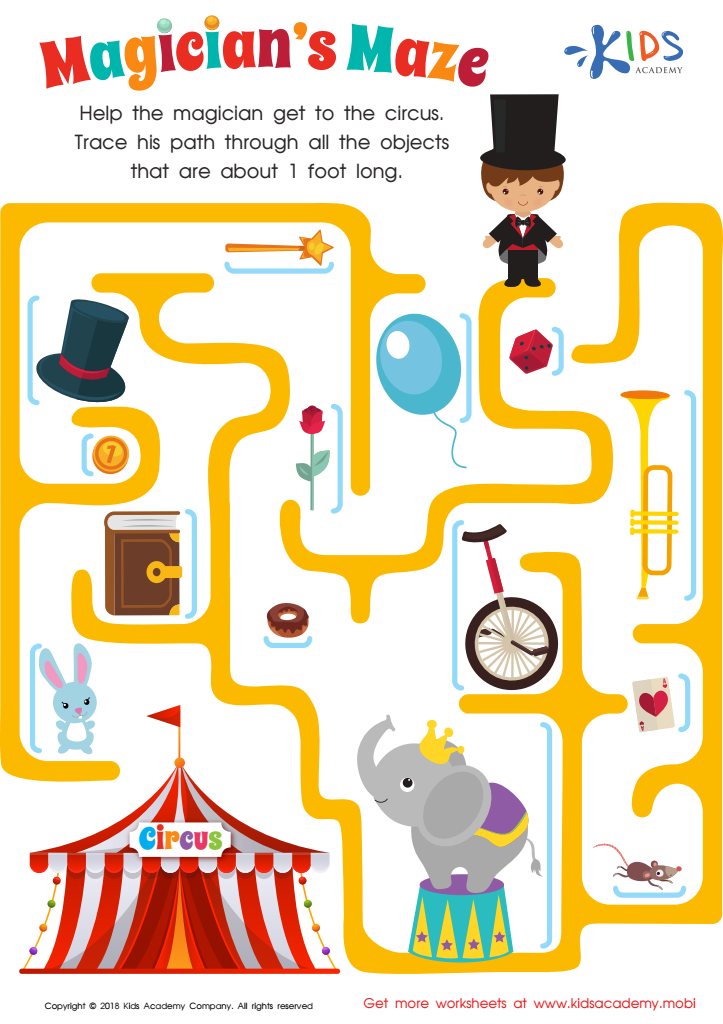
Estimating Length: Magician's Maze Worksheet
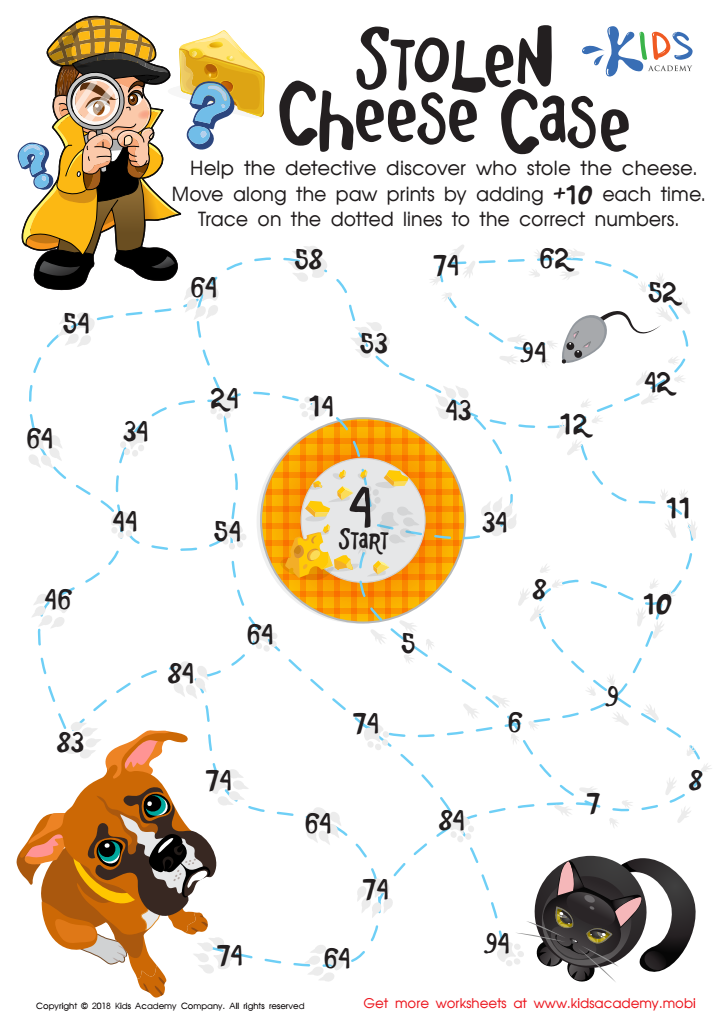
Stolen Cheese Case Maze Worksheet
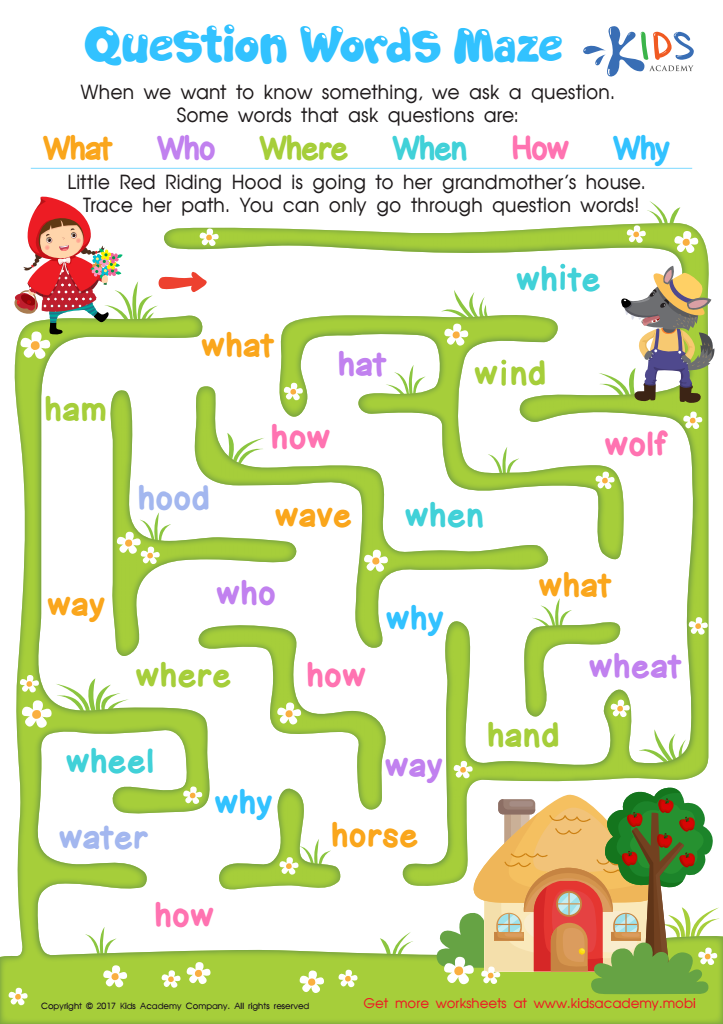
Question Words Maze Worksheet





.jpg)
Mazes are an engaging and valuable activity for children aged 3-8, fostering a range of essential developmental skills. Firstly, they promote critical thinking and problem-solving abilities as children navigate through paths and make decisions about their direction. This cognitive challenge encourages them to analyze their options and foresee consequences.
Additionally, maze activities enhance fine motor skills. As children grasp crayons, markers, or pencils to trace or create mazes, they improve their hand-eye coordination and dexterity, which are foundational for writing and other tasks.
Socially, mazes provide a platform for collaboration. When working in groups, children learn to communicate, share ideas, and encourage one another, nurturing their interpersonal skills.
Furthermore, mazes can be theme-based, integrating topics like animals, letters, or shapes, thereby reinforcing classroom lessons in a fun and interactive way. This holistic approach not only makes learning enjoyable but also helps reinforce knowledge retention.
Overall, maze activities offer a multifaceted avenue for children’s growth, appealing to various learning styles and keeping them engaged. By recognizing their value, parents and teachers can incorporate mazes into learning environments, enhancing both cognitive and social development in young learners.








