Reading Fiction worksheets activities for Ages 4-9
11 filtered results
-
From - To
Explore our engaging Reading Fiction worksheets designed specifically for children aged 4-9! These activities foster a love for storytelling while enhancing essential literacy skills. Each worksheet features captivating stories and interactive questions that promote comprehension, vocabulary building, and critical thinking. Suitable for home or classroom use, our diverse activities cater to varying learning levels and styles, ensuring every child can engage meaningfully. From identifying key details to predicting outcomes, your little ones will develop their understanding of fiction in a fun and supportive environment. Dive into our collection today and make reading an adventure for your young learners!
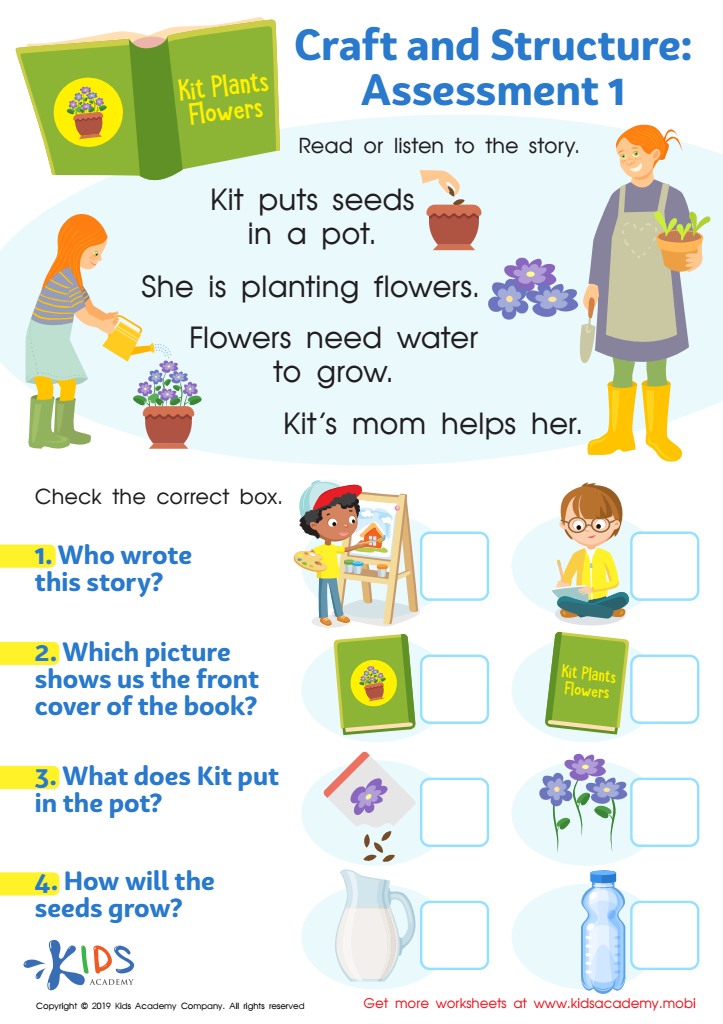
Craft and Structure: Assessment 1 Worksheet
 Assign to My Students
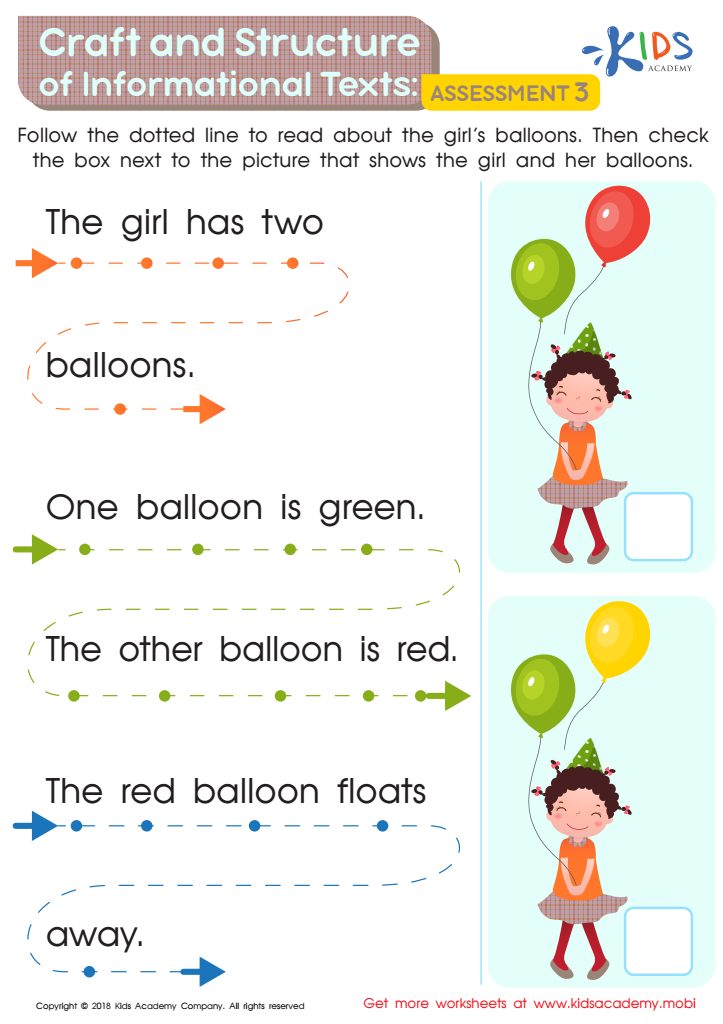
Craft and Structure of Informational Texts: Assessment 3 Worksheet
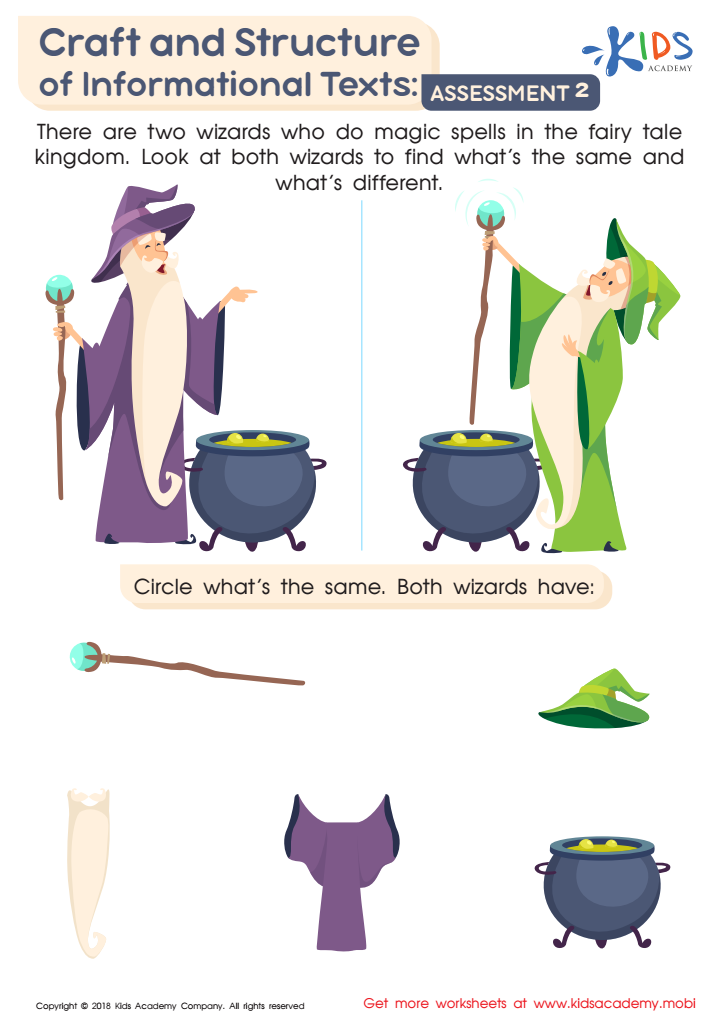
Craft and Structure of Informational Texts: Assessment 2 Worksheet
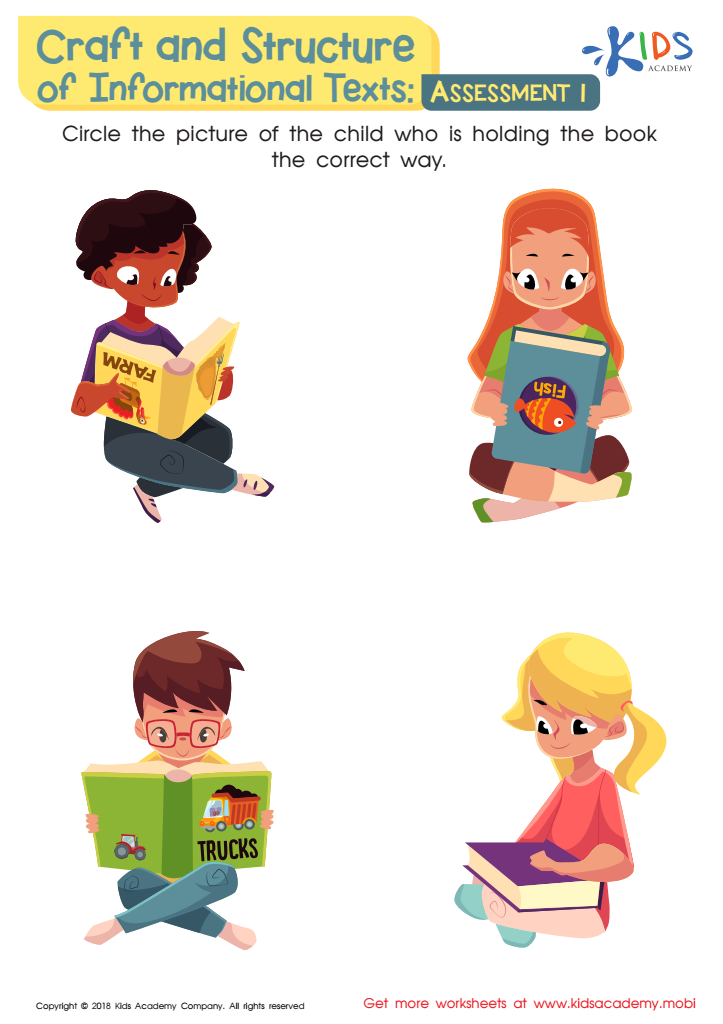
Craft and Structure of Informational Texts: Assessment 1 Worksheet
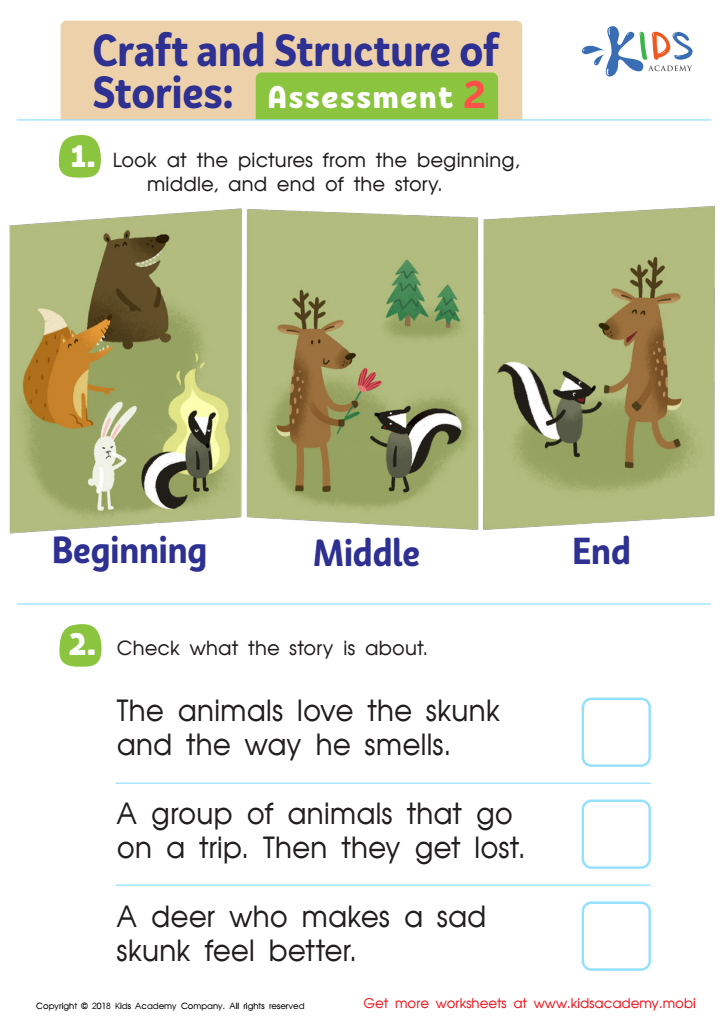
Craft and Structure of Stories: Assessment 2 Worksheet
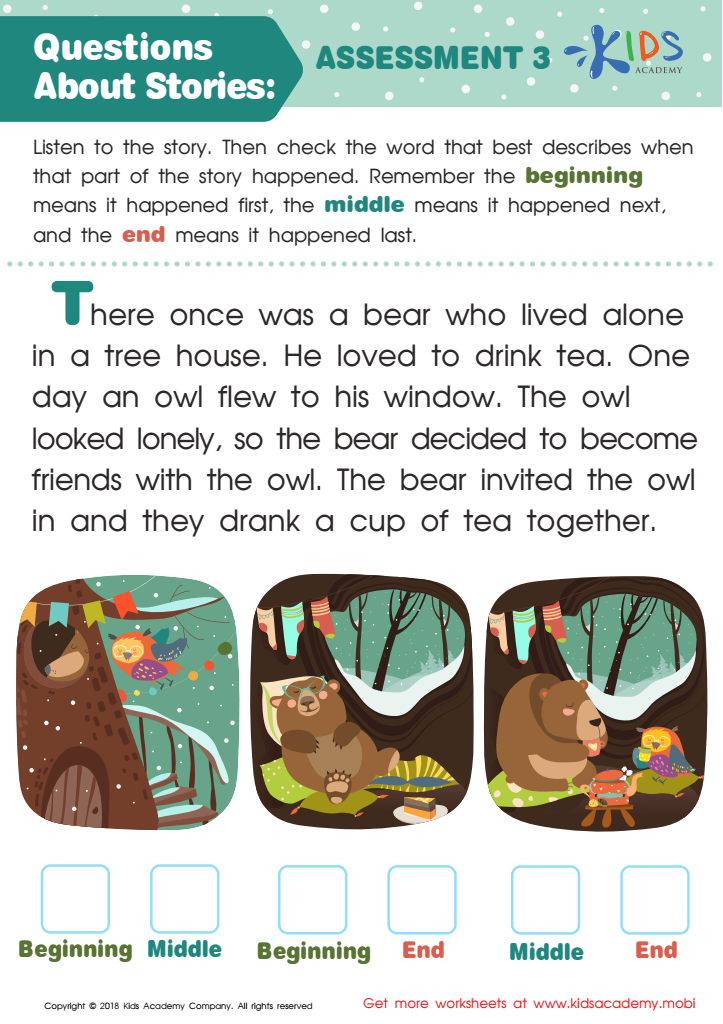
Questions About Stories: Assessment 3 Worksheet
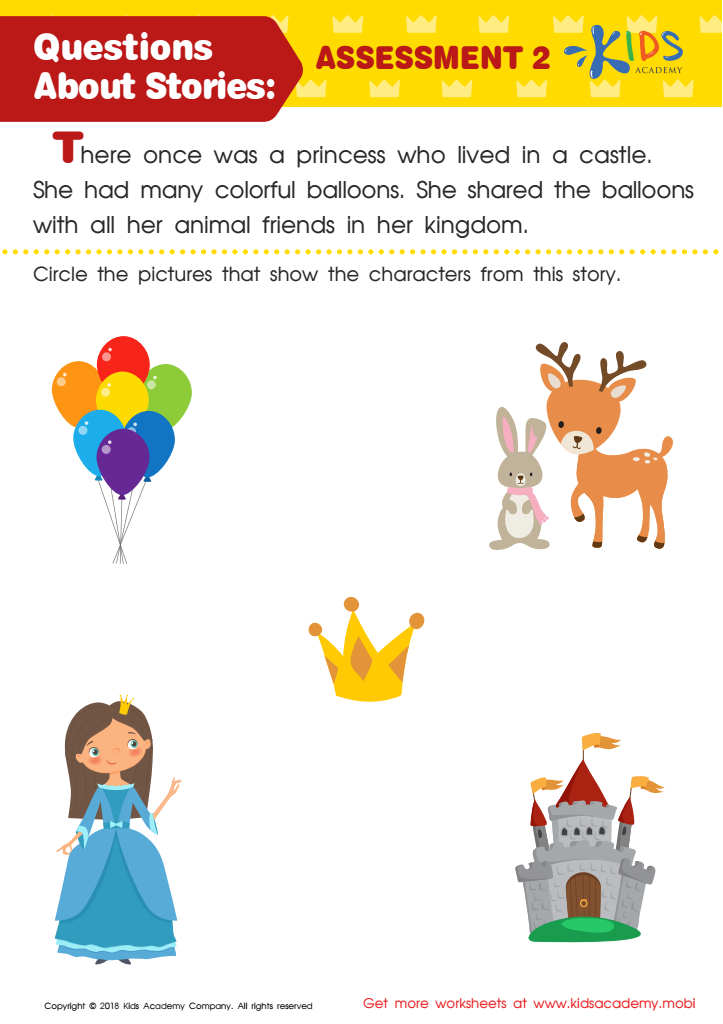
Questions About Stories: Assessment 2 Worksheet
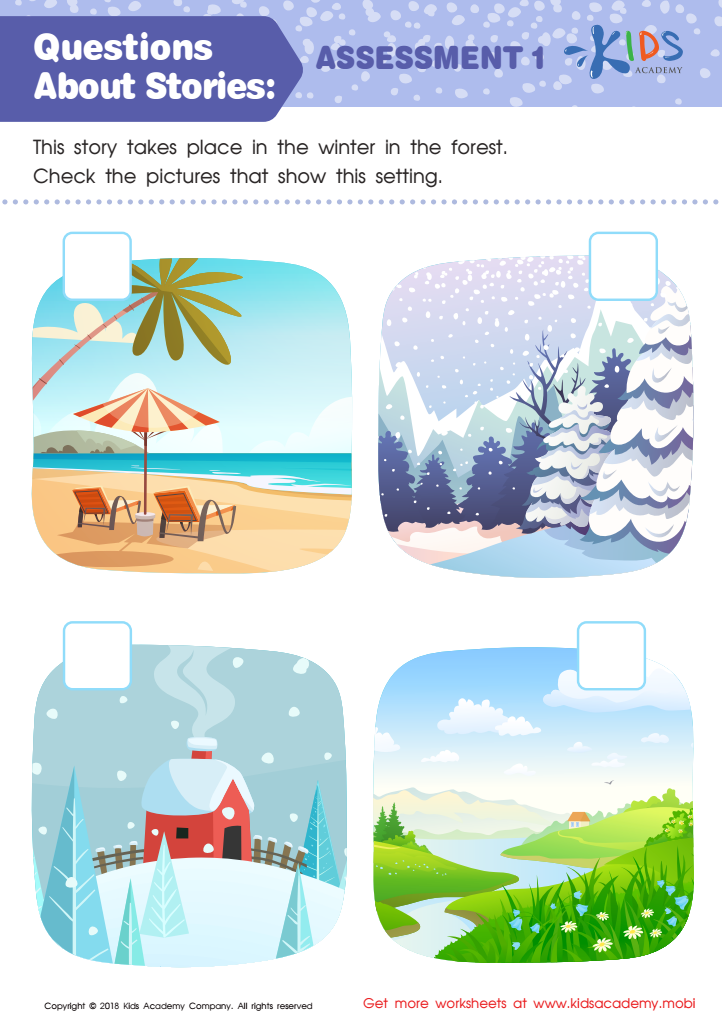
Questions About Stories: Assessment 1 Worksheet
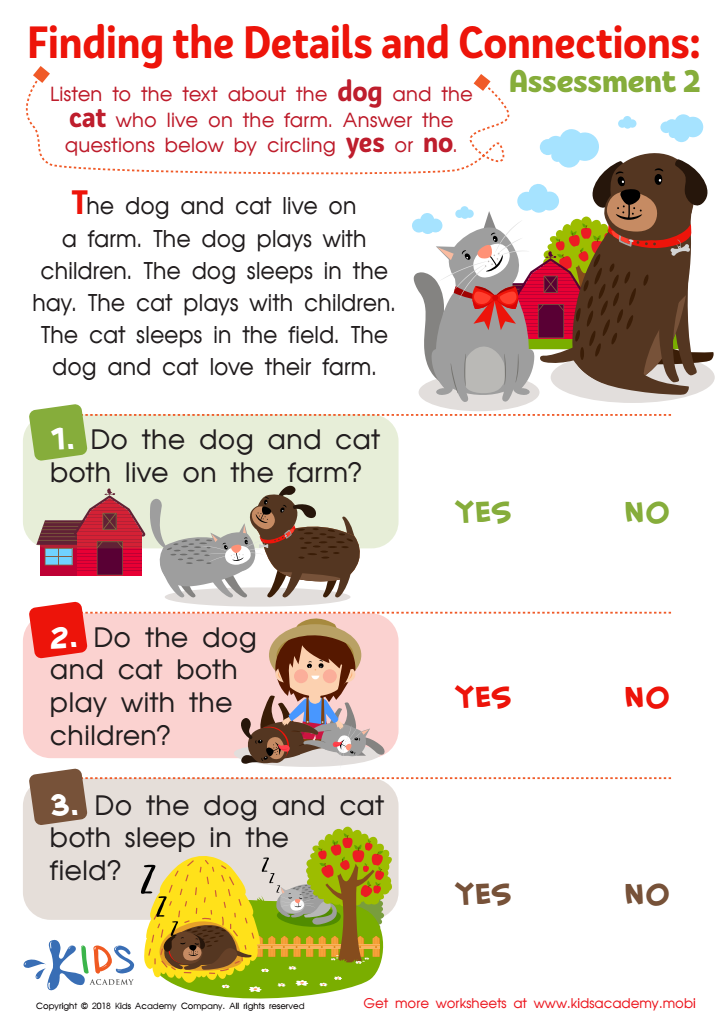
Finding the Details and Connections: Assessment 2 Worksheet
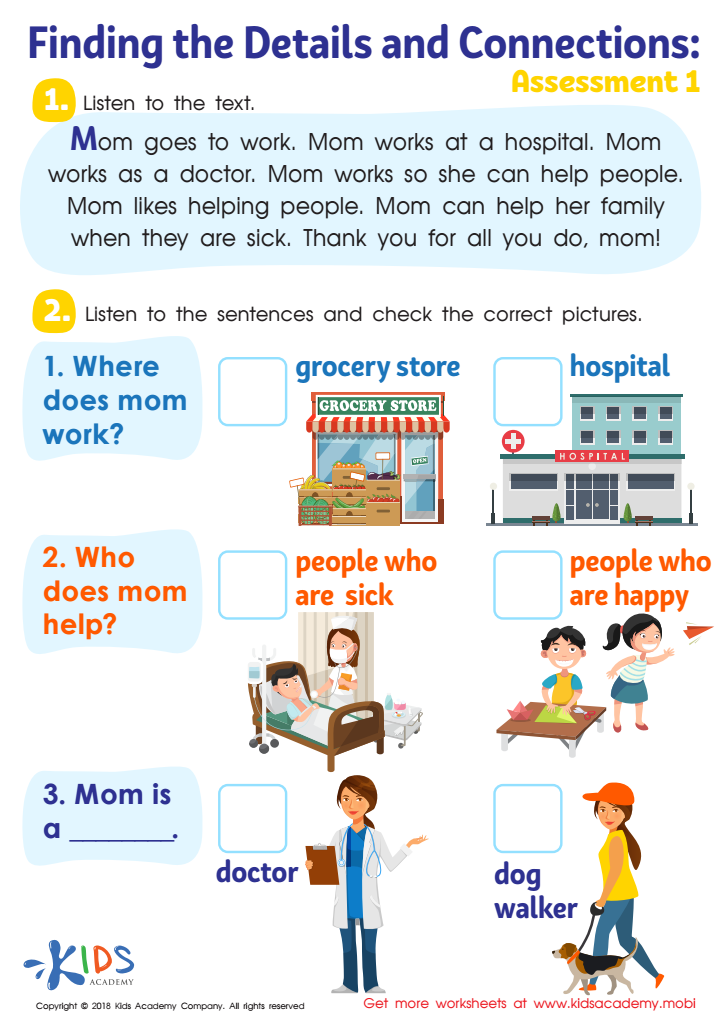
Finding the Details and Connections: Assessment 1 Worksheet
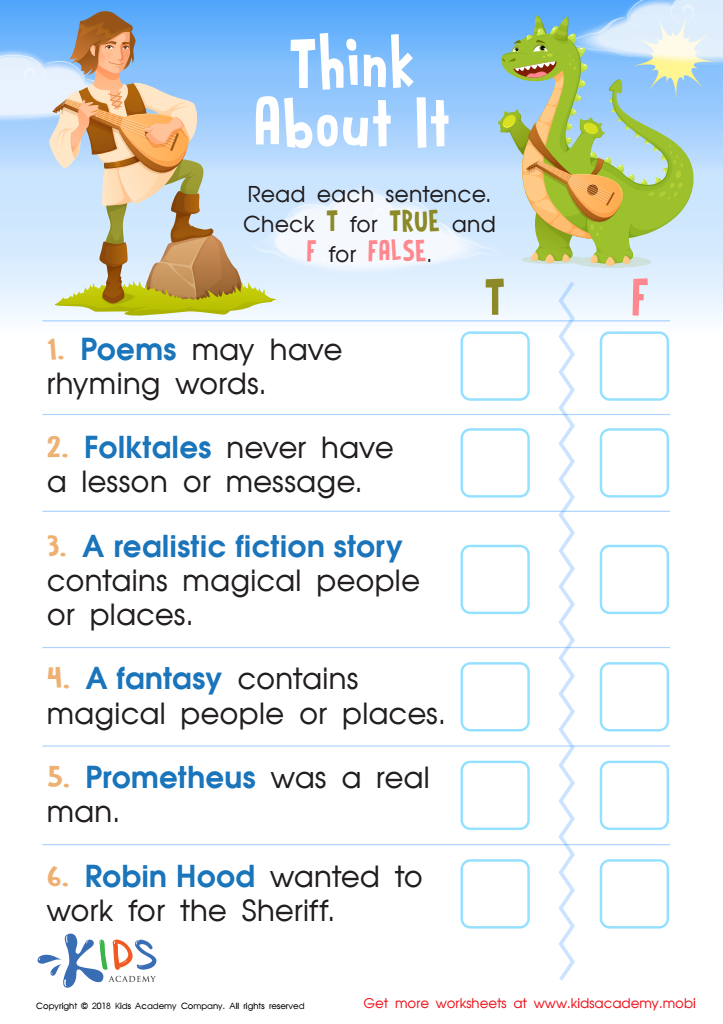
Think About It: Assessment Worksheet







.jpg)
Reading fiction has profound benefits for children aged 4-9, creating a strong foundation for their overall development. First and foremost, it ignites imagination and creativity, allowing young minds to explore new ideas and perspectives. Engaging with stories enhances critical thinking skills, helping children analyze plot, character motivations, and moral lessons, which fosters empathy as they step into the shoes of diverse characters.
Fiction also enriches vocabulary and language skills, introducing children to new words and sentence structures in a meaningful context. This exposure is vital during the early stages of literacy development, as children build their communication abilities. Furthermore, shared reading experiences create a bonding opportunity between parents, caregivers, and teachers, promoting a love for literature.
Regular reading sessions enhance focus and concentration, skills essential for success in school and beyond. Additionally, storytelling traditions and narratives can teach children cultural values and history, grounding them in their identity and social context. In summary, incorporating fiction reading activities transforms education into an engaging adventure, nurtures essential life skills, and fosters a lifelong appreciation for literature, making it an invaluable practice that parents and teachers should prioritize for children aged 4-9.








