Filters

4 filtered results

Clear all filters
Favorites
With answer key
Interactive

4 filtered results

Difficulty Level

Grade


Elevate your language skills with our Building Vocabulary Worksheets Activities! Designed for learners of all ages, this comprehensive collection is your key to unlocking a richer, more expressive vocabulary. Whether you're a beginner or looking to polish your proficiency, our meticulously curated activities provide an engaging and effective way to expand your lexicon. From synonyms and antonyms to context clues and sentence construction, each worksheet is crafted to challenge and inspire. Dive into our Building Vocabulary Worksheets Activities today and embark on a journey towards linguistic excellence, one word at a time. Enhance your communication skills and confidence in every conversation.

Check out this FREE Building Vocabulary Trial Lesson for age 8-9!

Use Text Features to Gain Understanding

Favorites
With answer key
Interactive
  • Building Vocabulary
  • 8-9
  • Interactive
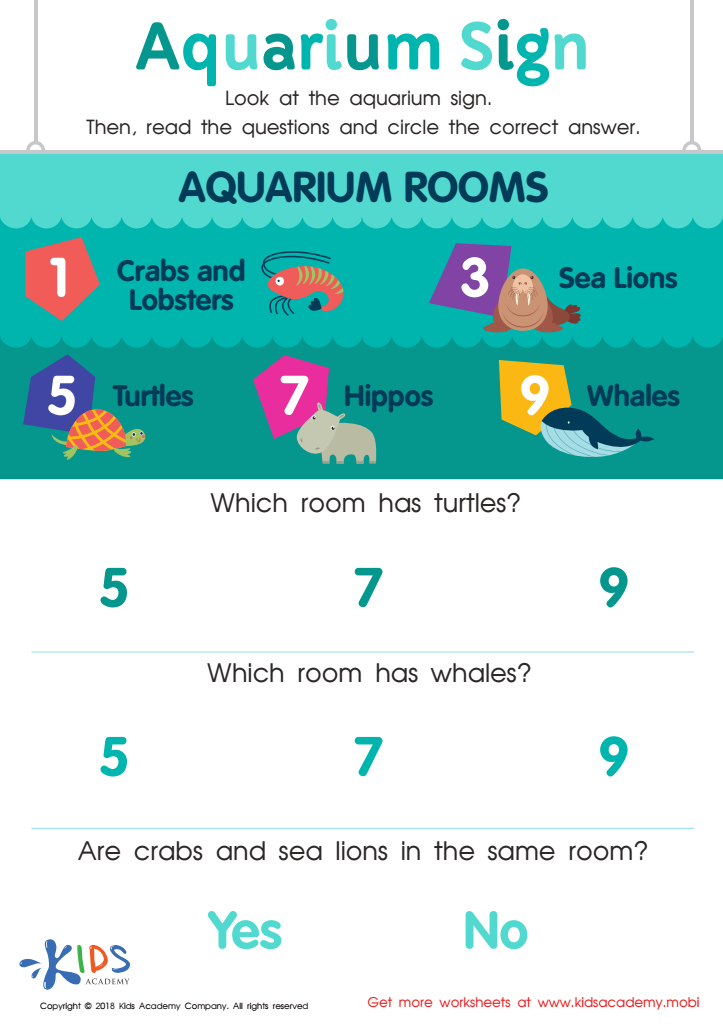
Assessment: Aquarium Sign Worksheet

Assessment: Aquarium Sign Worksheet

Take your kids to an aquarium and marvel at the sea creatures! Help them identify the animals they see, and ask them which one is their favorite. Look at the aquarium sign and point to each creature. Ask your kids the questions and help them circle the right answer.
Assessment: Aquarium Sign Worksheet
Worksheet
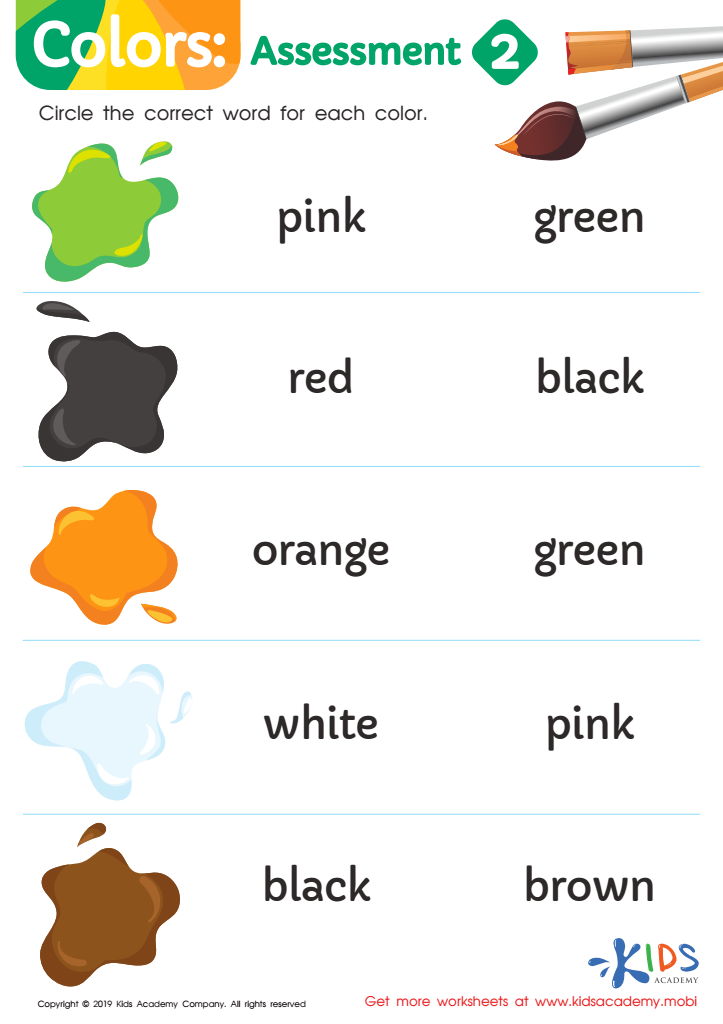
Colors: Assessment 2 Worksheet

Colors: Assessment 2 Worksheet

Teach color words to young students to build fluency and confidence. Check knowledge with an assessment worksheet. Have students look at paint samples and circle the correct color word. This assessment helps parents and teachers measure a child’s accuracy when reading color words.
Colors: Assessment 2 Worksheet
Worksheet
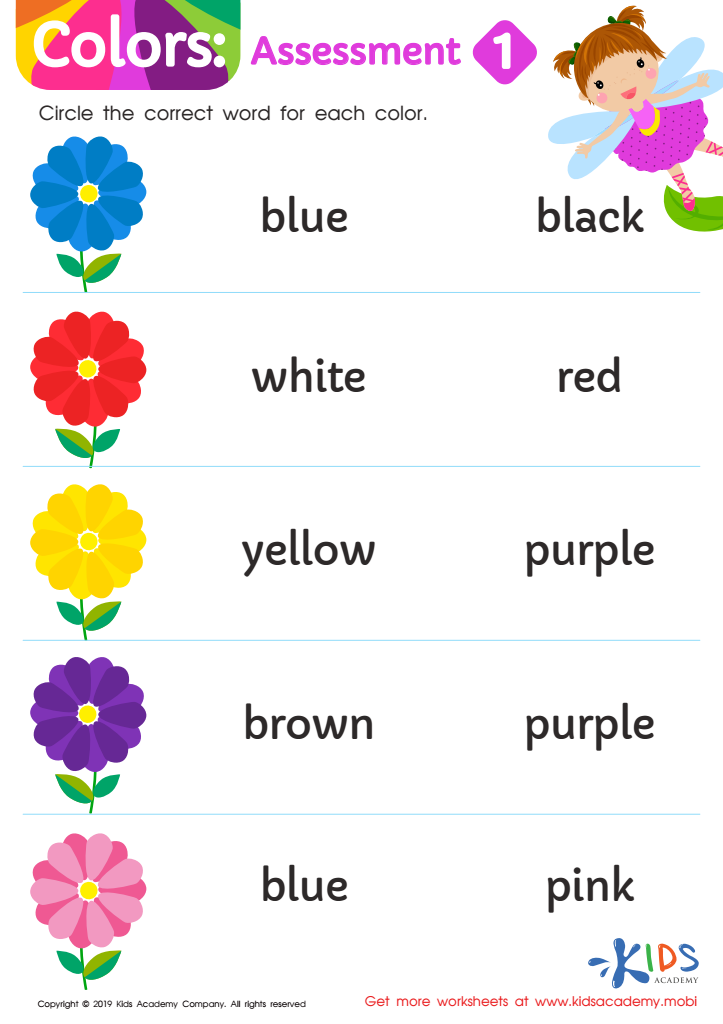
Colors: Assessment 1 Worksheet

Colors: Assessment 1 Worksheet

Children can decode unfamiliar words by sounding them out or by recognizing sight words. Color words are an important part of sight word knowledge, so add them to your child's list! This color word worksheet is an effective assessment tool for teachers to use with preschool and kindergarten students. It checks their knowledge of five color words - they simply look at the flower and circle the appropriate color word!
Colors: Assessment 1 Worksheet
Worksheet
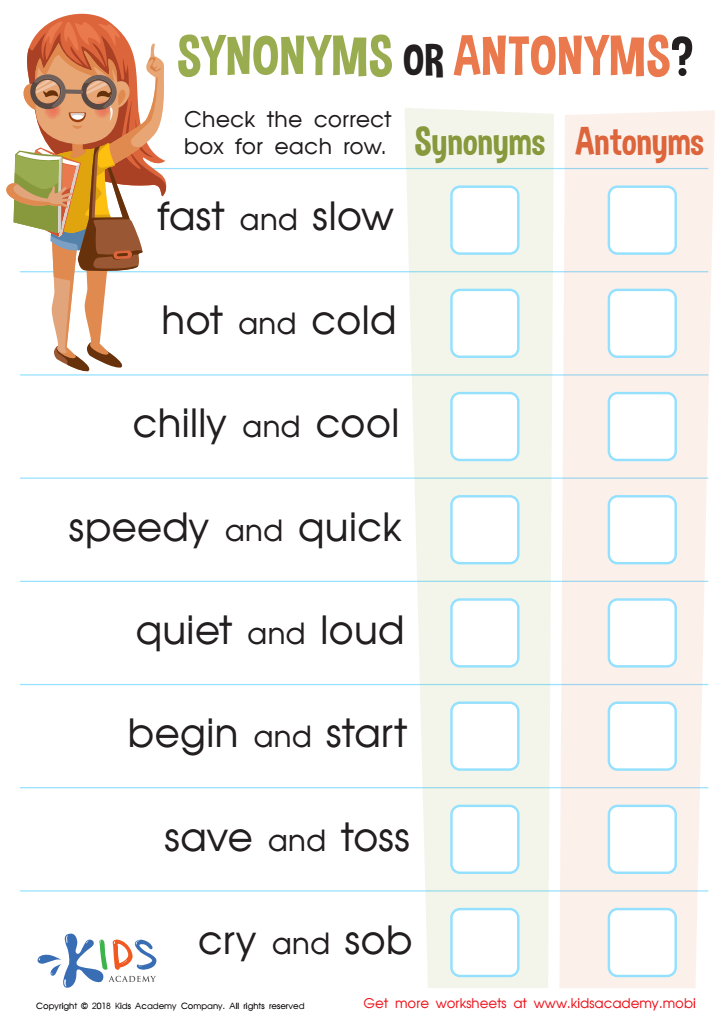
Synonyms or Antonyms: Assessment Worksheet


Synonyms or Antonyms: Assessment Worksheet

Test your child's knowledge with this fun worksheet! Ask them to read the words and select if they are synonyms or antonyms - e.g. 'happy' is a synonym and 'bad' is an antonym. For an extra challenge, ask them to provide two synonyms and two antonyms for each word.
Synonyms or Antonyms: Assessment Worksheet

Worksheet


Building Vocabulary worksheets activities are an indispensable tool in the journey toward language proficiency, not only for students but for learners of all ages. These meticulously crafted exercises serve a multitude of purposes, each designed to enhance one's command over a language. Let's delve into why these activities are so beneficial.

First and foremost, Building Vocabulary worksheets activities are tailored to progressively expand a learner's lexicon. They introduce new words in context, making it easier for the brain to retain them. This methodical approach ensures that each new term is not just a fleeting memory but becomes a permanent addition to one's vocabulary.

Moreover, these activities are incredibly versatile. They can be designed to cater to different levels of learners, from beginners to advanced, and can be adjusted to focus on specific areas of interest or need. Whether it's academic vocabulary for students, professional jargon for adults, or thematic words for language enthusiasts, these worksheets can be customized to suit any requirement.

Engagement is another key advantage. Building Vocabulary worksheets activities often incorporate puzzles, crosswords, match-the-words, and fill-in-the-blanks exercises. These not only make the learning process enjoyable but also encourage learners to think critically about word usage, connotations, and nuances. This engagement ensures that learners are not passively absorbing information but actively integrating new words into their cognitive framework.

Lastly, these activities provide a tangible measure of progress. By completing worksheets, learners can visually appreciate the expansion of their vocabulary over time. This sense of achievement is crucial for motivation and encourages a continuous, self-directed learning journey.

In conclusion, Building Vocabulary worksheets activities are a powerful, adaptable, and engaging tool in the arsenal of language learning. They not only facilitate the acquisition of new words but also enrich one’s ability to communicate effectively, fostering confidence and proficiency in the language.