Easy Connecting the Dots worksheets activities for Ages 3-4
2 filtered results
-
From - To
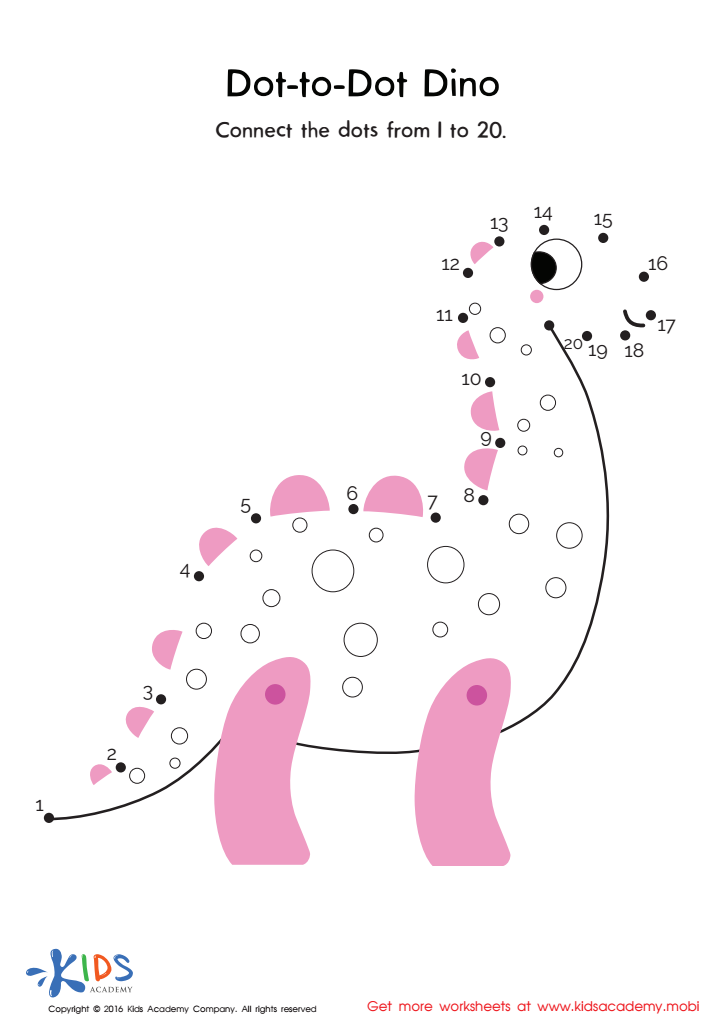
Introducing our Easy Connecting the Dots worksheets, specifically designed for the curious minds of children aged 3-4. These engaging worksheets provide a fun and educational activity that supports early learning through simple dot-to-dot puzzles. With easy-to-follow dots, our worksheets foster fine motor skills, number recognition, and problem-solving abilities in young learners. Each page is a new adventure, helping to keep children engaged while they learn to connect the dots in sequential order. Perfect for preschoolers, our Easy Connecting the Dots for Ages 3-4 worksheets offer a delightful way for your child to explore learning with confidence and joy.
 Assign to My Students
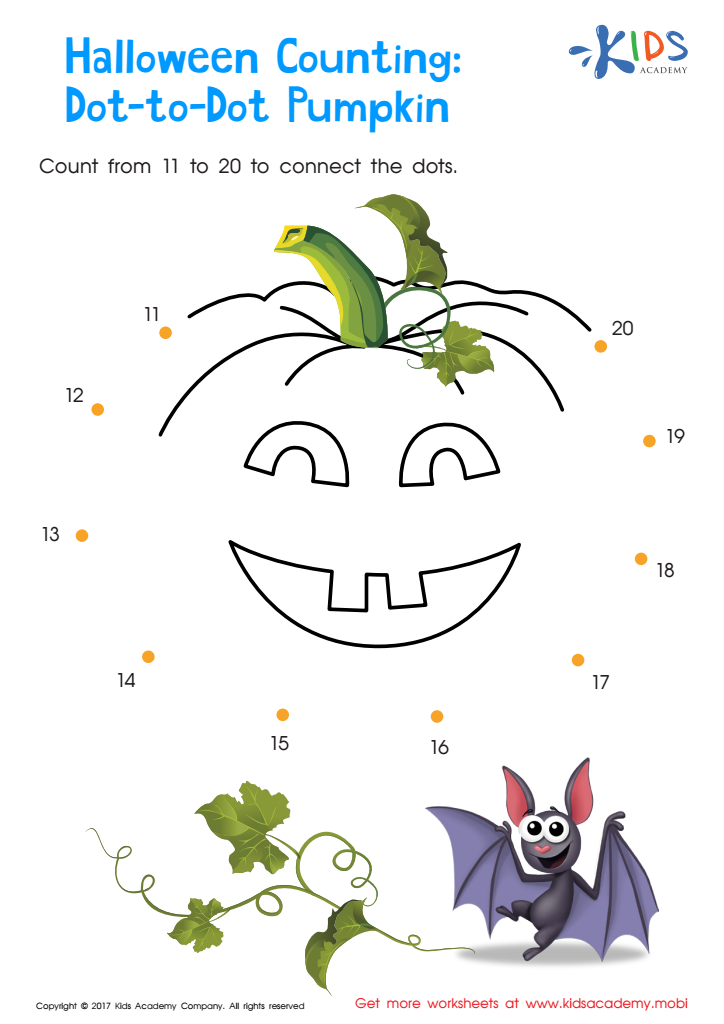
Ordering 11–20: Halloween Counting Worksheet





.jpg)
Easy Connecting the Dots worksheets are an excellent educational tool for children aged 3-4, offering a fun and engaging way to boost their early development. These worksheets are specifically designed to cater to the learning abilities of young children, making them a valuable resource for parents and educators alike.
One of the primary benefits of Easy Connecting the Dots for Ages 3-4 is the development of fine motor skills. As children connect the dots, they practice holding a pencil and drawing lines, which enhances their hand-eye coordination and prepares them for writing. Additionally, these activities encourage cognitive development. By identifying numbers or letters in sequence to connect the dots, children improve their numerical and alphabetical knowledge, laying a strong foundation for future learning.
Moreover, Easy Connecting the Dots worksheets are instrumental in boosting confidence. Completing a worksheet provides a sense of accomplishment, fostering a positive attitude toward learning. It also enhances problem-solving skills, as children figure out the correct sequence to complete the picture.
In conclusion, Easy Connecting the Dots worksheets for Ages 3-4 are not just an enjoyable activity but a powerful tool in early childhood education. They support crucial developmental milestones while keeping learning fun and accessible, making them a must-have in the learning toolkit for young children.








