Easy Alphabet worksheets activities for Ages 3-4
5 filtered results
-
From - To
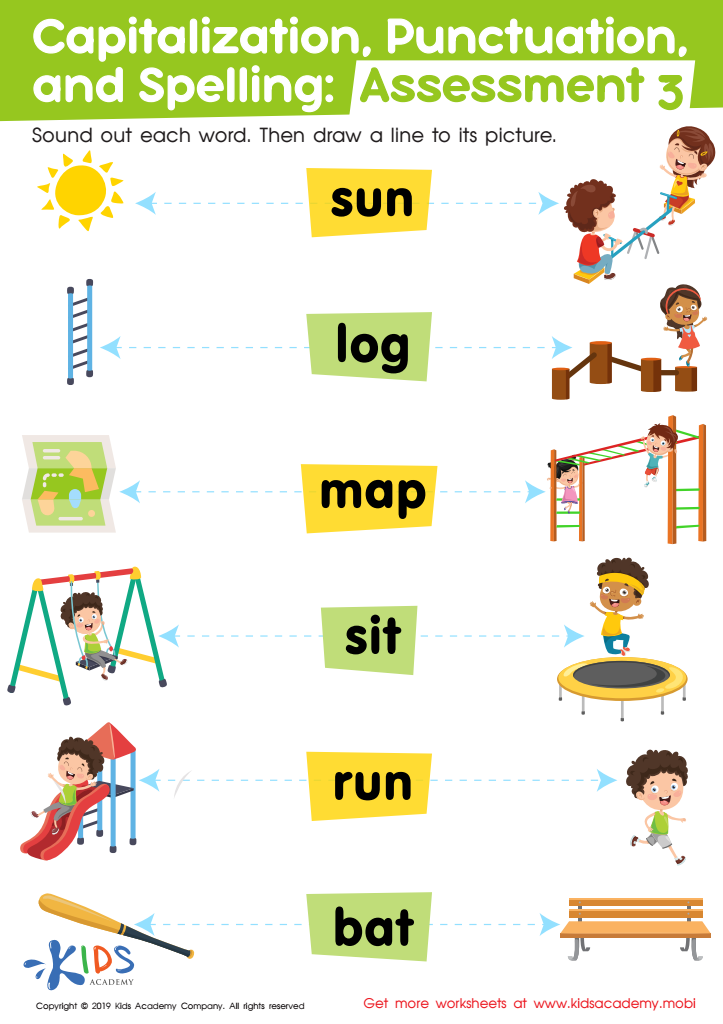
Capitalization. Punctuation. Spelling. Assessment 3 Worksheet
 Assign to My Students
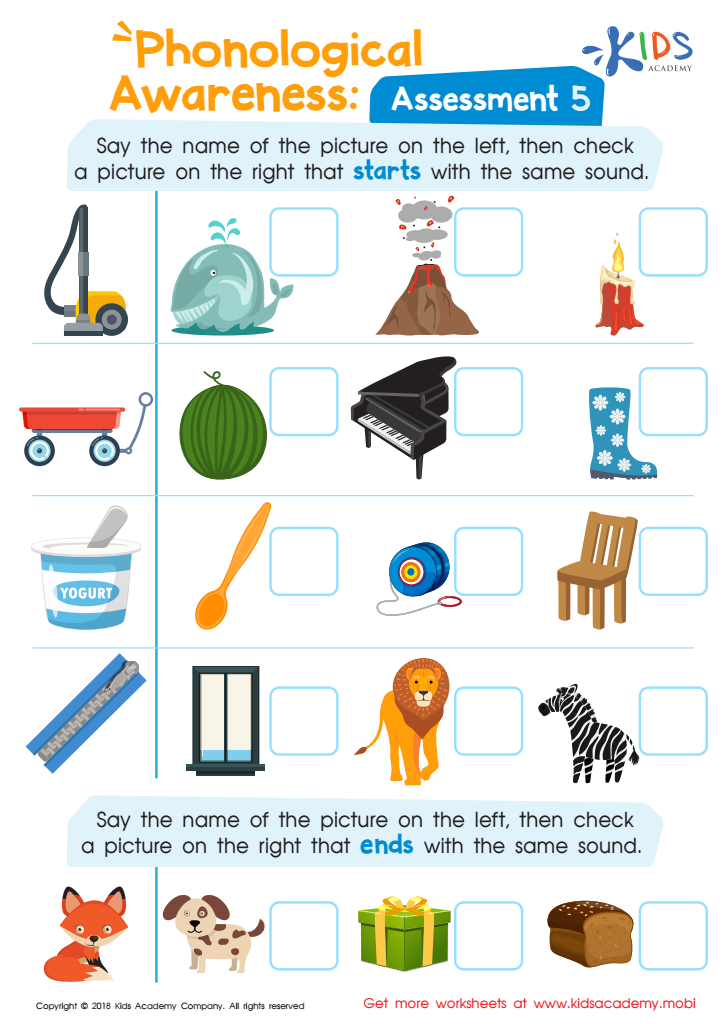
Phonological Awareness: Assessment 5 Worksheet
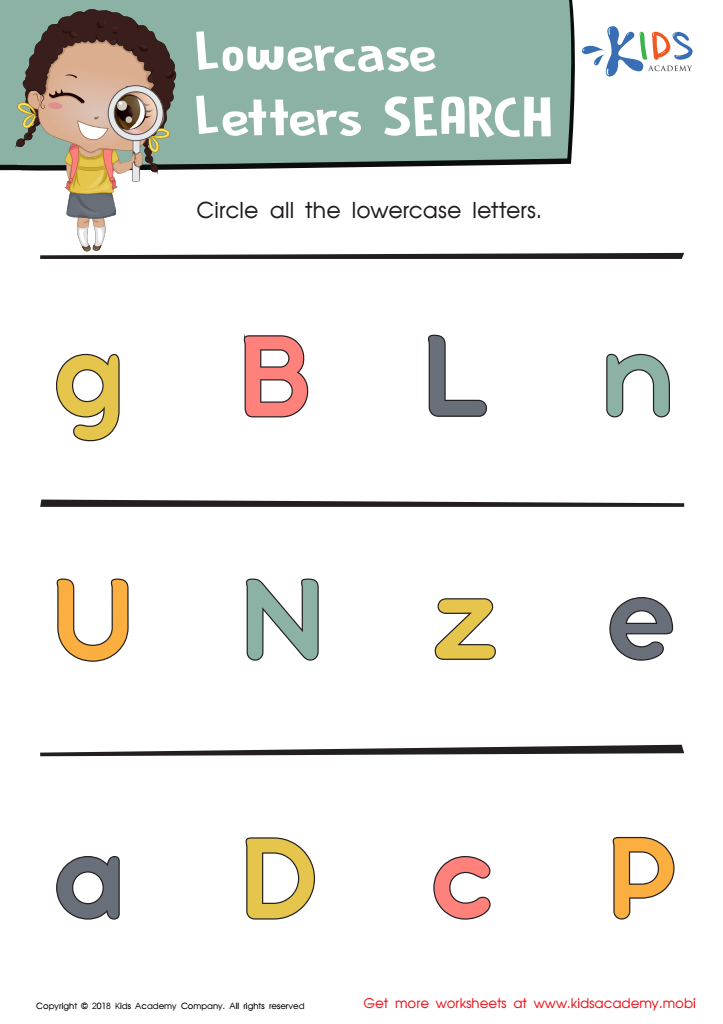
Lowercase Letters Search: Assessment Worksheet
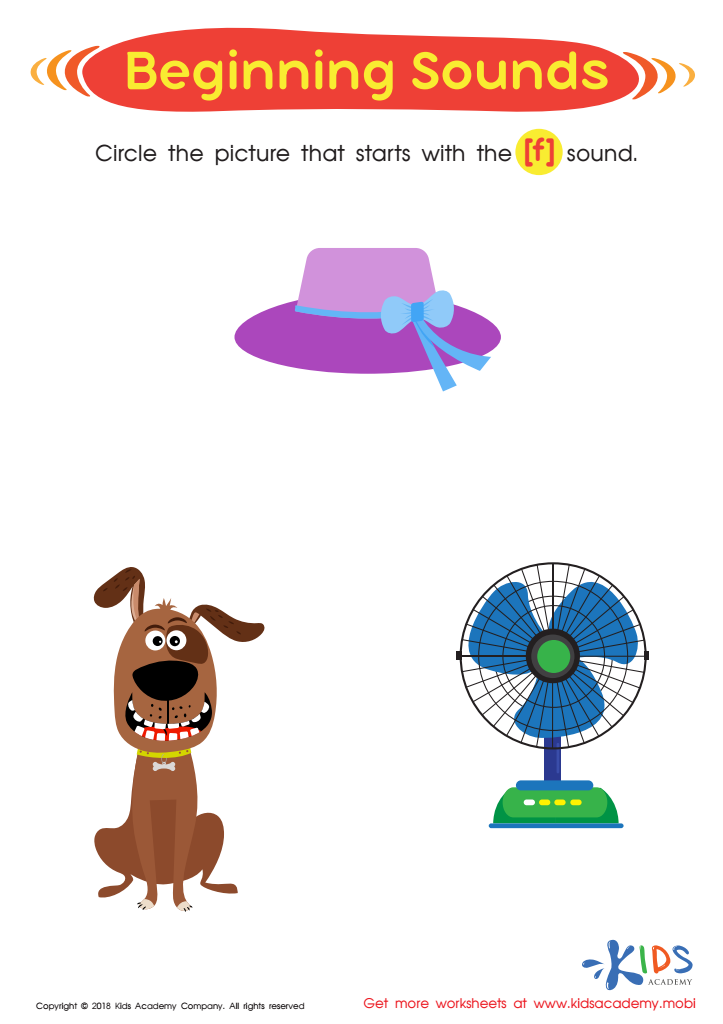
Beginning Sounds Assessment Printable
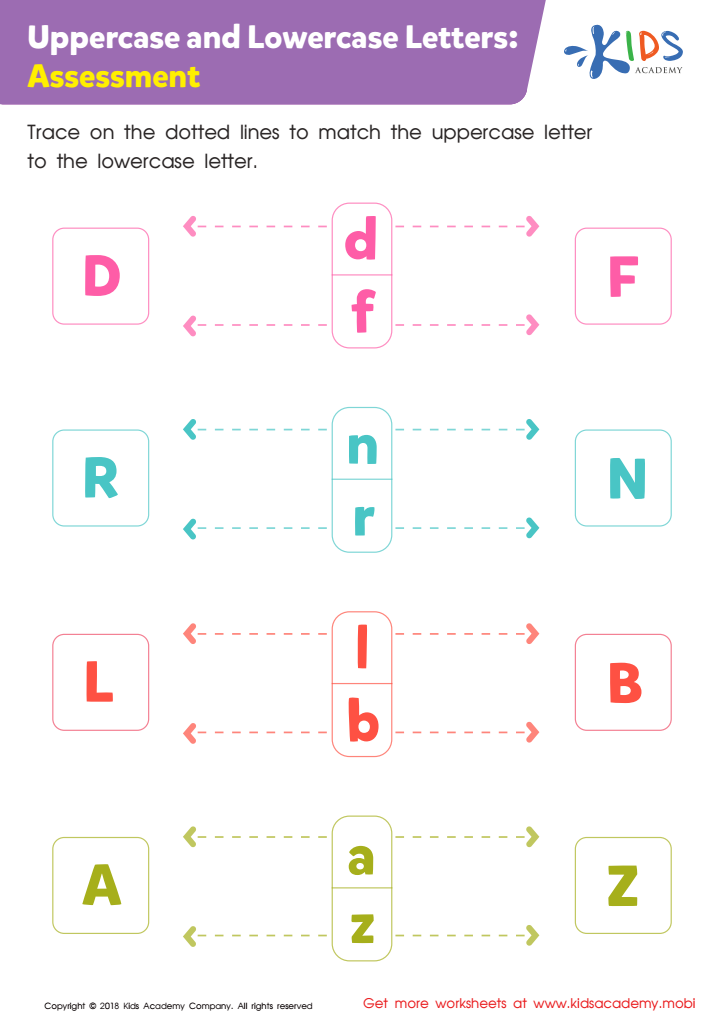
Uppercase and Lowercase Letters: Assessment Worksheet







Easy Alphabet worksheets activities are an essential tool in the foundational stage of learning for children. These activities are designed to introduce young learners to the letters of the alphabet in a fun and engaging manner, making the process of learning to read and write much more accessible and enjoyable. There are several reasons why Easy Alphabet worksheets activities are particularly useful in educational settings and at home.
Firstly, they promote letter recognition, which is the basic building block of literacy. By repeatedly seeing and tracing letters, children become familiar with their shapes and sounds, making it easier for them to progress to reading and writing words. Easy Alphabet worksheets are crafted to cater to this need efficiently, ensuring that each letter is introduced with sufficient repetition and in various contexts to reinforce learning.
Secondly, Easy Alphabet worksheets activities enhance fine motor skills. As children trace letters, they develop hand-eye coordination and learn to control their hand movements. This meticulous practice lays the groundwork for neat handwriting and other skills that require fine motor abilities, such as drawing and using tools.
Moreover, these activities support phonemic awareness. This is the ability to hear, identify, and manipulate individual sounds in spoken words. Easy Alphabet worksheets often include activities that pair letters with pictures of objects that start with that letter, helping children make the connection between sounds and letters, which is critical for reading and spelling.
Additionally, Easy Alphabet worksheets activities can be tailored to each child's learning pace, providing a personalized learning experience. Whether a child is a fast learner or needs more time to grasp concepts, worksheets can be selected and adjusted accordingly, ensuring that every child feels confident and supported in their learning journey.
In conclusion, Easy Alphabet worksheets activities are invaluable for young learners. They lay a strong foundation for literacy, support the development of fine motor skills, enhance phonemic awareness, and offer personalized learning opportunities. By incorporating these activities into early education, we can ensure that children are equipped with the skills they need to succeed in their academic journey.








