Easy Reading worksheets activities for Ages 3-7
9 filtered results
-
From - To
Discover our collection of easy reading worksheets designed specifically for ages 3-7! These engaging activities help young learners build essential reading skills in a fun and interactive way. With colorful illustrations and age-appropriate content, children will enjoy exploring letters, sounds, and simple words. Our worksheets include tracing, matching, and filling in the blanks to enhance comprehension and vocabulary. Perfect for homeschooling or supplementary learning, these resources provide a solid foundation for literacy development. Keep your little ones excited about reading with our diverse and accessible worksheets that promote learning through play and creativity. Start fostering a love for reading today!
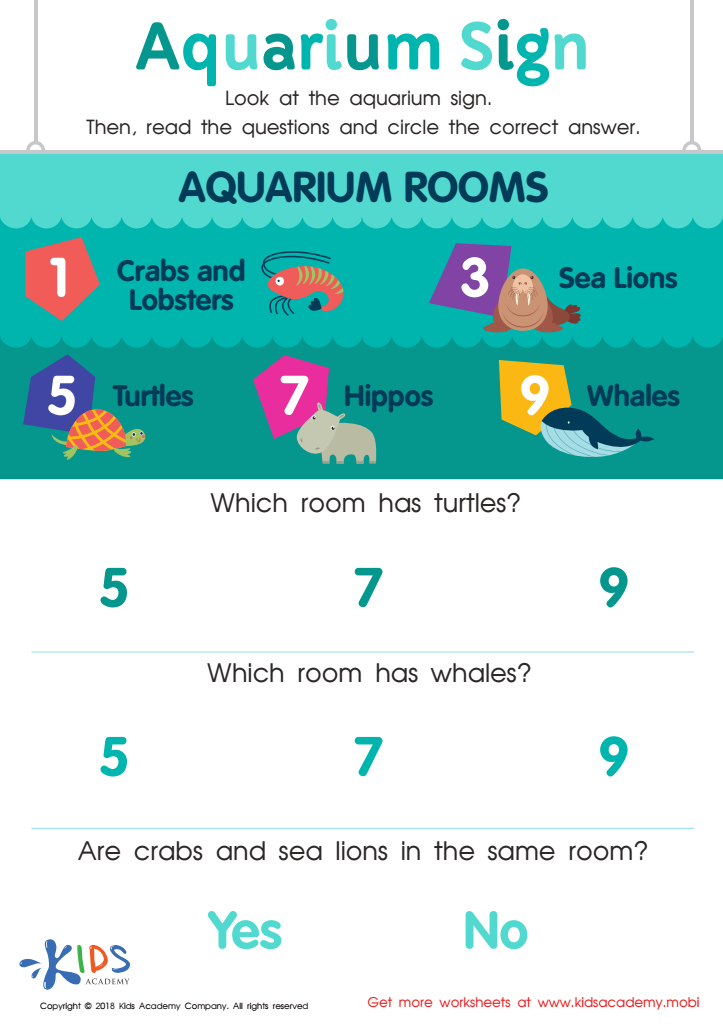
Assessment: Aquarium Sign Worksheet
 Assign to My Students
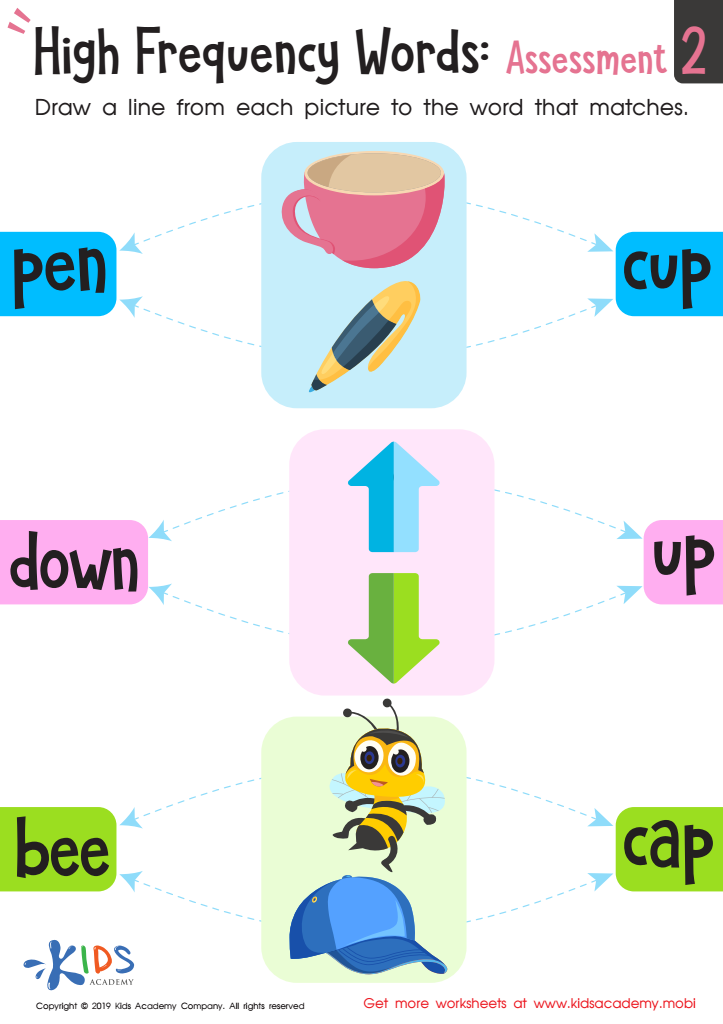
High Frequency Words: Assessment 2 Worksheet
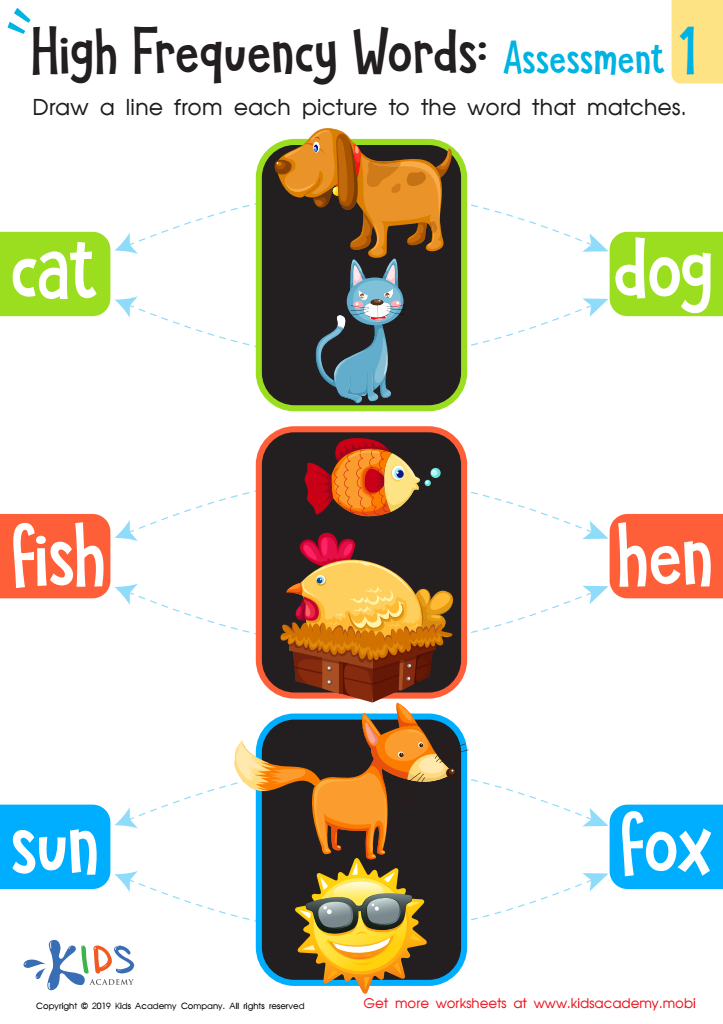
High Frequency Words: Assessment 1 Worksheet
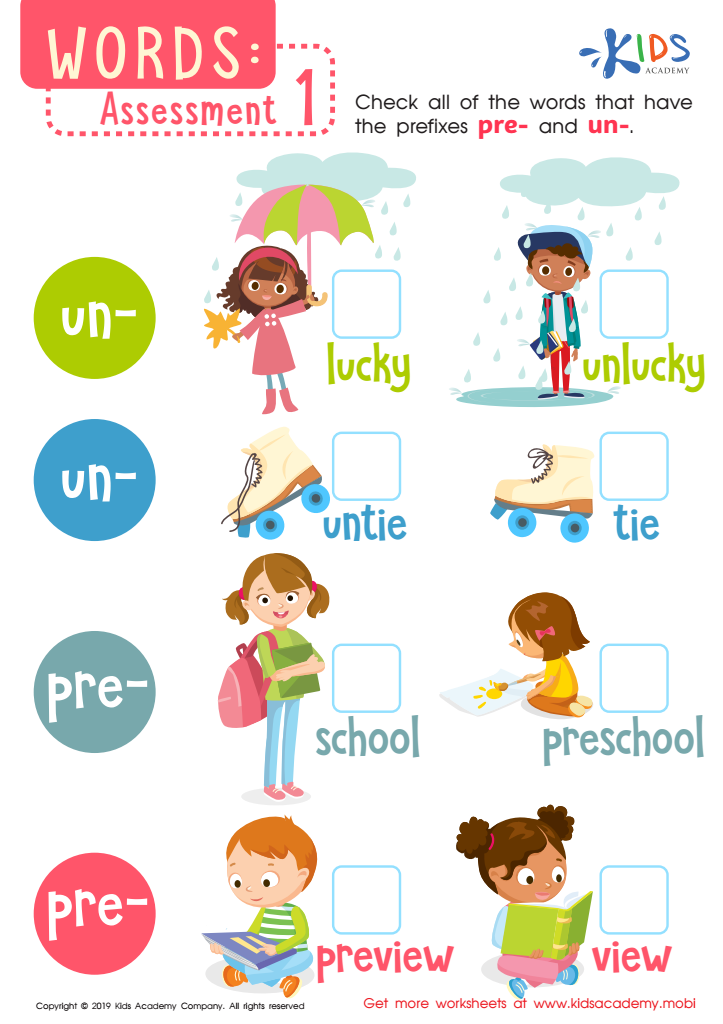
Words: Assessment 1 Worksheet
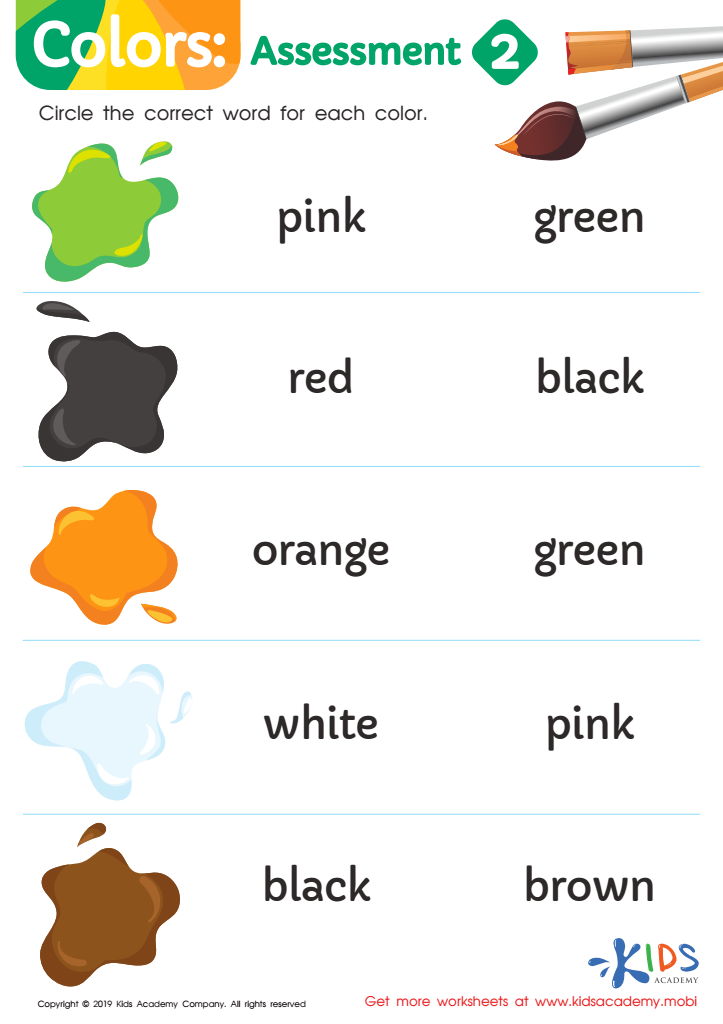
Colors: Assessment 2 Worksheet
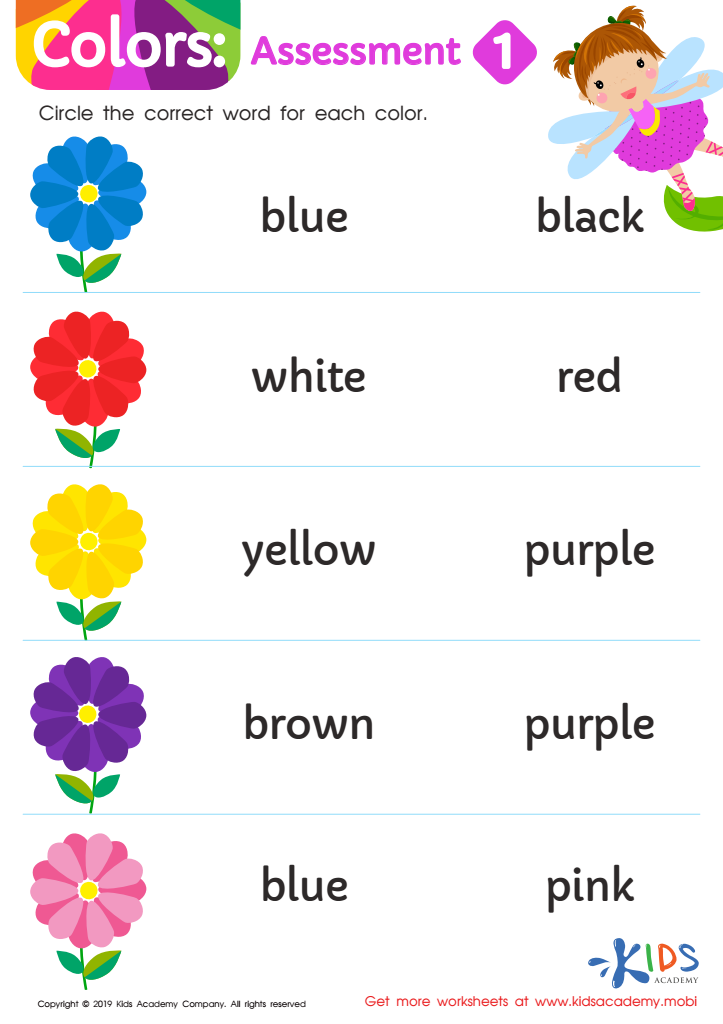
Colors: Assessment 1 Worksheet
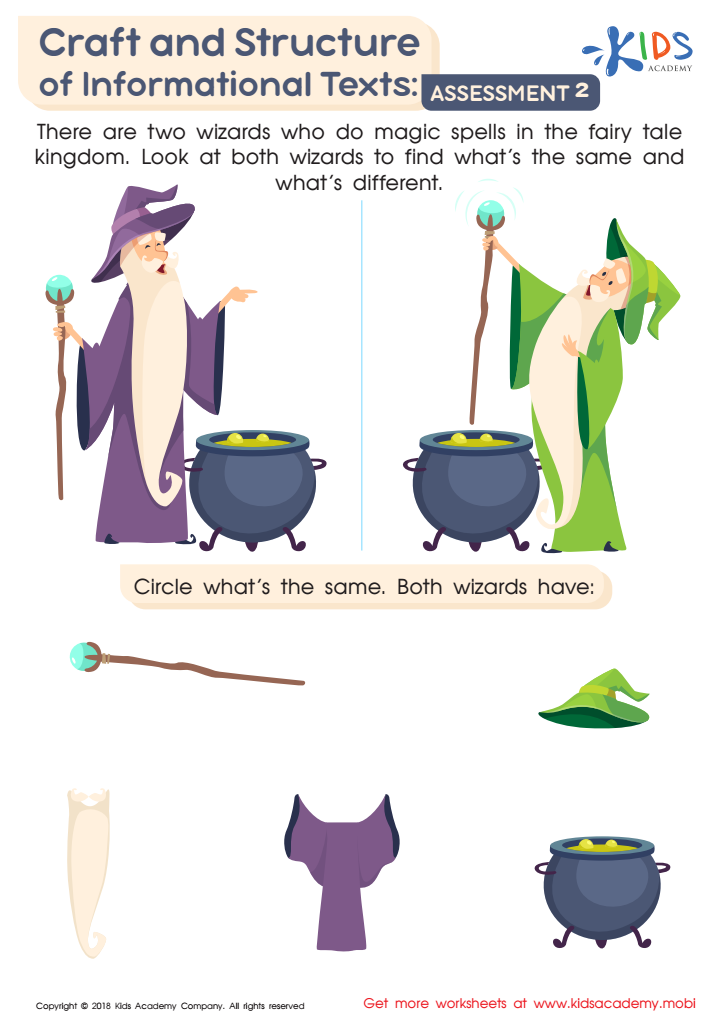
Craft and Structure of Informational Texts: Assessment 2 Worksheet
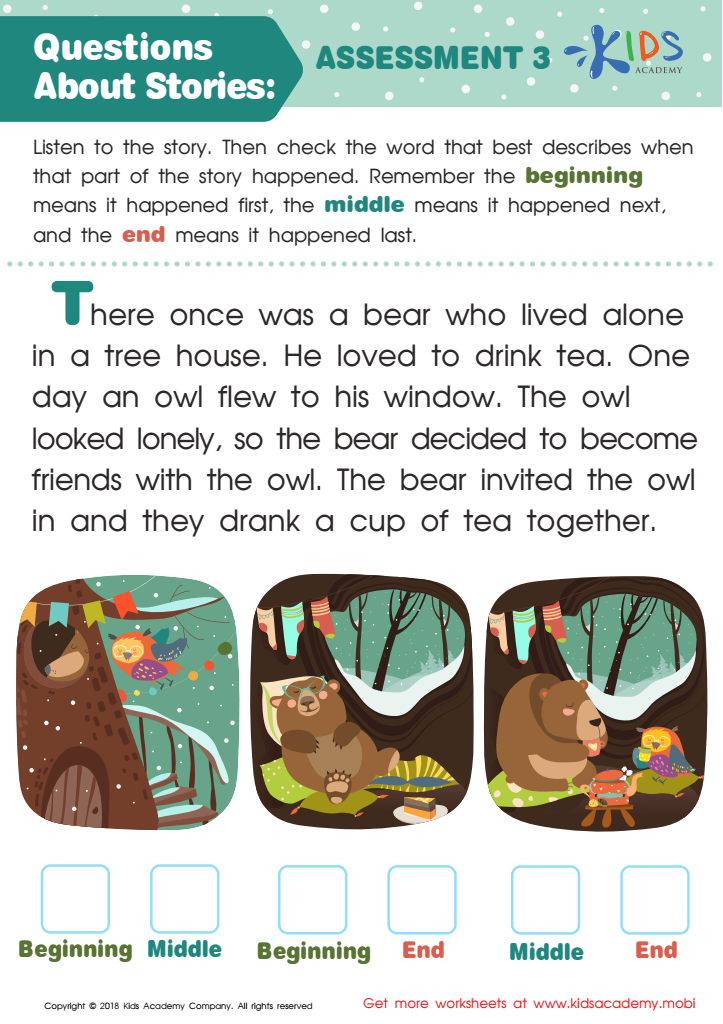
Questions About Stories: Assessment 3 Worksheet
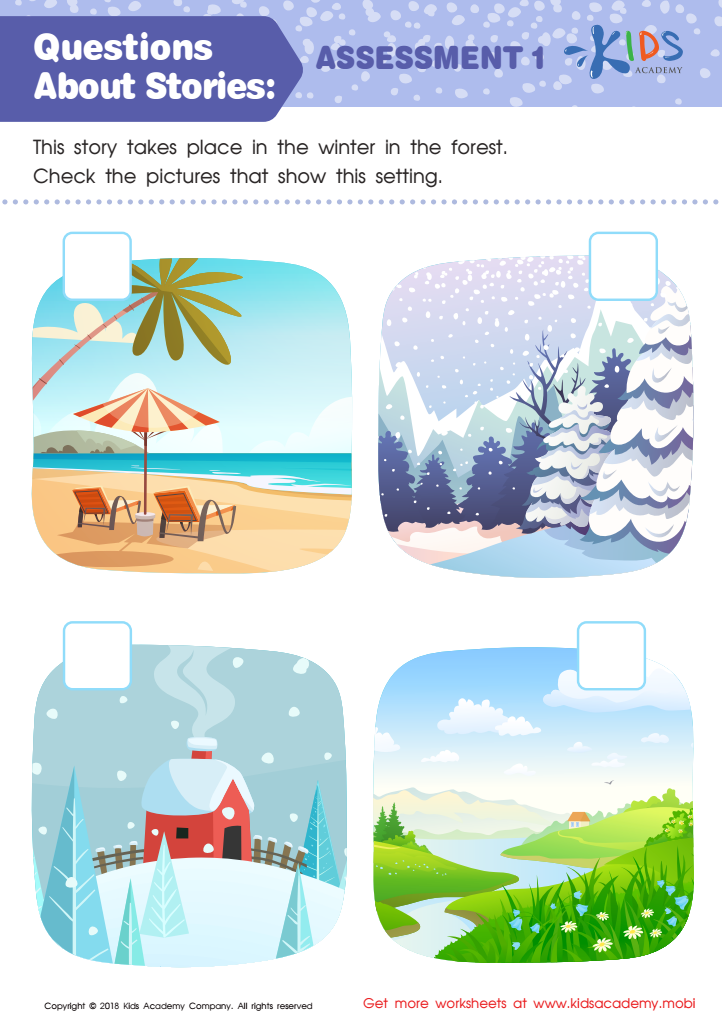
Questions About Stories: Assessment 1 Worksheet







Parents and teachers should prioritize Easy Reading activities for children ages 3-7 as these formative years are critical for language development and early literacy skills. Engaging in reading activities fosters a love for books and enhances vocabulary acquisition, comprehension, and phonemic awareness. Early exposure to language through storytelling, rhymes, and interactive reading helps children develop important cognitive skills and listen actively.
Moreover, Easy Reading activities nurture a child’s imagination and creativity, providing them with opportunities to explore various themes and emotions. This literary engagement also prepares children for later academic success, where foundational reading skills are essential across subjects. Regular reading at this age reinforces parent-child bonding, promoting a supportive learning environment at home.
Incorporating age-appropriate reading activities, such as picture books or phonics games, addresses diverse learning styles, making literacy both enjoyable and effective. Lastly, instilling a consistent reading routine helps develop discipline and a proactive attitude towards learning. Overall, easy reading activities create a solid foundation that not only enhances literacy but also builds lifelong learners who are curious and confident in their ability to express themselves through words. Hence, prioritizing these activities is essential for fostering holistic development in young children.








