Easy Knowledge Check worksheets activities for Ages 3-8 - Page 2
27 filtered results
-
From - To
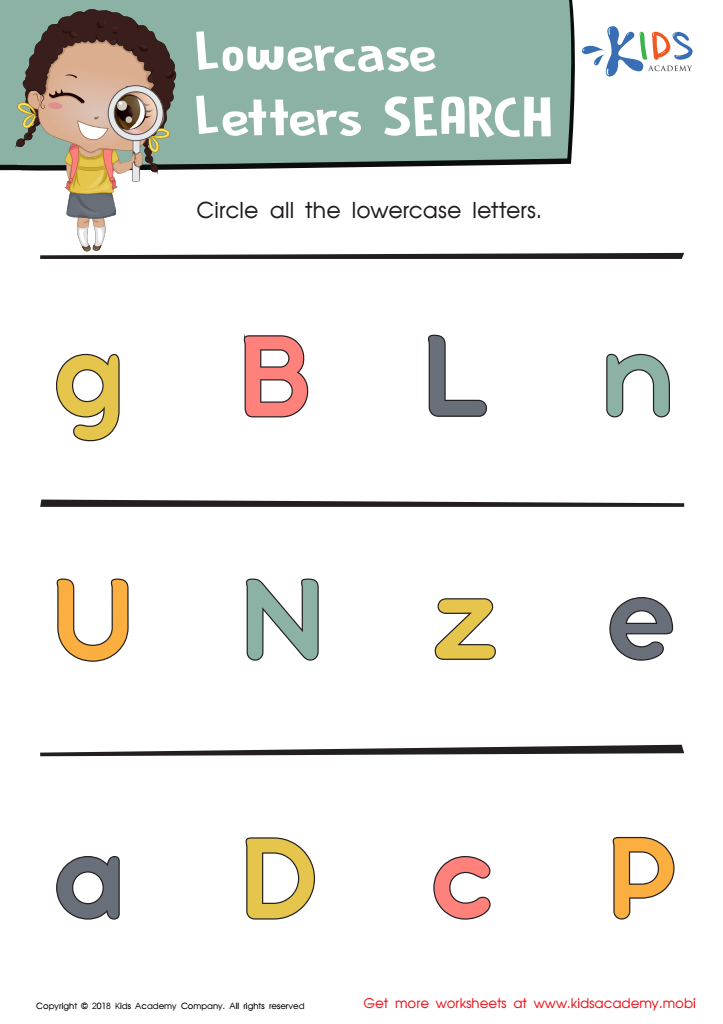
Lowercase Letters Search: Assessment Worksheet
 Assign to My Students
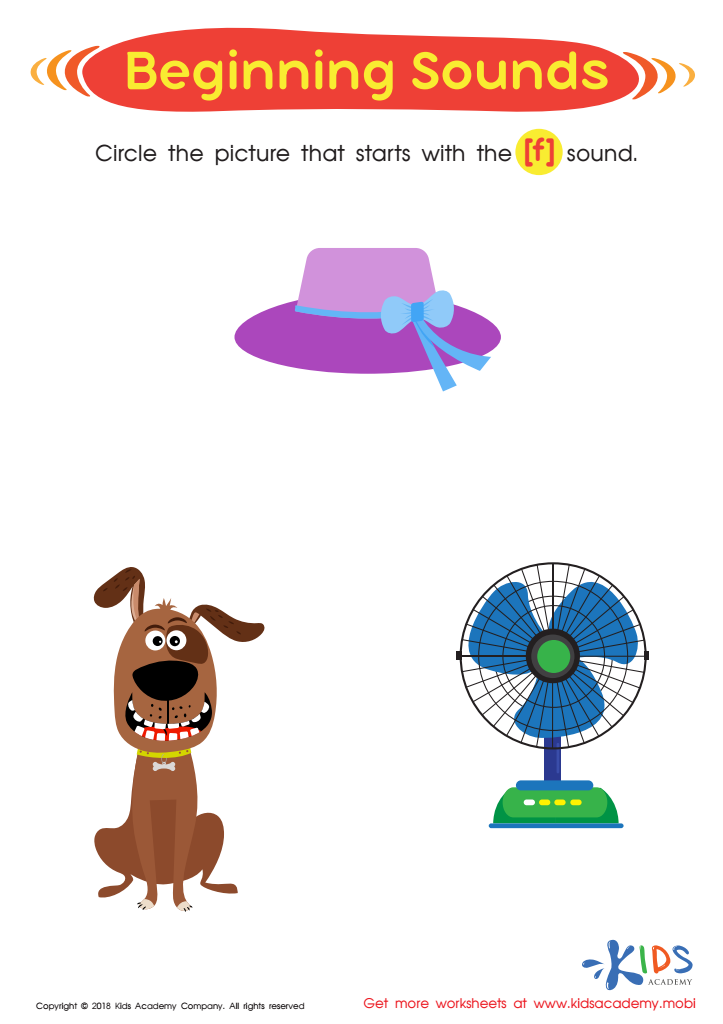
Beginning Sounds Assessment Printable
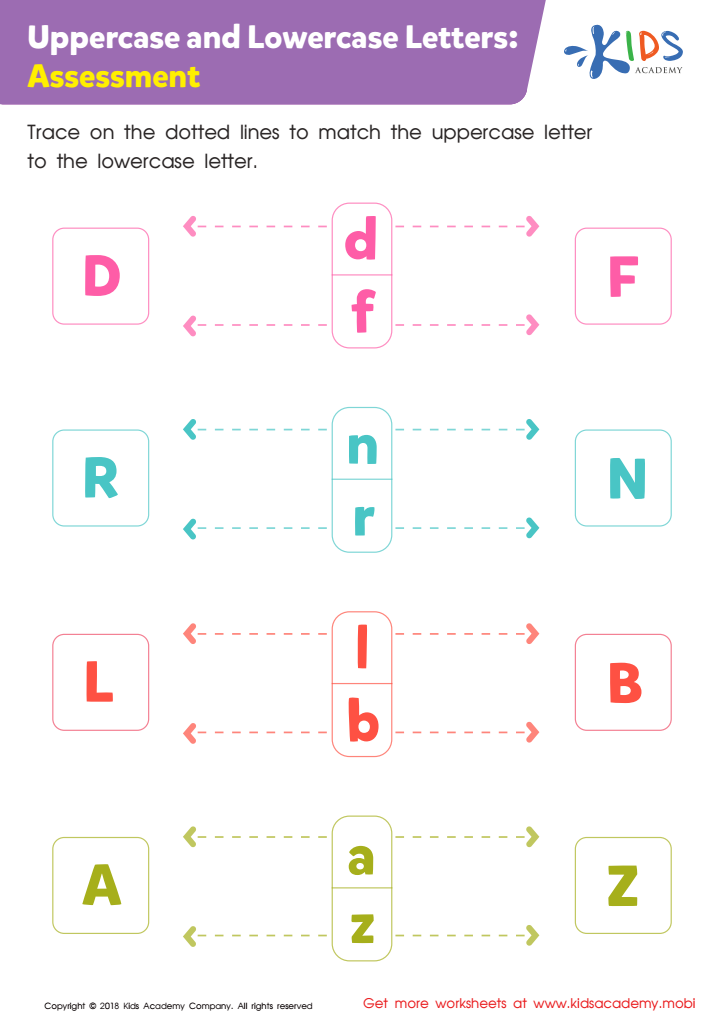
Uppercase and Lowercase Letters: Assessment Worksheet







Parents and teachers should prioritize Easy Knowledge Check activities for children ages 3-8 because these activities play a critical role in early childhood development. First, they provide a foundational understanding of key concepts in a fun and engaging way, fostering a love for learning from a young age. By regularly incorporating simple assessments, educators and parents can gauge a child's comprehension, retention, and progression in various subjects, ensuring that they are on track developmentally.
Moreover, these activities encourage active participation, fostering critical thinking skills and reinforcing lessons in an interactive manner. This active engagement helps children develop essential cognitive abilities, such as problem-solving and reasoning, that will serve them throughout their educational journey.
Additionally, Easy Knowledge Check activities promote communication and social skills as children work together or discuss answers with adults, creating valuable bonding experiences. They also allow parents and teachers to celebrate successes, boosting self-esteem and motivation in young learners. Overall, these activities are pivotal in shaping a child’s educational foundation, providing insights into their strengths and areas for improvement, all while making learning enjoyable and effective.








