Extra Challenge Elementary Phonics worksheets activities for Ages 3-6
3 filtered results
-
From - To
Introducing our "Extra Challenge Elementary Phonics Worksheets" for children aged 3-6! Designed to enhance reading skills, these engaging activities provide young learners with a fun and interactive approach to mastering phonics. Our worksheets feature a variety of exercises, including letter-sound recognition, blending challenges, and word puzzles that stimulate critical thinking. Each task encourages creativity while promoting literacy through vibrant illustrations and relatable themes. Perfect for classrooms or home learning, our phonics worksheets help strengthen essential early reading skills, ensure academic success, and instill a lifelong love for learning. Discover a wealth of educational resources today and watch your child thrive!
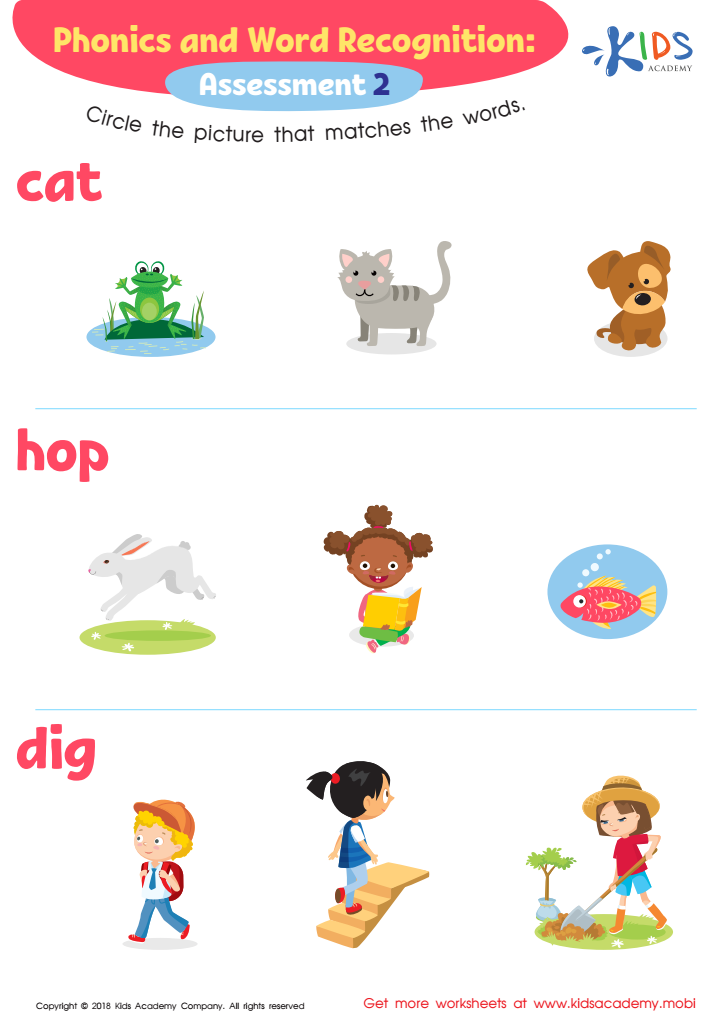
Phonological Awareness: Assessment 2 ELA Worksheet
 Assign to My Students
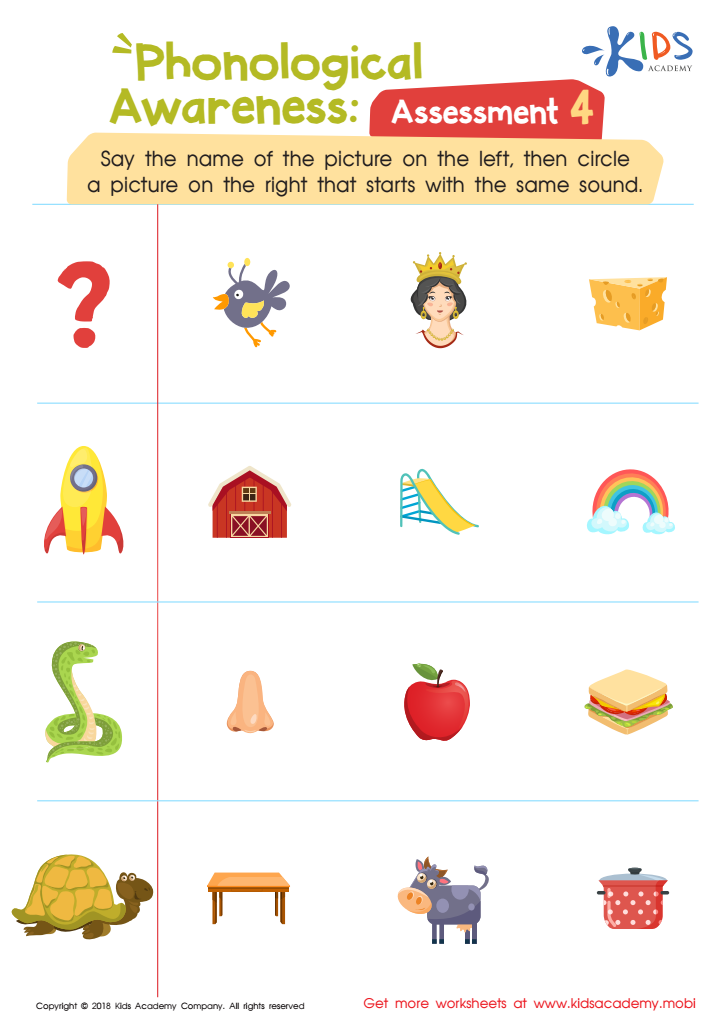
Phonological Awareness: Assessment 4 Worksheet
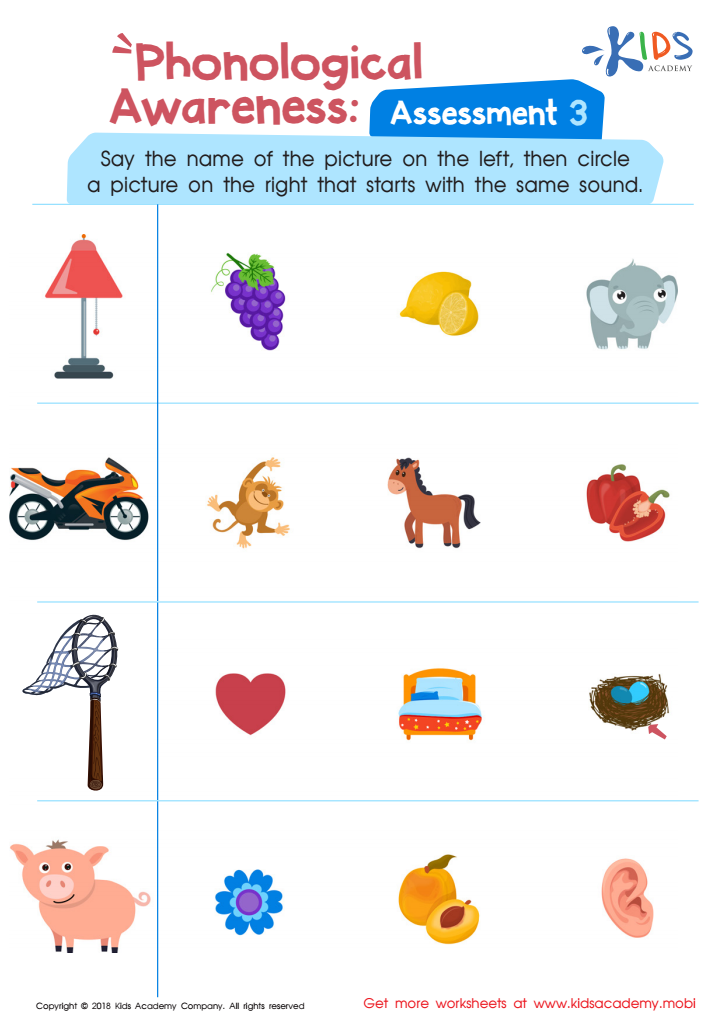
Phonological Awareness: Assessment 3 Worksheet








Extra Challenge Elementary Phonics activities are crucial for children aged 3-6 as they lay a strong foundation for early literacy skills. At this age, children's brains are highly receptive to learning language, making it the ideal time to introduce phonemic awareness—the ability to hear, identify, and manipulate sounds. These activities engage children in a fun, interactive manner, making learning enjoyable and effective.
Parents and teachers should care about these activities as they not only enhance phonics skills but also foster cognitive development, listening abilities, and social interaction. Engaging young learners in rhymes, games, and hands-on tasks develops critical thinking and creative skills, preparing them for more complex literacy challenges later on.
Moreover, early phonics instruction can lead to improved reading fluency, comprehension, and vocabulary, setting a trajectory for lifelong learning. Strong early familiarity with sounds and letters can greatly reduce the risks of reading difficulties in later years.
By incorporating Extra Challenge Postsecondary Phonics activities into daily routines, parents and teachers can support children's love for learning, boost their confidence, and check vital developmental milestones, ultimately ensuring that they thrive both academically and socially as they transition into formal schooling.








