
Normal Tracing Lines and Curves worksheets activities for Ages 4-5
5 filtered results
Difficulty Level
Grade
Age
-
From - To
Subject
Activity
Standards
Introducing our Normal Tracing Lines and Curves Worksheets Activities, designed to enhance your child's fine motor skills and pen control in a fun and engaging way. These worksheets are meticulously crafted to guide young learners through the fundamentals of drawing lines and curves. By participating in these activities, children will not only improve their handwriting but also develop a strong foundation for letter formation and other educational skills. Perfect for preschoolers and early learners, our Normal Tracing Lines and Curves Worksheets Activities are an essential tool for parents and educators seeking to foster a love for learning through interactive practice. Dive into our collection today and watch your child’s skills flourish!
Favorites
With answer key
Interactive
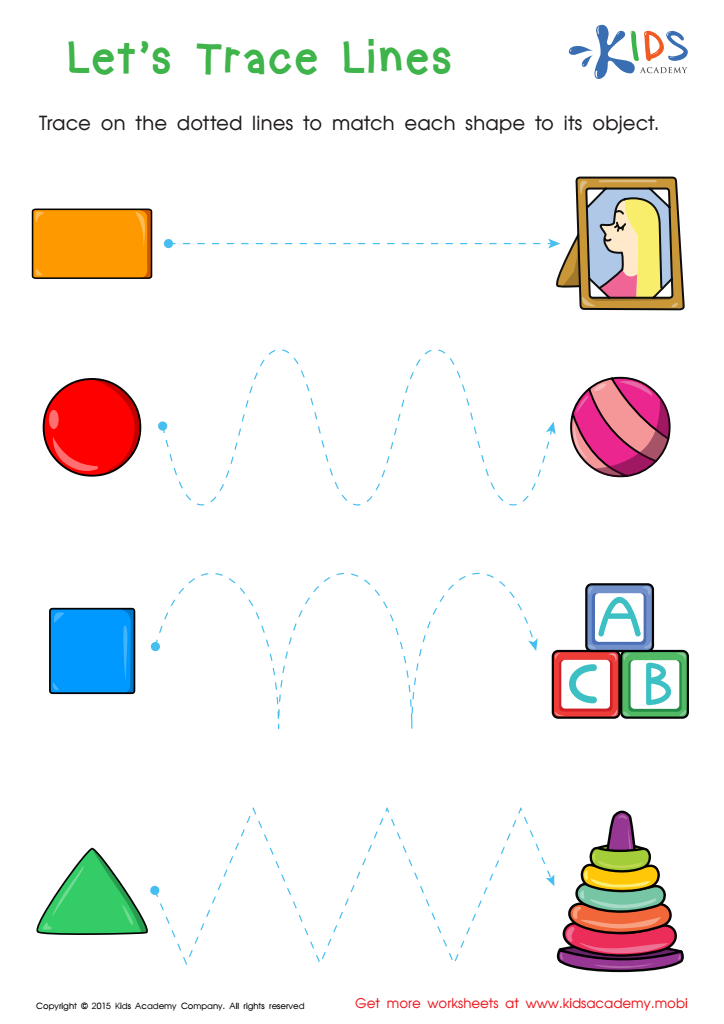
First Words: Let's Trace Lines Worksheet
Printable tracing lines for toddlers will provide your little one with the skills needed for future handwriting success. Proper grip, fine motor skills, and hand-to-eye coordination are key. Let's get their writing journey off to a great start!
 Assign to My Students
First Words: Let's Trace Lines Worksheet
Worksheet
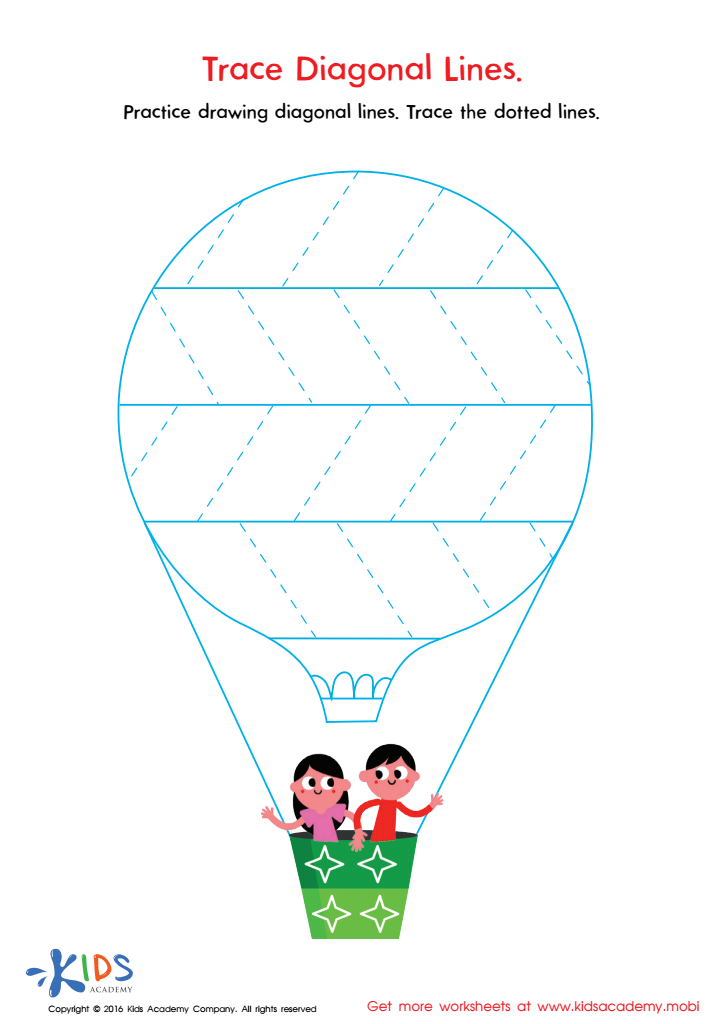
Trace Diagonal Lines Worksheet
This tracing diagonal lines worksheet offers preschoolers a great way to build fundamental skills in handwriting and drawing. Doing so helps them practice patterning, a key skill that will benefit them in writing, drawing, and math.
Trace Diagonal Lines Worksheet
Worksheet
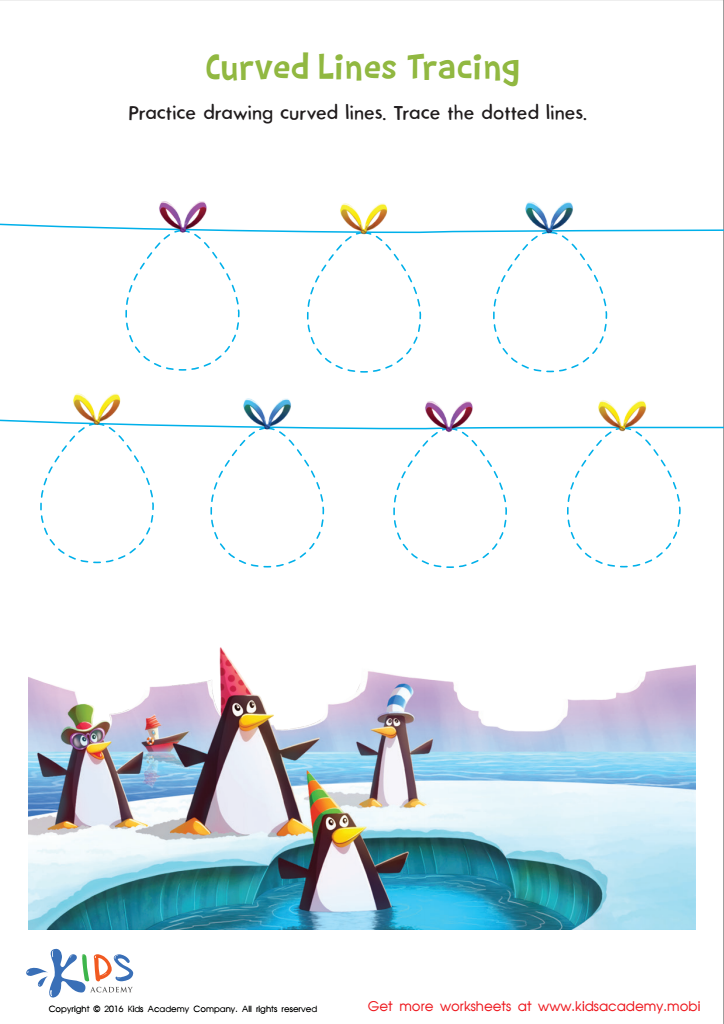
Curved Lines Tracing Worksheet
Tracing curved lines worksheets are a great way to help your child develop fine motor skills, form proper writing habits and sharpen hand-eye coordination. An adorable worksheet featuring characters from our popular app helps make practice fun! It also helps build focus, stamina and overall confidence in their writing ability. Offer your child meaningful tracing practice and give them a head start in life!
Curved Lines Tracing Worksheet
Worksheet
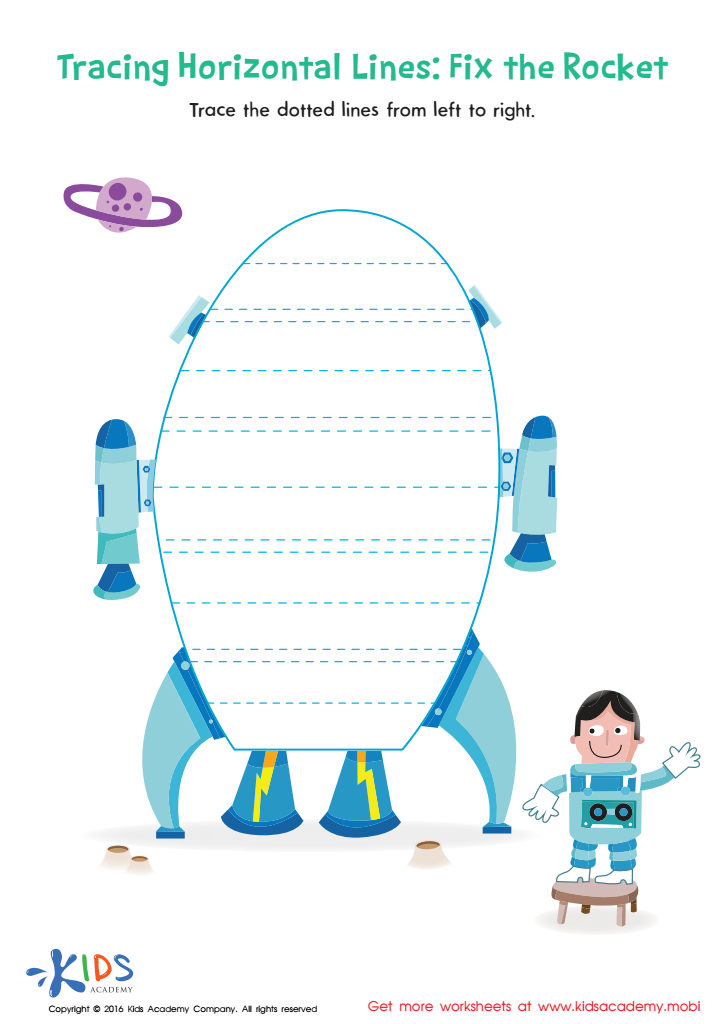
Tracing Horizontal Lines Worksheet
Your child can improve hand-to-eye coordination and pencil grip by tracing horizontal lines on this worksheet. They will have fun drawing lines on the rocket ship, tracing the dotted lines, and then coloring it in. Encourage them to keep going for even more enjoyment!
Tracing Horizontal Lines Worksheet
Worksheet
Join Kids Academy for Free
Who is primarily going to use this learning content?






.jpg)

Normal Tracing Lines and Curves worksheets activities are a fundamental part of early childhood education, offering a plethora of benefits that extend beyond merely learning how to write. These activities are meticulously designed to support the development of fine motor skills, which are crucial for performing everyday tasks such as tying shoelaces, buttoning clothes, and using utensils. By engaging in Normal Tracing Lines and Curves worksheets activities, children strengthen their hand-eye coordination, an essential skill that improves their ability to read and write fluently.
Moreover, these worksheets serve as an excellent tool for enhancing cognitive skills. As children follow the path of lines and curves, they learn to focus and concentrate, developing patience and attention to detail. This meticulous attention is not only beneficial in academic pursuits but also in problem-solving and creative thinking. The repetitive nature of tracing lines and curves aids in the reinforcement of learning shapes and letters, laying a solid foundation for literacy and numeracy skills.
Normal Tracing Lines and Curves worksheets activities also foster independence and confidence in young learners. The sense of achievement children experience upon successfully completing these worksheets encourages them to take on more challenging tasks, thereby nurturing a positive attitude towards learning. This self-assurance is crucial in the early stages of education, where the motivation to explore and learn is developed.
Additionally, these tracing activities are versatile, catering to children of various skill levels. They can be easily integrated into daily learning routines, making them an accessible tool for parents and educators alike. The simplicity of Normal Tracing Lines and Curves worksheets allows for creativity and imagination, providing children with an opportunity to express themselves while learning fundamental skills.
In summary, Normal Tracing Lines and Curves worksheets activities are invaluable in early childhood education. They not only prepare children for academic success by developing fine motor skills and cognitive abilities but also foster a love for learning through independence and self-confidence. These activities are an essential stepping stone in a child's educational journey, contributing significantly to their overall development.








