Normal Fairy Tales worksheets activities for Ages 4-5
15 filtered results
-
From - To
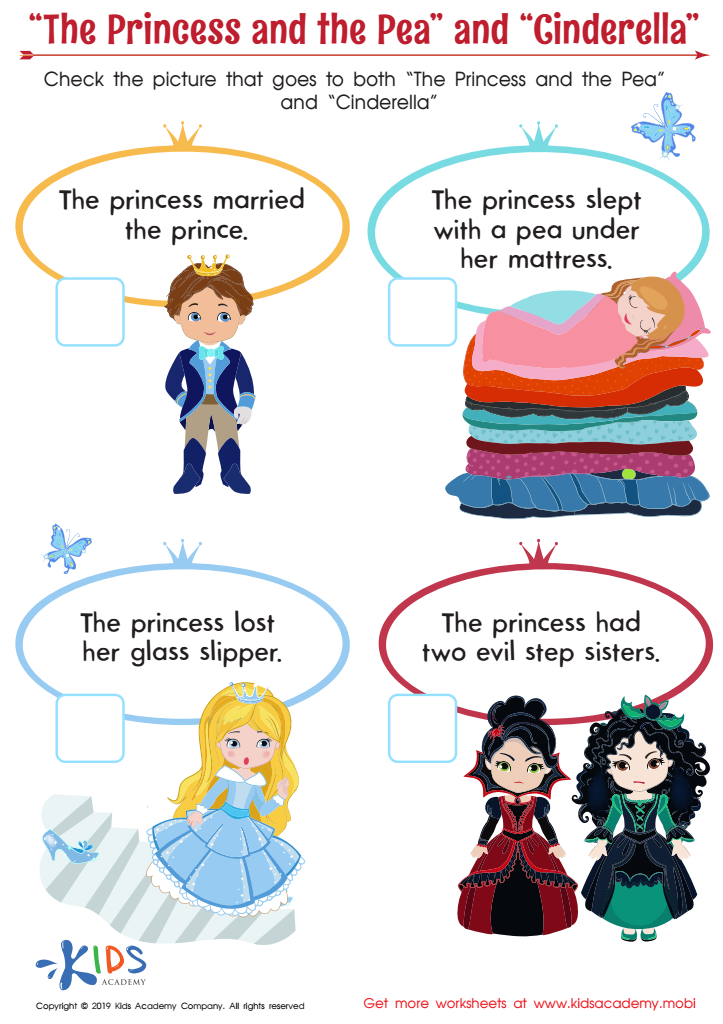
“The Princess and the Pea” and “Cinderella” Worksheet
 Assign to My Students
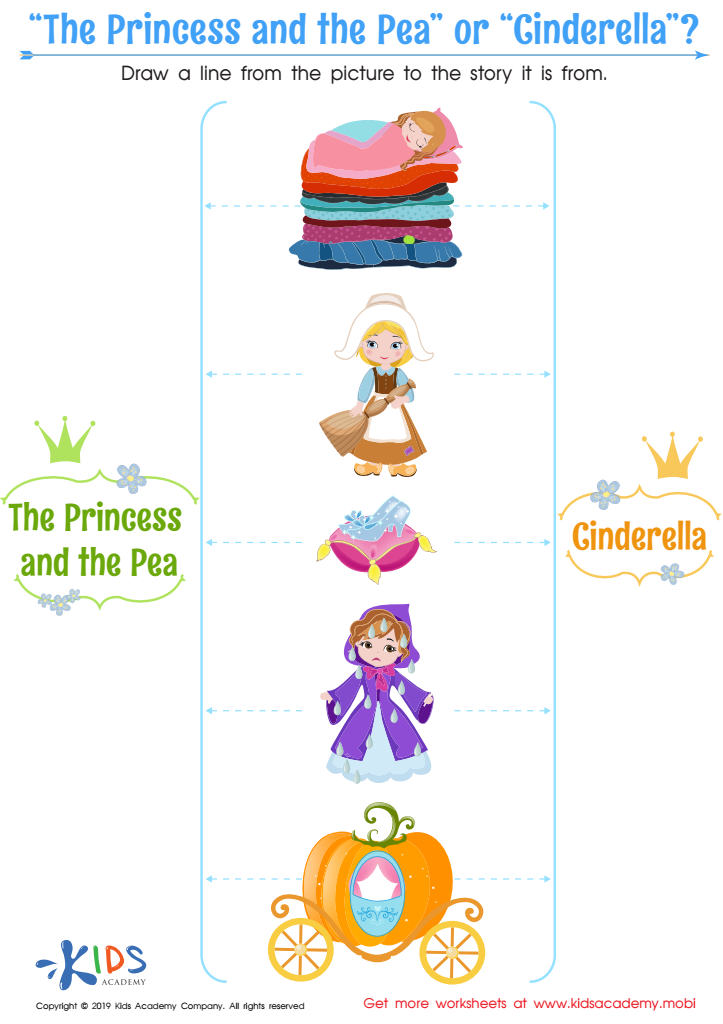
“The Princess and the Pea” or “Cinderella” Worksheet
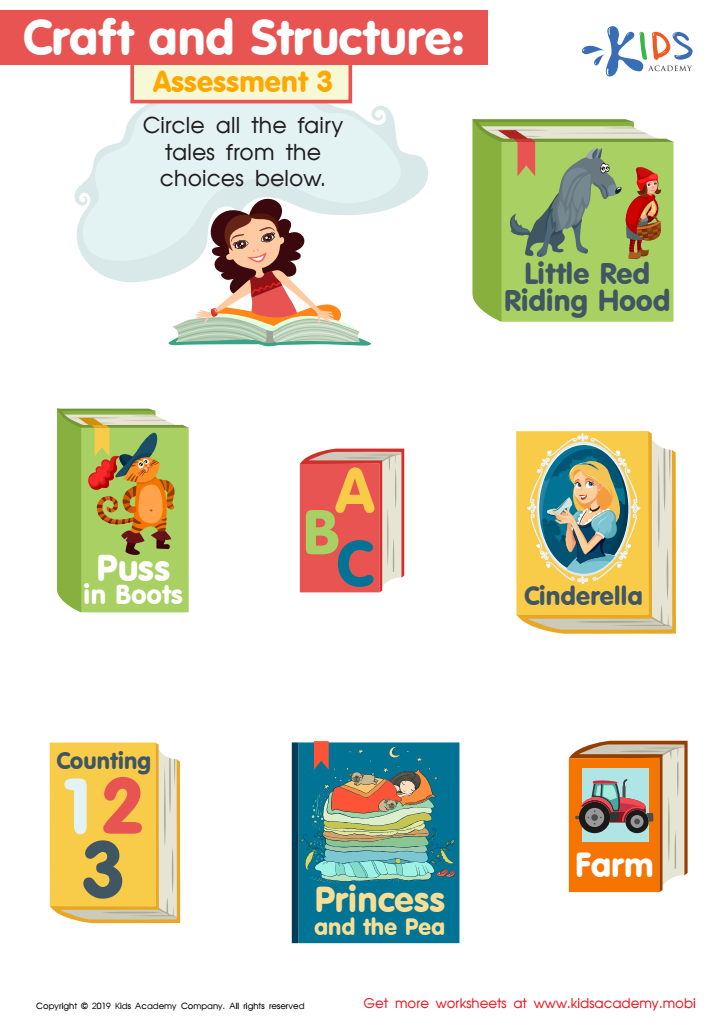
Craft and Structure: Assessment 3 Worksheet
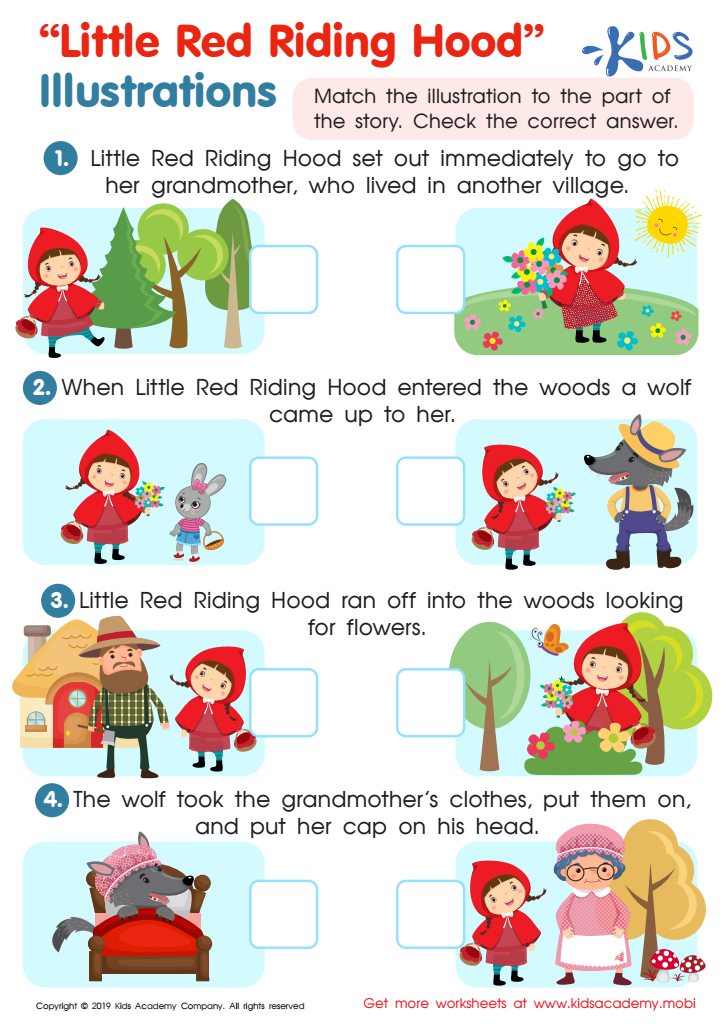
Little Red Riding Hood: Illustrations Worksheet
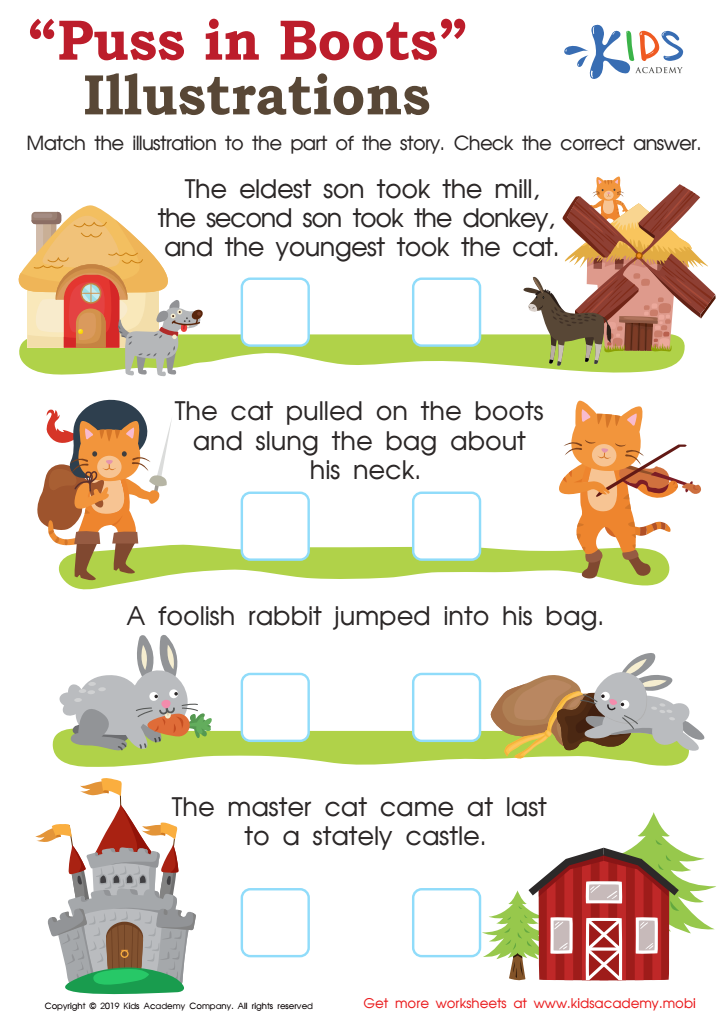
Puss in Boots Illustrations Worksheet
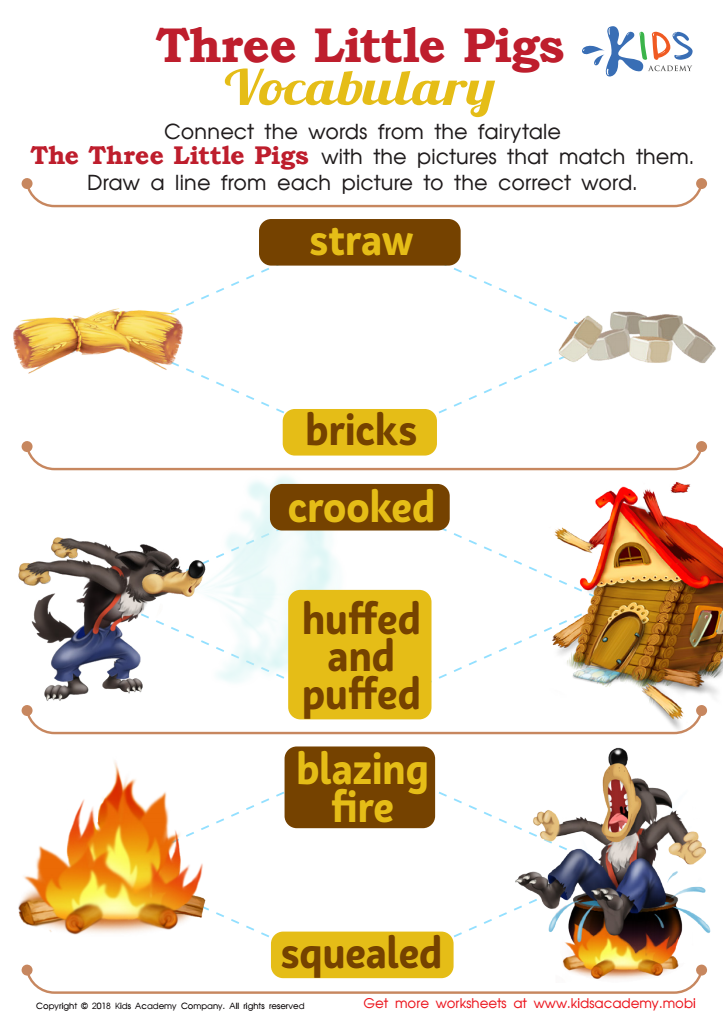
Three Little Pigs Vocabulary Worksheet
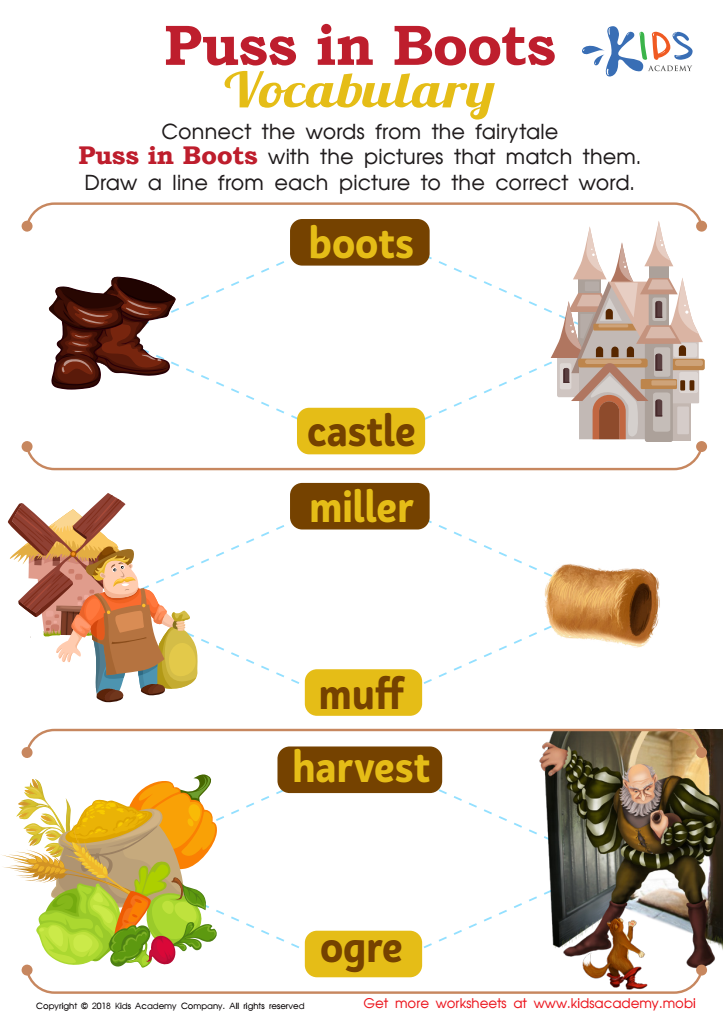
Puss in Boots Vocabulary Worksheet
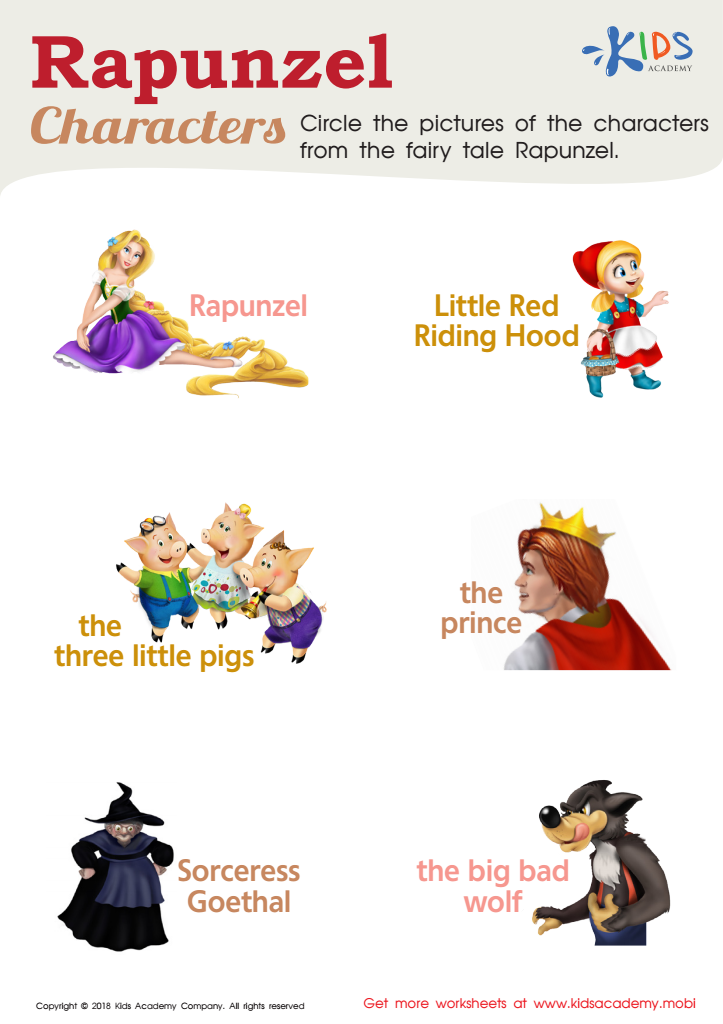
Rapunzel Characters Worksheet
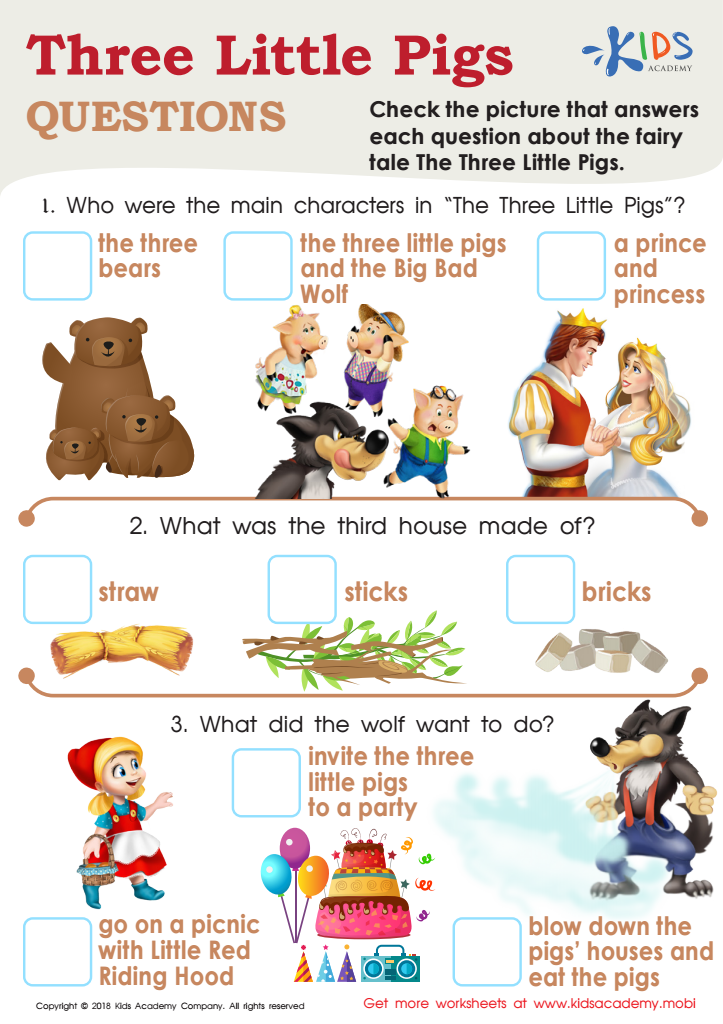
Three Little Pigs Questions Worksheet
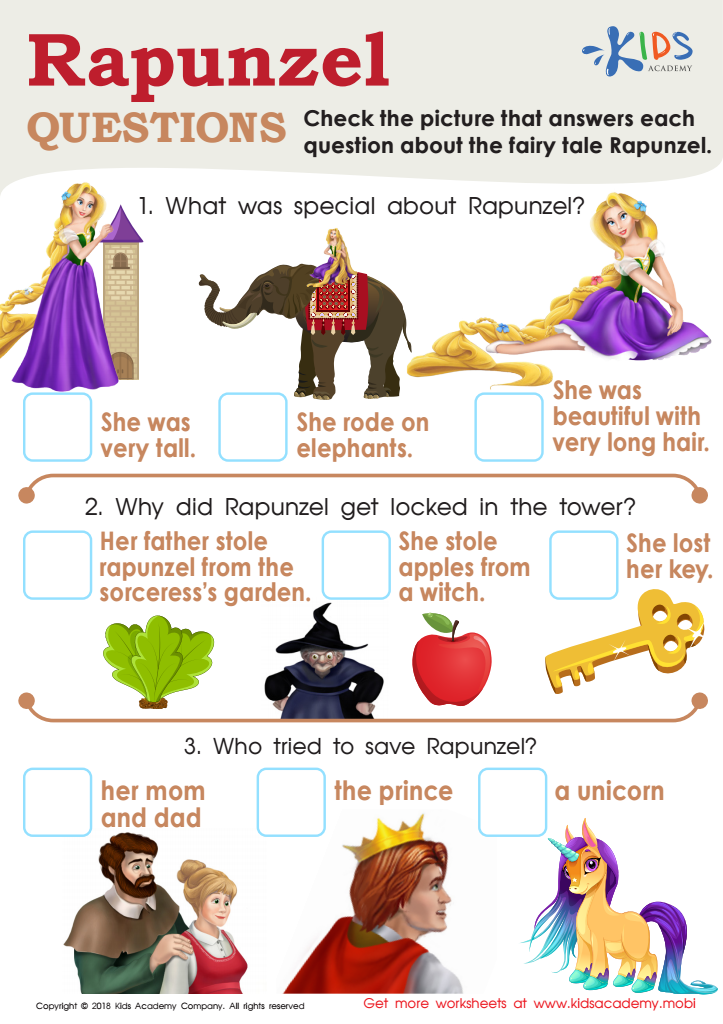
Rapunzel Questions Worksheet
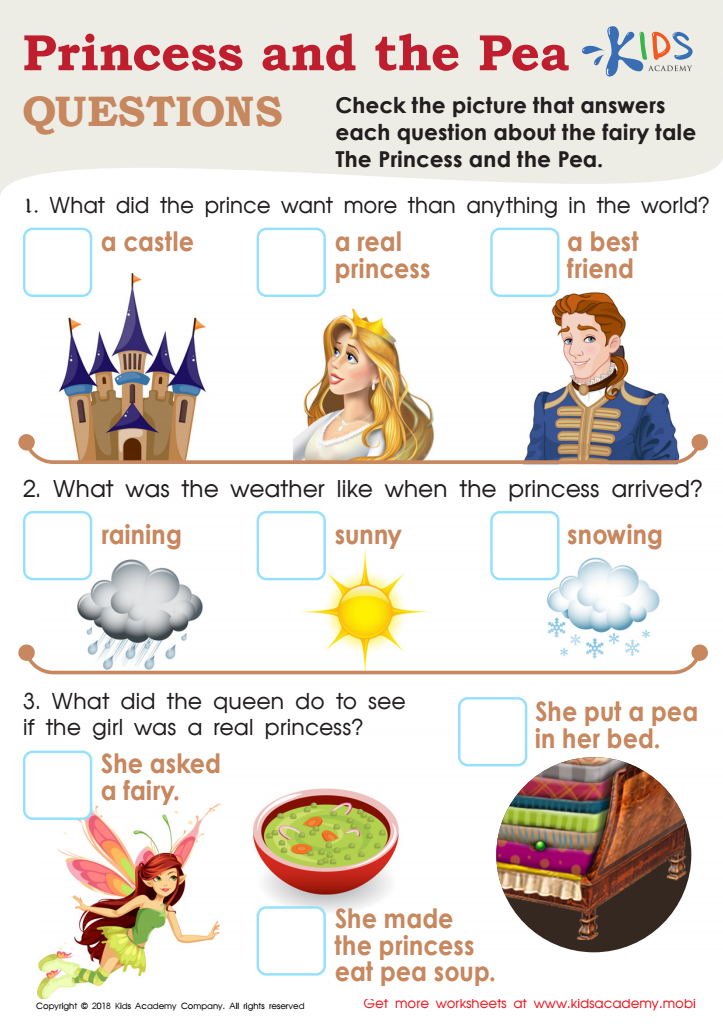
Princess and the Pea Questions Worksheet
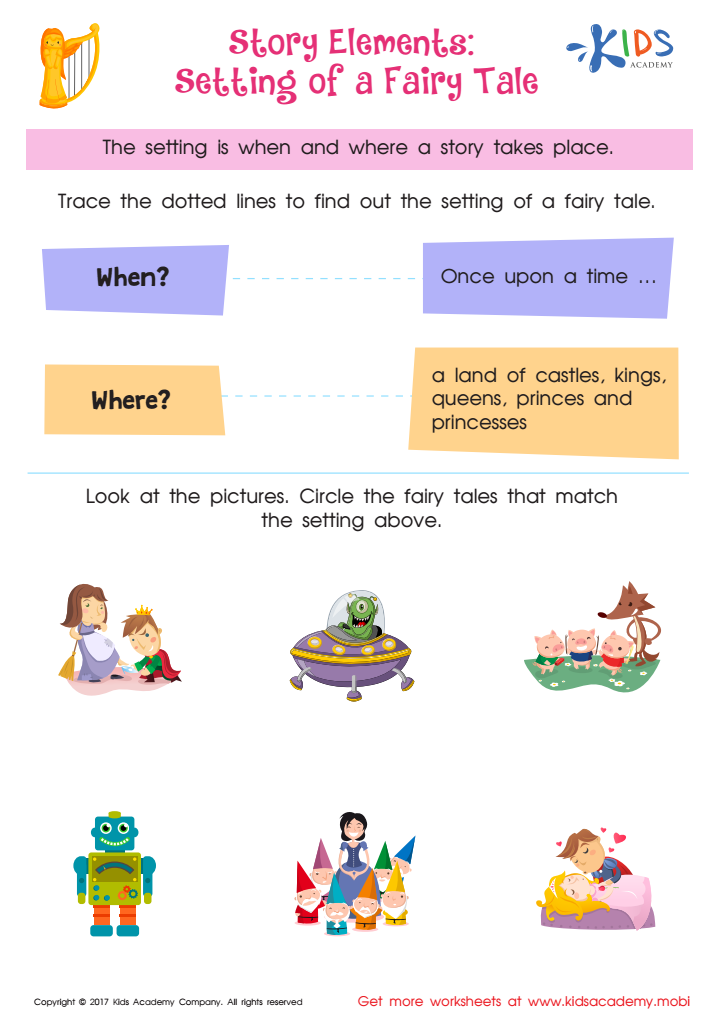
Story Elements: Setting of a Fairy Tale Printable
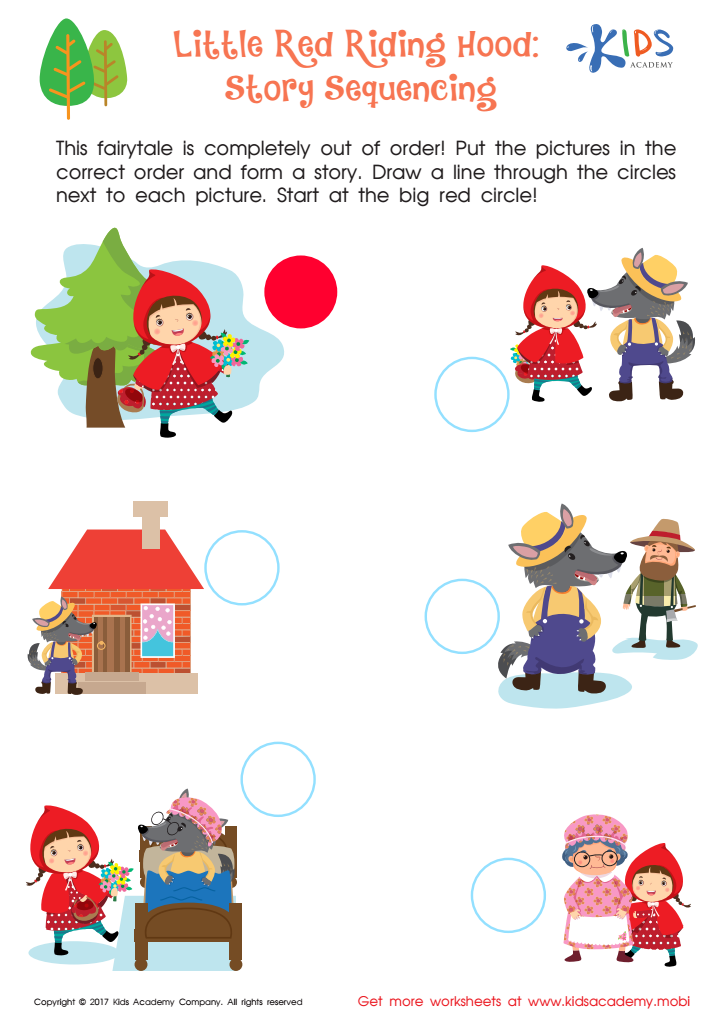
Story Sequencing Printable
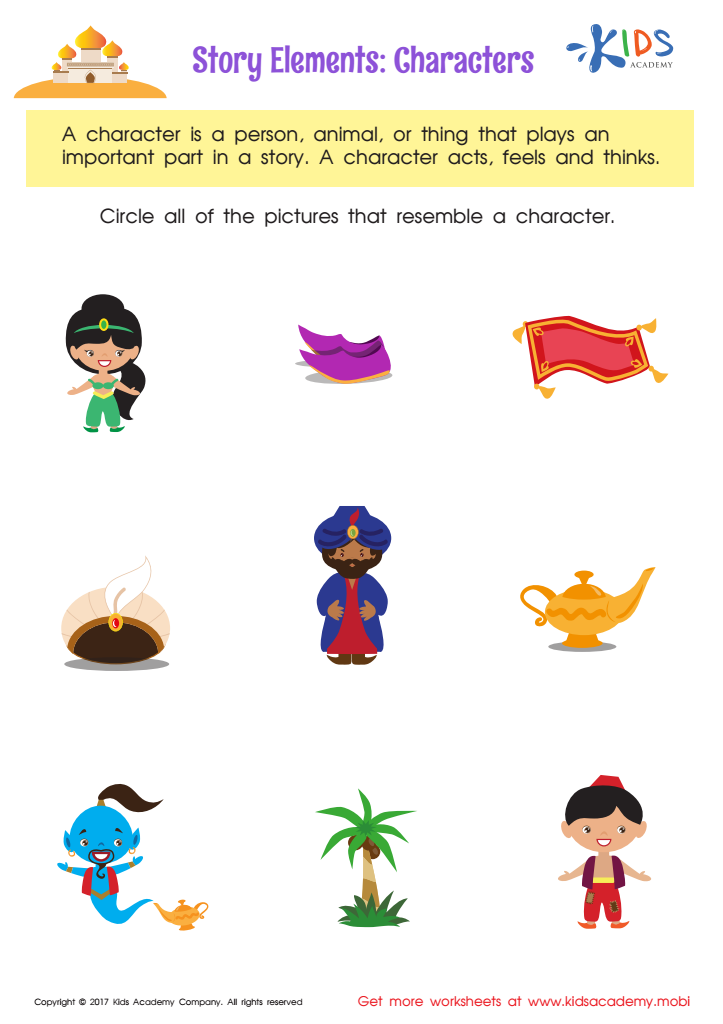
Story Elements Printable
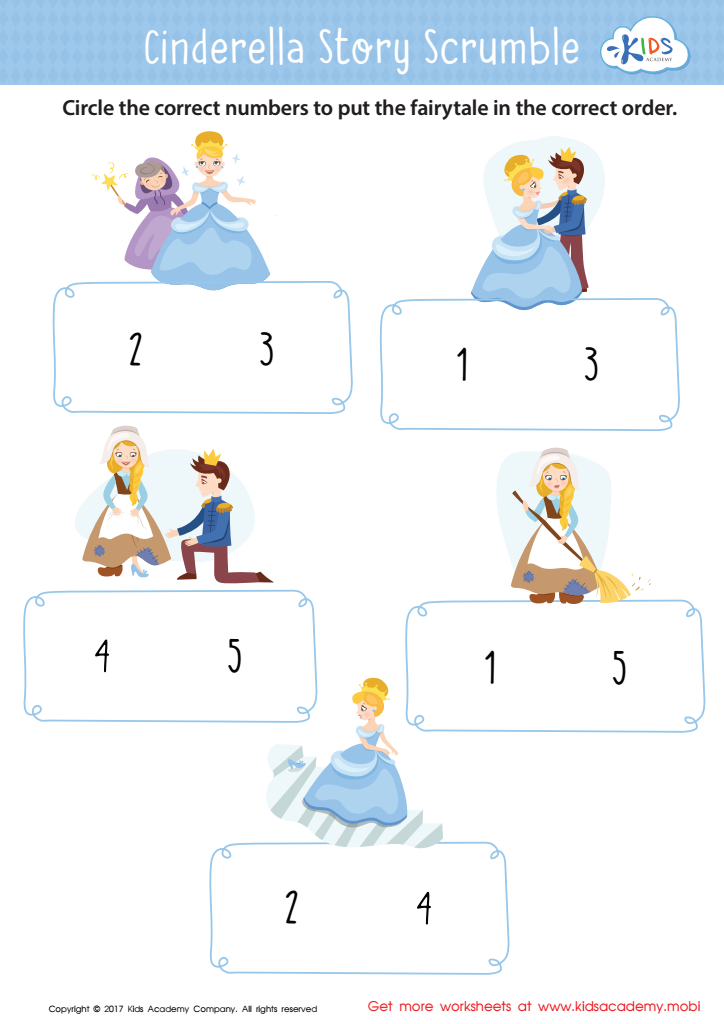
Cinderella Story Sequencing Worksheet






Normal Fairy Tales worksheets activities serve as an invaluable resource in the educational landscape, fostering a myriad of developmental benefits for students. These structured activities not only enhance literacy skills but also stimulate creativity, moral reasoning, and a deeper understanding of cultural heritage.
Firstly, engaging with Normal Fairy Tales worksheets activities facilitates the development of reading and comprehension skills. As students navigate through the enchanting narratives, they are compelled to decode text, understand plot structures, and identify character traits, thereby bolstering their literacy. The repetitive and predictable nature of fairy tales further supports language acquisition, making these activities particularly beneficial for young readers.
Moreover, these worksheets activities are a springboard for creativity. Fairy tales, with their fantastical elements and timeless themes, inspire children to imagine and invent. Through activities such as writing alternative endings, drawing scenes, or creating dialogue for characters, students exercise their creative muscles, fostering a generation of imaginative thinkers.
Ethical development is another significant advantage. Normal Fairy Tales worksheets often prompt discussions on morality, justice, and empathy. By reflecting on the choices made by characters and the consequences of those actions, children learn valuable life lessons about right and wrong. These discussions help cultivate a sense of morality and empathy, traits that are essential in forming well-rounded individuals.
Furthermore, Fairy Tales are windows into various cultures, offering students glimpses into the customs, values, and traditions of different societies. By engaging with these stories through worksheets activities, learners gain cultural awareness and an appreciation for diversity, promoting inclusivity and respect for others.
In conclusion, Normal Fairy Tales worksheets activities are a powerful educational tool. They not only enhance literacy and creative thinking but also contribute to the moral and cultural development of students. By incorporating these activities into the curriculum, educators can provide a holistic learning experience that prepares children for the complexities of the real world.








