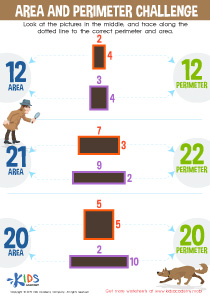
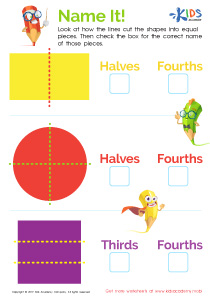
Counting skills 2D Shapes Worksheets for Ages 3-4
5 filtered results
-
From - To
Help your little learners master early math with our Counting Skills 2D Shapes Worksheets, designed for children ages 3-4. These engaging and colorful worksheets from Kids Academy will introduce your child to fundamental counting concepts while exploring various 2D shapes. Each activity encourages kids to identify, count, and color shapes, enhancing their recognition, hand-eye coordination, and fine motor skills. Perfect for beginner learners, these printables make learning fun and interactive, setting a positive foundation for future math success. Download our free worksheets today and watch your preschooler's confidence and counting proficiency grow!
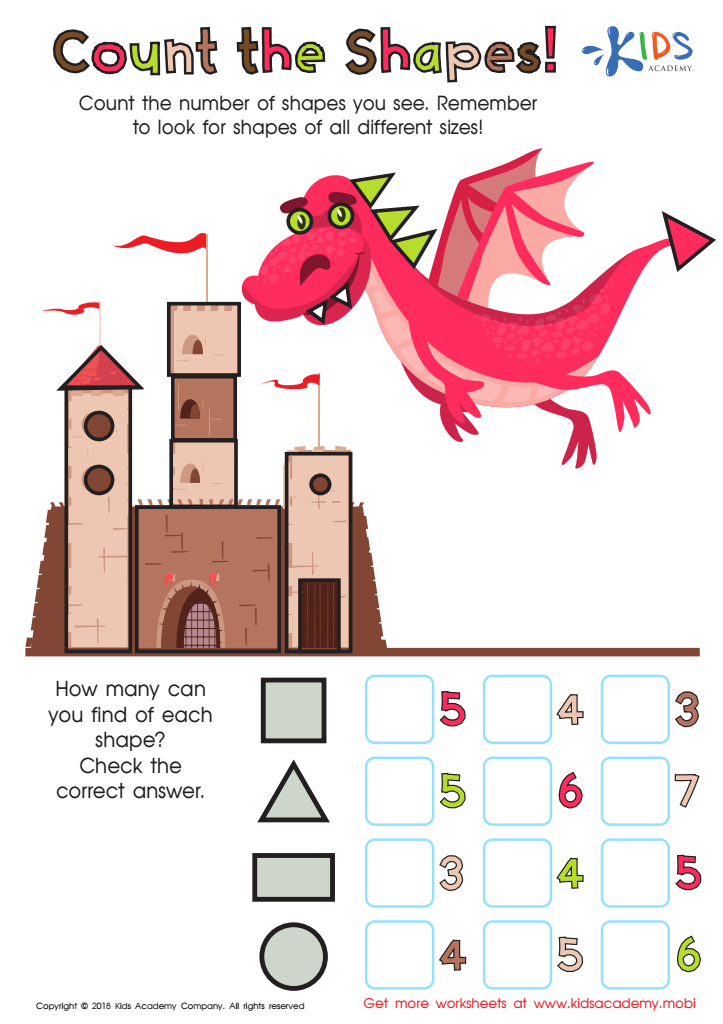
Count the Shapes Worksheet
 Assign to My Students











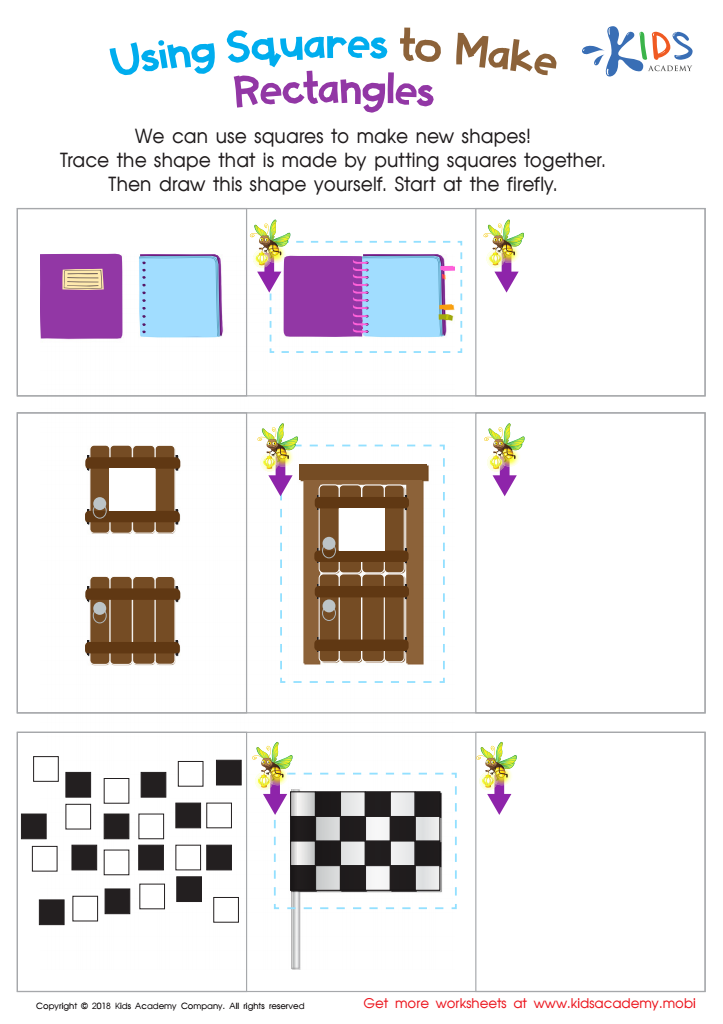
Using Squares to Make Rectangles Worksheet
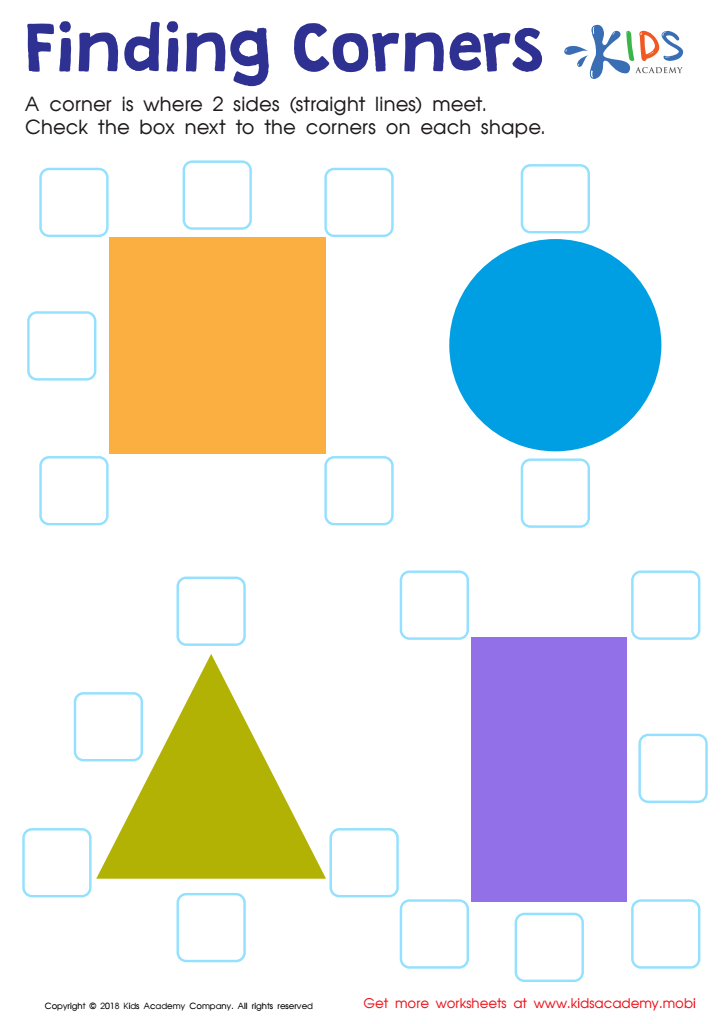
Finding Corners Worksheet
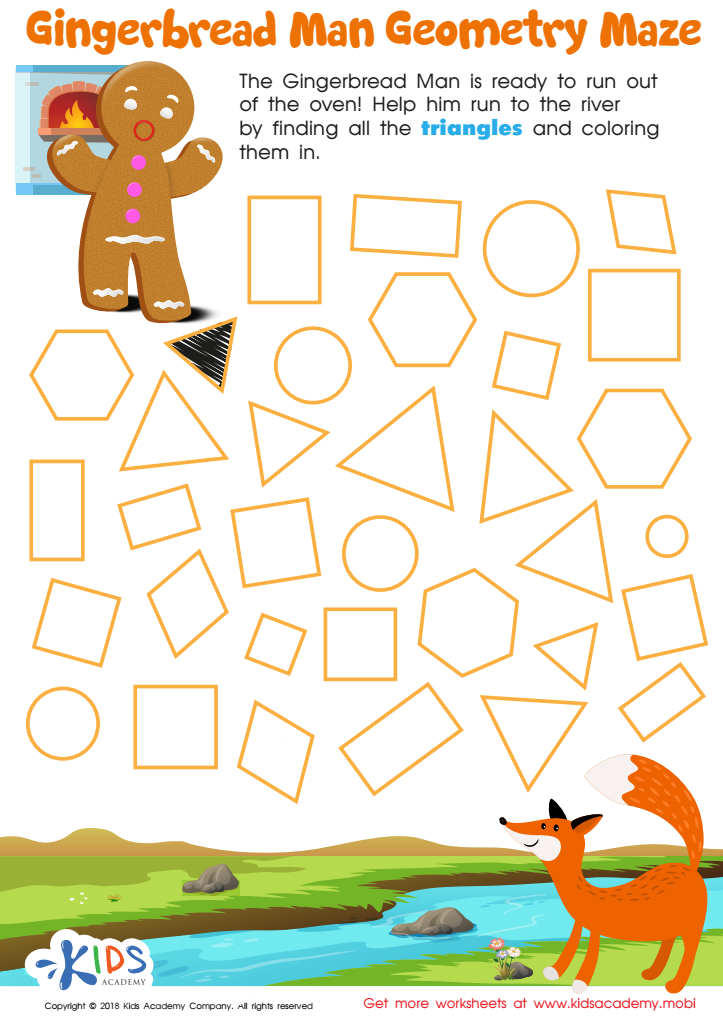
Gingerbread Man Geometry Maze Worksheet
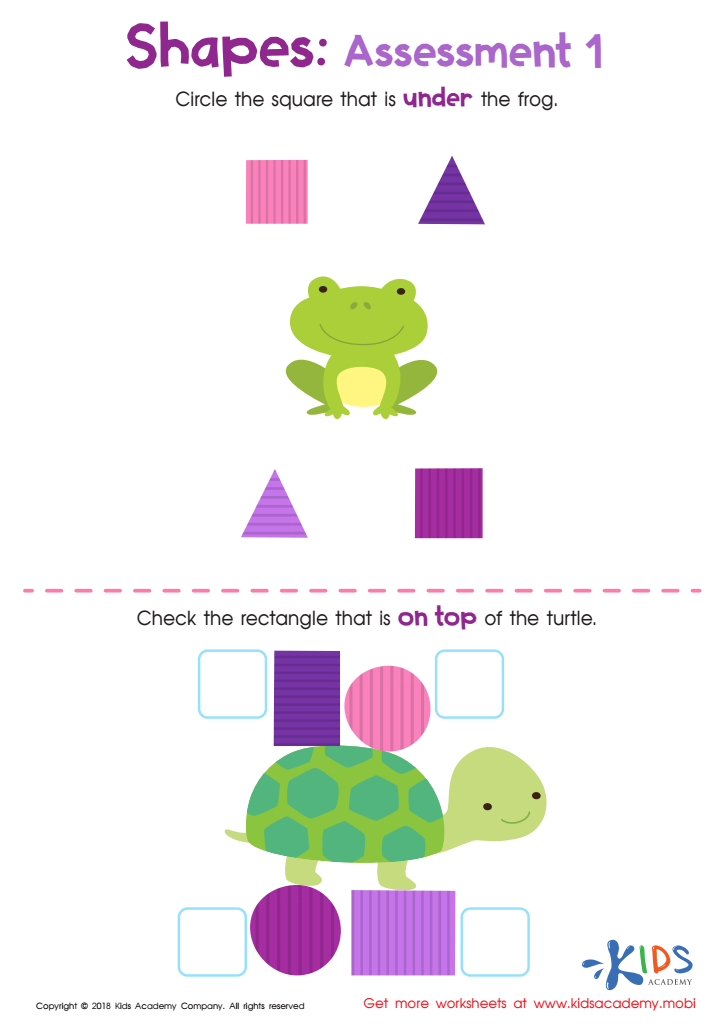
Geometry – Assessment 1 Worksheet








Counting skills and understanding 2D shapes are foundational elements of early childhood math education that parents and teachers should prioritize for several compelling reasons.
Firstly, developing counting skills in children ages 3-4 builds a strong numerical foundation. This age is a critical period for brain development, and learning to count enhances cognitive abilities such as memory, attention, and problem-solving. Counting introduces basic concepts of mathematics, which are vital for future learning in more complex subjects like arithmetic and algebra.
Secondly, recognizing and understanding 2D shapes is equally crucial. It not only introduces children to geometry but also assists in developing their spatial awareness. Recognizing shapes such as circles, squares, and triangles helps children learn to categorize and organize their surroundings, boosting their observational skills. When they differentiate between these shapes, they improve their language skills through the use of descriptive vocabulary.
Moreover, these early math skills lay the groundwork for logical reasoning. Counting and shape recognition involve patterns, measurements, and spatial reasoning. These skills are foundational for daily tasks and advanced mathematics, impacting their future academic success and daily life activities.
Engaging children in counting and shape activities can be fun and interactive, fostering a love for learning while simultaneously developing their cognitive skills. Therefore, parents and teachers should incorporate these essential math skills to pave the way for holistic development.