Community Worksheets for Ages 3-6 - Page 2
30 filtered results
-
From - To
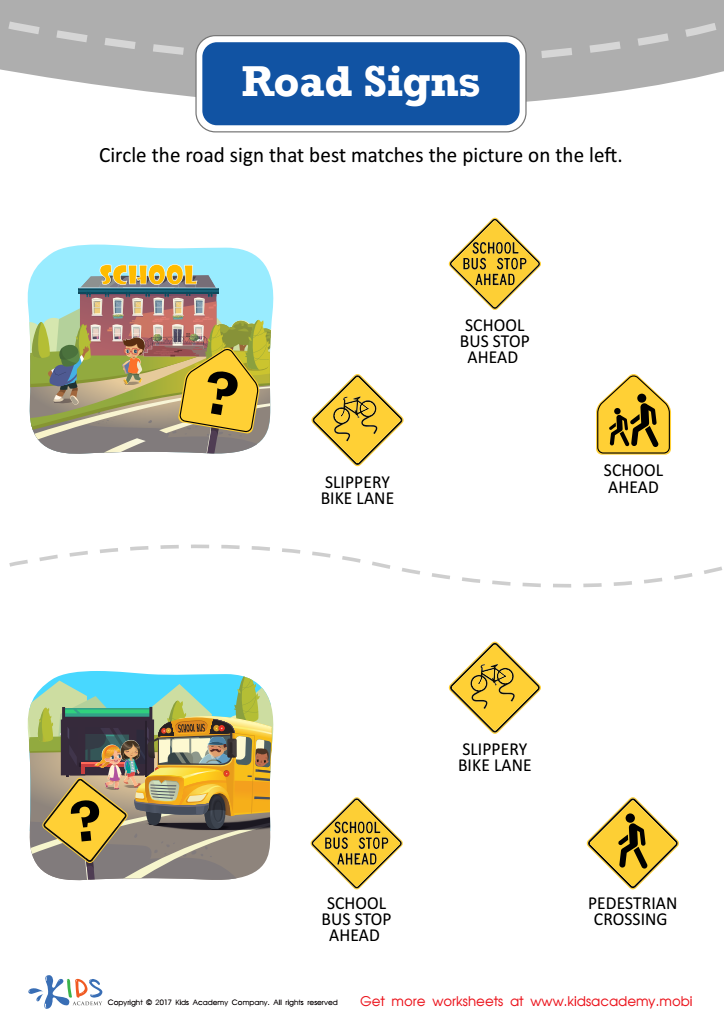
Road Signs (Part 1) Worksheet
 Assign to My Students
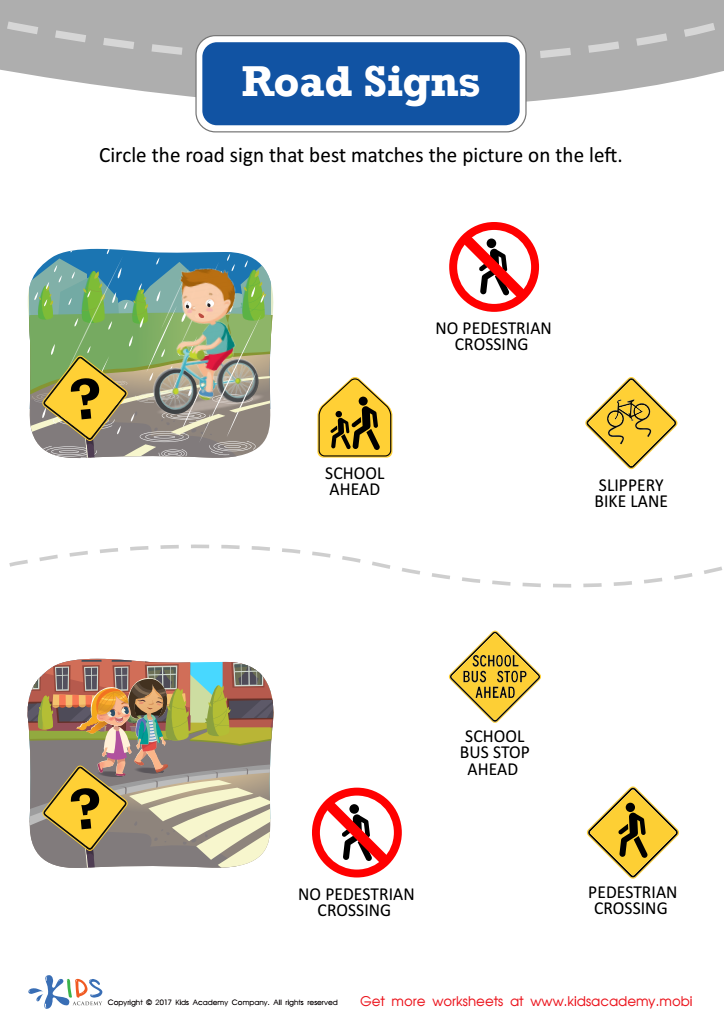
Road Signs (Part 2) Printable
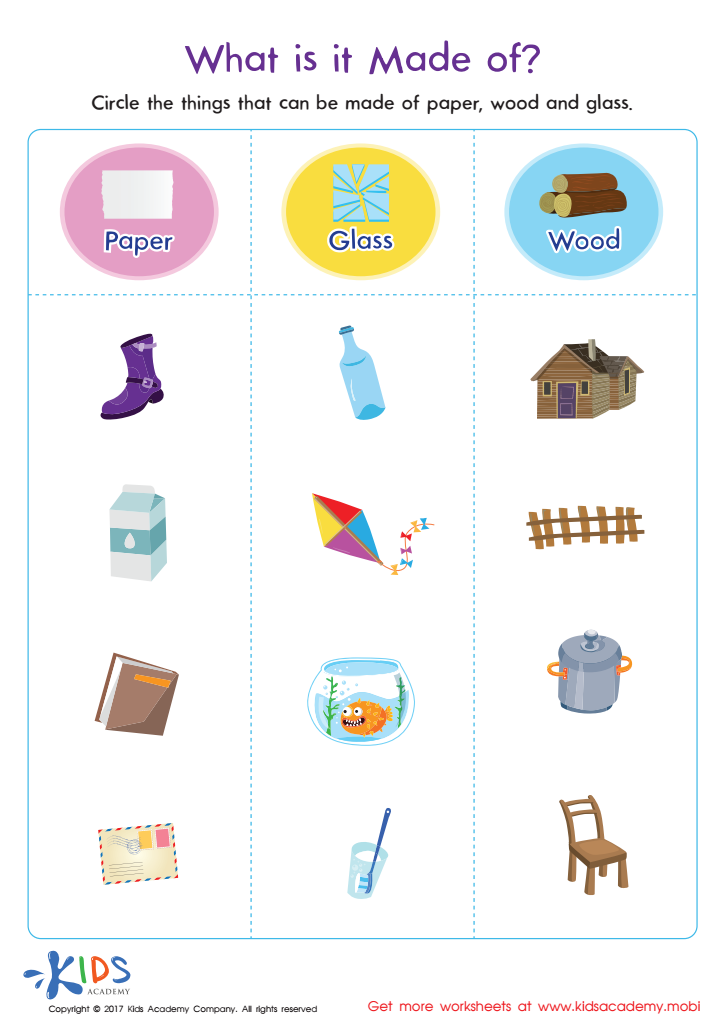
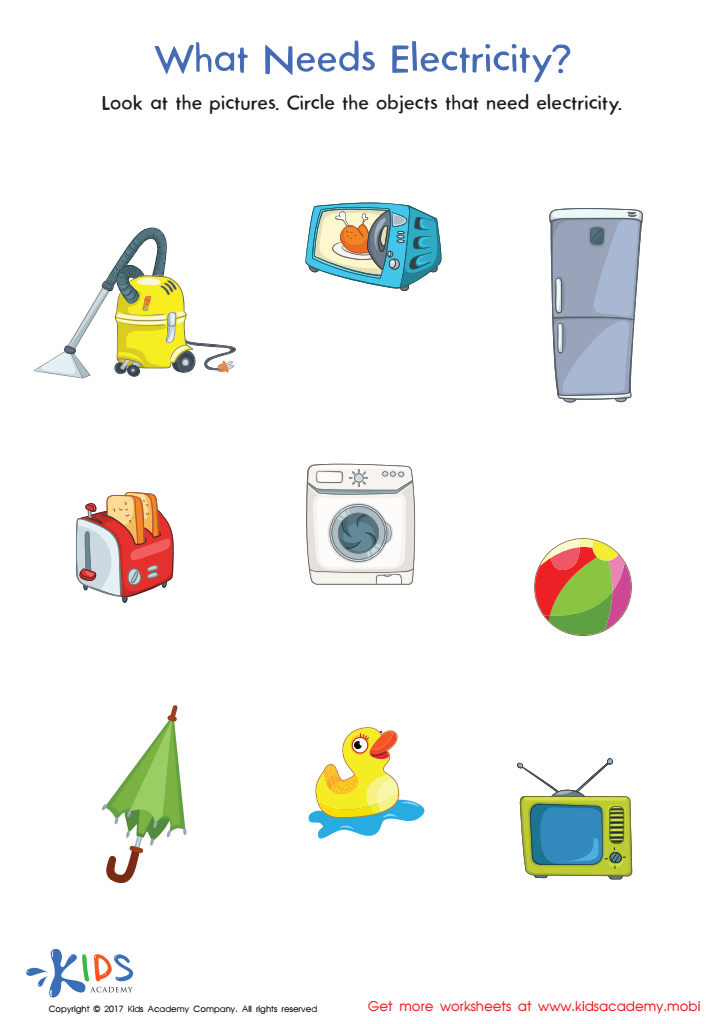
What Needs Electricity Printable
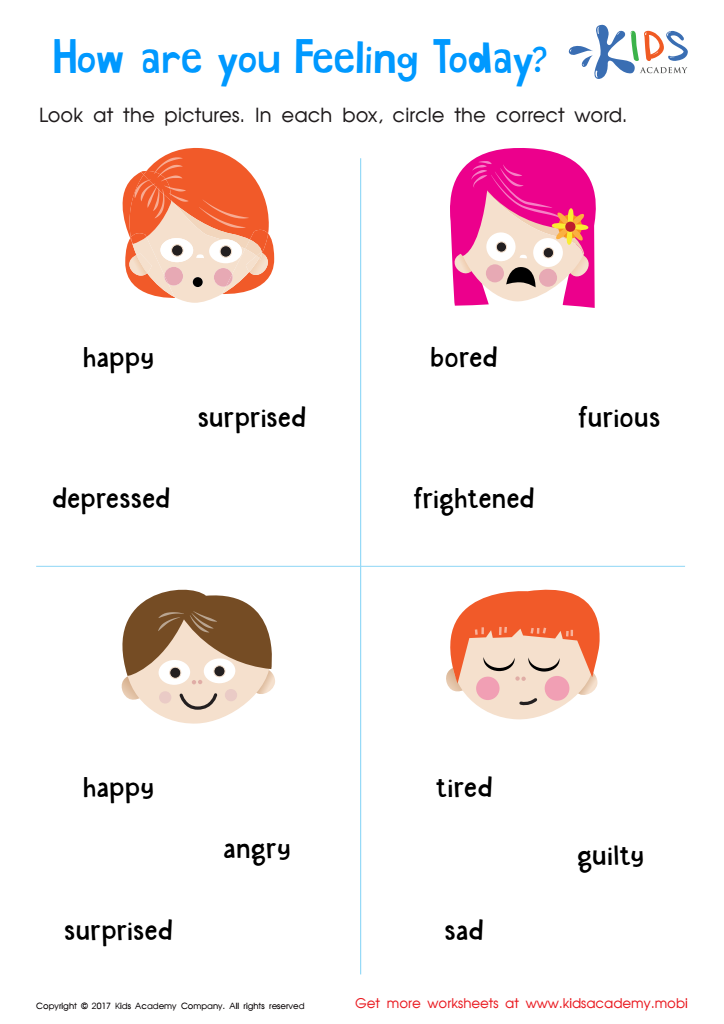
Understanding Feelings Worksheet
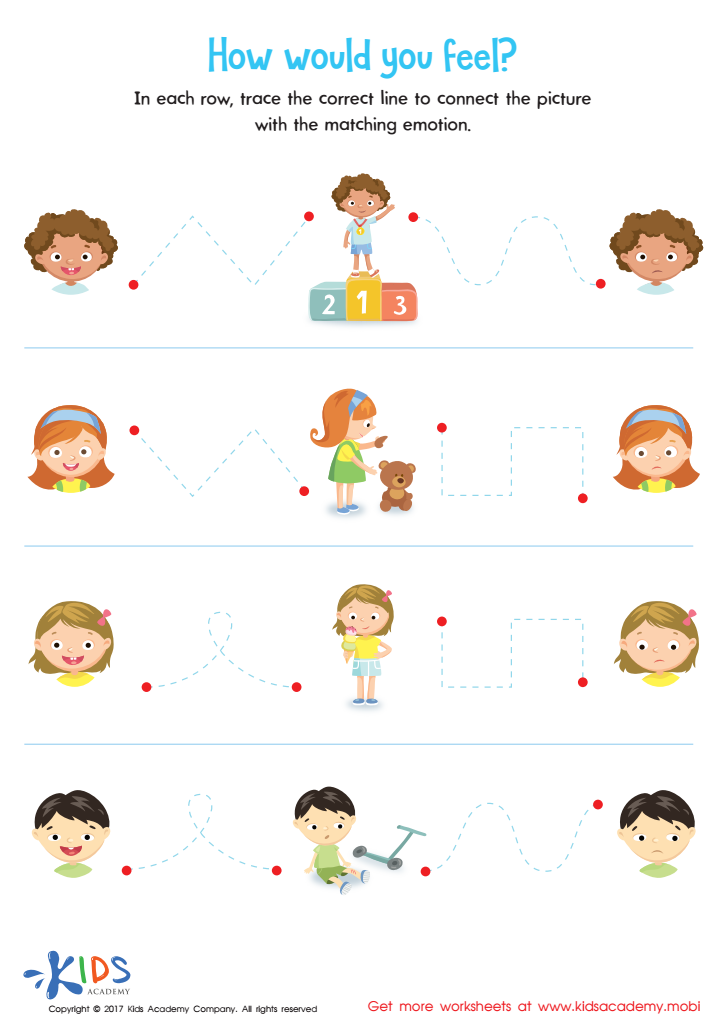
Feelings and Emotions Worksheet


.jpg)





Parents and teachers should care about community for children aged 3-6 because it plays a crucial role in their social, emotional, and cognitive development. At this formative stage, children are beginning to understand their place in the world and how to interact with others. A supportive community provides a safe and nurturing environment where young children can build strong relationships and develop a sense of belonging.
Positive community interactions foster essential social skills such as cooperation, empathy, and communication, which are vital as children begin to navigate friendships and group dynamics. Participating in community activities, such as playgroups or parent-child workshops, allows children to engage with peers and diverse adult role models, enriching their learning experiences and broadening their understanding of different perspectives.
Furthermore, active involvement in the community signals to children that they are valued members of society, bolstering their self-esteem and encouraging them to contribute positively. Lastly, strong community connections often provide families with resources and support, fostering a shared environment that benefits everyone. By cultivating a vibrant community, parents and teachers can lay the foundations for not only academic success but also well-rounded, compassionate individuals.