Letter I Worksheets for Ages 3-7
5 filtered results
-
From - To
Welcome to our engaging “Letter I Worksheets” designed specifically for children ages 3-7! Our fun and interactive worksheets provide young learners with a delightful introduction to the letter I, helping them develop essential literacy skills. Kids will strengthen their letter recognition, phonics, and handwriting through various activities, including coloring, tracing, and identifying words that begin with the letter I. Each worksheet is crafted to foster creativity and make learning enjoyable. Perfect for home and classroom use, these printable resources support early education and encourage lively practice. Get started on your child's literacy journey today with our vibrant letter I worksheets!
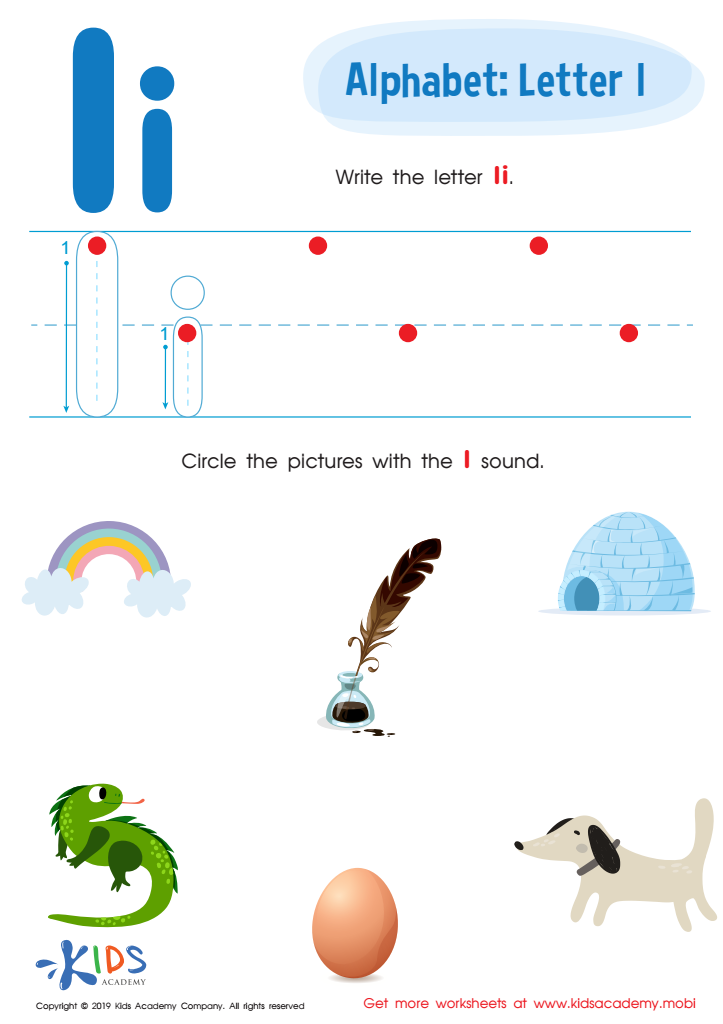
Letter I Tracing Worksheet
 Assign to My Students
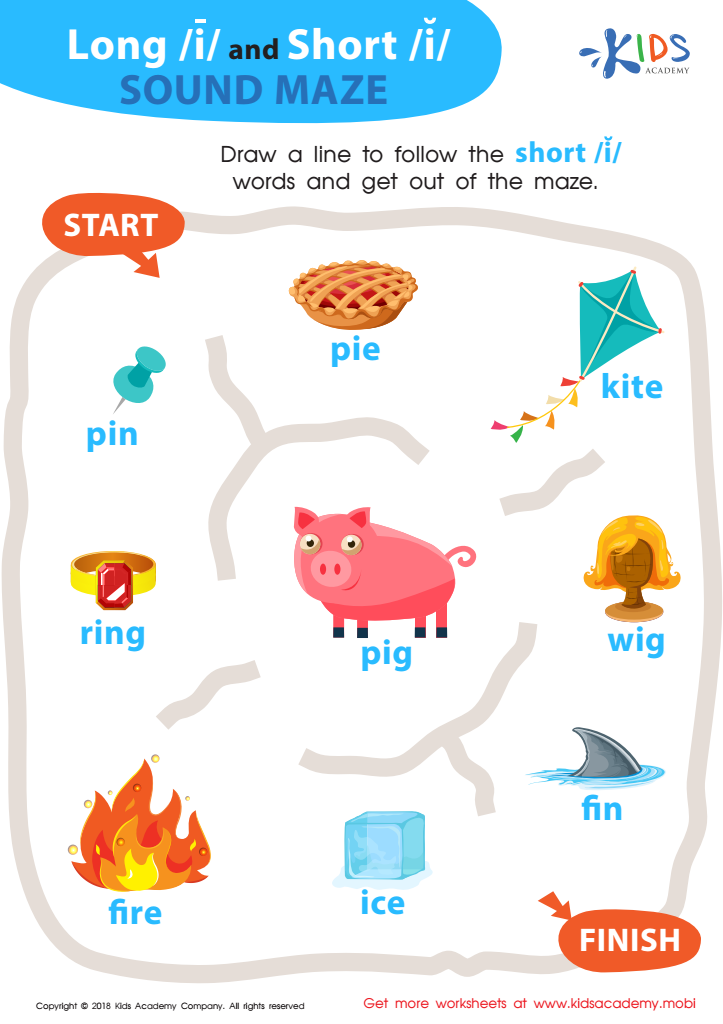
Reading: Long I and Short I Sound Maze Worksheet
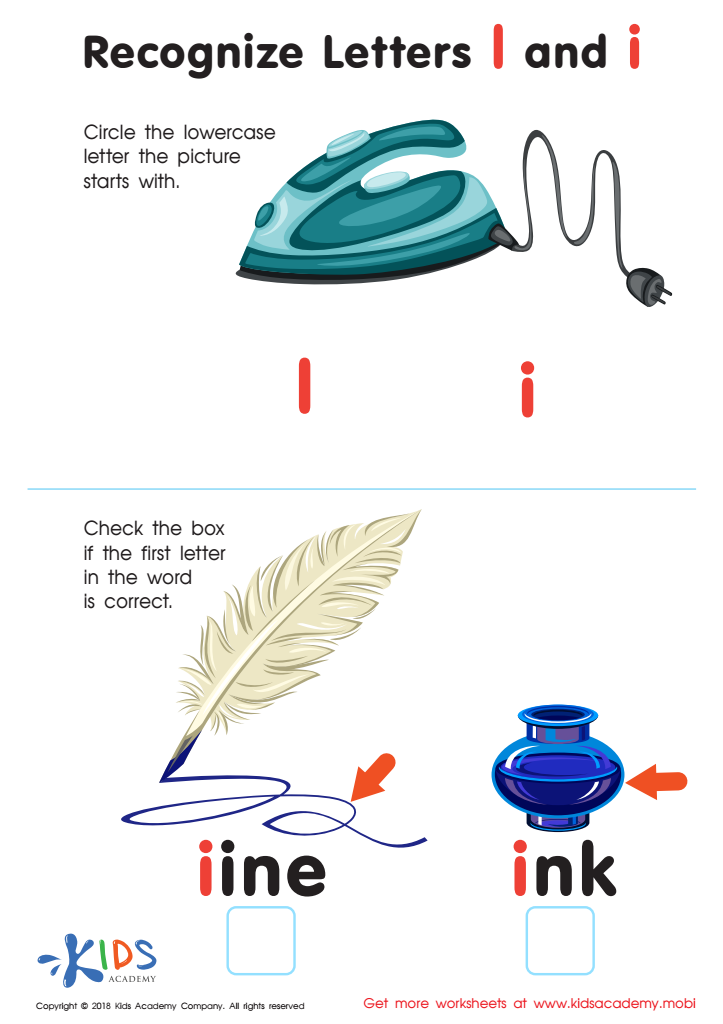
Recognize Letters l and i Worksheet
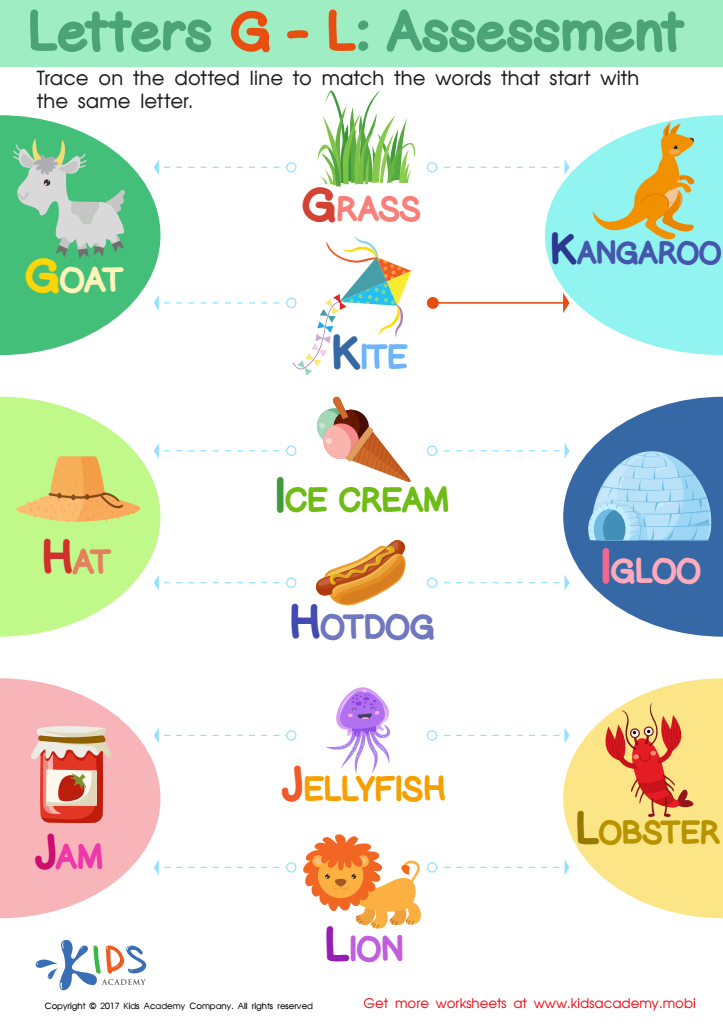
Letters G-L Worksheet
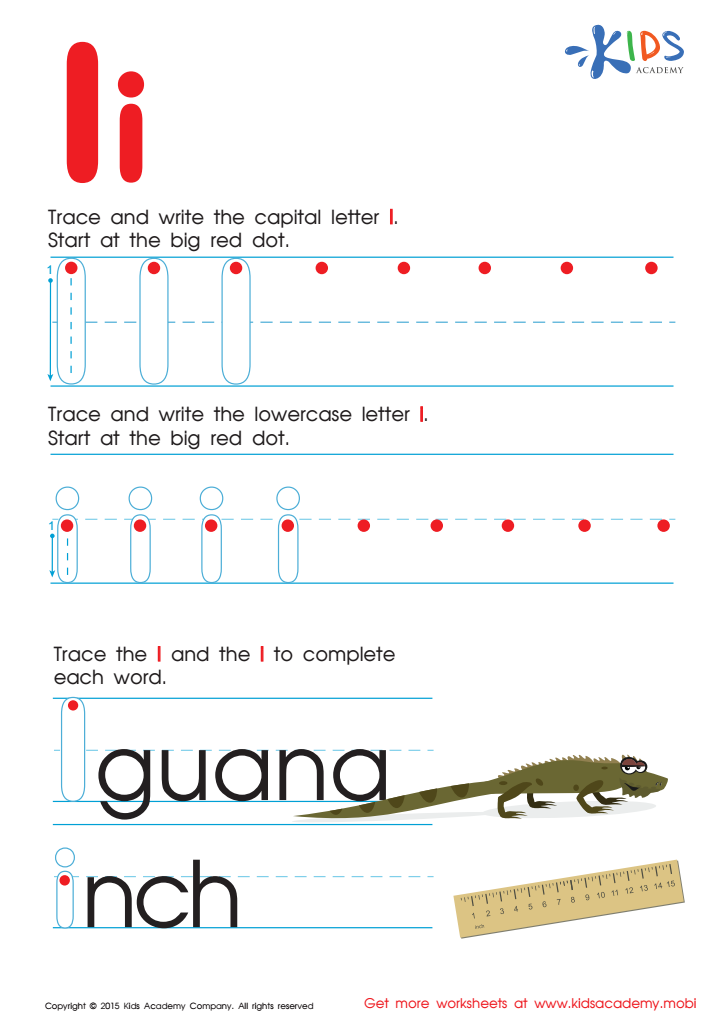
Letter I Tracing Page






The letter “I” is a crucial part of early literacy development for children aged 3-7. Teaching children the letter "I" introduces them to fundamental phonetic concepts, helping them recognize vowel sounds, which are essential for reading and writing. As children explore the letter "I," they also learn how to differentiate between uppercase and lowercase forms, enhancing their understanding of letter shapes and also developing fine motor skills through writing practice.
Furthermore, the letter "I" opens a gateway to vocabulary-building. Words like "ick," "is," and "igloo" encourage phonemic awareness and exemplify how letters form sounds, facilitating rhyming and sound blending activities.
Socially and emotionally, recognizing “I” fosters self-identity. For instance, “I” serves as a personal pronoun, teaching children the importance of expressing themselves and their feelings.
Creating fun and interactive activities that focus on the letter "I," such as art projects or songs, can significantly increase engagement. Parents and teachers together can promote enthusiasm for literacy and language exploration, laying foundational skills that benefit academic performance and encourage a lifelong love for reading. By caring about the letter "I," we nurture children’s cognitive, linguistic, and emotional growth.