Letter U Worksheets for Ages 3-7
5 filtered results
-
From - To
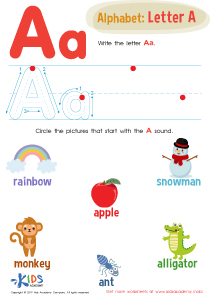
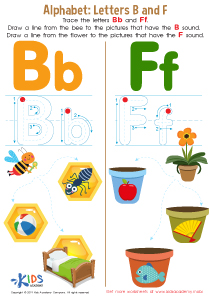
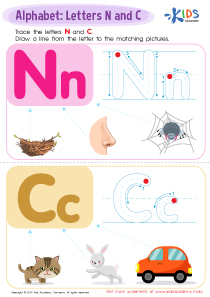
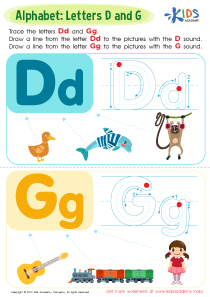
Explore our engaging collection of "Letter U Worksheets" tailored for children ages 3-7. Through fun activities such as tracing, coloring, and identifying the letter, your child will develop essential early literacy skills. Our worksheets are designed to be both educational and entertaining, encouraging young learners to recognize and write the letter U with confidence. Whether in the classroom or at home, these printable tools provide a solid foundation for reading and writing. Foster a love for learning in your child by incorporating our expertly crafted worksheets into their daily routine. Visit our page and get started today!
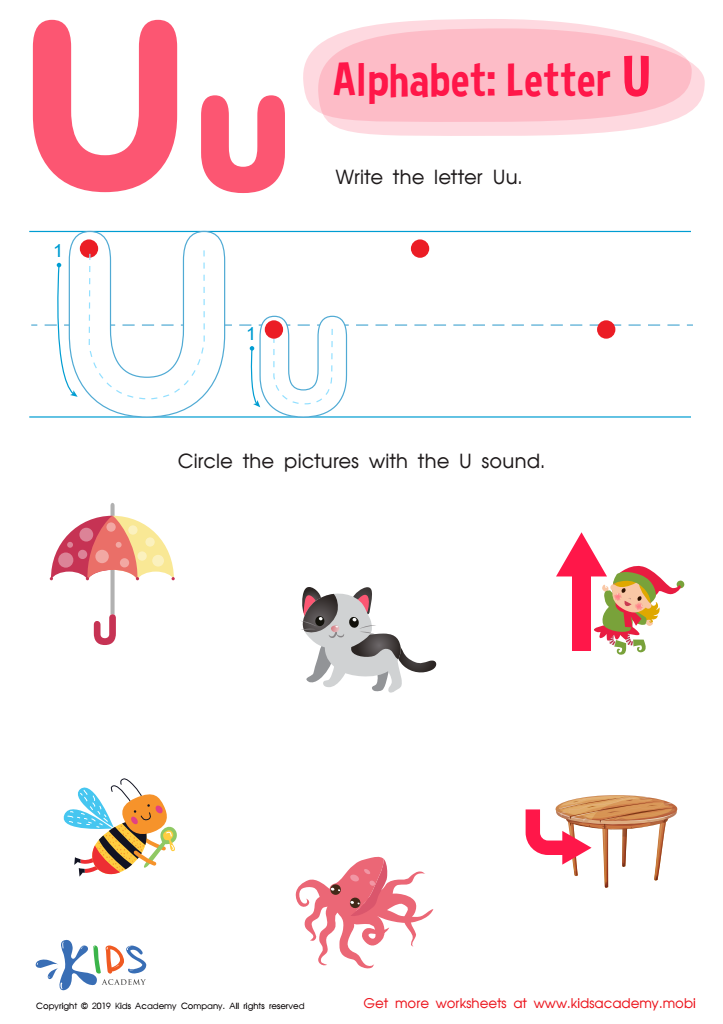
Letter U Tracing Worksheet
 Assign to My Students
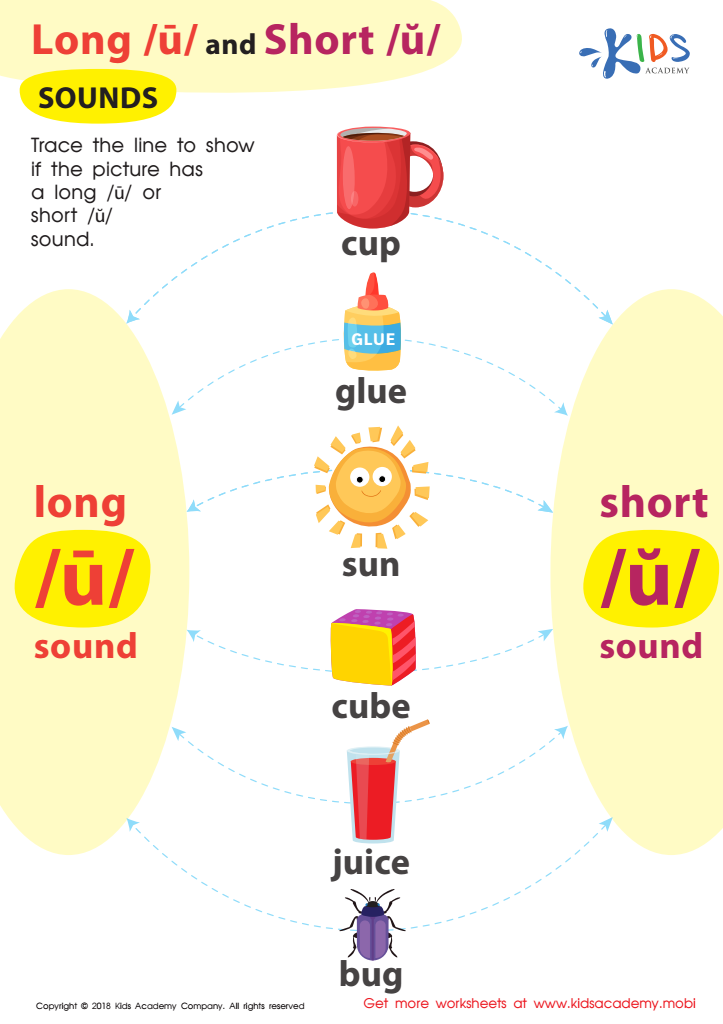
Reading: Long U and Short U Sounds Worksheet
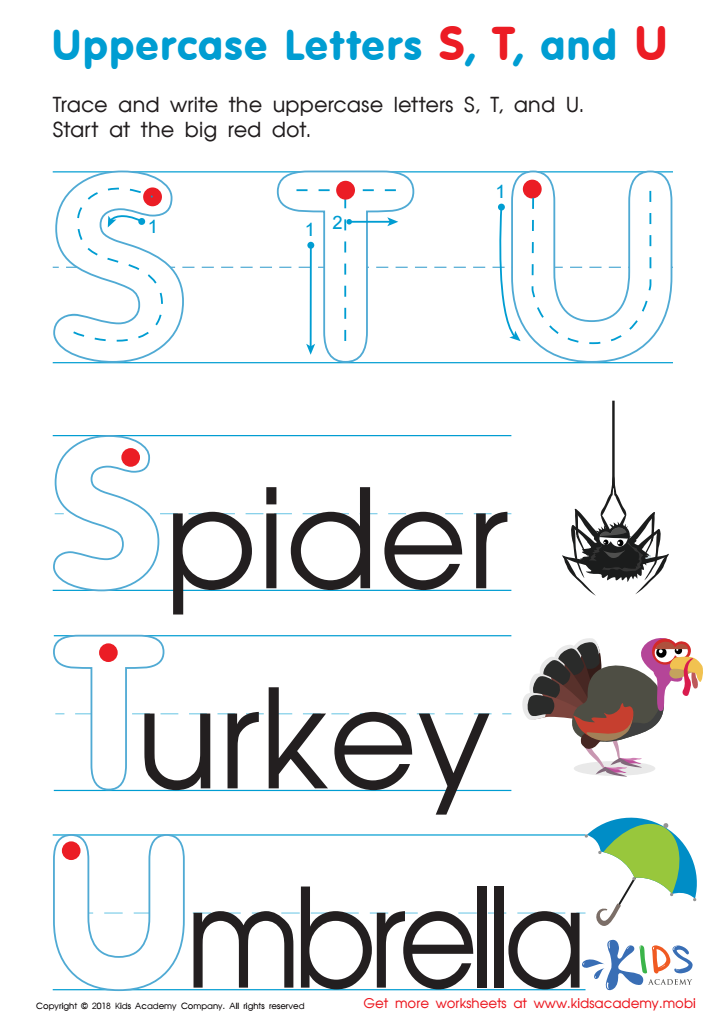
Uppercase Letters S, T, and U Worksheet
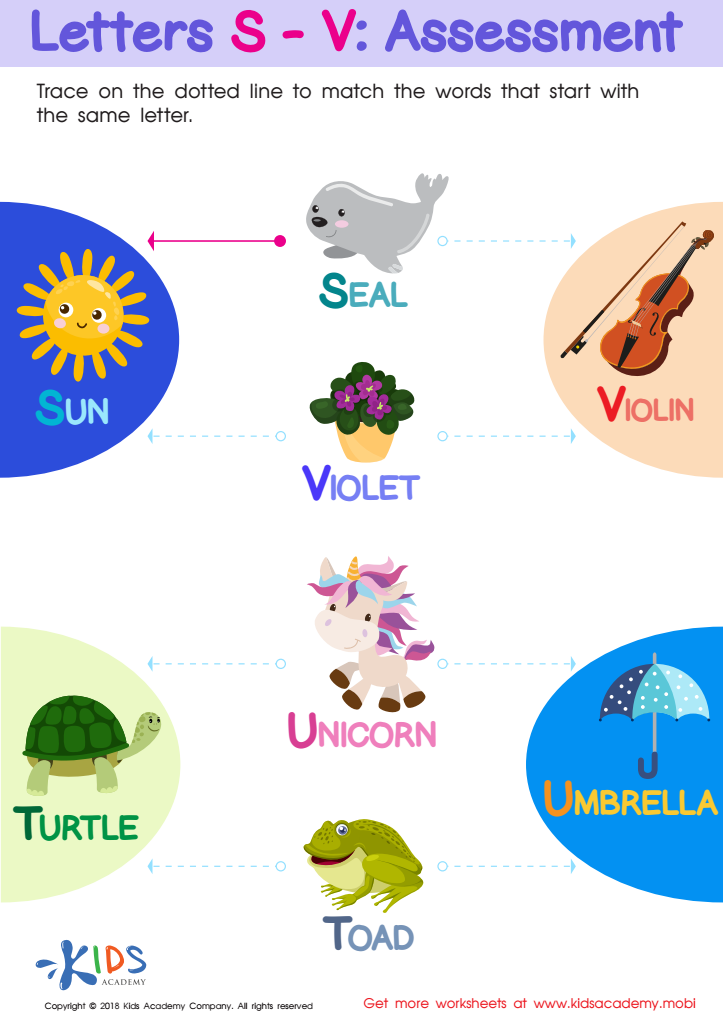
Letters S - V Tracing Worksheet
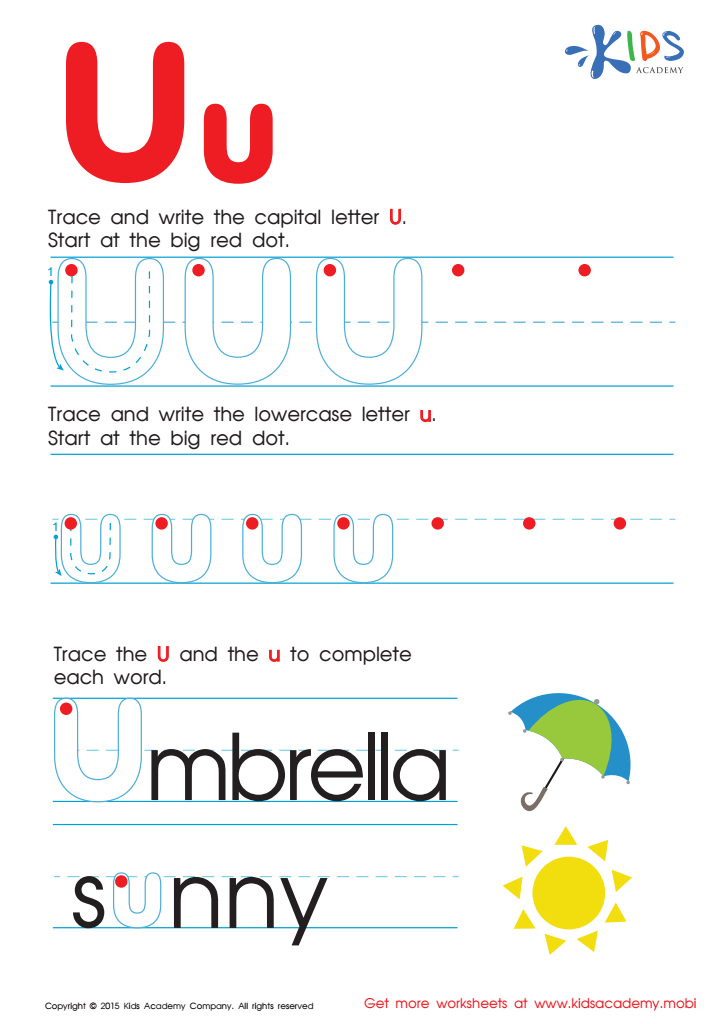
Letter U Tracing Page





Teaching young children about the letter 'U' is essential for several reasons that contribute to their early literacy skills and language development. At ages 3-7, children are in the crucial period of developing foundational academic abilities, and understanding letters is a key component of this stage. Here are some specific reasons why parents and teachers should focus on the letter 'U':
-
Literacy Development: Recognizing the letter 'U' helps children in distinguishing different letters and sounds which is fundamental for reading. Early familiarity with the alphabet supports phonemic awareness, a predictor of future reading success.
-
Vocabulary Expansion: Learning the letter 'U' introduces children to words starting with 'U,' enriching their vocabulary. Words like 'umbrella,' 'under,' and 'unicorn' become easily recognizable and help in context usage.
-
Phonics Skills: Understanding the 'U' sound helps with phonics, which ties into both reading and spelling abilities. This foundation is important for understanding vowel sounds and diphthongs, like in the words 'sun' or 'blue.'
-
Critical Thinking: The act of associating specific words with the letter 'U' fosters critical thinking and decoding skills. Activities that involve searching for 'U' words or objects that start with 'U' can enhance cognitive functions and reasoning.
For these reasons, incorporating the letter 'U' into early childhood education through engaging activities, songs, and games is particularly valuable for children's overall academic and cognitive growth.