
Community Worksheets for Ages 3-7 - Page 6
121 filtered results
Difficulty Level
Grade
Age
-
From - To
Subject
Activity
Standards
Favorites
With answer key
Interactive
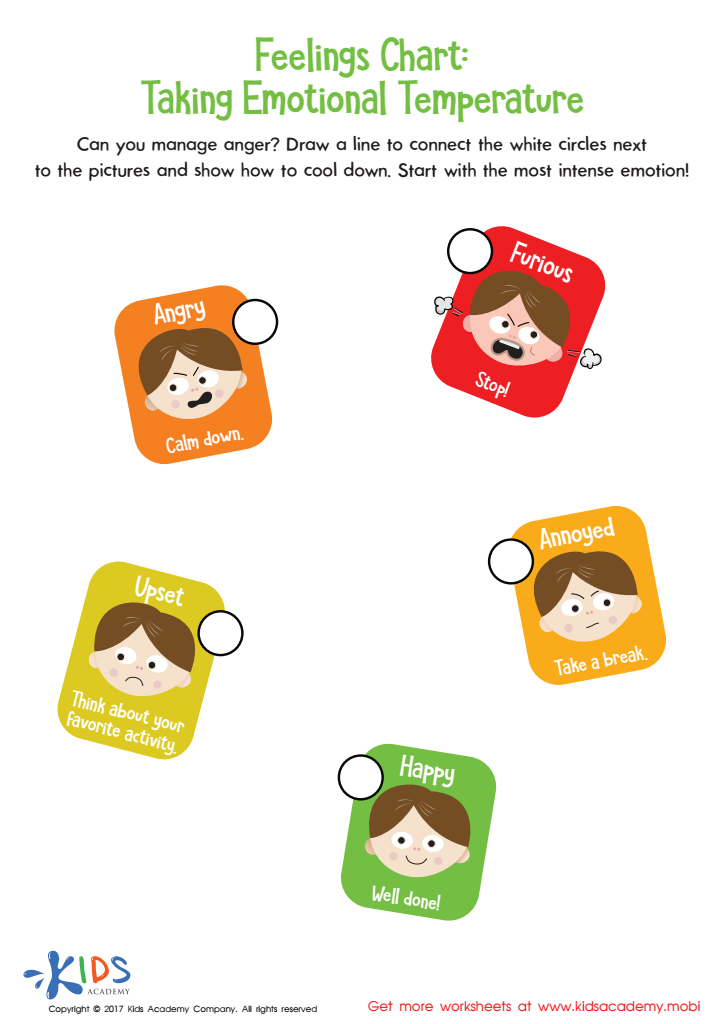
Feelings Chart Worksheet
Anger can be tricky to manage, so help your child learn techniques for coping. Use this feelings chart worksheet which leads them through identifying the most intense face and connecting the dots to help them calm down.
 Assign to My Students
Feelings Chart Worksheet
Worksheet
Join Kids Academy for Free
Who is primarily going to use this learning content?








Community plays a crucial role in the development of children aged 3-7, making it essential for parents and teachers to prioritize it. During these formative years, children are not just learning academics; they are also developing social skills, emotional intelligence, and a sense of belonging. A supportive community fosters positive interactions, encouraging children to share, cooperate, and empathize, which are vital skills for their future.
When parents and teachers engage with the community, they create a network of support that enriches the child’s experience. Access to diverse perspectives and shared resources can complement educational efforts, providing additional opportunities for learning and personal growth. In community settings, children gain exposure to different cultures, ideas, and lifestyles, fostering open-mindedness and inclusivity.
Moreover, a strong sense of community helps to alleviate stress and provides safety, as children feel secure knowing they are part of a larger network. When parents and teachers collaborate with local organizations, libraries, and recreational facilities, they can introduce children to enriching programs and activities beyond the classroom. By investing in community, parents and teachers are not only supporting individual growth but also nurturing future citizens who value connection, collaboration, and respect within society.








