Reading Non-Fiction Worksheets for Ages 4-7
74 filtered results
-
From - To
Introduce young learners to the world of factual information with our "Reading Non-Fiction Worksheets for Ages 4-7." These engaging and educational worksheets are designed to develop core reading skills while cultivating a love for learning. Featuring age-appropriate topics, vibrant images, and simple texts, kids will explore various subjects ranging from animals to science. Each worksheet promotes comprehension, critical thinking, and curiosity about the real world. Perfect for classroom or home use, our non-fiction resources support early literacy development and prepare children for a lifetime of informed reading. Empower your young readers today with Kids Academy worksheets.

Towns Worksheet
 Assign to My Students
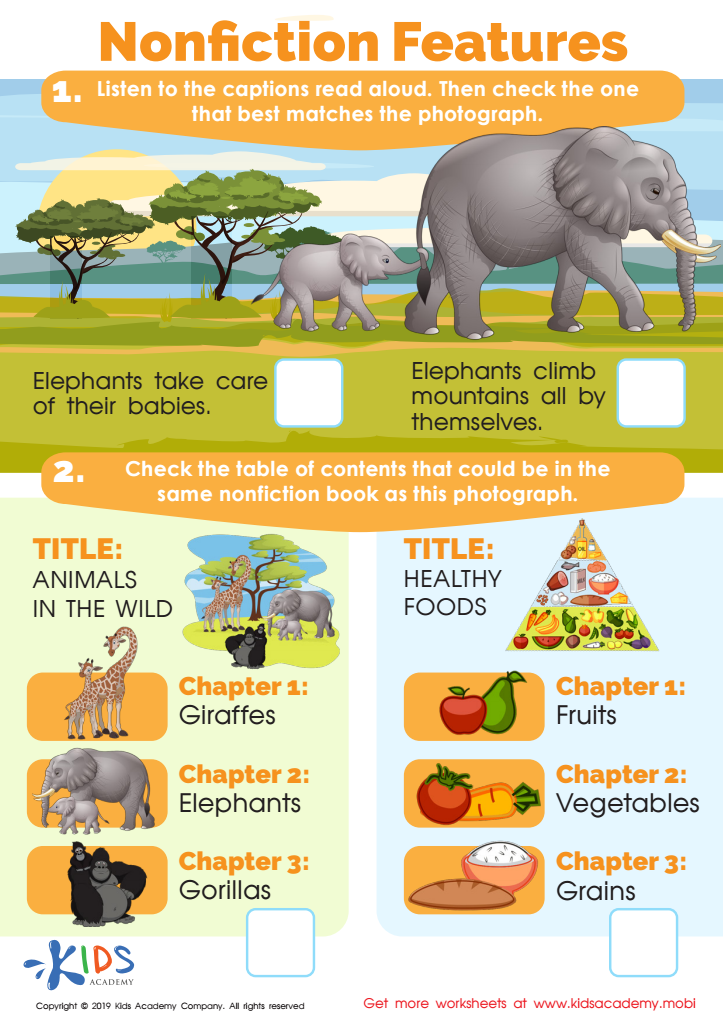
Nonfiction Features Worksheet
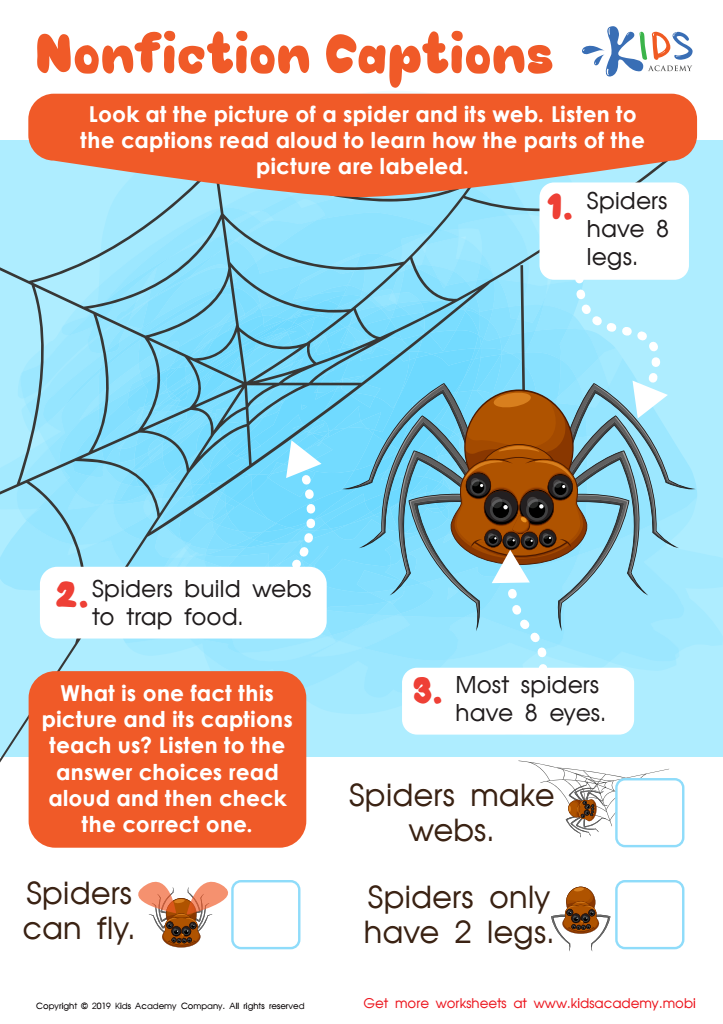
Nonfiction Captions Worksheet
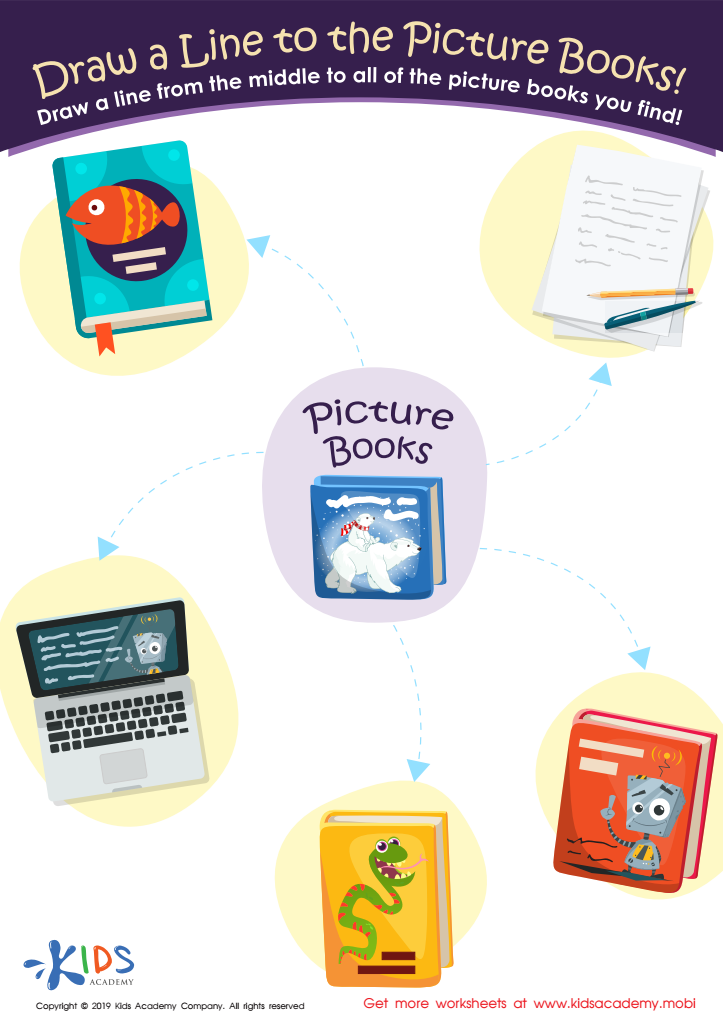
Draw a Line to the Picture Books Worksheet
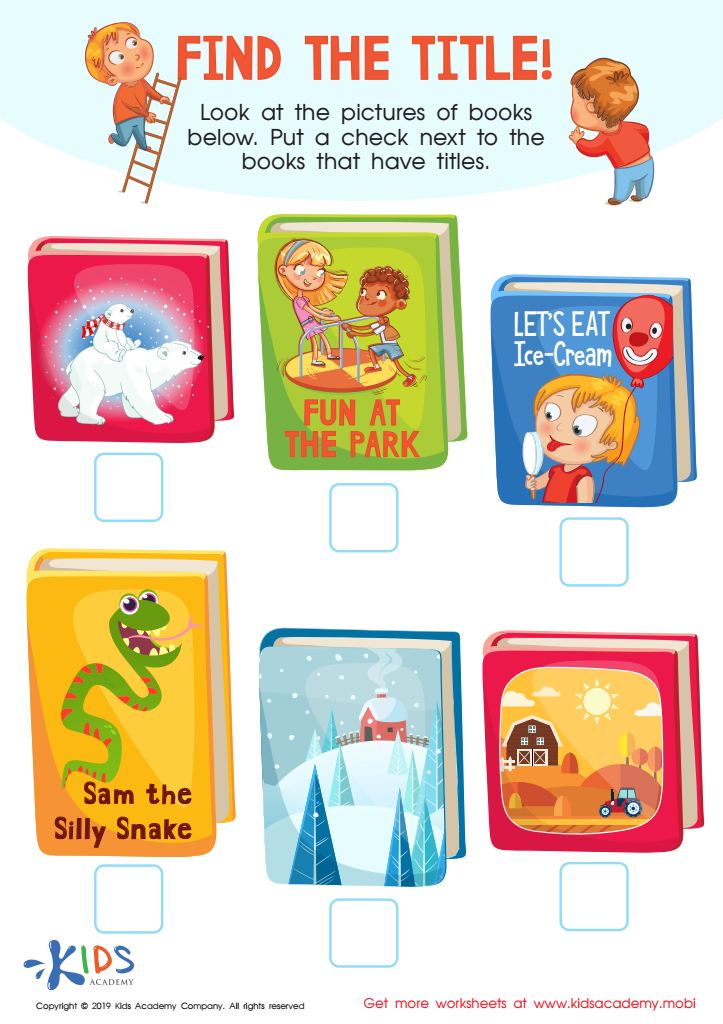
Find the Title Worksheet
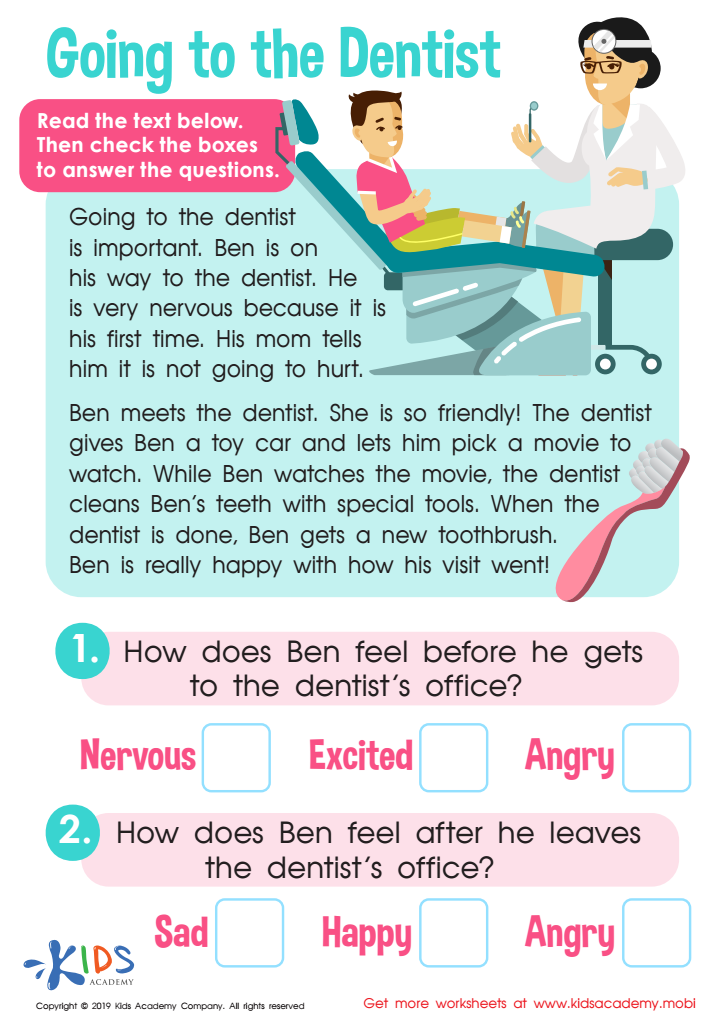
Going to the Dentist Worksheet
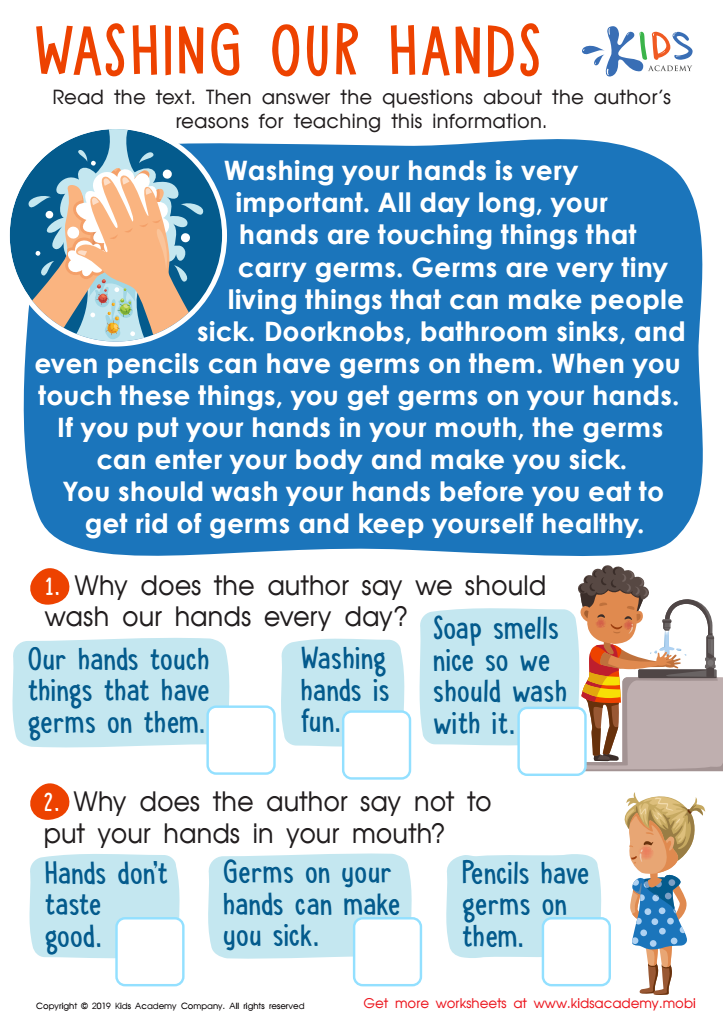
Washing Our Hands Worksheet
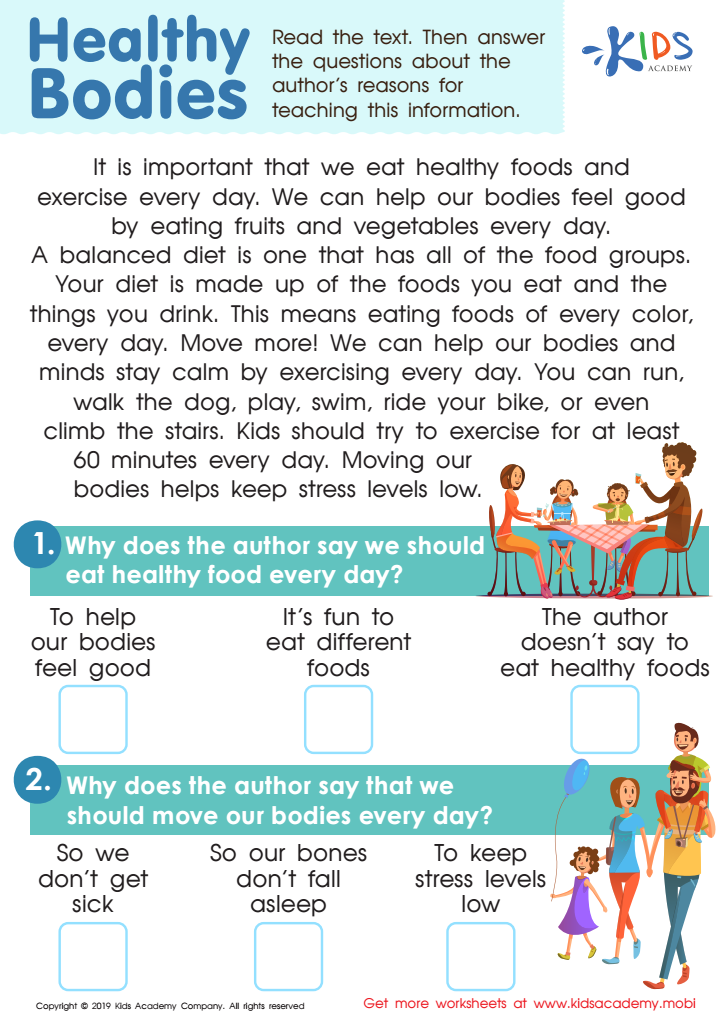
Healthy Bodies Worksheet
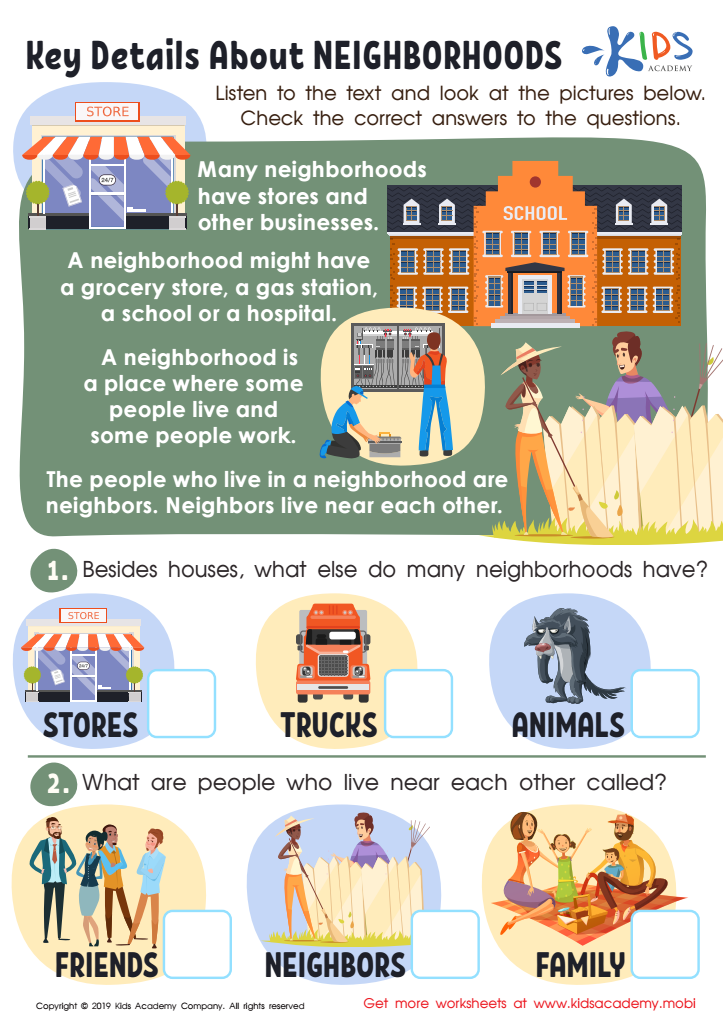
Key Details Neighborhoods Worksheet
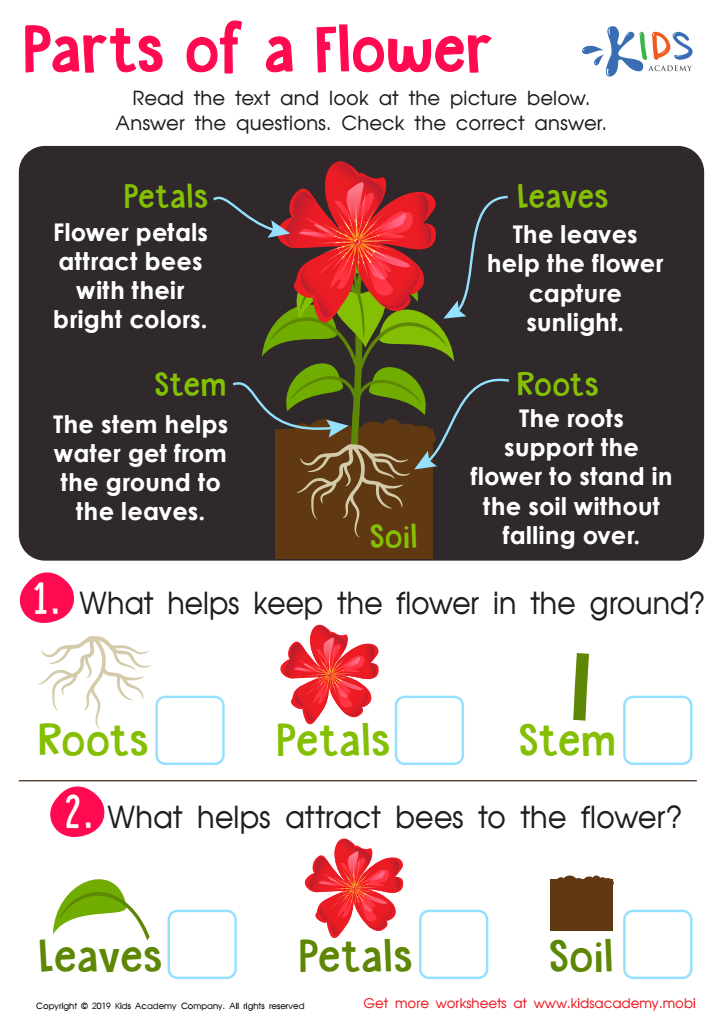
Parts of Flower Worksheet
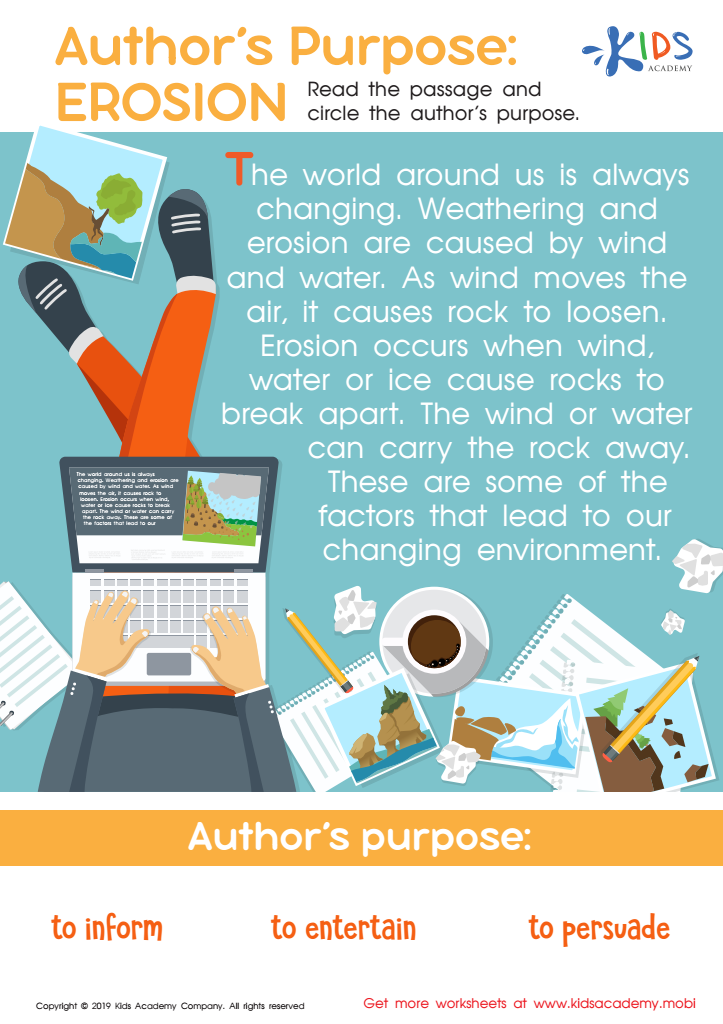
Author’s Purpose: Erosion Worksheet
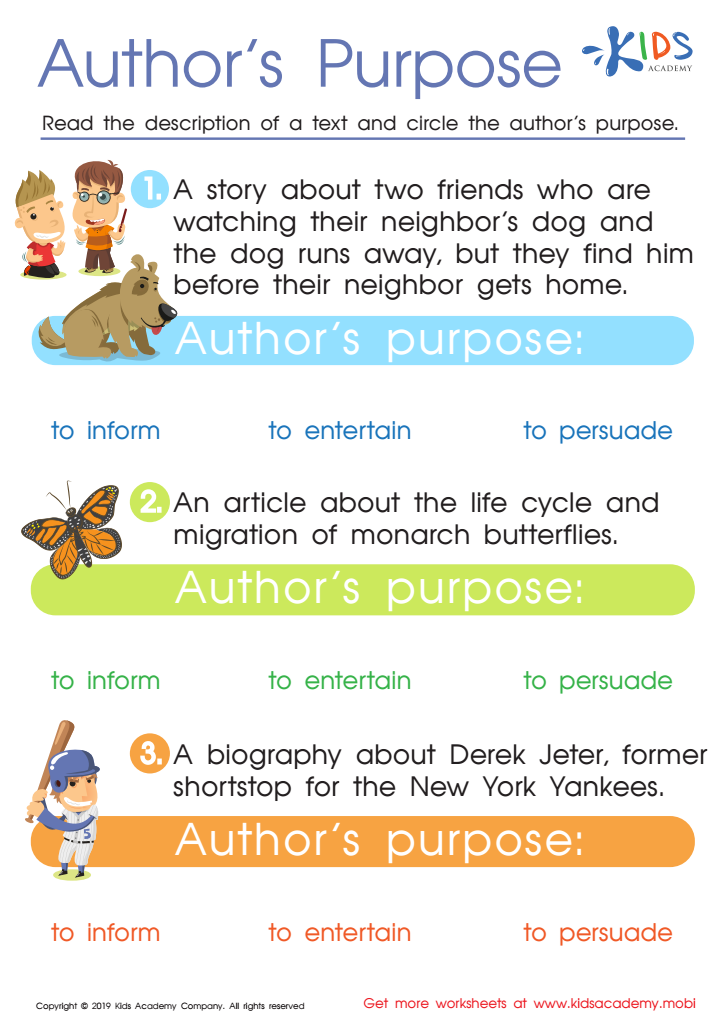
Author's Purpose Worksheet
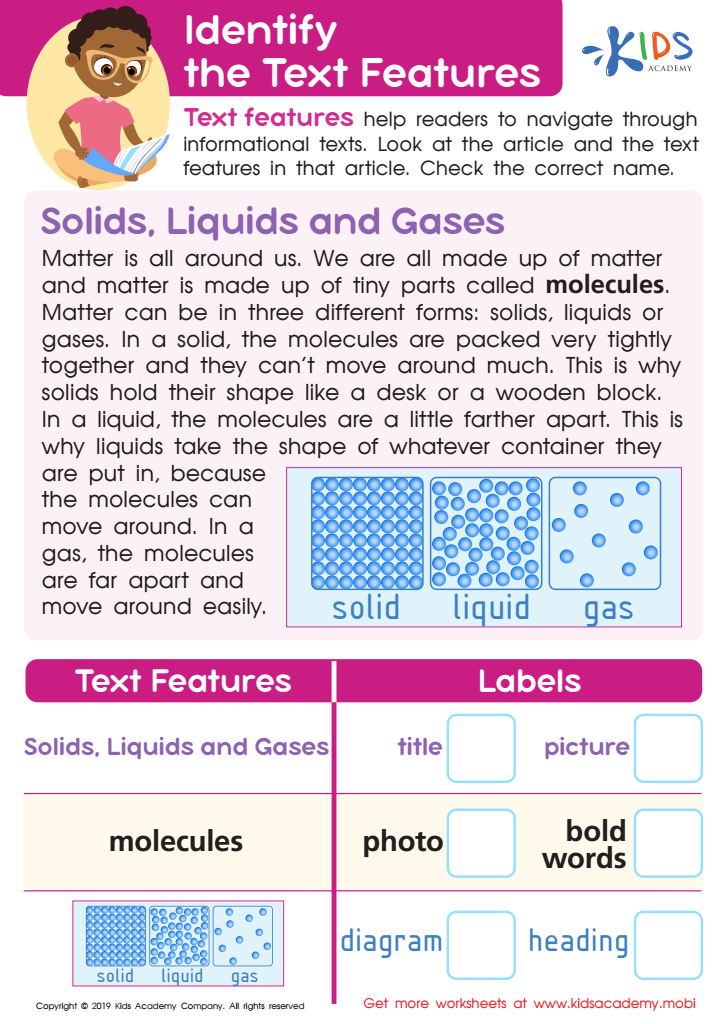
Identify the Text Features Worksheet
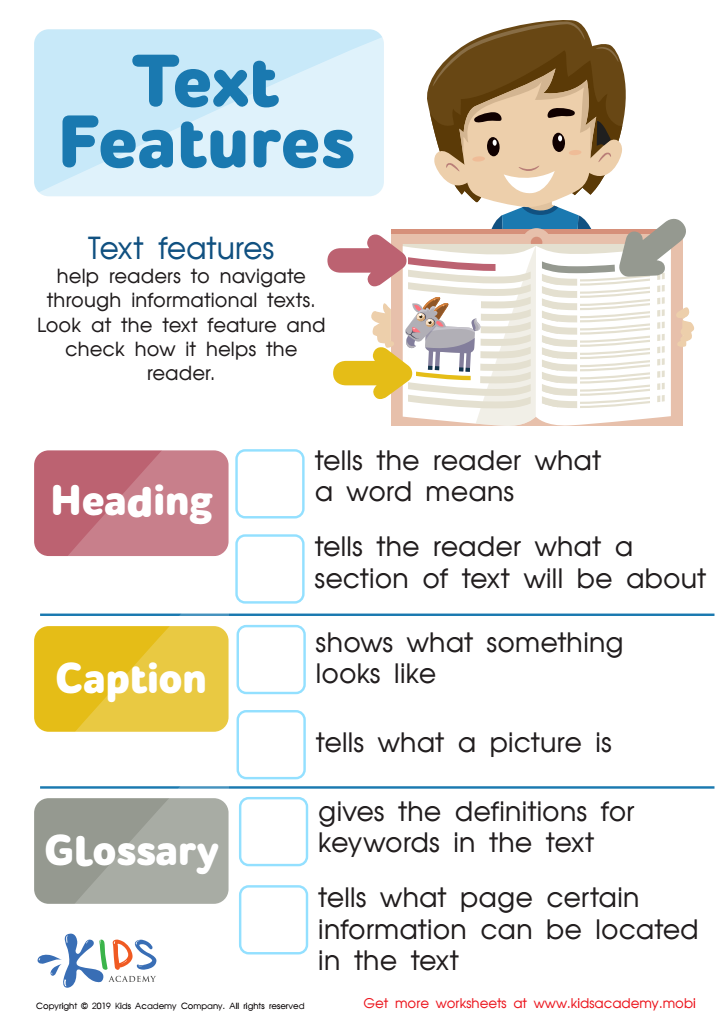
Text Features Worksheet
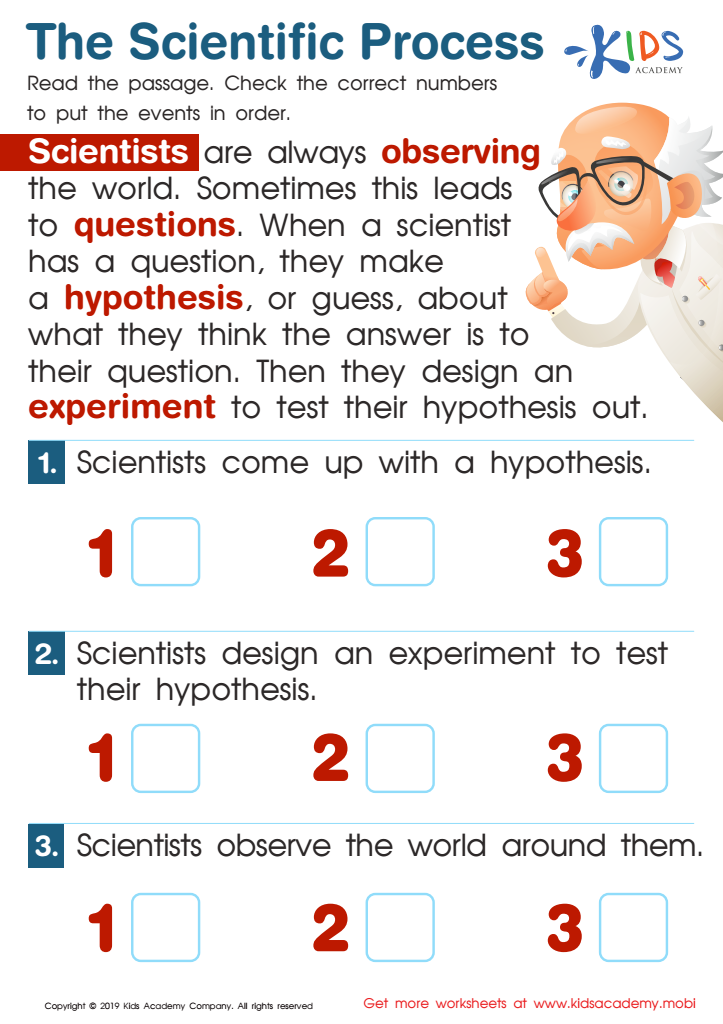
The Scientific Process Worksheet
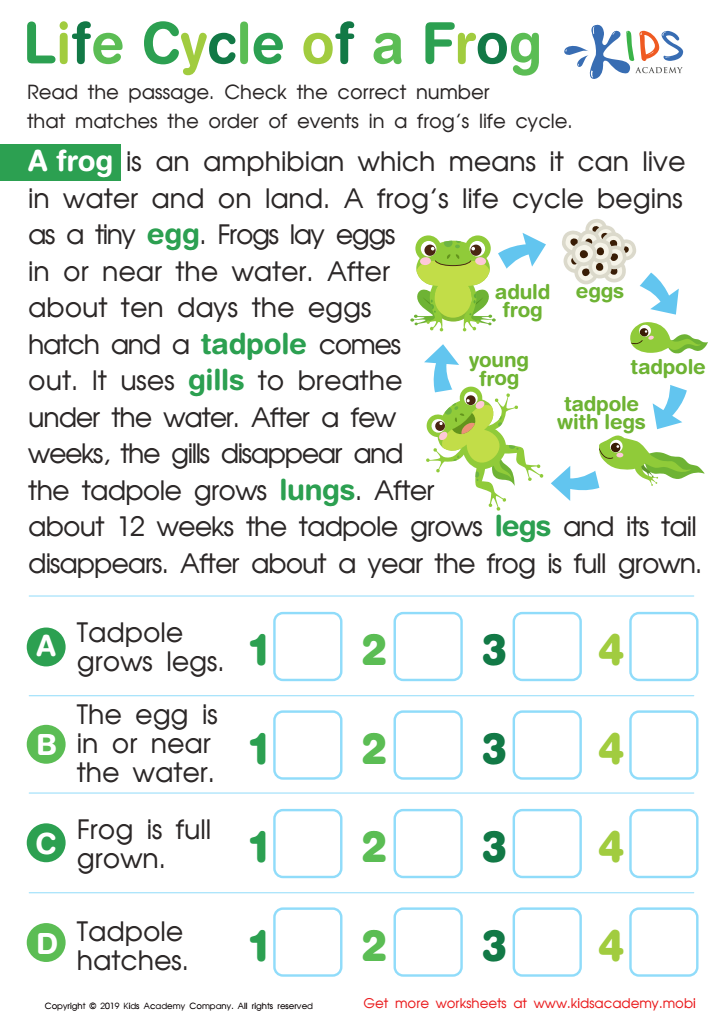
Life Cycle of a Frog Worksheet
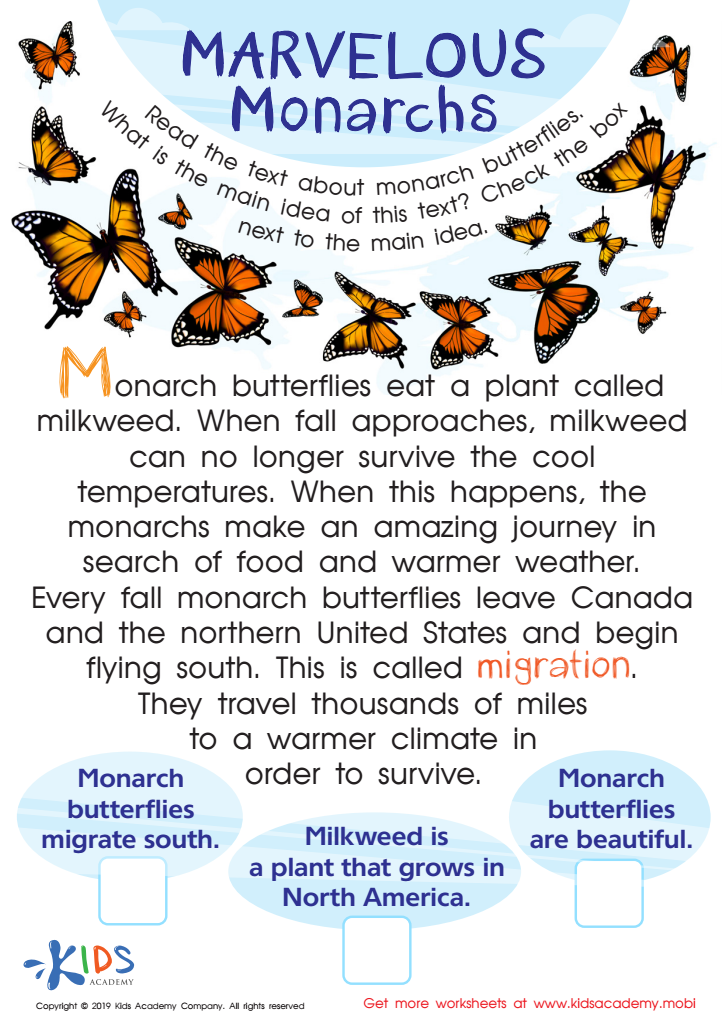
Marvelous Monarchs Worksheet
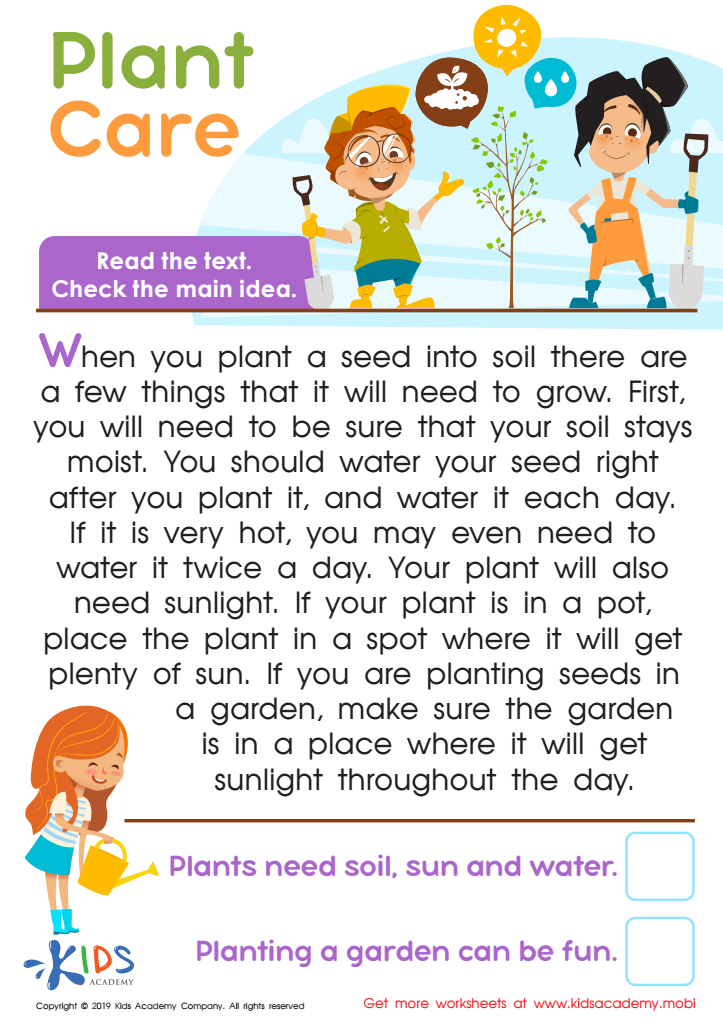
Plant Care Worksheet
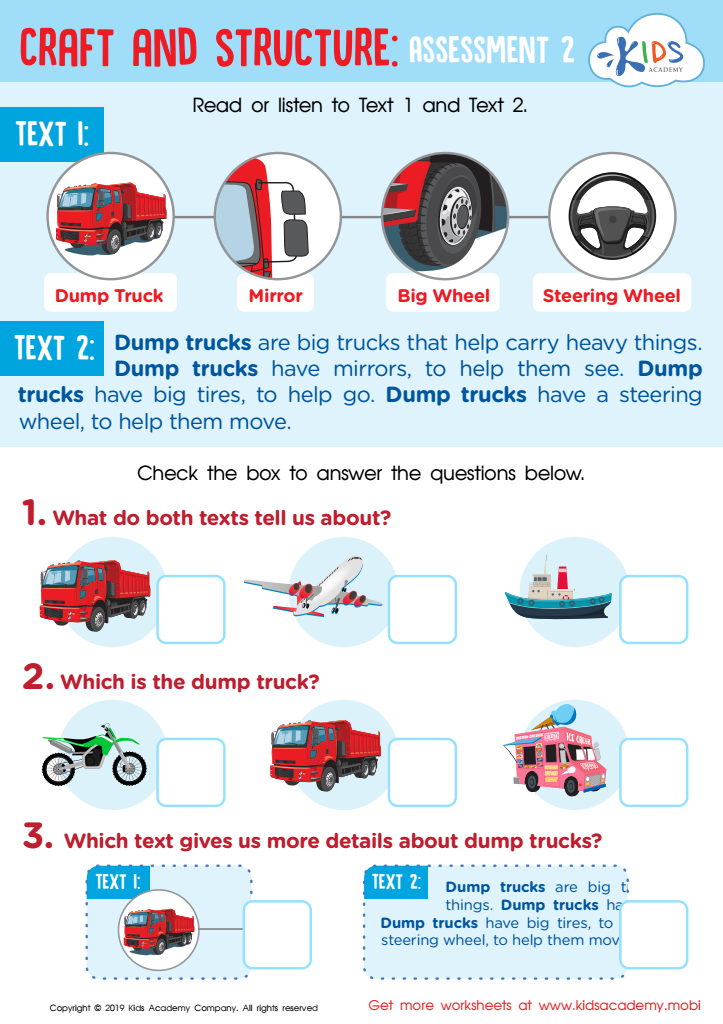
Craft and Structure: Assessment 2 Worksheet
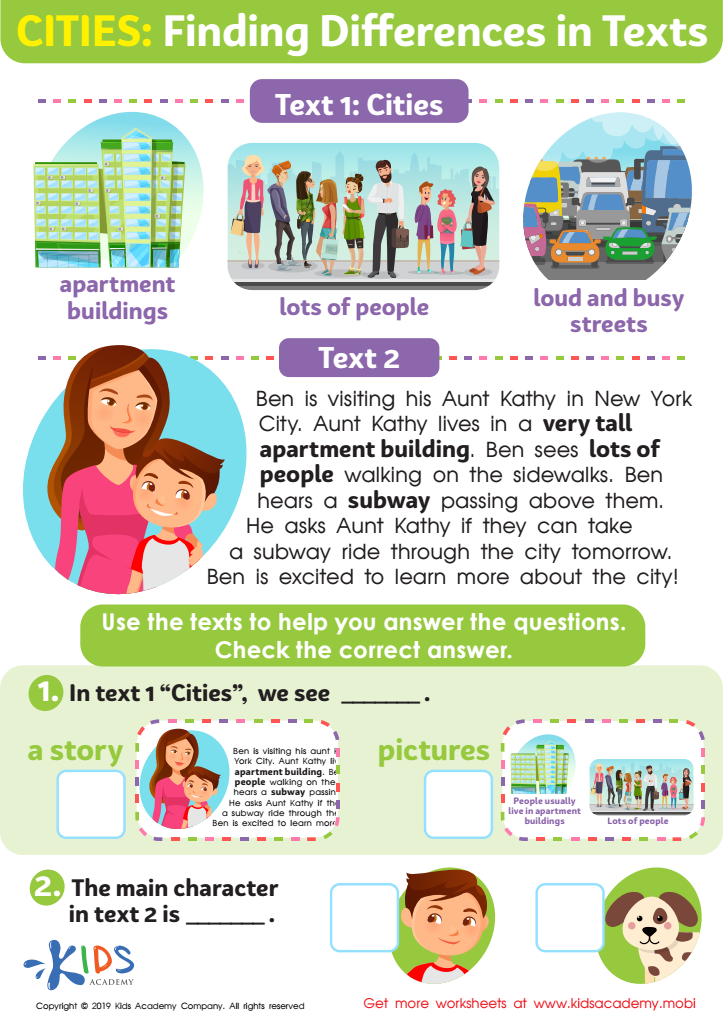
Cities: Finding Differences Worksheet
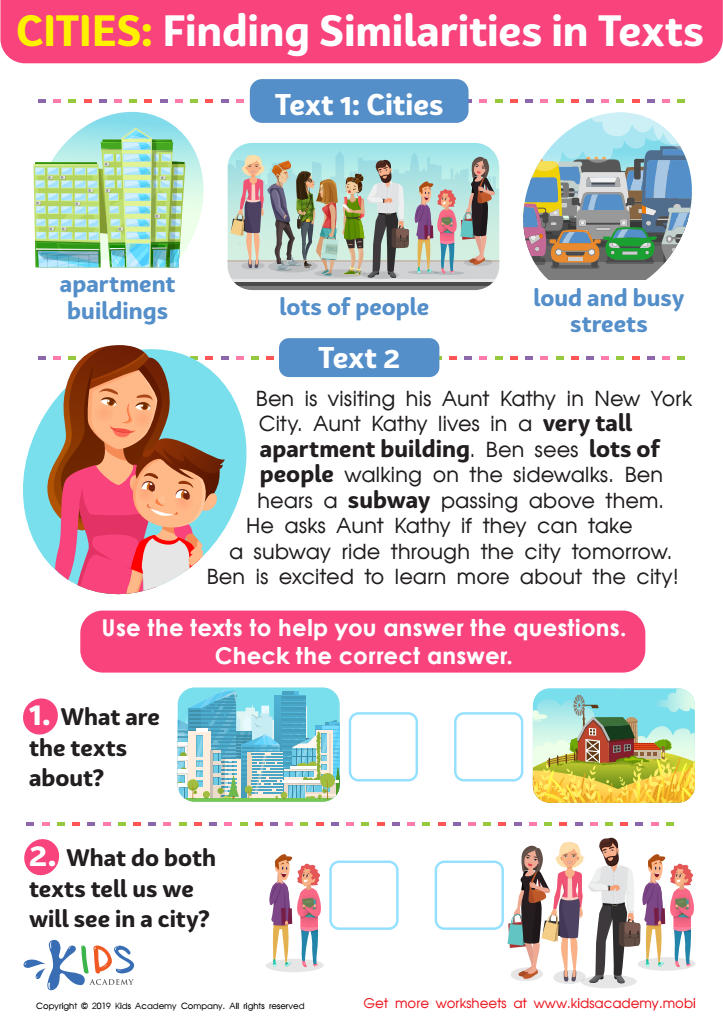
Cities: Finding Similarities Worksheet
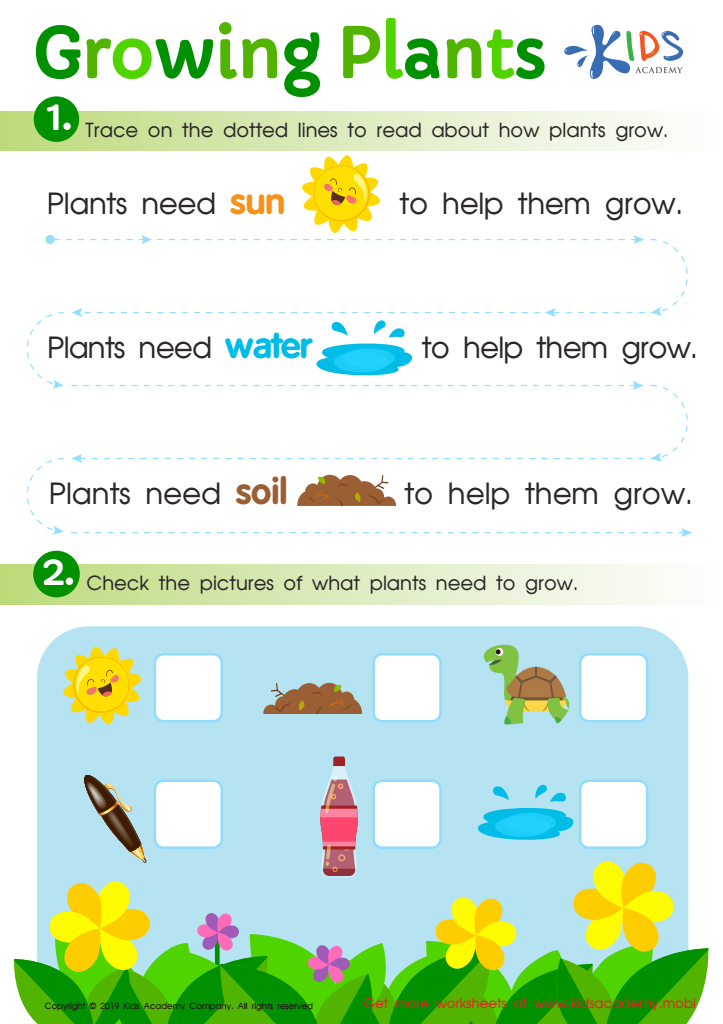
Growing Plants Worksheet
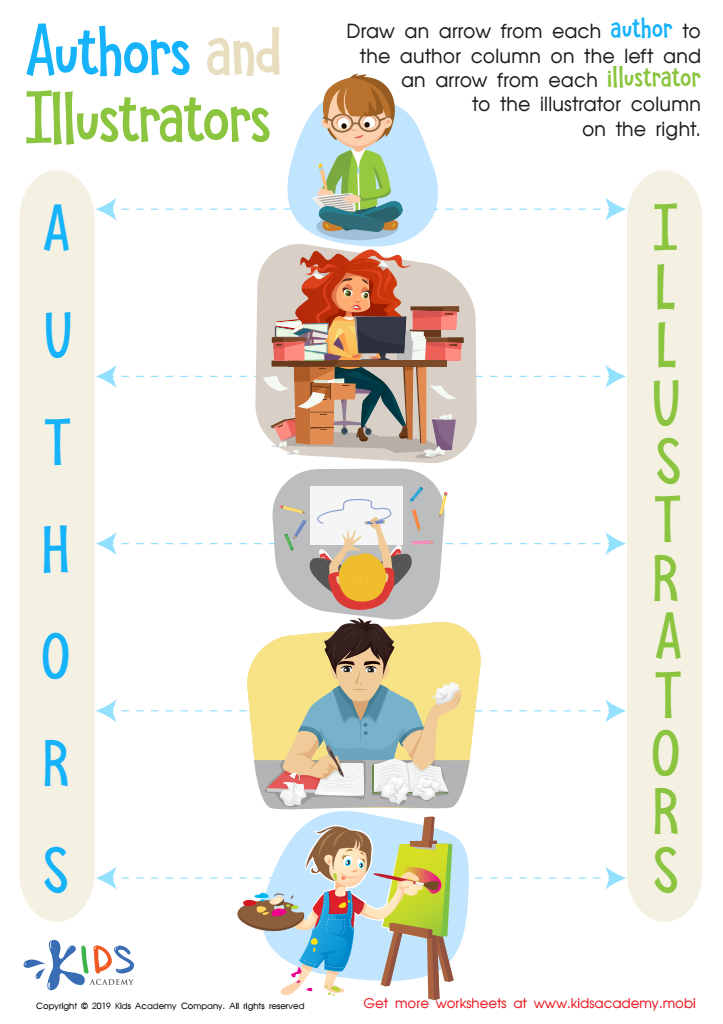
Authors and Illustrators Worksheet
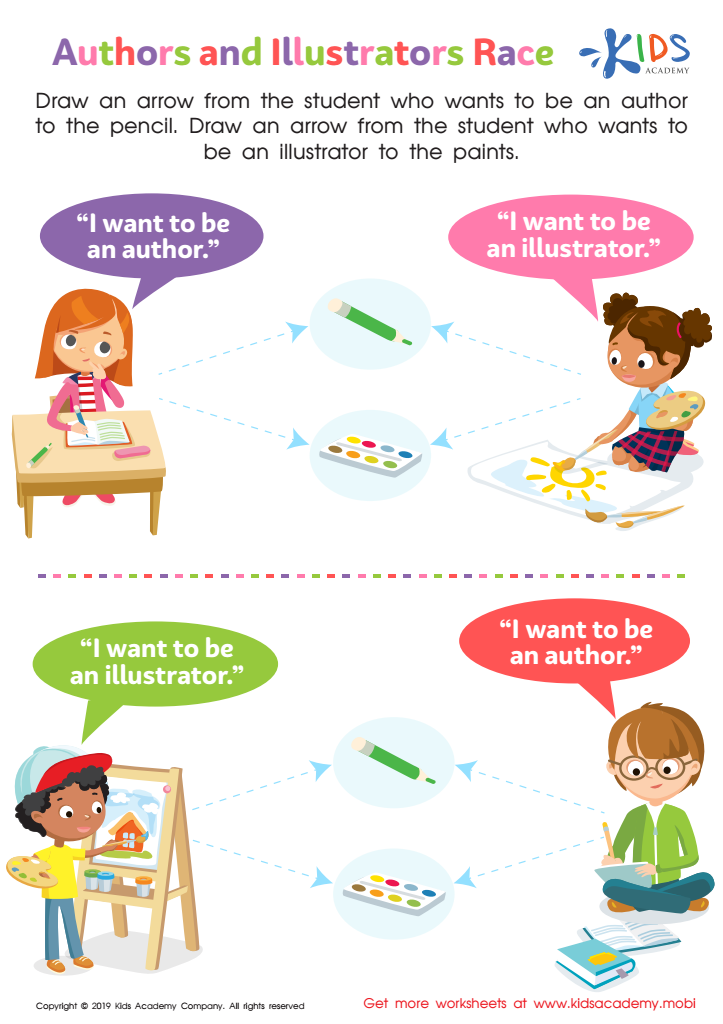
Authors and Illustrators Race Worksheet








Reading non-fiction material is crucial for children aged 4-7 because it provides a broad foundation for their educational and personal development. During these formative years, children are naturally curious and eager to learn about the world around them. Non-fiction books introduce them to real-life concepts, places, animals, and phenomena, fostering a sense of exploration and discovery that is pivotal for intellectual growth. This genre helps expand their vocabulary by exposing them to subject-specific terms and complex sentence structures that are often not found in fictional stories.
Moreover, non-fiction reading aids in developing critical thinking and comprehension skills. Children learn to differentiate between fact and fiction, recognize cause-and-effect relationships, and critically analyze information. For instance, reading a book about weather can help them understand changes in their environment and cultivate a scientific mindset. Parents and teachers can reinforce this learning by discussing the content and asking questions, thus promoting better comprehension and retention.
Additionally, an early introduction to non-fiction can spark interests that may evolve into lifelong passions, be it in science, history, or nature. Encouraging non-fiction reading helps children become informed, versatile, and inquisitive individuals. In today's information-rich world, such skills and knowledge are indispensable. Consequently, parents and teachers should prioritize exposing children to a balanced reading diet that includes ample non-fiction material.








