Geography Worksheets for Ages 4-9 - Page 2
60 filtered results
-
From - To
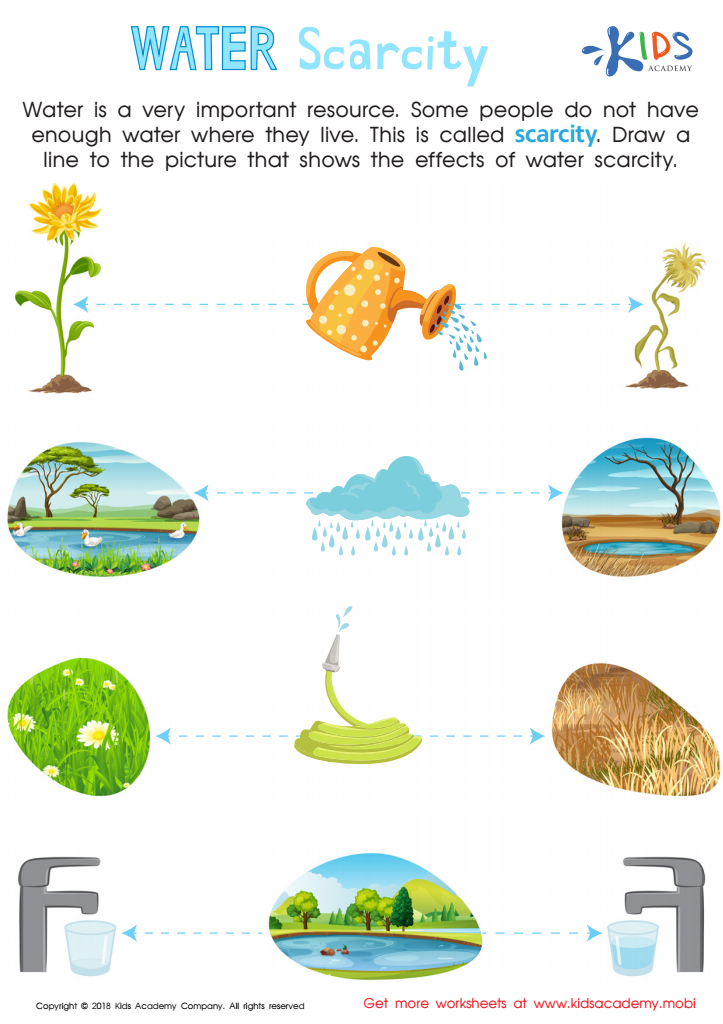
Water Scarcity Worksheet
 Assign to My Students
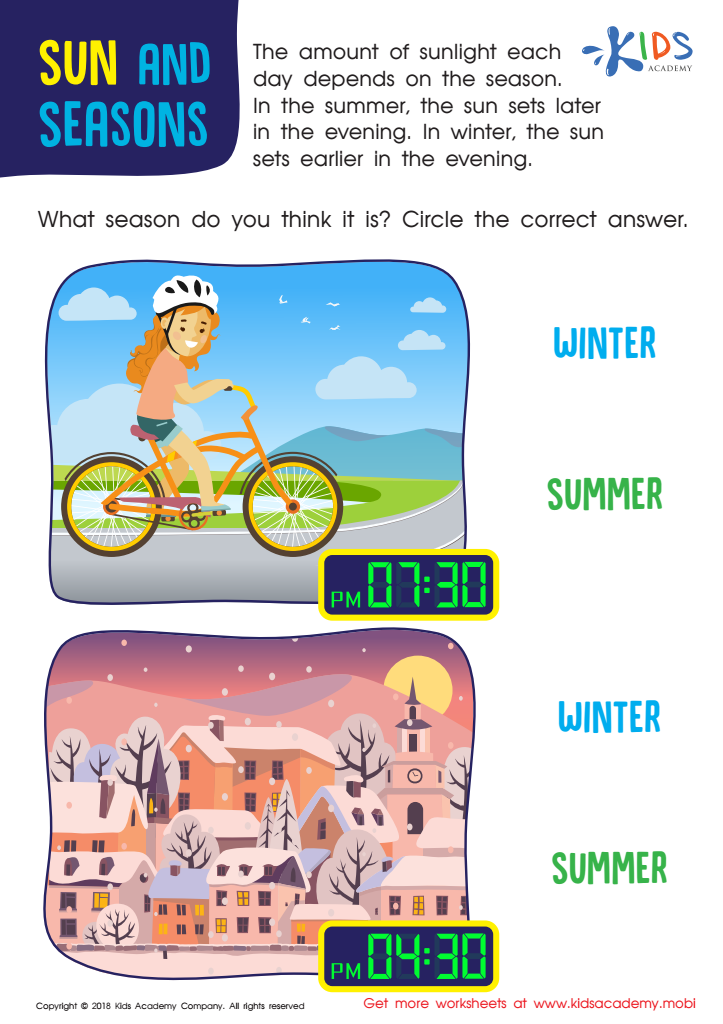
Sun and Seasons Worksheet
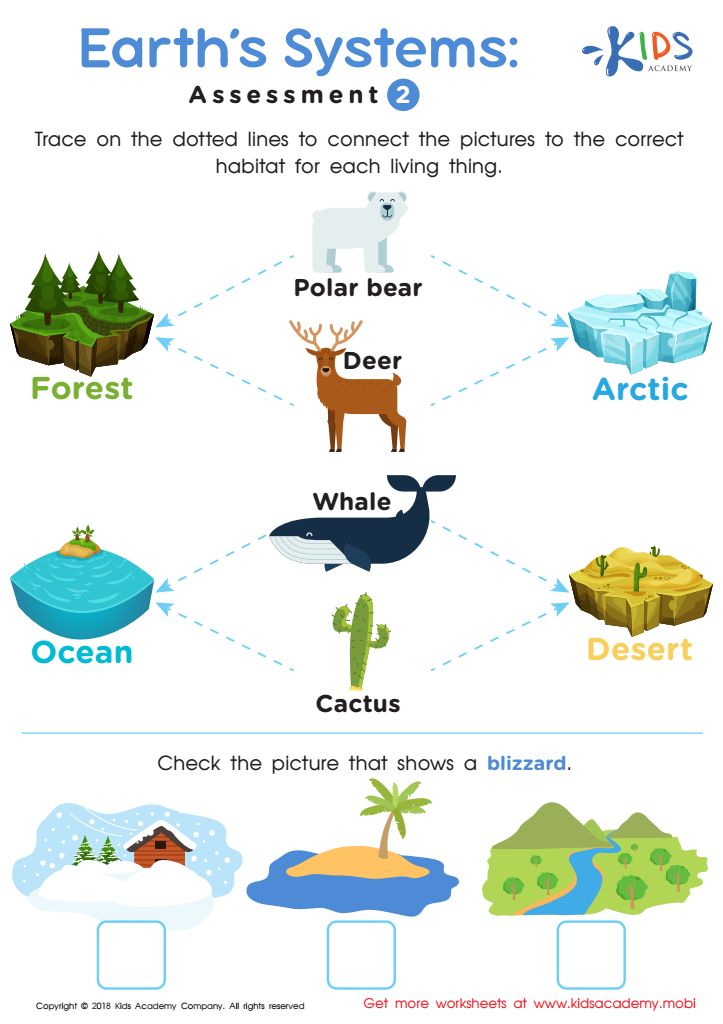
Earth's Systems: Assessment 2
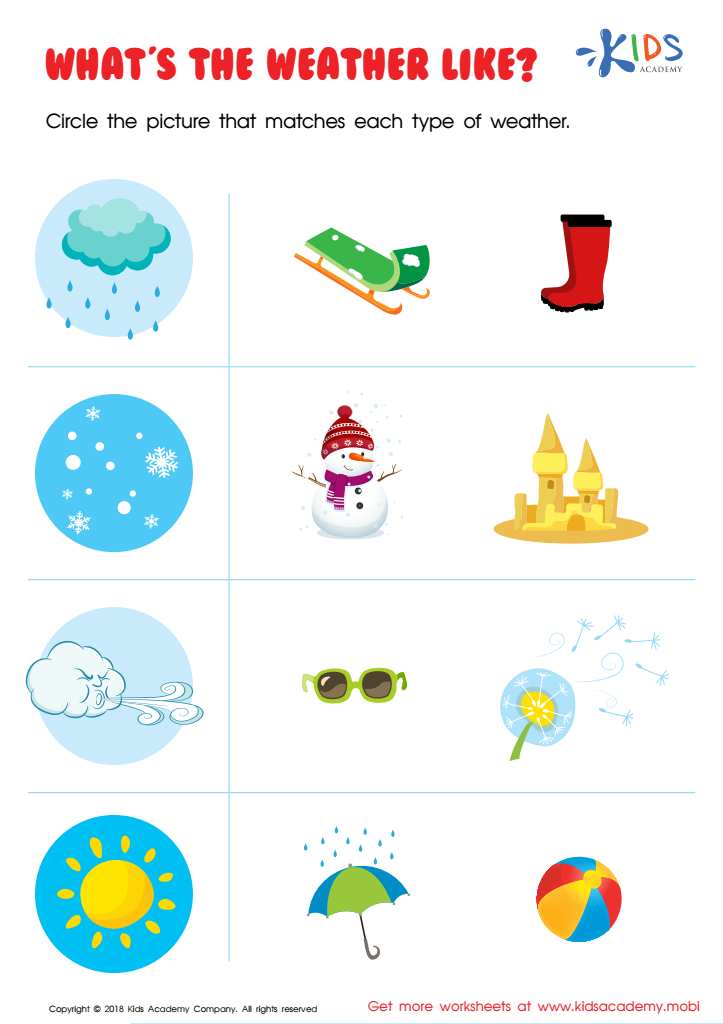
What's the Weather Like? Worksheet
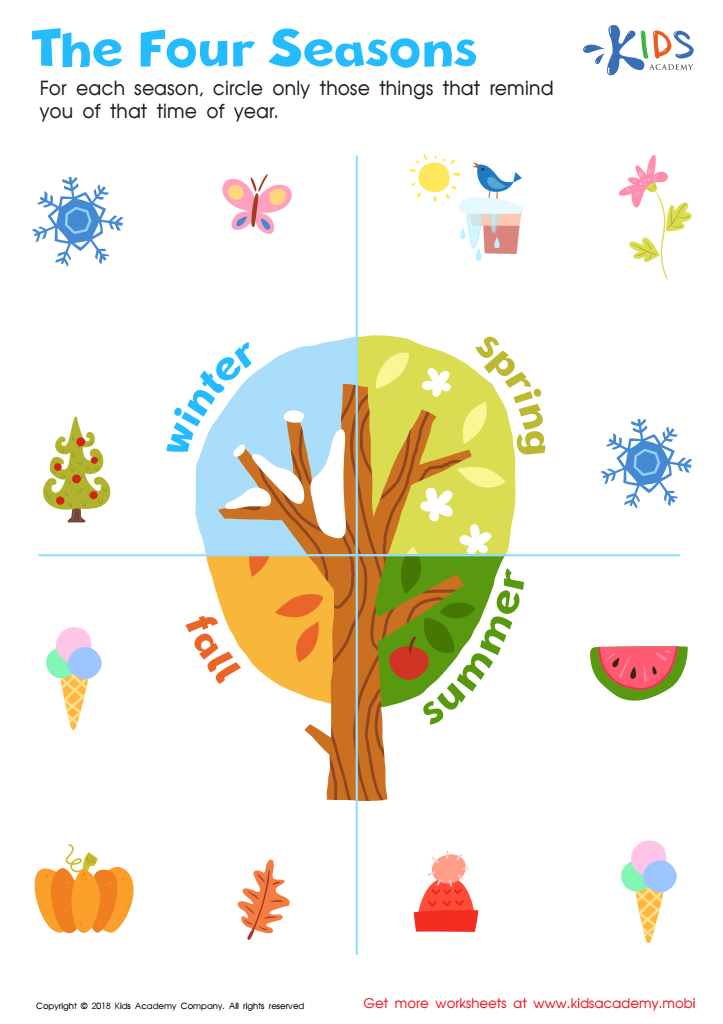
The Four Seasons Worksheet
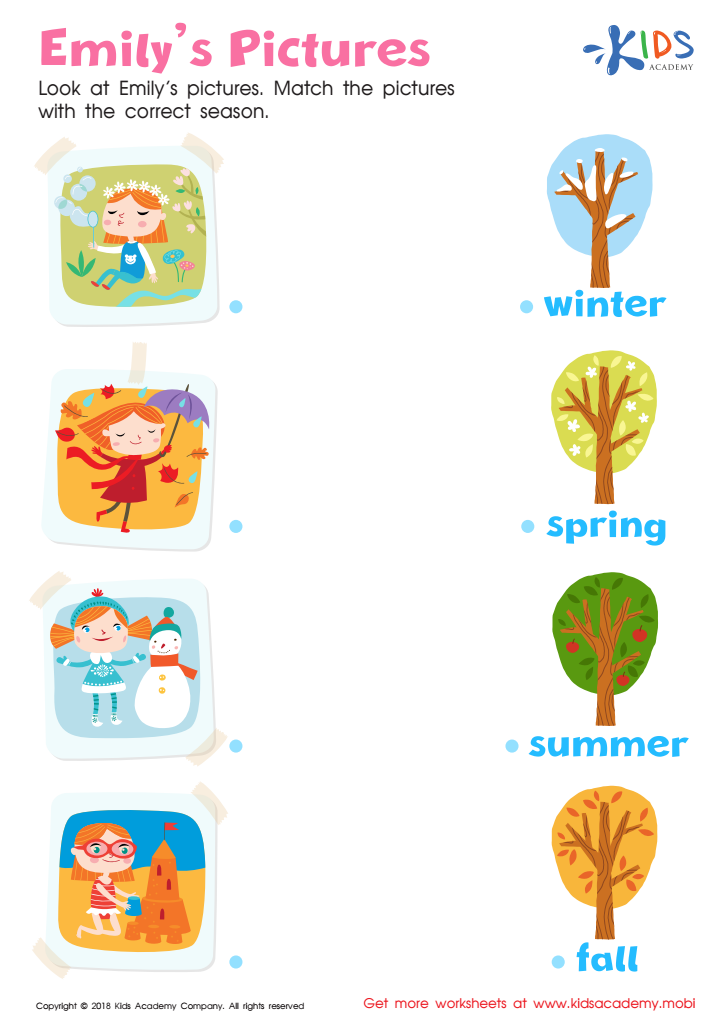
Emily's Pictures Worksheet
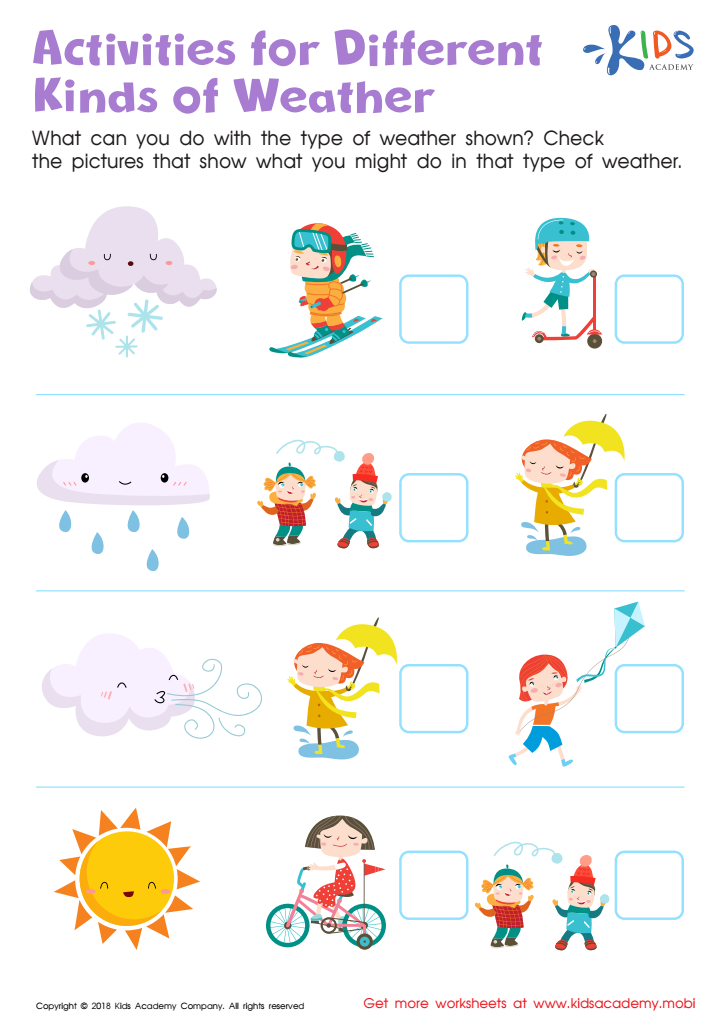
Activities for Different Kinds of Weather Worksheet
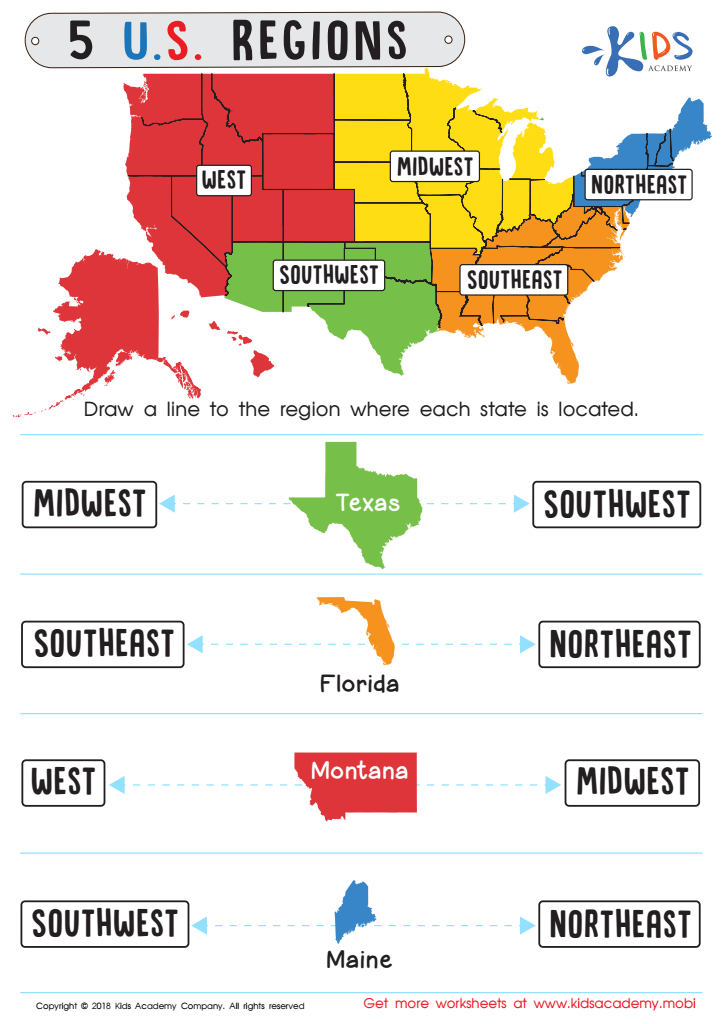
5 U.S. Regions Worksheet
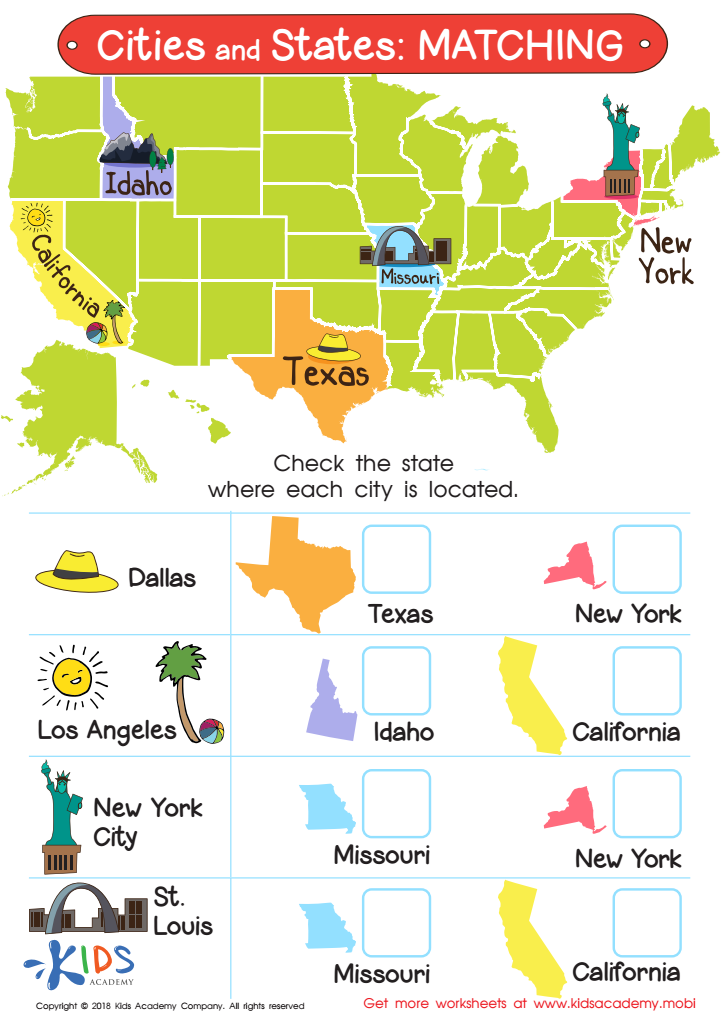
Cities and States: Matching Worksheet
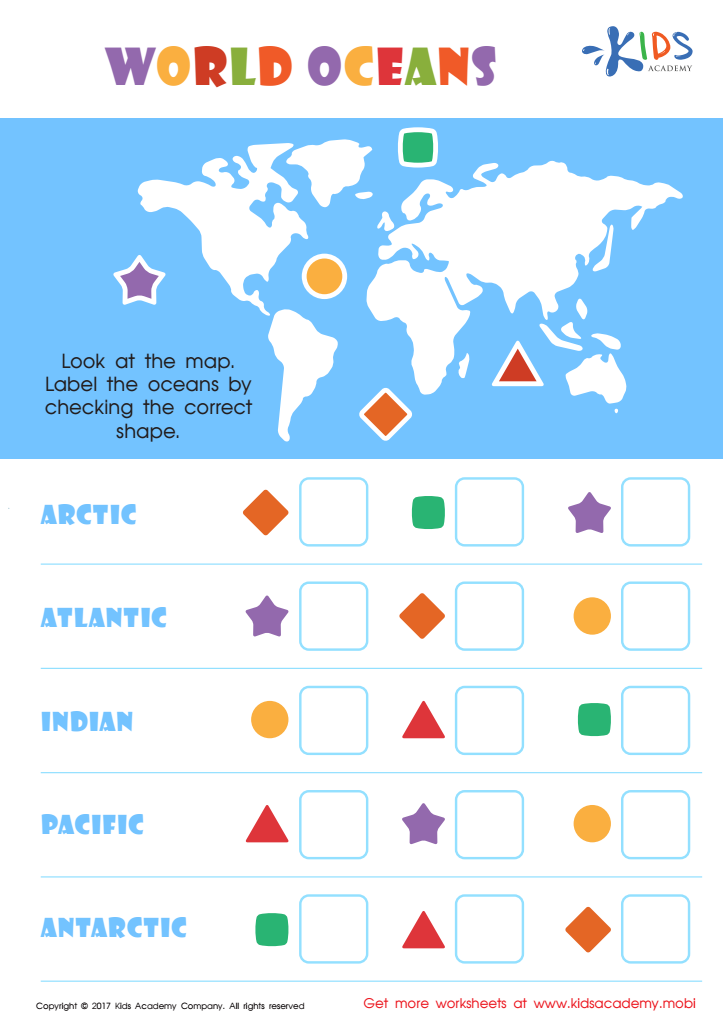
World Oceans Printable
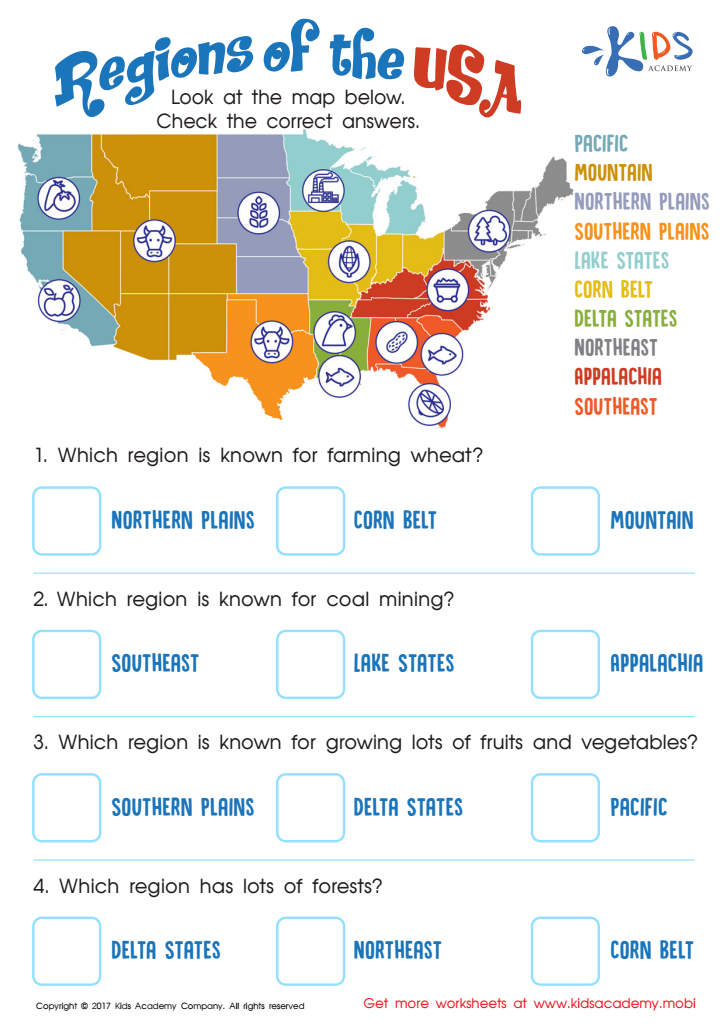
Regions of the USA Worksheet
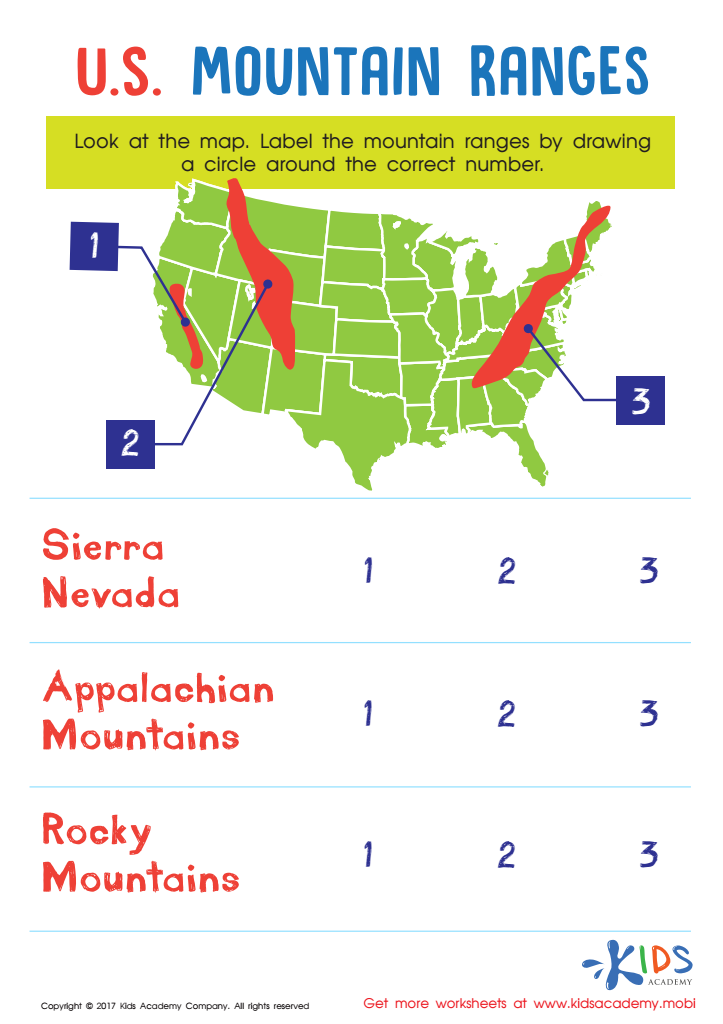
US Mountain Ranges Worksheet
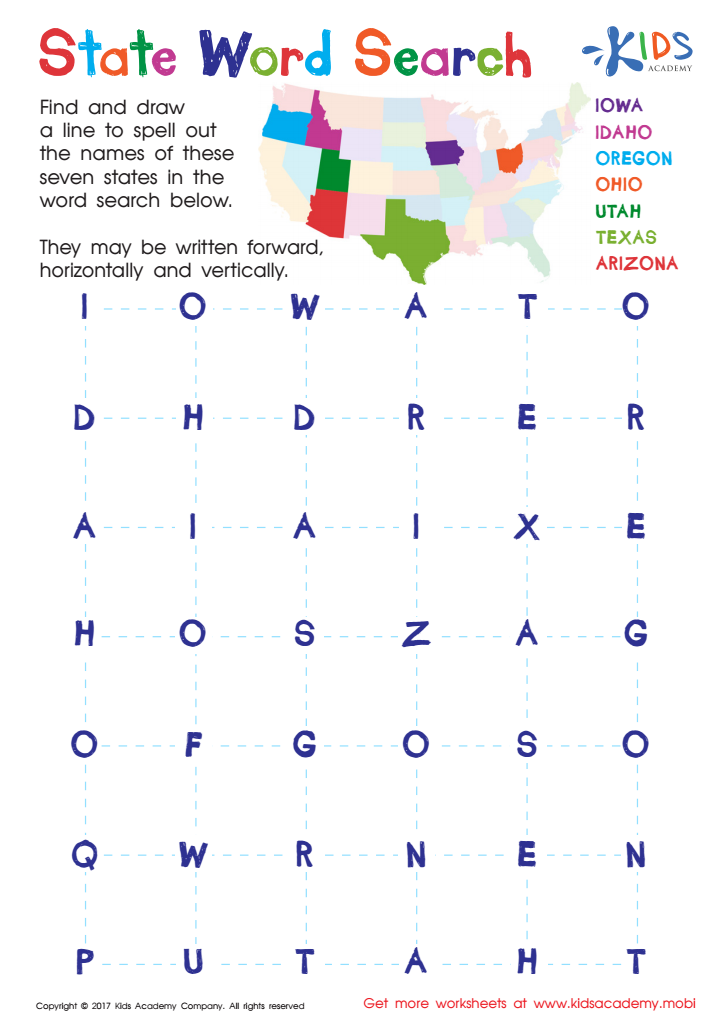
State Word Search Worksheet
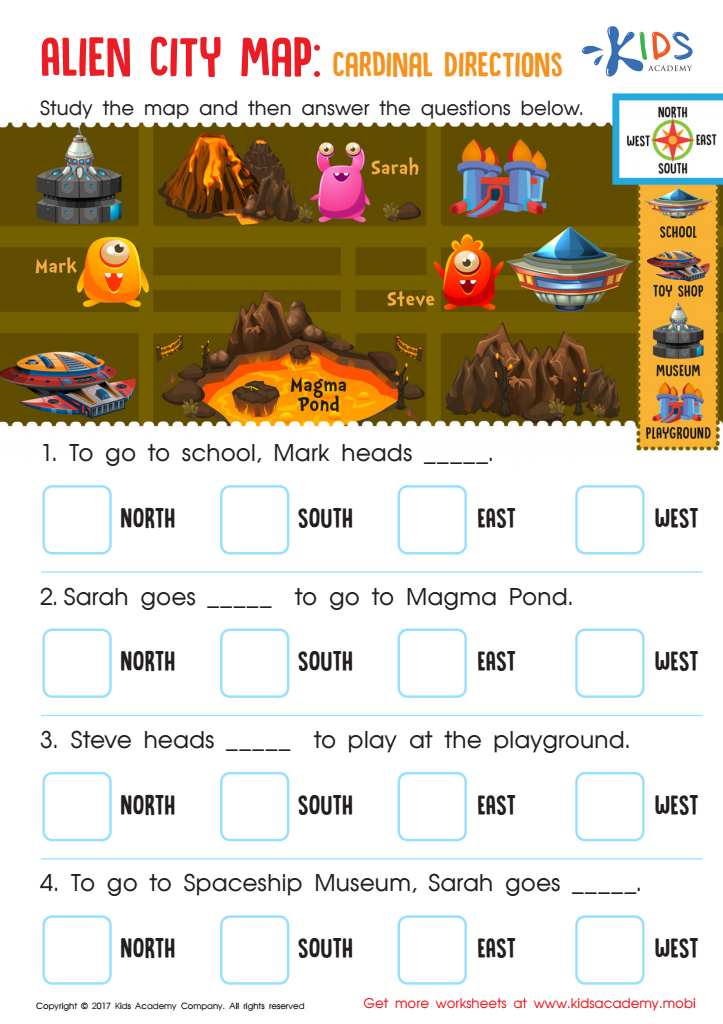
Alien City Map: Cardinal Directions Worksheet
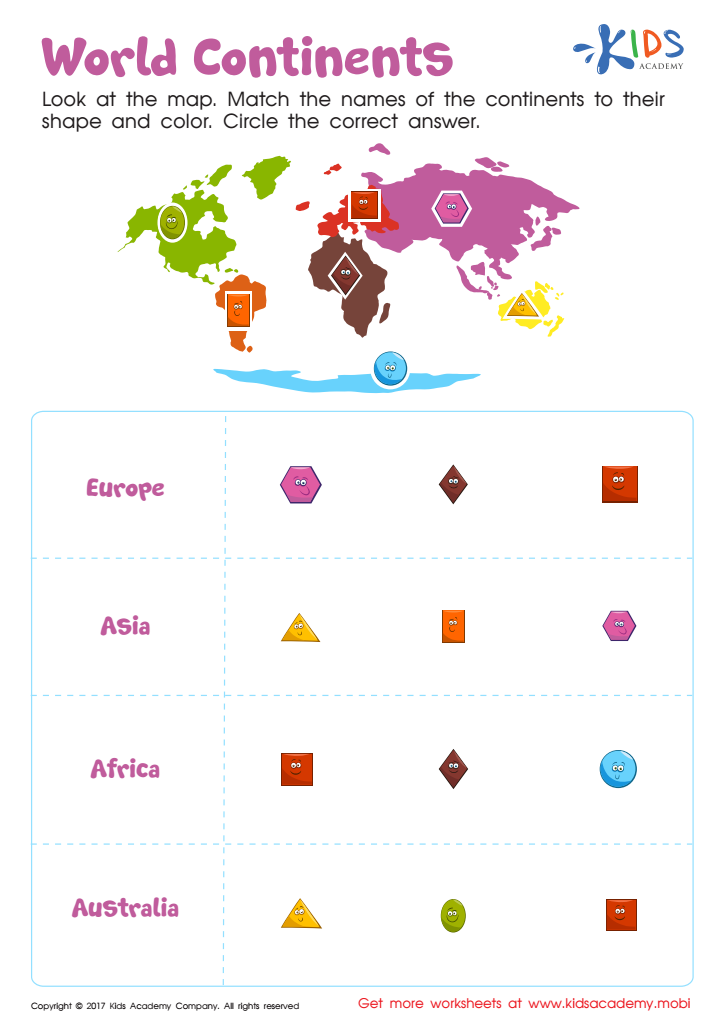
World Continents Worksheet
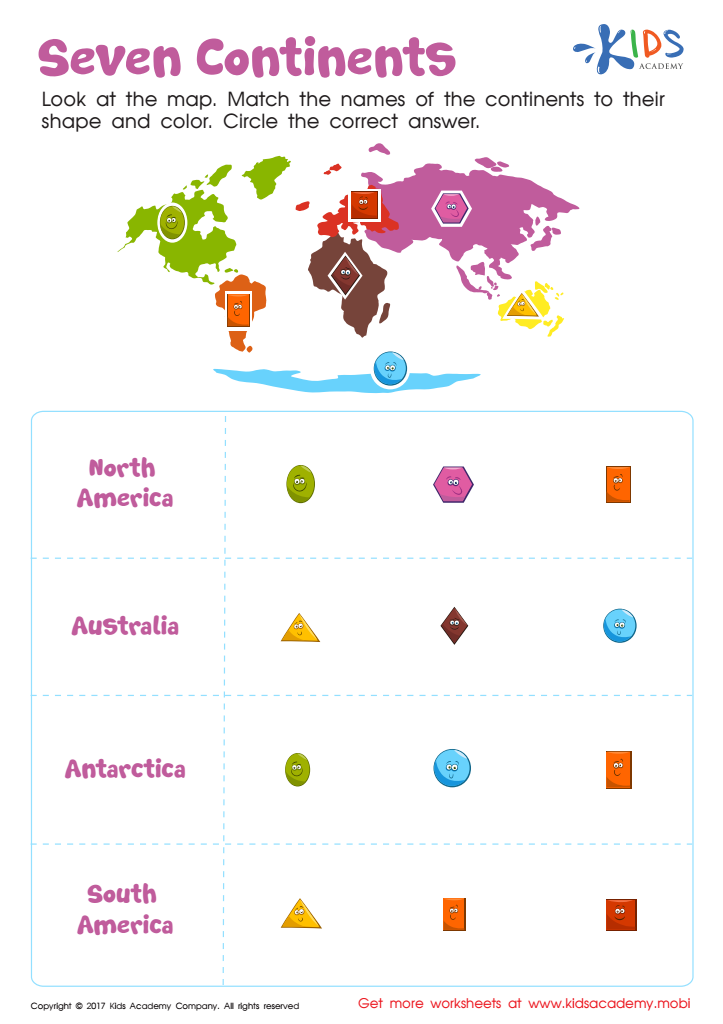
Seven Continents Worksheet
Landforms: Pirate Maze Printable
The Eiffel Tower Printable
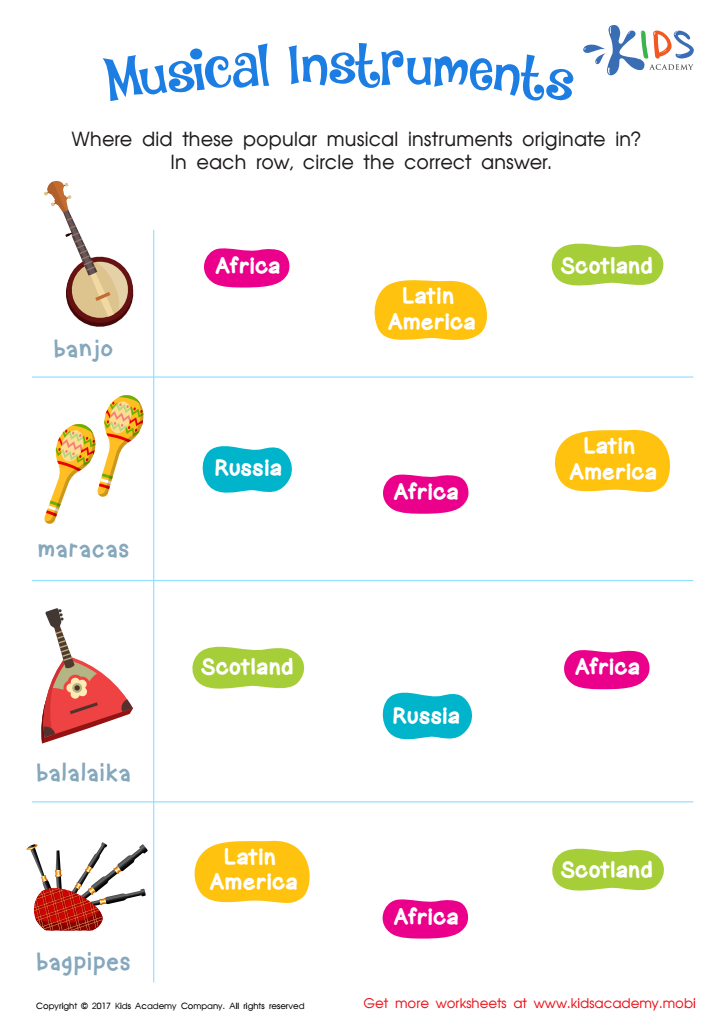
Musical Instruments Printable
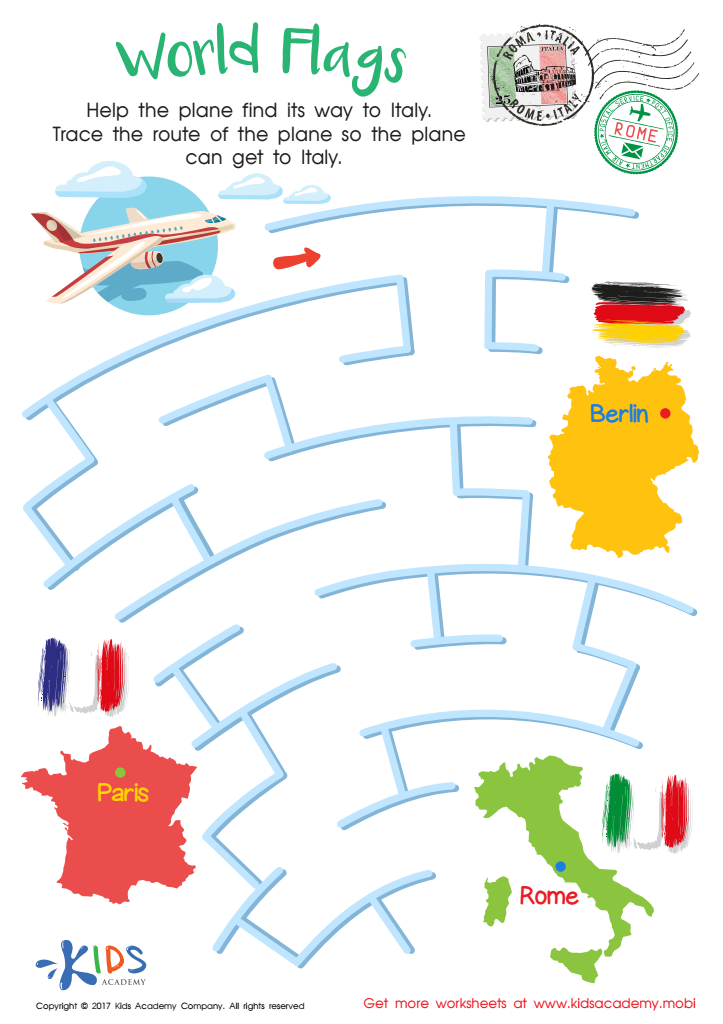
World Flags Maze Worksheet
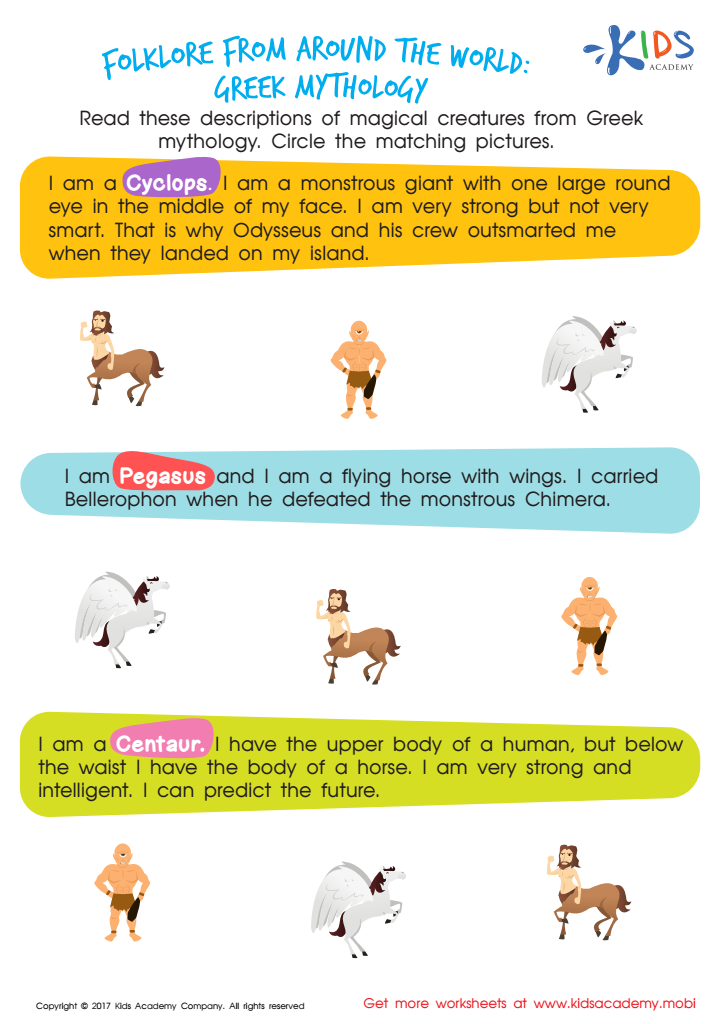
Greek Mythology Worksheet
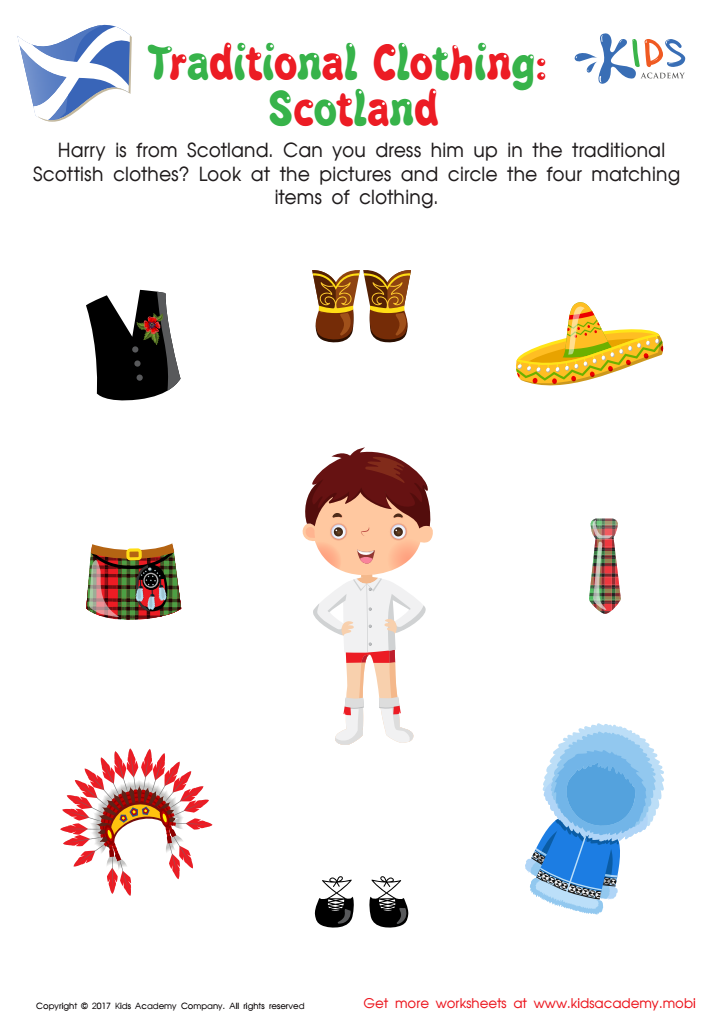
Traditional Clothing in Scotland Worksheet
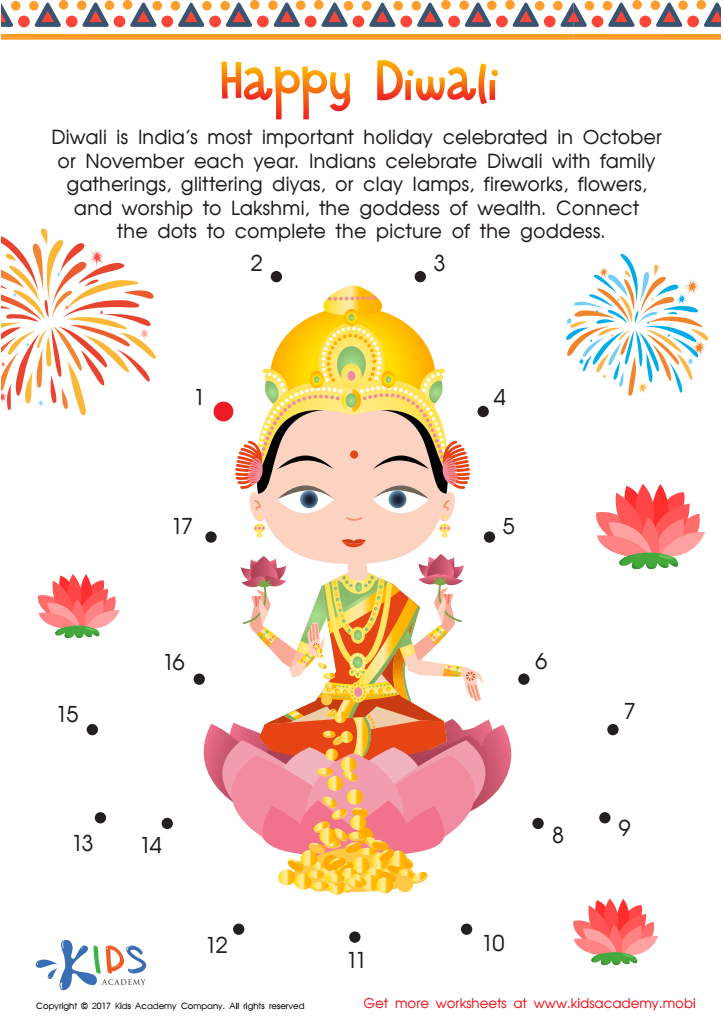
Happy Diwali Printable
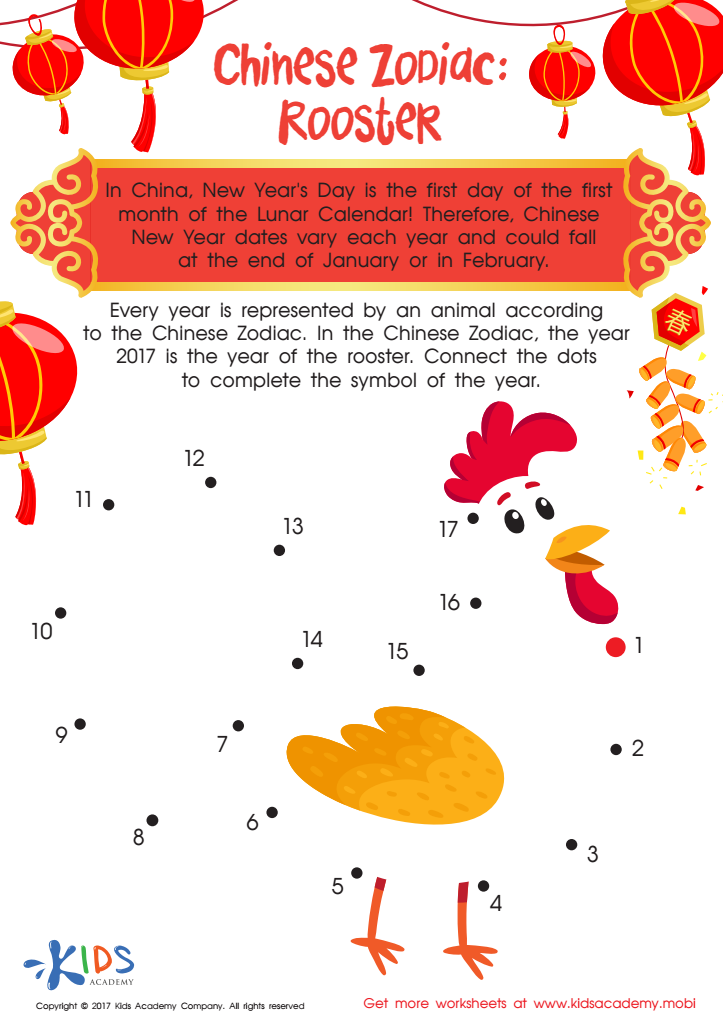
Chinese Zodiac Printable



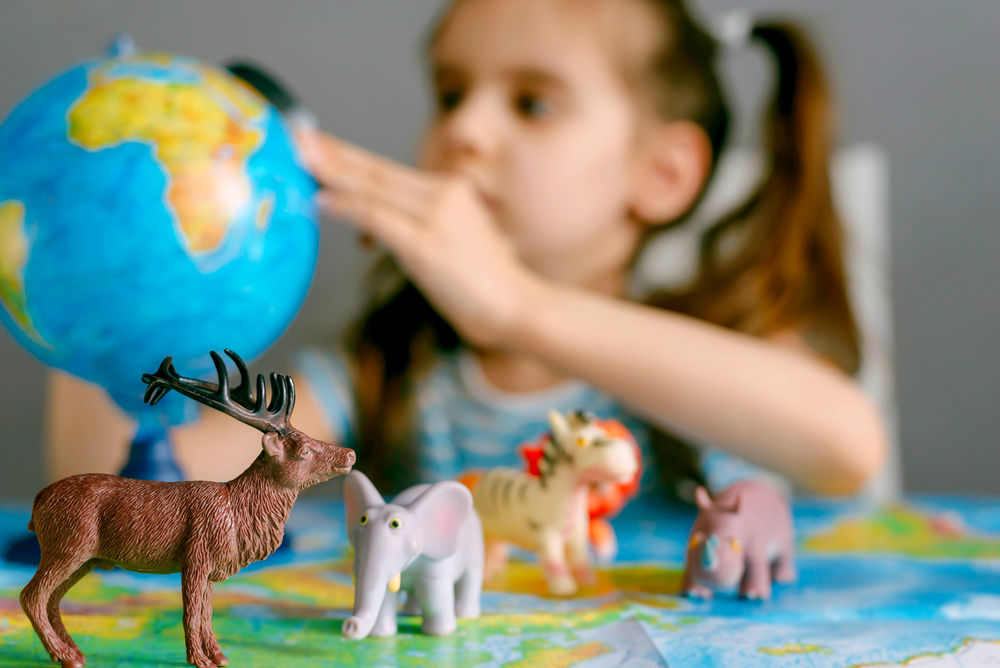



Geography is essential for children aged 4-9 as it helps to shape their understanding of the world and fosters a sense of curiosity about their environment. At this age, children are like sponges, eagerly soaking up knowledge, and introducing them to geography cultivates their awareness of various cultures, landscapes, and ecosystems.
First, geography aids in the development of critical thinking skills. When children learn about different places and their characteristics, they begin to understand how human activity shapes the environment. This lays the groundwork for responsible citizenship as they learn about sustainability and the impact of their choices.
Second, geography promotes social-emotional learning. Understanding where they fit into the larger world helps children appreciate diversity and empathy toward others. Exploring global cultures encourages respect and celebrates differences.
Finally, geography enhances cognitive abilities by incorporating spatial awareness and map-reading skills, which are vital for later studies in other subjects such as math and science.
In essence, introducing geography to young learners not only broadens their knowledge of the world but also instills values and skills that will serve them well throughout their education and personal lives. Parents and teachers play a crucial role in nurturing this foundational understanding.