Governance and Civics Worksheets for Ages 4-9 - Page 3
51 filtered results
-
From - To
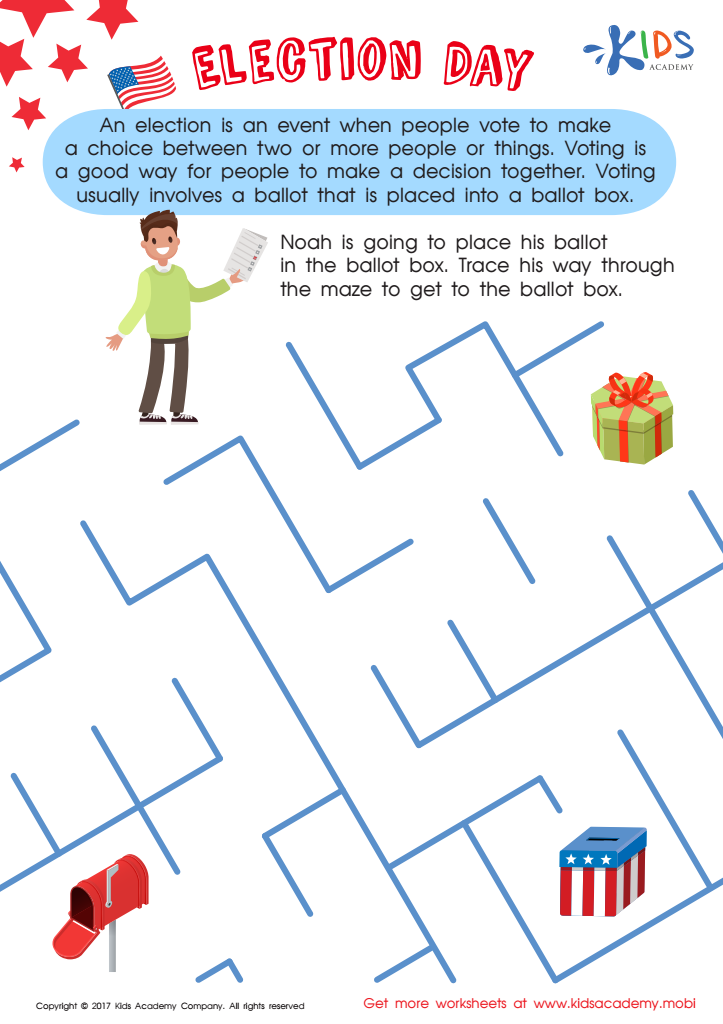
Election Day Worksheet
 Assign to My Students
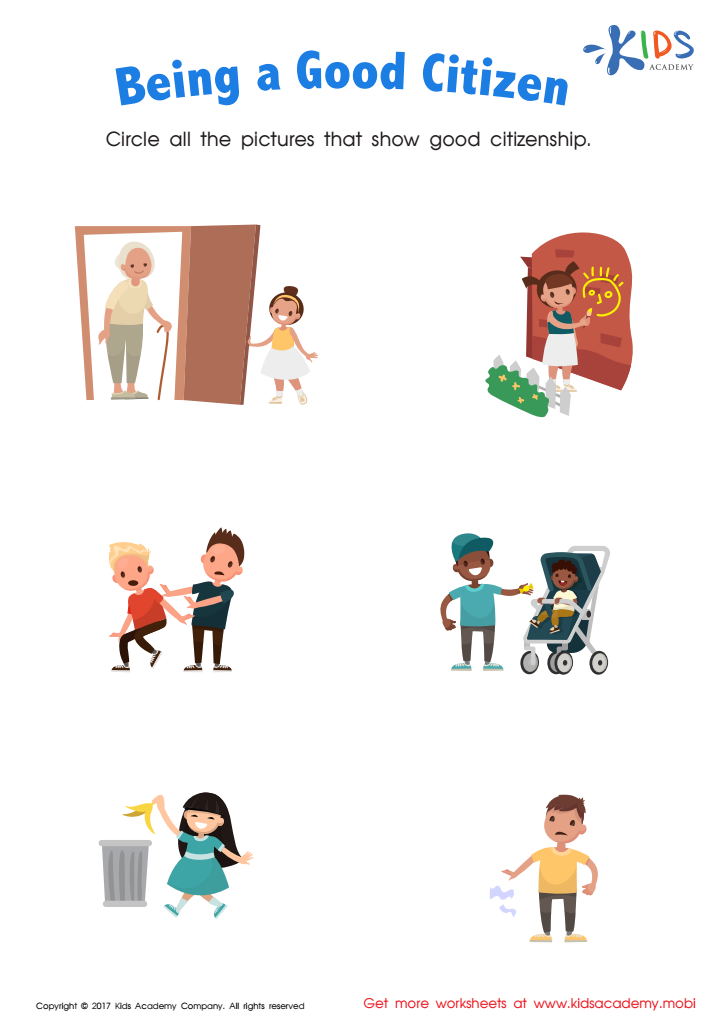
Being a Good Citizen Printable
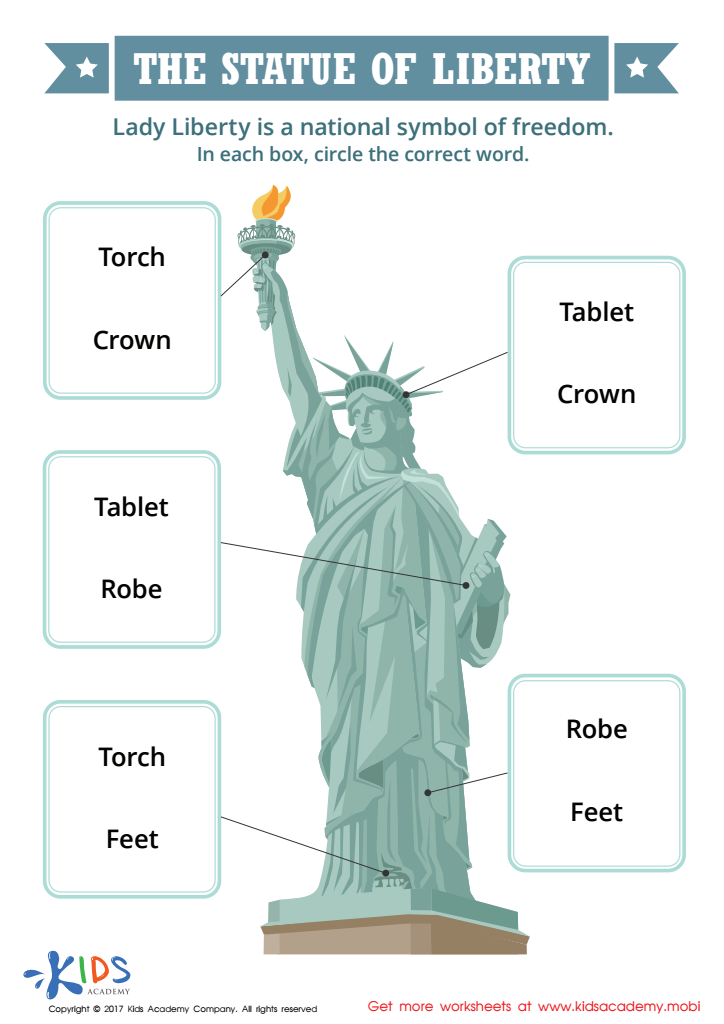
The Statue of Liberty Printable


Parents and teachers should prioritize governance and civics education for children aged 4-9 because it lays the foundational stones for responsible citizenship and social awareness. At this age, children's minds are highly receptive, making it an optimal time to introduce concepts of community, cooperation, fairness, and rights. By instilling these values early on, we cultivate empathetic individuals who understand the importance of respectful dialogue, collaboration, and participation in decision-making.
Learning about governance helps children comprehend how their community functions, fostering a sense of belonging and accountability. Simple concepts, like sharing and taking turns, can be tied to broader democratic principles, enhancing their understanding of justice and equity. Engaging them in discussions about rules and choices promotes critical thinking and encourages them to voice their opinions, thereby boosting their self-esteem.
Moreover, early exposure to civics helps combat apathy in future generations, setting the stage for active participation in civic life. When children understand their role within a community, they are more likely to become engaged citizens who advocate for themselves and others. Therefore, parenting and teaching that incorporates governance and civics nurtures informed, compassionate individuals who contribute positively to society.








