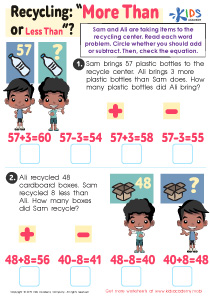
Numbers up to 100 Worksheets for Ages 5-7 - Page 3
50 filtered results
-
From - To
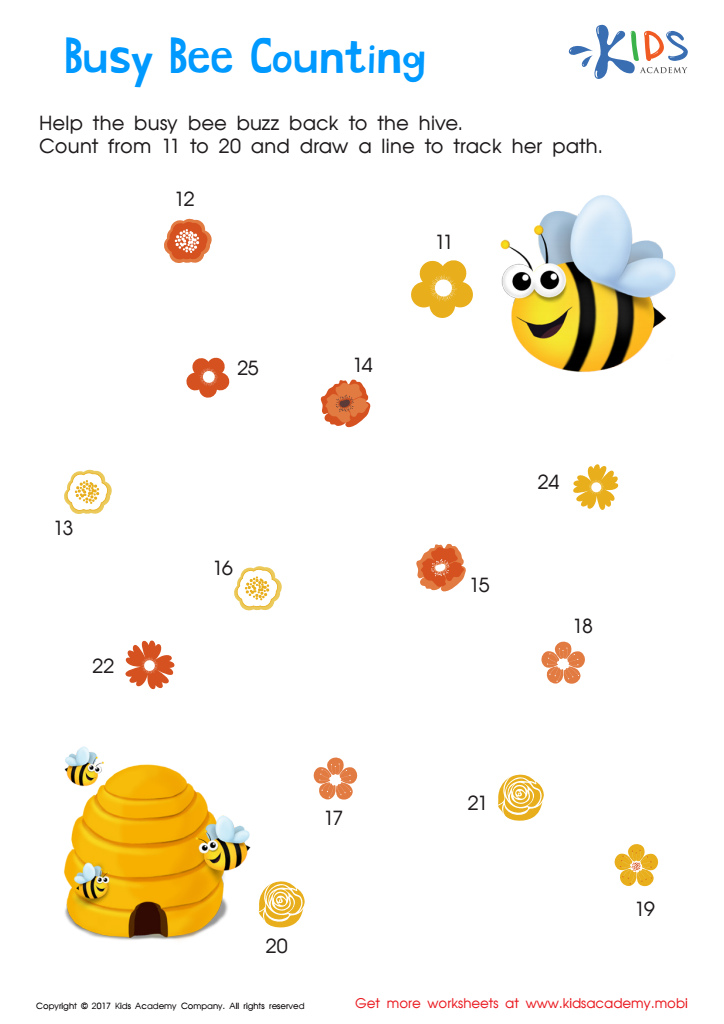
Ordering 11–20: Busy Bee Counting Worksheet
 Assign to My Students
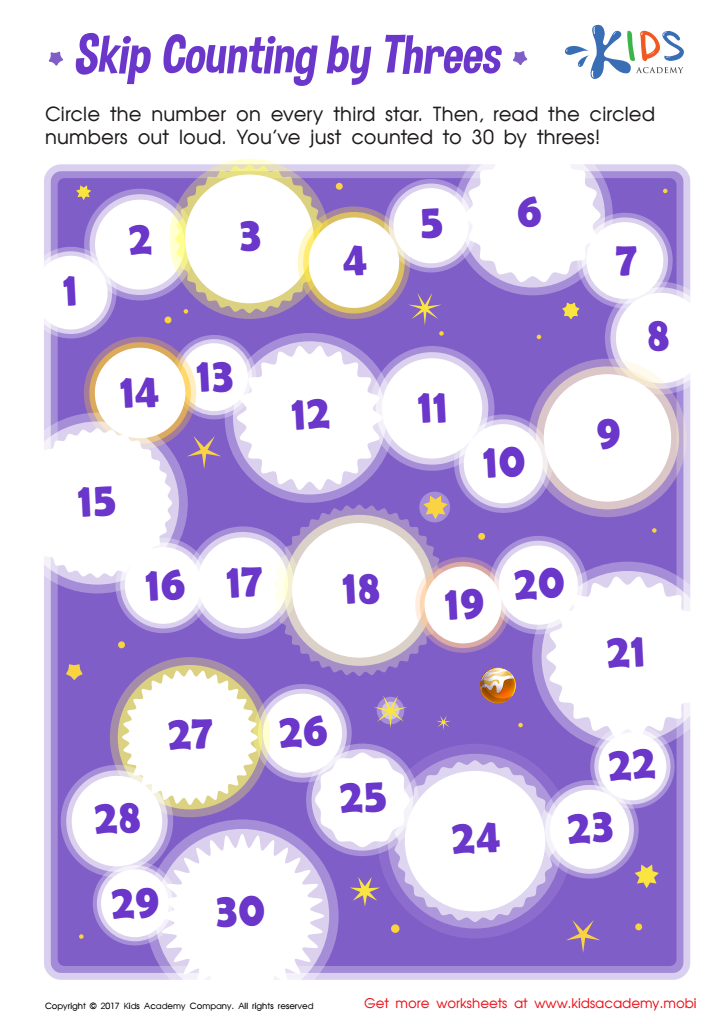
Skip Counting By Three Printable








Understanding numbers up to 100 is a fundamental milestone for children ages 5-7, and there are several compelling reasons why parents and teachers should prioritize this aspect of early math education.
First, numerical fluency in numbers up to 100 lays a strong foundation for more complex mathematical concepts, such as addition, subtraction, multiplication, and division. Mastery of these numbers helps children recognize patterns and understand place value, which are crucial skills for future math success.
Second, grasping numbers up to 100 aids in developing problem-solving abilities and logical thinking. When children are comfortable with these numbers, they can more easily comprehend real-world situations that involve counting, measuring, and comparing quantities. This early competence builds their confidence and encourages a positive attitude toward math.
Third, early exposure to numbers up to 100 enhances cognitive development, particularly in areas of memory and concentration. Engaging with numbers consistently can boost brain development and improve academic performance not only in math but in other subjects requiring analytical skills.
Lastly, numbers are omnipresent in daily life—whether in telling time, handling money, or following a recipe. Helping young children become proficient with numbers up to 100 ensures they can navigate these everyday activities more effectively, fostering independence and practical life skills.
For parents and teachers, supporting numerical learning within this age group is investing in a child’s overall intellectual growth and practical abilities, which paves the way for their future educational success.