Matching Worksheets for Ages 5-8 - Page 4
82 filtered results
-
From - To
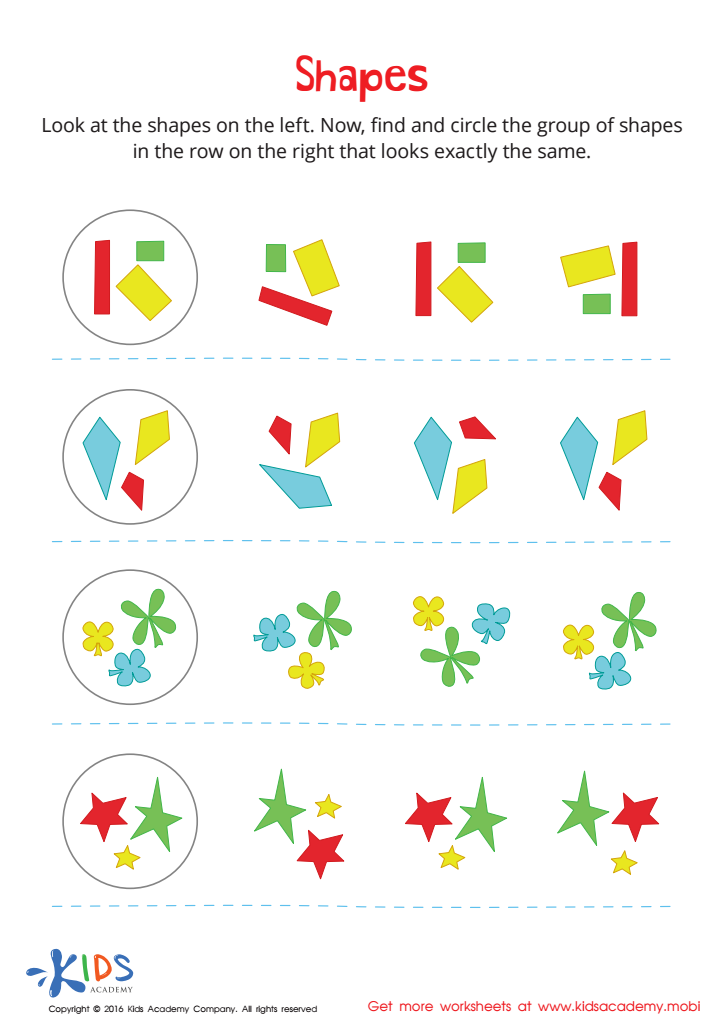
Shapes Worksheet
 Assign to My Students
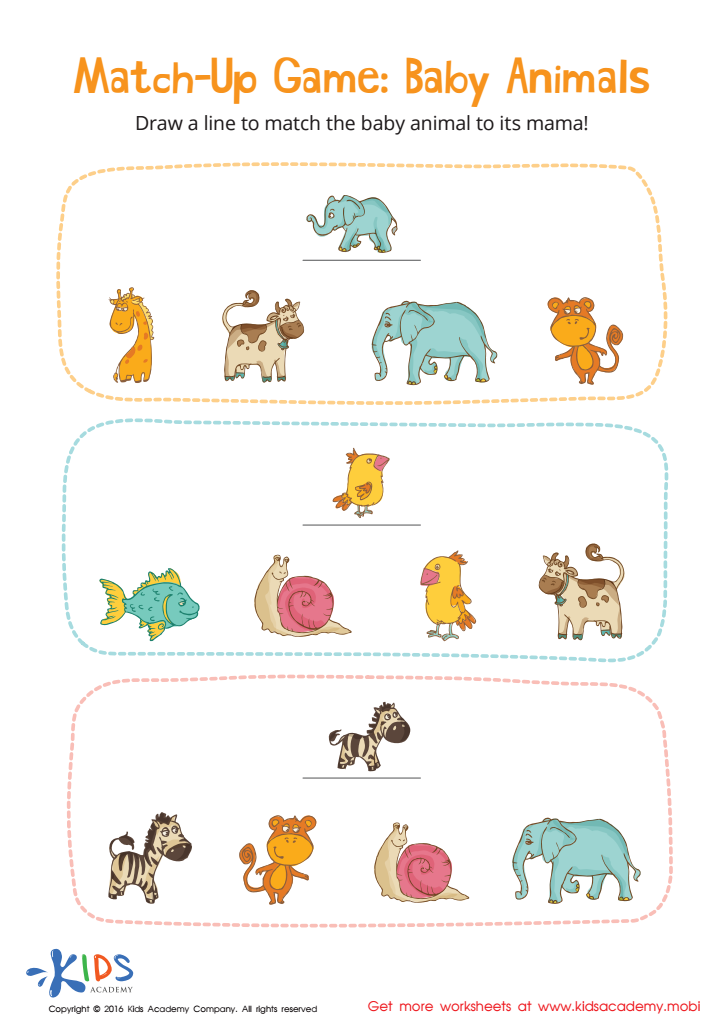
Baby Animals Match-Up Worksheet
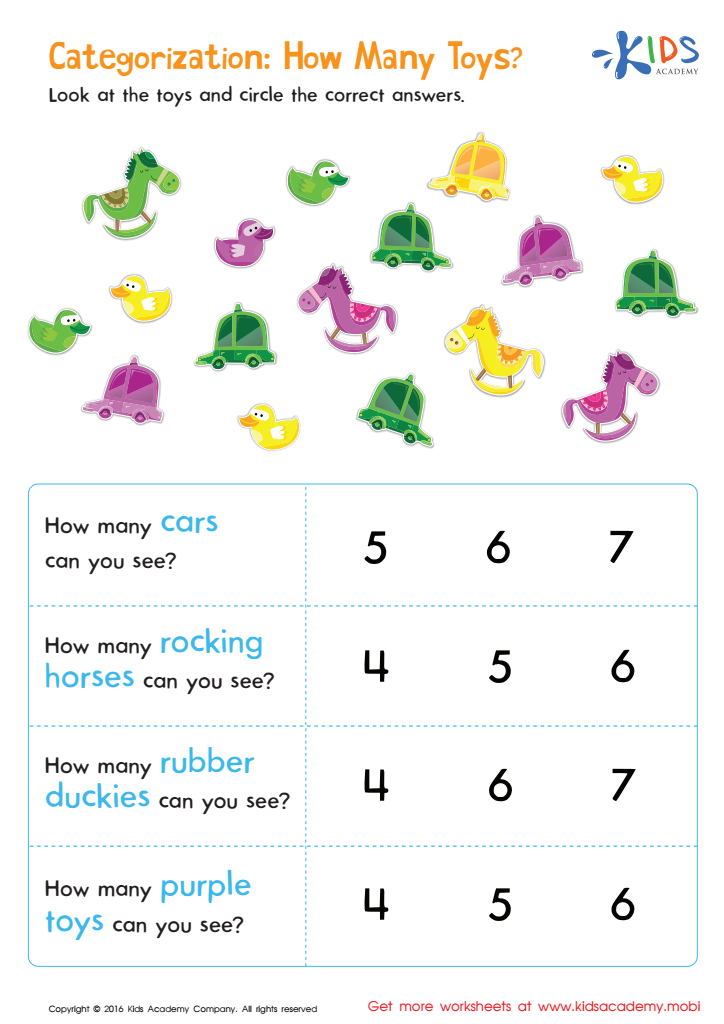
Classifying Toys by Type and Color Sorting Worksheet
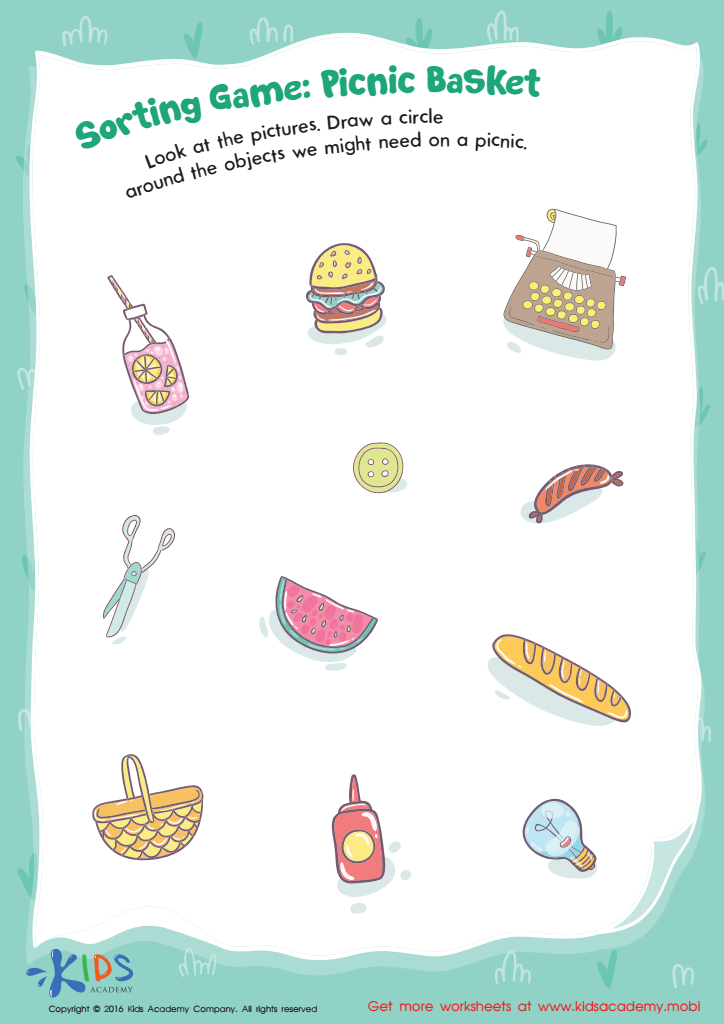
Picnic Basket Sorting Worksheet
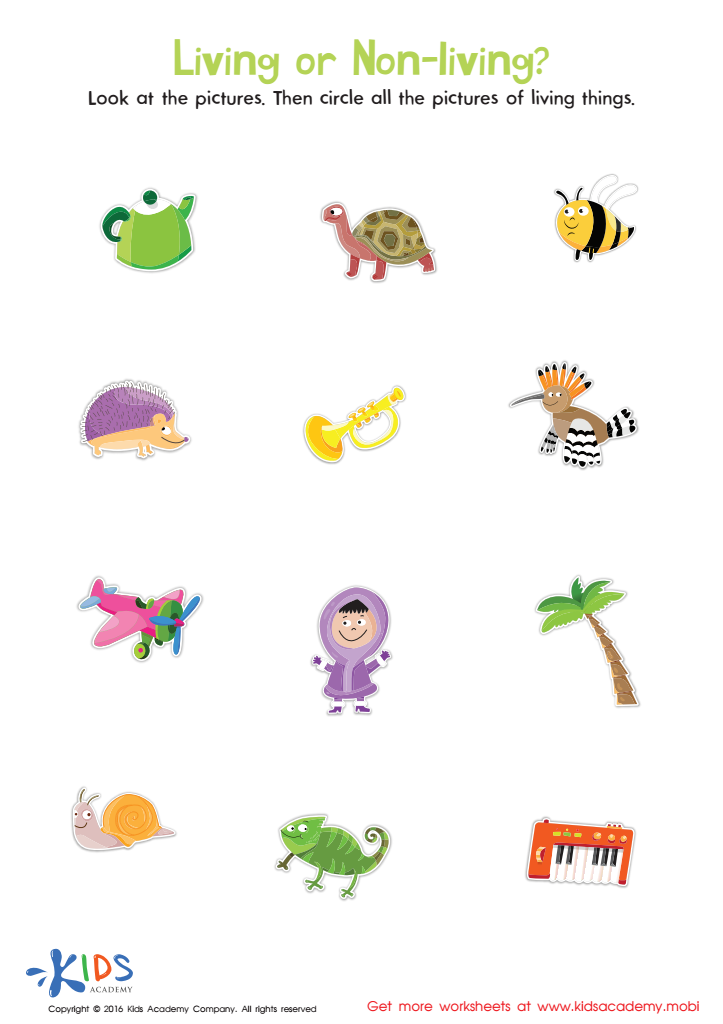
Identifying Living and Non–living Things Sorting Worksheet
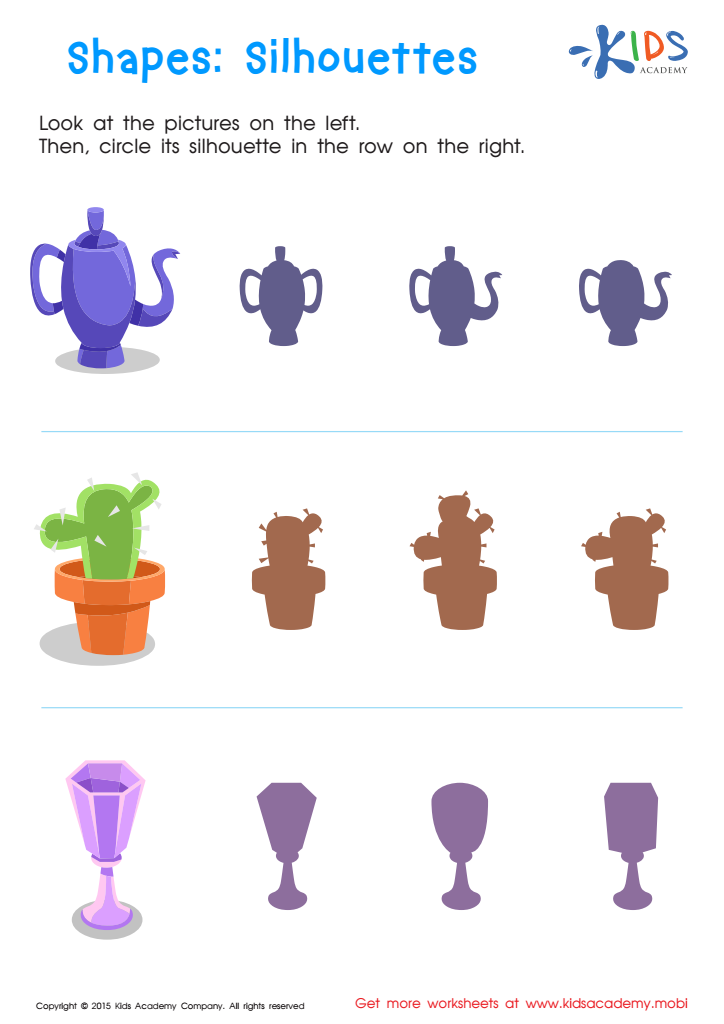
Silhouettes – Shapes Worksheet
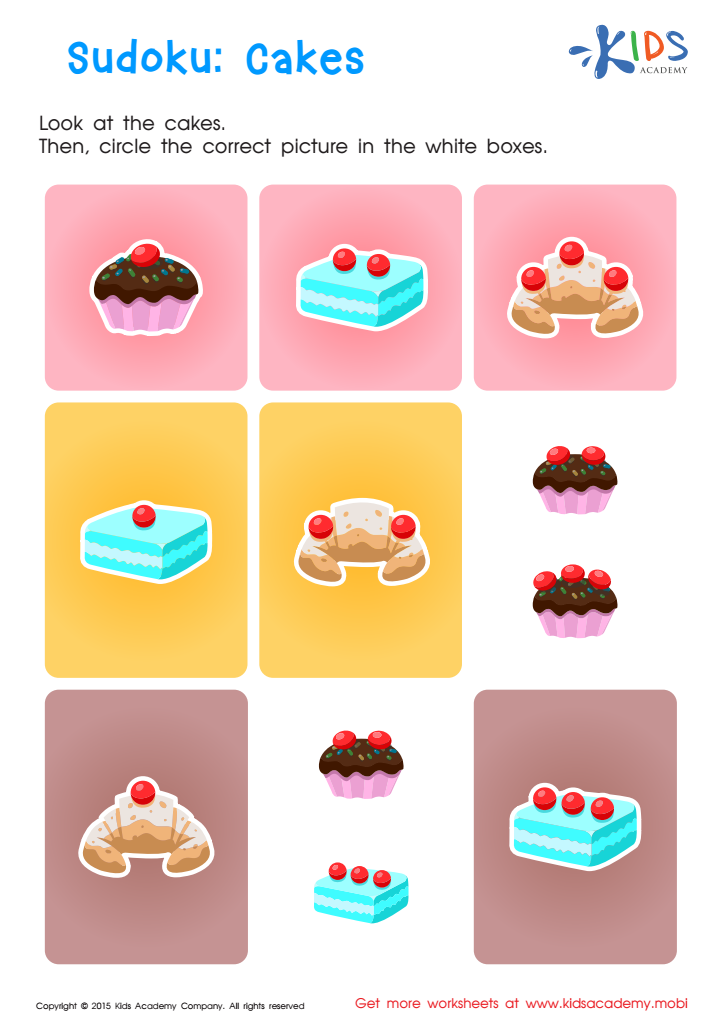
Sudoku Worksheet
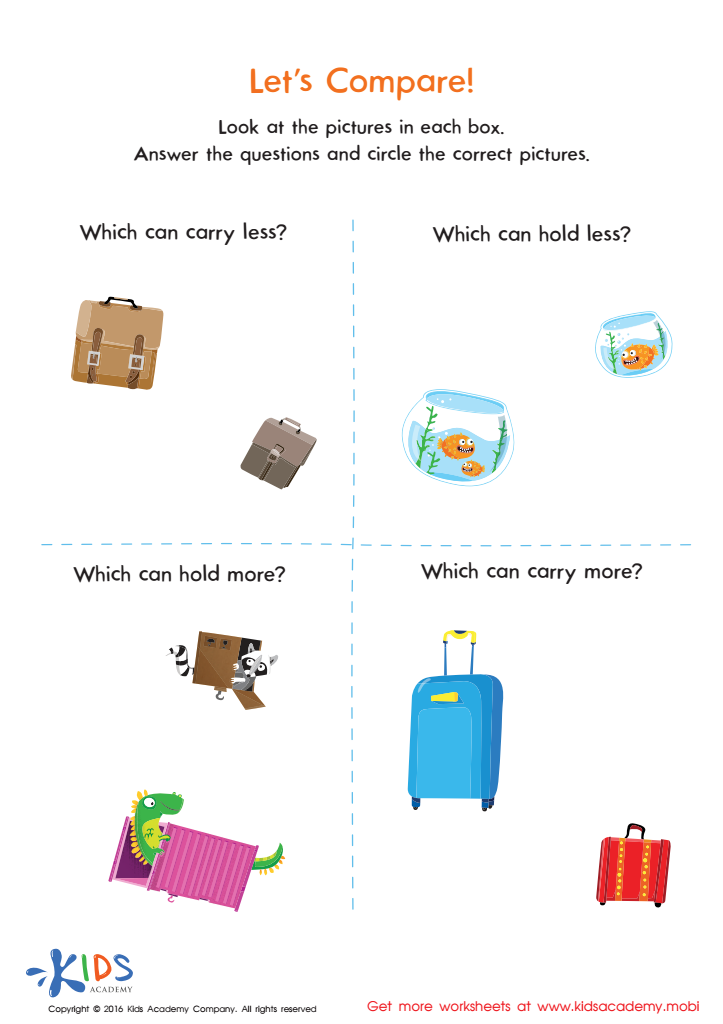
Let's Compare Worksheet: Big or Small








Matching activities are vital for children aged 5-8, providing numerous developmental benefits that both parents and teachers should prioritize. At this age, children are increasingly honing their cognitive and motor skills. Engaging in matching games enhances their memory, attention skills, and the ability to recognize patterns. These foundational skills are crucial as they lay the groundwork for more complex learning in the future.
Moreover, matching activities are a fun way for children to learn essential concepts, such as letters, numbers, shapes, and colors. They foster an interactive learning environment that can spark curiosity and enthusiasm for discovering new things. When children engage in matching tasks—whether through cards, puzzles, or digital games—they also develop social skills, as they often participate in group activities that encourage cooperation, communication, and turn-taking.
Additionally, the repetitive nature of matching helps reinforce memory retention, aiding in vocabulary acquisition and early literacy skills. Parents and teachers play a critical role; they can create and facilitate these activities, ensuring children receive consistent practice. In short, promoting matching exercises in this age range nurtures essential abilities, setting the stage for success in school and beyond.








