Geography Worksheets for Ages 5-8 - Page 2
60 filtered results
-
From - To
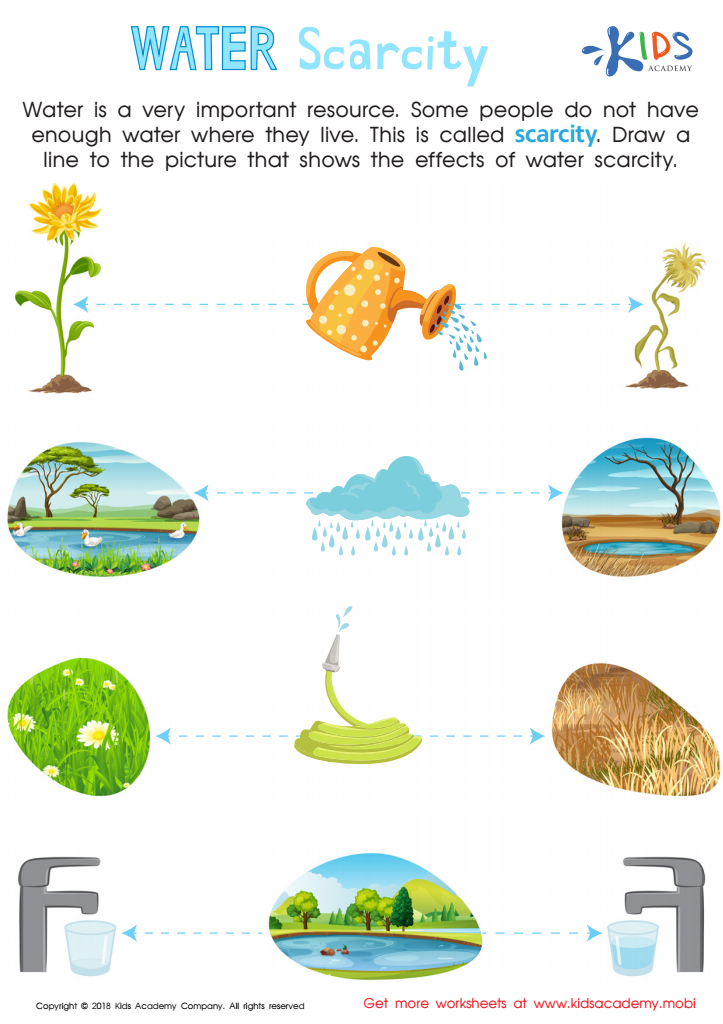
Water Scarcity Worksheet
 Assign to My Students
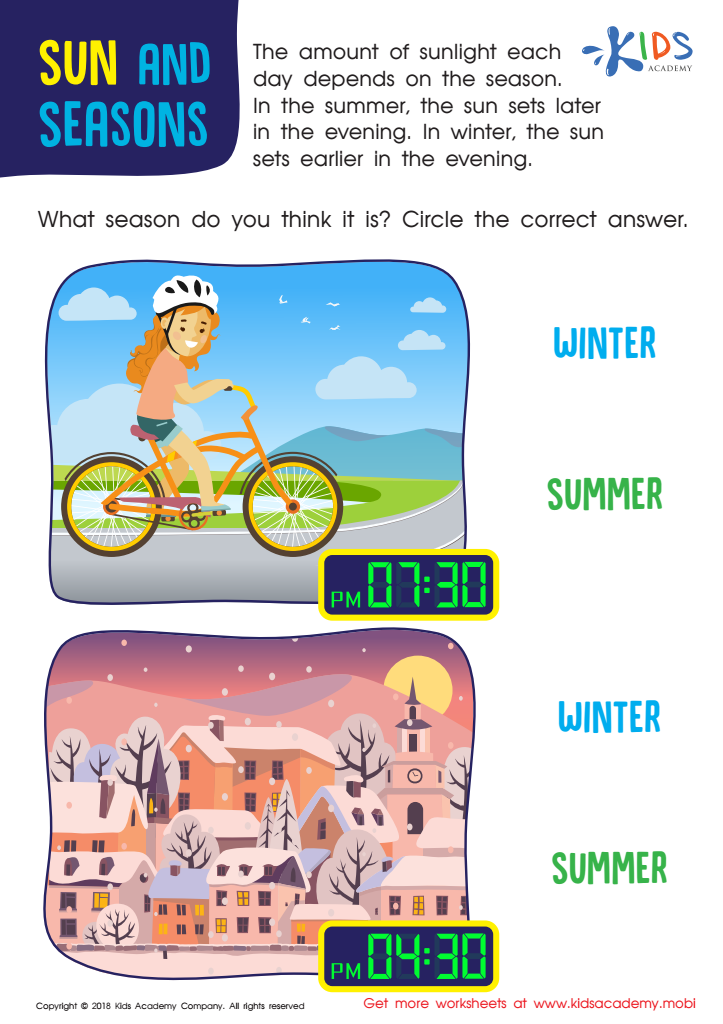
Sun and Seasons Worksheet
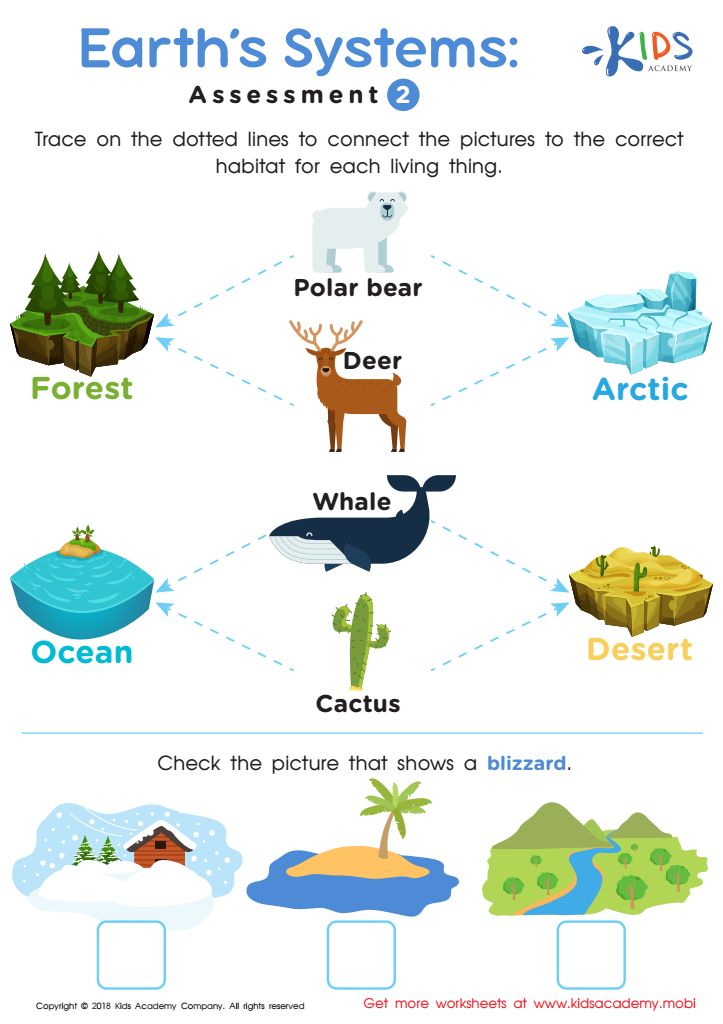
Earth's Systems: Assessment 2
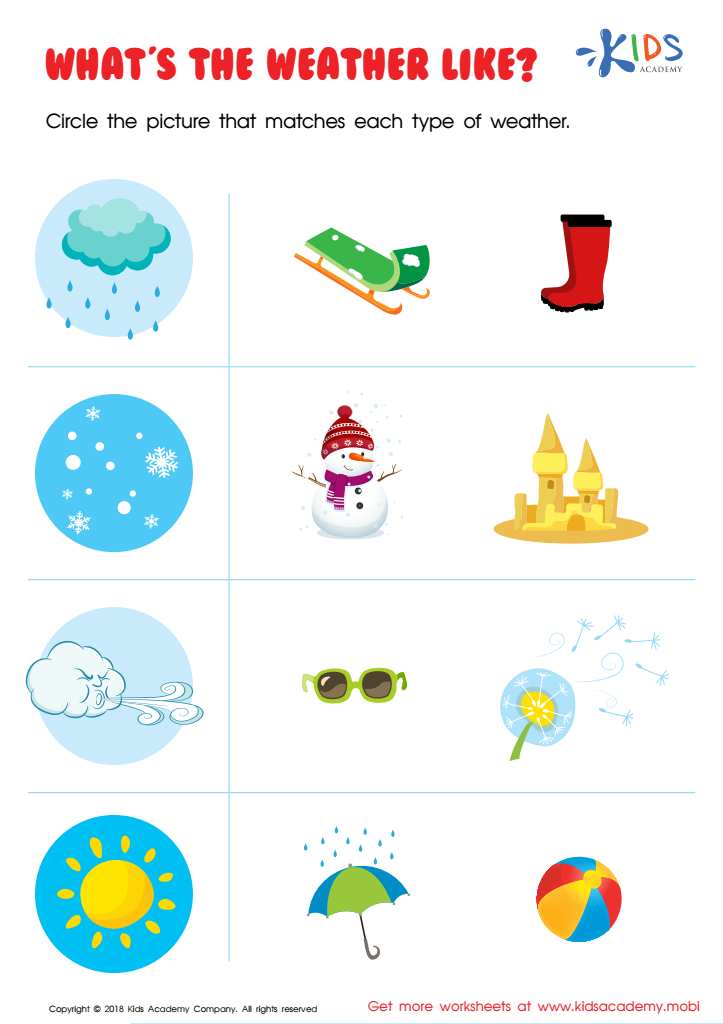
What's the Weather Like? Worksheet
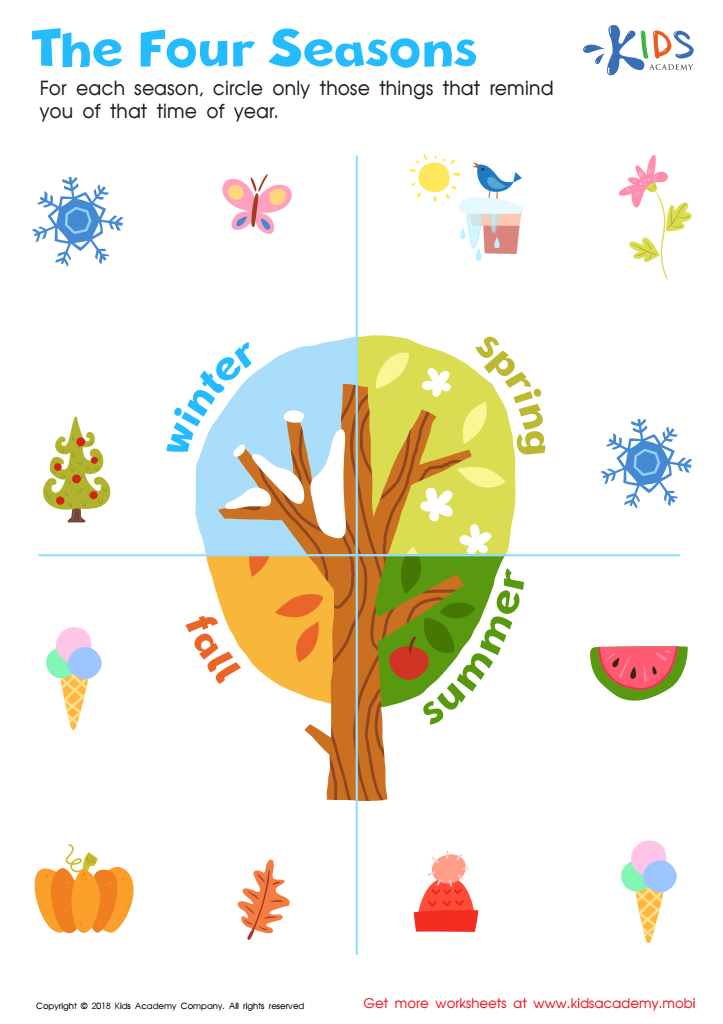
The Four Seasons Worksheet
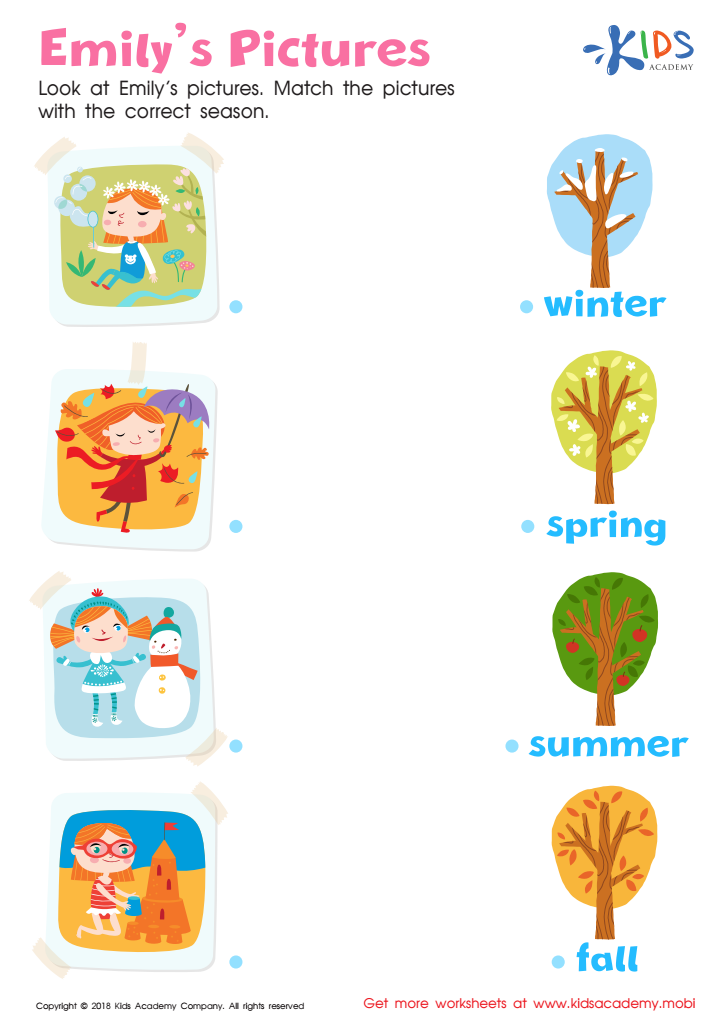
Emily's Pictures Worksheet
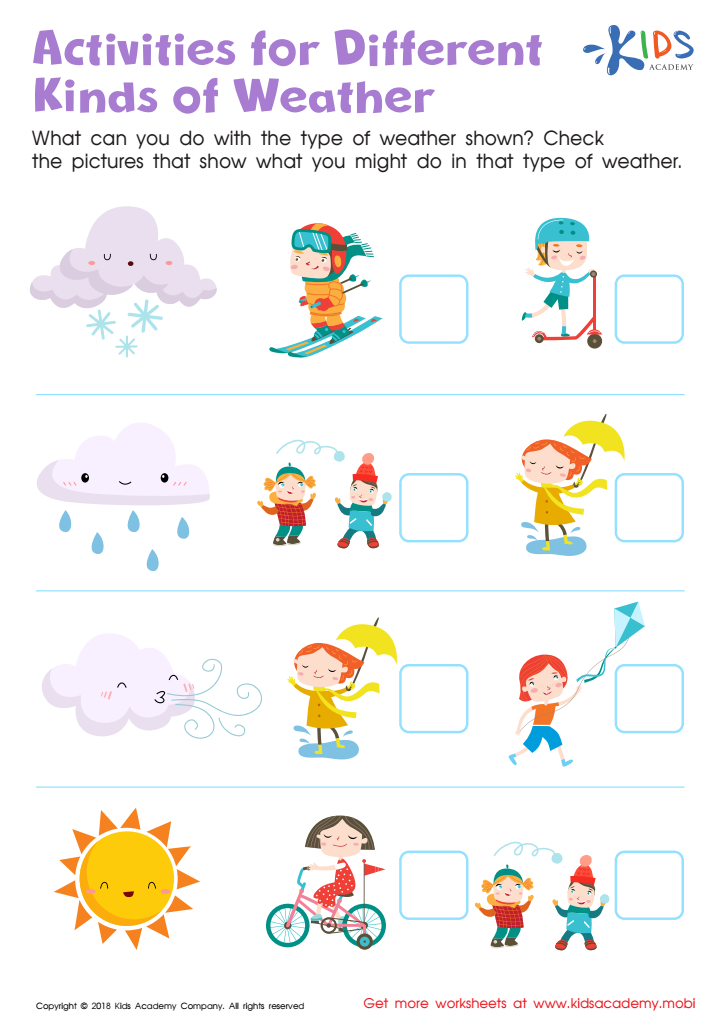
Activities for Different Kinds of Weather Worksheet
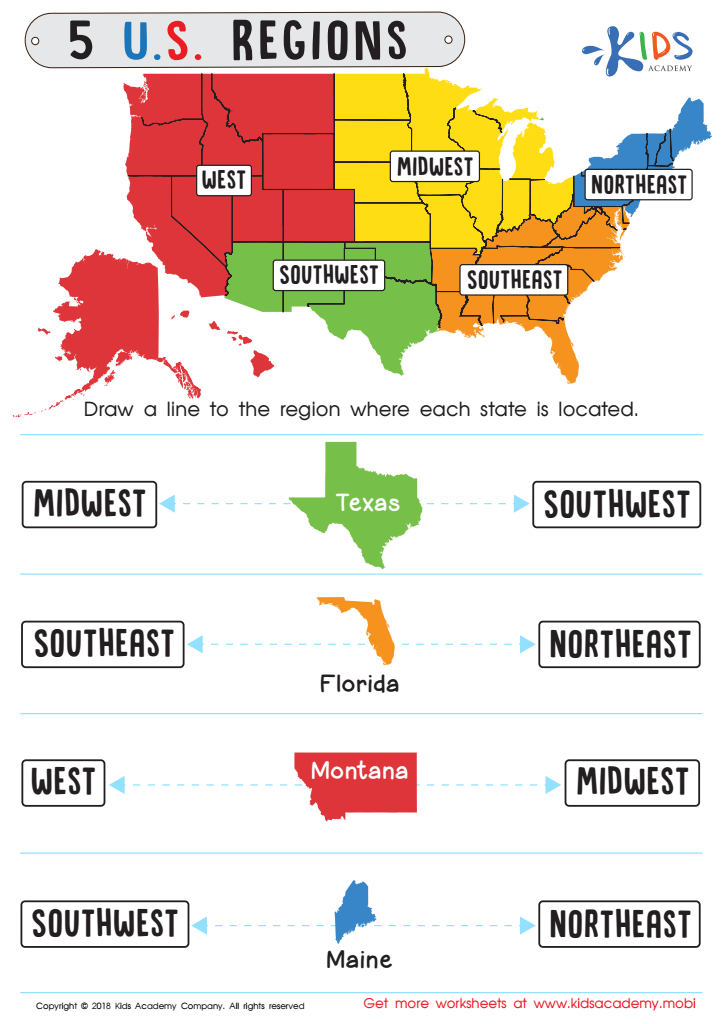
5 U.S. Regions Worksheet
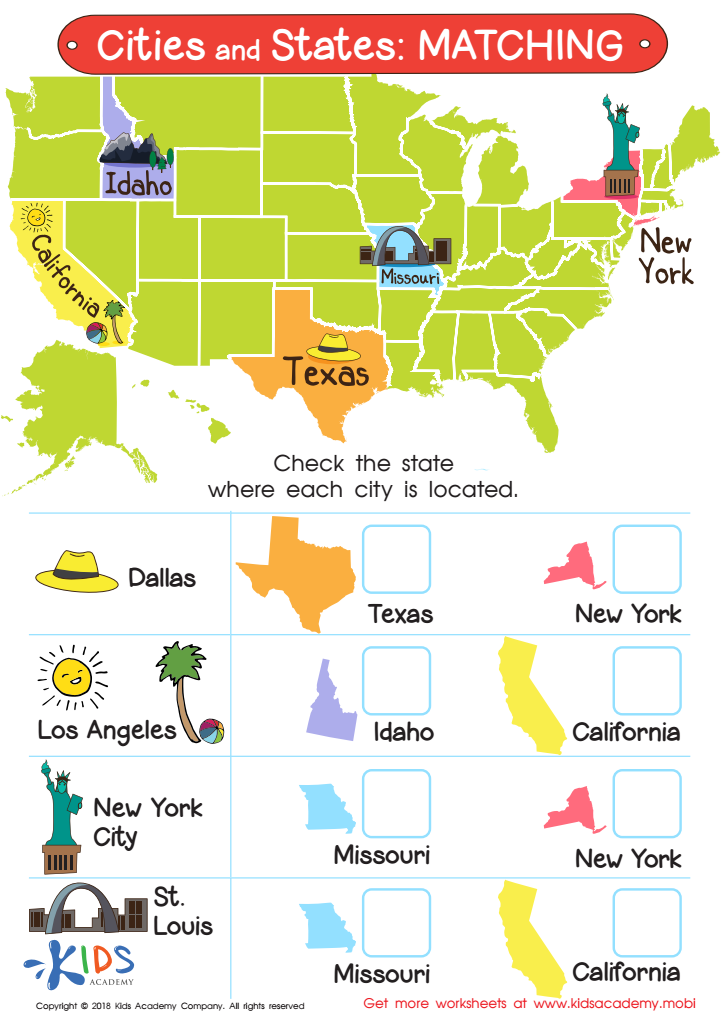
Cities and States: Matching Worksheet
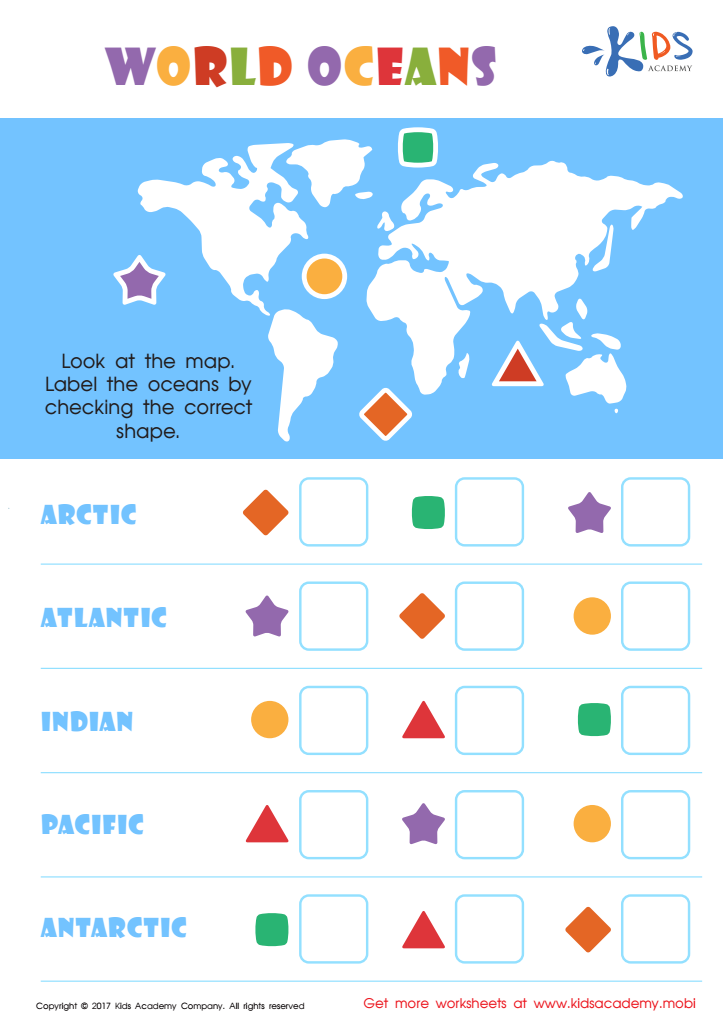
World Oceans Printable
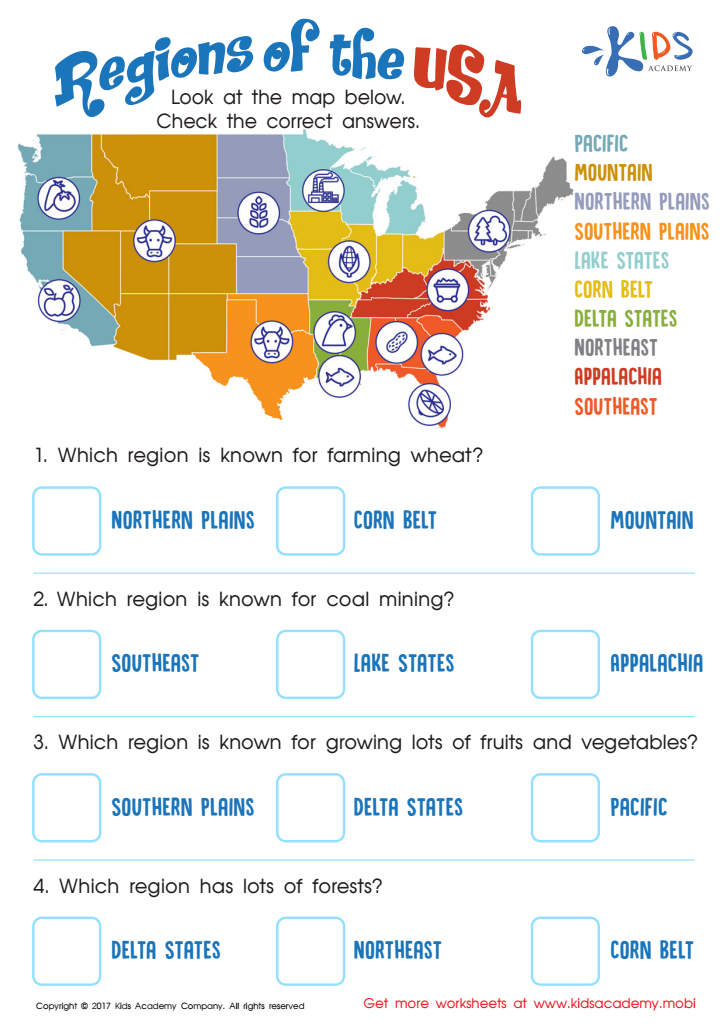
Regions of the USA Worksheet
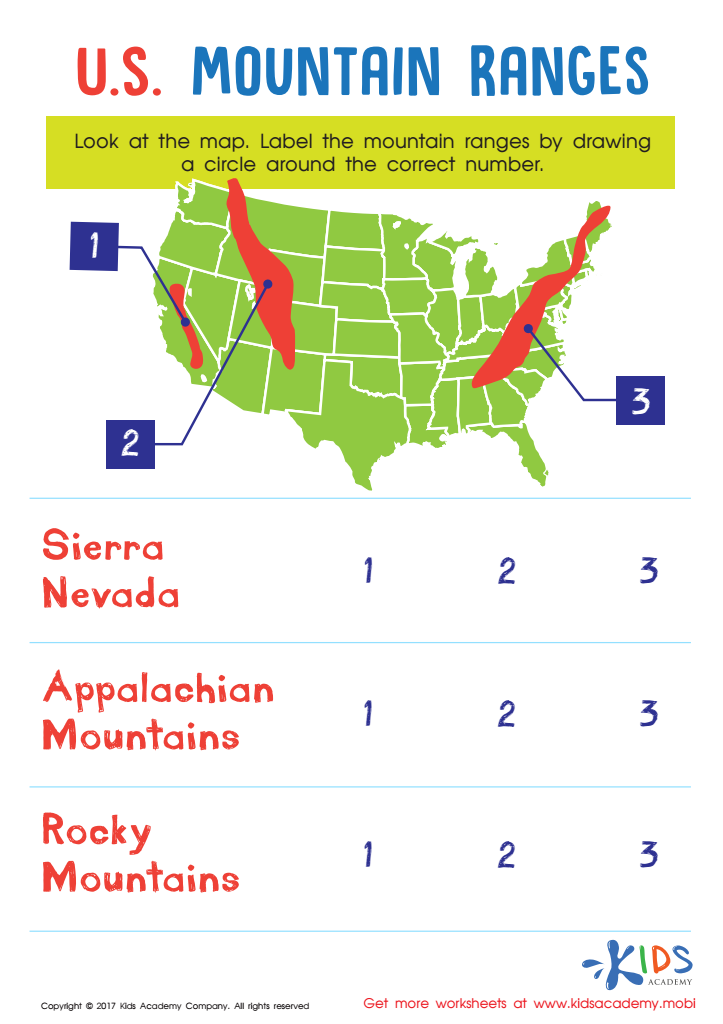
US Mountain Ranges Worksheet
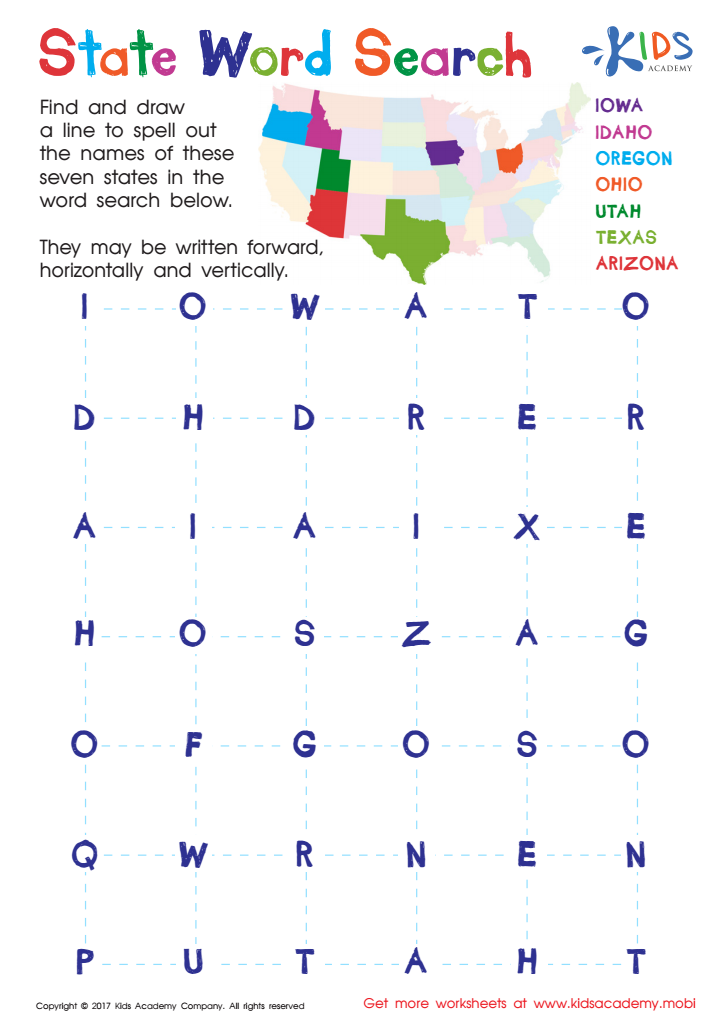
State Word Search Worksheet
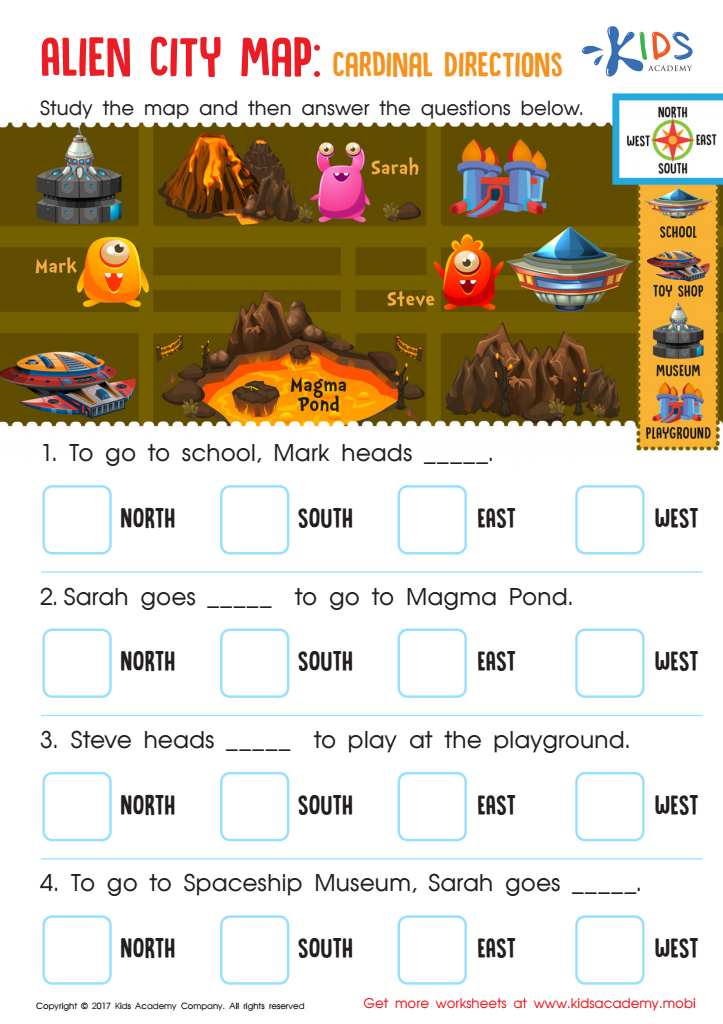
Alien City Map: Cardinal Directions Worksheet
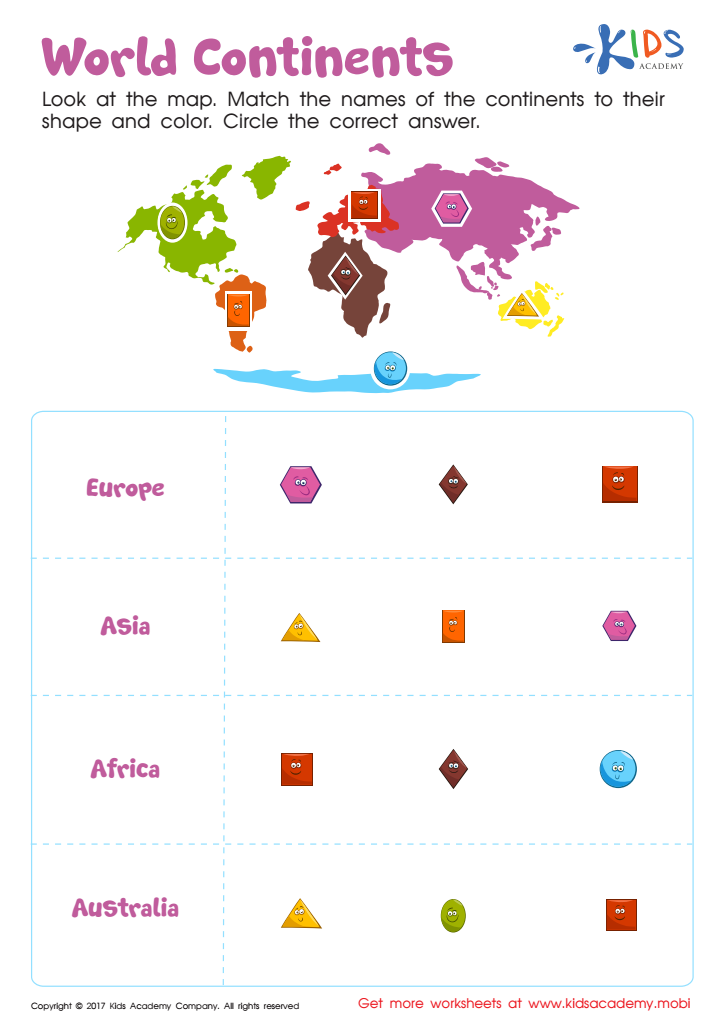
World Continents Worksheet
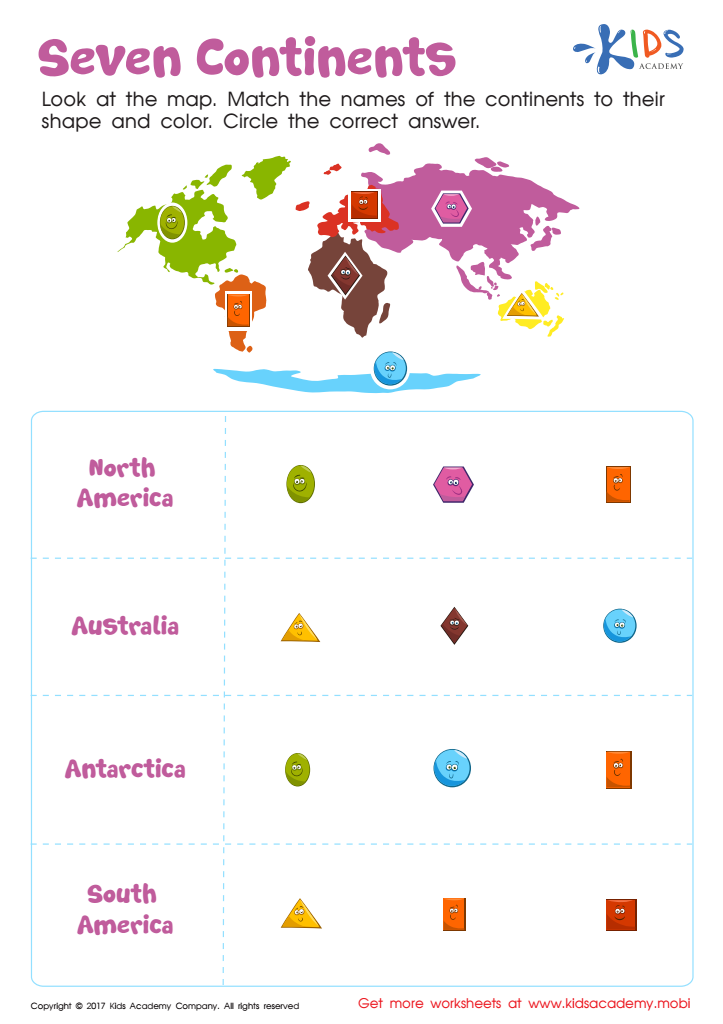
Seven Continents Worksheet
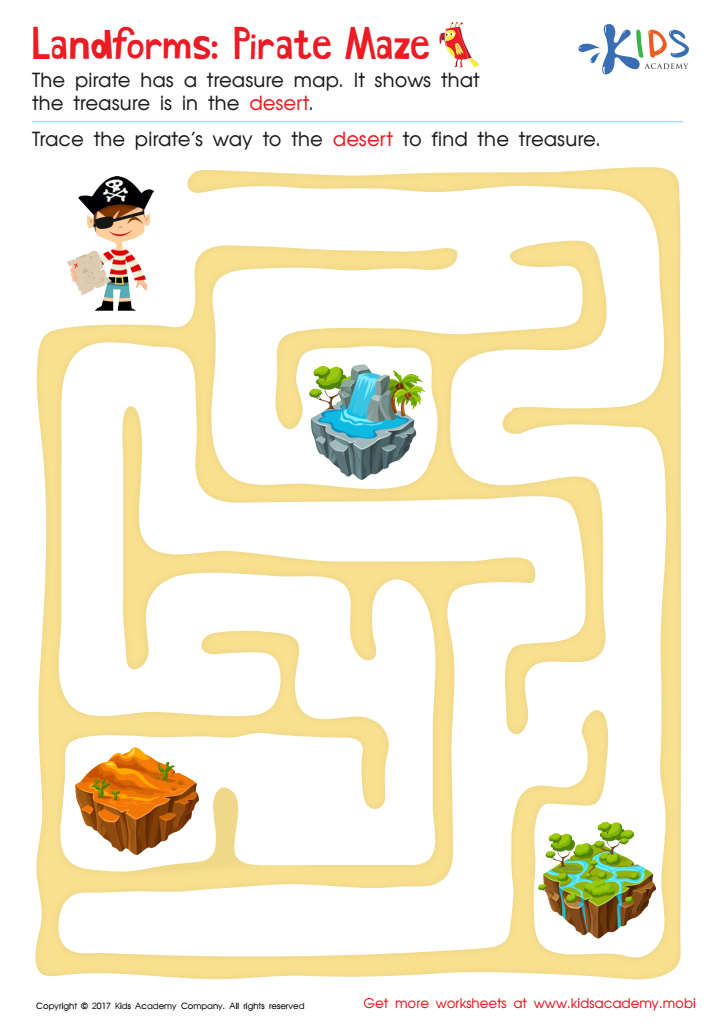
Landforms: Pirate Maze Printable
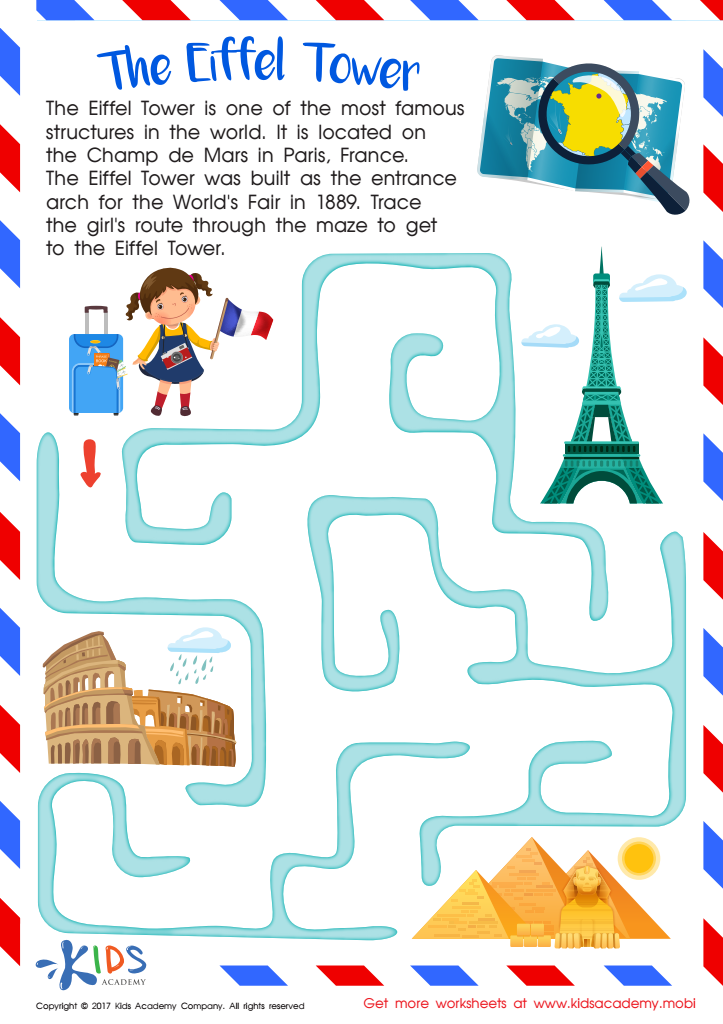
The Eiffel Tower Printable
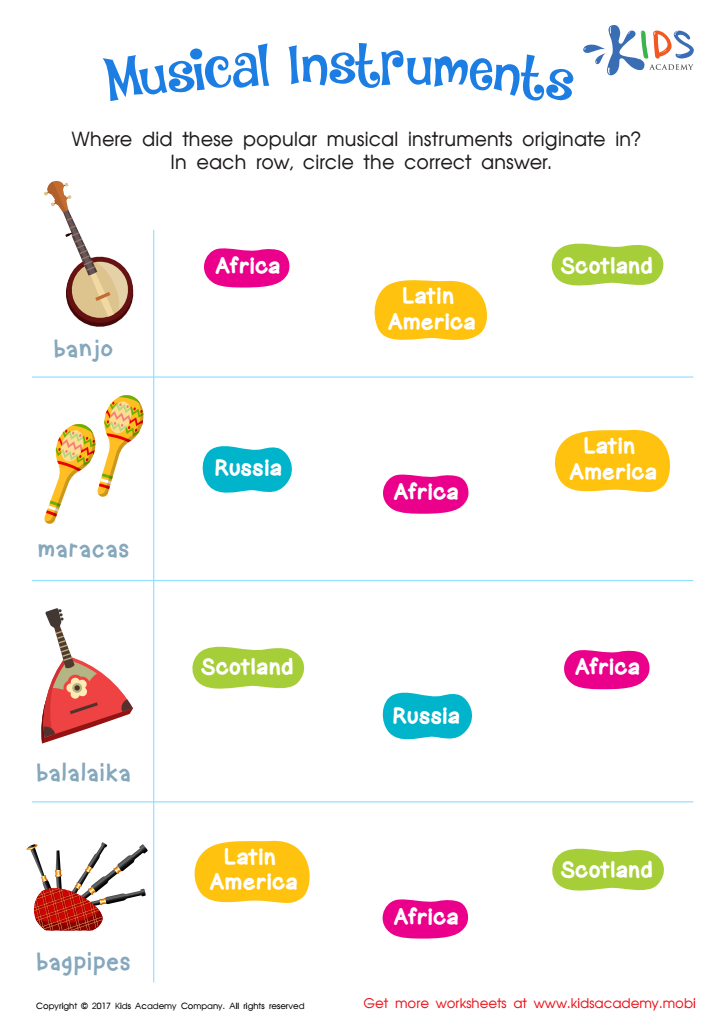
Musical Instruments Printable
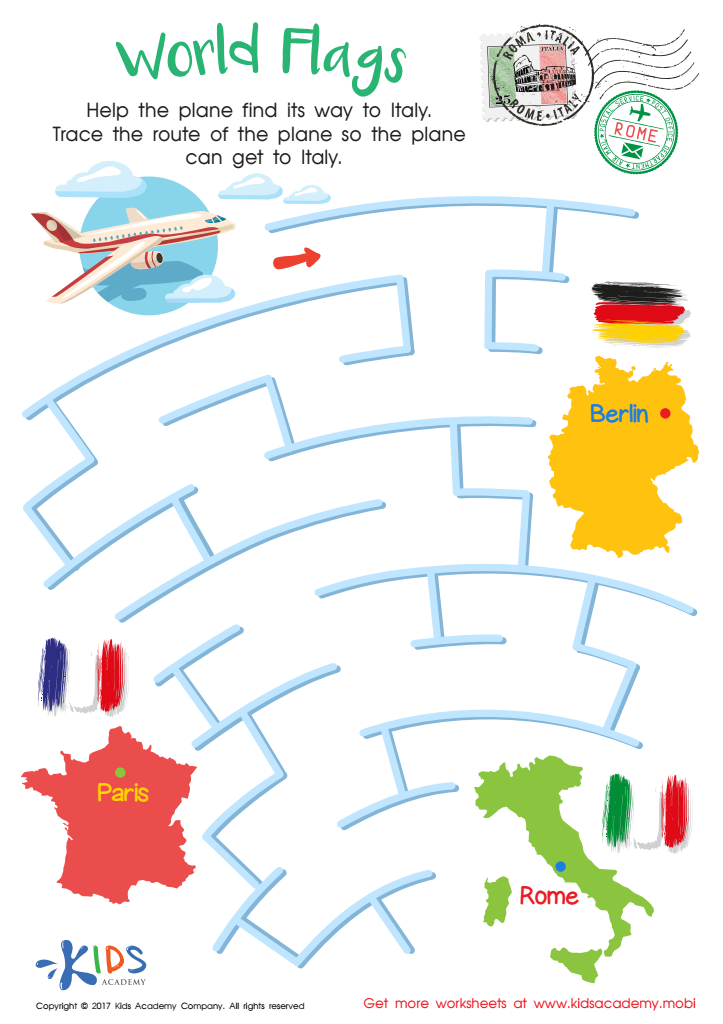
World Flags Maze Worksheet
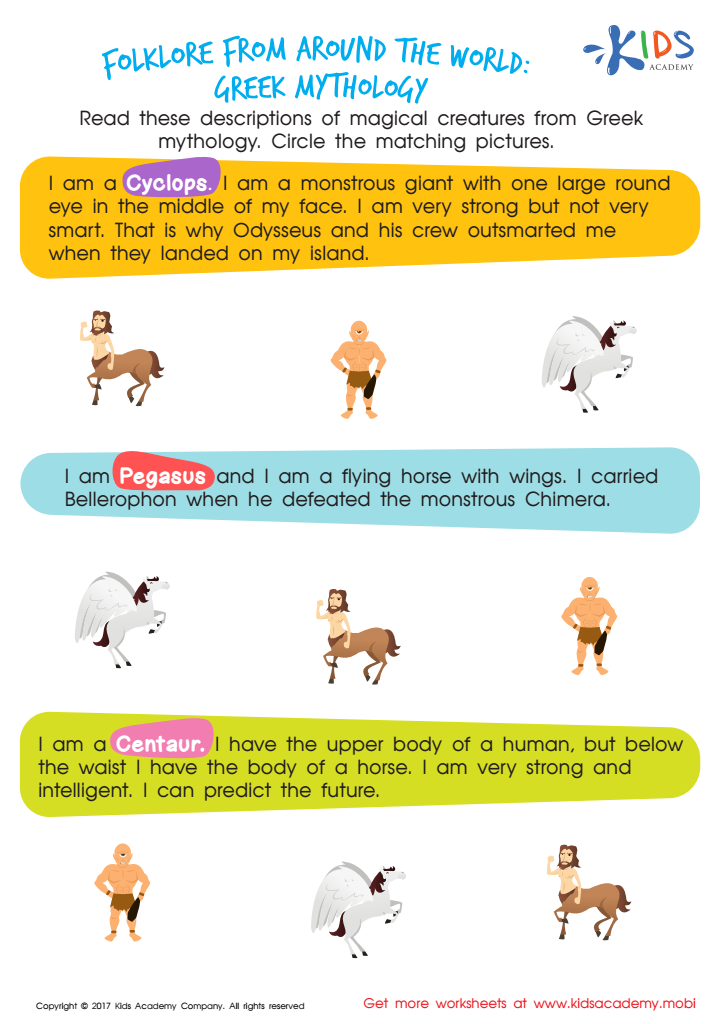
Greek Mythology Worksheet
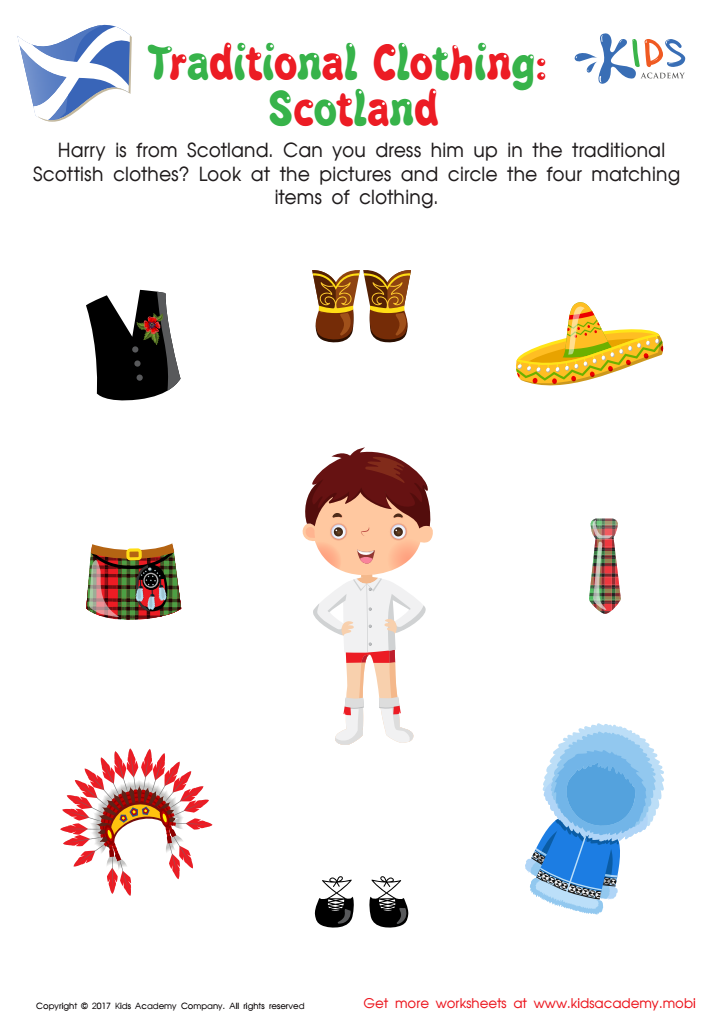
Traditional Clothing in Scotland Worksheet
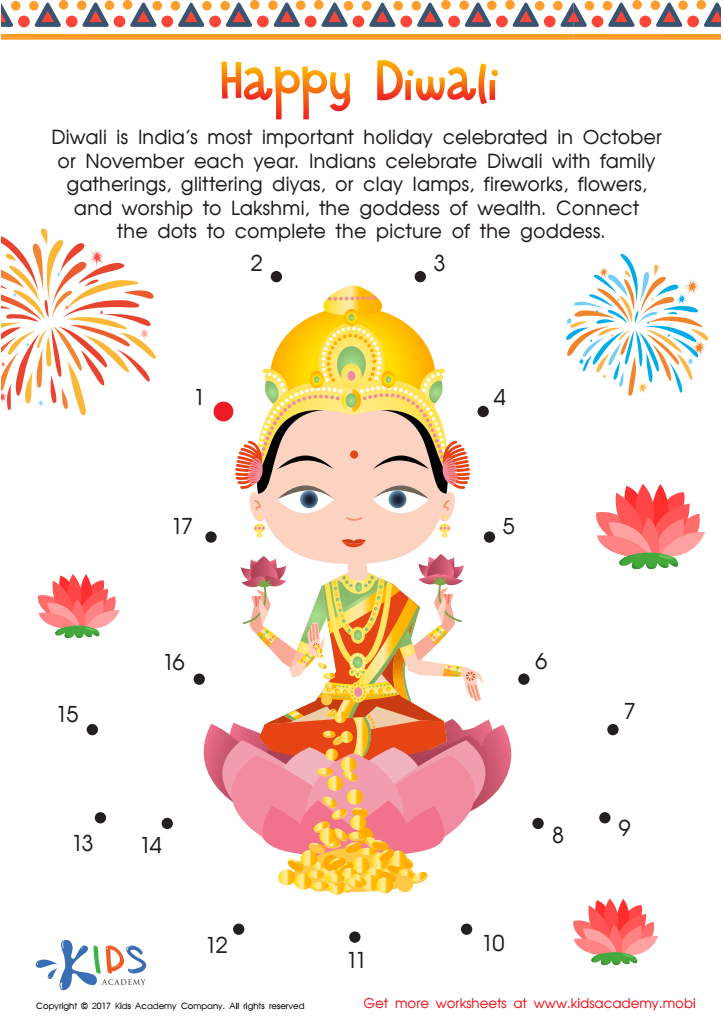
Happy Diwali Printable
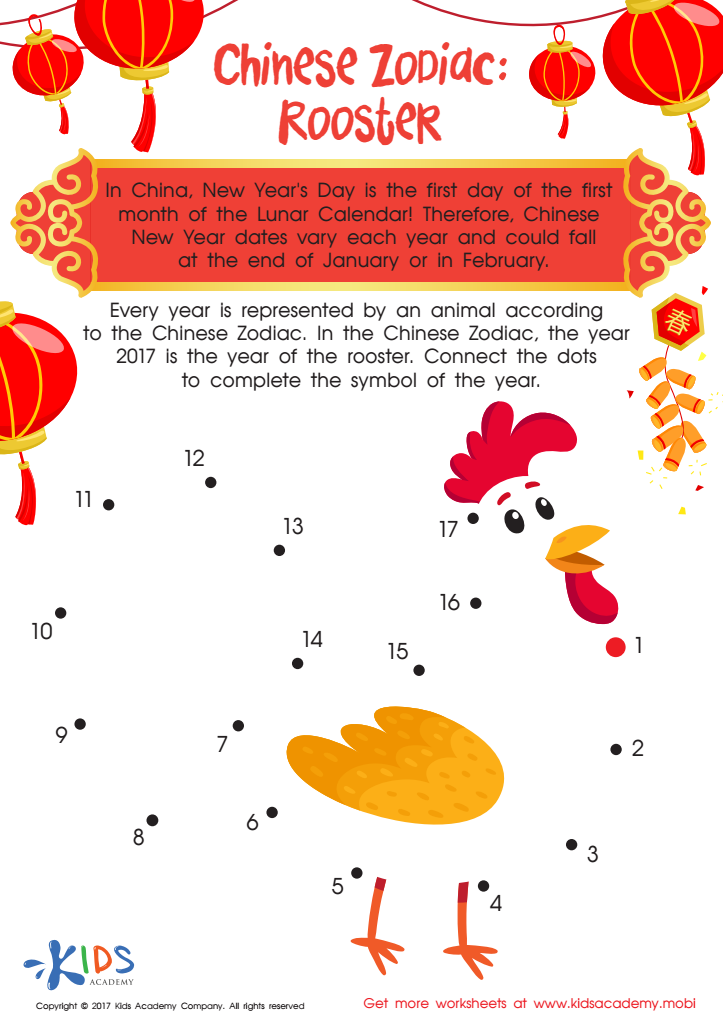
Chinese Zodiac Printable




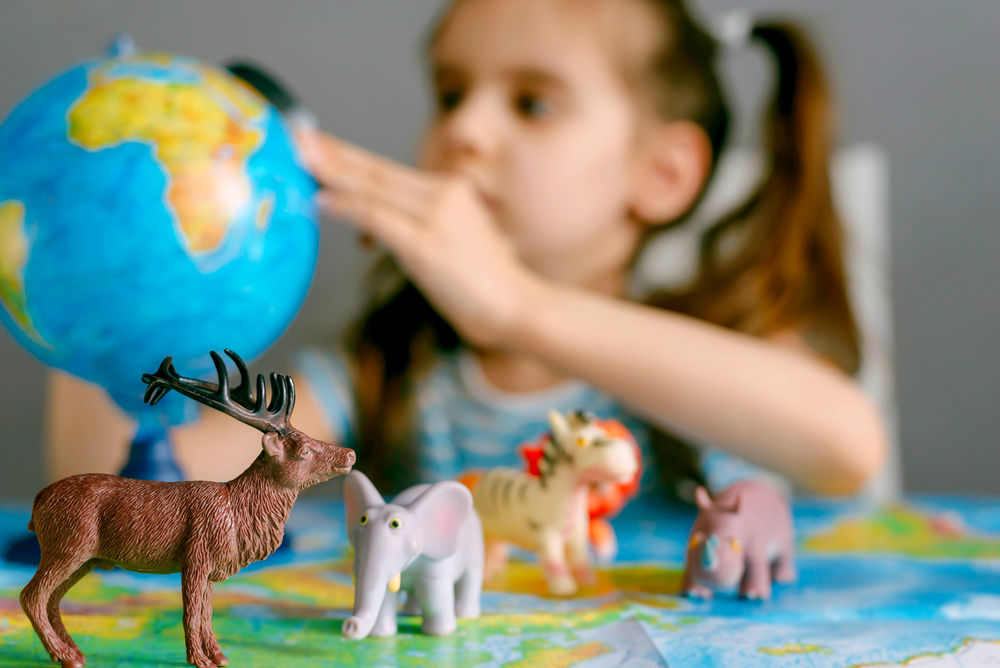


Parents and teachers should prioritize geography for children ages 5-8 because it fosters a sense of curiosity and understanding about the world. At this formative stage, kids are naturally curious about their surroundings. Introducing geography helps them grasp basic concepts like continents, oceans, weather patterns, and different cultures. It enhances spatial awareness, teaching them about directions and locations, which are fundamental skills for everyday navigation.
Geography lessons pave the way for lifelong learning and global citizenship. They open children’s minds to the vast diversity of our planet, promoting cultural sensitivity and empathy. This helps build a foundation of respect and appreciation for people from various backgrounds.
Additionally, geography is integrally connected to subjects like history, science, and environmental studies. Understanding geographical concepts enhance cognitive skills, such as critical thinking and problem-solving, as students learn about human-environment interactions and physical processes like erosion and the water cycle.
Incorporating geography in early education also aids in developing practical skills. Reading maps, understanding symbols, and recognizing landmarks are not only academically beneficial but also equip children with tools for future challenges. By making geography engaging through interactive activities like map-reading games and virtual tours, children develop a love for learning that extends beyond the classroom.








