Filters

56 filtered results

Clear all filters
Favorites
With answer key
Interactive

56 filtered results

Difficulty Level

Grade


Check out this FREE Trial Lesson on Reading Non-Fiction for age 7!

Summarizing Text Using Key Details

Favorites
With answer key
Interactive
  • 7
  • Interactive
  • Reading Non-Fiction
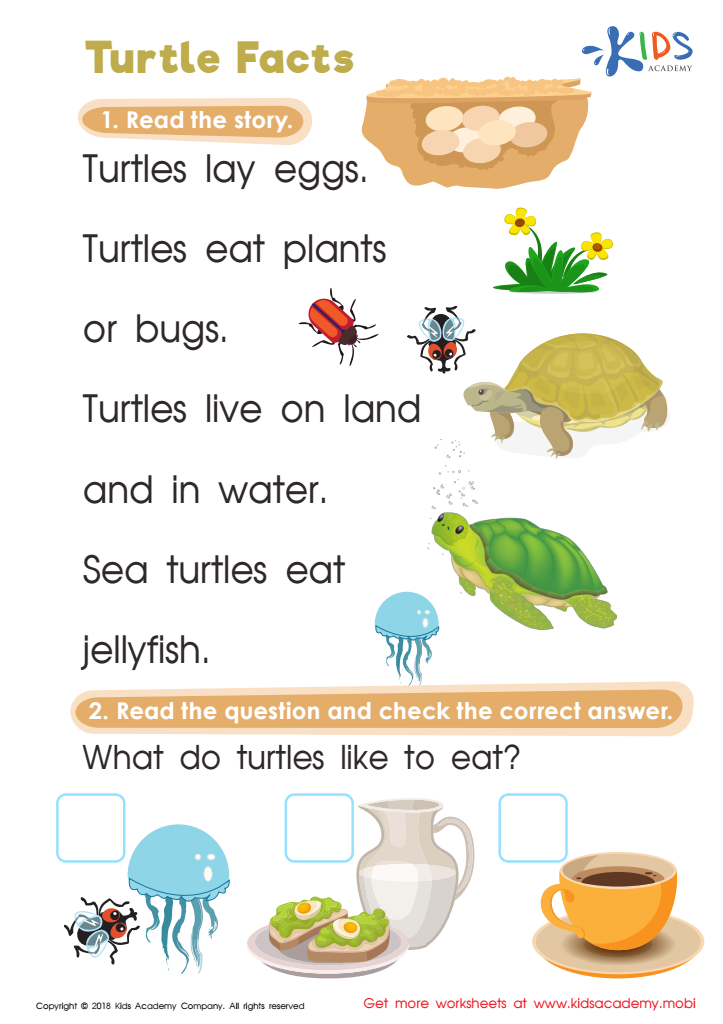
Turtle Facts Worksheet

Turtle Facts Worksheet

Reading has many advantages, like being able to learn from informational texts! This worksheet teaches kids about turtles using a fun paragraph with pictures! Encourage students to read the text and use the visuals as a guide. Then, answer the question at the bottom by checking the image that matches the info they just read.
Turtle Facts Worksheet
Worksheet
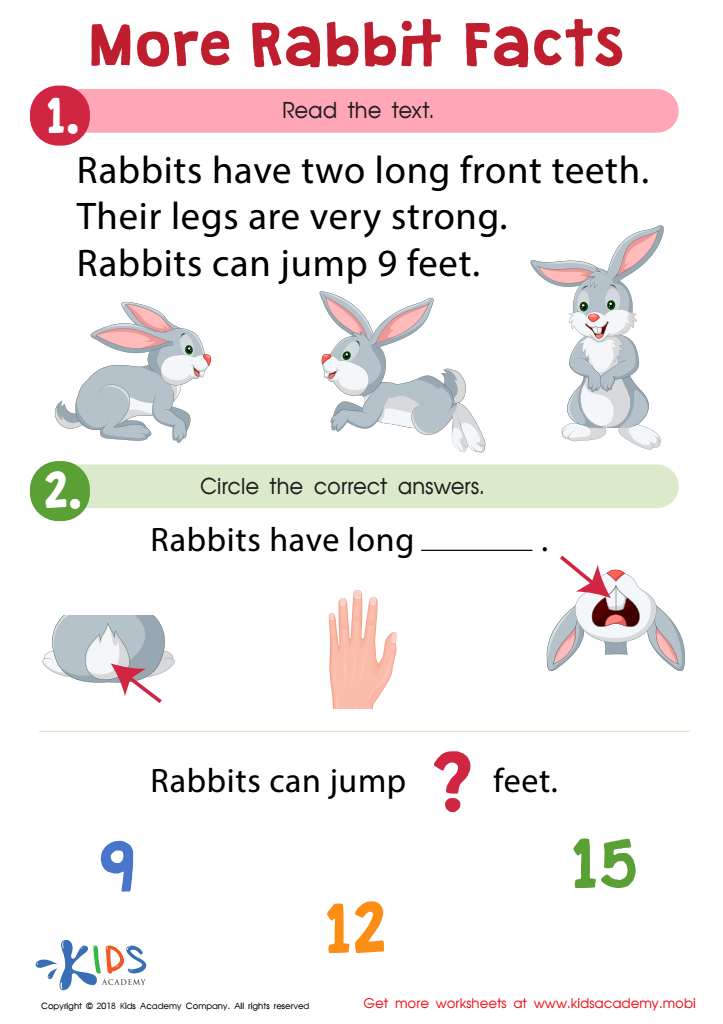
More Rabbit Facts Worksheet

More Rabbit Facts Worksheet

Improve your child's reading comprehension skills with this fun worksheet! Read the paragraph at the top of the page, view the pictures and circle the correct answers indicating what was learned. Develop a better understanding of rabbits while learning how to recall important information from texts.
More Rabbit Facts Worksheet
Worksheet
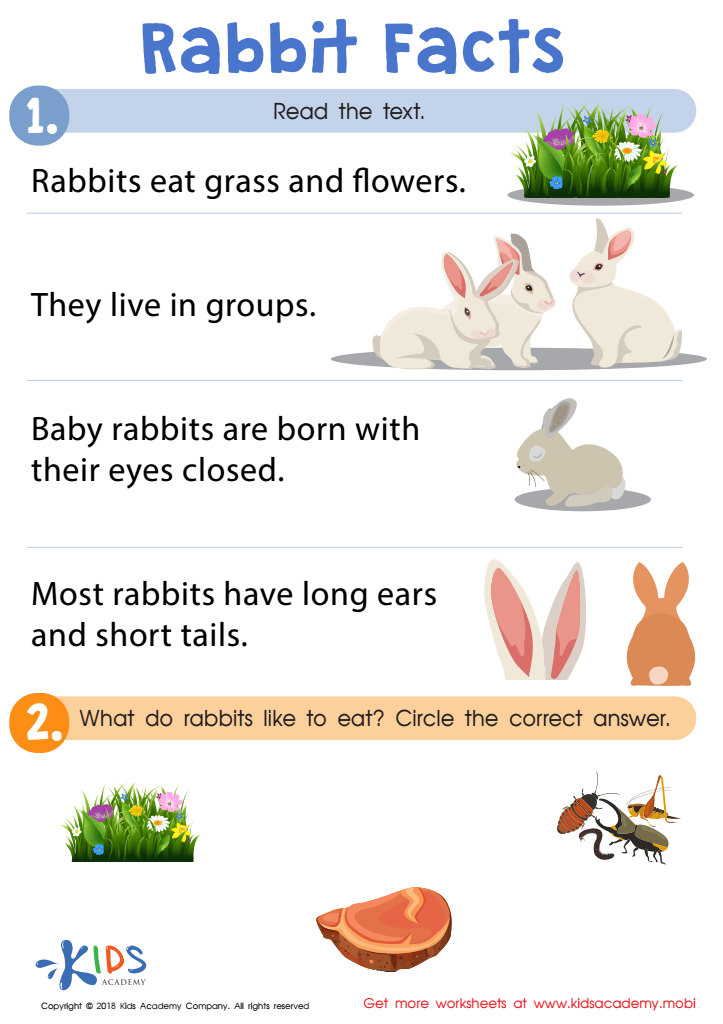
Rabbit Facts Worksheet
Rabbit Facts Worksheet

Informational texts offer great learning opportunities. Kids Academy's reading worksheet helps children read and recall important details from a text about bunnies. Kids will love it! Simply read the rabbit facts and circle the correct pictures to answer the questions.
Rabbit Facts Worksheet
Worksheet
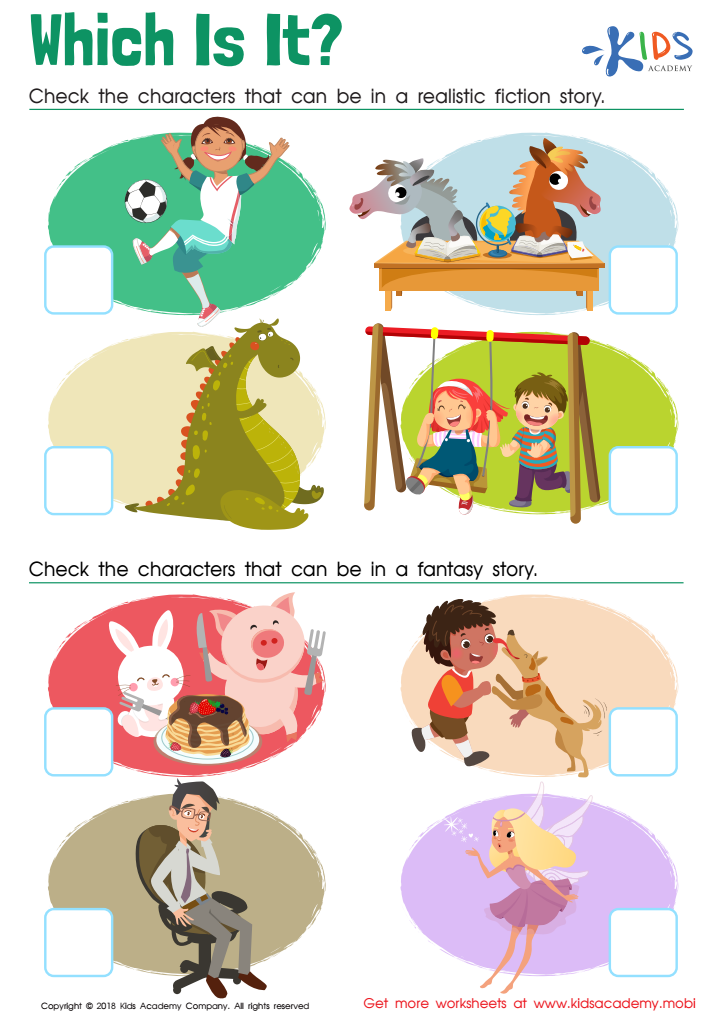
Which Is It? Worksheet

Which Is It? Worksheet

This colorful worksheet helps young readers identify elements of fact and fiction using fun picture clues. They can check off characters who exist in realistic fiction stories, which makes learning the difference between the two genres fun and engaging.
Which Is It? Worksheet
Worksheet
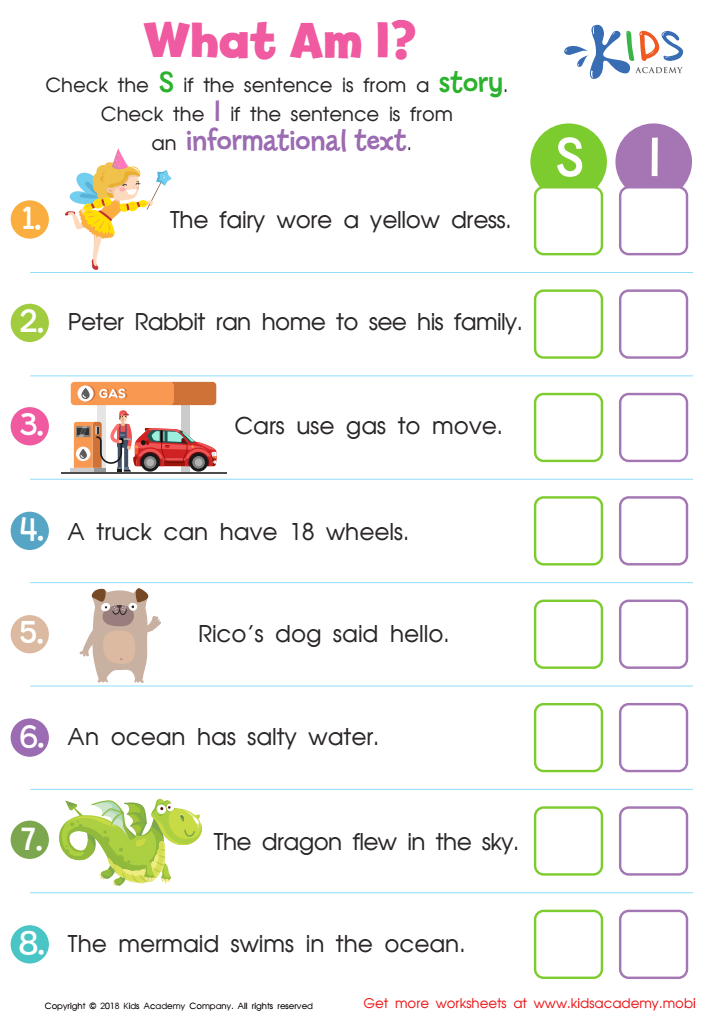
What Am I? Worksheet

What Am I? Worksheet

This worksheet assesses students' ability to differentiate between stories and texts they read for facts. Students learn to distinguish between reading for pleasure and reading for information. It includes statements from both a story and an informational text, and students must decide what type of text it is.
What Am I? Worksheet
Worksheet
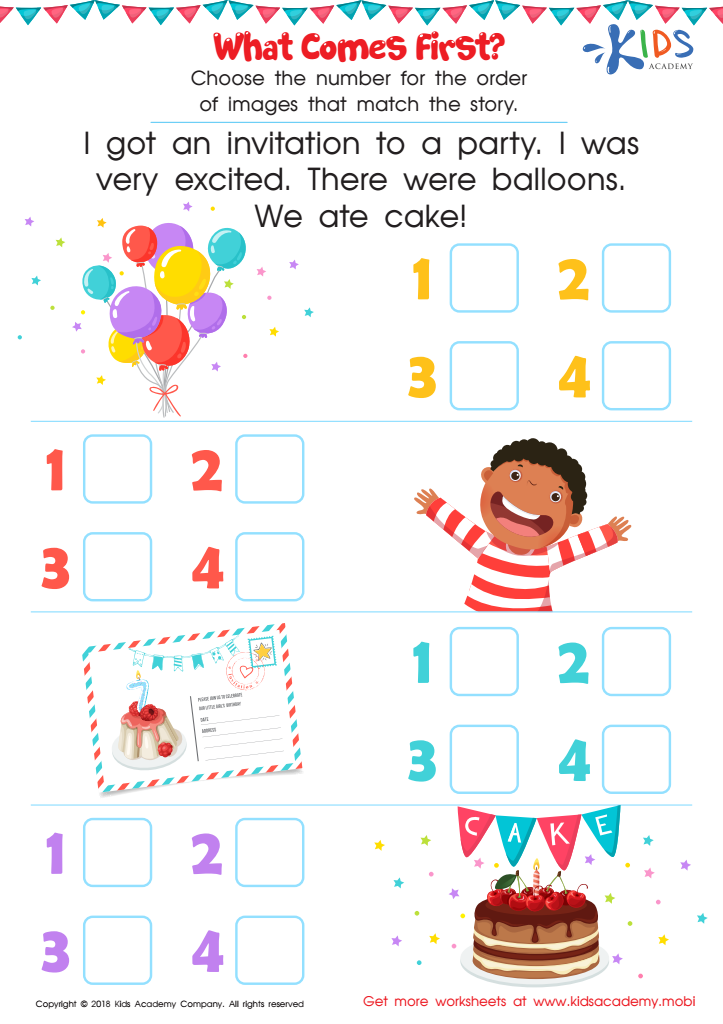
What Comes First Worksheet

What Comes First Worksheet

Before you start, ask your child what they see in the picture. Read the story aloud together, then show them the images in order, numbered 1-5. Ask them to choose the numbers that match the story. Have fun and enjoy this party worksheet with your little one! (80 words)
What Comes First Worksheet
Worksheet
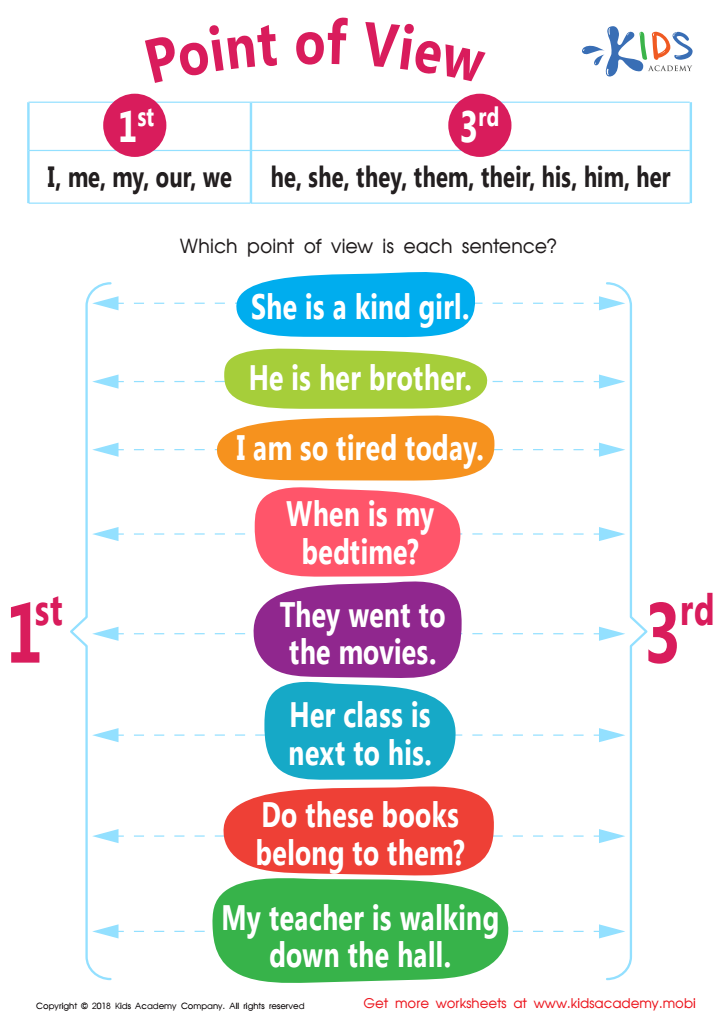
Point of View Worksheet

Point of View Worksheet

This printable worksheet helps kids understand Point of View by providing 1st and 3rd person choices. It's a fun way to practice differentiating between the two viewpoints and improve their reading comprehension. Match the sentences to 1st or 3rd person to strengthen understanding and enjoy the task!
Point of View Worksheet
Worksheet
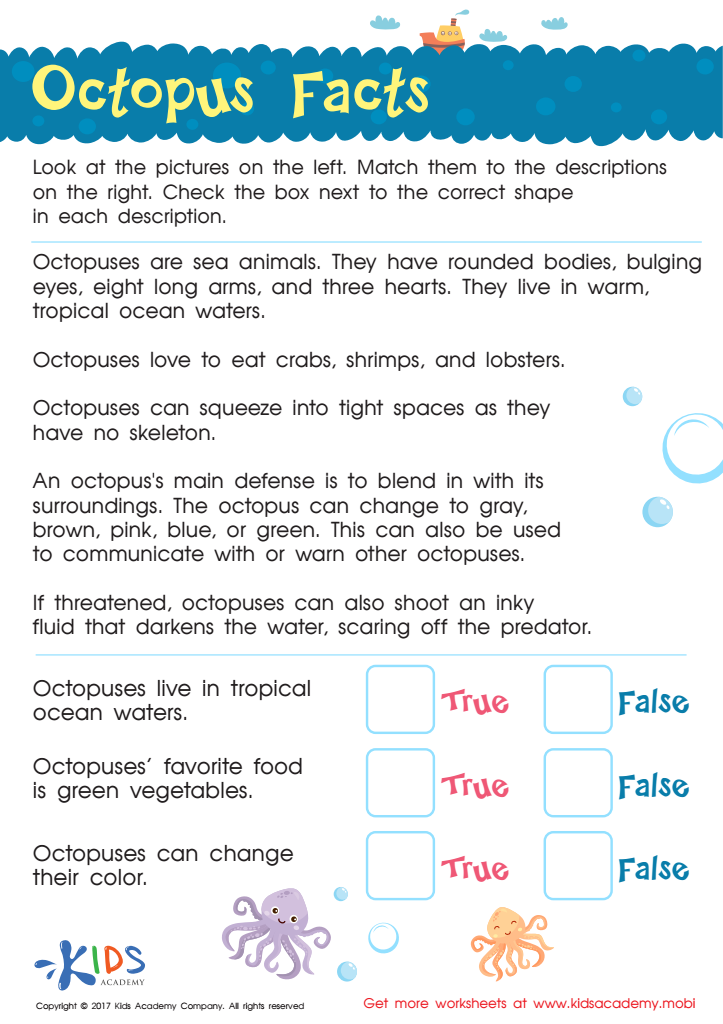
Octopus facts worksheet for kids

Octopus Facts Worksheet For Kids

Let your child dive into the world of octopuses with this fun worksheet. It offers invaluable practice in reading non-fiction texts, while they learn interesting facts about these strange sea creatures. It's a great way to help them hone their skills in reading comprehension.
Octopus Facts Worksheet For Kids

Worksheet


... 2 3

Reading Non-Fiction for 7-Year-Olds is an essential part of children's learning journey, offering them a gateway to the world's facts, processes, and diverse perspectives. Utilizing worksheets in this learning area is especially beneficial for several reasons. Firstly, these worksheets are tailored to the curiosity and comprehension levels of 7-year-olds, making the content engaging and accessible for young readers. They help in reinforcing the factual information presented in non-fiction texts, allowing children to better retain and understand complex topics.

Moreover, worksheets on Reading Non-Fiction for 7-Year-Olds encourage critical thinking and analytical skills. As children answer questions, compare facts, or summarize what they've read, they're not just passively consuming information; they're actively engaging with it, developing their ability to evaluate and synthesize knowledge. This active engagement is key in fostering a lifelong love for learning and curiosity about the world.

Additionally, these worksheets provide a structured approach to reading comprehension. They can highlight key concepts, vocabulary, and ideas found in non-fiction texts, which are crucial for building a solid foundation in reading and understanding informational content. As a result, 7-year-olds not only improve their reading skills but also expand their general knowledge and awareness of the world around them. This makes Reading Non-Fiction worksheets an invaluable tool in the educational development of young learners.