Sorting skills Easy Worksheets for Ages 3-5
5 filtered results
-
From - To
Boost early learning with our "Sorting Skills Easy Worksheets for Ages 3-5"! Designed to help young learners develop crucial cognitive skills, these engaging worksheets are perfect for preschoolers and kindergarteners. Children will enjoy sorting objects by color, shape, size, and more, which enhances their ability to categorize and organize information. Fun and interactive, these worksheets turn learning into an exciting activity, helping to build a solid foundation for future academic success. Ideal for both classroom and home use, our resources support parents and teachers in nurturing bright young minds. Discover endless learning possibilities with our easy and enjoyable sorting activities!
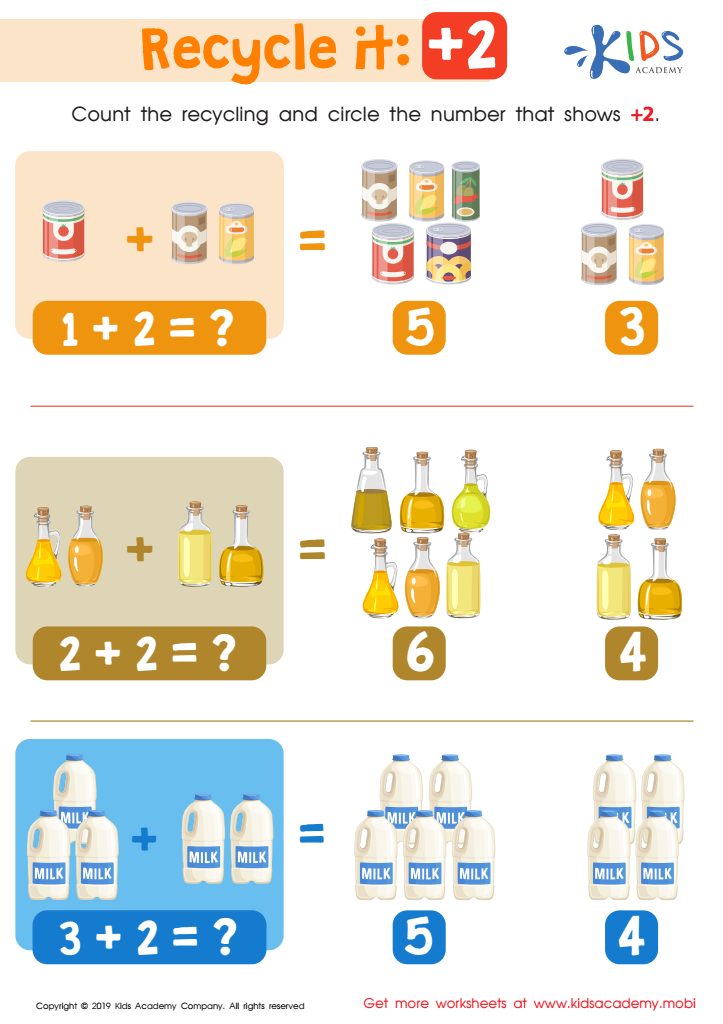
Recycle It: +2 Worksheet
 Assign to My Students
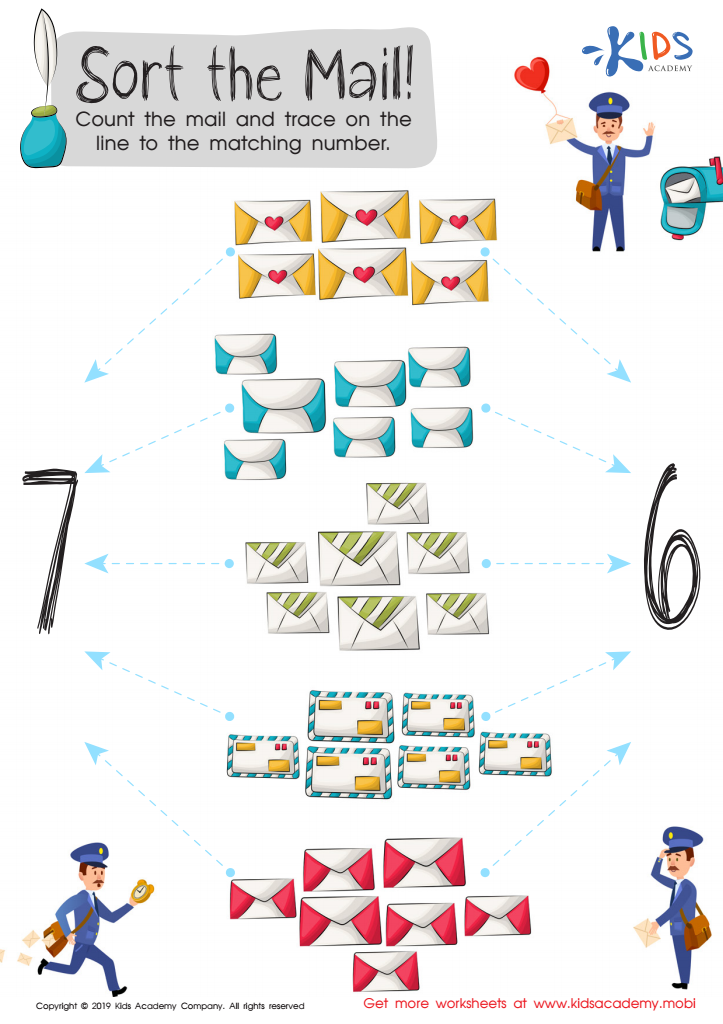
Sort the Mail Worksheet
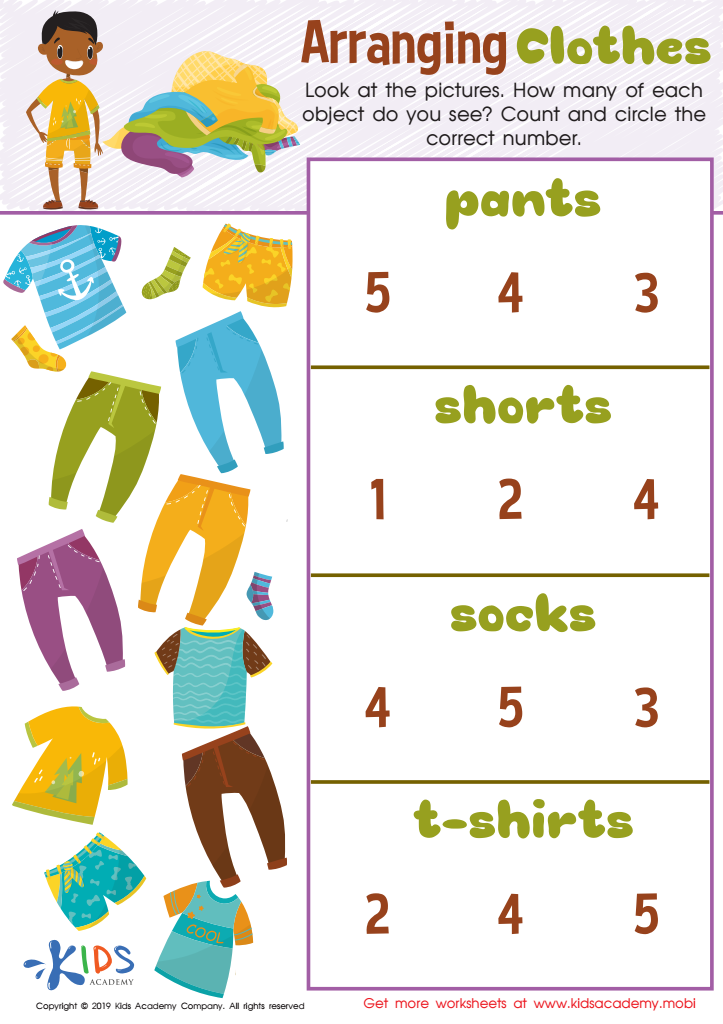
Arranging Clothes Worksheet
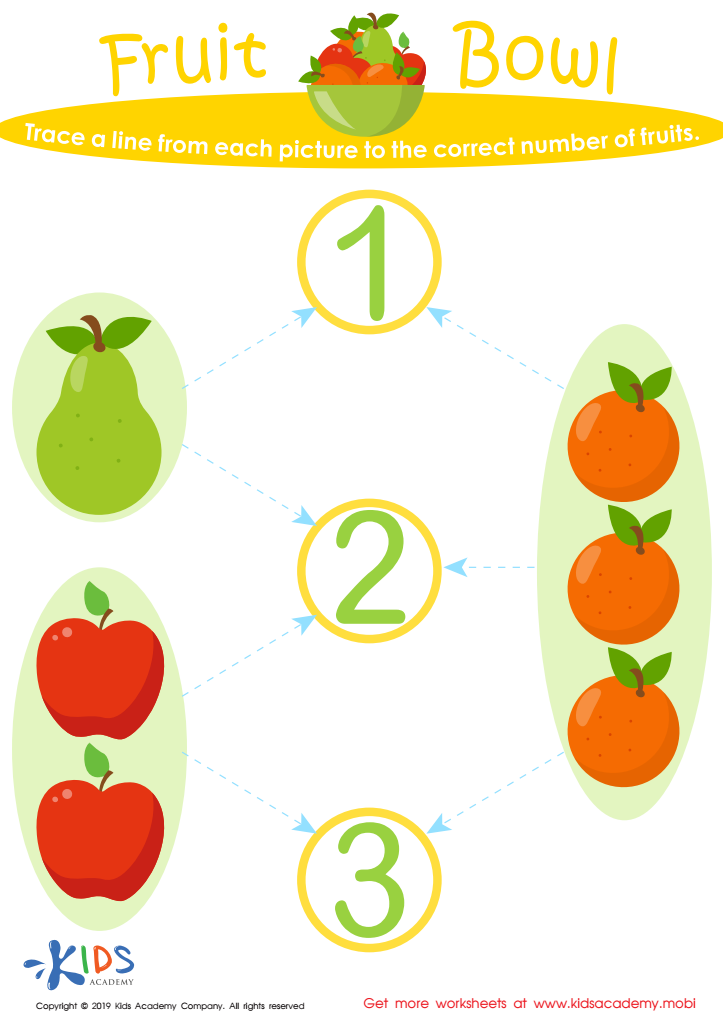
Fruit Bowl Worksheet
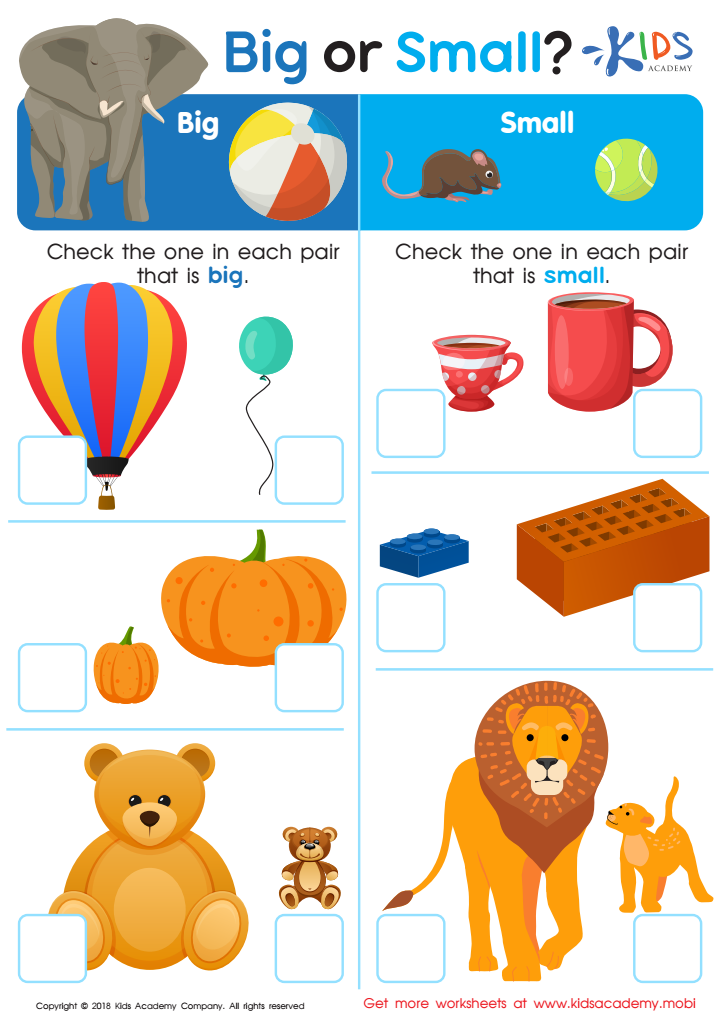
Big or Small? Worksheet





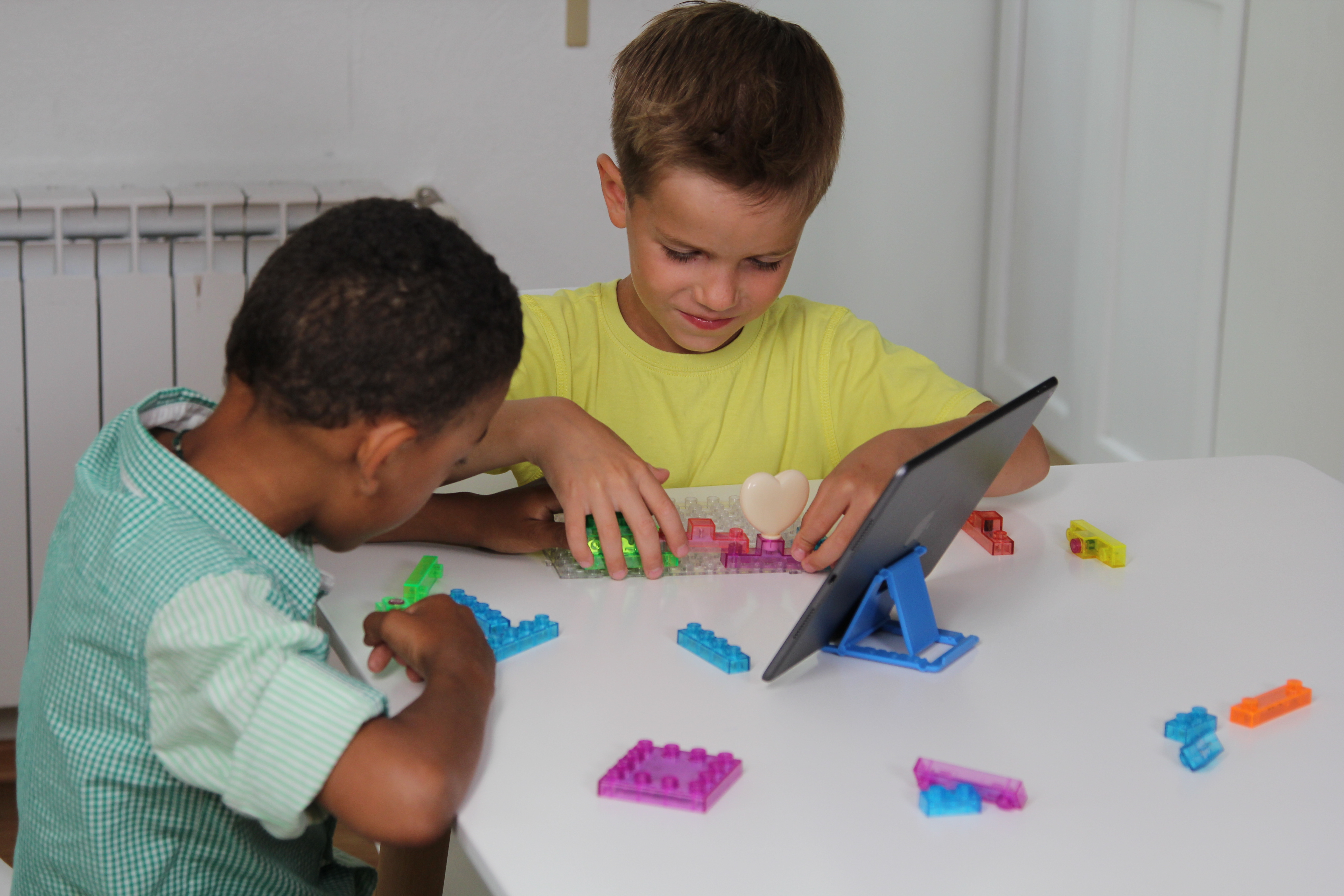

Sorting skills are fundamentally important for children aged 3-5 as they set the groundwork for a range of cognitive and development milestones. When parents and teachers emphasize sorting activities, they help children develop the ability to recognize patterns, categorize objects, and make logical associations. These early lessons in organization and classification are crucial for mathematical thinking, as sorting helps children understand concepts like numbers, shapes, and sizes, forming the basis for future math skills.
Moreover, sorting exercises play a critical role in enhancing a child's language and vocabulary. As children describe and discuss the characteristics of objects, such as color, shape, or size, they develop richer and more precise language skills. This verbal interaction also boosts their ability to communicate effectively.
Besides cognitive development, sorting nurtures critical thinking. It encourages children to observe and make decisions based on attributes. This problem-solving process is essential in building early analytical skills. Emotional and social development is another benefit; sorting activities often require kids to take turns, share resources, and respect others' ideas, fostering social relationships and collaborative learning.
Therefore, integrating sorting activities into a child's routine is invaluable for their all-round developmental progress. It's not just keeping them busy; it's laying the foundation for future educational success and lifelong learning abilities.








