Easy Building Vocabulary Worksheets for Ages 3-7 - Page 2
34 filtered results
-
From - To
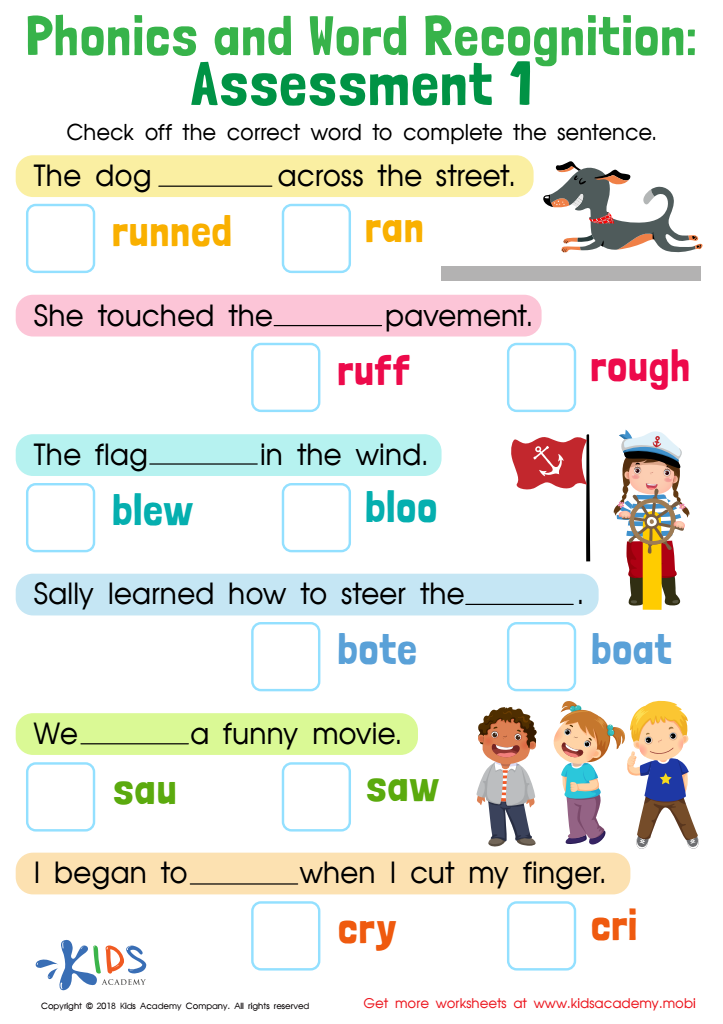
Phonics and Word Recognition: Assessment 1 Worksheet
 Assign to My Students











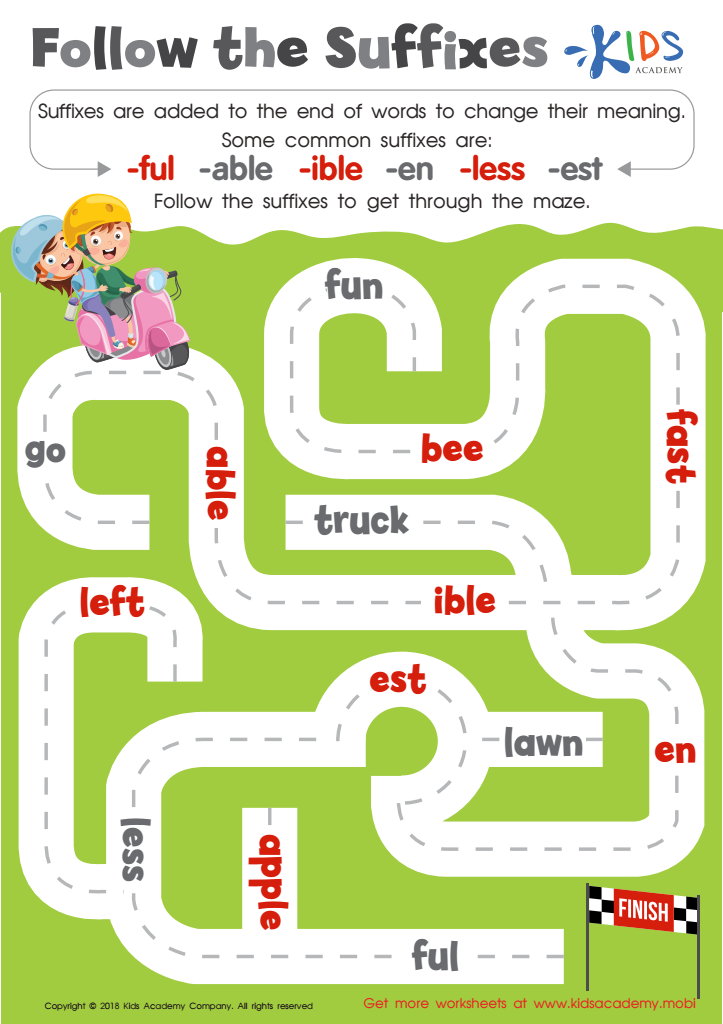
Reading: Follow the Suffixes Worksheet
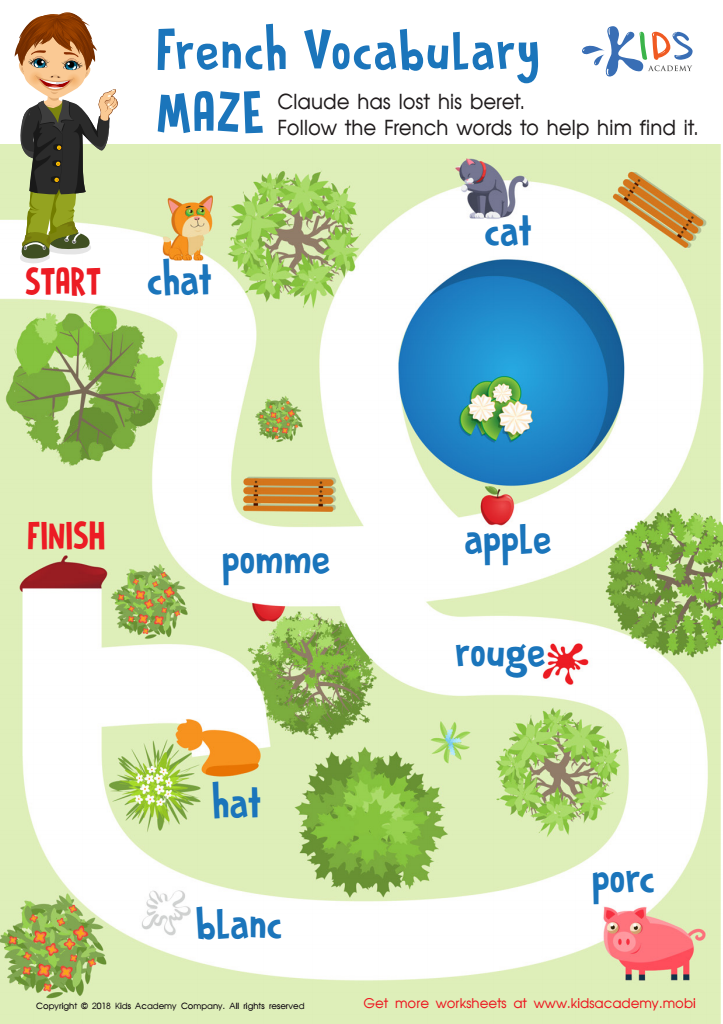
French Vocabulary Maze Worksheet
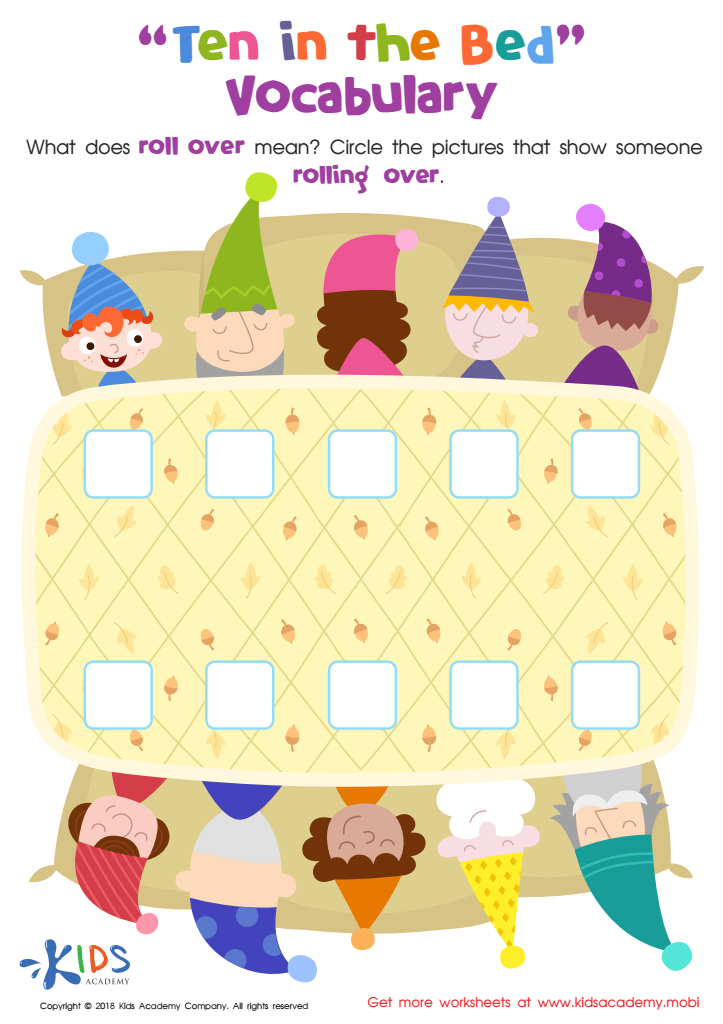
Ten in the Bed: Vocabulary Worksheet
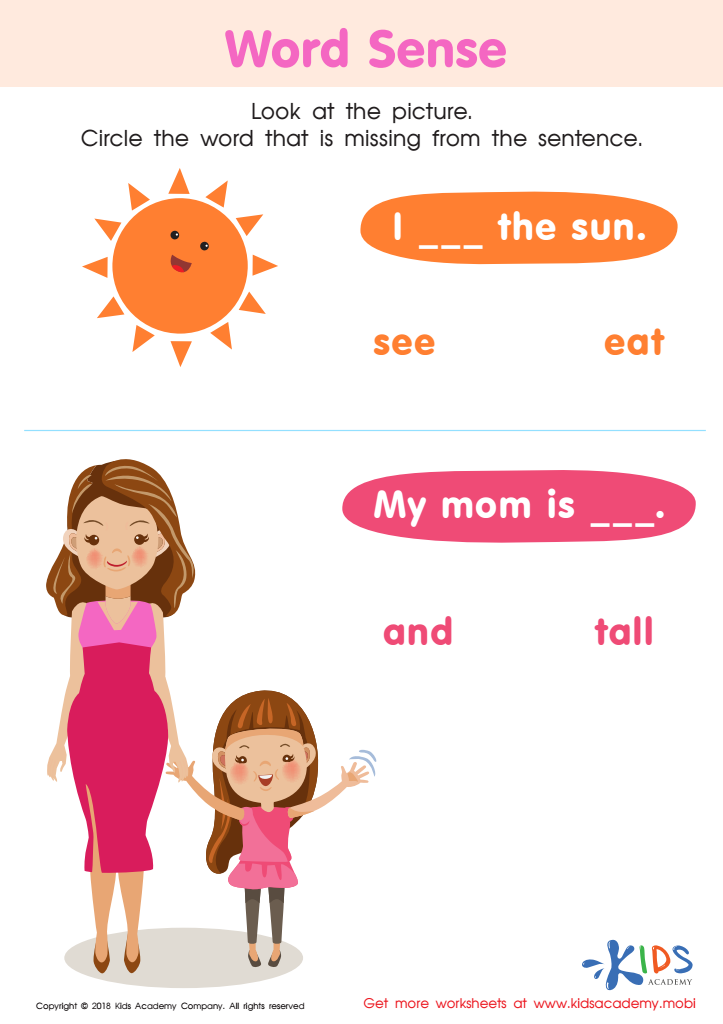
Word Sense Worksheet
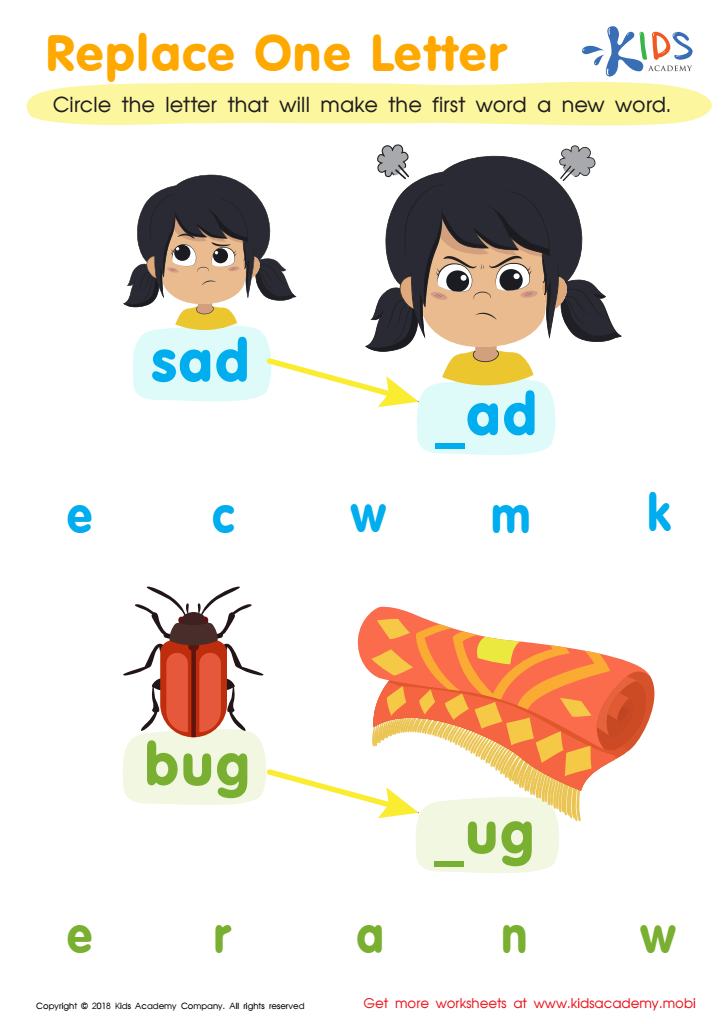
Replace One Letter Worksheet
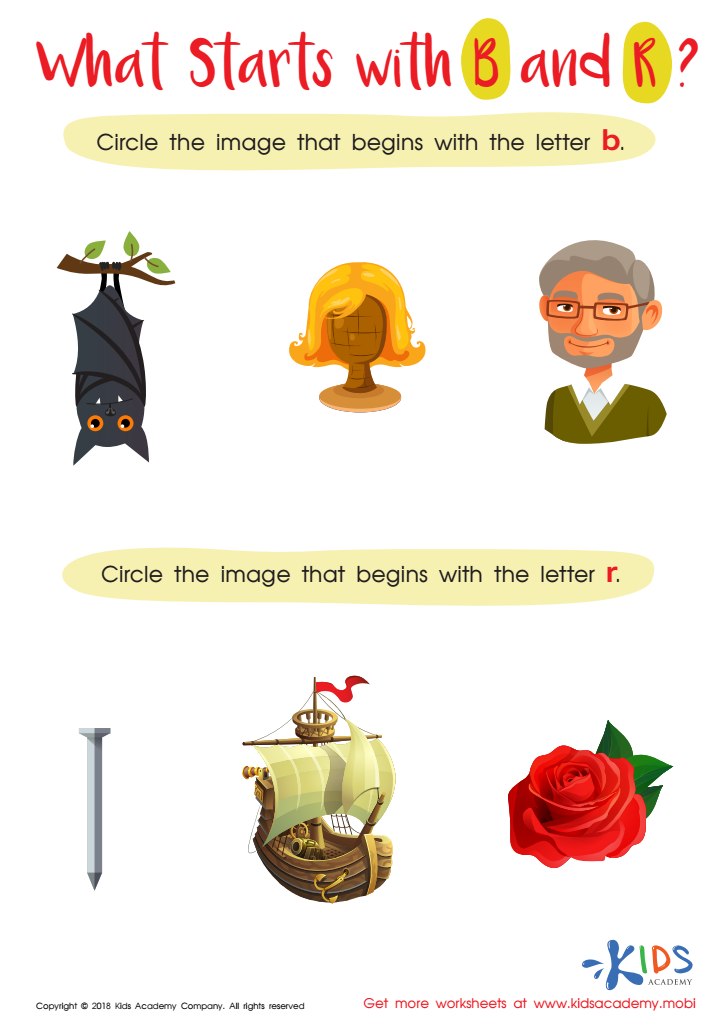
What Starts with B and R? Worksheet
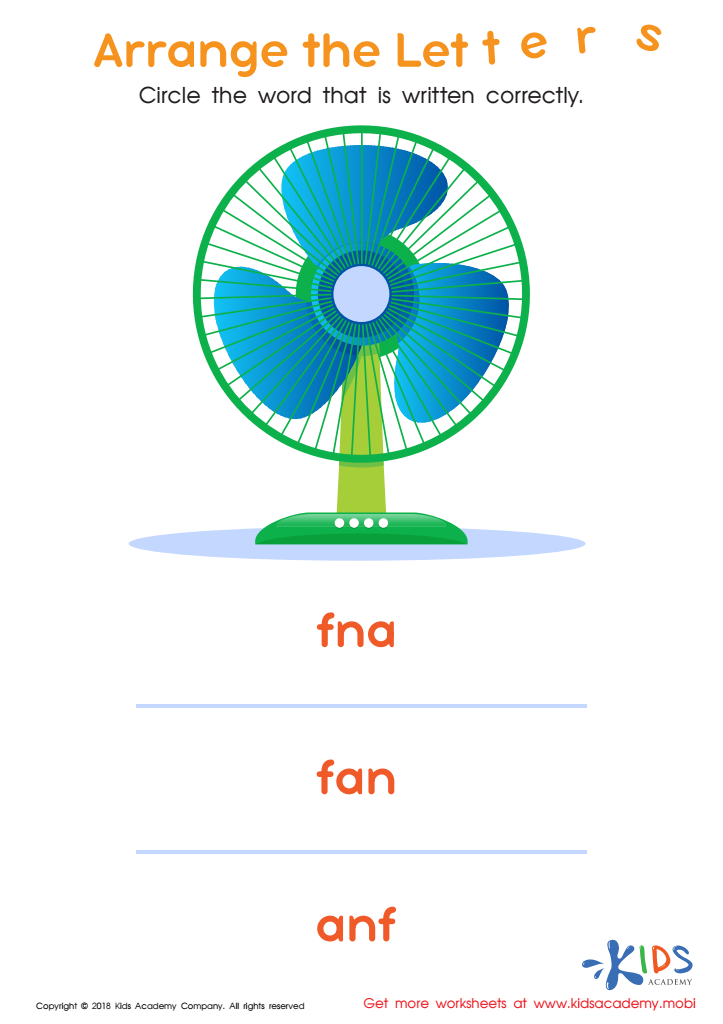
Arrange the Letters Worksheet
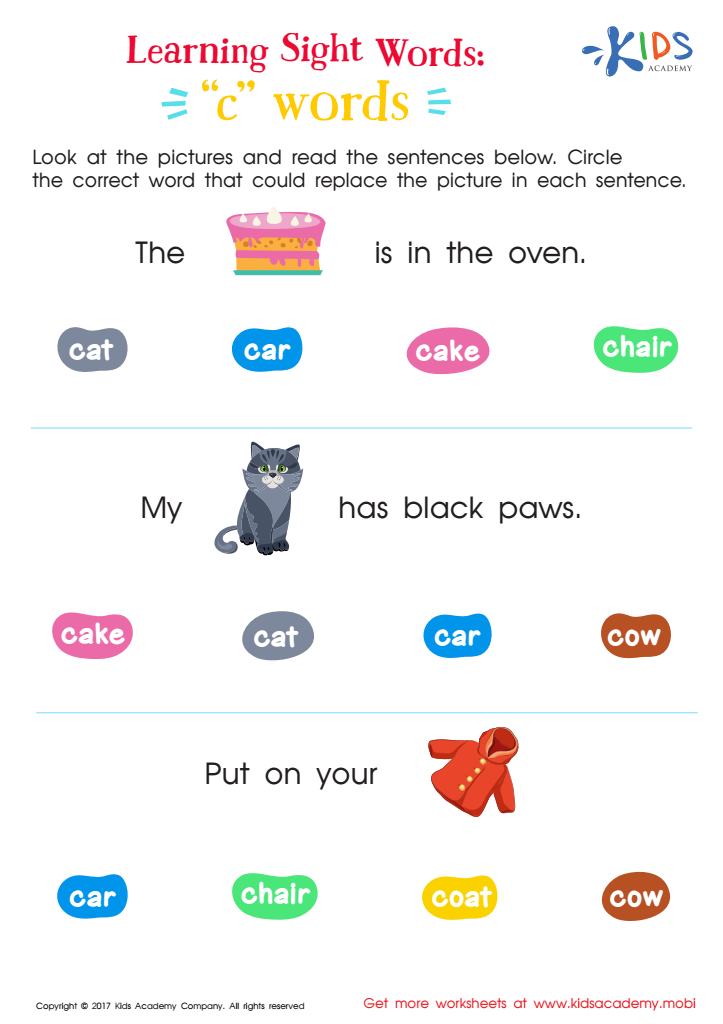
"C" Words Printable Sight Words Worksheet
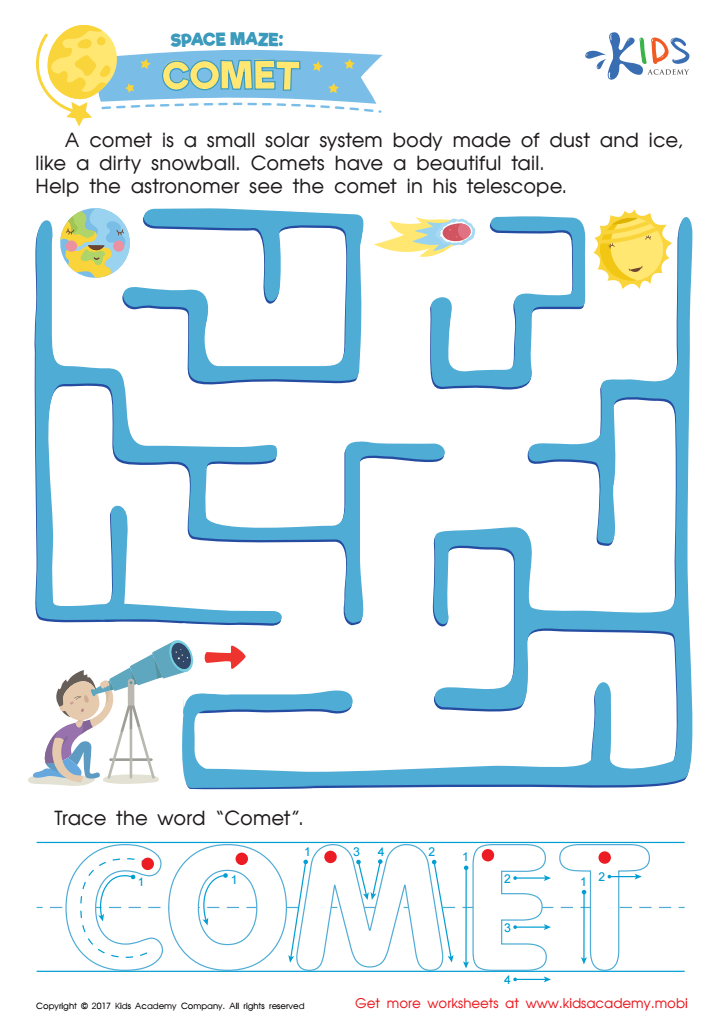








Building vocabulary in early childhood, especially for ages 3-7, is crucial for several reasons. During these formative years, children are highly receptive to language learning, and a robust vocabulary lays the foundation for reading and writing skills. A rich vocabulary enhances children's ability to express themselves, understand others, and comprehend complex ideas.
Teachers and parents should prioritize vocabulary development as it directly influences academic success. Children with a strong vocabulary are more adept at engaging with texts, which fosters a love for reading and supports higher achievement across subjects. Moreover, an extensive word bank aids in critical thinking and problem-solving as children learn to articulate their thoughts and feelings more effectively.
Additionally, vocabulary building contributes to emotional and social development. Children who can communicate their needs and emotions are better equipped to navigate social situations, leading to healthier peer relationships.
Lastly, early vocabulary skills have long-term implications. Research shows that children with a strong vocabulary in early years tend to achieve better academically throughout their schooling. Thus, investing time and resources into vocabulary building is instrumental for parents and teachers in nurturing well-rounded, confident, and successful learners.