Extra Challenge Fractions of Shapes Worksheets for Ages 3-6
6 filtered results
-
From - To
Discover our "Extra Challenge Fractions of Shapes Worksheets" designed specifically for young learners aged 3 to 6! These engaging printable worksheets introduce children to the concept of fractions through colorful and interactive shapes. Perfect for home or classroom use, our activities help kids identify and differentiate between halves, quarters, and more, while developing their critical thinking skills. Each worksheet is crafted to strengthen their understanding of fractions in a fun and visually stimulating way. Spark creativity and boost mathematical confidence in your little ones with these essential learning tools. Explore our collection and enhance your child's early math experience today!
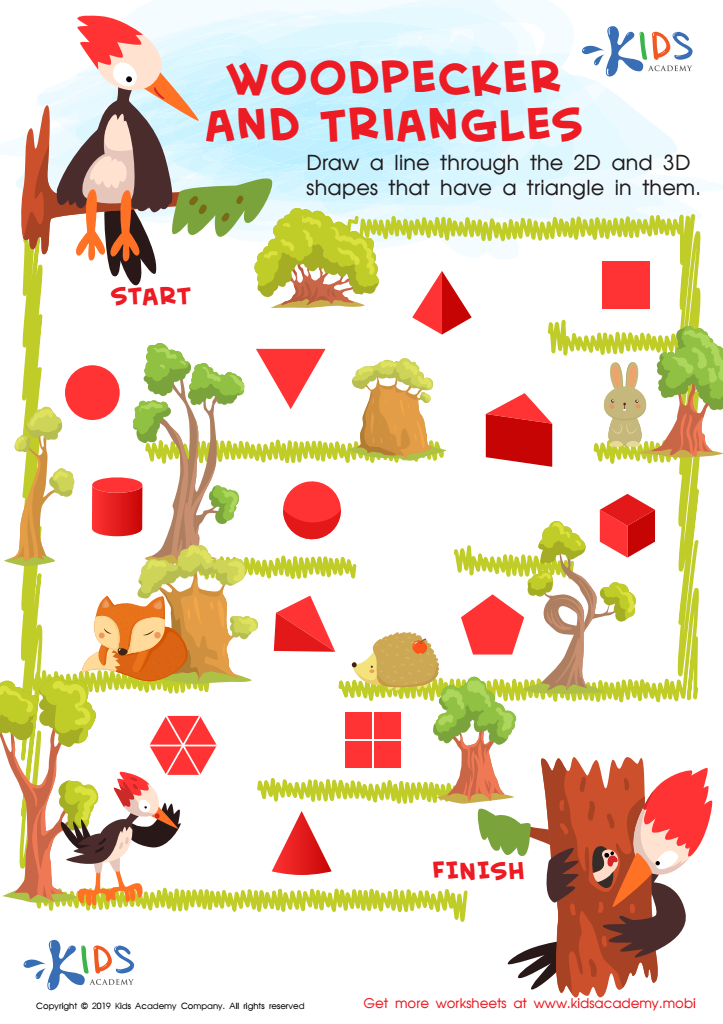
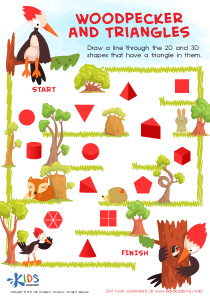
Woodpecker and Triangles Worksheet
 Assign to My Students
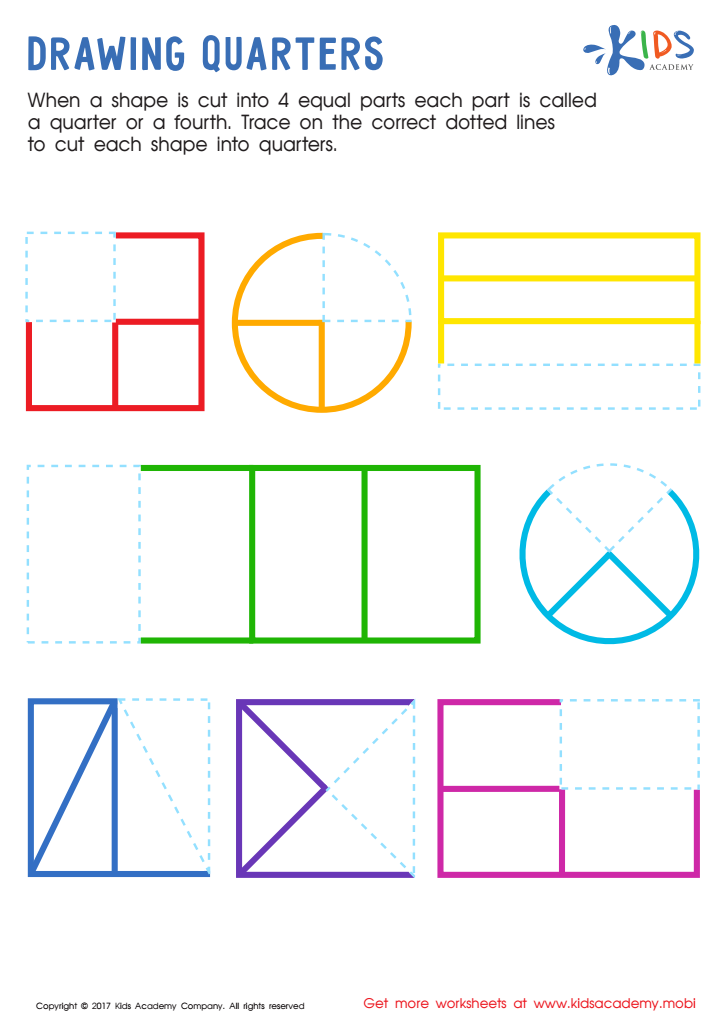
Drawing Quarters Worksheet
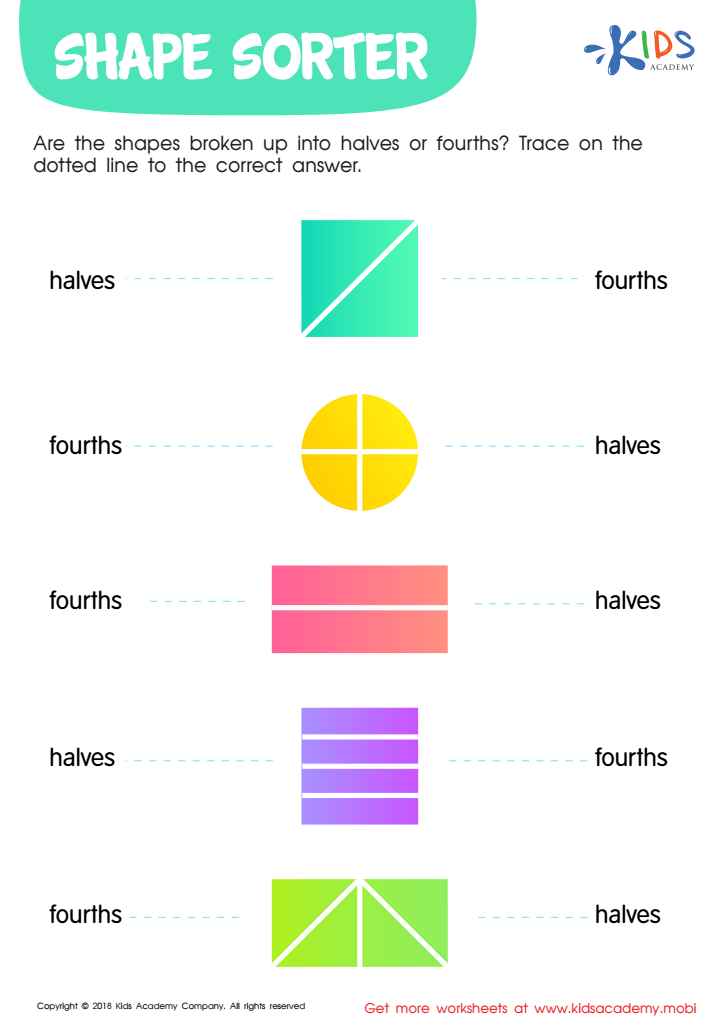
Shape Sorter Worksheet
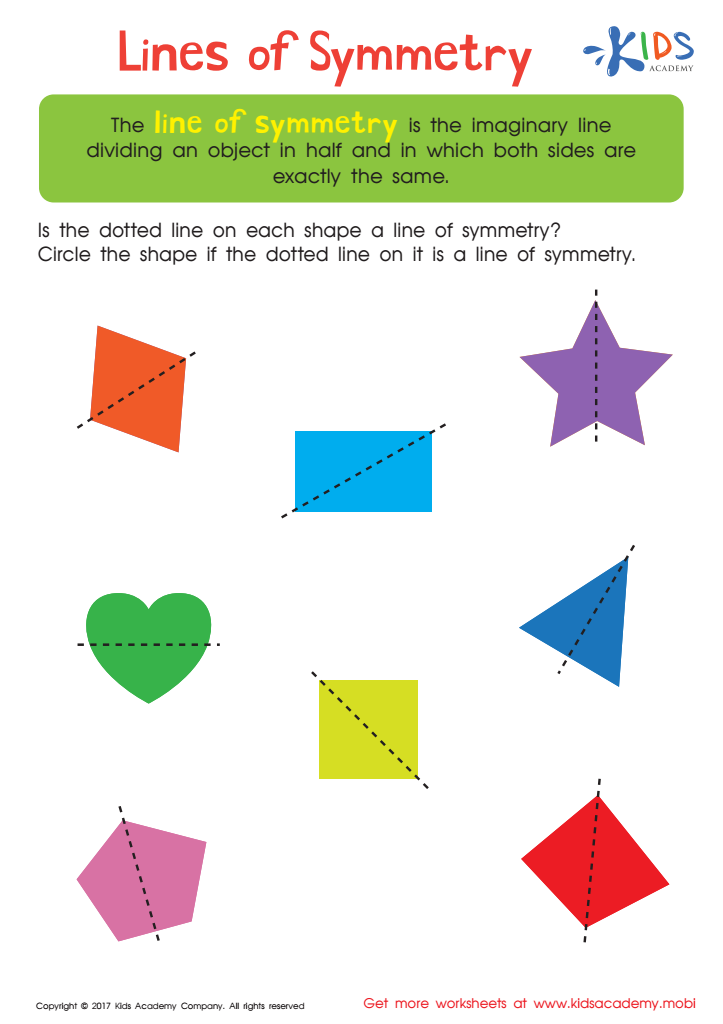
Lines of Symmetry Printable
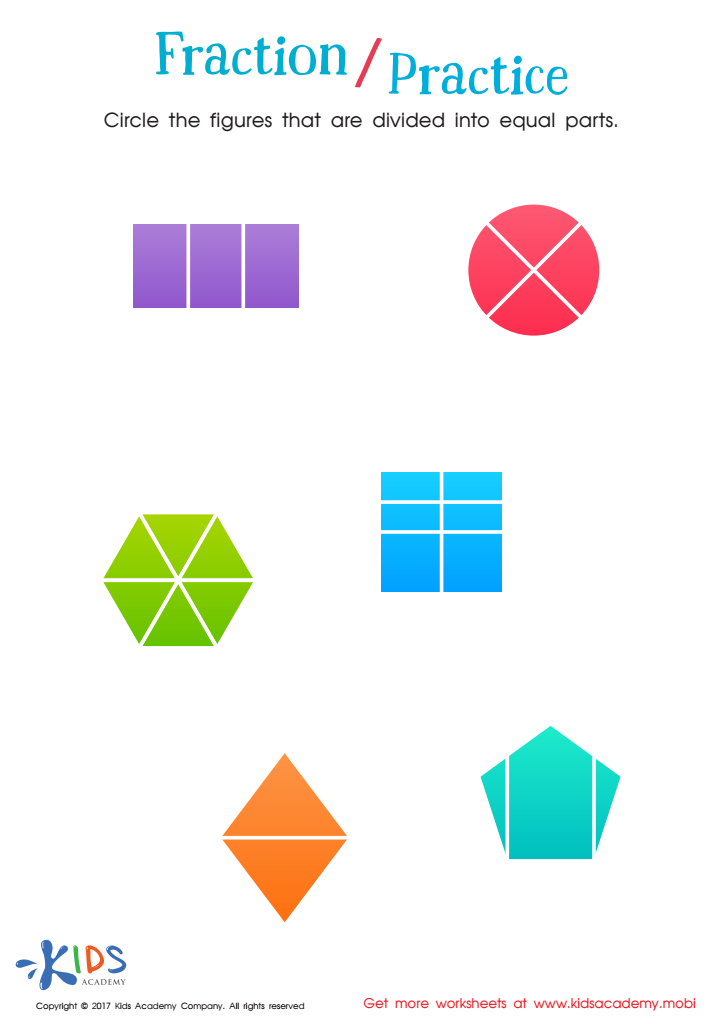
Fractions: Shapes Worksheet
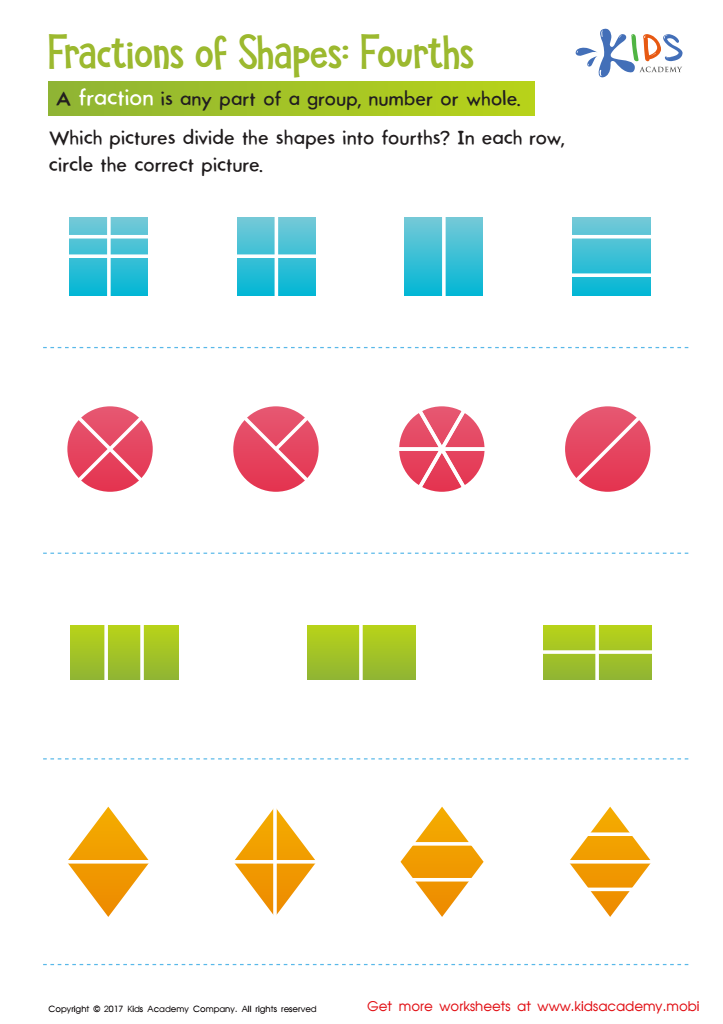
Fractions of Shapes Worksheet








Extra Challenge Fractions of Shapes for ages 3-6 is essential for both parents and teachers to emphasize because it lays a critical foundation for future mathematical understanding. At this age, children are naturally curious and eager to explore the world around them. Introducing concepts like fractions using shapes can help harness this curiosity while making learning interactive and engaging.
Fractions, albeit abstract, can be made tangible through shapes—encouraging children to recognize parts of a whole. This can enhance not only their mathematical skills but also foster critical thinking and problem-solving abilities. For example, children can learn to recognize not just halves and quarters, but also develop visual-spatial skills by manipulating various shapes into smaller fractions.
Moreover, understanding basic fractions strengthens comprehension of concepts they will encounter later in math, such as addition, subtraction, and even topics in measurement. Involving parents helps reinforce these lessons at home and strengthens the child-parent bond through shared learning experiences. Additionally, empowering teachers with creative ways to teach fractions allows them to address diverse learning styles in classrooms, ensuring each child can grasp these foundational concepts effectively. Ultimately, understanding fractions contributes to a child's holistic development in understanding numbers and the world around them.