Extra Challenge Building Vocabulary Worksheets for Ages 3-7 - Page 2
27 filtered results
-
From - To
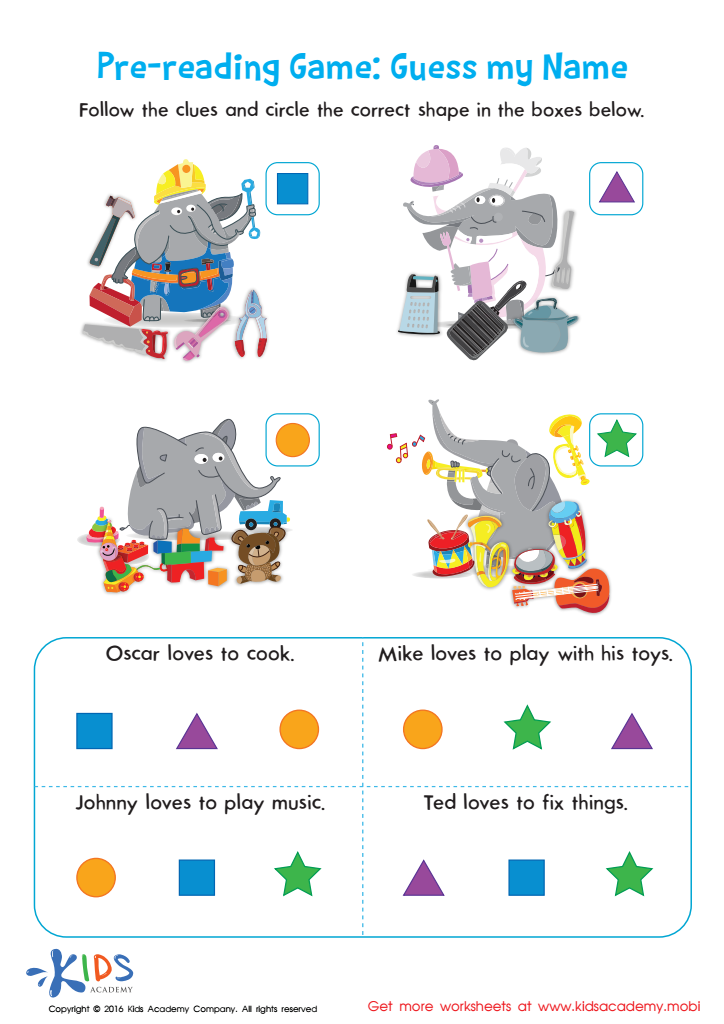
Pre Reading Worksheet Guess My Name
 Assign to My Students











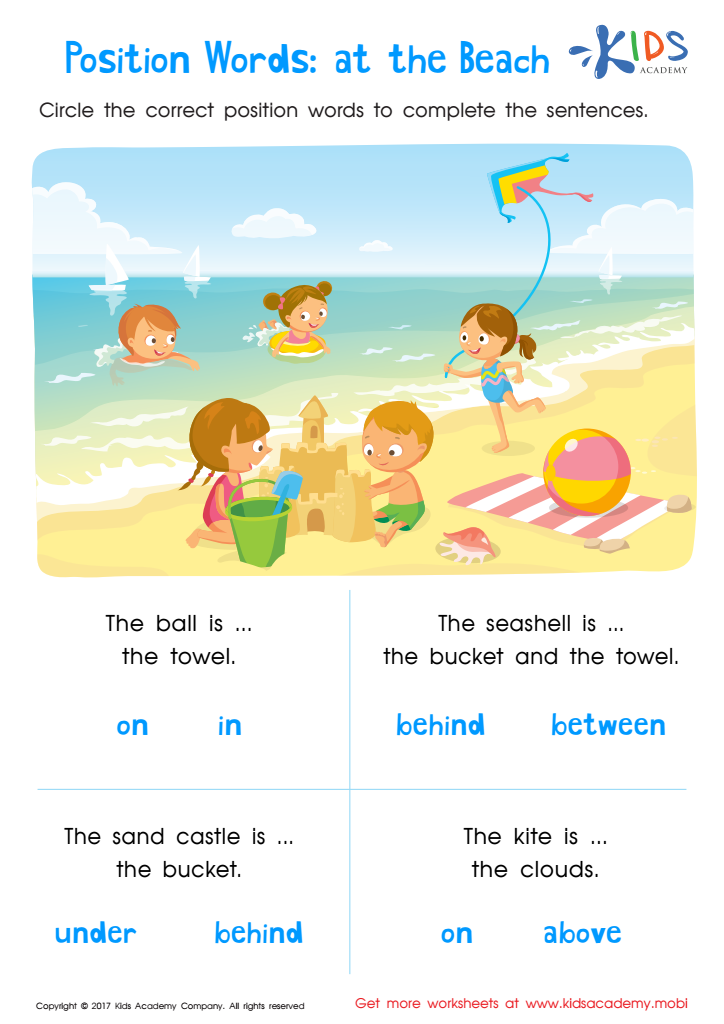
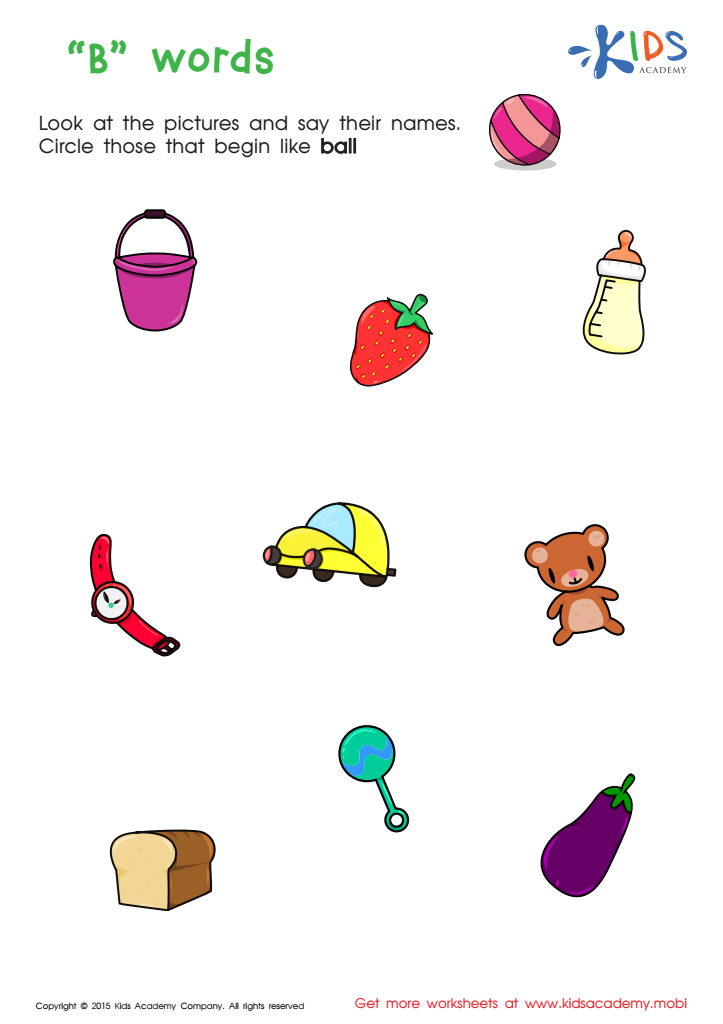
First Words Worksheet








Building vocabulary in children ages 3-7 is crucial for their overall development, and both parents and teachers play a significant role in this process. At this age, children's brains are particularly receptive to language, making it an ideal time to expand their vocabulary. A rich vocabulary is linked to better reading comprehension, enhanced communication skills, and improved academic performance as they move through school.
When kids have access to varied vocabulary, they can express themselves more clearly and confidently. This expressive ability fosters social interactions, allowing them to build friendships and share ideas more effectively. Engaging activities that introduce new words, such as storytelling, rhymes, and songs, keep children excited about learning while strengthening their understanding of language.
Moreover, early vocabulary development lays the foundation for critical thinking and cognitive skills. It encourages curiosity and a love for learning, essential traits for lifelong success. Parents and teachers should care about providing extra challenges for vocabulary building, as it not only supports academic achievement but also contributes to emotional and social well-being. By investing time in vocabulary enrichment, we empower children to navigate their world with confidence and creativity.