Extra Challenge Worksheets for Ages 3-8 - Page 4
507 filtered results
-
From - To
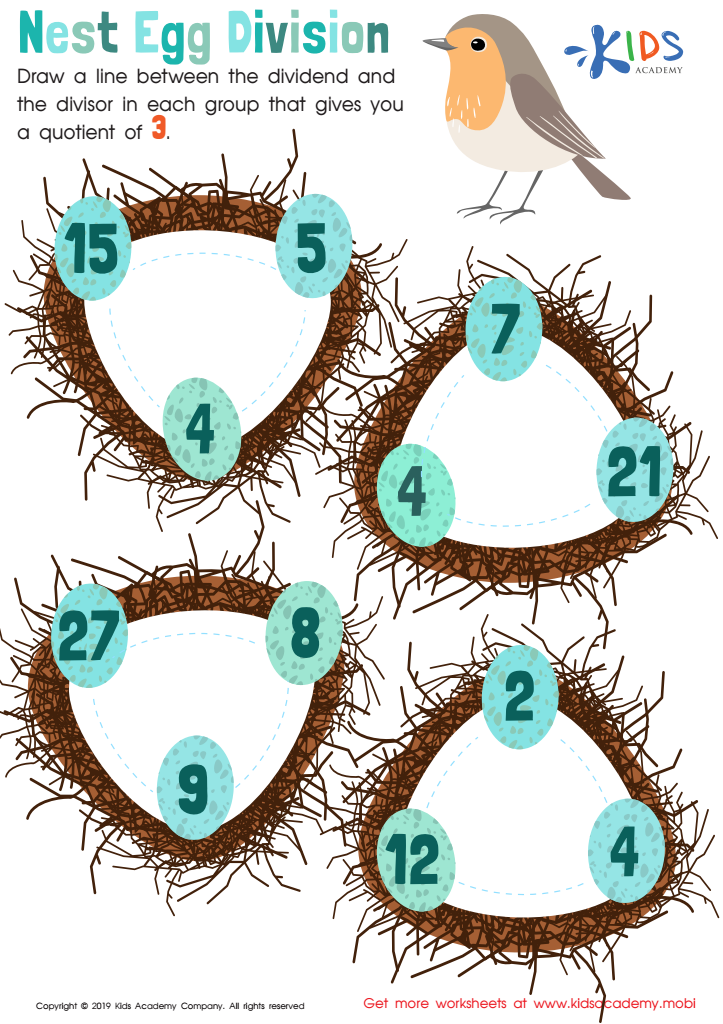
Nest Egg Division Worksheet
 Assign to My Students
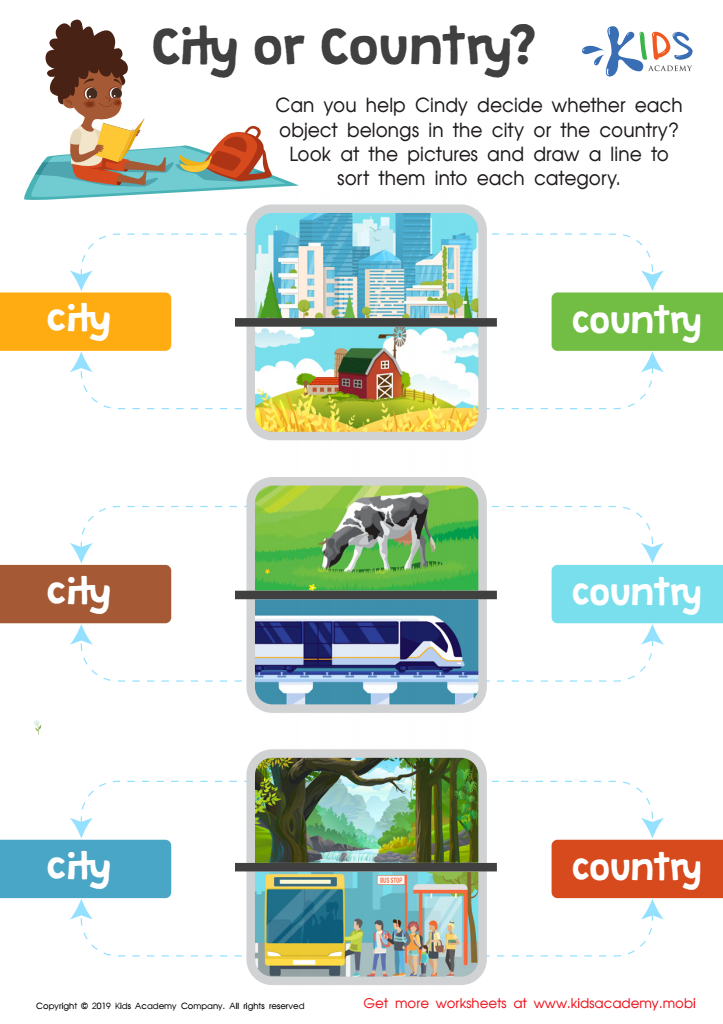
City or Country? Worksheet
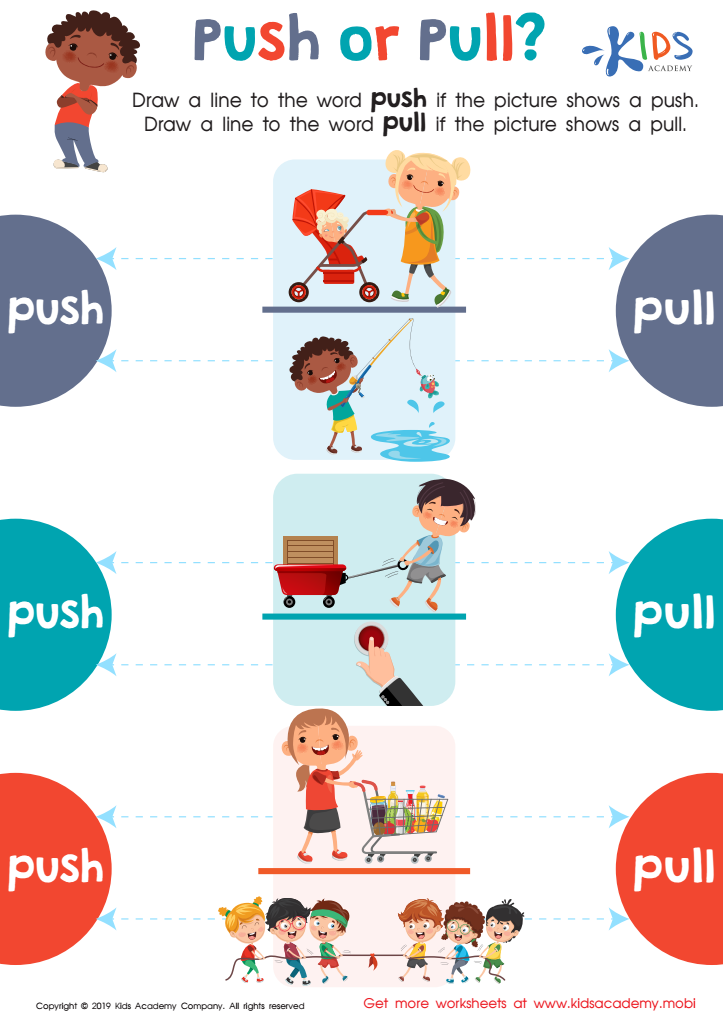
Push or Pull? Worksheet
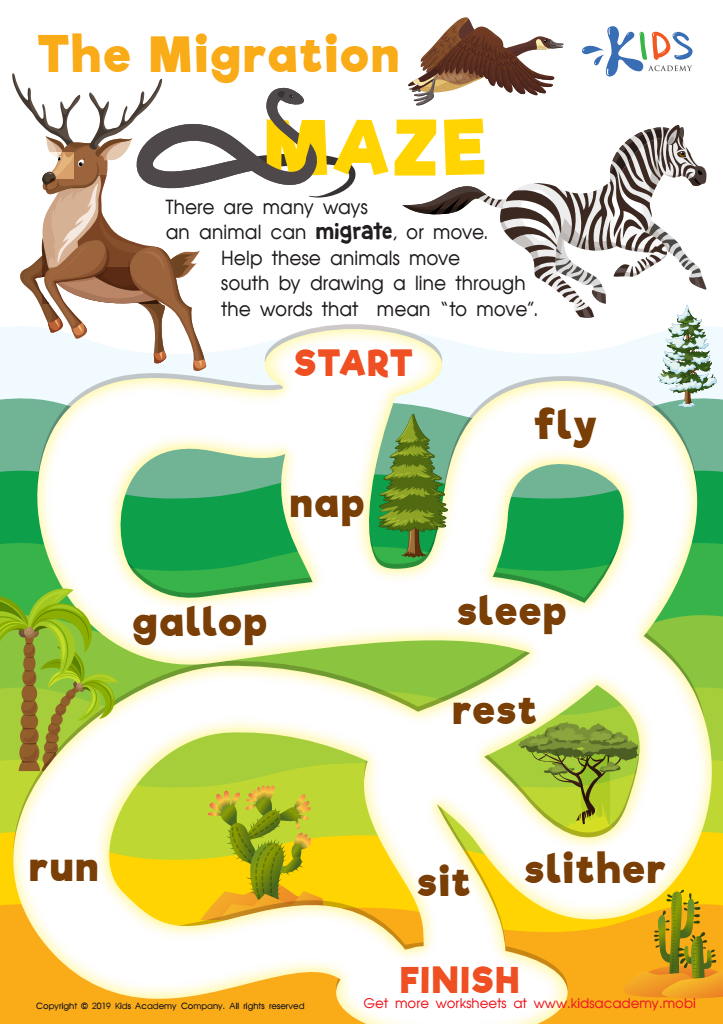
The Migration Maze Worksheet
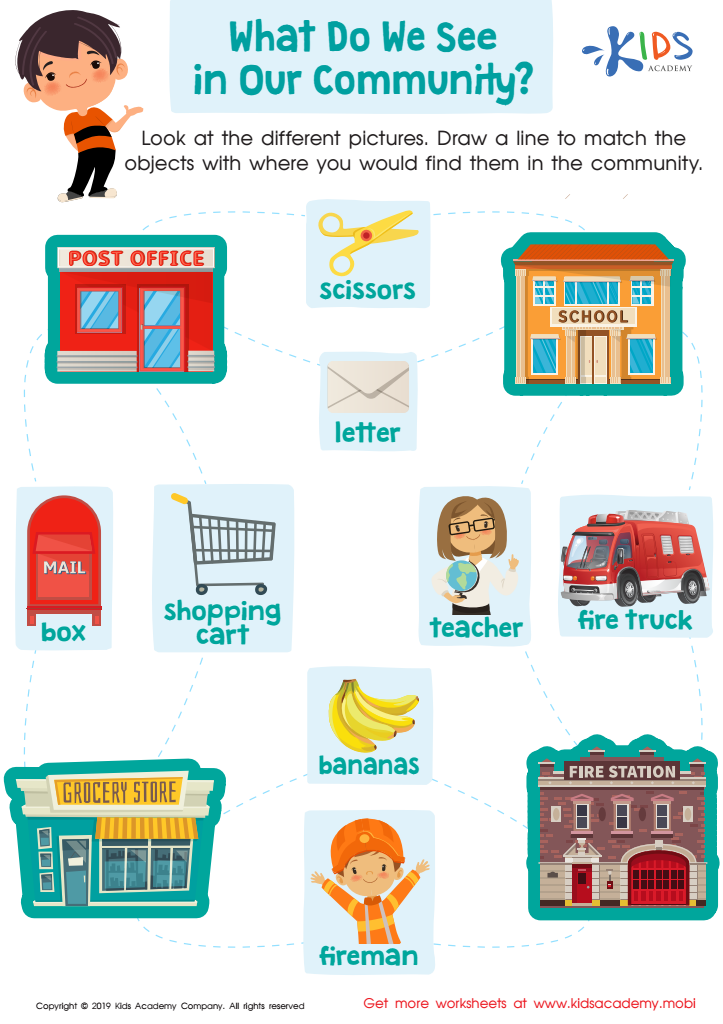
What Do We See in our Community? Worksheet
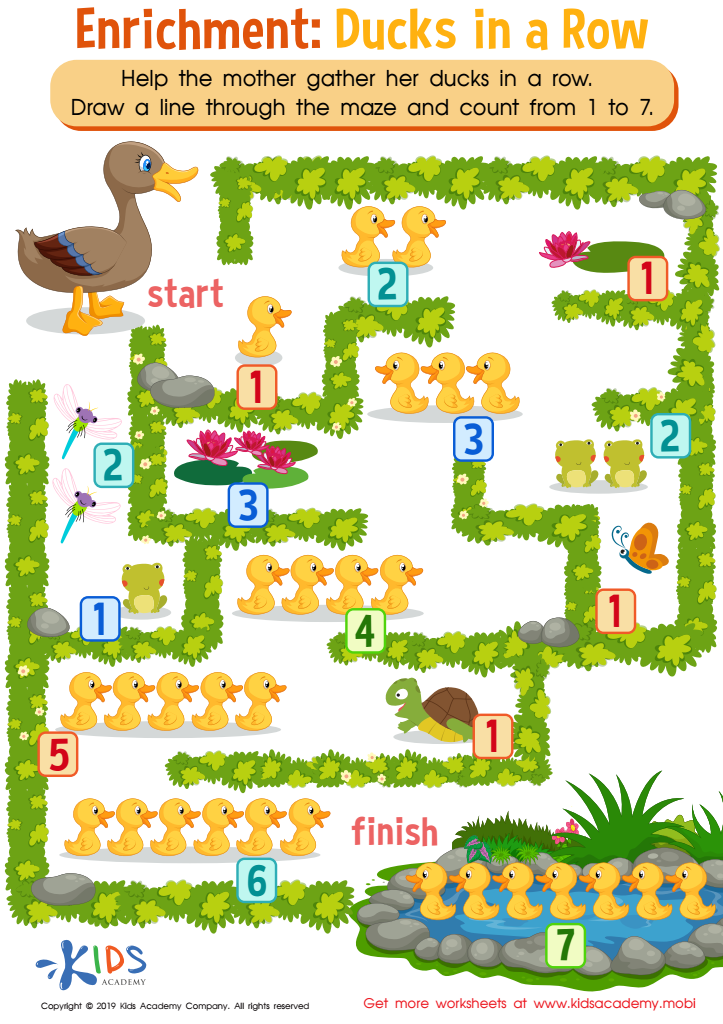
Ducks in a Row Worksheet
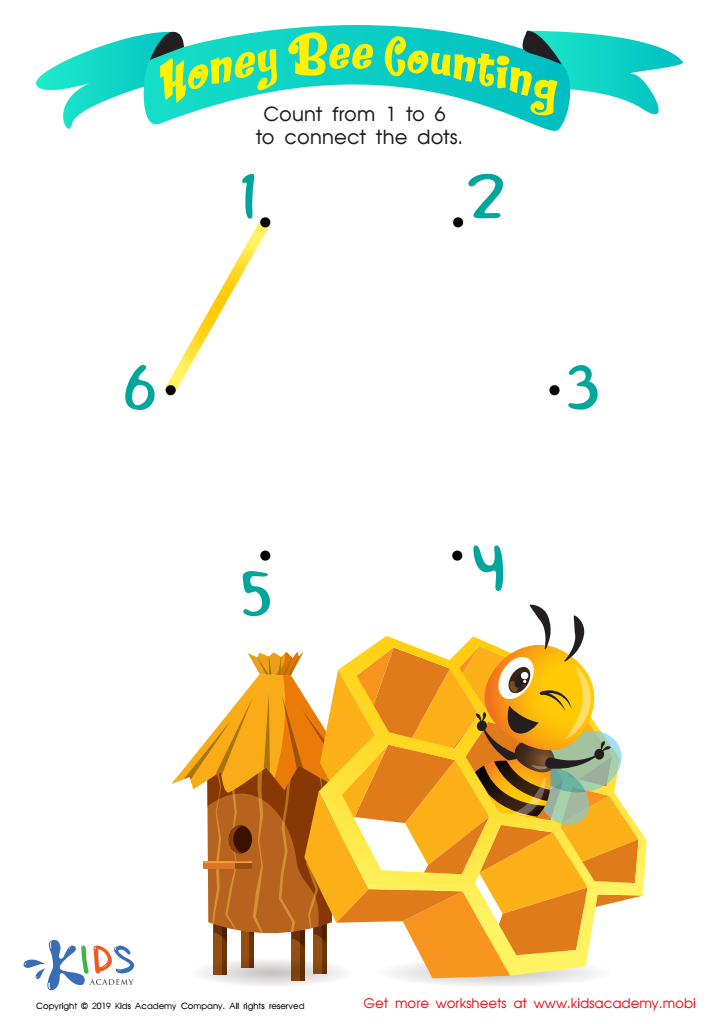
Honey Bee Counting Worksheet
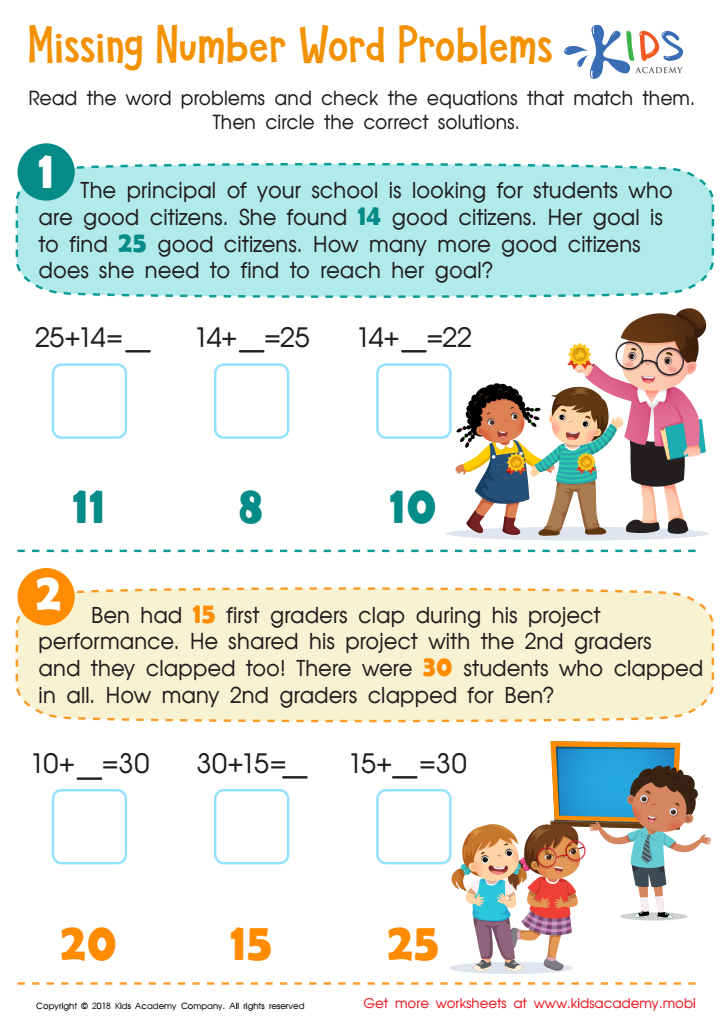
Missing Number Word Problems Worksheet
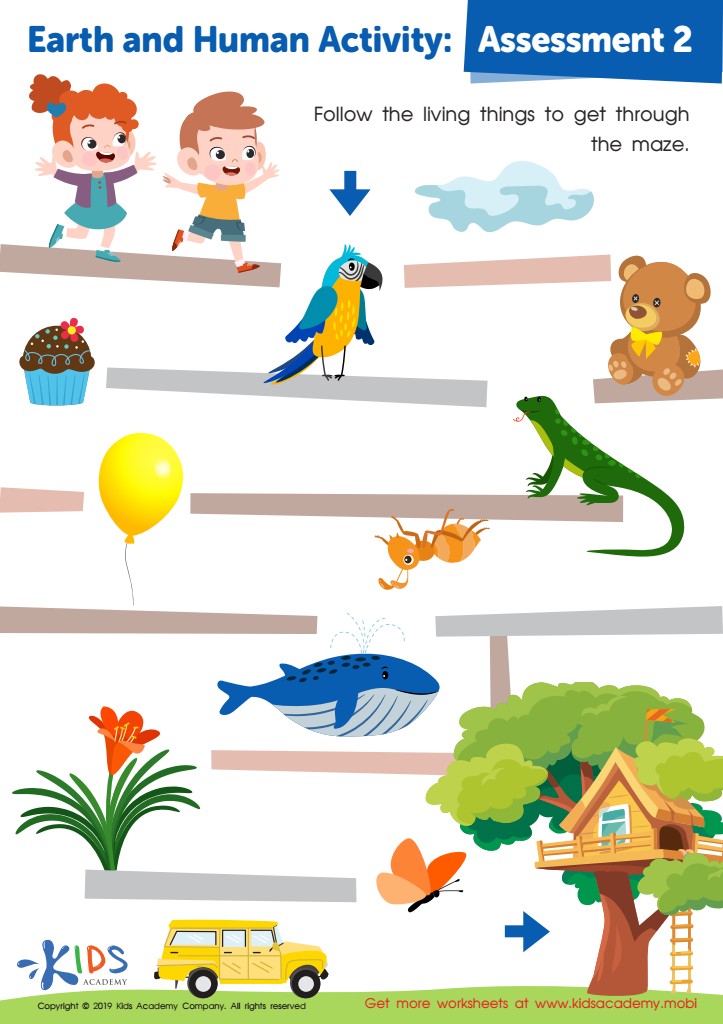
Earth and Human Activity: Assessment 2 Worksheet
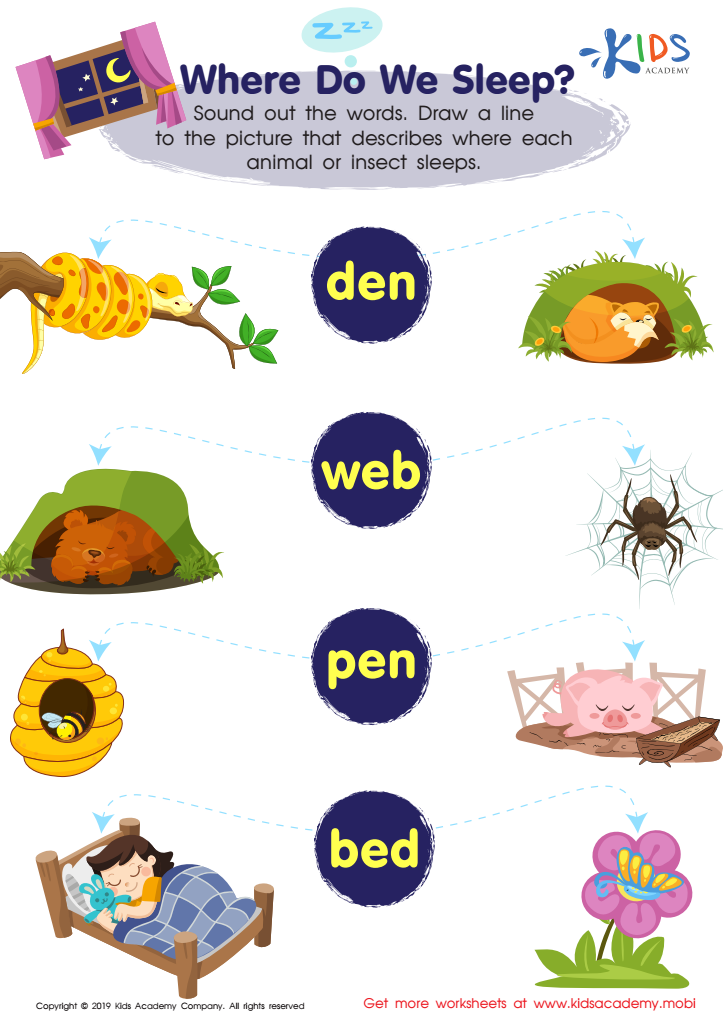
Where Do We Sleep Worksheet

Teepee Multiplication Worksheet
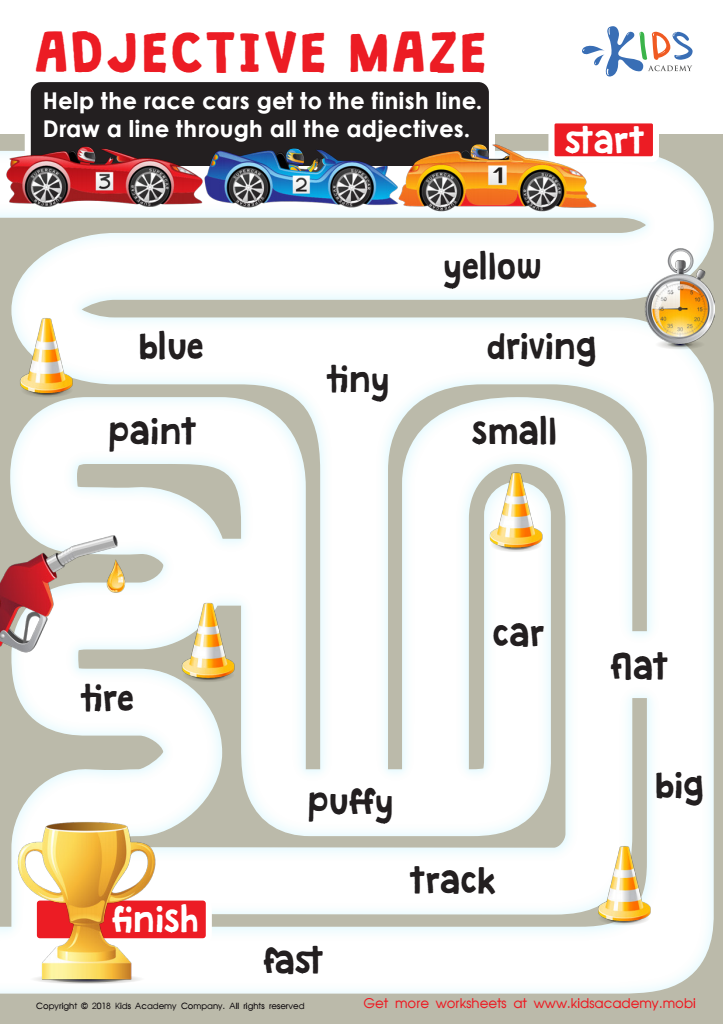
Adjective Maze Worksheet
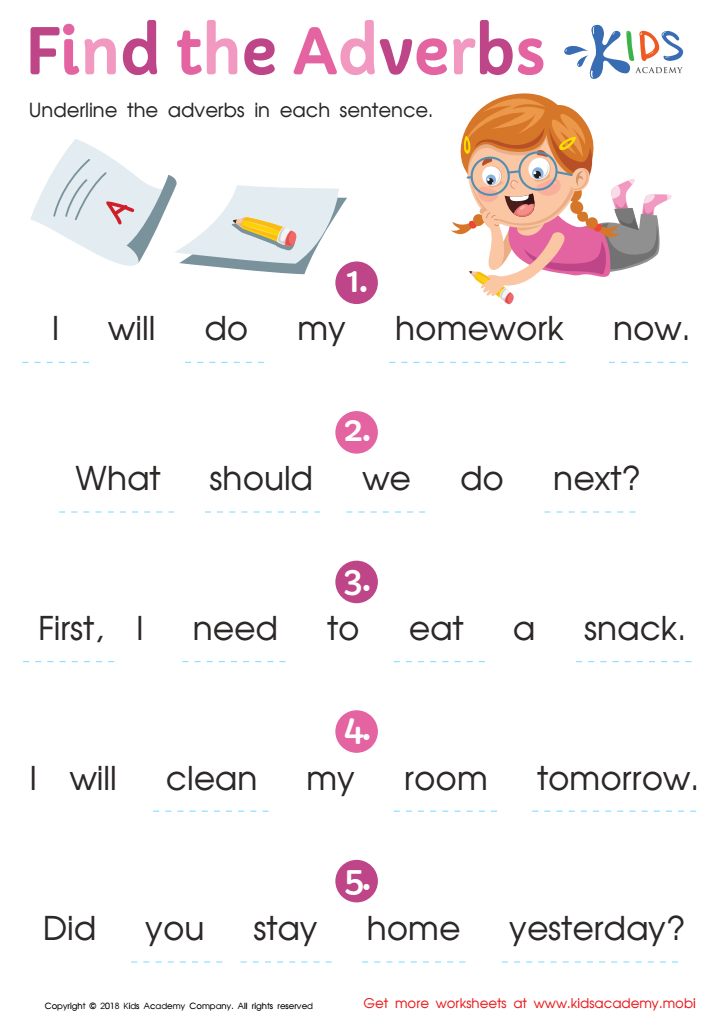
Finding the Adverbs Worksheet
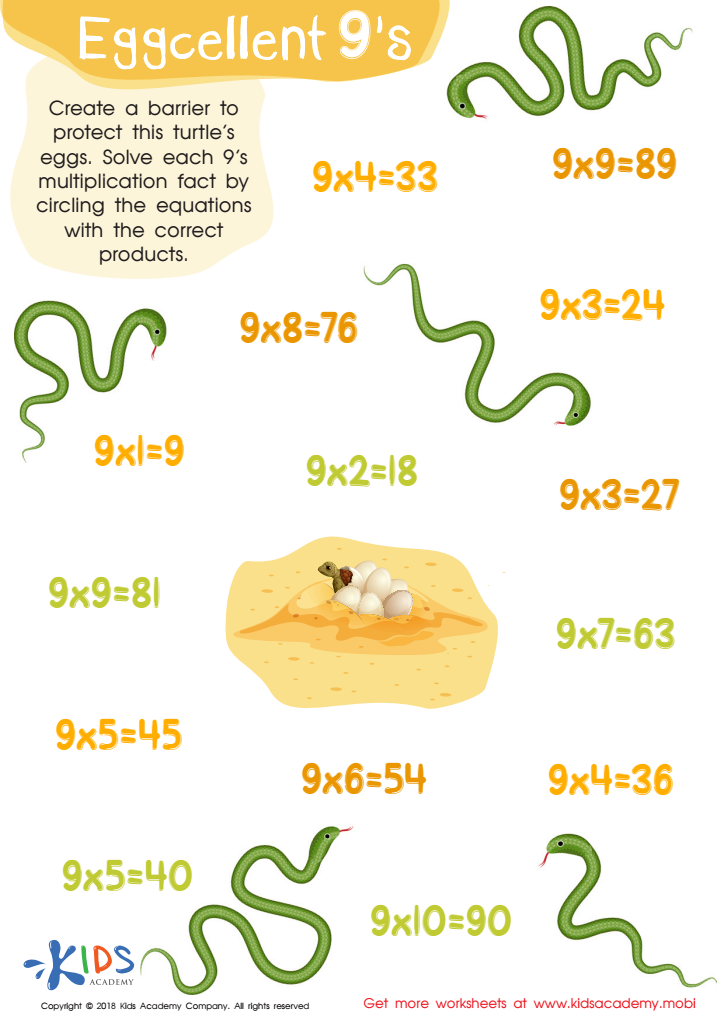
Eggcellent 9’s Worksheet
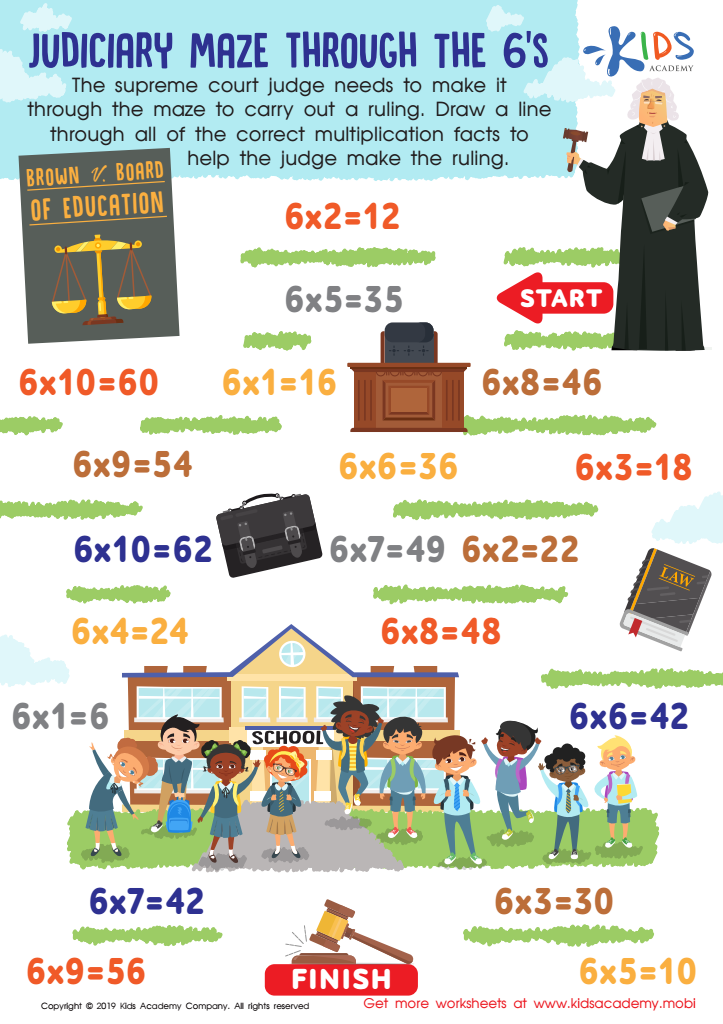
Judiciary Maze Through The 6’s Worksheet
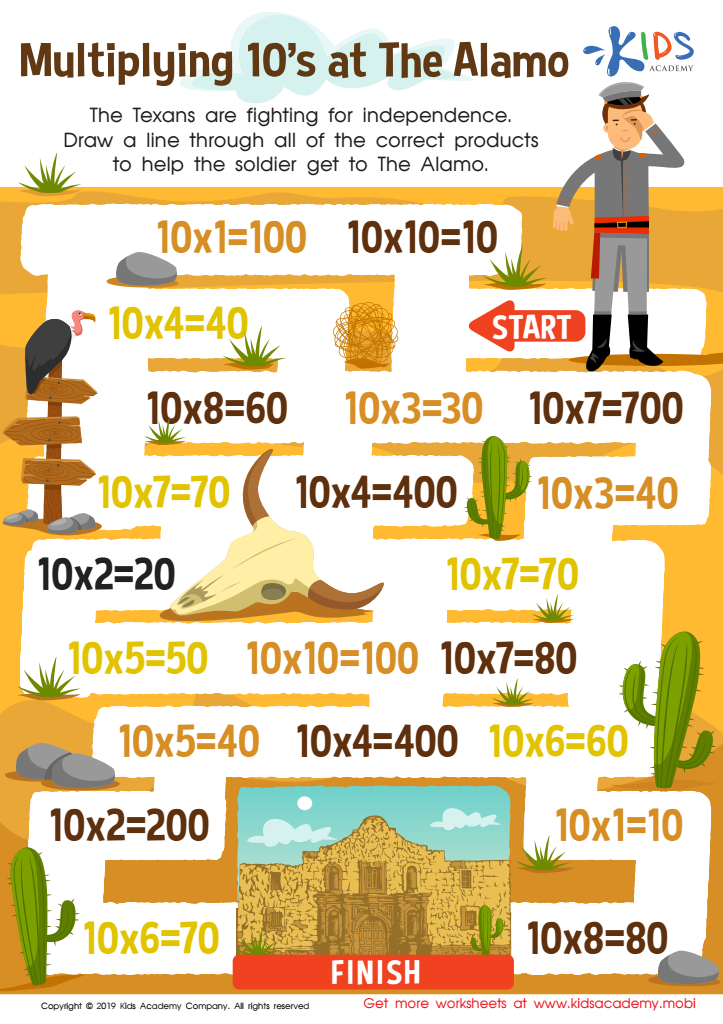
Multiplying 10’s at The Alamo Worksheet
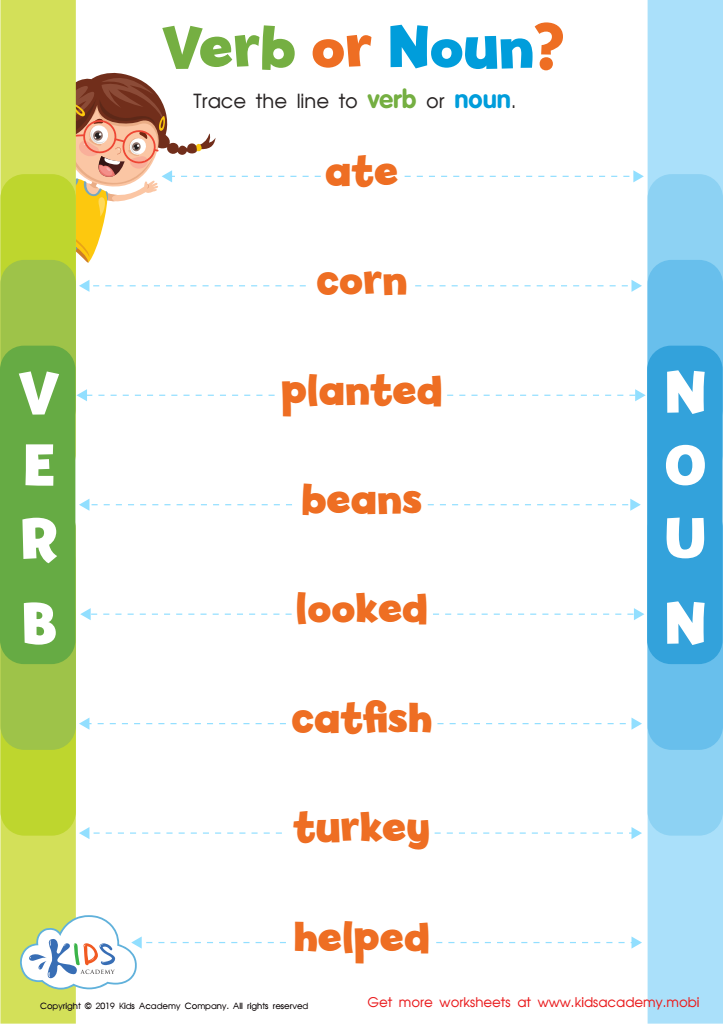
Verb or Noun Worksheet
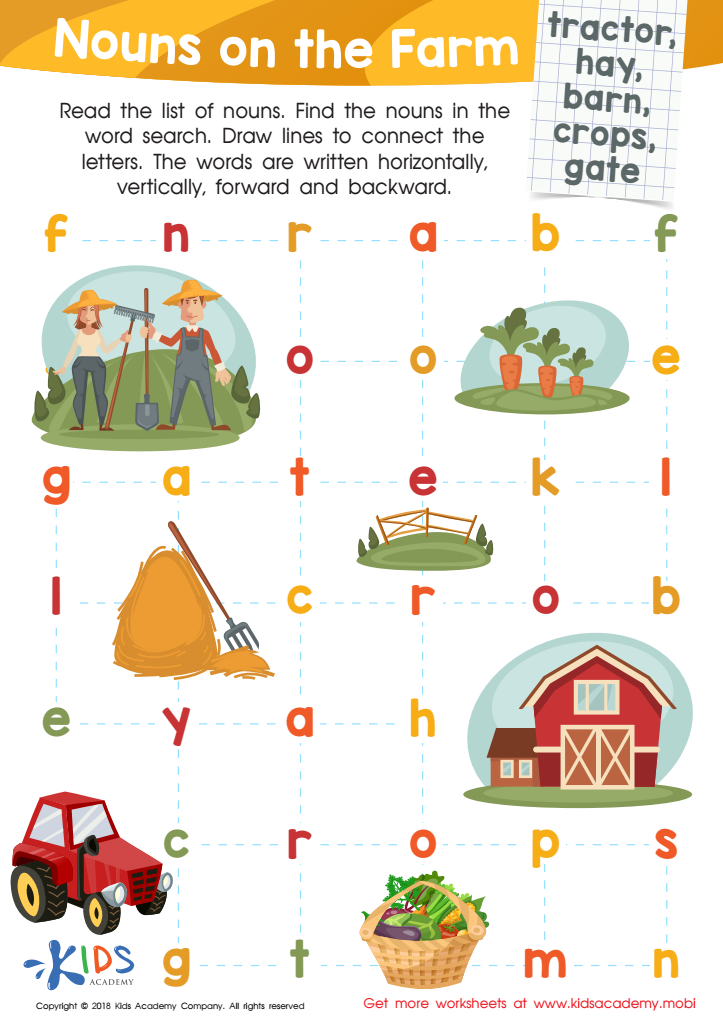
Nouns on the Farm Worksheet
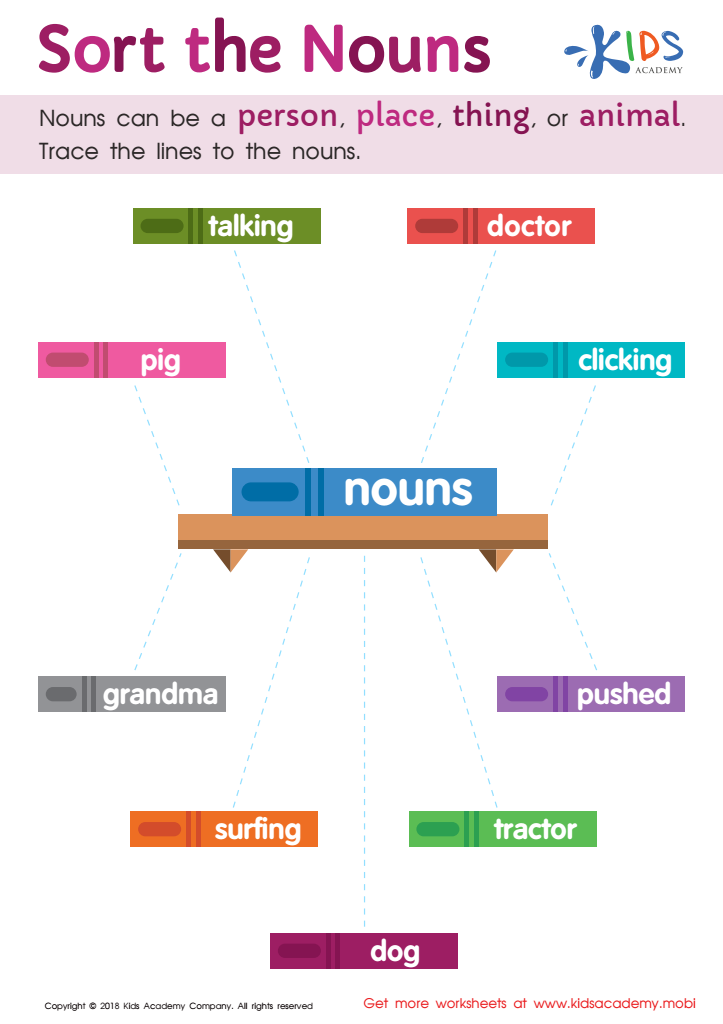
Sort the Nouns Worksheet
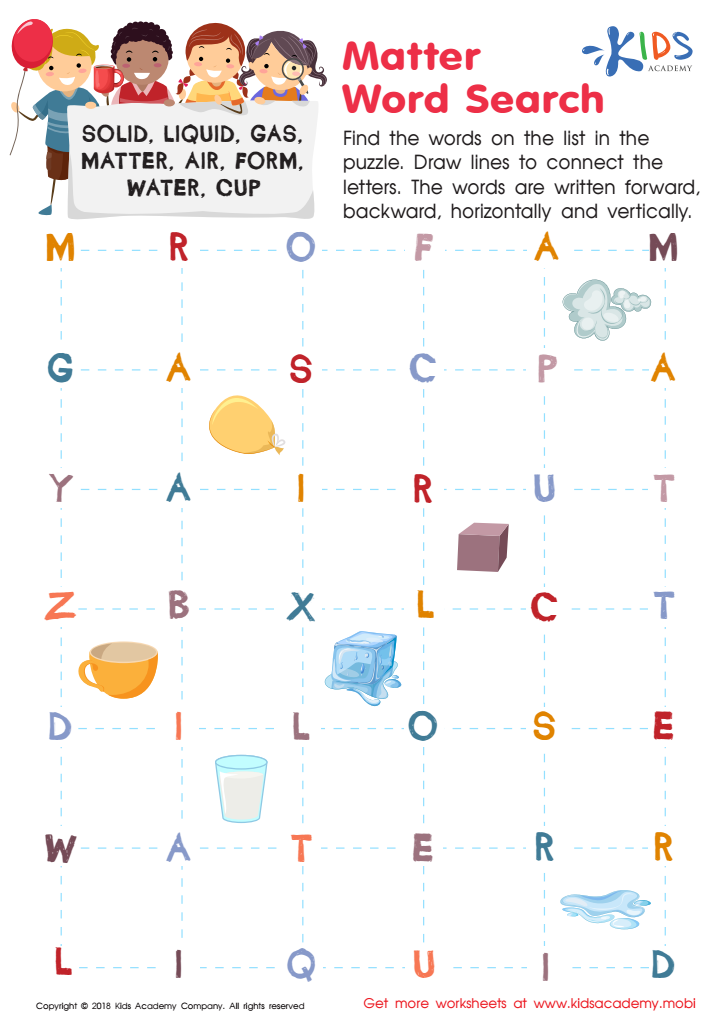
Matter Word Search Worksheet
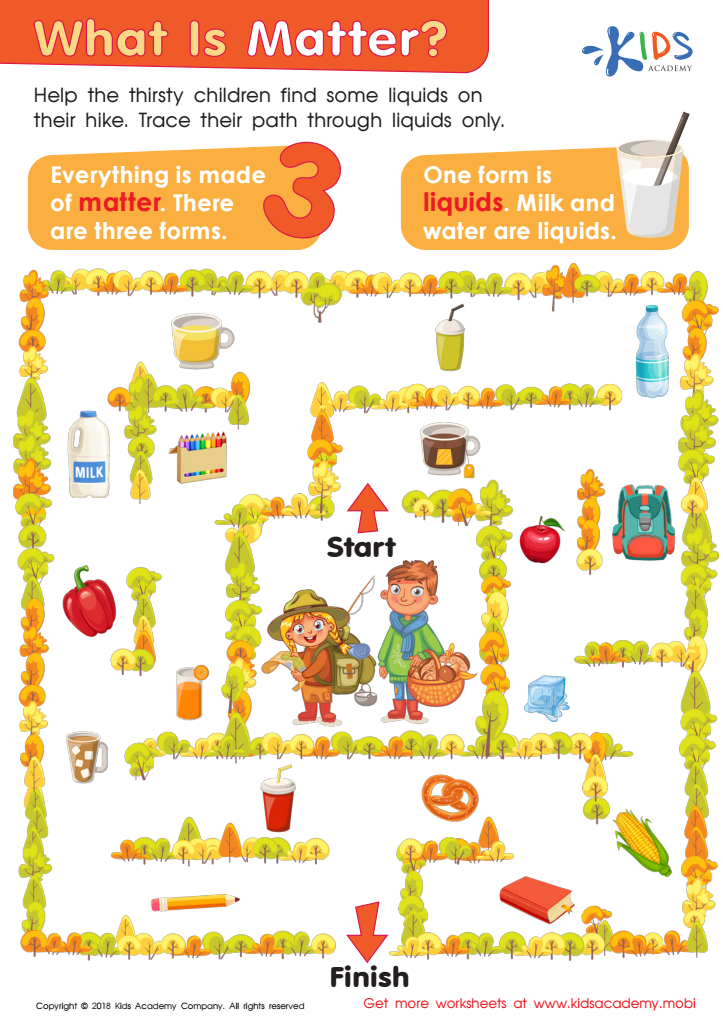
What Is Matter? Worksheet
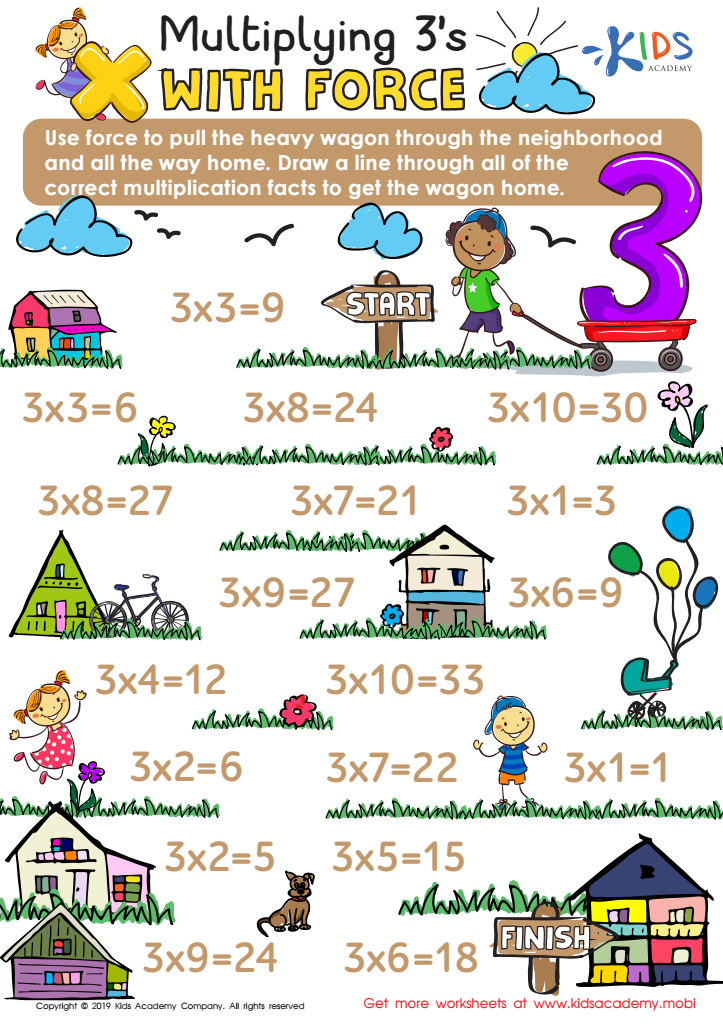
Multiplying 3s with Force Worksheet
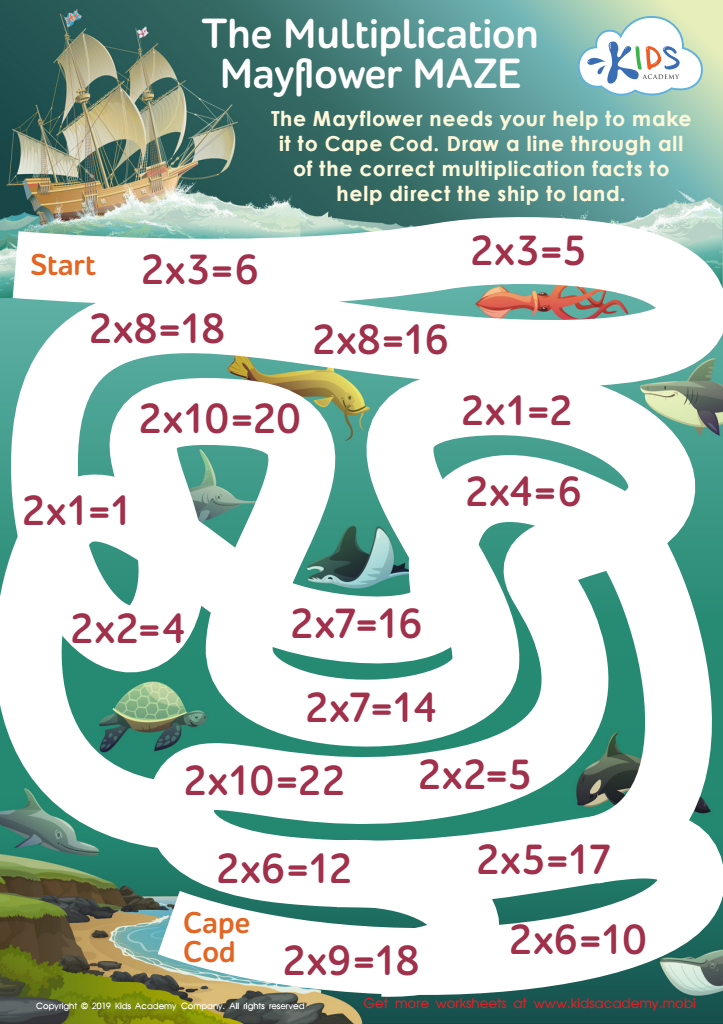
The Multiplication Mayflower Maze Worksheet
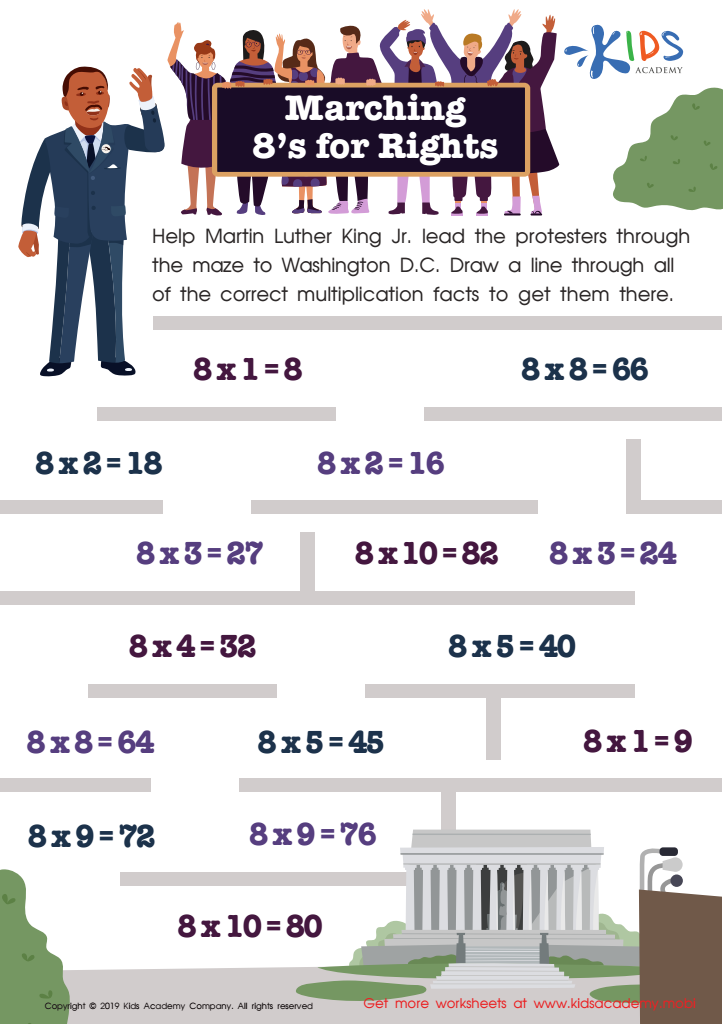
Marching 8’s for Rights Worksheet


.jpg)




Extra challenges for children ages 3-8 are critical for their development and should not be overlooked by parents and teachers. At this young age, children are highly receptive to new information and experiences. Introducing extra challenges can stimulate cognitive, motor, and social skills, preparing them for future academic and life circumstances.
For instance, activities that challenge children to think critically, solve problems, or use their creativity can significantly boost cognitive development. This foundation is crucial for success when formal education begins. Physical challenges, such as obstacle courses, improve motor skills and encourage a healthy lifestyle.
Moreover, overcoming challenges enhances a child's self-esteem and resilience. When children see themselves succeeding after effort, they develop a growth mindset, understanding that abilities can improve with practice. This mindset is invaluable for lifelong learning and adaptability.
Socially, group challenges teach cooperation, communication, and empathy. Children learn to navigate interactions with peers, which builds strong social competence.
In a world that is fast-moving and ever-changing, early exposure to a variety of challenges fosters adaptability, curiosity, and a love for learning. By caring about these extra challenges, parents and teachers provide children with the tools and confidence to face the future, nurturing a generation of well-rounded, resilient, and proficient individuals.








