Extra Challenge Consonants Worksheets for Ages 3-9
5 filtered results
Difficulty Level
Grade
Age
-
From - To
Subject
Activity
Standards
Welcome to our "Extra Challenge Consonants Worksheets for Ages 3-9" page! Designed to reinforce consonant recognition and phonetic skills, these engaging worksheets provide young learners with additional opportunities to practice. Ideal for parents and educators, the worksheets combine fun activities like tracing, matching, and filling in the blanks to promote essential literacy skills. With vibrant colors and kid-friendly illustrations, children will remain motivated while enhancing their understanding of consonants. Tailored to accommodate various learning styles, our printable resources ensure that students stay challenged and engaged. Unlock your child's potential in reading and writing with these exciting consonant worksheets today!
Favorites
With answer key
Interactive
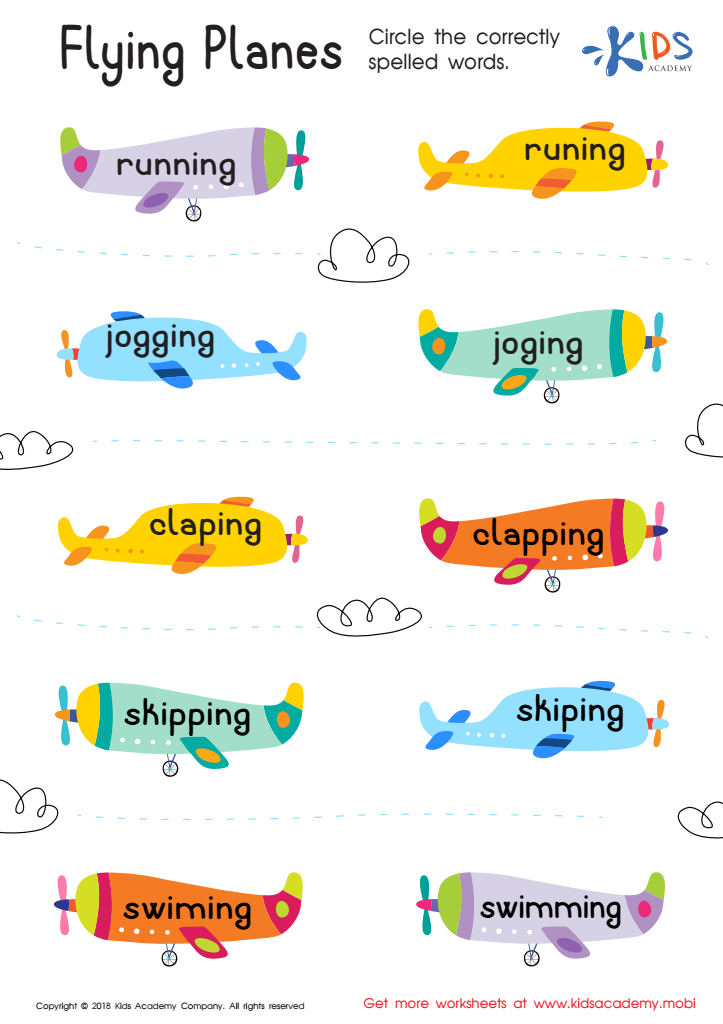
Flying Planes Worksheet
Adding the -ing suffix to verbs is a breeze with this fun worksheet! Colorful planes help your child spot the correct spelling of words that end in consonants - double the consonant, add -ing! Kids can compare correctly and incorrectly spelled words, giving them a better understanding of how the word looks correctly. Download the free PDF and get spelling!
 Assign to My Students
Flying Planes Worksheet
Worksheet
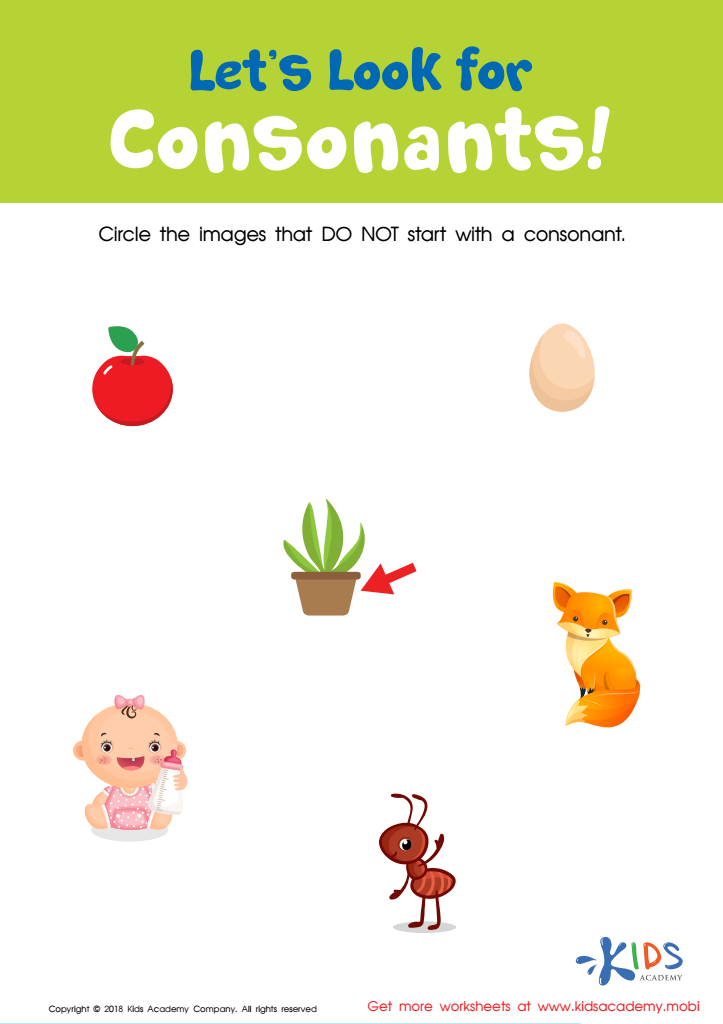
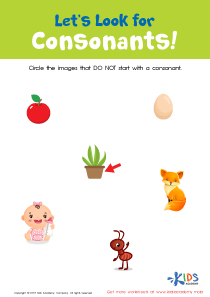
Let's Look for Consonants Worksheet
Help kids learn consonants and words that start with them. Ask them to recite the alphabet, then explain consonants are all letters but the 5 vowels. Use the worksheet to ask them to circle items without a consonant. Emphasize that's 21 consonants.
Let's Look for Consonants Worksheet
Worksheet
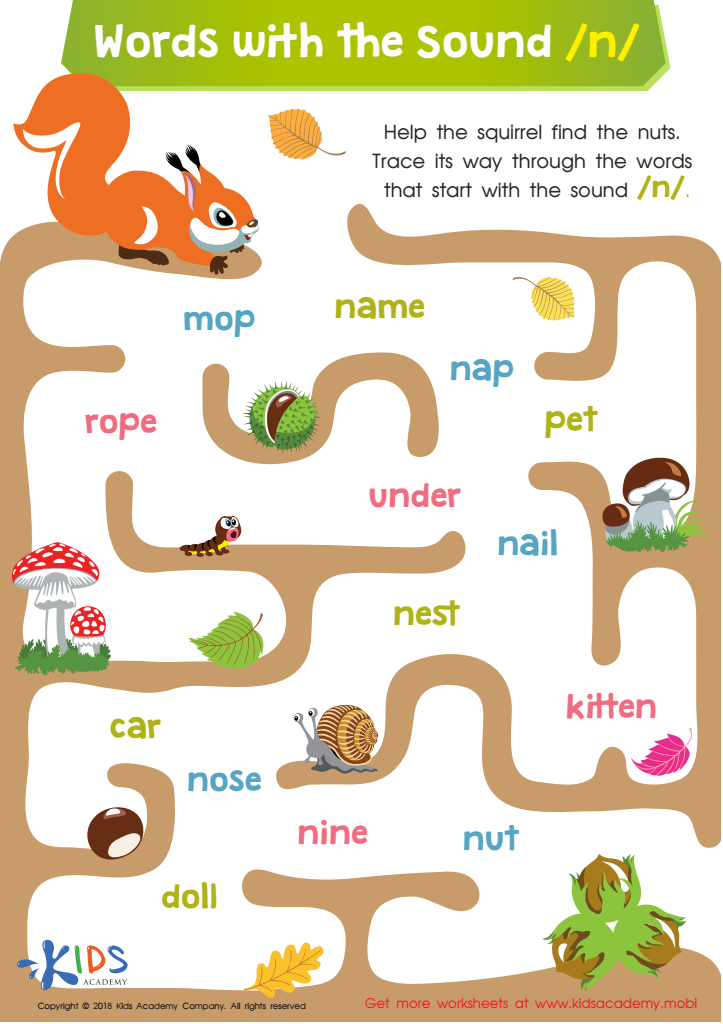
Words with Sound N Reading Worksheet
Young readers will love the colourful pictures and simple sight words on this download worksheet. They can trace their way through the maze as they help the cute squirrel reach his acorns, finding words with the sound "n" as they go. It's a fun way to work on reading skills - they won't even realise they're learning!
Words with Sound N Reading Worksheet
Worksheet
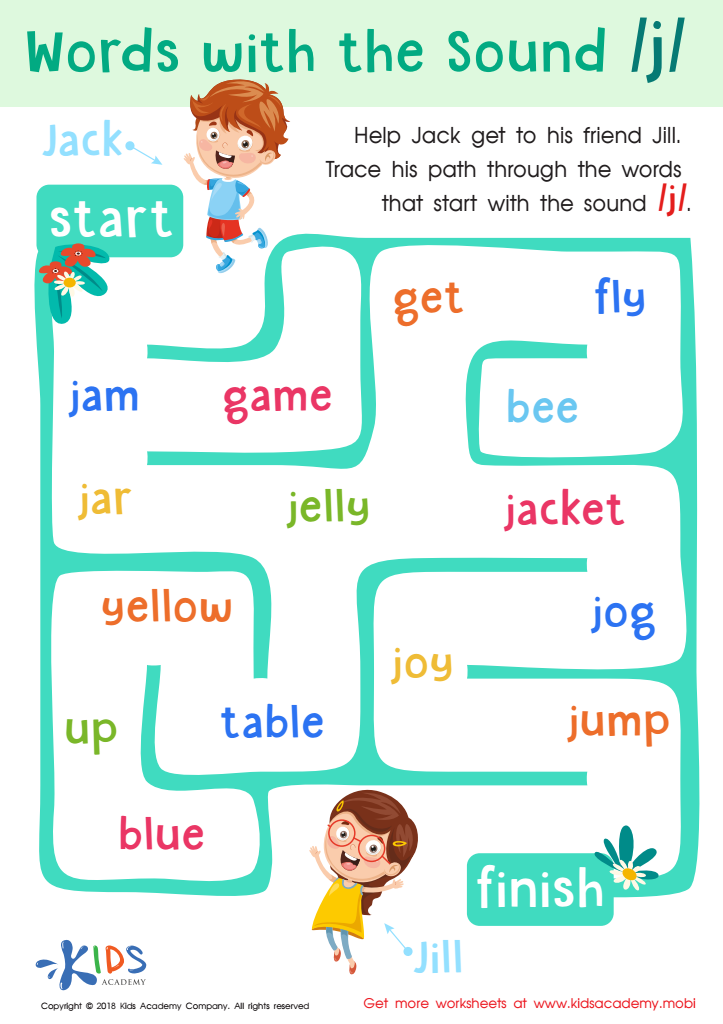
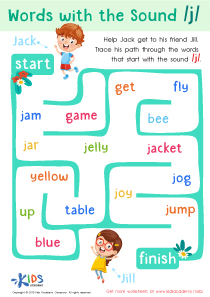
Words with sound j Reading Worksheet
Don't be fooled: The letter J sounds like G in this letter sounds maze! Kids will enjoy helping Jack find Jill by listening to beginning sounds and tracing a path to the exit. Choose words that start with the letter J sound to complete the challenging maze!
Words with sound j Reading Worksheet
Worksheet
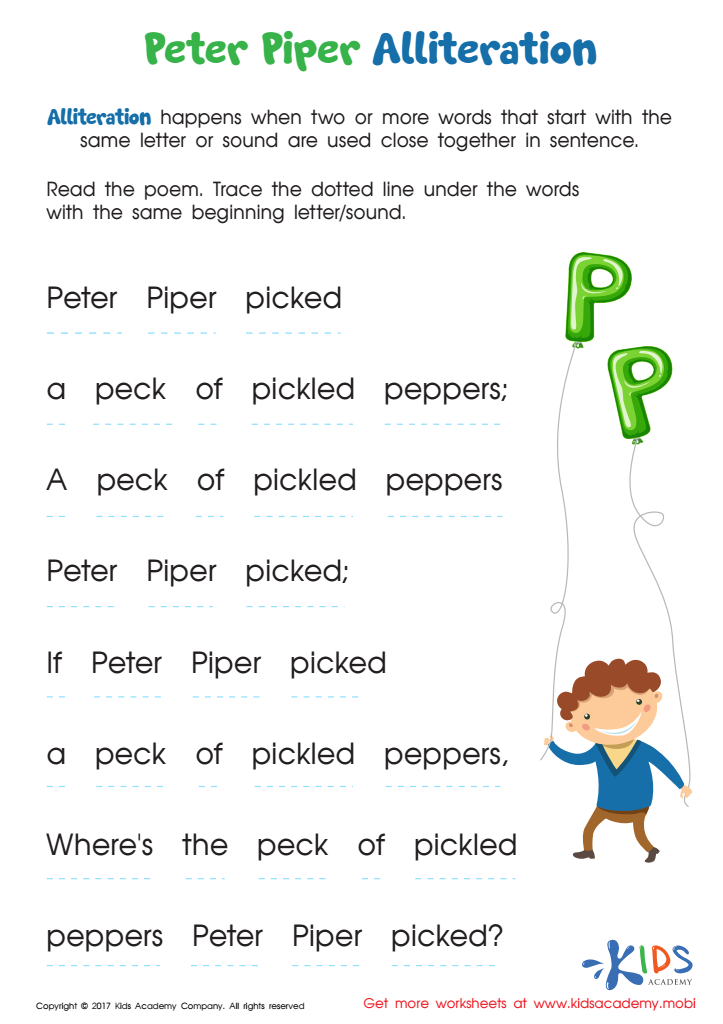
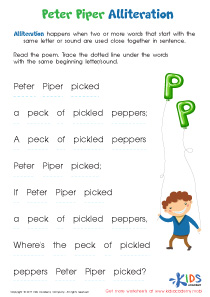
Peter Piper Alliteration Worksheet
Kids love tongue twisters! This worksheet familiarizes them with alliteration through Peter Piper, a beloved nursery rhyme. They underline words that start with the same letter sound, learning to recognize alliteration.
Peter Piper Alliteration Worksheet
Worksheet
Join Kids Academy for Free
Who is primarily going to use this learning content?



Extra Challenge Consonants (ECC) are essential for children aged 3-9 as they support early literacy development. These consonant sounds enable children to begin recognizing the complexities of language, laying a solid foundation for reading and writing skills. Understanding ECC helps children grasp phonemic awareness, which is crucial for decoding words and spelling correctly.
Parents and teachers who emphasize ECC can enhance language comprehension in their students. Children exposed to these challenges often exhibit improved vocabulary and phonics knowledge, advancing their ability to communicate effectively. By engaging with ECC, educators and parents can encourage playful learning through games, songs, and stories, making the learning experience enjoyable and meaningful.
Furthermore, ECC can boost cognitive skills as children learn to sound out and manipulate consonant combinations. Early mastery of these elements fosters confidence and prepares children for more complex language challenges as they progress in their education.
By prioritizing Extra Challenge Consonants in their teaching approaches, parents and schools can help build strong literacy skills, promote a love for reading, and support children’s overall academic success. Investing in ECC early on sets a positive trajectory for children's future learning experiences, ensuring they are well-prepared for the linguistic demands of elementary education.