Extra Challenge Place Value Worksheets for Ages 5-7
9 filtered results
Difficulty Level
Grade
Age
-
From - To
Subject
Activity
Standards
Discover our "Extra Challenge Place Value Worksheets for Ages 5-7" designed to boost young learners' math skills! These engaging activities help students grasp the concept of place value, catering to advanced young minds ready for a challenge. Perfect for classroom enrichment or at-home practice, these worksheets build a solid foundation in number sense through hands-on tasks, fun graphics, and eye-catching designs. Foster your child's confidence and proficiency with our expertly crafted tools, ideal for ages 5-7. Unleash their full potential in math with exercises that inspire and educate!
Favorites
With answer key
Interactive
Let's Regroup Worksheet
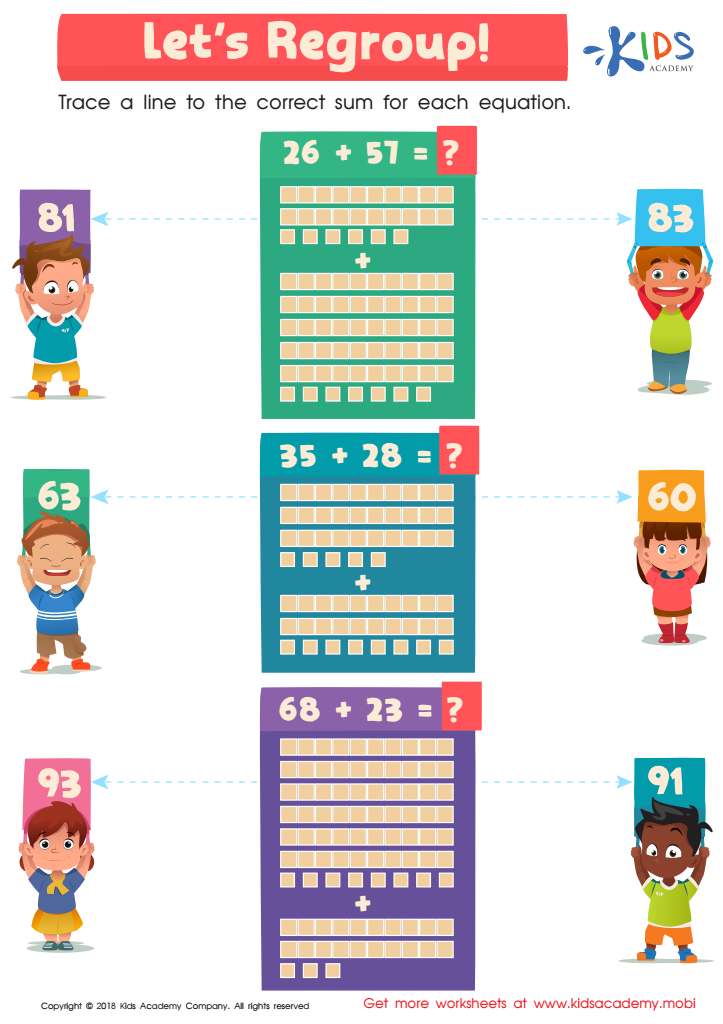
Counting is fun! Help teach your child with fun, colorful worksheets like this one. For simple sum-adding or counting high numbers, this printout helps them master the problems. Three equations with numbers are at the top. Guide your child to find the correct answer, then draw a line to the sum for each equation.
 Assign to My Students
Let's Regroup Worksheet
Worksheet

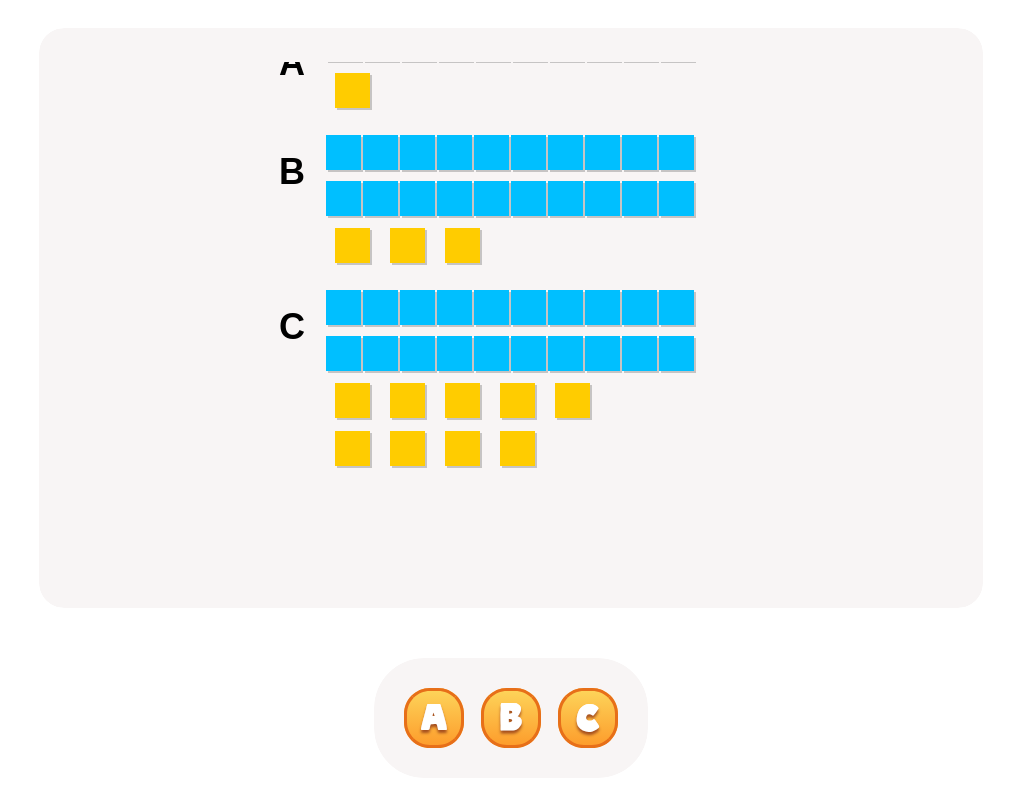
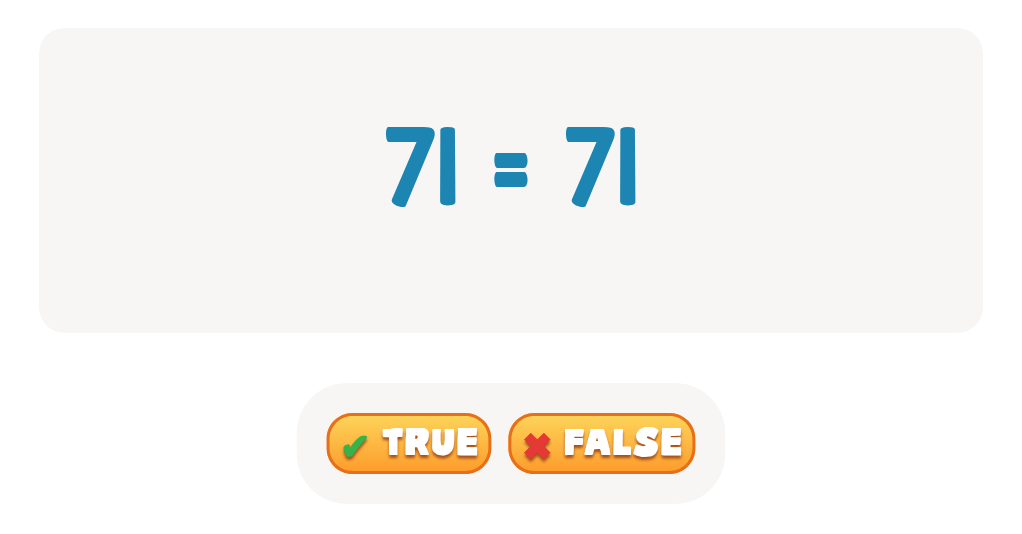
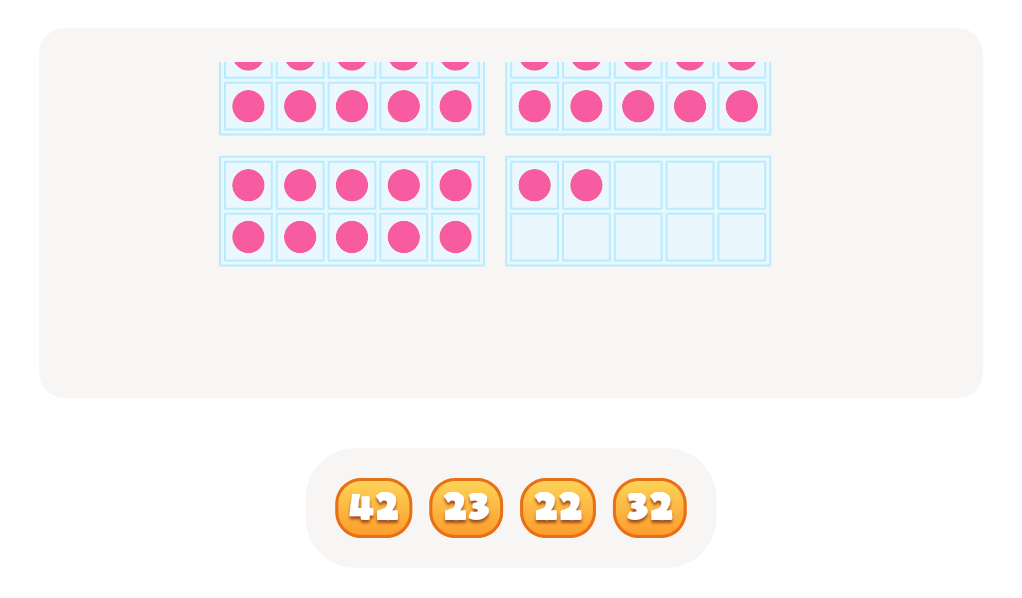
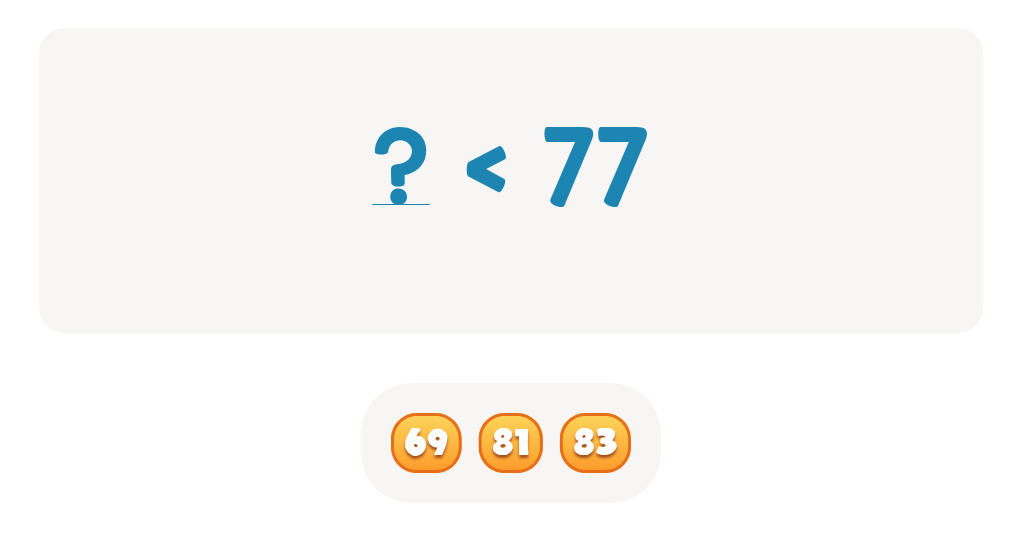
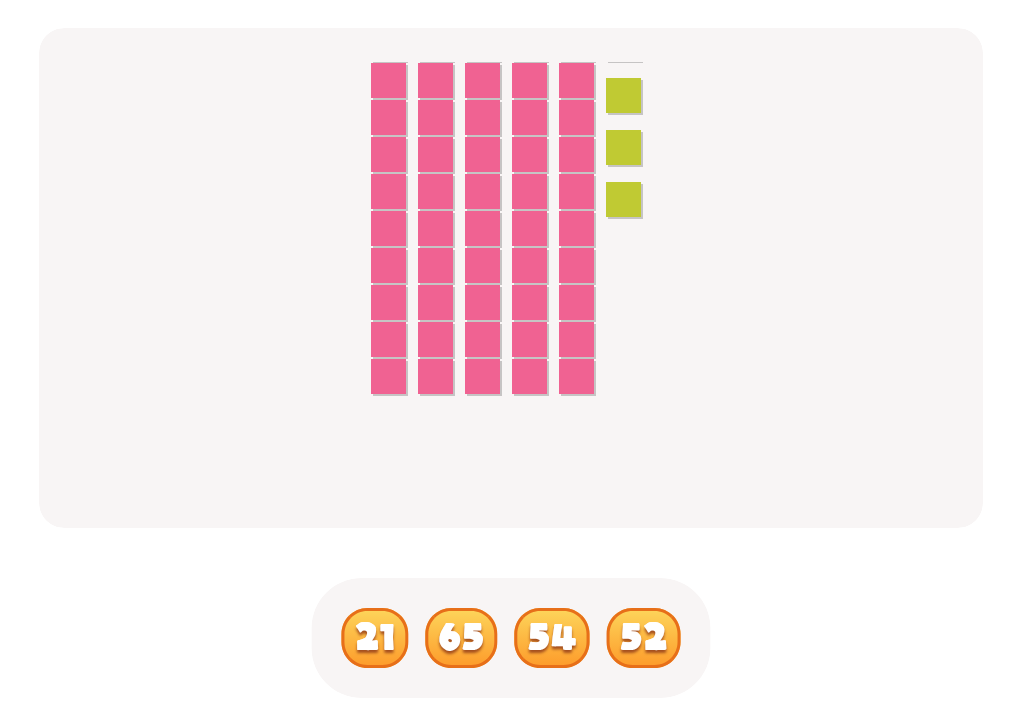
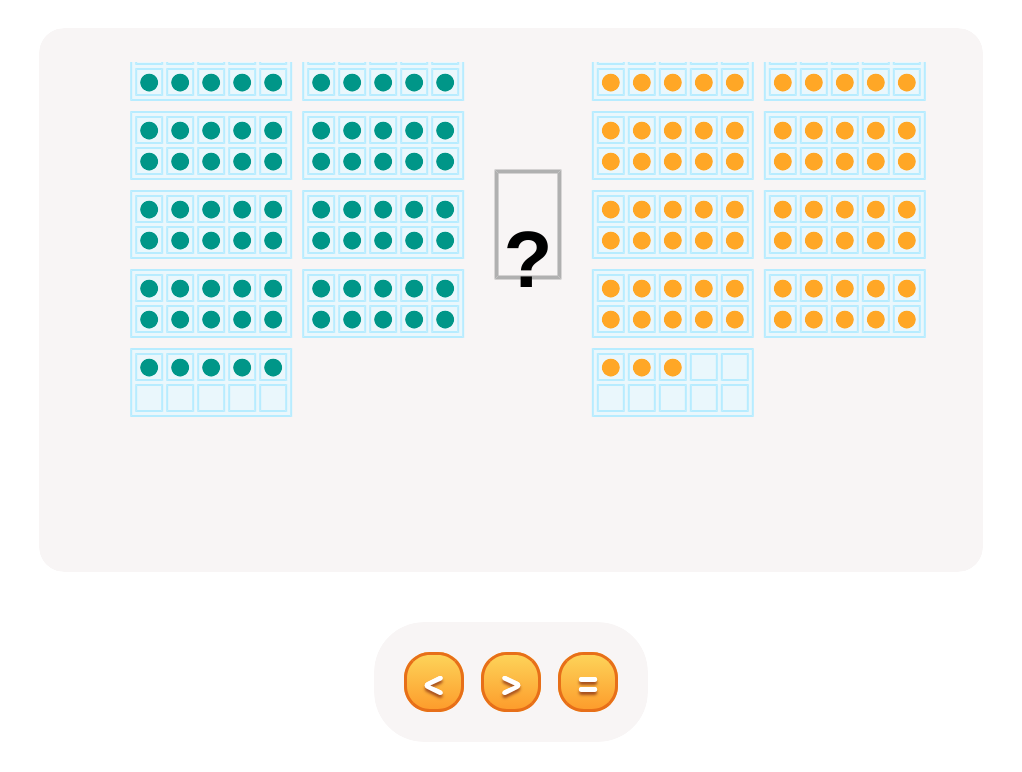
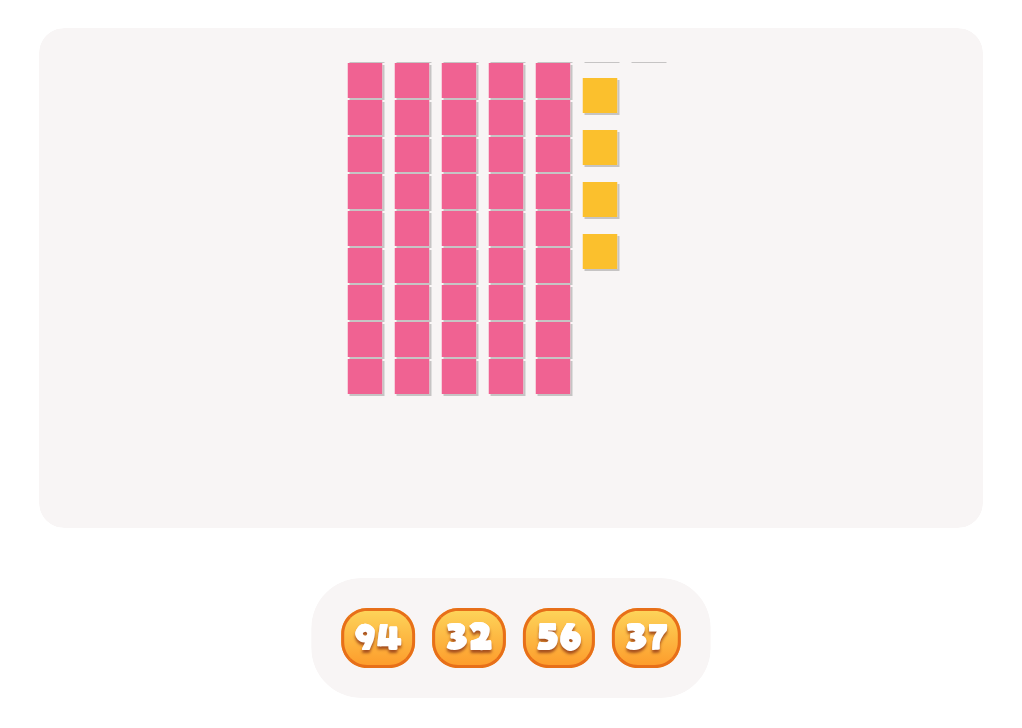
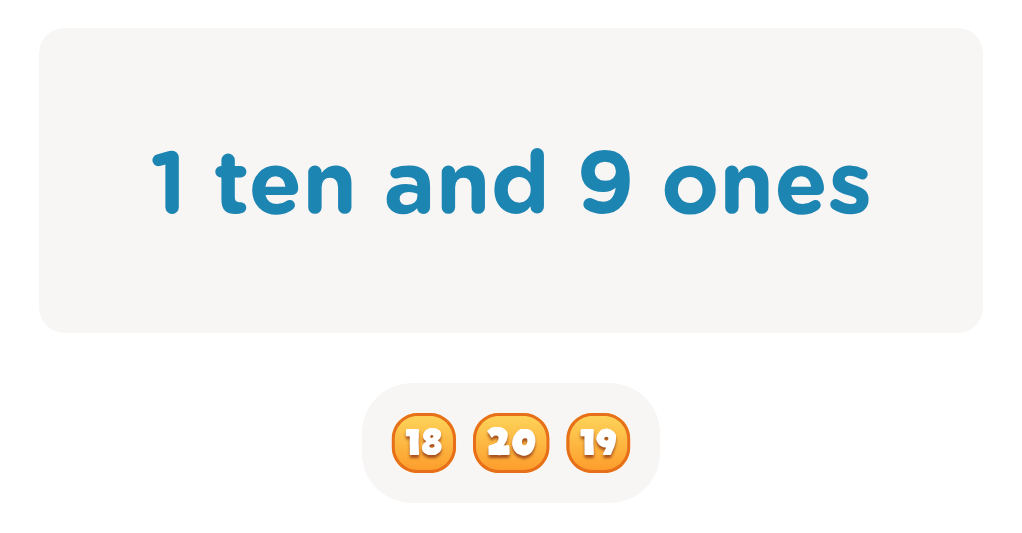
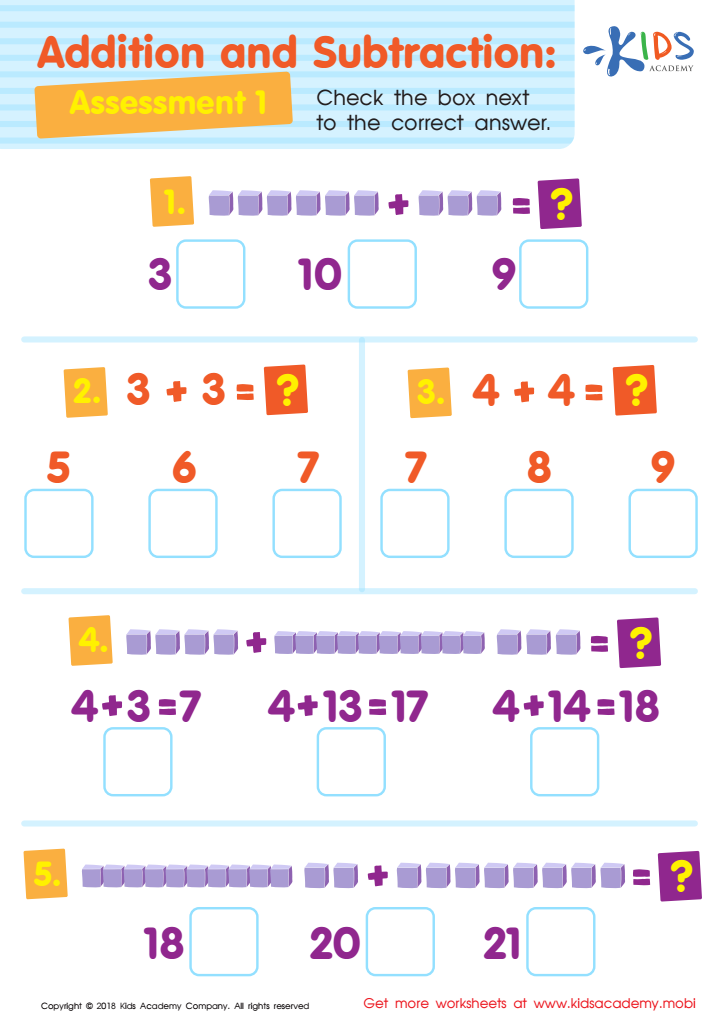
Addition and Subtraction Assessment 1 Worksheet
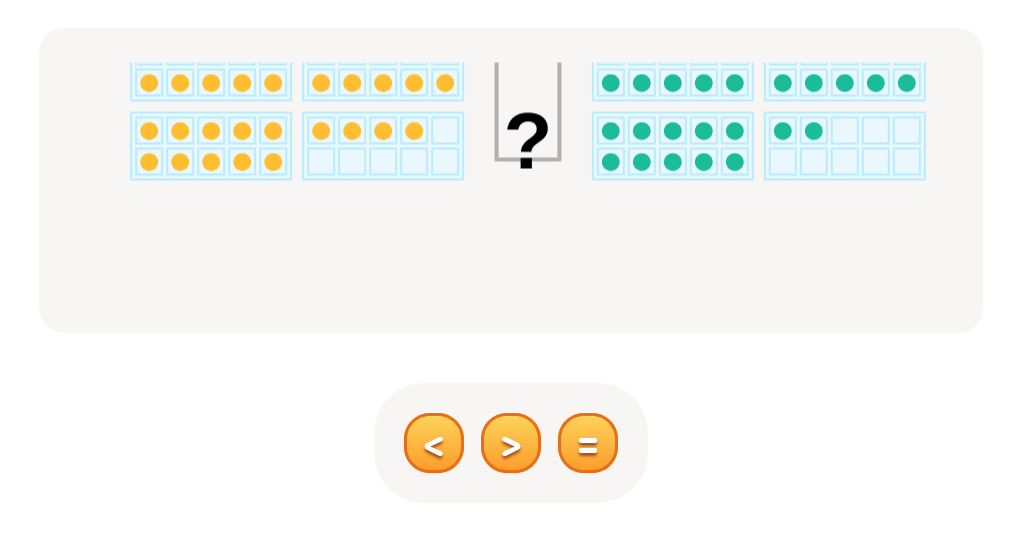
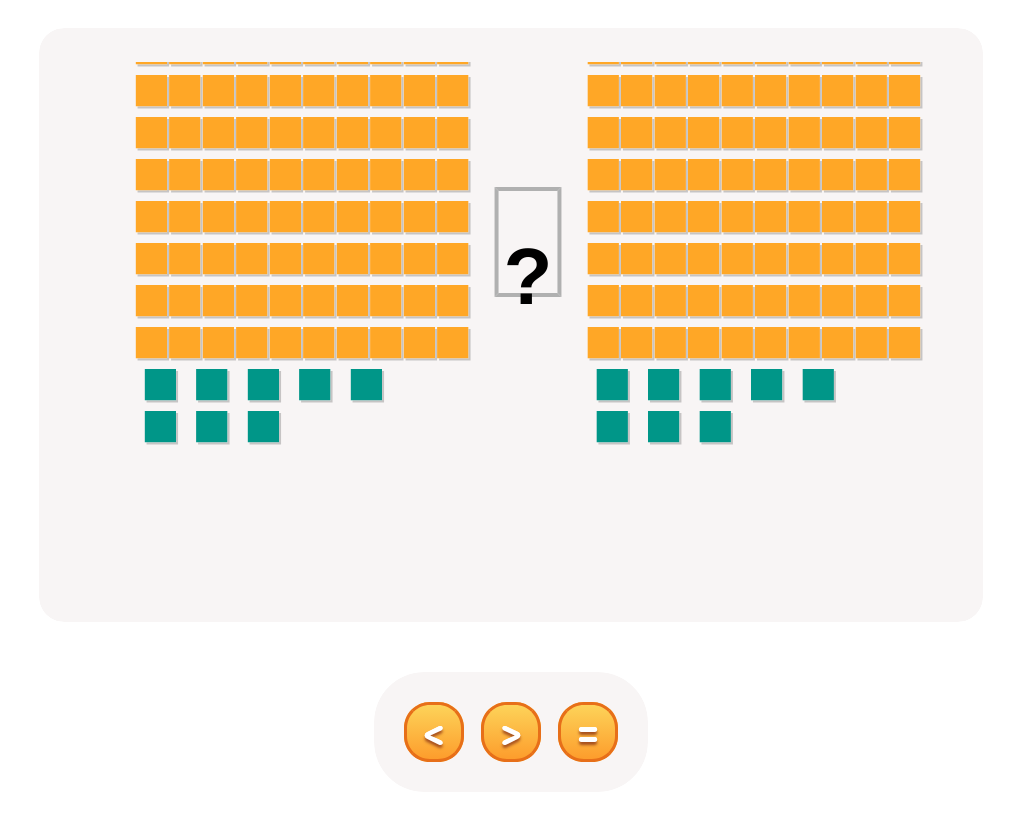
Kids often find math difficult, even adults! But it's important they learn the basics, like adding and subtracting. Use this worksheet to help them practice. Check the box next to the correct answer for each equation. It's a great way to give them a jump start and help them succeed in math.
Addition and Subtraction Assessment 1 Worksheet
Worksheet
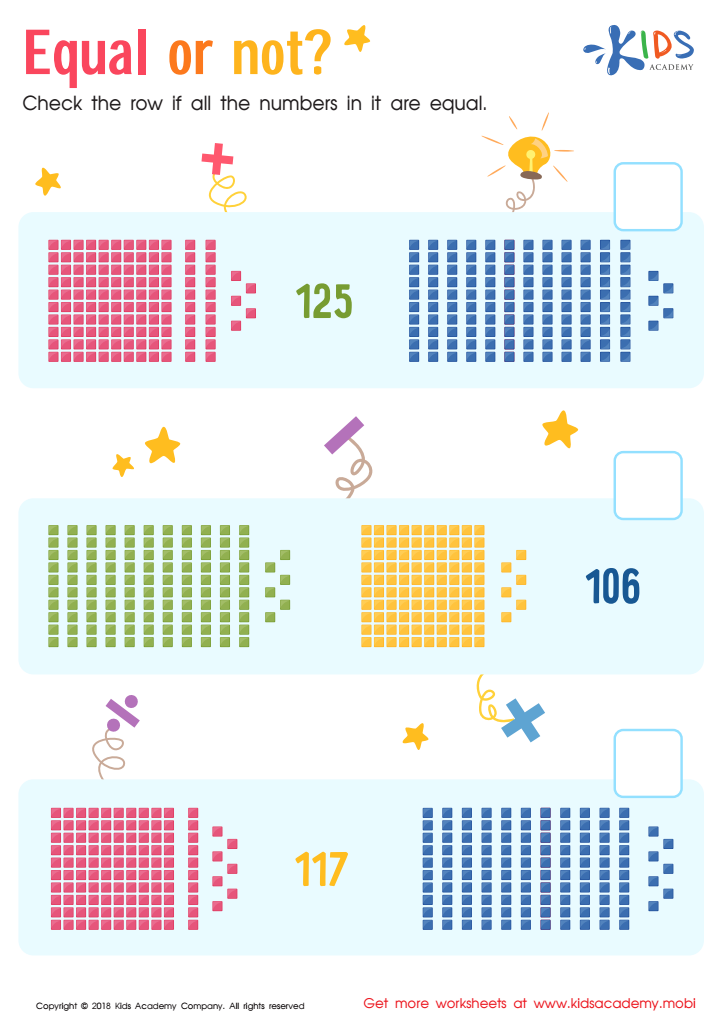
Equal or not Worksheet
To grow your child's learning, challenge them with new tasks. Stimulate their brains with activities that will build their knowledge and thinking skills. Take advantage of this worksheet exercise: ask your child to check the rows where all the numbers are equal. This simple exercise will improve their learning.
Equal or not Worksheet
Worksheet
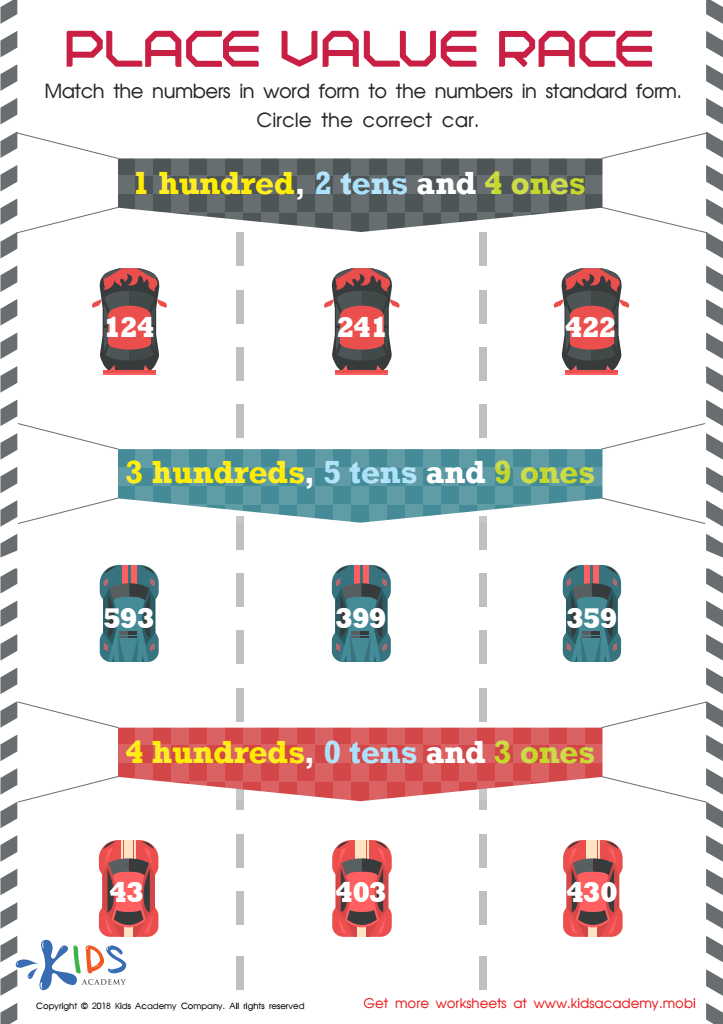
Place Value Race Worksheet
Teach your child to count, then write numbers in word form and back to standard form. In this worksheet, they'll match the numbers written in word form to their standard form and circle the correct car with the correct answer.
Place Value Race Worksheet
Worksheet
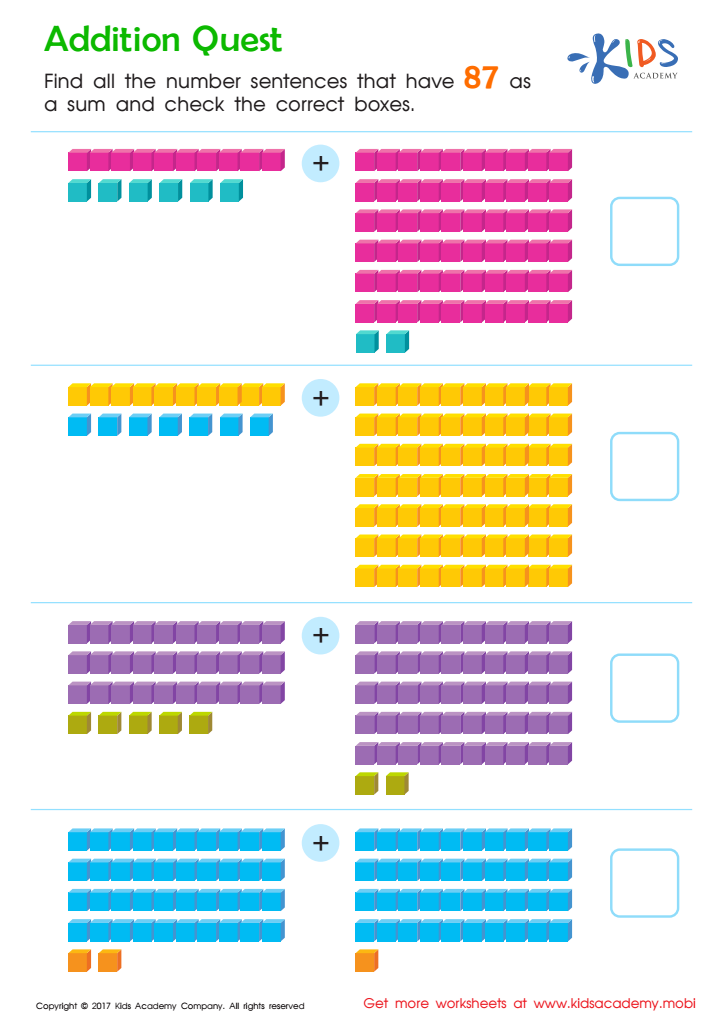
Addition Quest Worksheet: Part 1
Send your child on a mission to find the equations that equal 87 with base ten blocks! Download the worksheet to help them add each grouping of blocks and check the correct boxes for the answers. Fun and educational!
Addition Quest Worksheet: Part 1
Worksheet
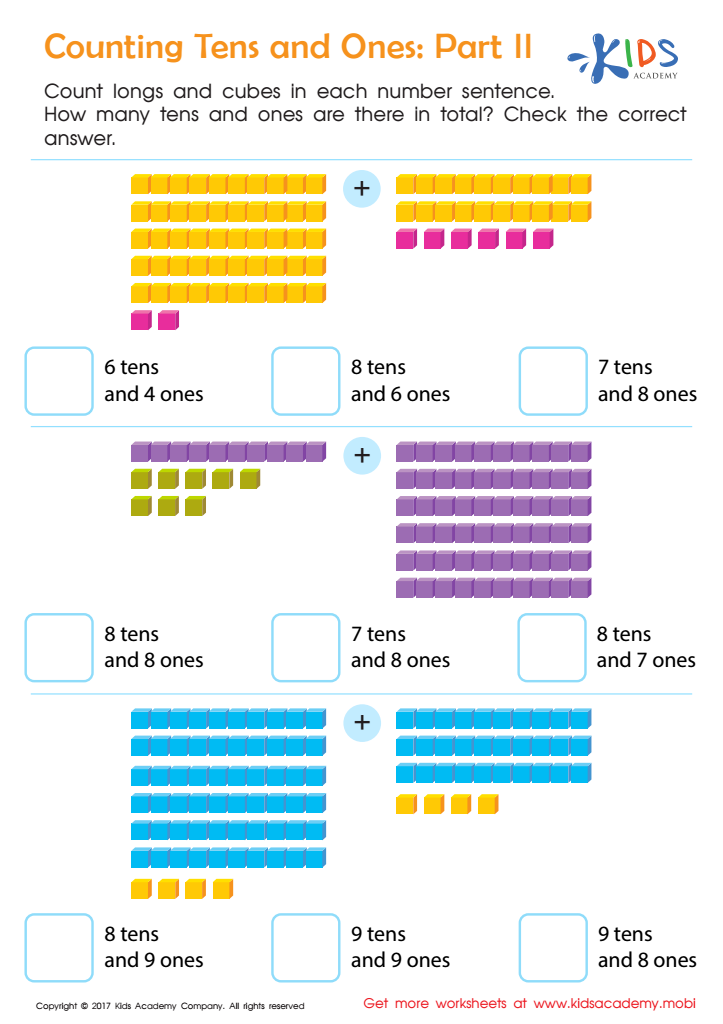
Counting Tens and Ones: Part 2 Worksheet
Adding two-digit numbers can be tough for kids. It's essential to give them a strong foundation of numeracy and math, not just teaching them to add. Use longs and cubes to help them get a visual grasp of place value and addition. This fun worksheet can help your child take their skills to the next level, with problems featuring larger numbers.
Counting Tens and Ones: Part 2 Worksheet
Worksheet
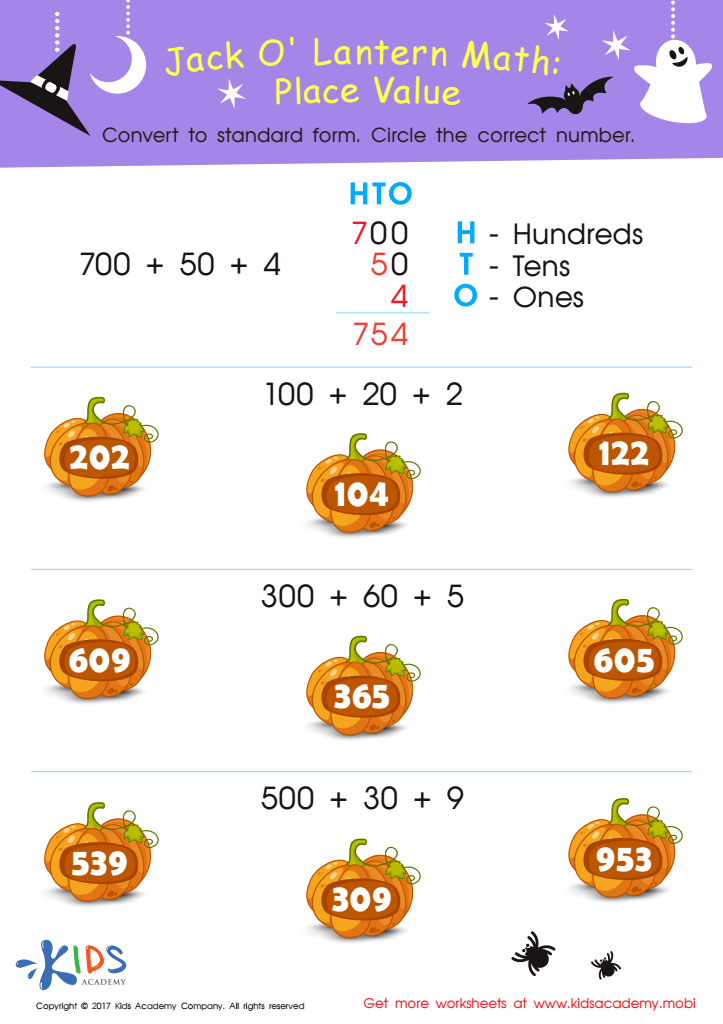
Free Place Value Worksheet
This Halloween-themed worksheet helps children practice converting equations to standard form and understand place value for better problem-solving. Download this free PDF for a fun way to do it!
Free Place Value Worksheet
Worksheet
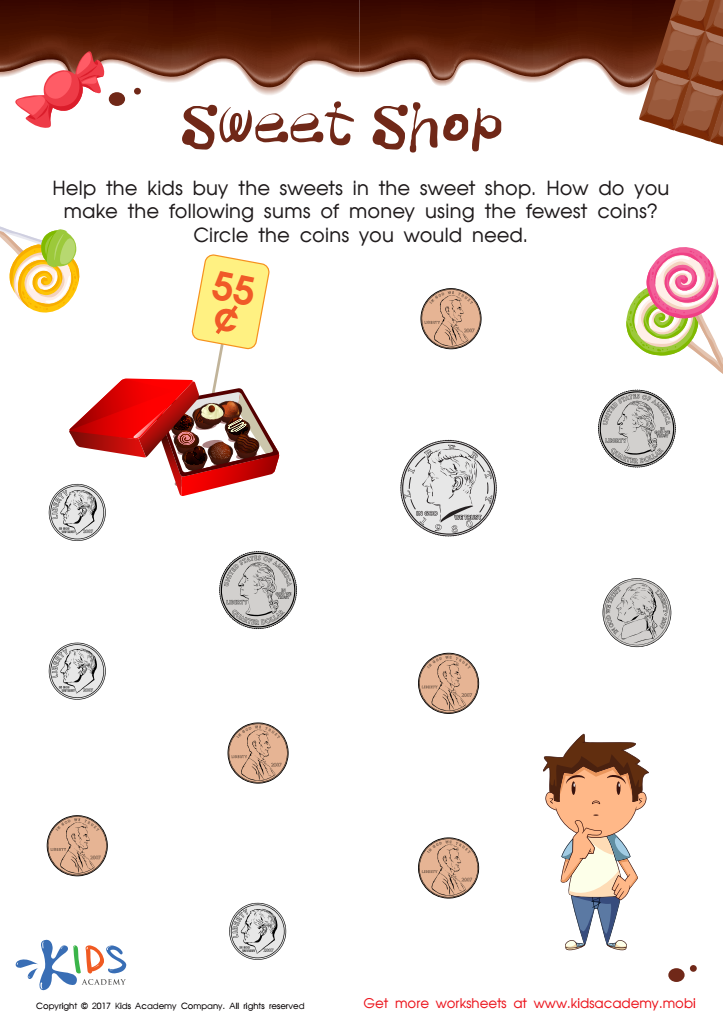
Sweet Shop – Counting Coins Worksheet
Help your child get ready to buy sweet treats with this coin counting worksheet. It'll challenge them to use the fewest coins possible. With knowledge of coin values, they'll work out the right combination to get the sweets!
Sweet Shop – Counting Coins Worksheet
Worksheet
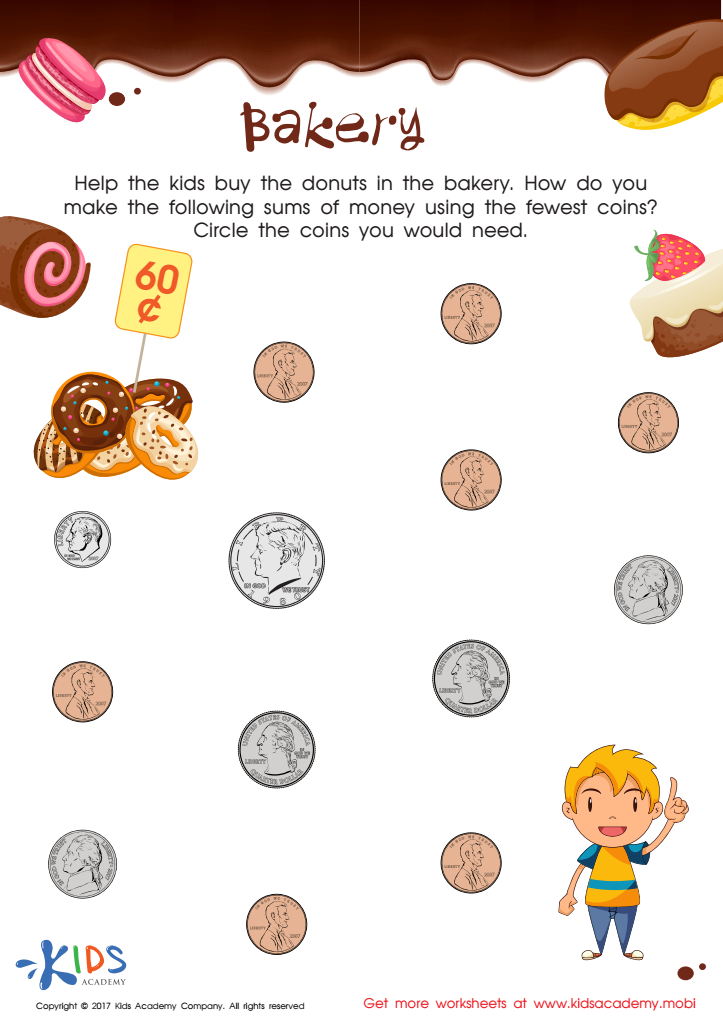
Counting Coins Worksheet
It will challenge them to spend a given amount using the least coins possible. Perfect for 2nd grade.
Help your child learn to count coins with this fun bakery-themed worksheet. It's perfect for 2nd graders and will challenge them to use the least coins possible to spend a set amount. Develop a valuable life skill and have fun while doing it!
Counting Coins Worksheet
Worksheet
Join Kids Academy for Free
Who is primarily going to use this learning content?








Parents and teachers should prioritize grasping the importance of place value in early education because it forms the cornerstone of understanding mathematics. Place value concepts help children aged 5-7 develop crucial skills, such as recognizing the tens and ones in numbers, which are essential for arithmetic operations like addition, subtraction, and eventually, more complex calculations.
Engaging young learners with extra challenge place value activities reinforces these fundamentals and prevents knowledge gaps. When children grasp place value, they improve their number sense, allowing them to visualize and manipulate numbers with confidence. This foundational skill supports not only immediate learning goals but also builds the groundwork for future mathematical understanding, making subsequent topics—such as multiplication, division, decimals, and fractions—more accessible.
Incorporating extra challenges stretches children’s thinking, boosts their problem-solving skills, and nurtures their curiosity and enthusiasm for math. These activities prompt them to apply their knowledge creatively, critically, and independently, fostering a growth mindset rooted in perseverance and confidence. Furthermore, such exercises can help identify early those who might need additional support and those who could benefit from further enrichment. Overall, a robust understanding of place value equips children with the cognitive tools necessary for academic achievement and everyday decision-making.