Extra Challenge Worksheets for Ages 5-9 - Page 22
507 filtered results
-
From - To
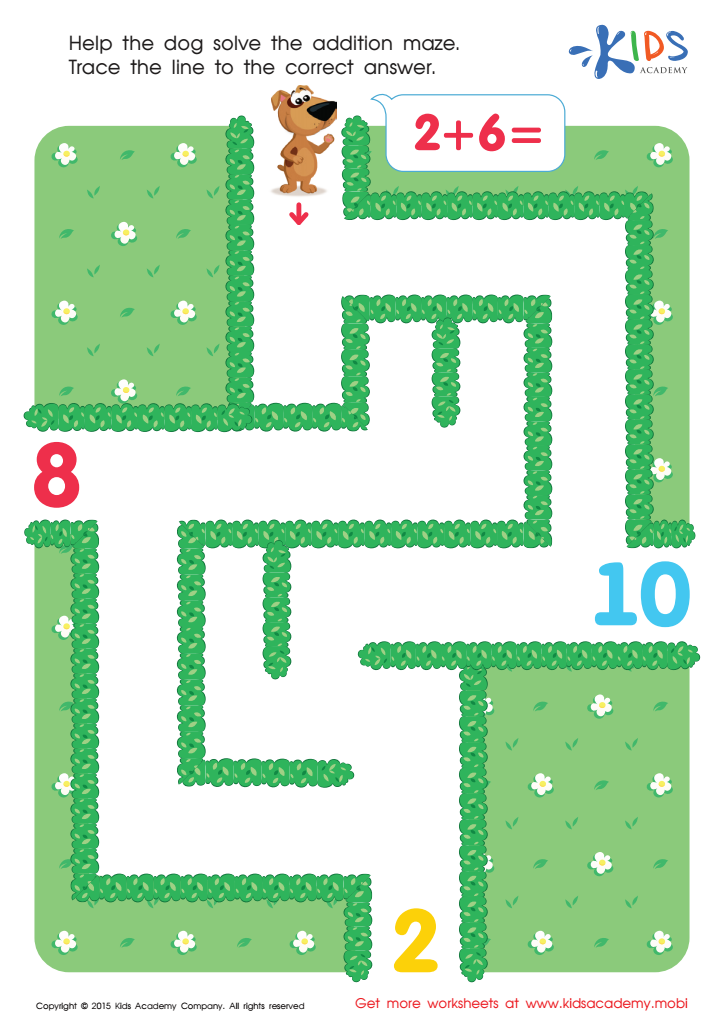
Two Plus Six Addition Worksheet
 Assign to My Students
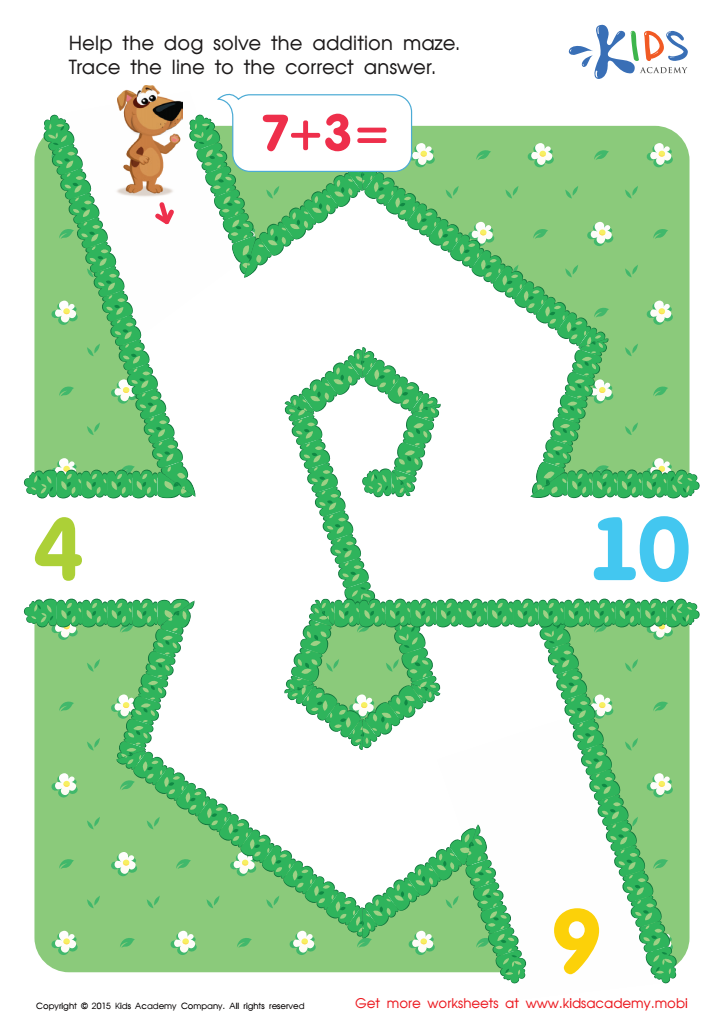
Seven Plus Three Worksheet
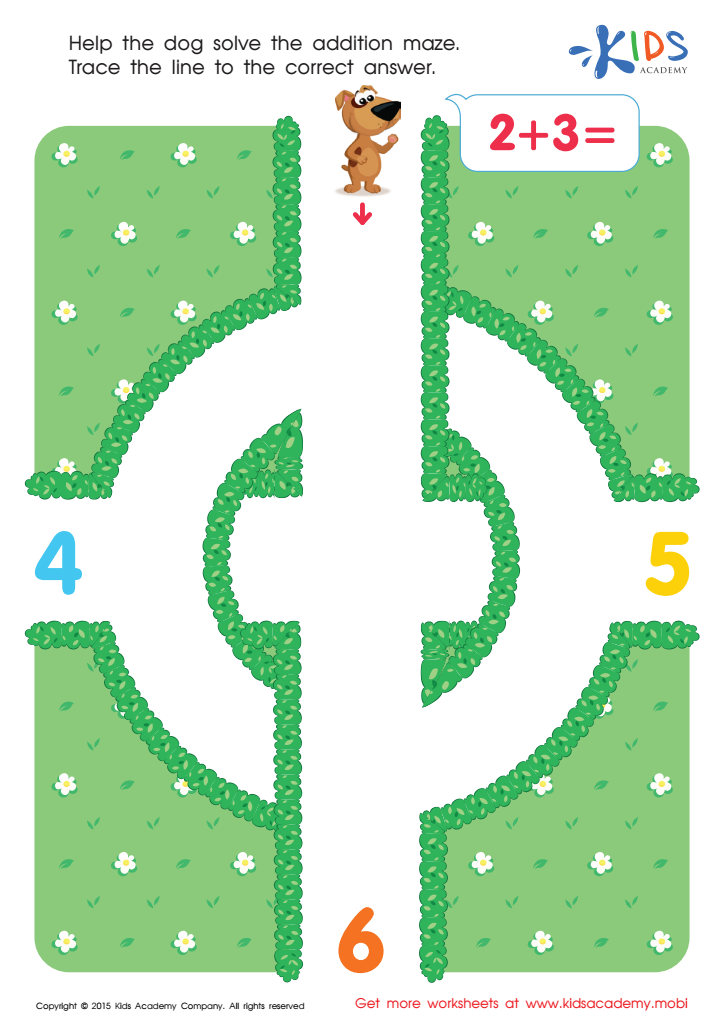
Two And Three Addition Worksheet


.jpg)




Extra challenges for children aged 5-9 are essential to fostering a well-rounded development. Parents and teachers should care about these challenges because they stimulate the child’s cognitive, social, and emotional growth in meaningful ways. At this formative stage, children's brains are highly plastic, making them more receptive to acquiring new skills and knowledge. Extra challenges, such as puzzles, advanced reading materials, or creative problem-solving tasks, hone their critical thinking and aptitudes in novel ways.
Moreover, such activities cultivate resilience and a growth mindset. When children face and navigate challenges, they learn to deal with failure and perseverance simultaneously. They come to understand that persistence can lead to mastery and that effort significantly impacts their success.
Engaging children in complex tasks also boosts their confidence and self-esteem. When a child tackles an obstacle and comes out successful, their sense of achievement contributes significantly to their self-worth. Socially, working on team-based challenges teaches vital interpersonal skills such as communication, cooperation, and empathy.
From a teacher’s perspective, offering extra challenges can also spotlight areas where a student might be gifted or need additional attention, allowing for more tailored and effective teaching strategies. In summary, integrating extra challenges into childhood learning is fundamental for all aspects of development, predicting future educational and social success.








