Extra Challenge Tracing Letters Worksheets for Ages 5-9
10 filtered results
-
From - To
Enhance your child's writing skills with our "Extra Challenge Tracing Letters Worksheets for Ages 5-9." Designed to encourage young learners, these engaging worksheets offer a fun and effective way to master the alphabet. Each activity challenges children to trace letters, reinforcing proper handwriting and letter recognition. With colorful illustrations and engaging themes, these worksheets keep kids motivated and excited about learning. Ideal for preschool and early grade students, they are perfect for use at home or in the classroom. Help your child build confidence in their writing abilities while developing fine motor skills. Start their educational journey with our tracing worksheets today!
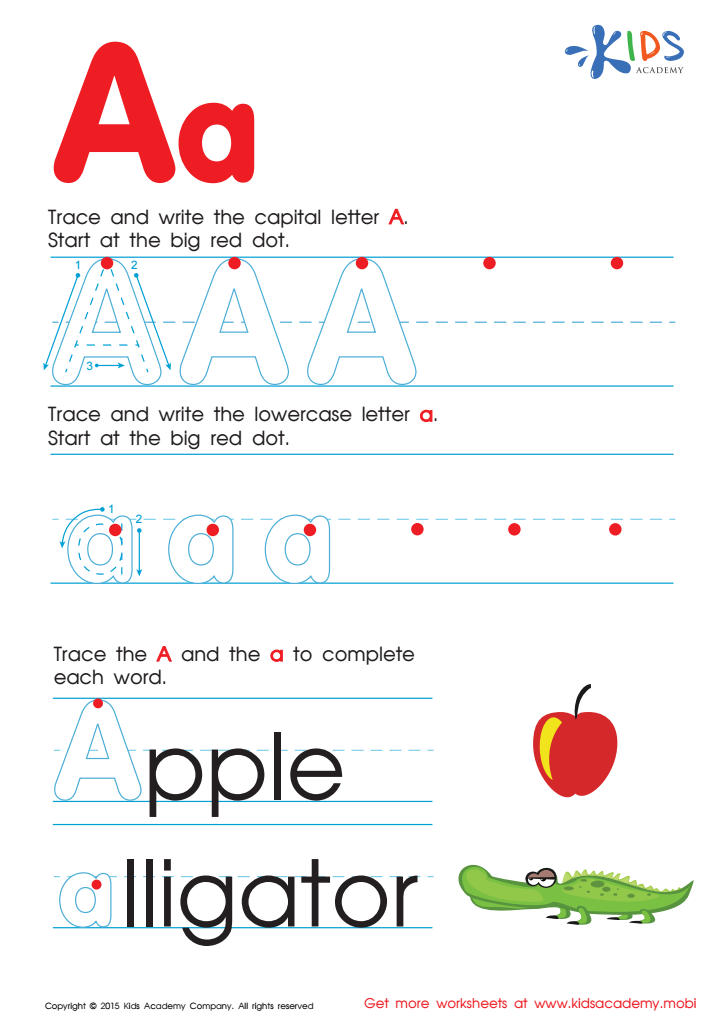
Letter A Tracing Page
 Assign to My Students
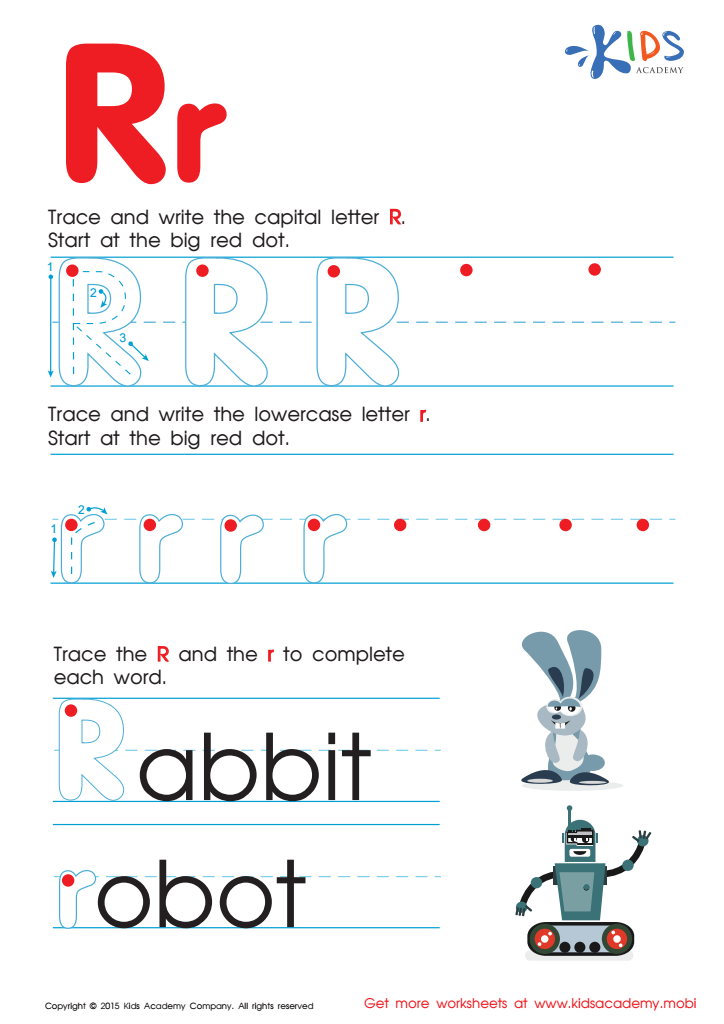
Letter R Tracing Page
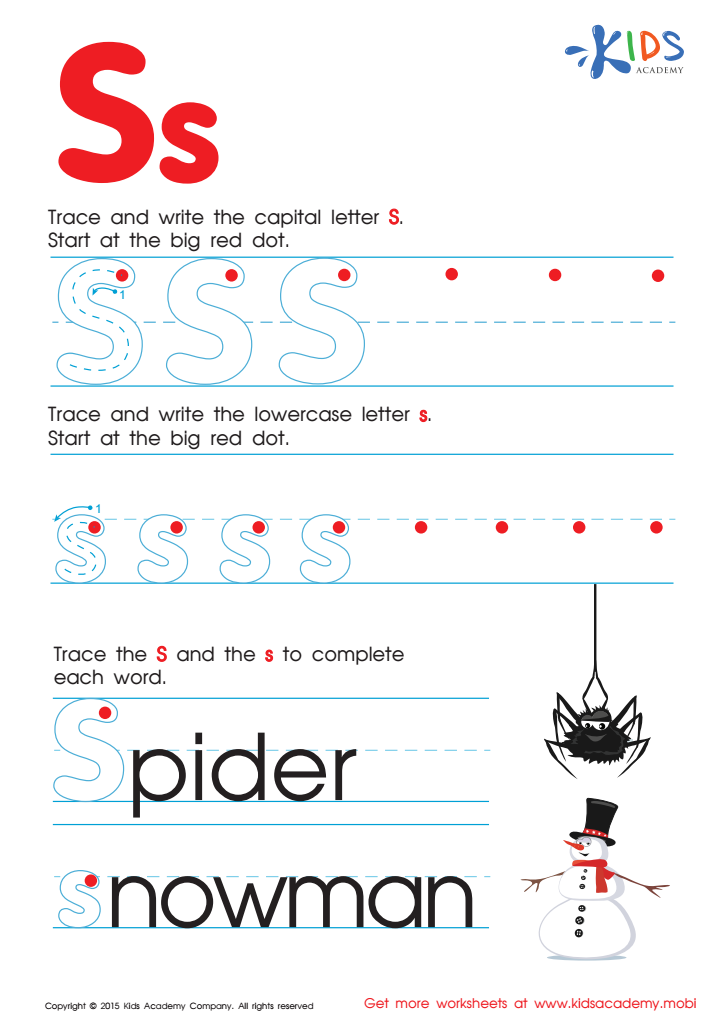
Letter S Tracing Page
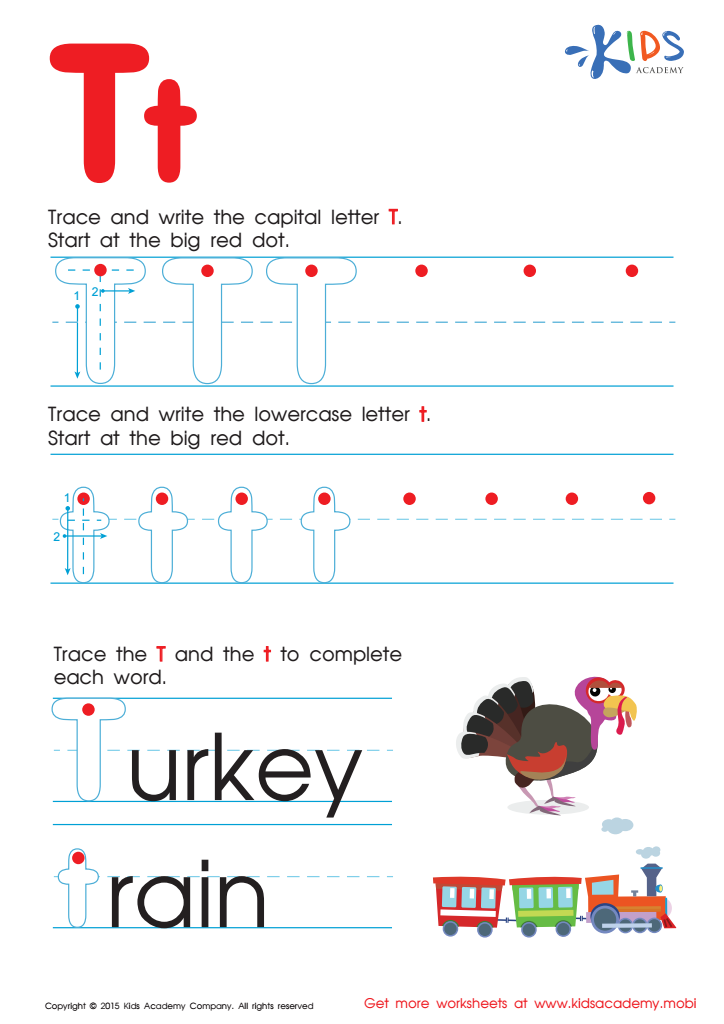
Letter T Tracing Page
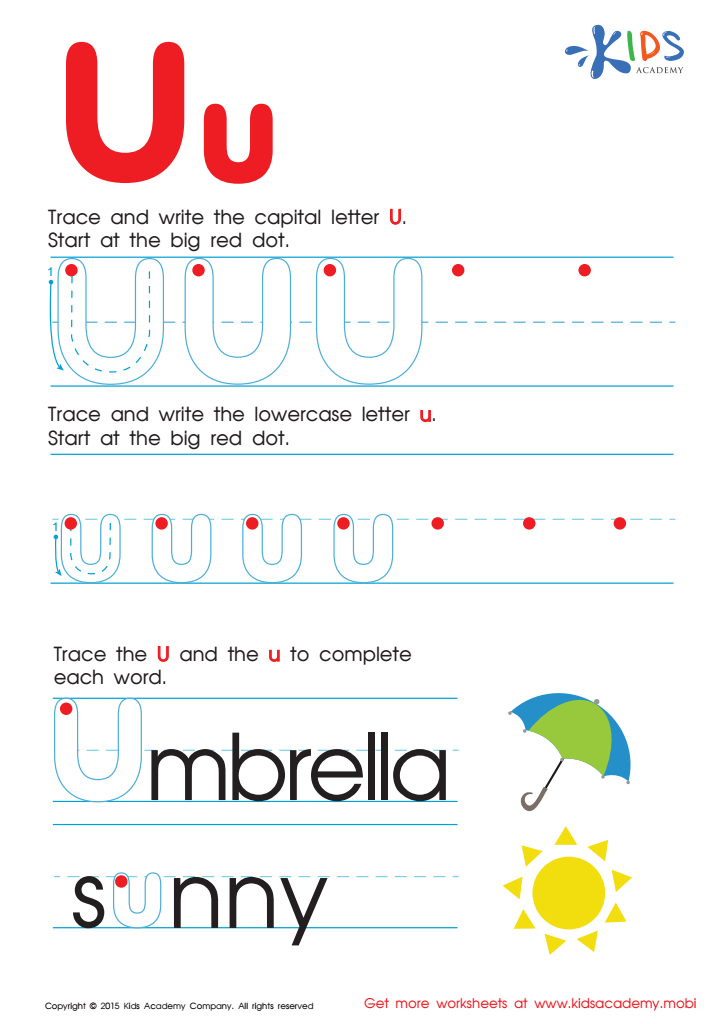
Letter U Tracing Page
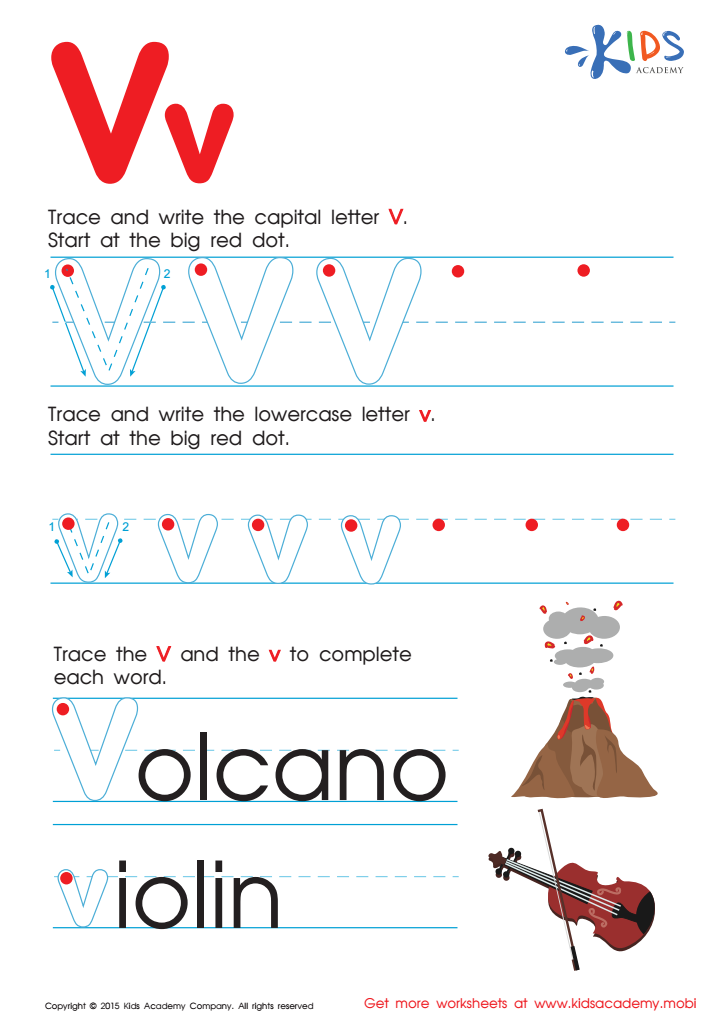
Letter V Tracing Page
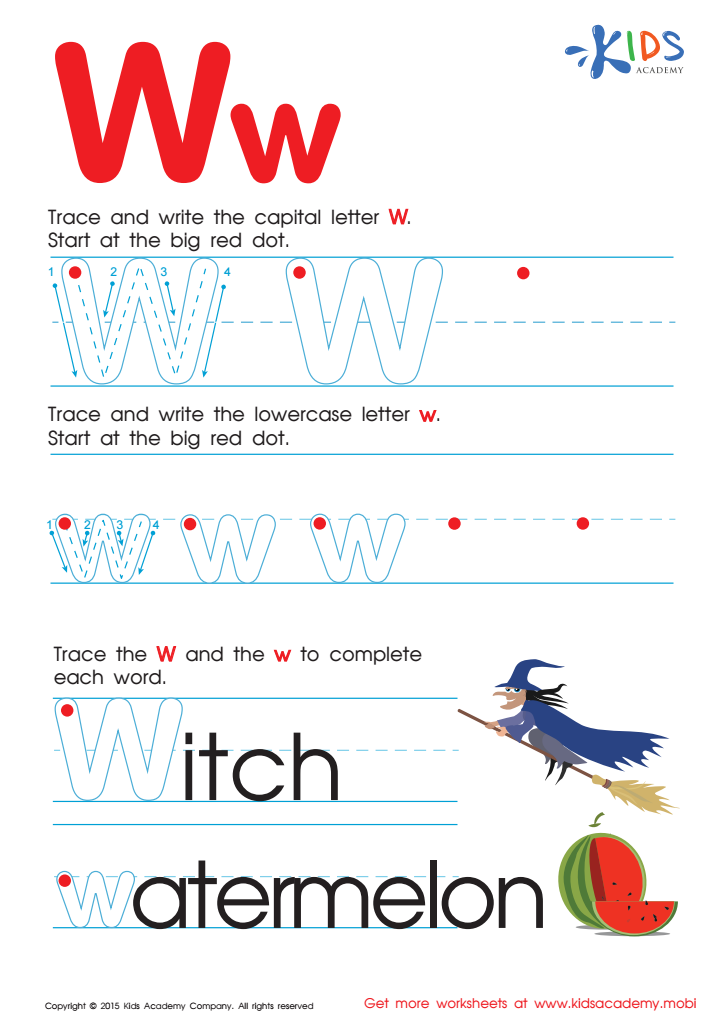
Letter W Tracing Page
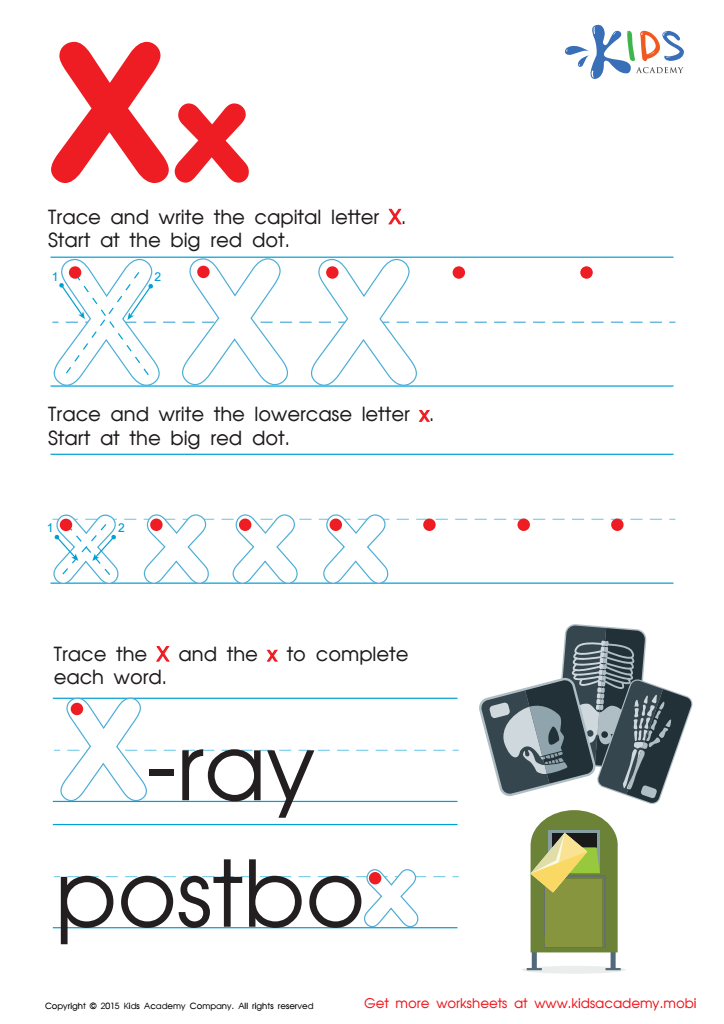
Letter X Tracing Page
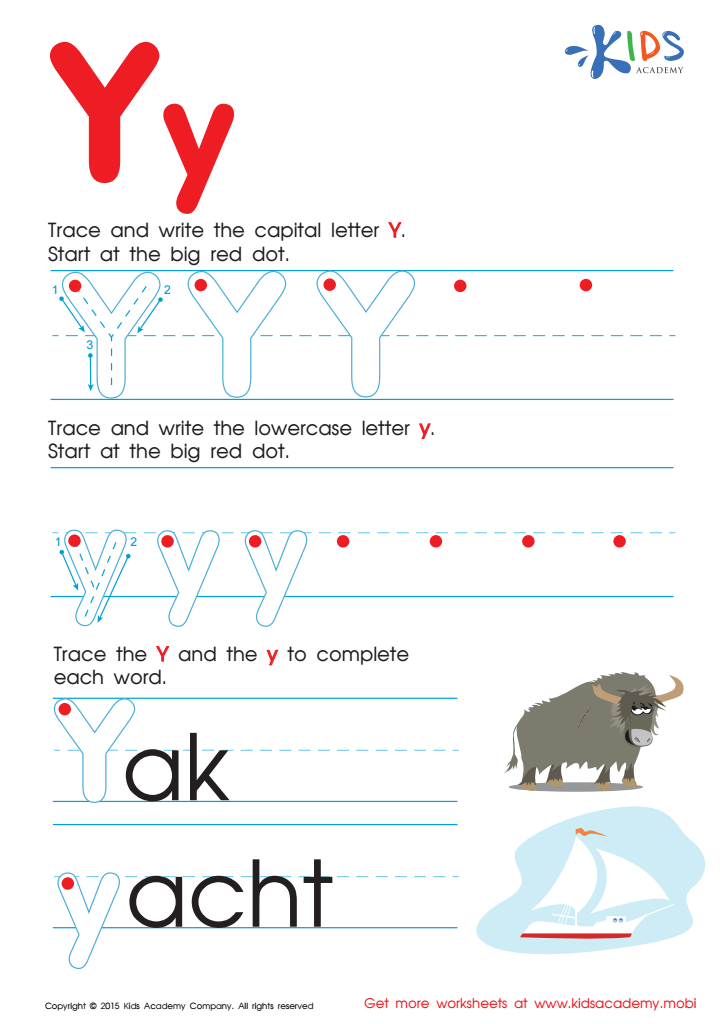
Letter Y Tracing Page
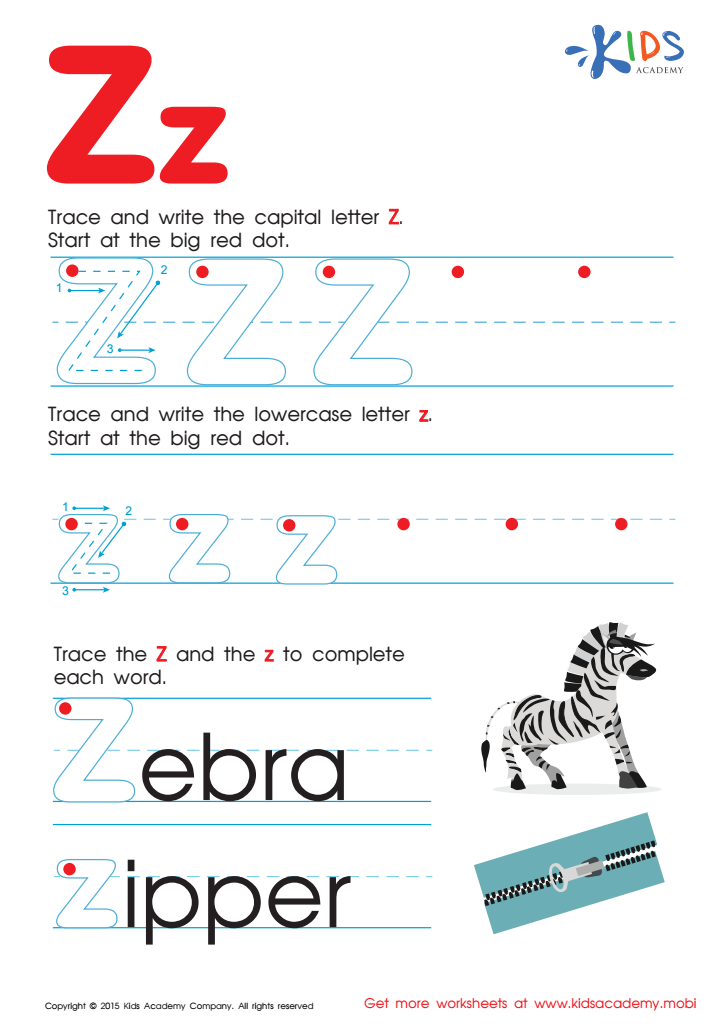
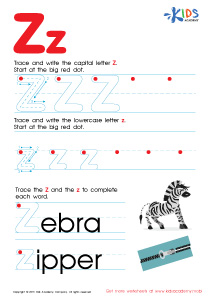
Letter Z Tracing Page







Parents and teachers should care about Extra Challenge Tracing Letters for Ages 5-9 because it plays a vital role in developing foundational literacy skills. Letter tracing activities enhance fine motor skills, which are crucial for writing proficiency. By engaging in tracing, children learn the proper formation of letters, promote hand-eye coordination, and build dexterity.
These activities also support phonemic awareness, as tracing helps internalize the shape and sound of letters, bridging the connection between spoken and written language. Furthermore, varied tracing challenges can cater to different skill levels, allowing children to progress at their own pace while keeping them motivated and engaged in learning.
Additionally, incorporating such tracing activities creates a structured learning environment where children can develop discipline and focus—essential traits for future academic success. It ignites their curiosity and fosters a positive attitude towards learning as they see tangible improvements in their skills over time.
Ultimately, Extra Challenge Tracing Letters offer an enjoyable yet educational experience, equipping young learners with critical competencies they will build upon in later grades. Investing time in these activities can contribute significantly to their overall literacy and cognitive development.