Extra Challenge Time Worksheets for Ages 6-8
12 filtered results
-
From - To
Extra Challenge Time Worksheets for Ages 6-8
Boost your child's mathematical skills with our Extra Challenge Time Worksheets designed specifically for ages 6-8. These engaging worksheets focus on critical time-related concepts, enhancing your child's ability to tell time on both analog and digital clocks. Each worksheet is crafted to provide exciting challenges that prompt deeper learning, ensuring kids master essential skills while having fun. Perfect for independent study or guided practice, our resources cater to varying skill levels, promoting confidence and proficiency in time management. Download the worksheets today and watch your young learner develop a solid understanding of time that will last a lifetime!
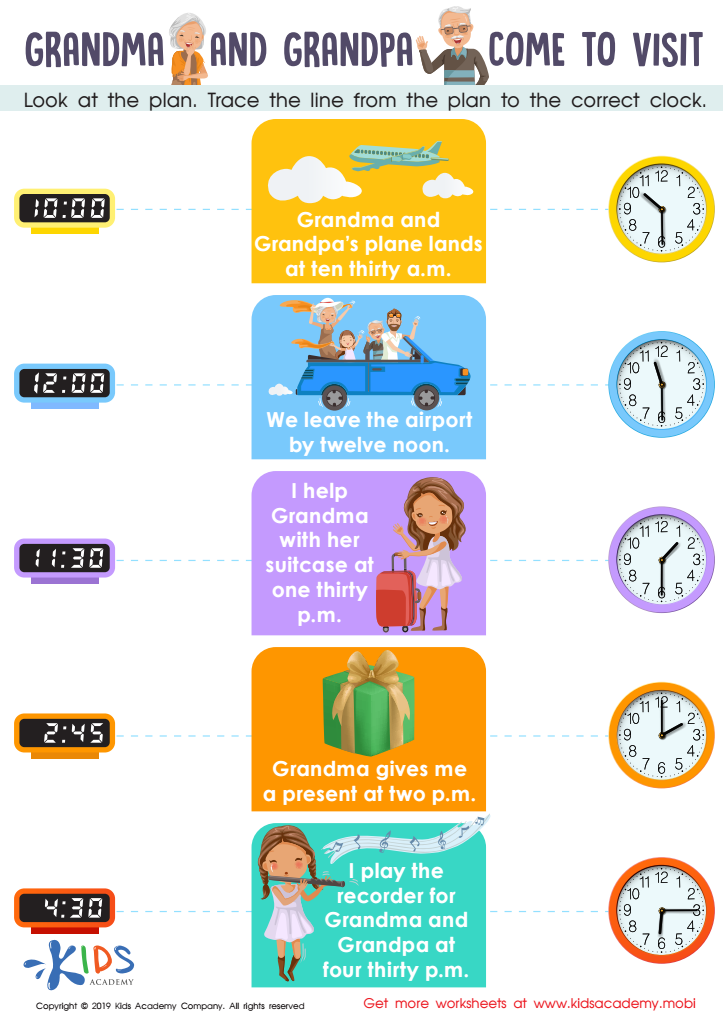
Grandpa and Grandma Come to Visit Worksheet
 Assign to My Students

Important Years in History Worksheet
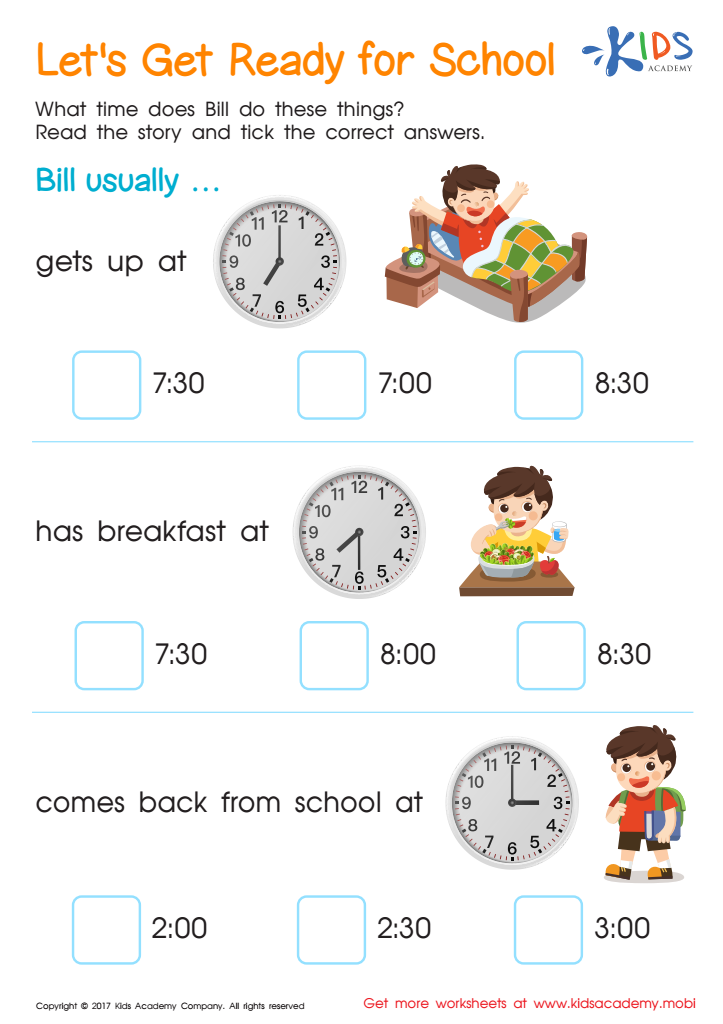
Lets Get Ready For School Time Printable
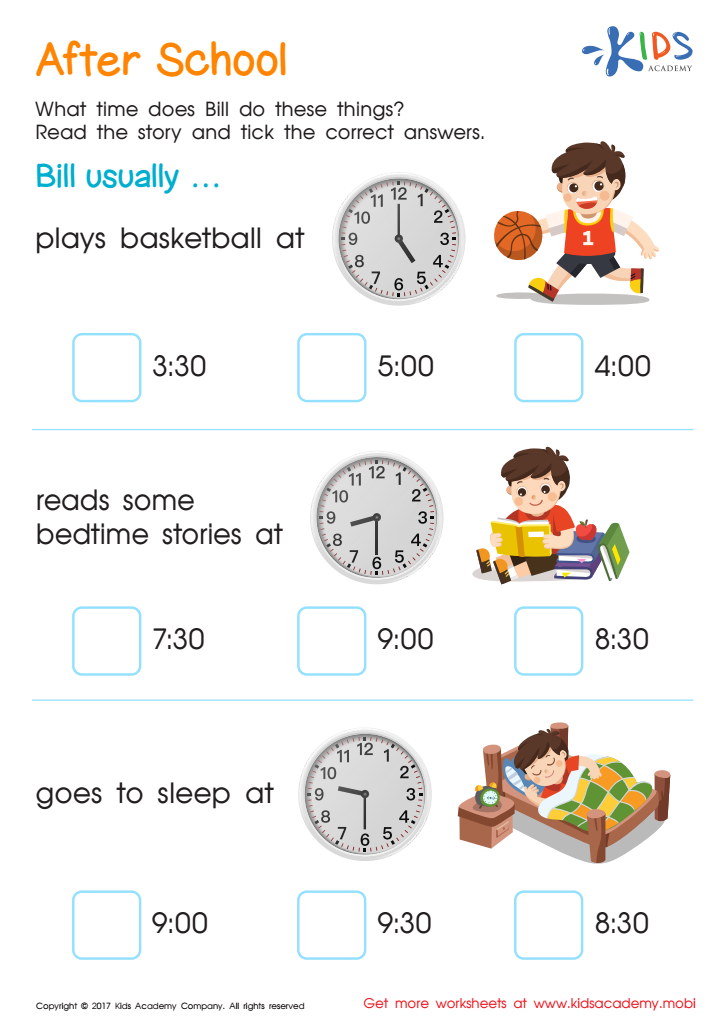
After School Time Printable
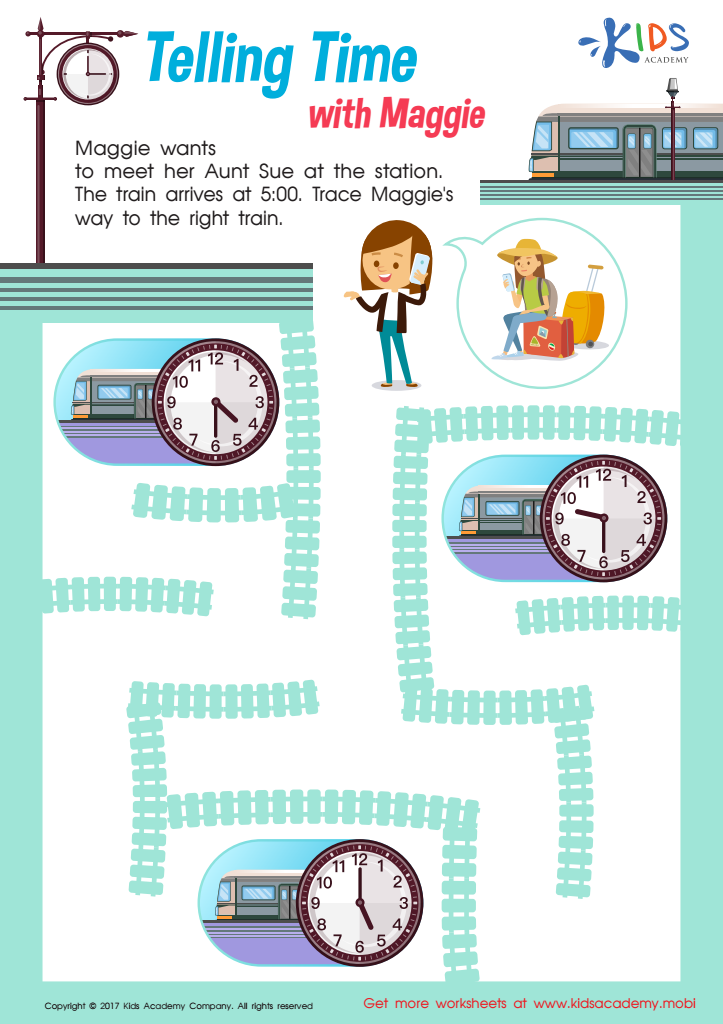
Telling Time With Maggie Time Worksheet
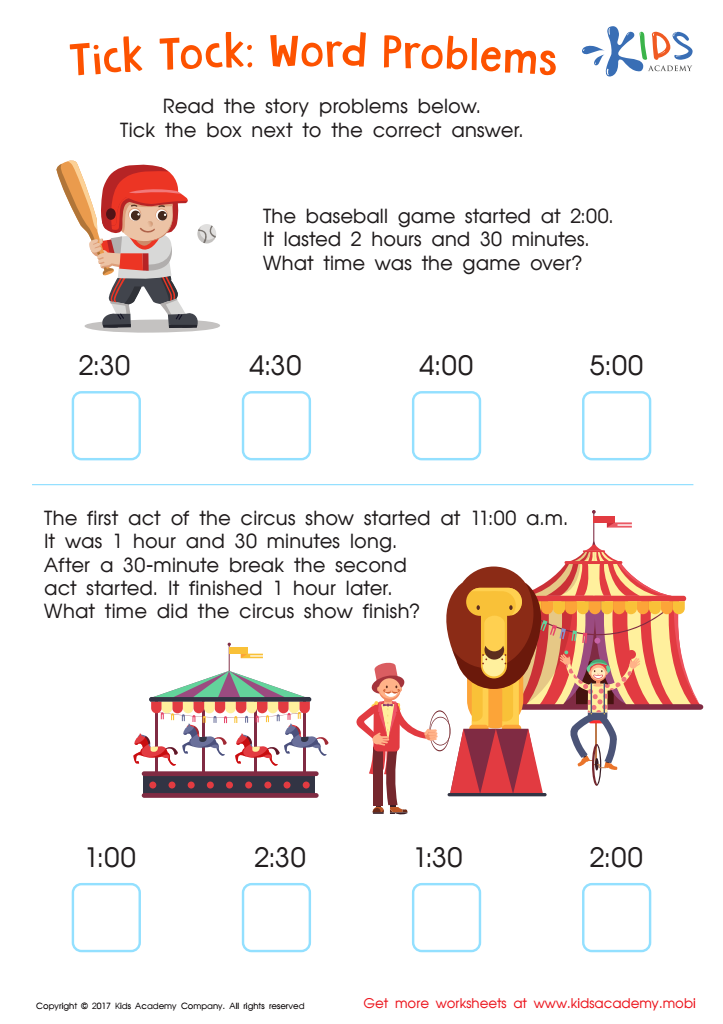
Tick Tock Word Problems Time Worksheet
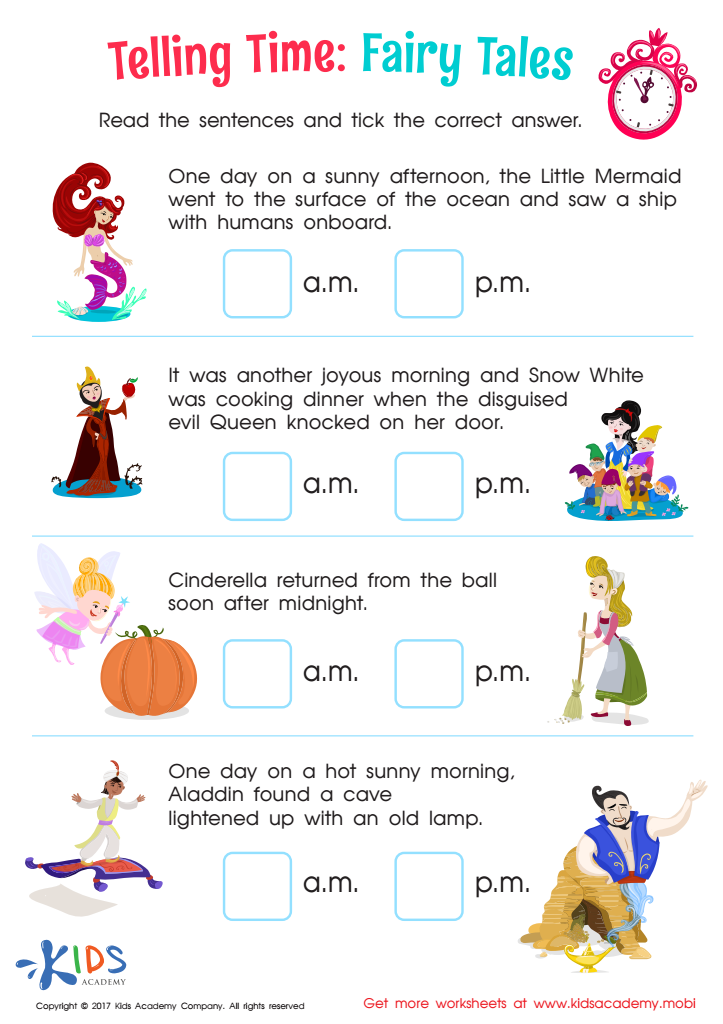
Telling Time: Fairy Tales Worksheet
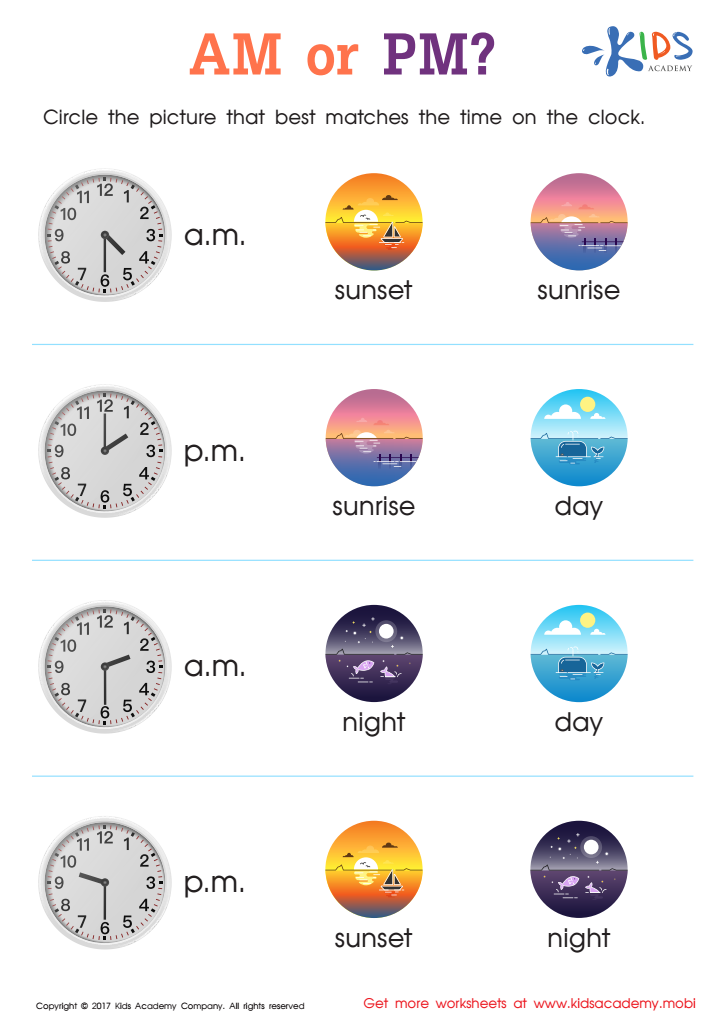
AM or PM? Time Worksheet
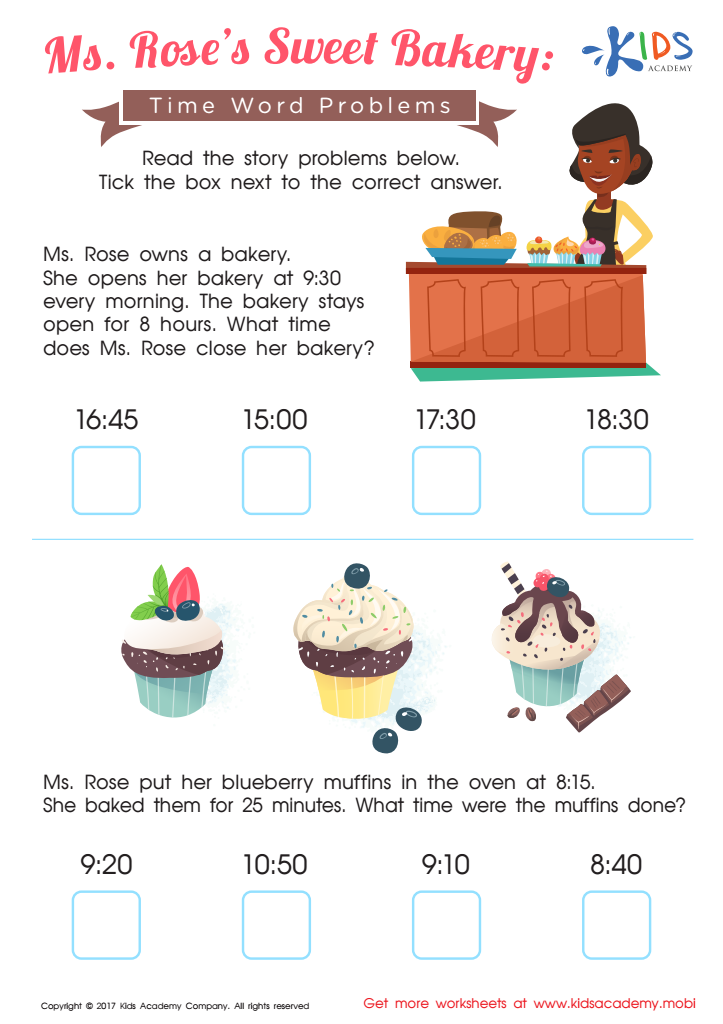
Ms. Roseв's Sweet Bakery Time Worksheet
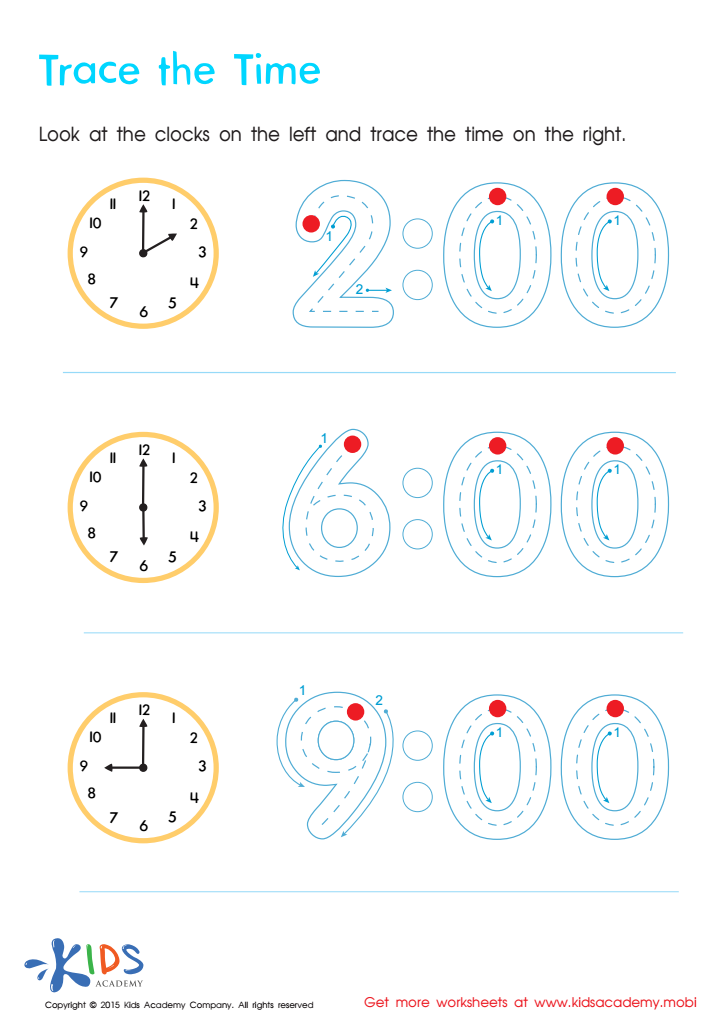
Telling The Time Worksheet: Part 2
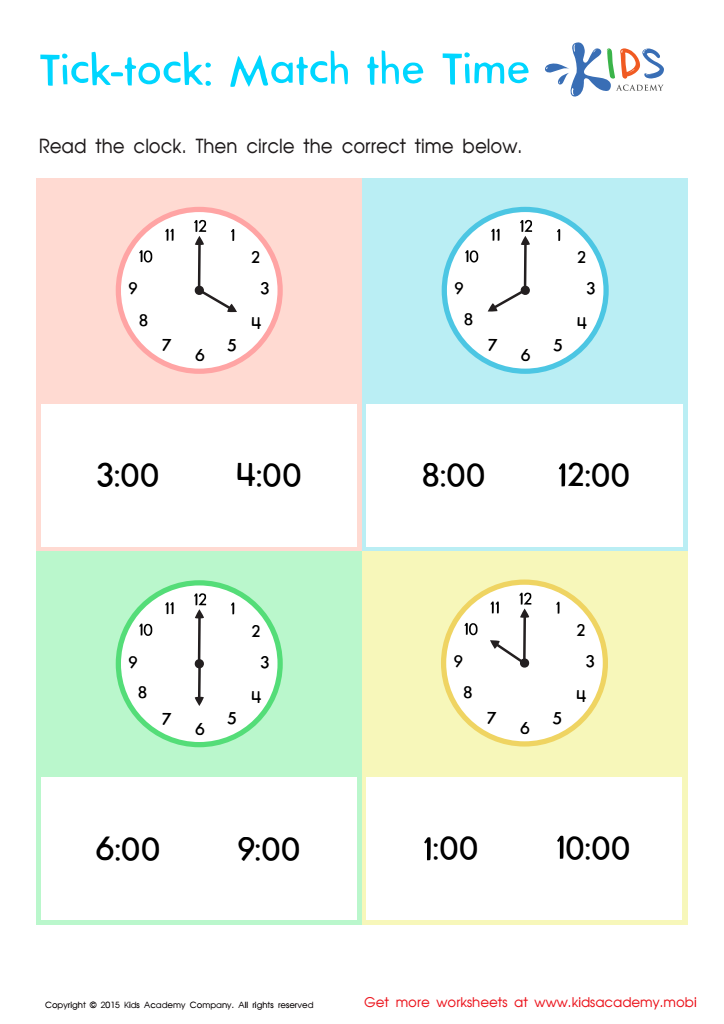
Telling The Time Worksheet: Part 4
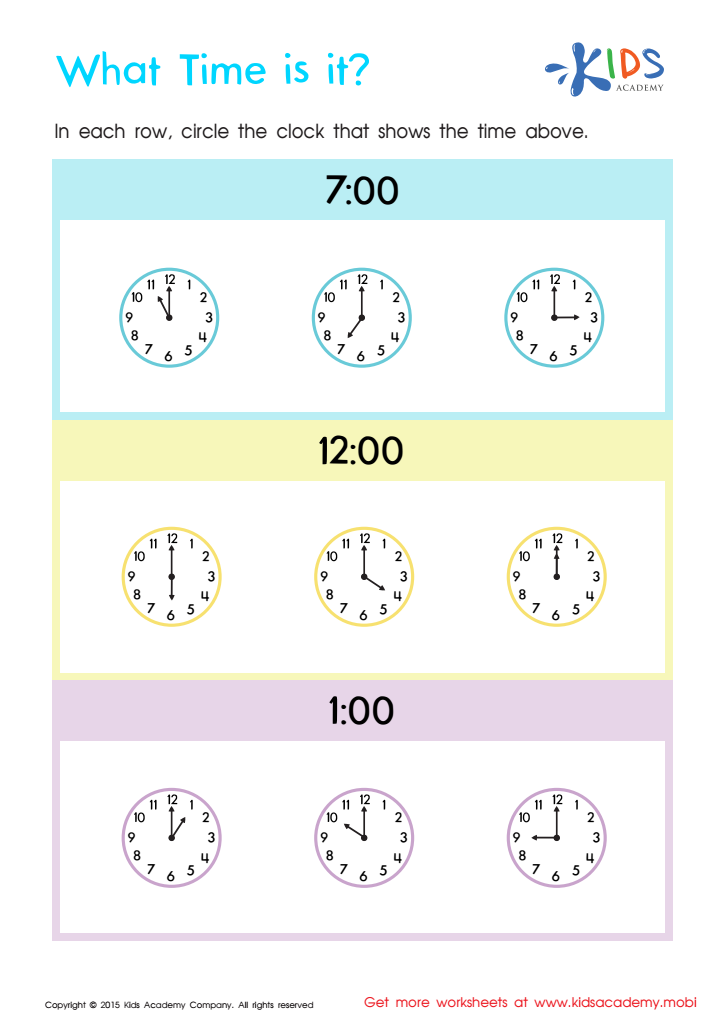
Telling The Time Worksheet: Part 3








Extra Challenge Time (ECT) is essential for children aged 6-8 as it fosters a love for learning and promotes cognitive and social development. At this age, children are naturally curious and eager to explore new ideas. ECT provides opportunities to delve deeper into subjects of interest, enhancing their critical thinking and problem-solving skills. It encourages creativity and innovation, allowing children to experiment and express themselves beyond the standard curriculum.
Moreover, ECT can cater to diverse learning styles and paces, ensuring that advanced learners are appropriately challenged. It prevents boredom and disengagement that can occur when students find the regular curriculum too easy, thereby promoting motivation and self-confidence. Socially, ECT encourages collaboration as children work together on projects, building teamwork skills and fostering friendships.
Parents and teachers should care about ECT because it aligns with the developmental needs of kids during these formative years. It nurtures academic resilience and prepares children for future challenges. Ultimately, investing in Extra Challenge Time enriches the educational experience, helping to cultivate lifelong learners who are not only knowledgeable but also enthusiastic and engaged. This approach not only benefits individual children but also contributes to a more vibrant and intellectually stimulating classroom environment.








