Extra Challenge Building Vocabulary Worksheets for Ages 6-9 - Page 2
27 filtered results
-
From - To
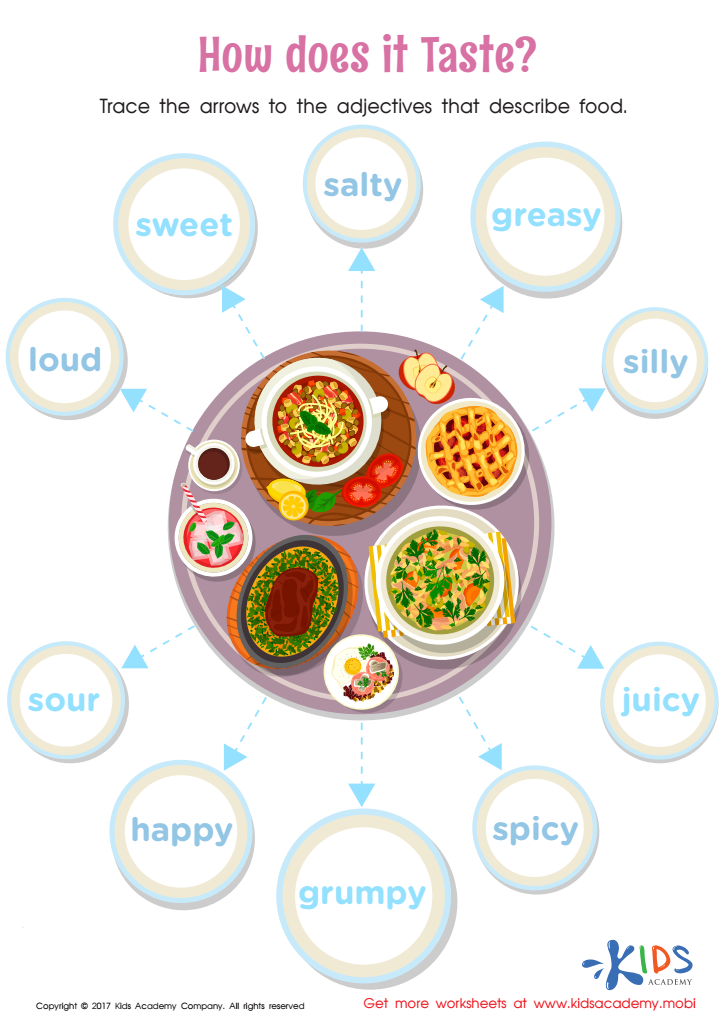
Food Adjectives Worksheet
 Assign to My Students











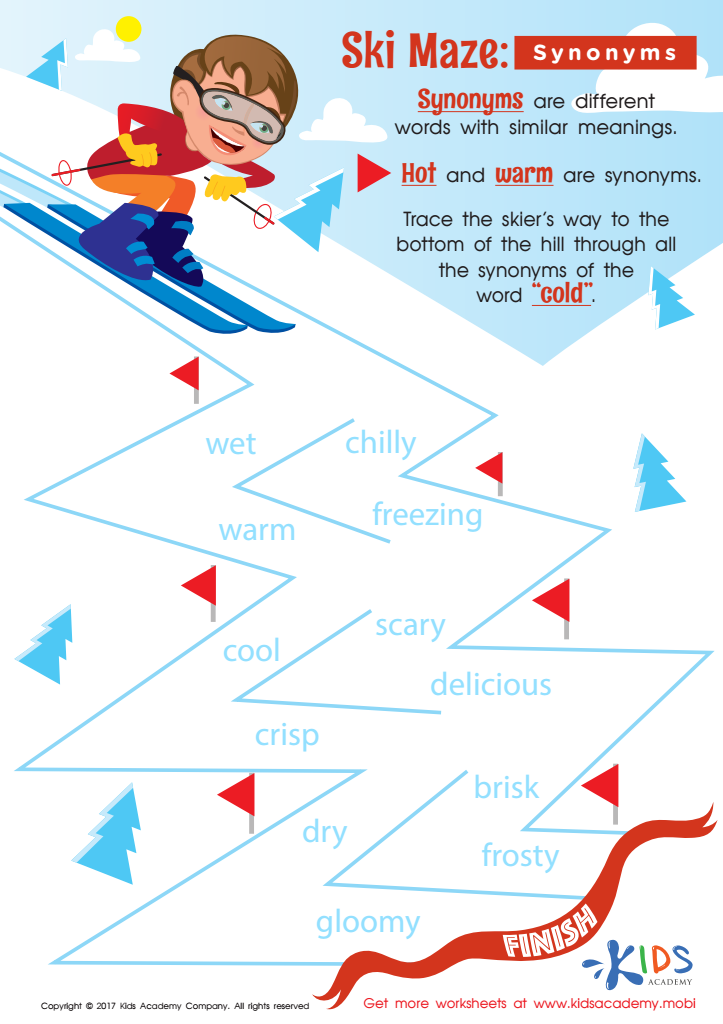
Free Printable Synonym Worksheet


.jpg)





Parents and teachers should prioritize Extra Challenge Building Vocabulary for ages 6-9 as it plays a crucial role in children's overall language development and academic success. During this formative stage, children are rapidly expanding their comprehension and expression. A robust vocabulary enhances their ability to articulate thoughts, participate in discussions, and read with greater understanding, ultimately leading to improved literacy skills.
Incorporating vocabulary-building activities not only supports academic performance but also fosters critical thinking and creativity. Children who can express themselves effectively are more likely to engage in meaningful conversations and explore ideas deeply. Additionally, a strong vocabulary is linked to higher self-esteem, as children feel more confident in their communication abilities.
Moreover, focusing on vocabulary can help bridge the gap for children from diverse linguistic backgrounds, promoting inclusivity in the classroom and at home. Engaging in activities that challenge and expand vocabulary encourages a love of learning and cultivates lifelong readers and thinkers.
Ultimately, investing in vocabulary development for this age group contributes to a solid foundation for future learning, empowering children to thrive academically and socially. Parents and teachers play a pivotal role in providing the environment and resources necessary for meaningful vocabulary enrichment.