Normal Good Citizenship Worksheets for Ages 3-4
5 filtered results
-
From - To
Discover our engaging "Normal Good Citizenship Worksheets for Ages 3-4," designed to introduce young learners to the principles of being a good citizen. These thoughtfully crafted worksheets encourage kids to explore concepts like sharing, helping others, and respecting differences. Each activity is tailored to enhance their social skills and understanding of community values through fun exercises and vibrant illustrations. Perfect for preschool and early education settings, our resources make learning about good citizenship enjoyable and accessible. Foster a sense of responsibility and kindness in children today — download our worksheets and help cultivate a generation of compassionate citizens!
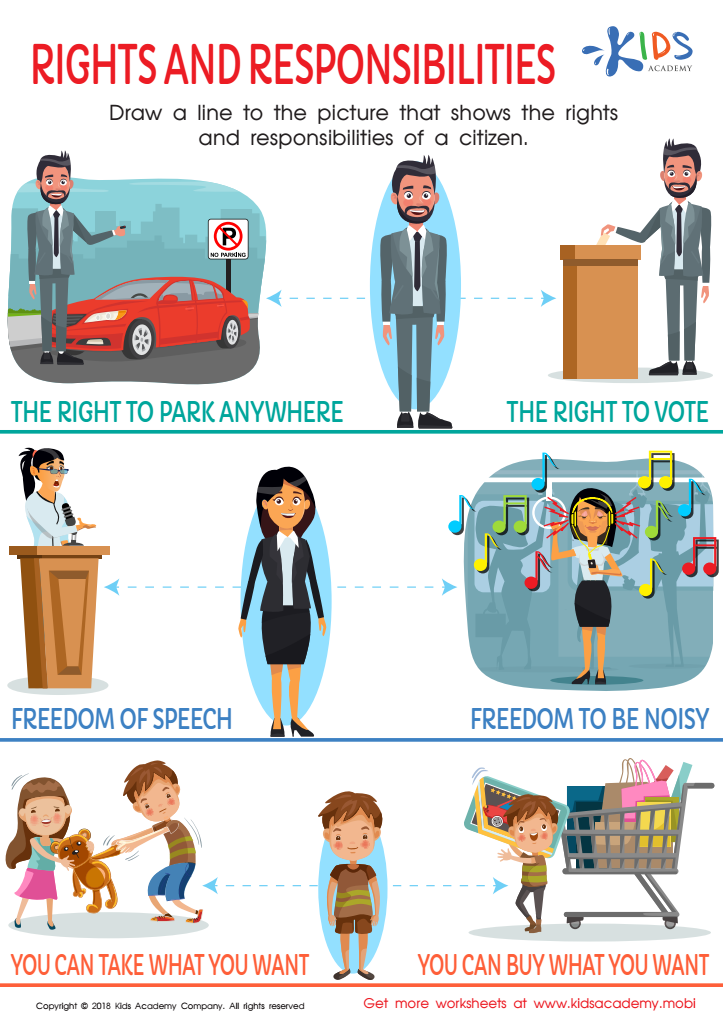
Rights and Responsibilities Worksheet
 Assign to My Students
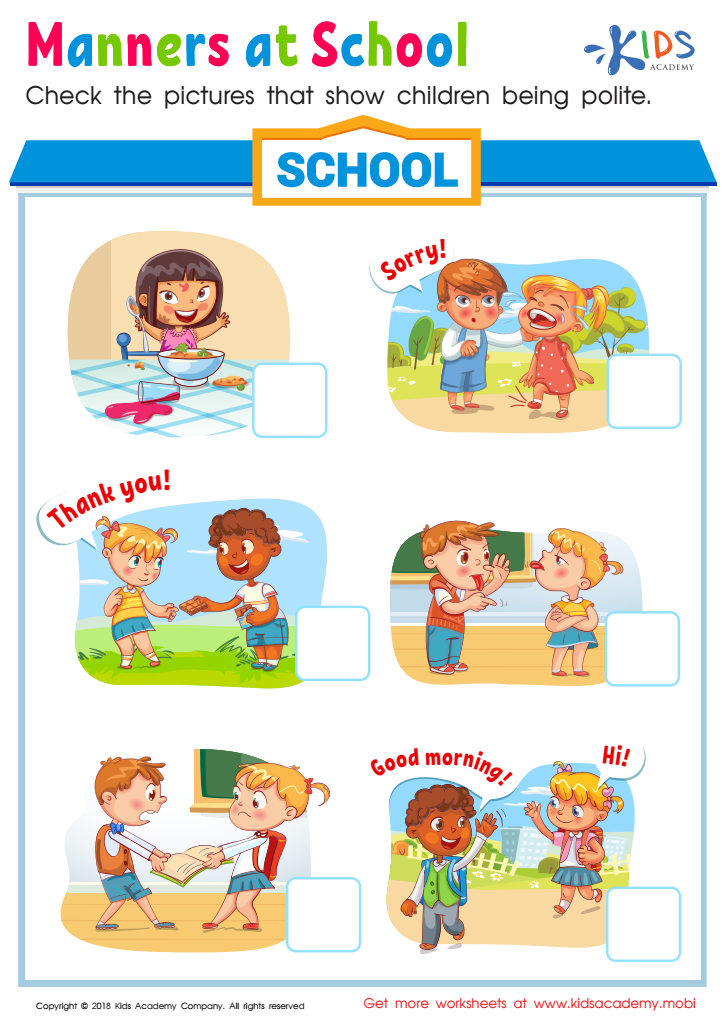
Manners at School Worksheet
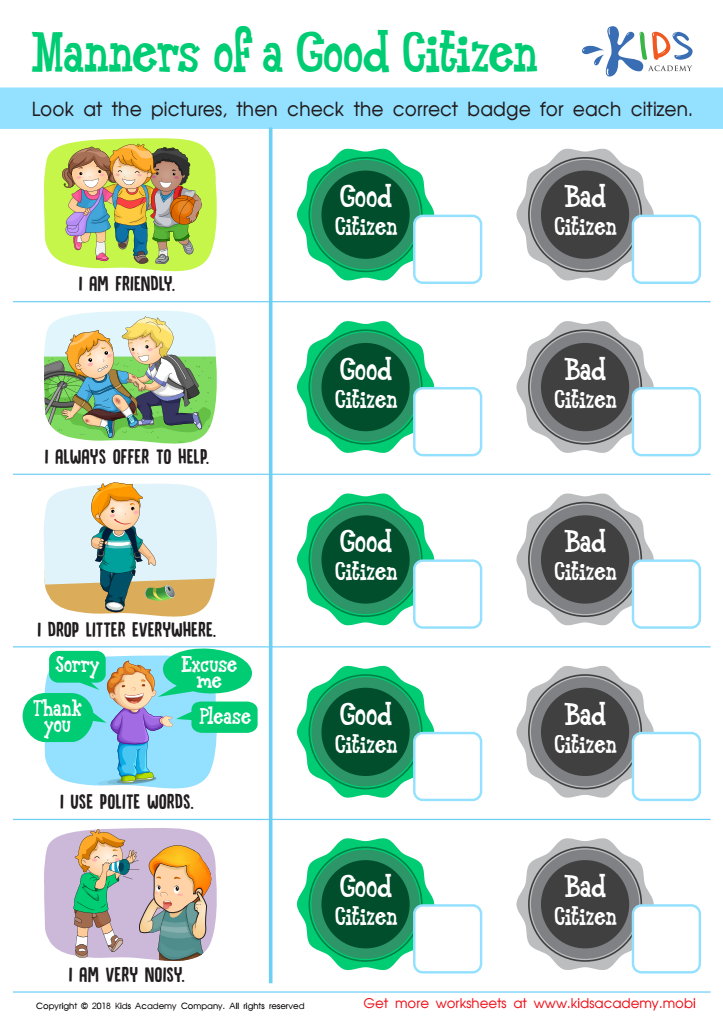
Manners of a Good Citizen Worksheet
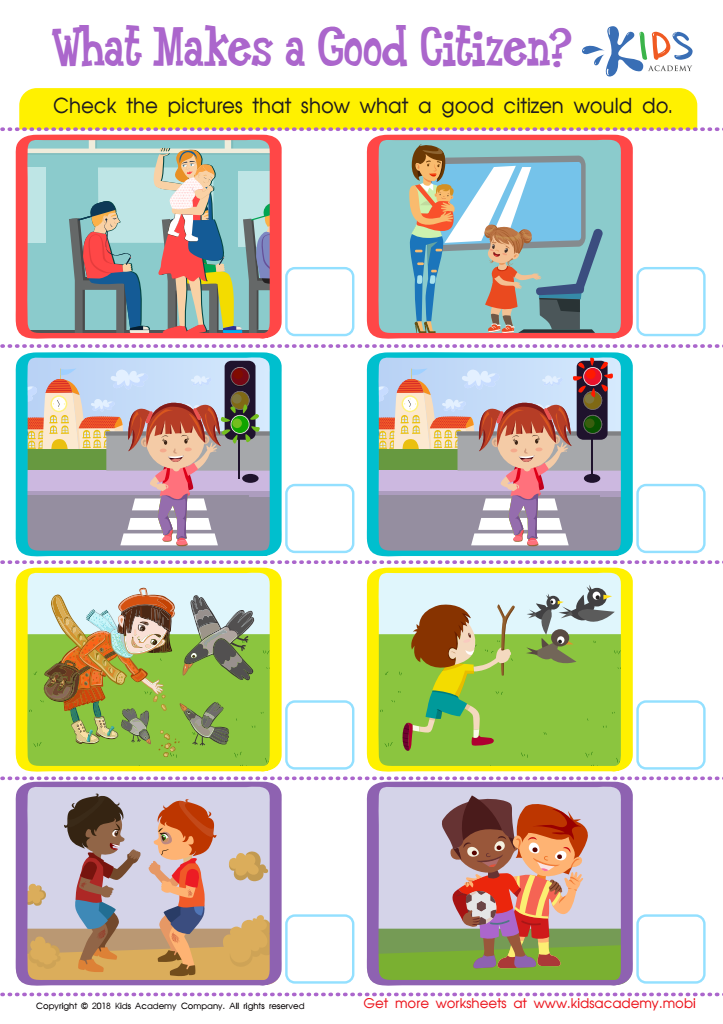
What Makes a Good Citizen? Worksheet
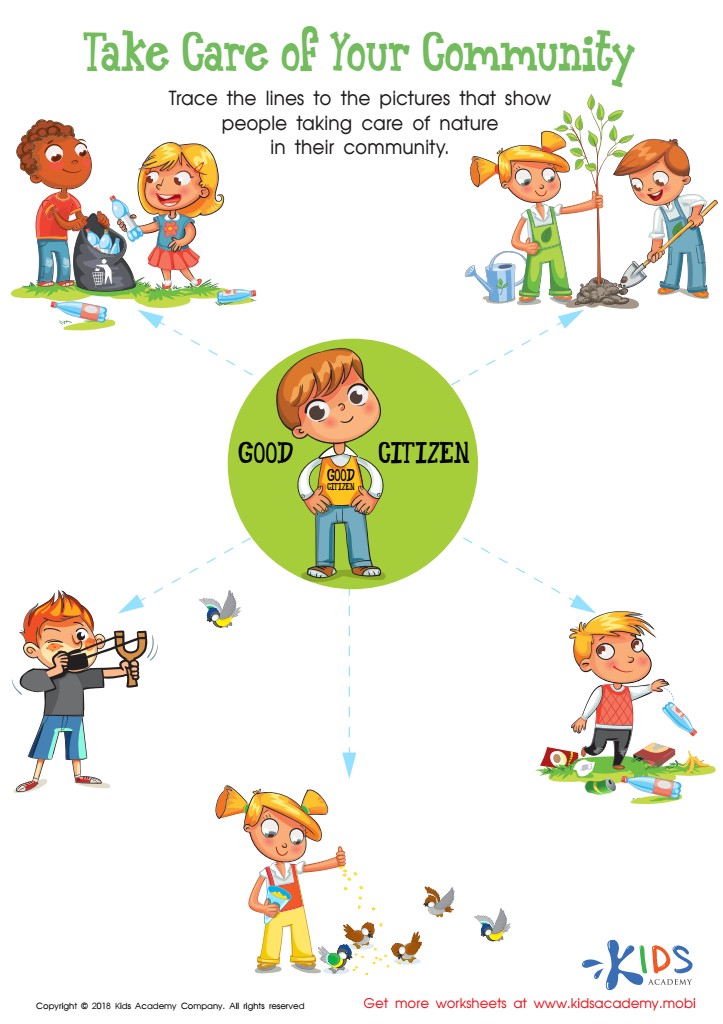
Take Care of your Community Worksheet


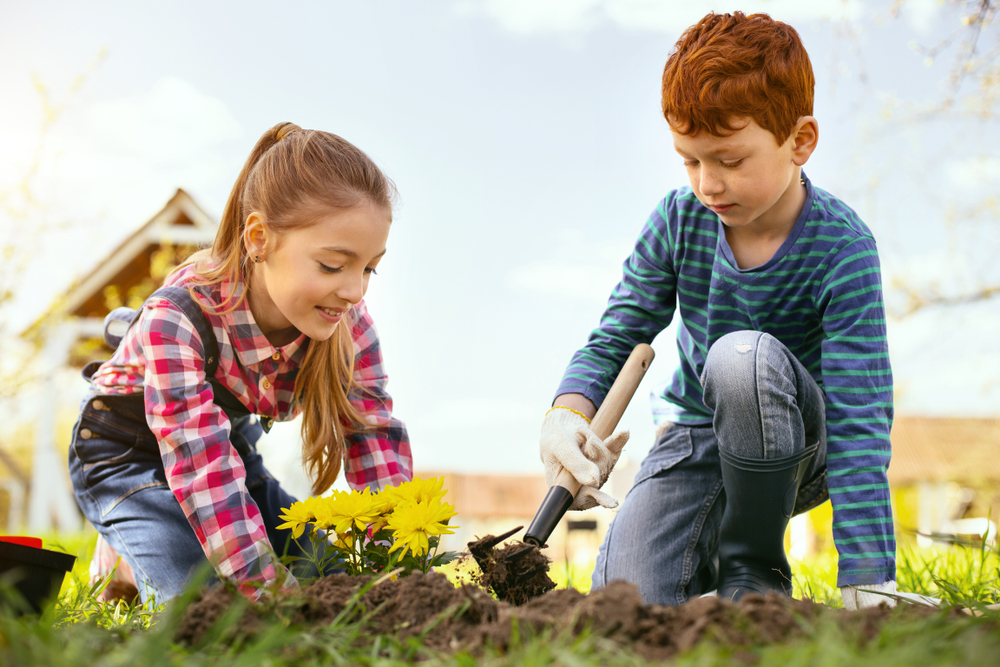
Normal Good Citizenship for ages 3-4 is vital as it lays the groundwork for developing responsible and caring individuals. At this early age, children are like sponges, absorbing behaviors, values, and social norms from their surroundings. Teaching the principles of good citizenship empowers children to understand the importance of caring for others, sharing, taking turns, and expressing themselves respectfully. These foundational skills promote empathy, cooperation, and friendship, enhancing their social interactions both in school and at home.
By encouraging good citizenship from a young age, parents and teachers help children grasp the concept of community and belonging. Children learn that they play a role in their environment, fostering a sense of responsibility which influences their future behavior. Activities such as group play, cooperative games, and community projects introduce children to the idea of working together for common goals, nurturing their ability to collaborate and compromise.
Moreover, children who understand and practice good citizenship tend to develop a more positive self-image and emotional intelligence. When parents and teachers prioritize this aspect of their development, they not only prepare children for future social settings but also contribute to the formation of compassionate, active, and engaged members of society.








