Normal Good Citizenship Worksheets for Ages 3-5
5 filtered results
-
From - To
Welcome to our collection of "Normal Good Citizenship Worksheets" designed specifically for children ages 3-5! These engaging worksheets introduce young learners to the fundamental concepts of good citizenship in a fun and interactive way. Through vibrant illustrations and age-appropriate exercises, children will explore topics such as sharing, helping others, and understanding community roles. Our worksheets promote essential social skills, fostering kindness and cooperation among peers. Ideal for homeschool or classroom settings, these resources encourage meaningful discussions and hands-on learning experiences. Let’s cultivate responsible, caring citizens together! Start using our worksheets today to empower the next generation!
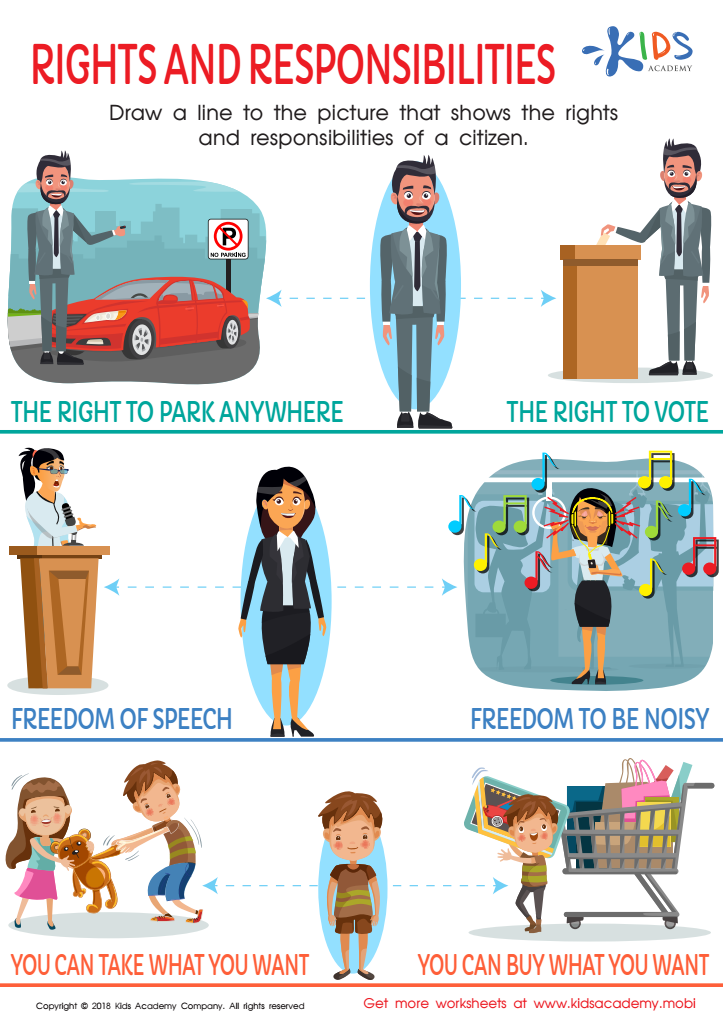
Rights and Responsibilities Worksheet
 Assign to My Students
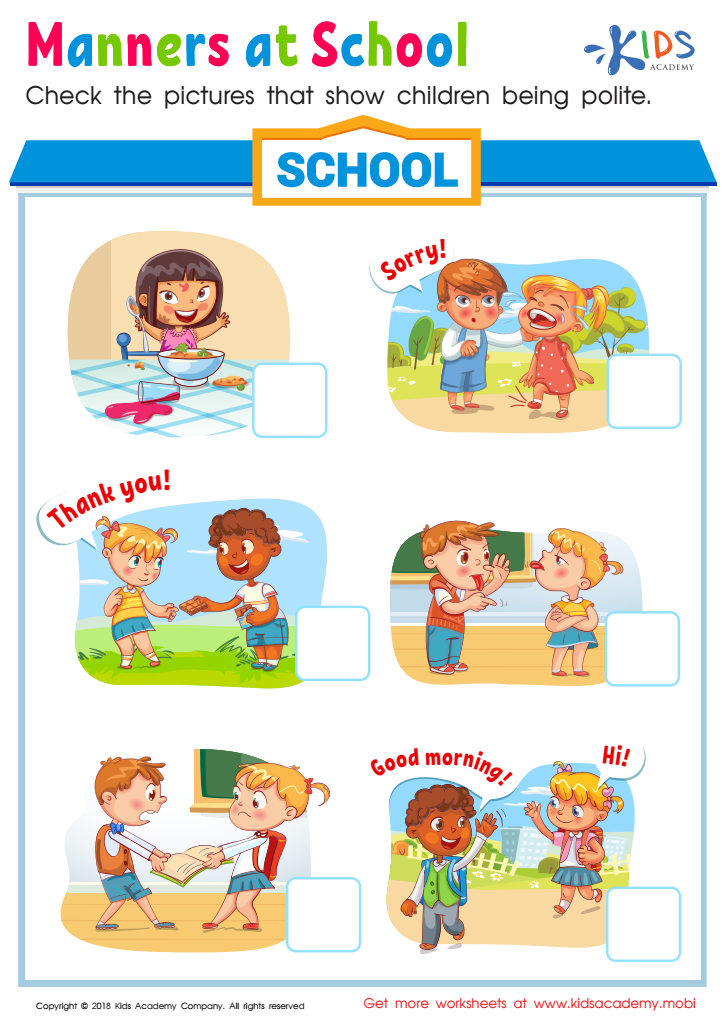
Manners at School Worksheet
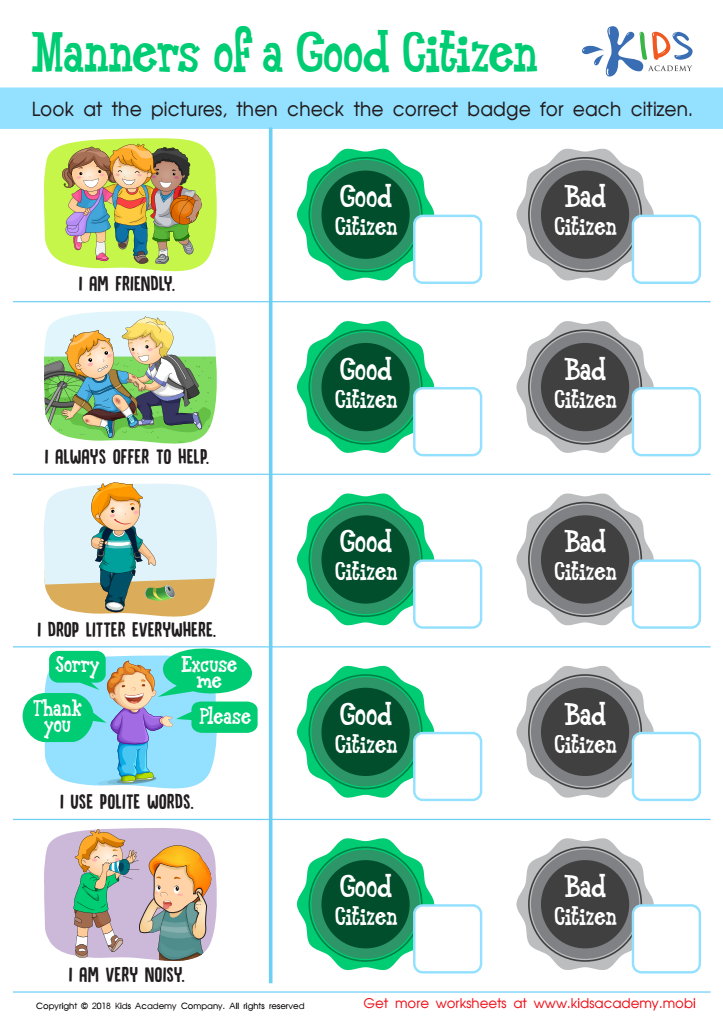
Manners of a Good Citizen Worksheet
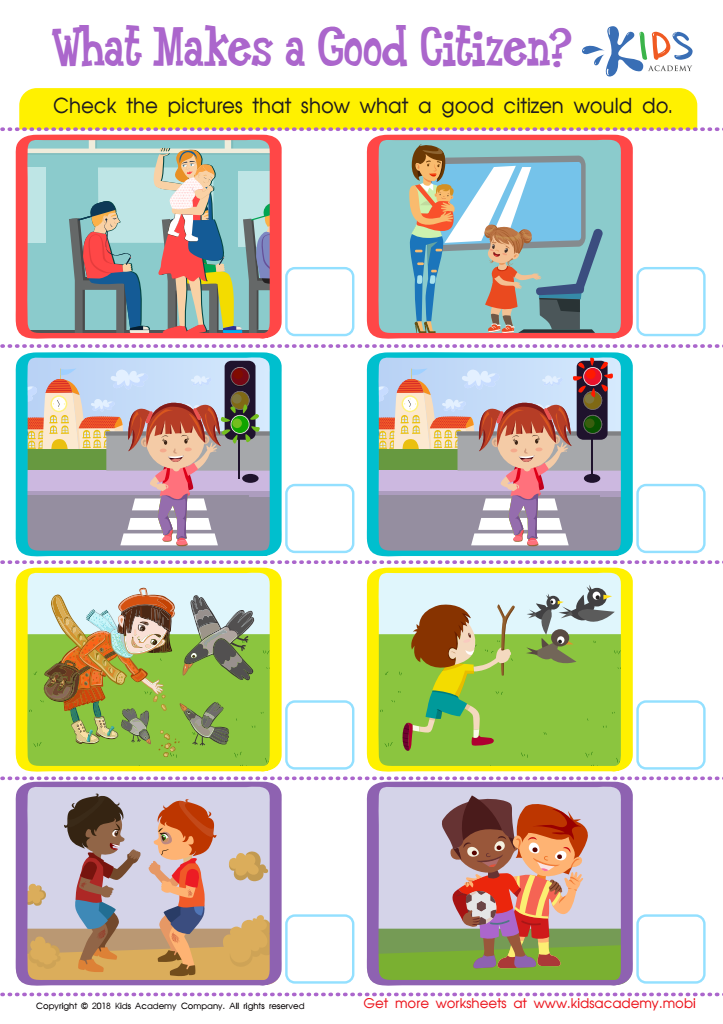
What Makes a Good Citizen? Worksheet
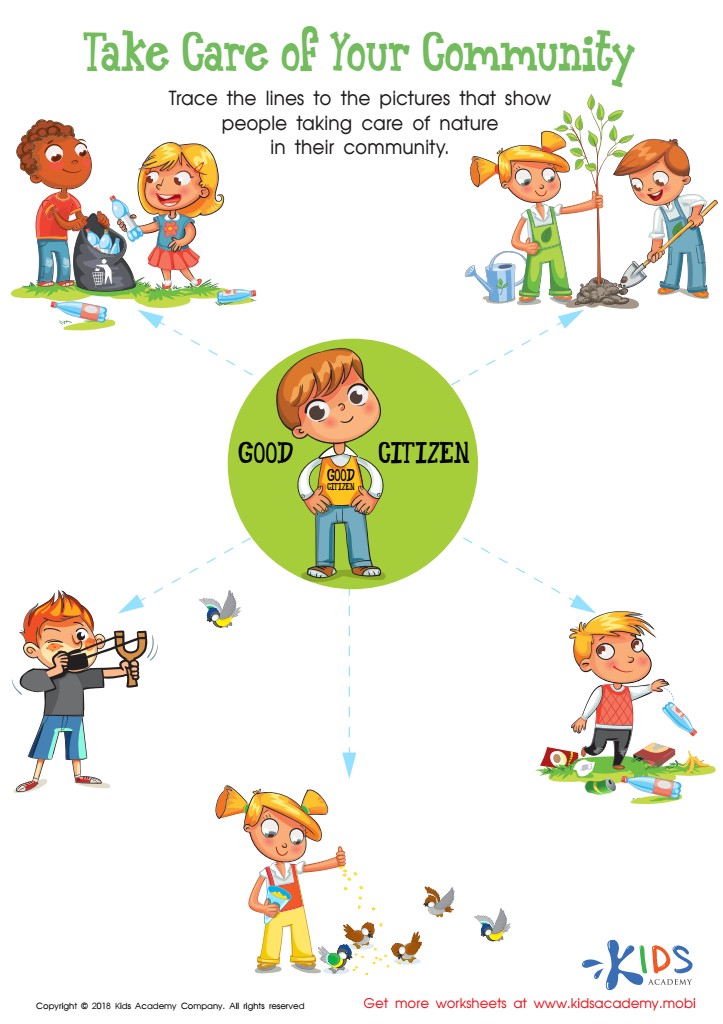
Take Care of your Community Worksheet


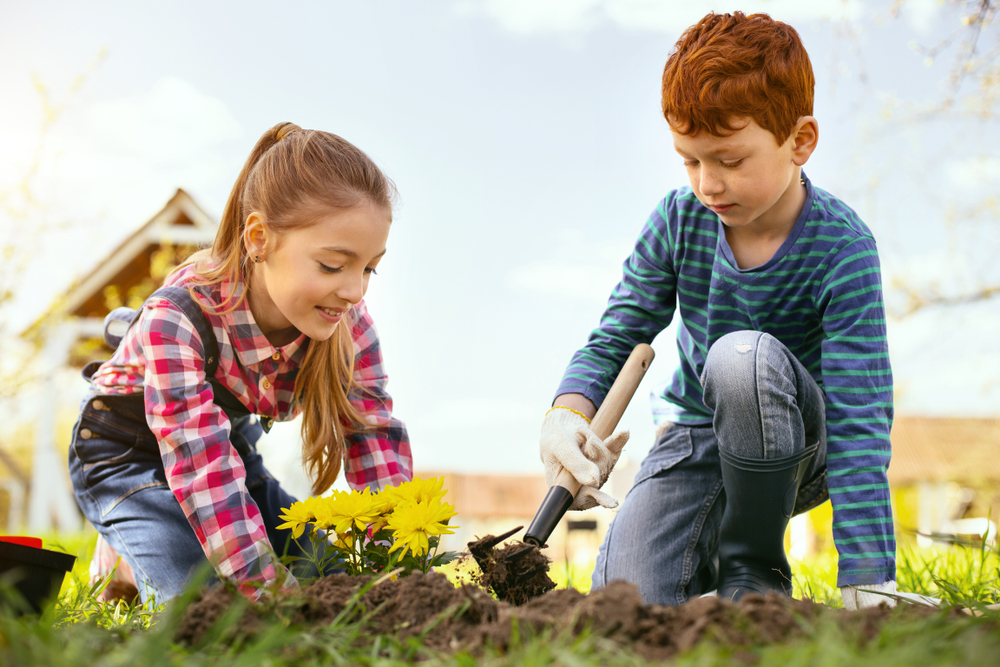
Normal Good Citizenship for ages 3-5 is essential for fostering a strong foundation of social skills and values in young children. At this crucial developmental stage, children are beginning to understand the world around them and learning how to interact with others. Teaching the principles of good citizenship—such as sharing, empathy, respect, and cooperation—helps children develop critical interpersonal skills that will serve them throughout their lives.
Parents and teachers play a vital role in modeling and reinforcing these behaviors. By promoting kindness and responsibility within classroom settings and at home, they lay the groundwork for a supportive community. When children participate in group activities and understand the importance of considering others' feelings, they blossom into more compassionate, socially engaged individuals.
Moreover, instilling good citizenship early prepares children for future challenges, including effective conflict resolution and collaborative problem-solving. As these skills are nurtured, children grow into active and responsible members of society, capable of contributing positively to their communities. Engaging children in discussions about fairness, diversity, and community responsibilities helps them recognize the value of individual actions and the impact of those actions on others, fostering a sense of belonging and security from a young age.








