Normal Tracing Lines and Curves Worksheets for Ages 3-5
5 filtered results
-
From - To
Introducing our premium Normal Tracing Lines and Curves worksheets, meticulously crafted for children Ages 3-5. Engage your little ones in a world of fun and learning as they explore the foundational skills of writing through our diverse collection of tracing activities. Designed to spark creativity and enhance fine motor skills, these worksheets offer a variety of lines and curves, perfect for preschoolers embarking on their educational journey. Each page is a step towards mastering the art of writing, making learning an enjoyable and fulfilling experience for young minds. Dive into the adventure of tracing with our specially designed worksheets for the curious and creative learners.
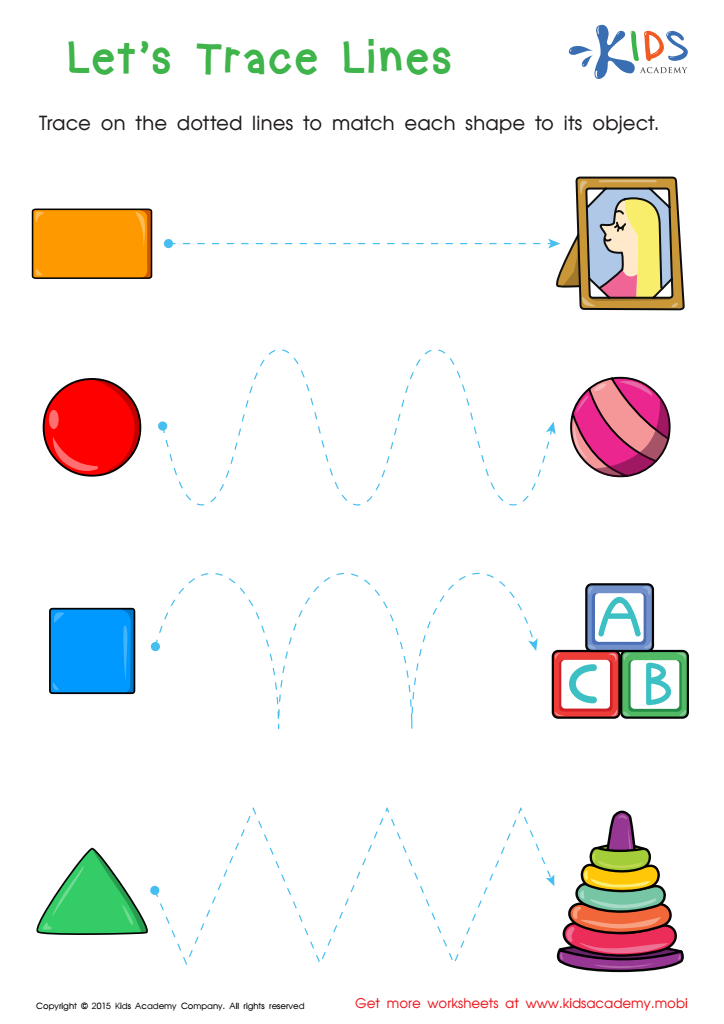
First Words: Let's Trace Lines Worksheet
 Assign to My Students
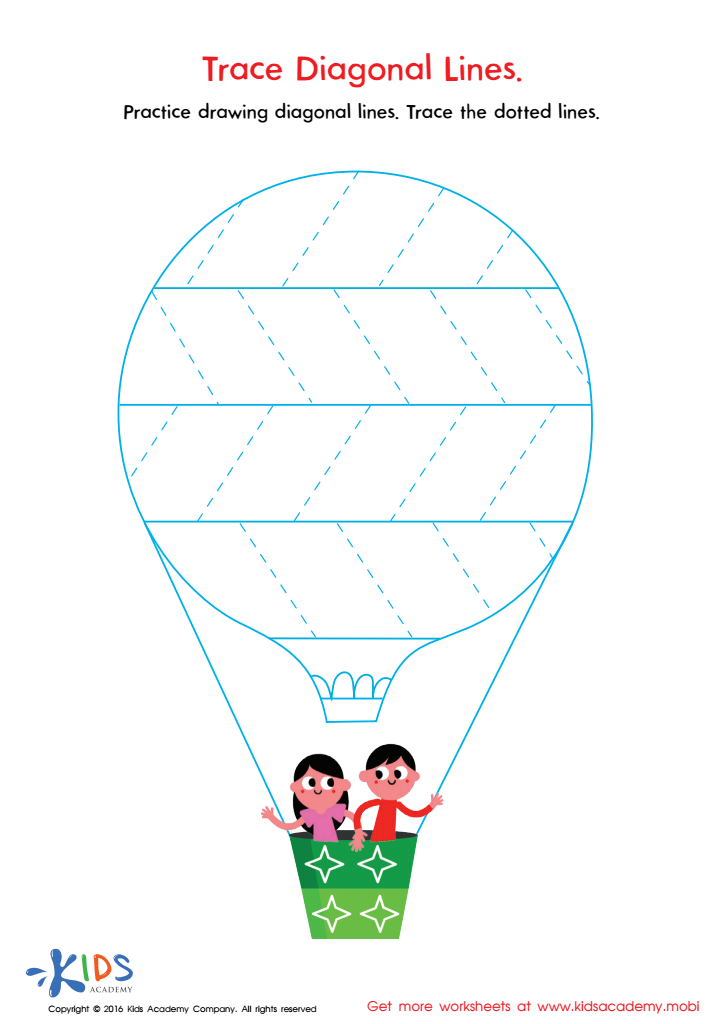
Trace Diagonal Lines Worksheet
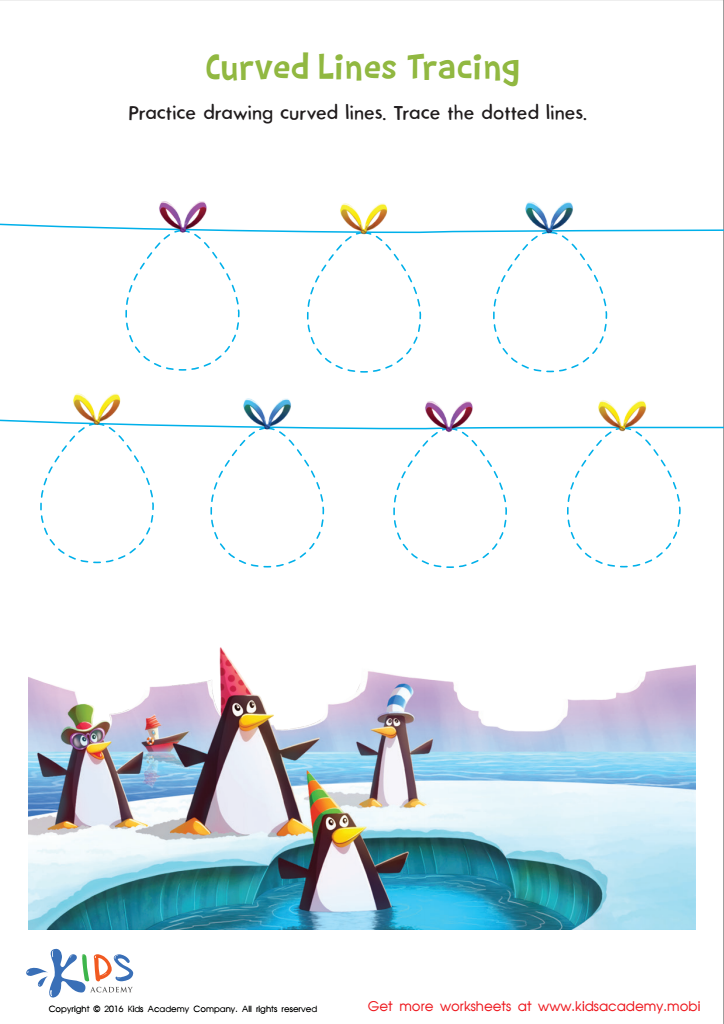
Curved Lines Tracing Worksheet
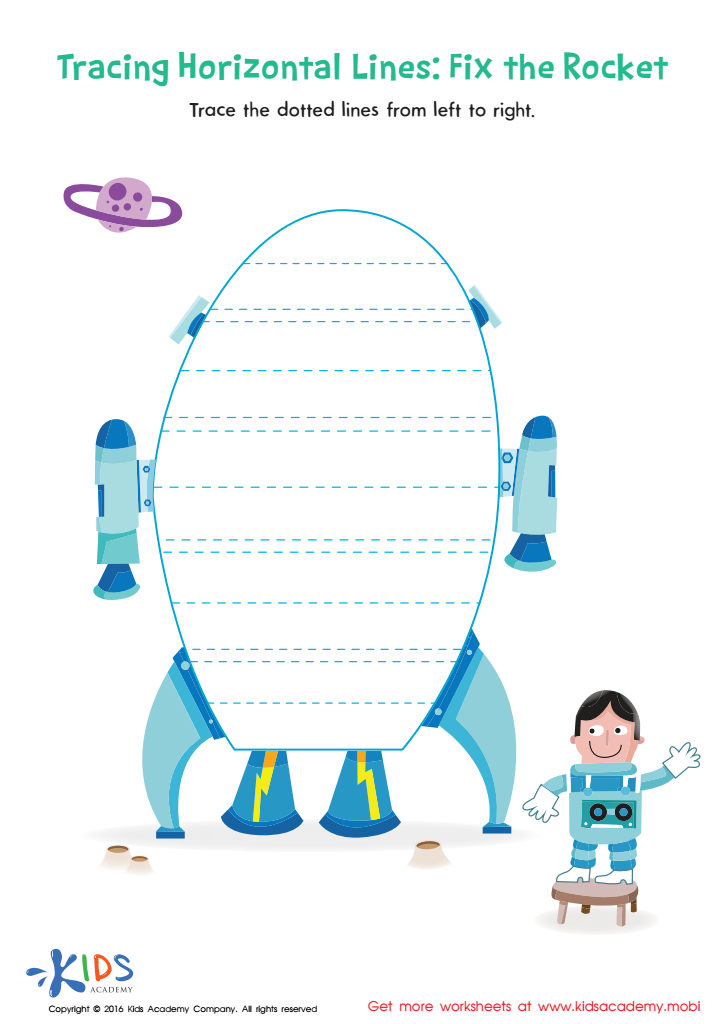
Tracing Horizontal Lines Worksheet




Normal Tracing Lines and Curves worksheets serve as an essential tool in early childhood education, particularly for children aged 3-5. This crucial developmental stage is when children begin to refine their fine motor skills, preparing them for more complex tasks such as writing. Engaging in Normal Tracing Lines and Curves not only aids in the development of these motor skills but also enhances hand-eye coordination, a vital aspect of early learning.
Furthermore, Normal Tracing Lines and Curves worksheets for Ages 3-5 are designed with young learners in mind. They incorporate a variety of fun and challenging activities that maintain children's interest while also promoting concentration and patience. Such exercises are pivotal in laying the foundation for future academic skills, including letter formation and number writing.
Moreover, these worksheets offer a structured way for children to learn about shapes, directions, and patterns. By tracing lines and curves, children gain a better understanding of spatial awareness and geometric concepts, which are integral components of early math learning.
In essence, Normal Tracing Lines and Curves worksheets are an invaluable resource for parents and educators. They not only support the development of fine motor skills and hand-eye coordination but also contribute to cognitive development and early academic skills, making them a fundamental part of early childhood education for children aged 3-5.







