Normal Science Worksheets for Ages 3-6 - Page 5
182 filtered results
-
From - To
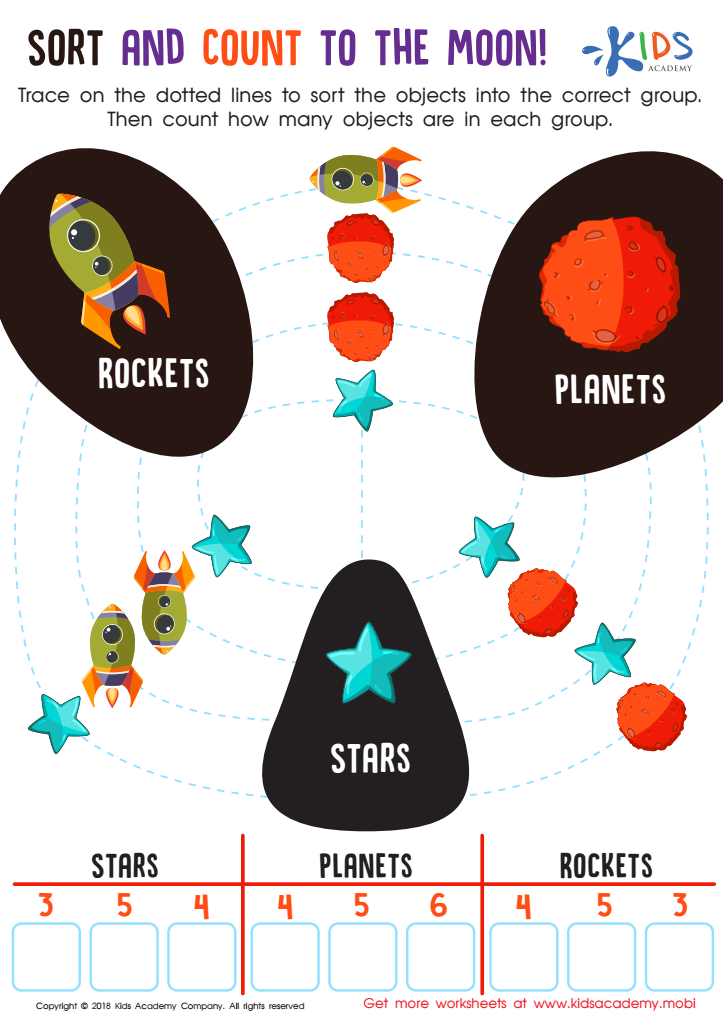
Sort and Count to the Moon Worksheet
 Assign to My Students
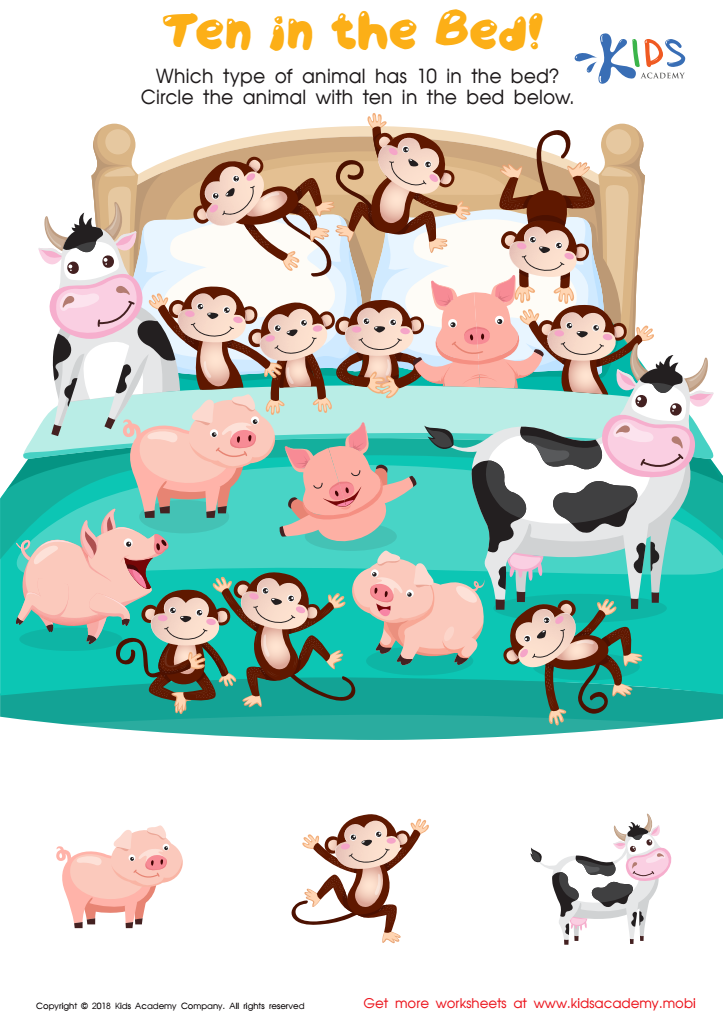
Ten in the Bed Worksheet
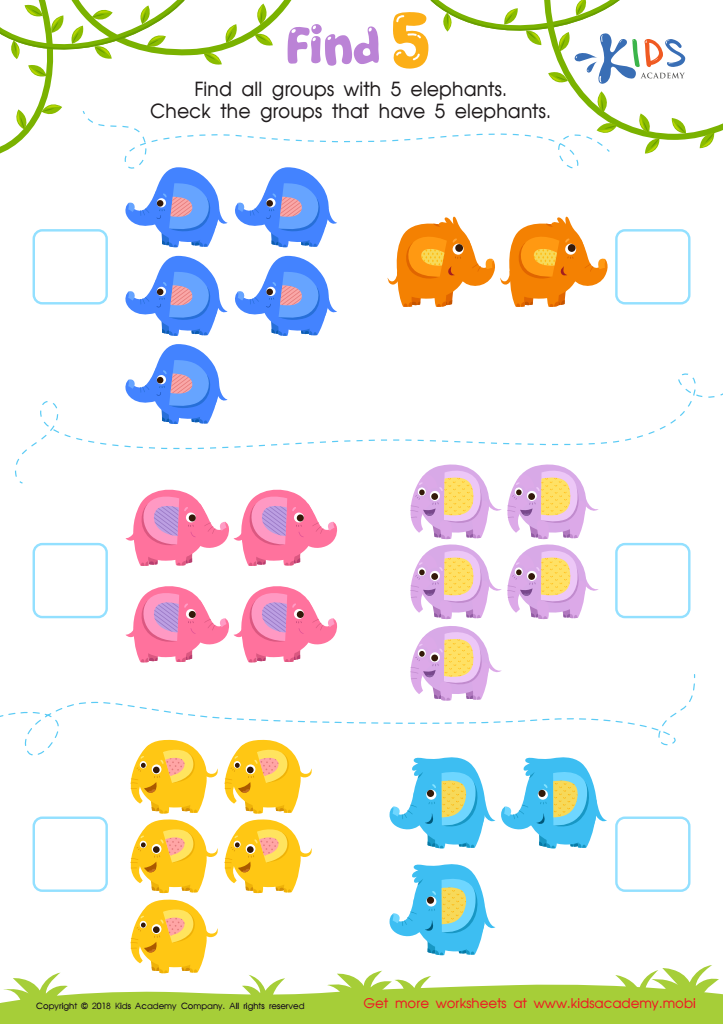
Find 5 Worksheet
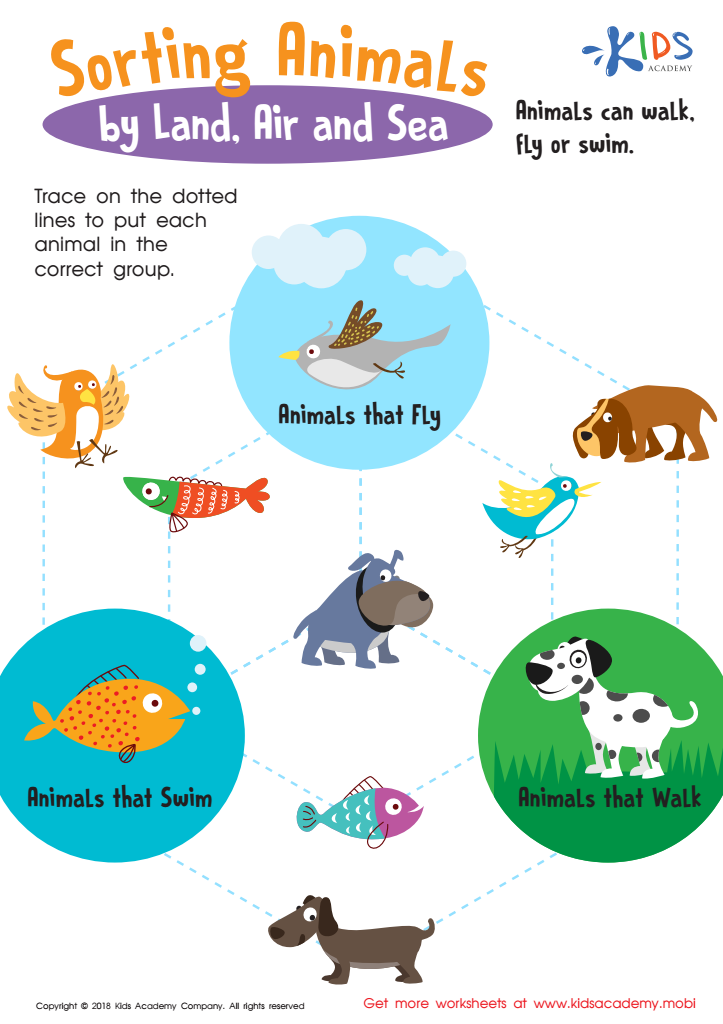
Sorting Animals by Land, Air and Sea Worksheet
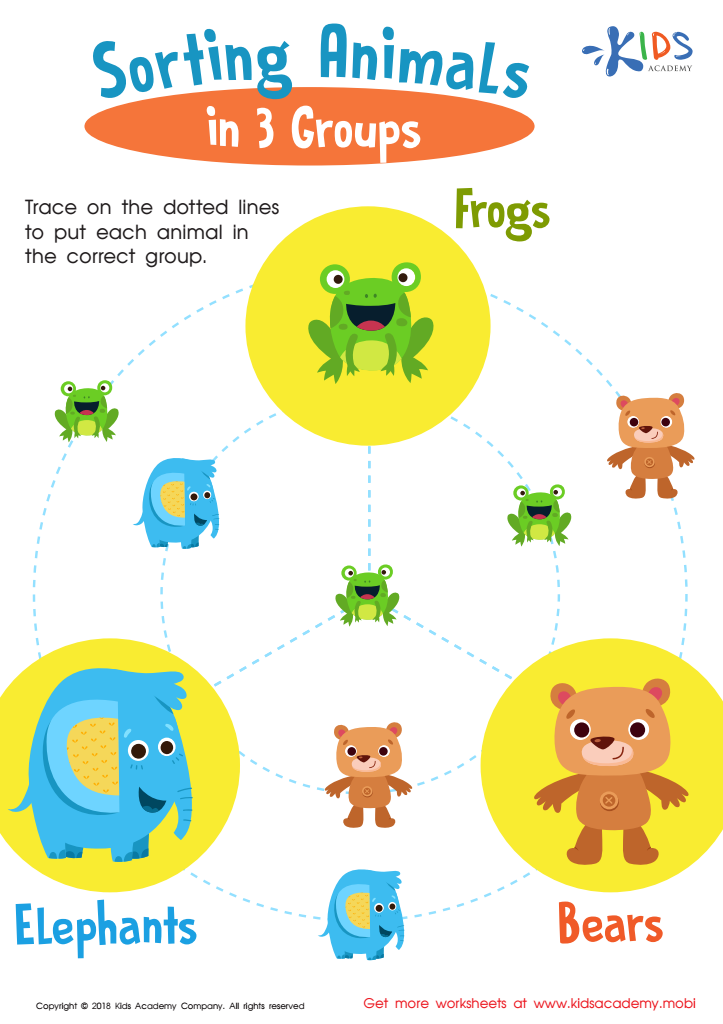
Sorting Animals in 3 Groups Worksheet
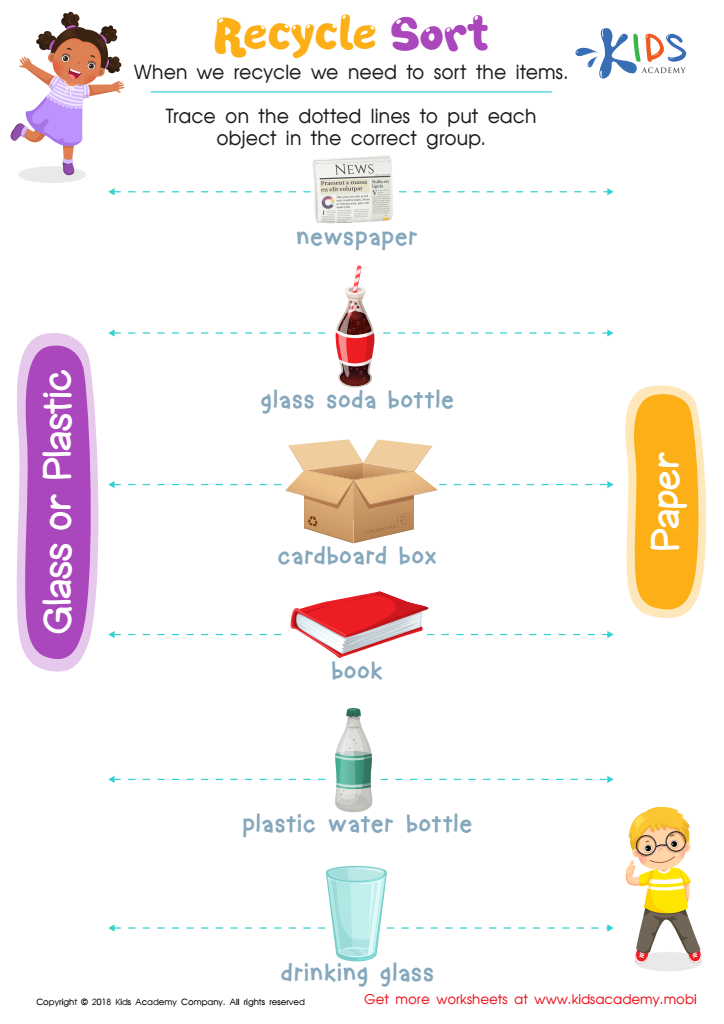
Recycle Sort Worksheet
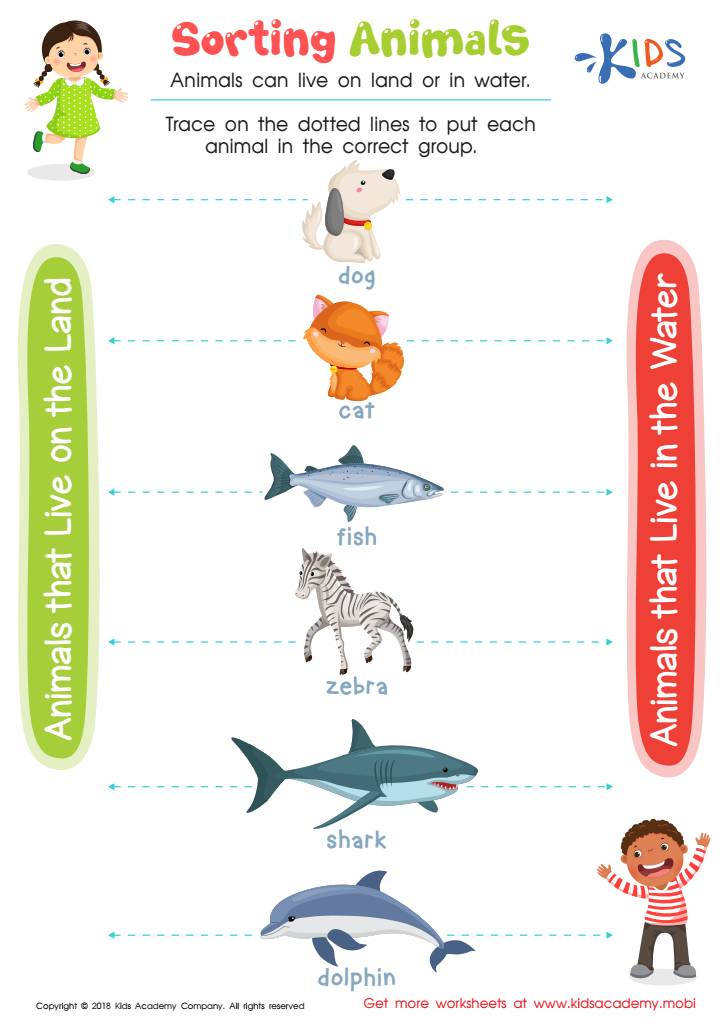
Sorting Animals Worksheet
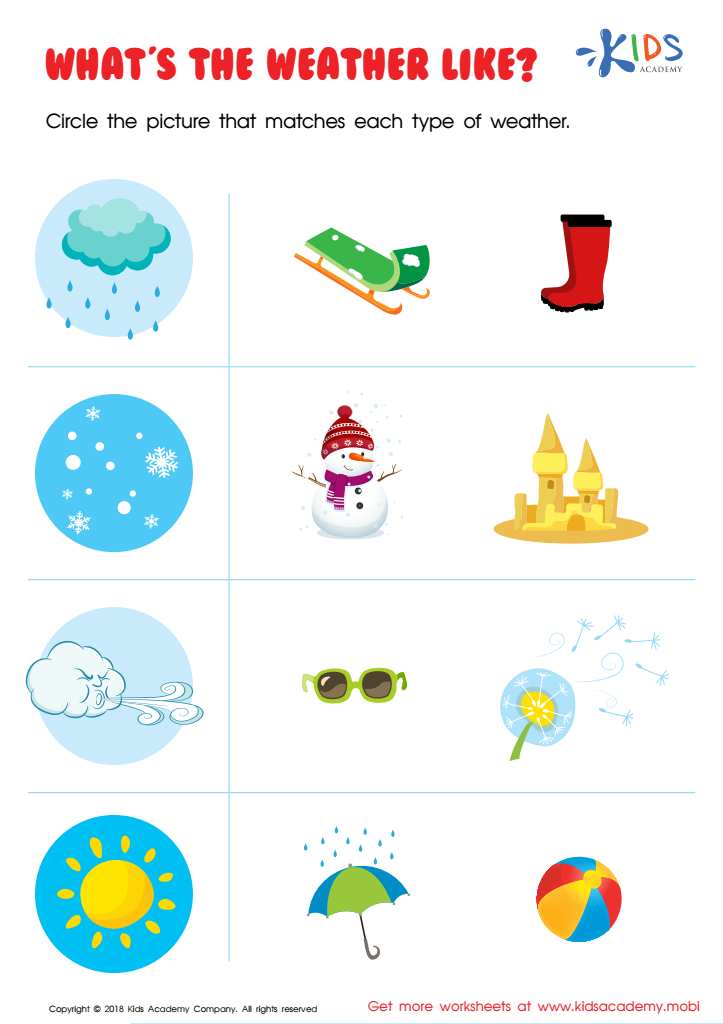
What's the Weather Like? Worksheet
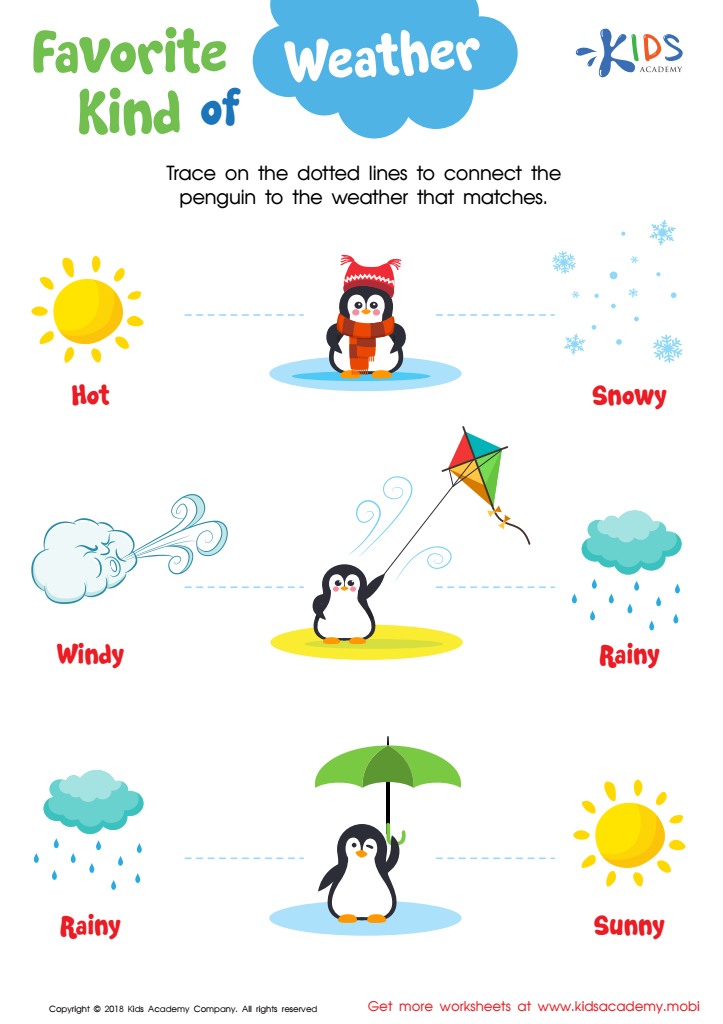
Favorite Kind of Weather Worksheet
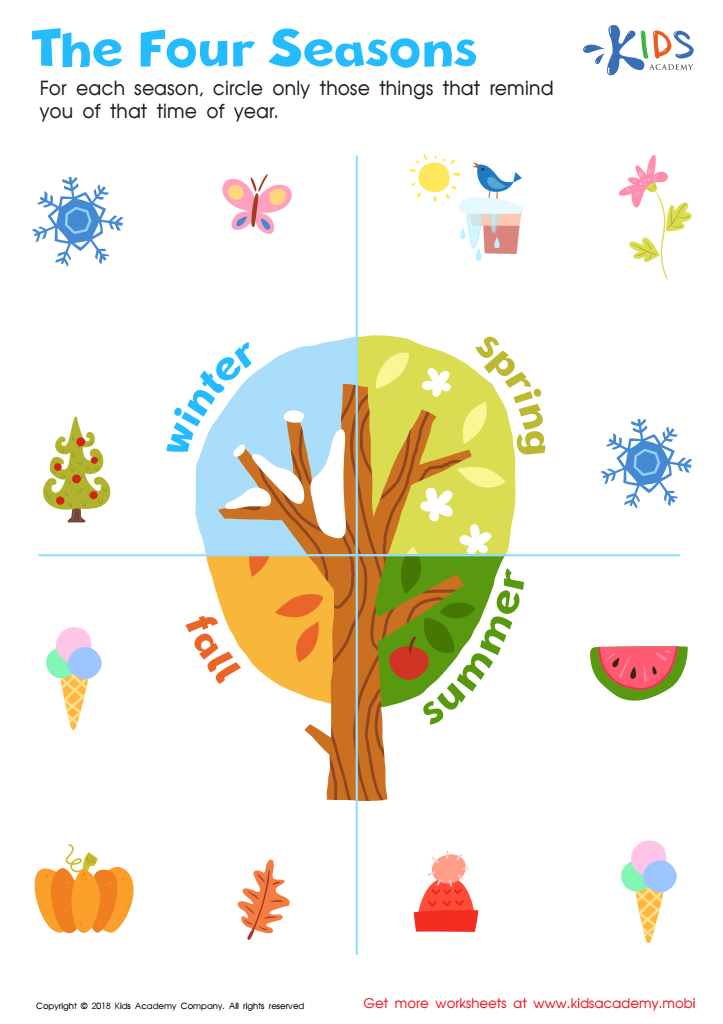
The Four Seasons Worksheet
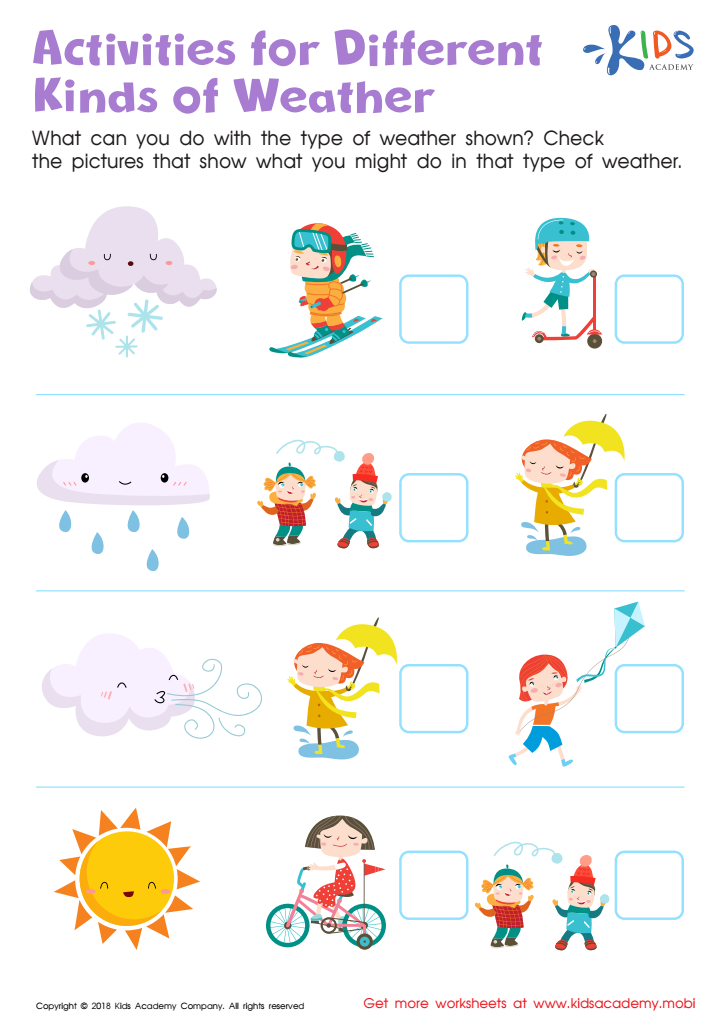
Activities for Different Kinds of Weather Worksheet
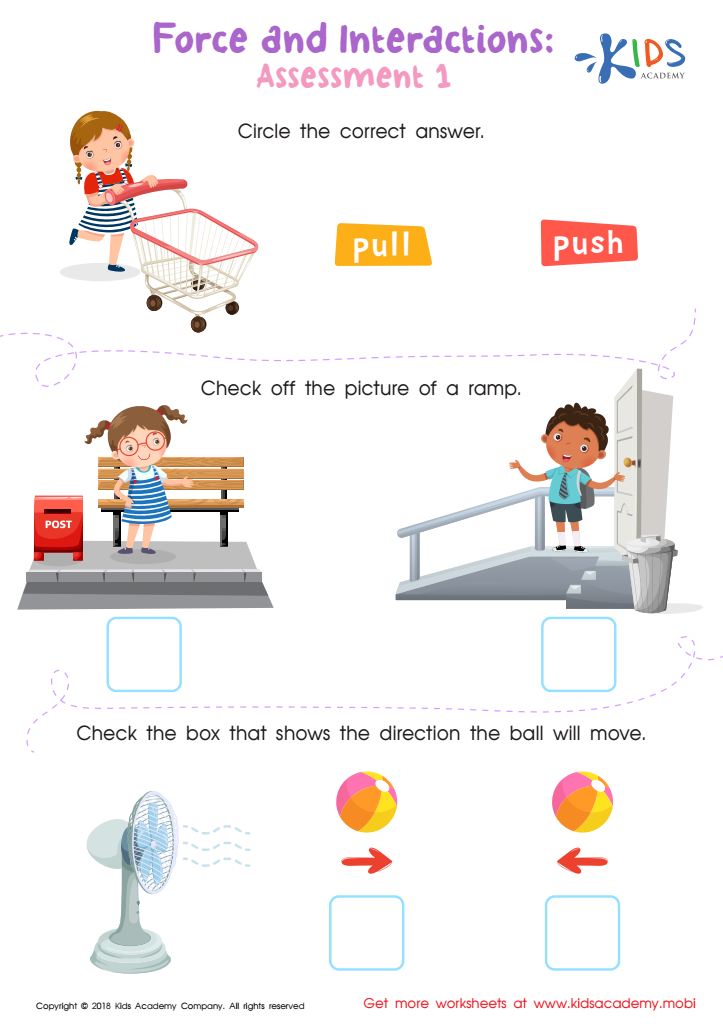
Force and Interactions: Assessment 1 Worksheet
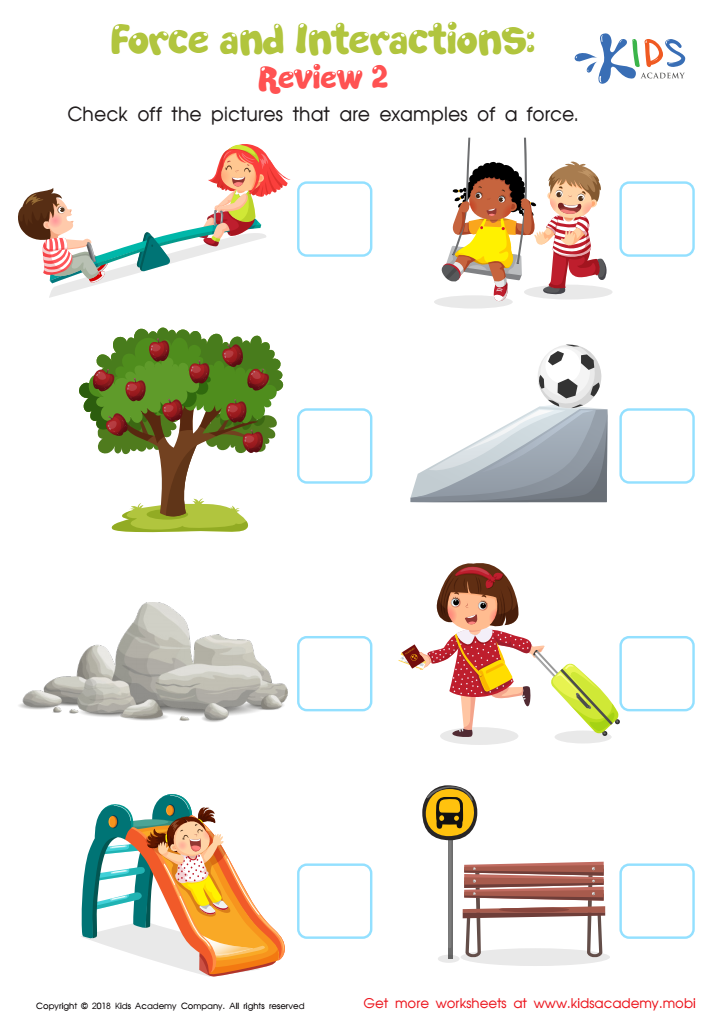
Force and Interactions: Review 2 Worksheet
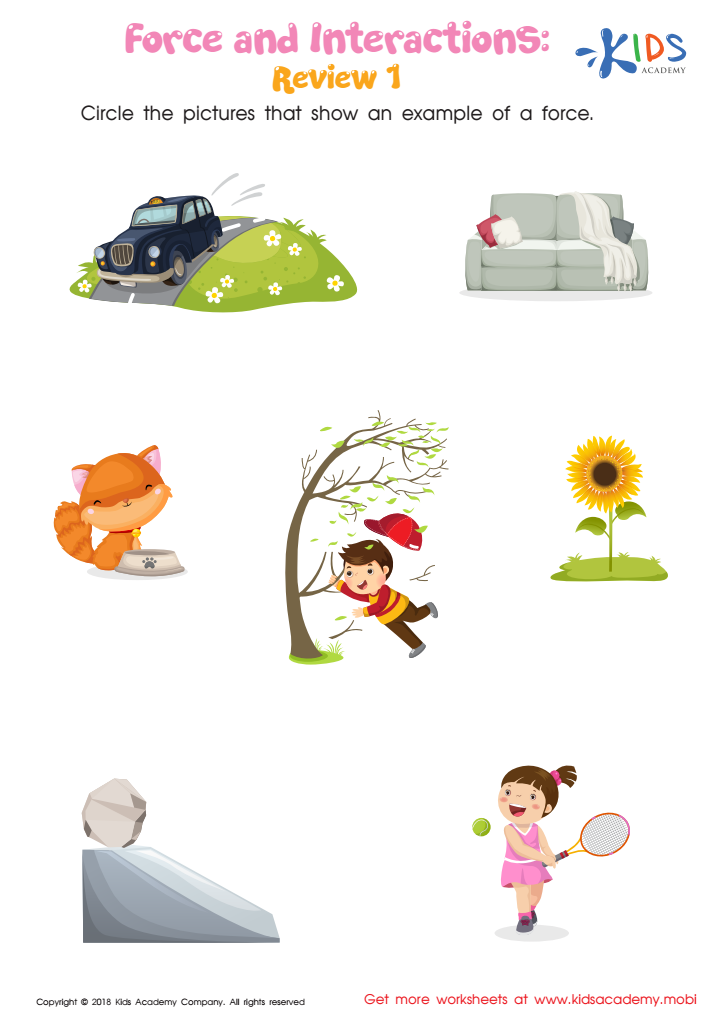
Force and Interactions: Review 1 Worksheet
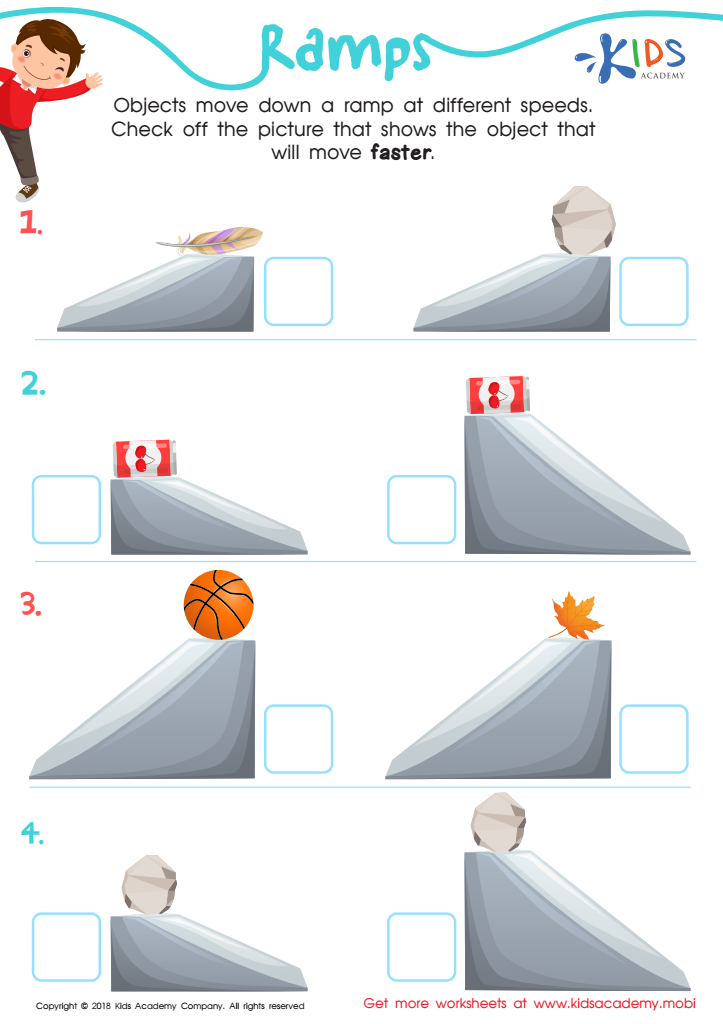
Ramps Worksheet
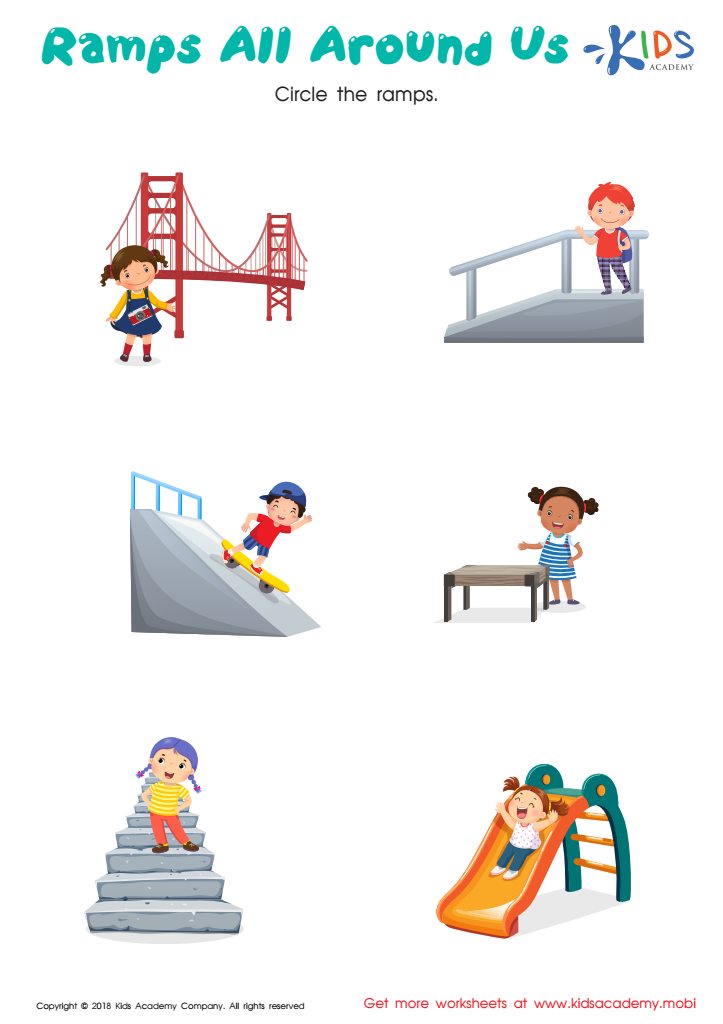
Ramps All Around us Worksheet
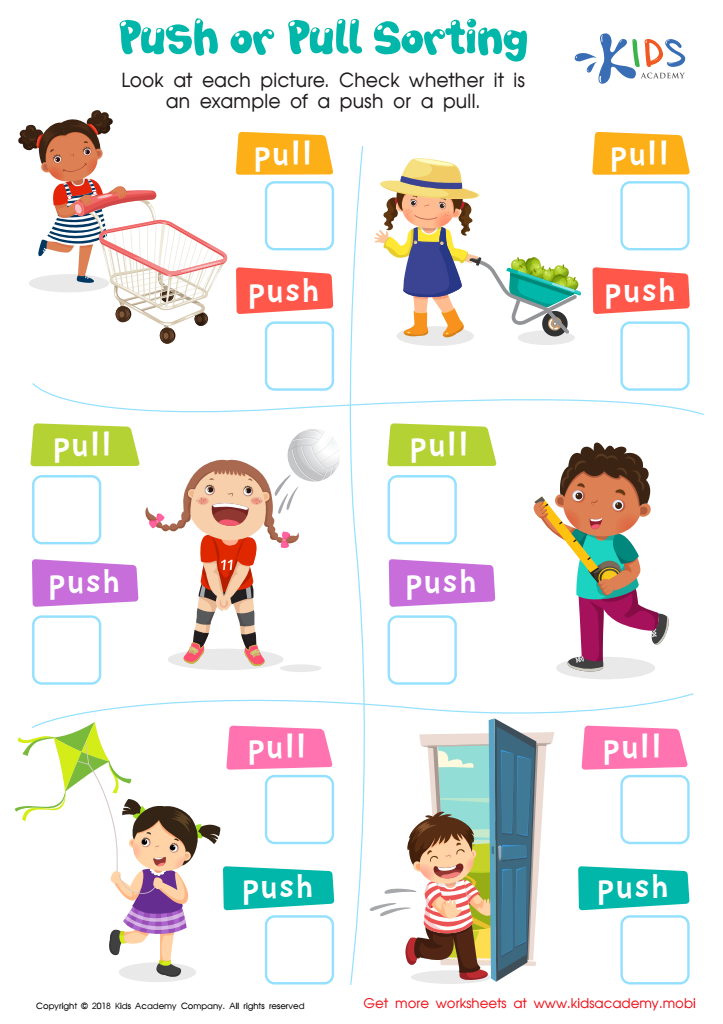
Push or Pull Sorting Worksheet
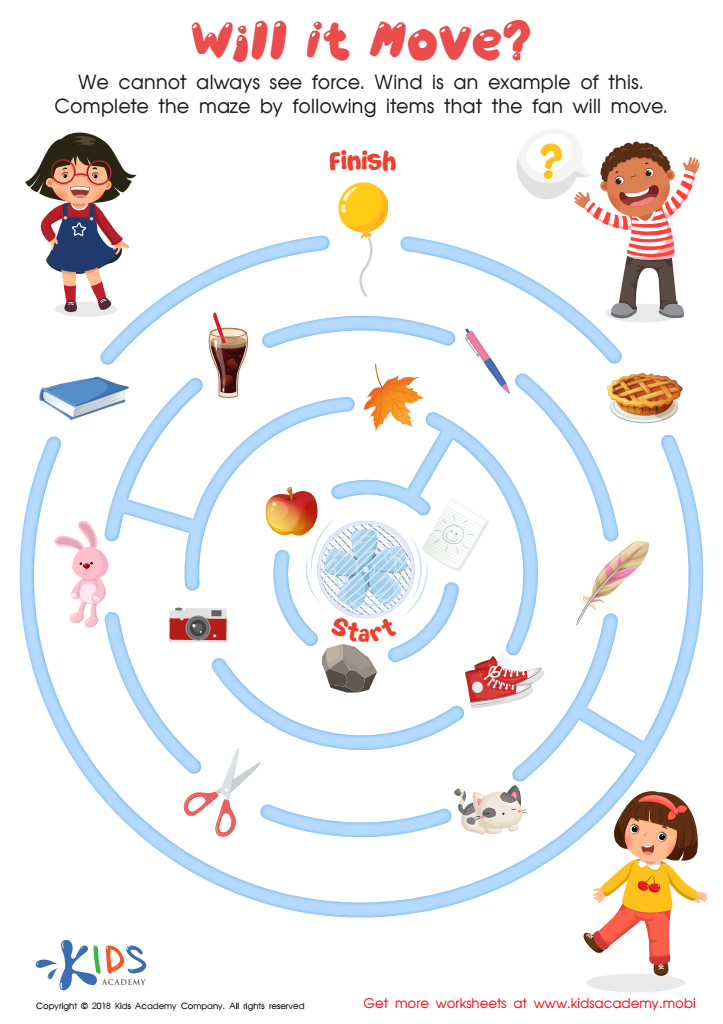
Will it Move? Worksheet
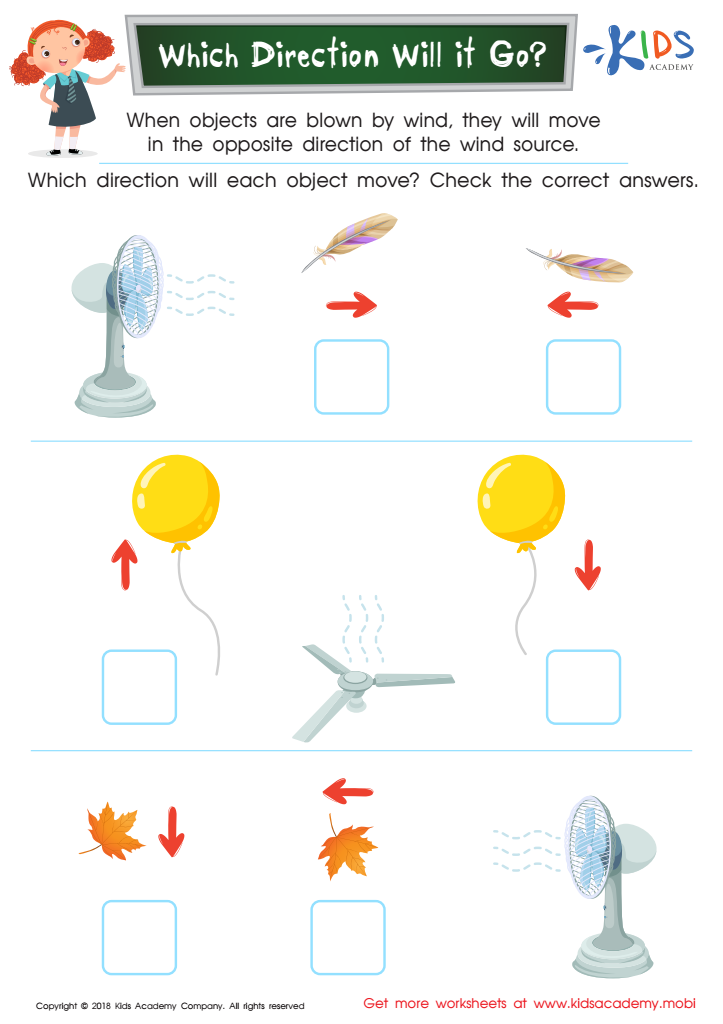
Which Direction Will it Go? Worksheet
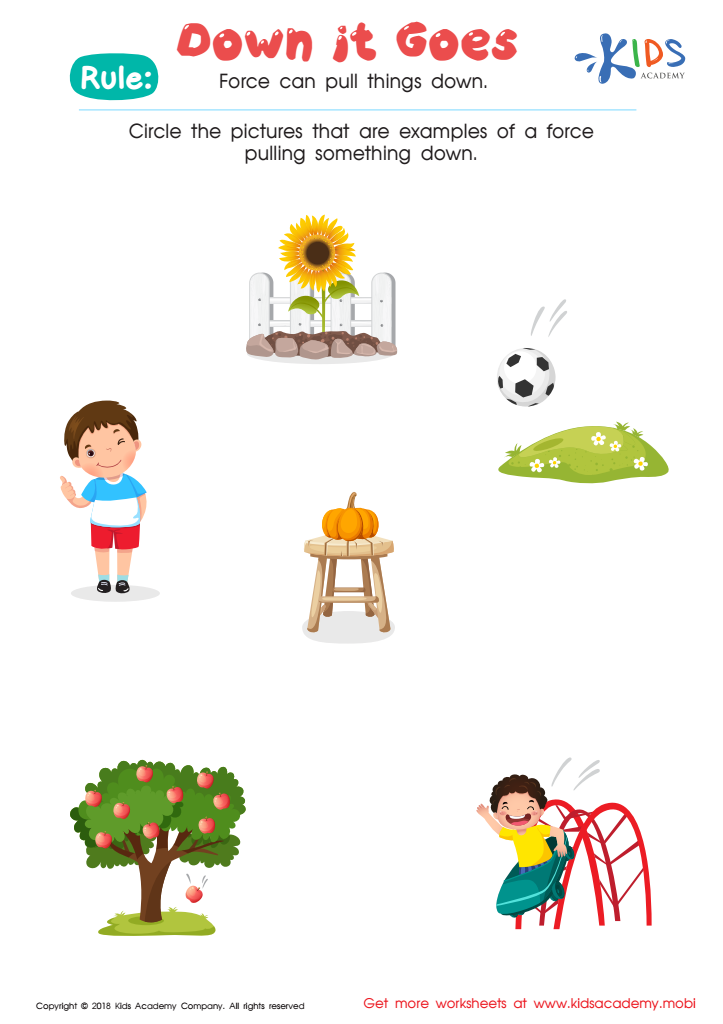
Down it Goes Worksheet
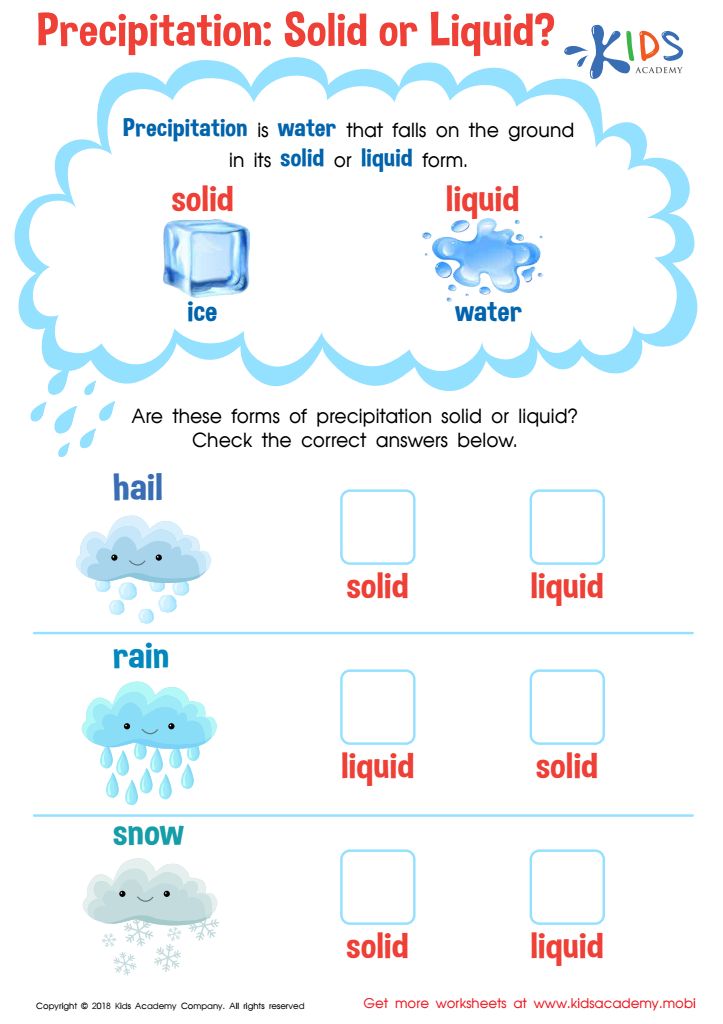
Precipitation: Solid or Liquid? Worksheet
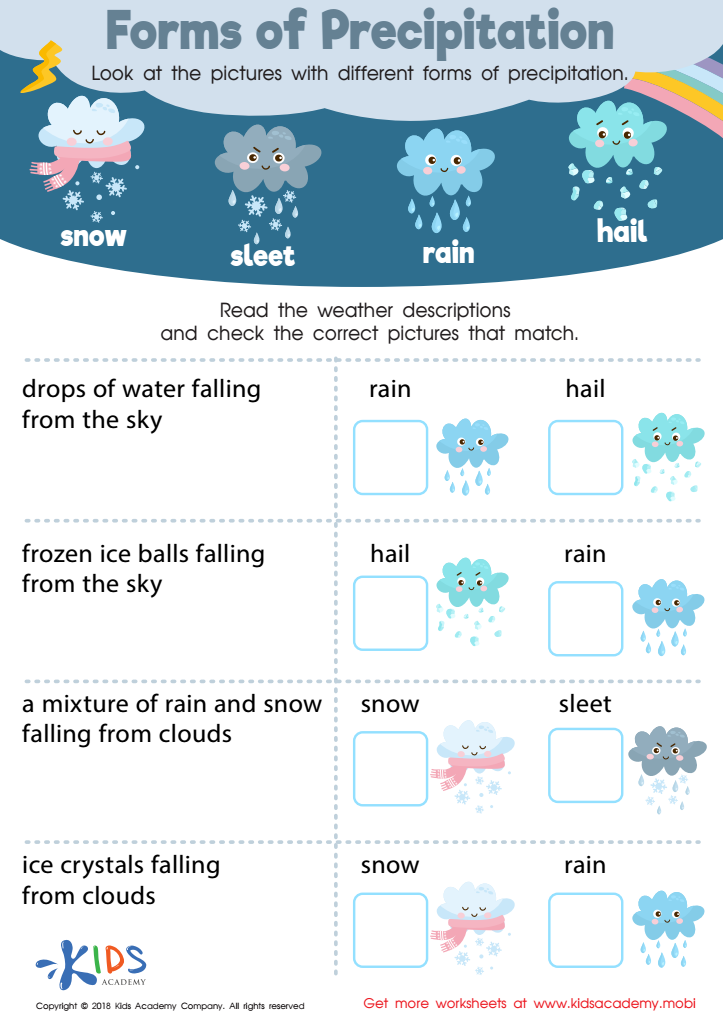
Forms of Precipitation Worksheet
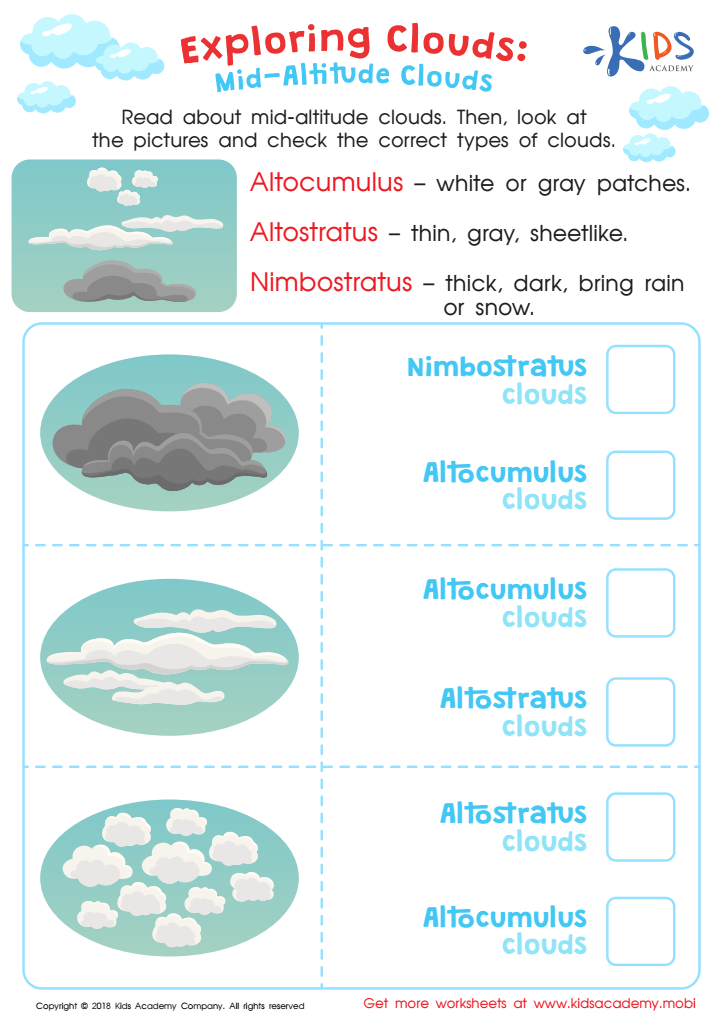
Exploring Clouds: Mid-altitude Clouds Worksheet
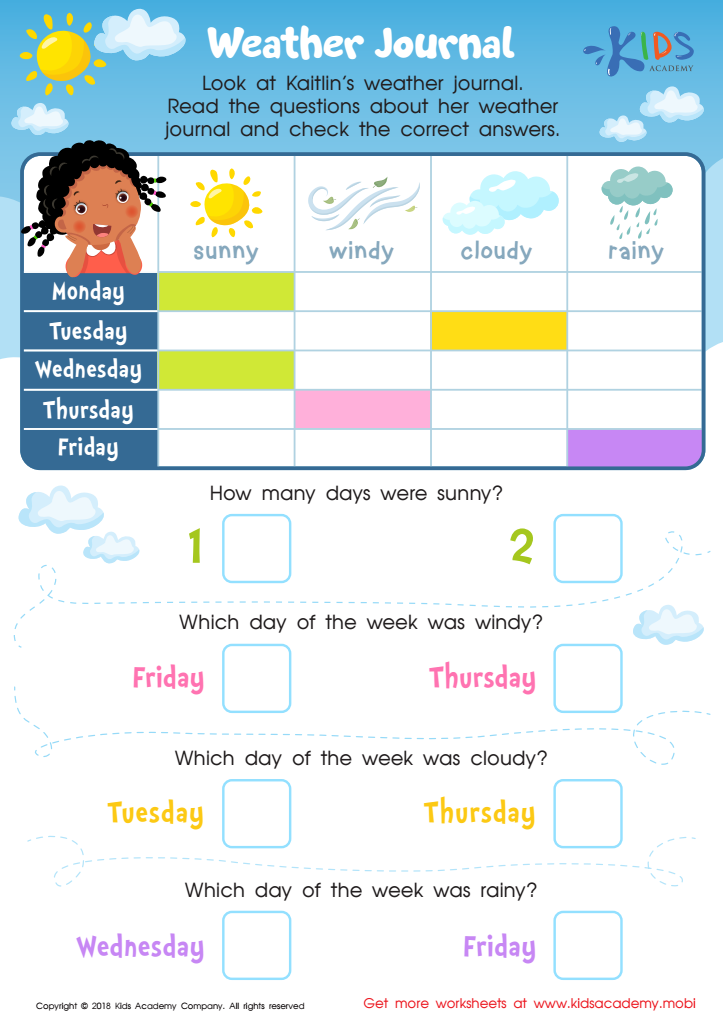
Weather Journal Worksheet





.jpg)


Normal Science, often referred to as the fundamental or foundational aspects of science, plays a vital role in early childhood development for ages 3-6. This period in a child's life is crucial for cognitive development, and exposing them to basic scientific principles nurtures a sense of curiosity, critical thinking, and problem-solving skills.
At this young age, children have a natural inclination to explore their surroundings. Engaging them in simple scientific activities, like observing plant growth, mixing colors, or understanding weather patterns, taps into their innate curiosity. These activities help children grasp basic concepts such as cause and effect, observation, and experimentation.
Introducing Normal Science at an early age also facilitates language development. When children describe what they observe and experiment with, they expand their vocabulary and improve communication skills. Teachers and parents who encourage such discussions foster an interactive learning environment that builds confidence and social skills.
Moreover, early exposure to science creates a strong foundation for more complex scientific learning in later years. It also helps dispel potential future anxieties about science subjects by presenting them as approachable and enjoyable.
In essence, teaching Normal Science to young children isn't just about imparting knowledge; it's about cultivating an inquisitive mindset that will benefit them throughout their lives. Parents and teachers should prioritize this to set the stage for lifelong learning and success.







