Normal Animals Worksheets for Ages 3-6 - Page 2
26 filtered results
-
From - To
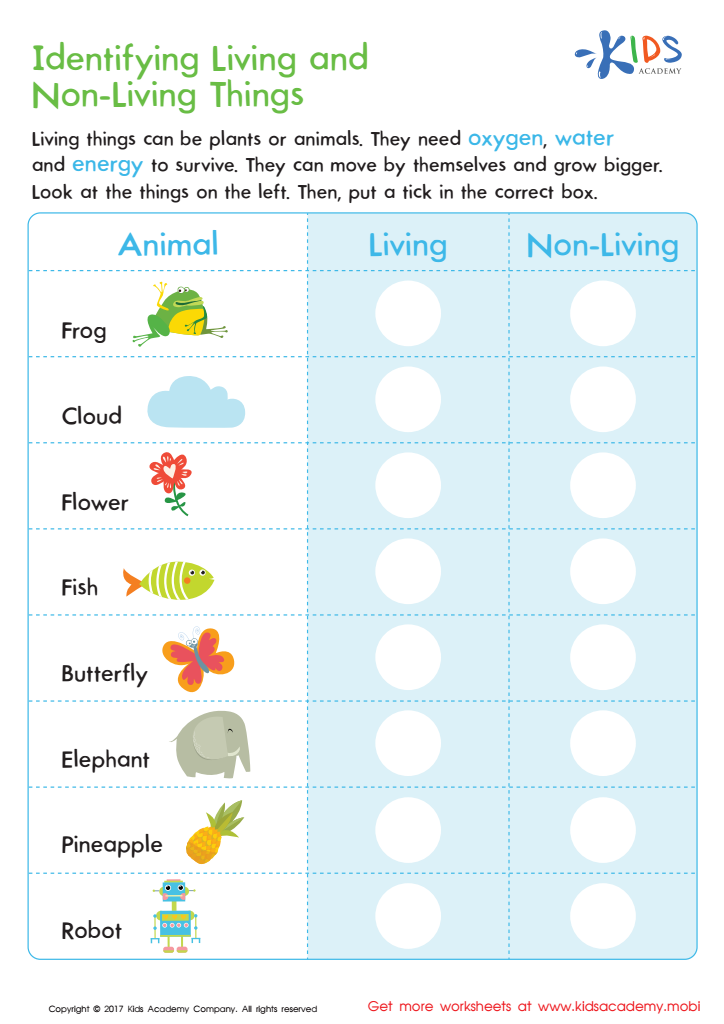
Identifying Living or Non–living Worksheet
 Assign to My Students
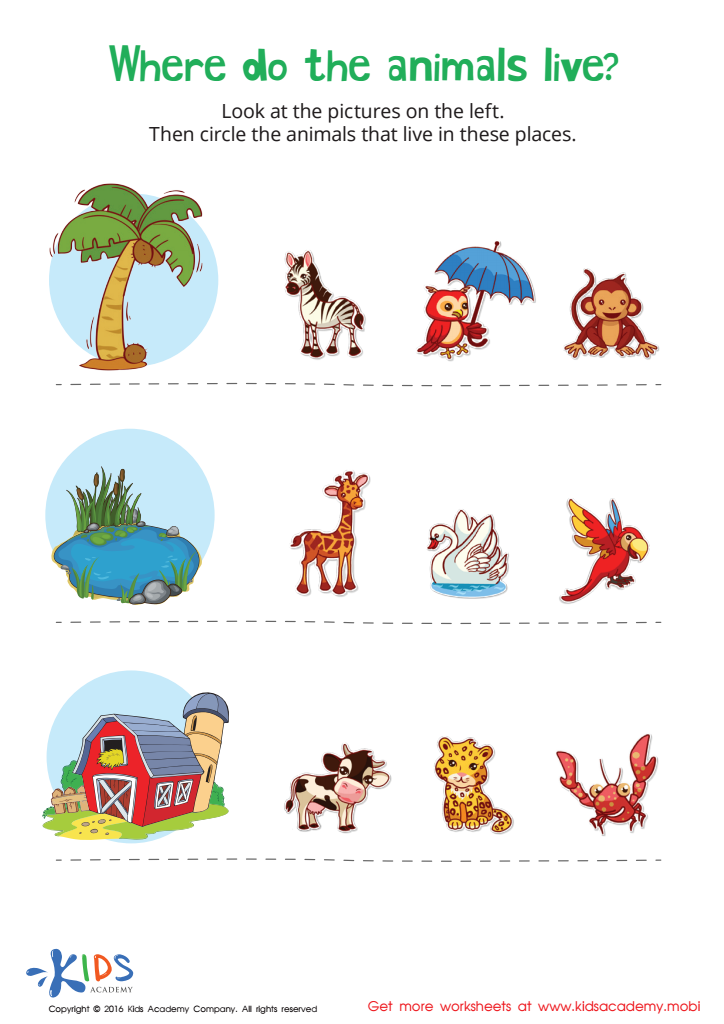
Where Animals Live Worksheet




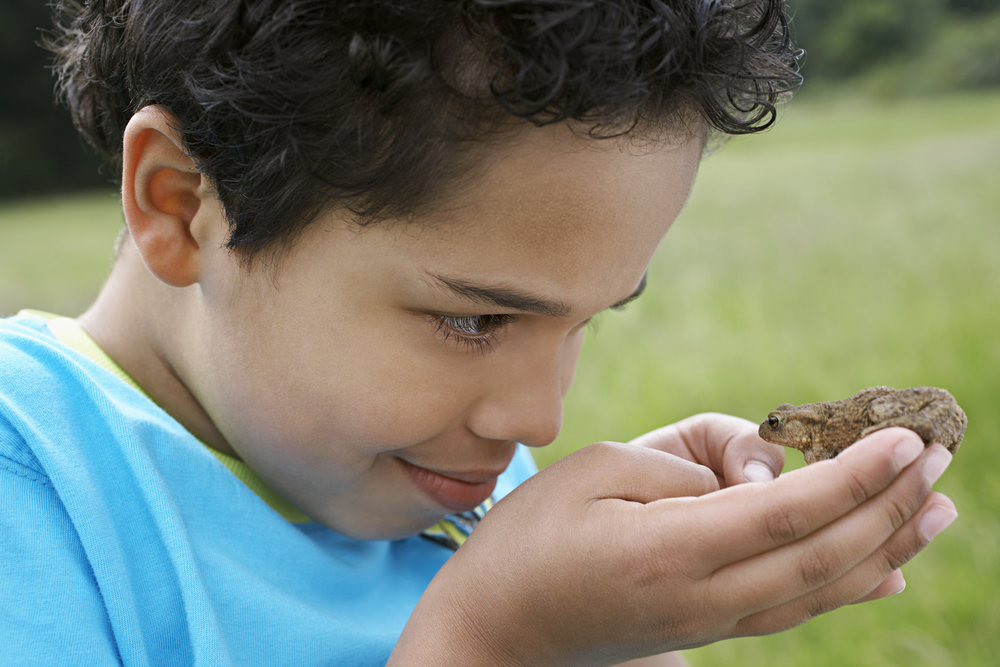
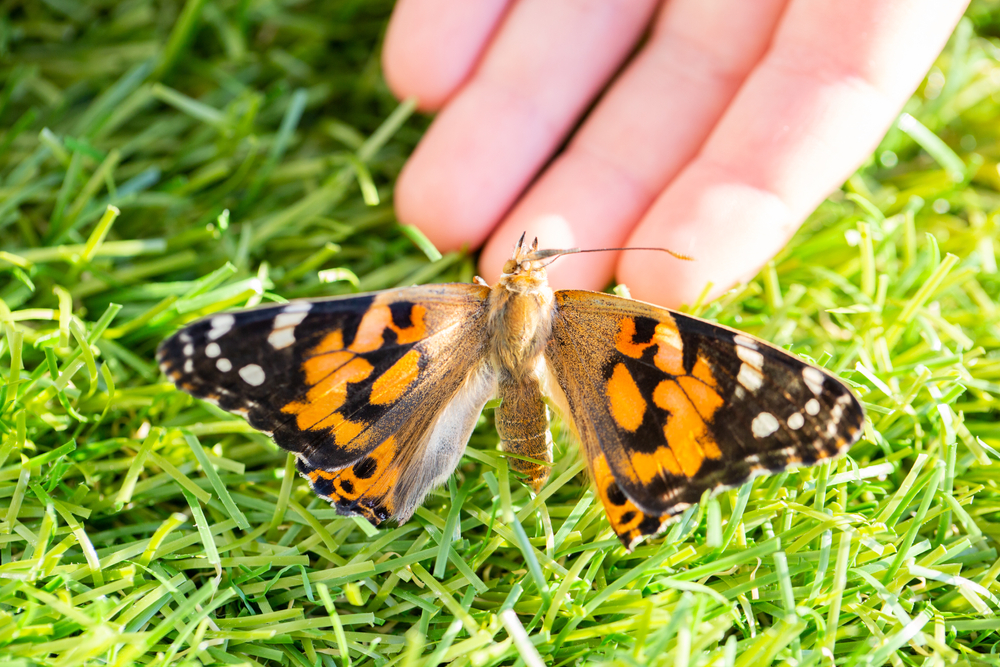

Normal Animals, a concept designed for young children aged 3-6, plays a crucial role in early childhood education. This stage of development is characterized by a natural curiosity about the world, and animals readily capture children’s attention and imagination. Engaging with normal animals—those that children are likely to encounter in their lives—helps foster a foundational understanding of biology, ecology, and respect for living creatures.
Parents and teachers should care about incorporating Normal Animals into learning because they act as excellent educational tools. These animals can facilitate discussions about habitats, behaviors, growth, and the importance of nature. Through stories, songs, and interactive activities featuring normal animals, children can enhance their vocabulary, critical thinking, and social-emotional skills.
Furthermore, learning about animals can promote empathy, teaching children to respect and care for all living beings. By developing a connection with animals, children also learn valuable lessons about responsibility and the environment. In an increasingly urbanized world, close connections with nature and understanding animal life are essential for fostering a sense of stewardship in future generations. Therefore, integrating Normal Animals into educational experiences is a meaningful way for parents and teachers to enrich children’s learning and understanding of the world around them.








