Normal Letter Recognition Worksheets for Ages 3-7 - Page 3
66 filtered results
-
From - To
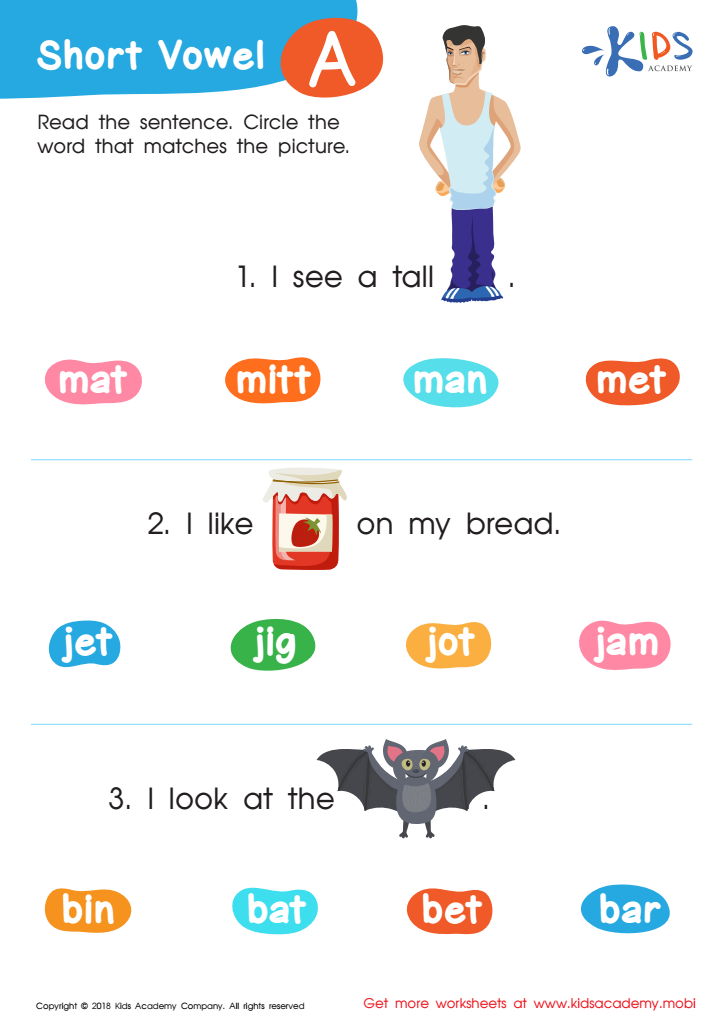
Short Vowel /a/ Worksheet
 Assign to My Students
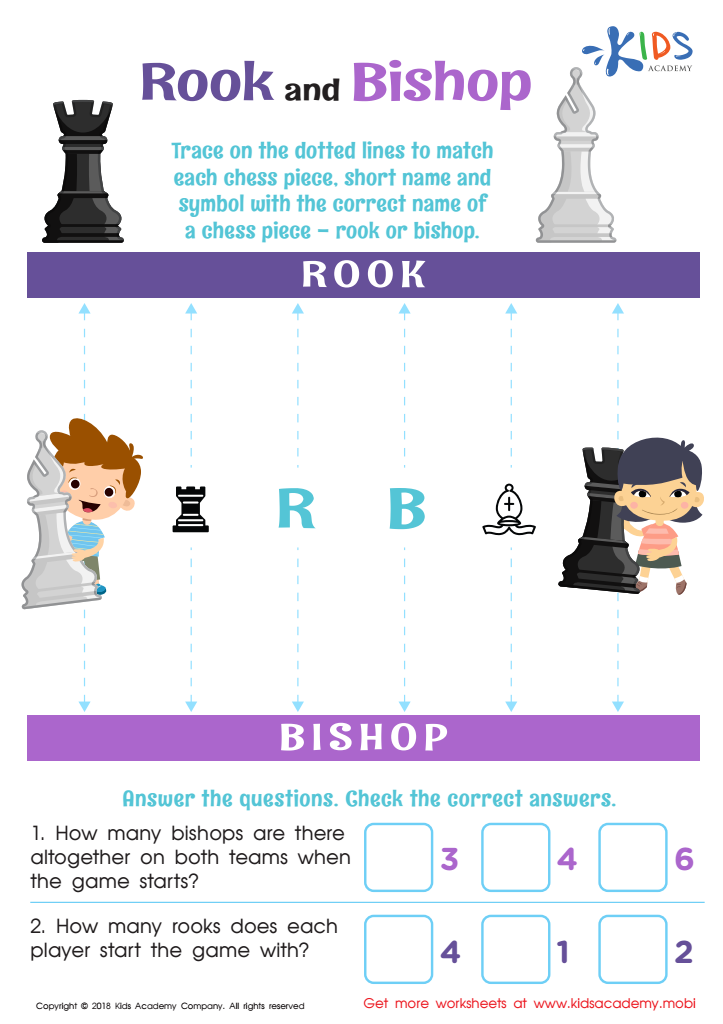
Rook and Bishop Worksheet
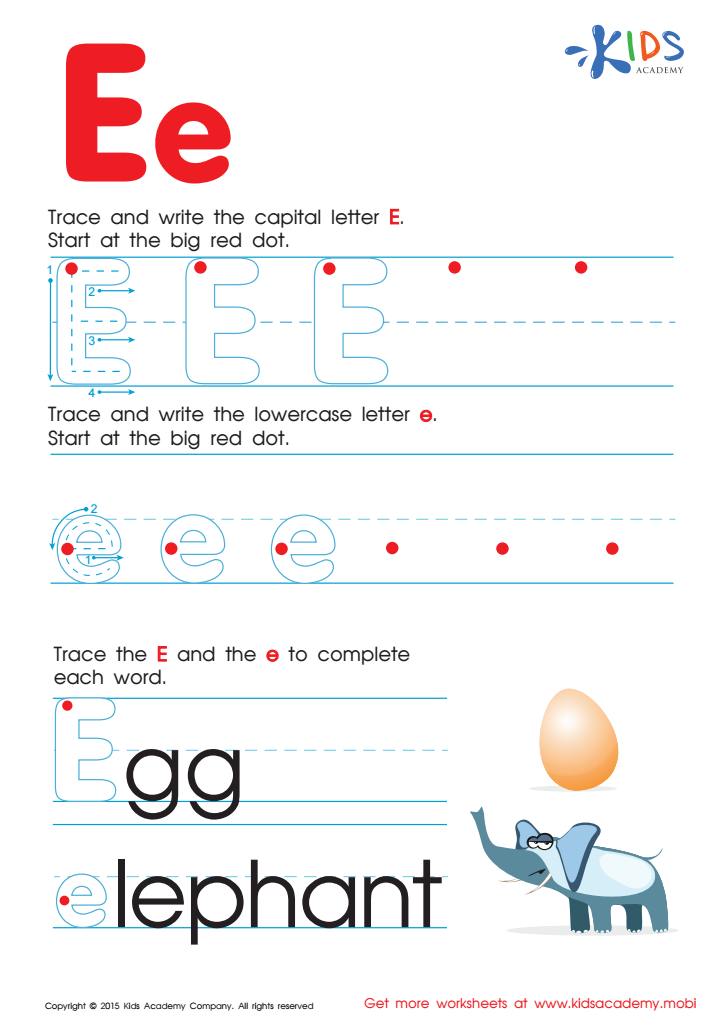
Letter E Tracing Page
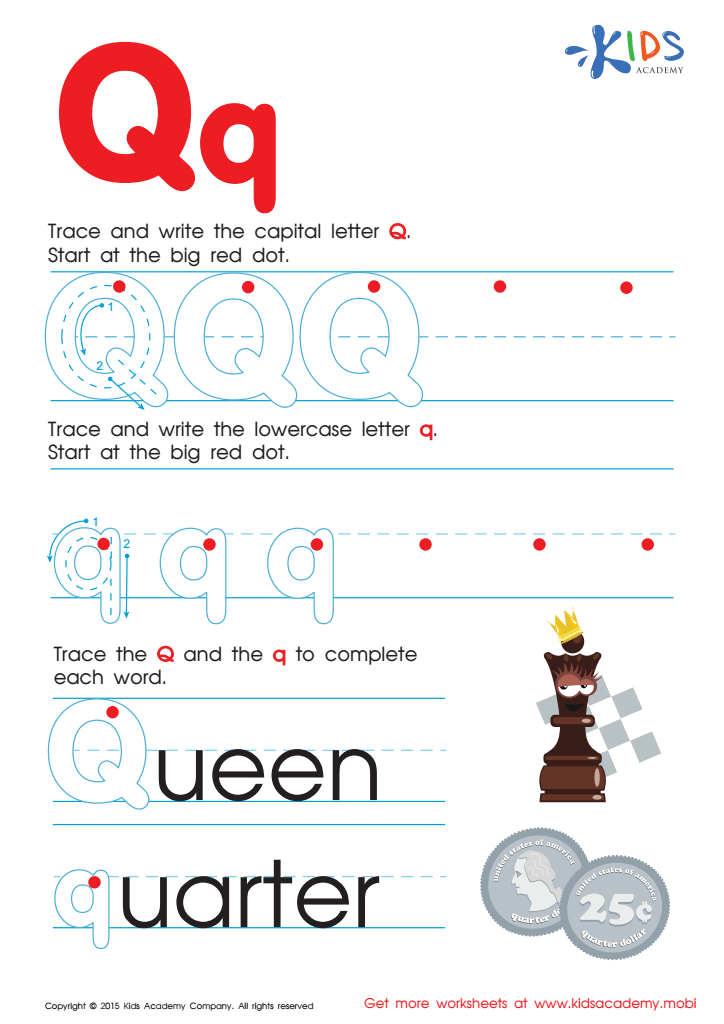
Letter Q Tracing Page

Letter P Tracing Page
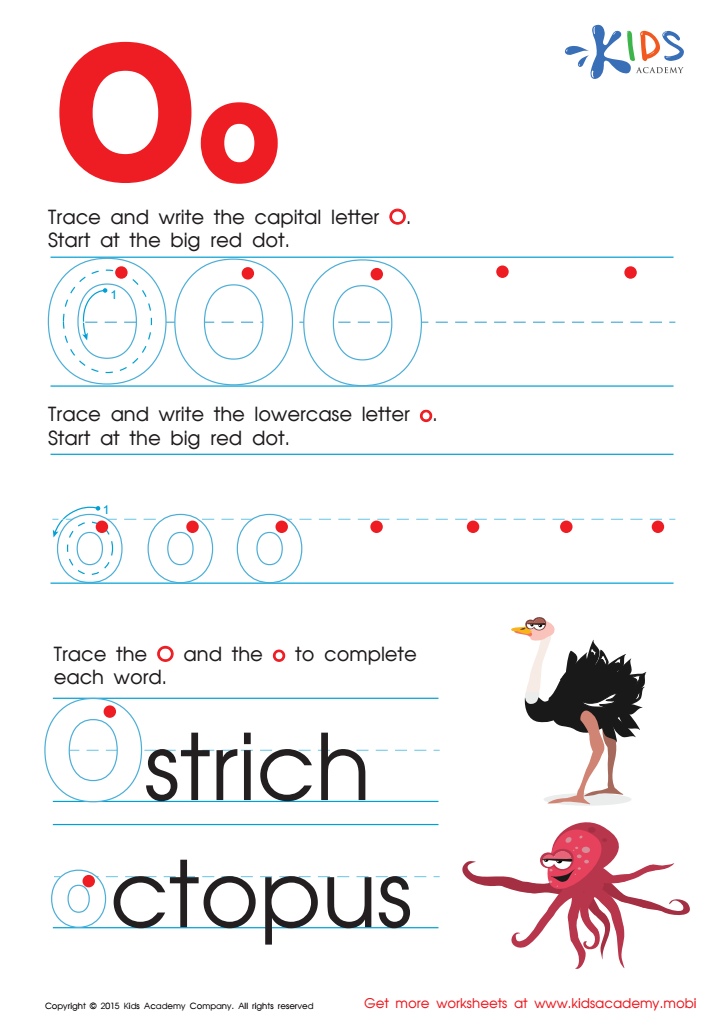
Letter O Tracing Page
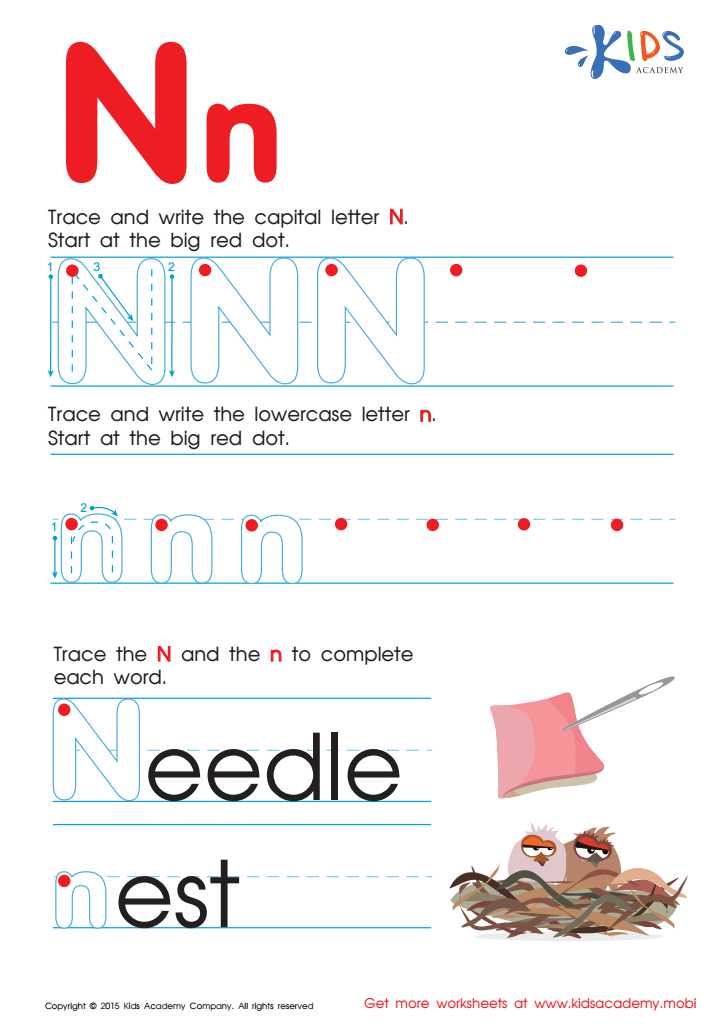
Letter N Tracing Page
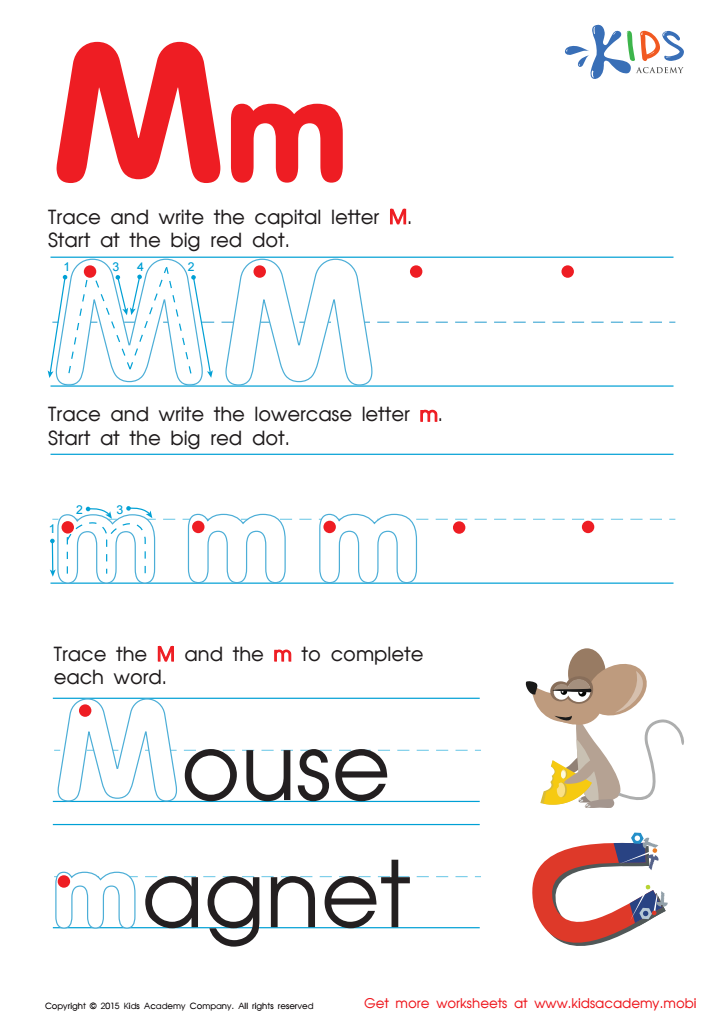
Letter M Tracing Page
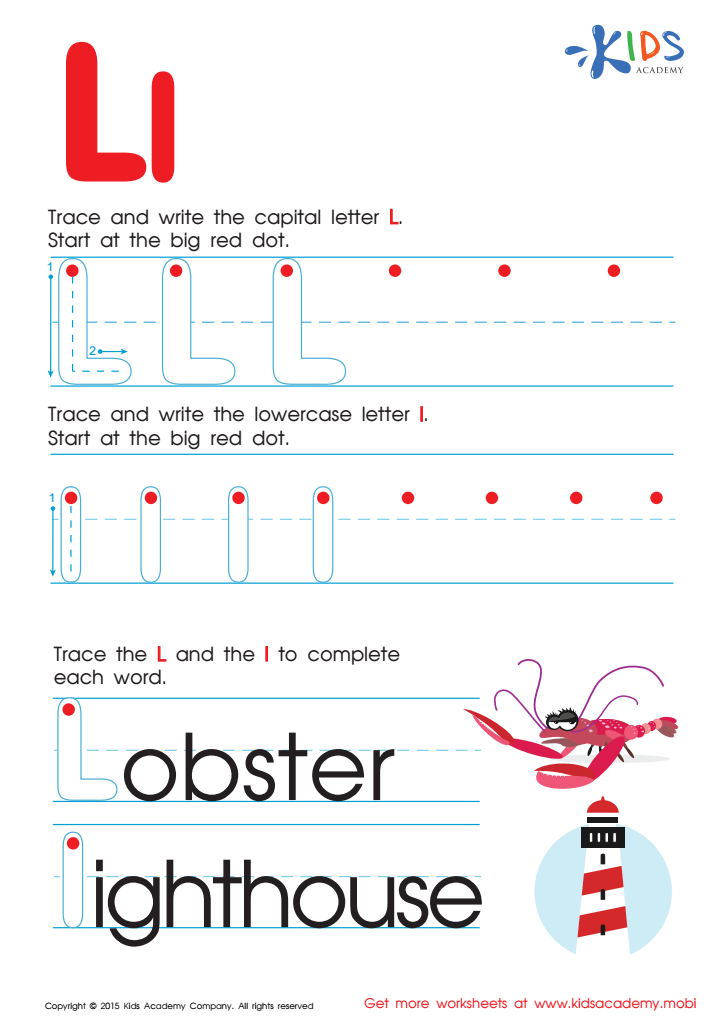
Letter L Tracing Page
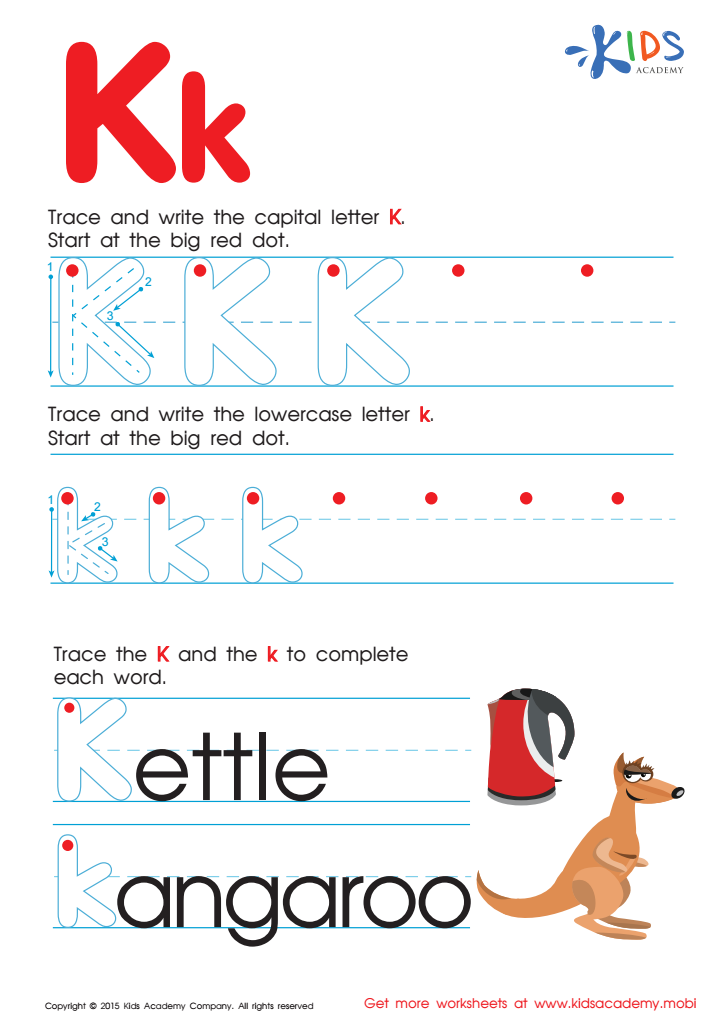
Letter K Tracing Page
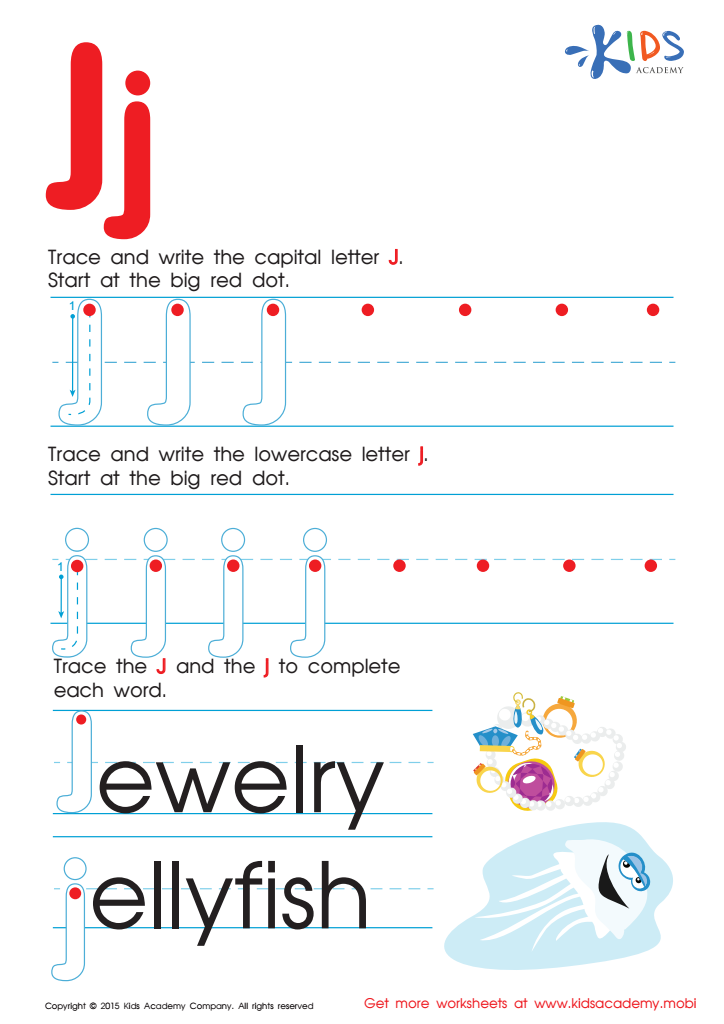
Letter J Tracing Page
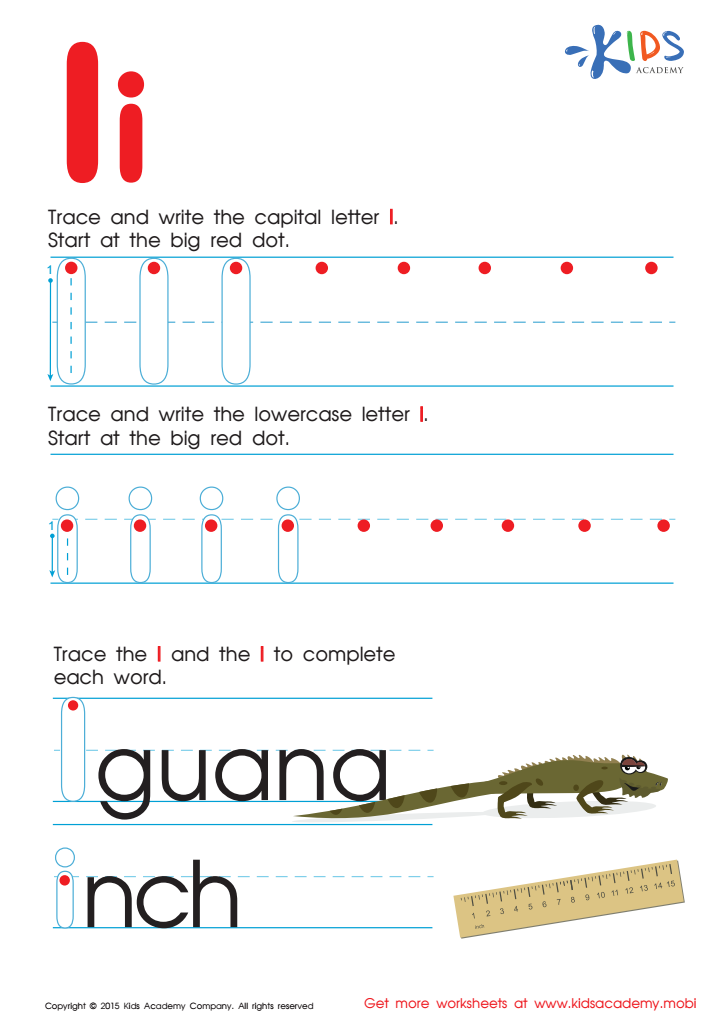
Letter I Tracing Page

Letter H Tracing Page

Letter G Tracing Page
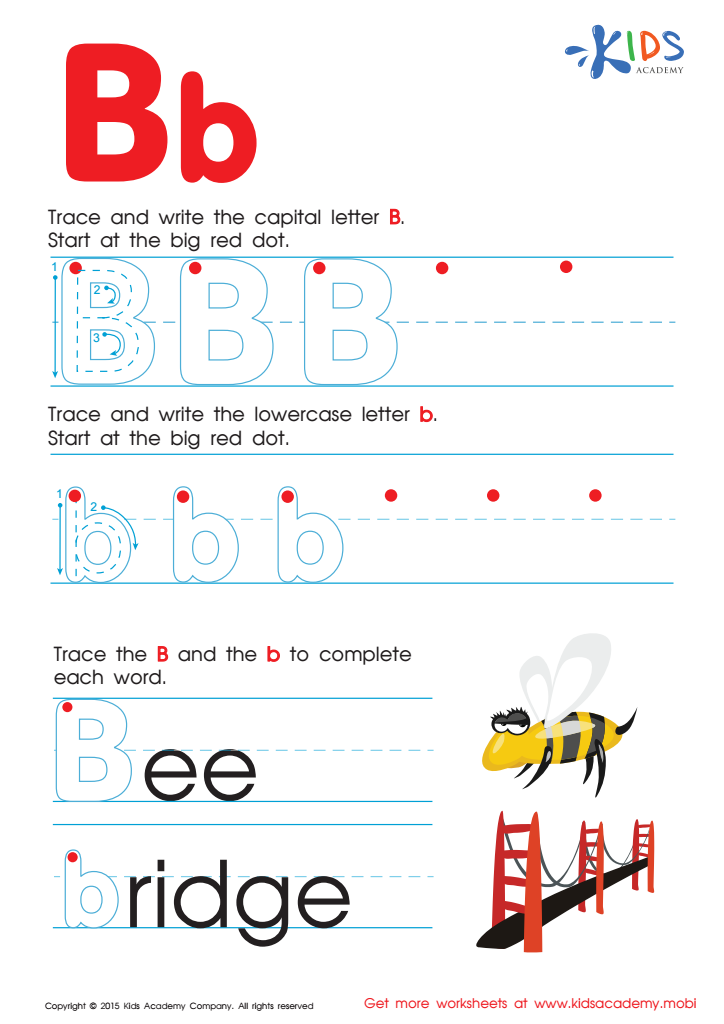
Letter B Tracing Page
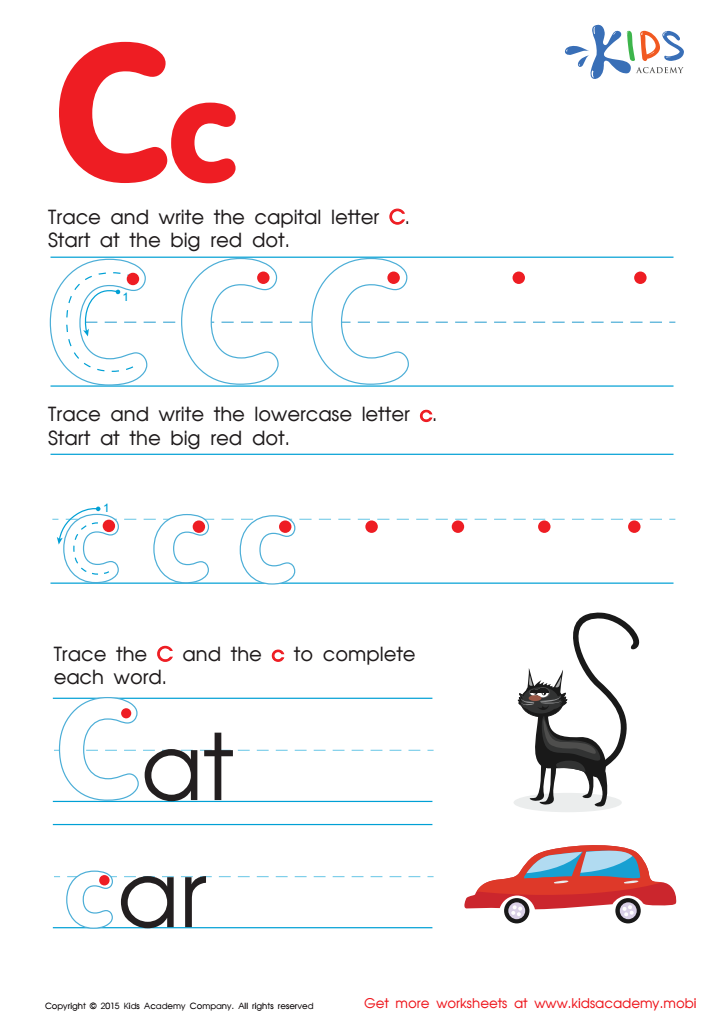
Letter C Tracing Page

Letter D Tracing Page
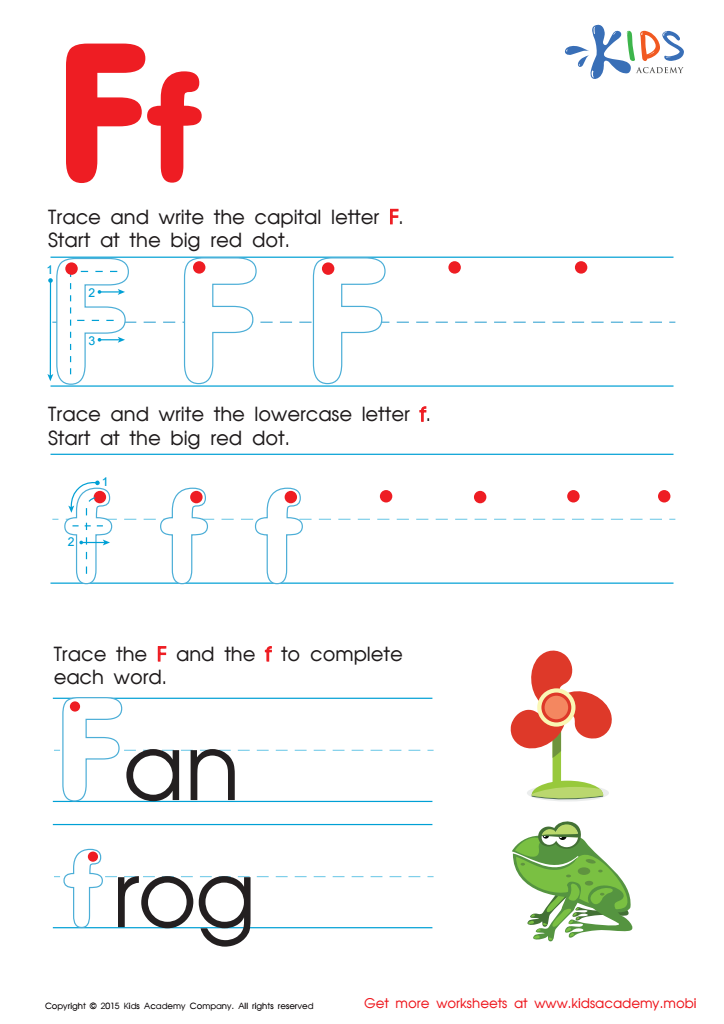
Letter F Tracing Page








Normal letter recognition is crucial for children aged 3-7, as it serves as a foundational skill for reading and writing. At this early stage, children are naturally curious and eager to explore language, making it an ideal time to cultivate their interest in letters. Recognizing letters not only helps children identify and articulate sounds, but it also enables them to connect these sounds to form words. This skill is a key predictor of literacy success, influencing their ability to read fluently and comprehend text as they progress in school.
Additionally, supporting letter recognition fosters cognitive development, as children learn to classify and differentiate between symbols. Engaging with letters enriches their vocabulary and communication skills. Parents and teachers play a vital role in this learning process by providing an engaging and supportive environment. Through fun activities, like songs, games, and storytelling, adults can instill a love for reading early on.
Moreover, early interventions can assist children who may struggle with letter recognition, preventing future literacy challenges. By prioritizing letter recognition, parents and teachers equip children with essential tools for academic success, setting them on a path to become confident, capable readers and writers.








